
What exactly does ClariVein for spider veins involve?
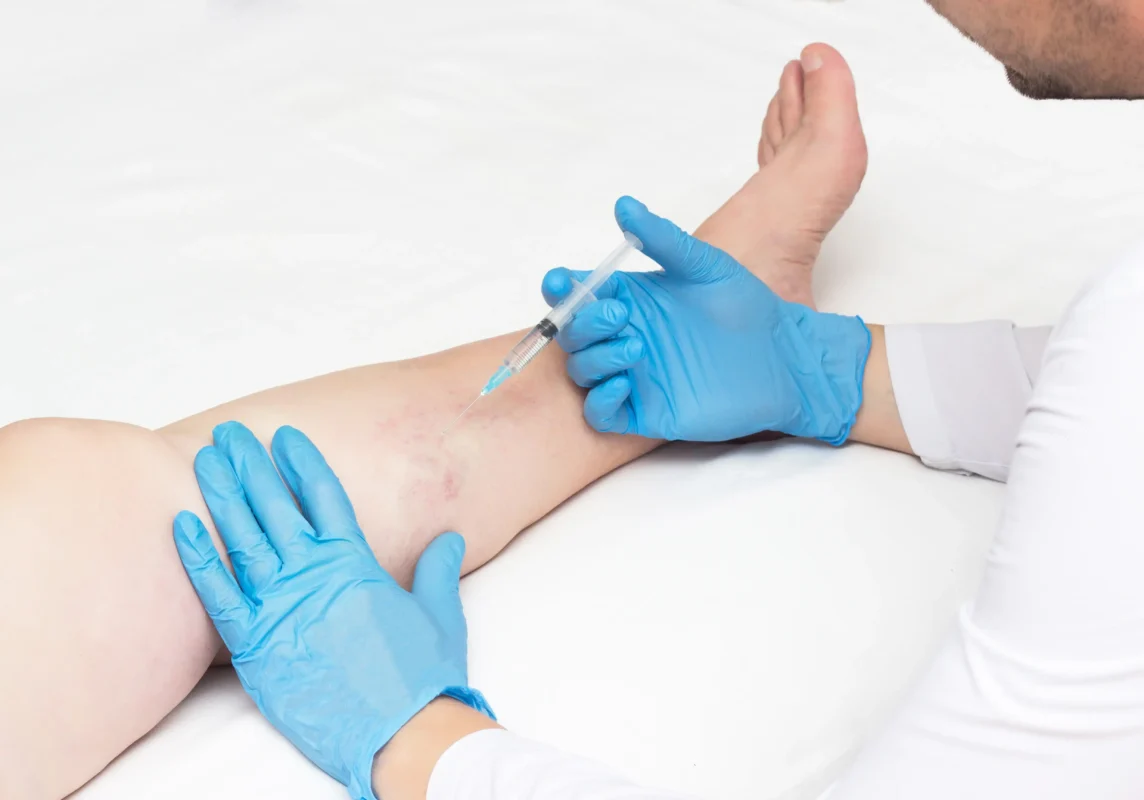
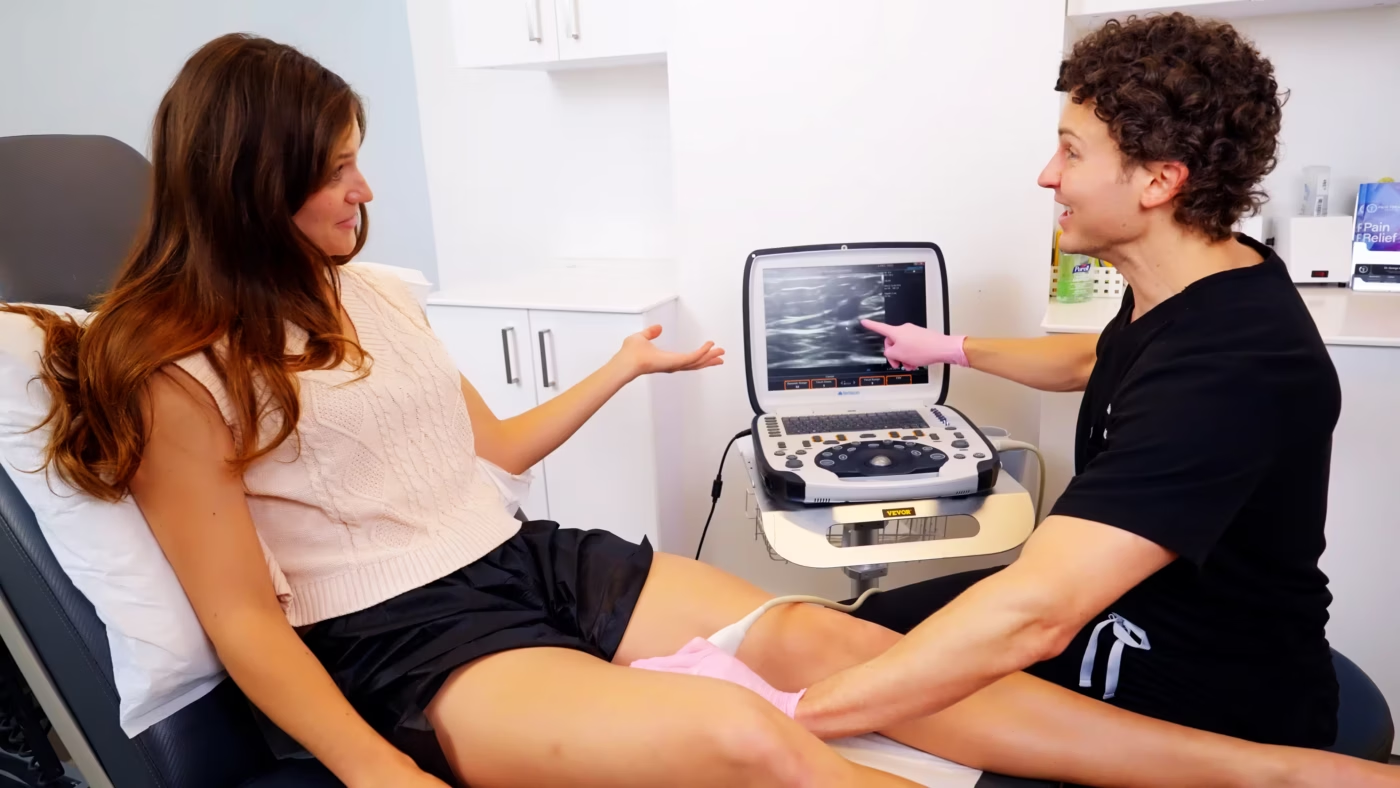
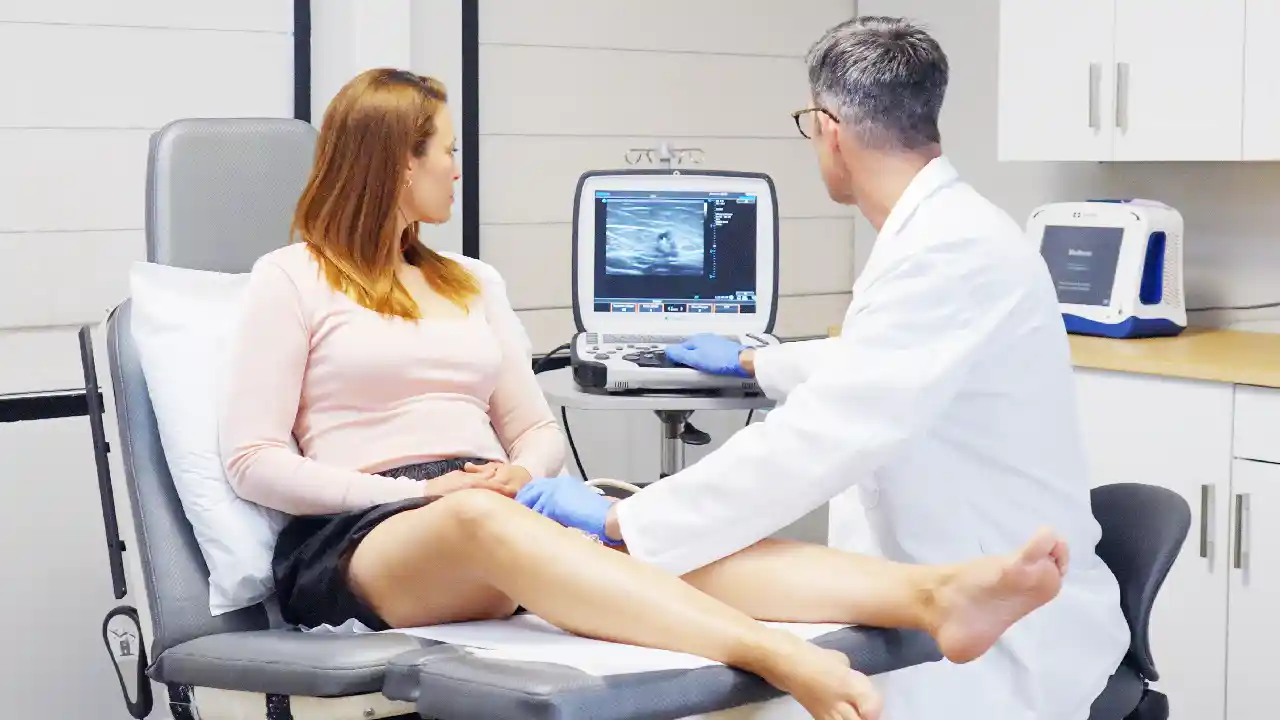
ClariVein is a technique through which multiple spider veins can be treated through a single injection site. Usually, spider veins are treated by a technique called sclerotherapy, in which a medicated solution (called sclerosant) is injected into the defective vein. Sclerosant causes the vein walls to stick together, after which they shrivel and disappear. However, this only be applied to really tiny veins, and you would need to inject each vein separately. That is where the ClariVein catheter device comes in. The ClariVein device is a tiny catheter with a rotating tip. The tip of the catheter helps disperse the sclerosant throughout large veins, in all directions. Your vein doctor would inject this device into a single large vein, using ultrasound imaging guidance. Once it goes within the vein, it works its magic from within, causing all the defective veins to disappear.
What are the advantages of ClariVein treatment?
ClariVein is a recently introduced, advanced treatment option. It scores over other modes of treatment for varicose and spider veins in several ways:
- This is an outpatient procedure which only requires a visit to your vein doctor’s office. No hospital admissions are needed, and the procedure lasts less than 45 minutes.
- You will only need one single injection throughout the procedure.
- This procedure requires ultrasound imaging guidance, which improves its accuracy.
- There is almost no bruising associated with this procedure, unlike other modes of treatment.
- This procedure requires no recovery time, and you can return to work immediately.
Why do I need to get ClariVein as a part of spider vein treatment?
ClariVein is usually performed in one of the larger veins of your leg, and not directly on the spider veins themselves. You may therefore wonder whether this is necessary – aren’t you essentially treating a completely healthy vein?
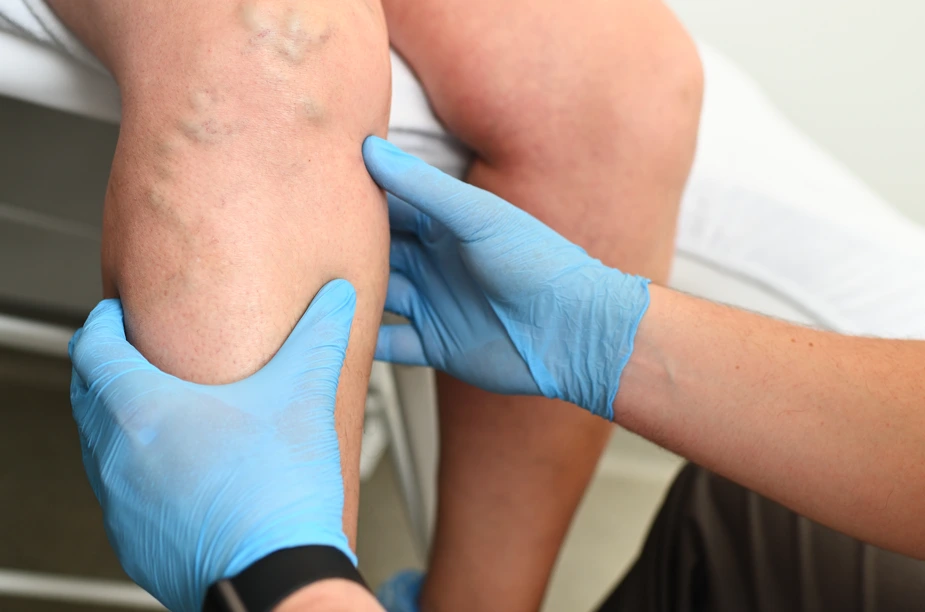
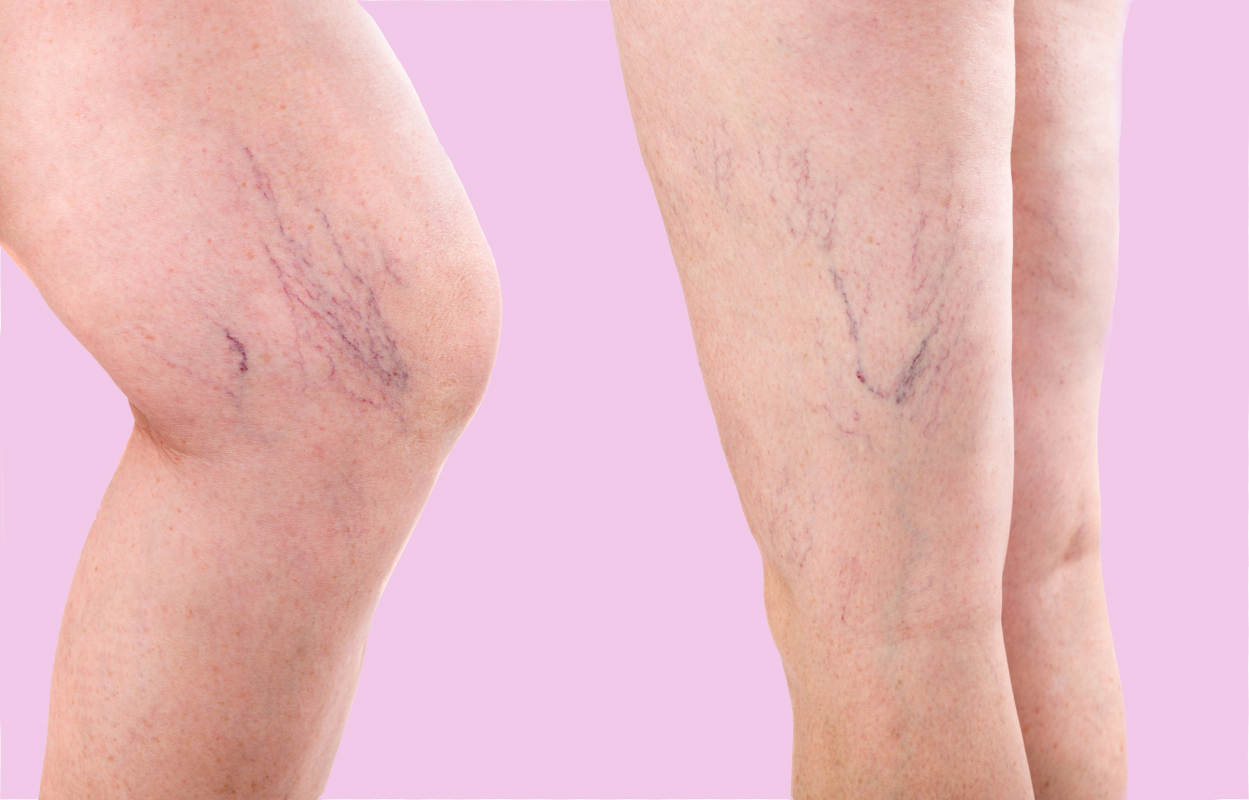
Not really. What you need to understand is, that spider veins are formed because the larger vein in question is unhealthy – and has developed a condition called chronic venous insufficiency (CVS). In CVS, the large veins of the leg, called the saphenous veins, do not transport impure blood back to the heart efficiently. This causes the ‘dirty’ blood to pool in the leg veins, causing them to swell under pressure. The high pressure makes the flood force its way into new, unhealthy veins just under the surface of your skin. These are the spider veins that you see externally. The new veins may also be in the form of larger, twisted structures called varicose veins. If you just get the tiny spider veins removed, without fixing the larger veins, they will just re-form again. The only way to permanently fix the spider veins is to put the larger, unhealthy veins also out of commission. This is what ClariVein does, giving you a complete, effective solution for your spider veins.
What are the other alternatives to ClariVein for treating varicose and spider veins?
Being a new, advanced procedure, ClariVein can be a little hard on the pocket. Not all insurance providers have caught up with covering for the cost of ClariVein treatment. This being the case, you may want to explore other alternatives for treating your varicose and spider veins and underlying chronic venous insufficiency. There are several proven minimally invasive procedures which shut down blood flow in the main veins, and cure varicose and spider veins. Some tried and tested methods include the following:
- Radiofrequency ablation (RFA): This technique uses thermal energy from a radiofrequency catheter to melt the vein walls and fuse them together. This procedure requires injecting an anesthetic into the skin over the vein first, which serves two purposes – to numb the skin, and to act as a ‘tumescent’ or an agent that separates tissue structures. A small skin incision is then made to expose the defective vein. A radiofrequency catheter is then inserted into the vein, and energy is delivered through this. This causes the vein walls to soften and stick together, thus cutting off blood circulation.
- Endovenous Laser ablation (EVLA): This technique, like RFA, requires a numbing injection and an incision. It uses laser energy delivered through a laser fiber instead of a radiofrequency catheter. Laser energy is more intense, and can cause more discomfort during the procedure as compared to RFA.
The Vein Treatment Clinic offers comprehensive evaluation for chronic venous insufficiency, and advanced, personalized treatment for varicose veins and spider veins. We have on board the nation’s most experienced vein experts, who are board certified, Ivy league trained physicians. Our vein doctors have both the skills and the resources to offer you all minimally invasive treatment procedures for spider veins – including advanced option like ClariVein. If you would like to consult our vein experts, book an appointment online, or call (844) 690-1788 today!
Frequently Asked Questions
What causes spider veins on the legs?
Spider veins develop when tiny blood vessels near the skin surface dilate and become visible. Contributing factors include genetics, hormonal changes, prolonged standing, and underlying venous insufficiency. Larger spider vein clusters may indicate deeper vein problems that should be evaluated. Our team can answer your questions during a first consultation.
Learn about spider vein treatment ›
Are spider veins just a cosmetic issue?
Spider veins are often cosmetic, but they may indicate underlying venous insufficiency, especially when accompanied by symptoms like aching, heaviness, or burning. An evaluation can determine whether treatment is purely cosmetic or addresses a medical condition.
Learn about spider vein treatment ›
Can spider veins turn into varicose veins?
Spider veins and varicose veins are both caused by vein dysfunction, but spider veins don’t transform into varicose veins. However, both conditions often coexist because they share the same underlying cause: venous insufficiency affecting valves at different vein levels. Reach out to one of our vein clinics to discuss your individual situation.
Do spider veins go away on their own?
Spider veins do not disappear on their own. Without treatment, they typically remain visible and may increase in number over time. Sclerotherapy is designed to treat spider veins by causing them to fade and eventually become absorbed by the body. See a vein expert for guidance to learn more about your options.
Explore your treatment options ›
What is the most effective treatment for spider veins?
Sclerotherapy is an effective treatment for spider veins. A solution is injected directly into the vein, causing it to collapse and fade over several weeks. Surface laser treatment is an alternative (non-injection approach) for very small veins. However, the most effective treatment will be decided by your vein doctor based on your unique results and case.