

Table of contents

Get treated by vein treatment industry leaders
How Does Chronic Venous Insufficiency Affect Circulation?

Medically verified
Last updated on 1/29/2026

By Dr. Michael Nguyen
Vein Doctor at Vein Treatment Clinic
Harvard Medical School
Board Certified by the American Board of Venous and Lymphatic Medicine
Chronic venous insufficiency affects circulation by disrupting the normal flow of blood from the legs back to the heart.
When veins cannot move blood efficiently upward, pressure builds in the lower legs and circulation becomes increasingly impaired.

Understanding how CVI affects circulation helps explain why symptoms such as swelling, pain, and skin changes develop over time.
If you’re experiencing circulation-related leg symptoms, a vein evaluation can help determine whether chronic venous insufficiency is the cause.
How normal vein circulation works?
In healthy veins, one-way valves open to allow blood to move upward and close to prevent it from flowing backward.
Muscle movement in the legs helps push blood upward toward the heart, working together with these valves.
What goes wrong in chronic venous insufficiency?
In chronic venous insufficiency, vein valves become weak or damaged and no longer close properly.
This allows blood to flow backward, a process called venous reflux.
Get the Facts on Chronic Venous Insufficiency. Read the Complete Guide
Blood pooling and increased vein pressure
When blood flows backward, it pools in the leg veins instead of returning efficiently to the heart.
This pooling increases pressure inside the veins, stretching vein walls over time.
Symptom Checker
How poor circulation leads to leg swelling?
Increased vein pressure pushes fluid out of the veins and into surrounding tissues.
This causes swelling in the ankles and lower legs, especially later in the day.
Legs Feeling Heavy or Tired? Check Your Symptoms for Vein Disease
Reduced oxygen and nutrient delivery to tissues
Poor venous circulation interferes with normal oxygen and nutrient exchange in the skin and tissues.
This contributes to fatigue, discomfort, and slower healing.
Why skin changes occur with CVI?
Long-standing pressure and inflammation damage the skin over time.
Skin may darken, thicken, itch, or become fragile, particularly near the ankles.
Does This Sound Like You? Identify the Warning Signs Before They Progress
Before
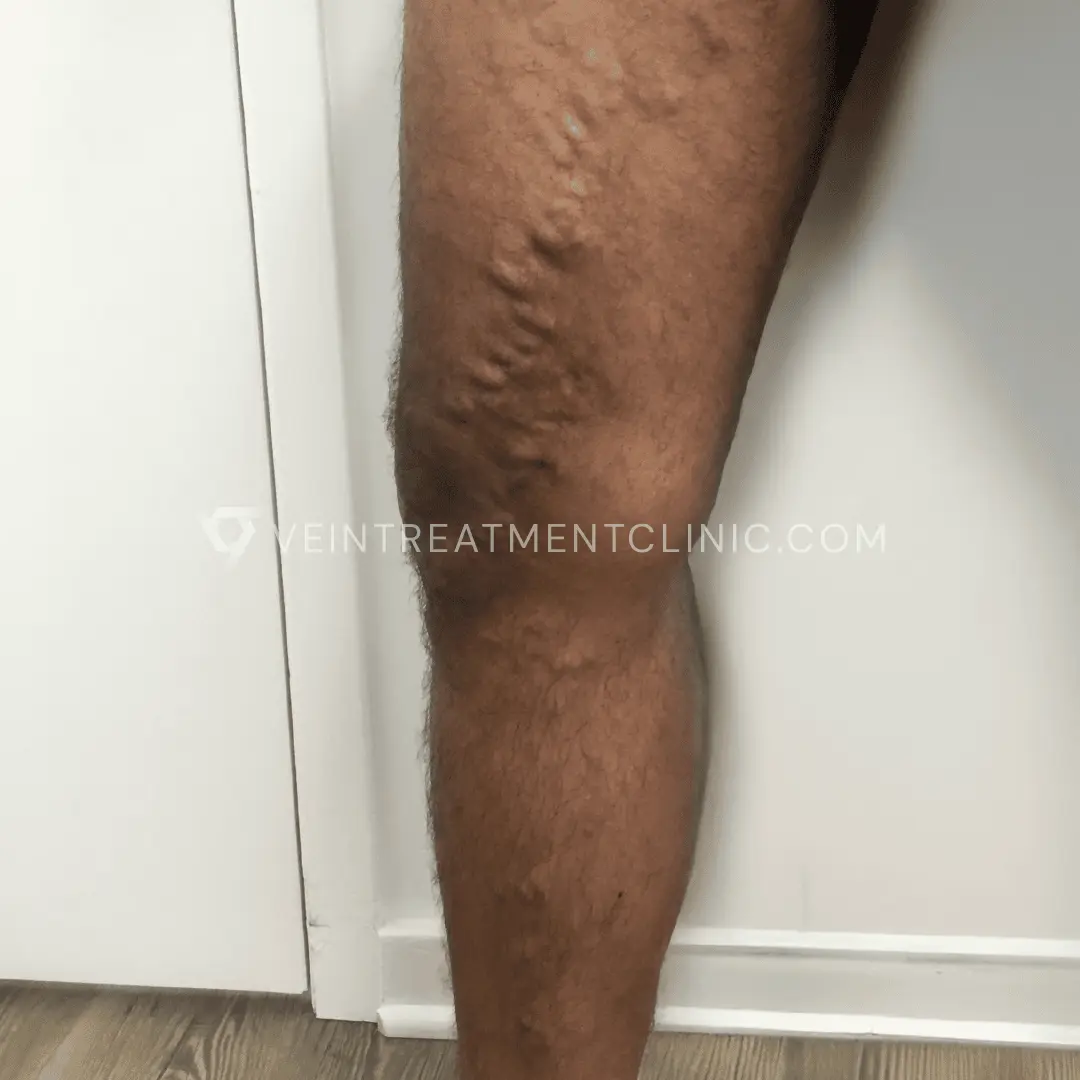
After
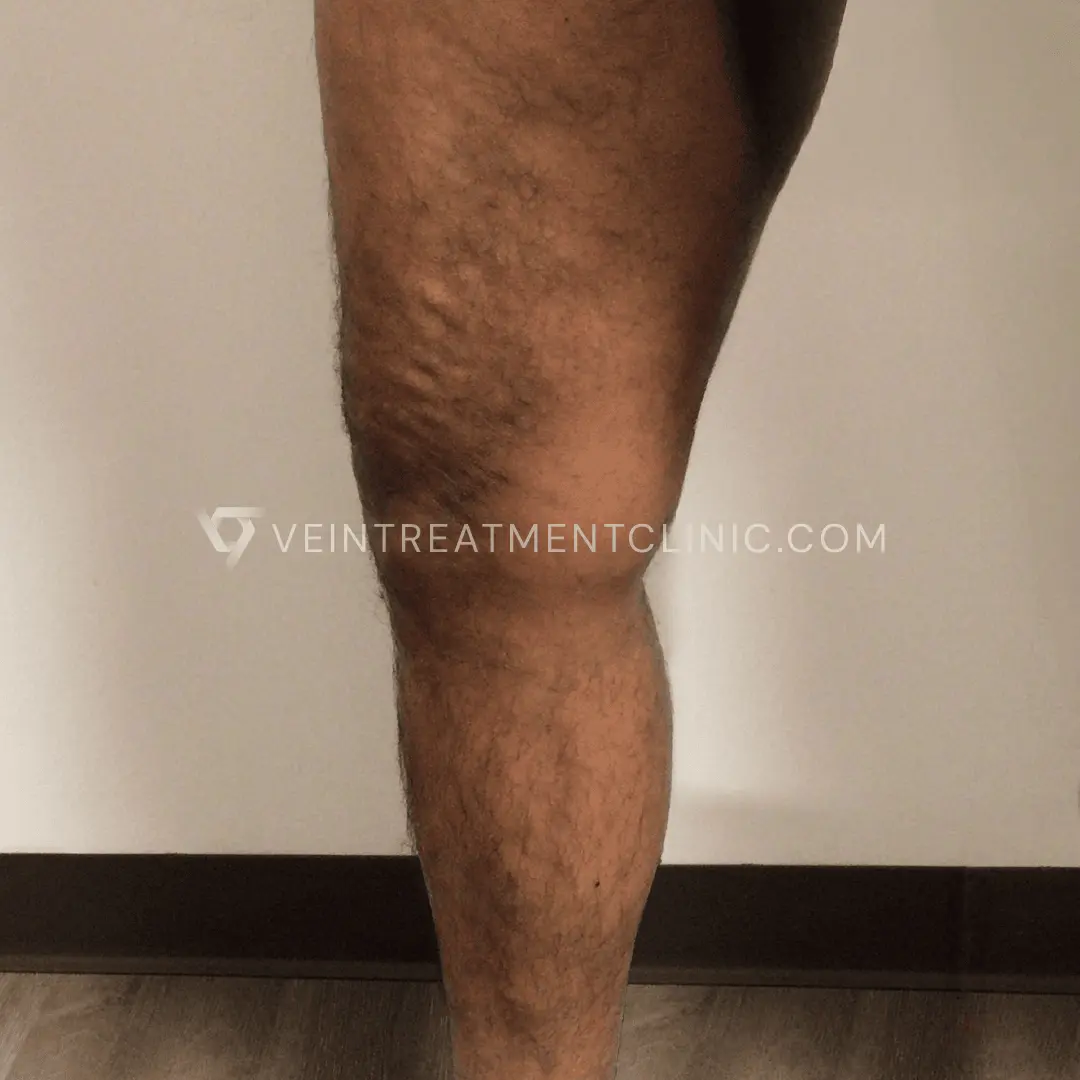
A 37-year-old patient visited our Vein Treatment Clinic, seeking relief from unsightly and painful varicose and spider veins. We performed radiofrequency ablation and sclerotherapy treatments, significantly improving the veins’ appearance and completely eliminating discomfort. The patient is now enjoying a more active and pain-free lifestyle.
Before
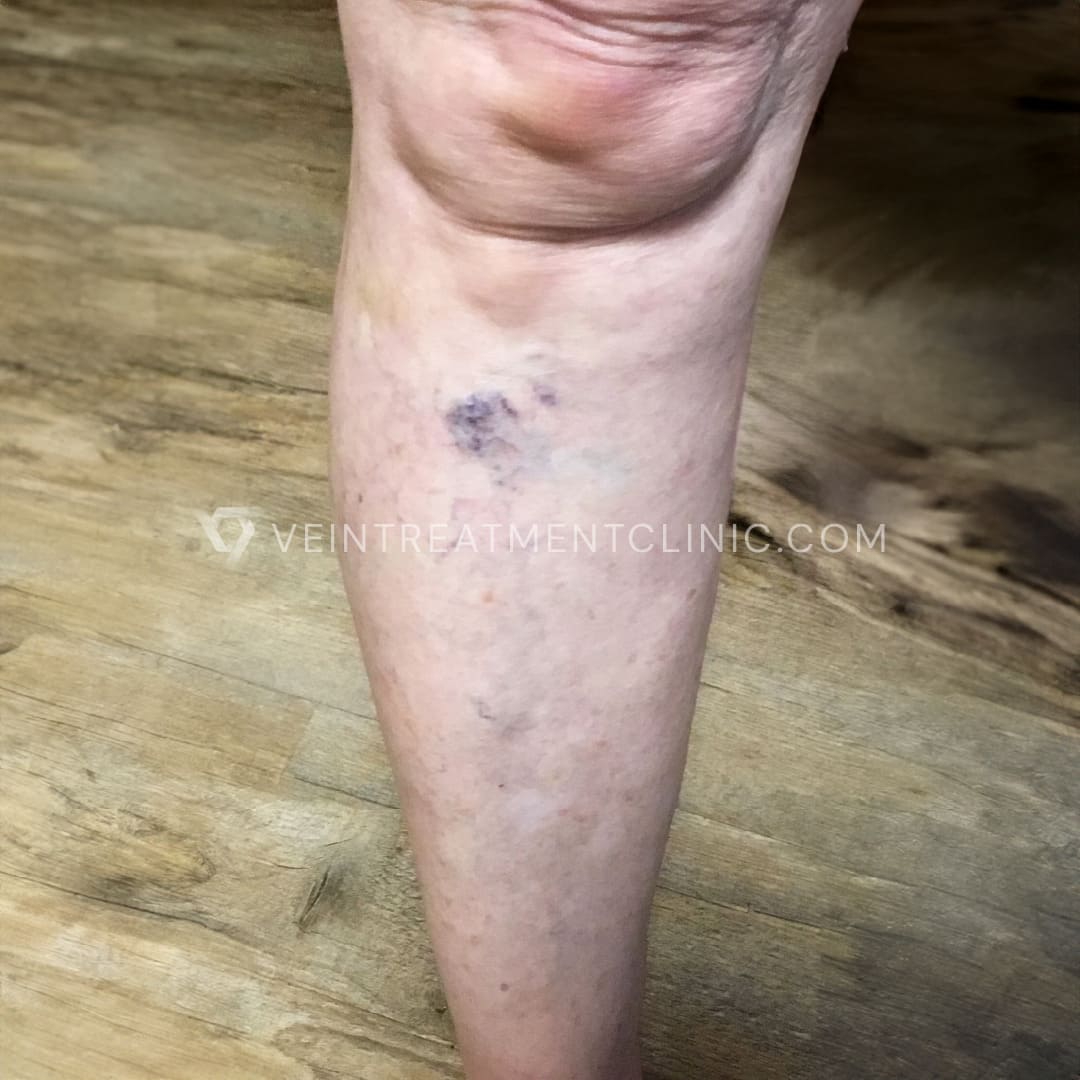
After
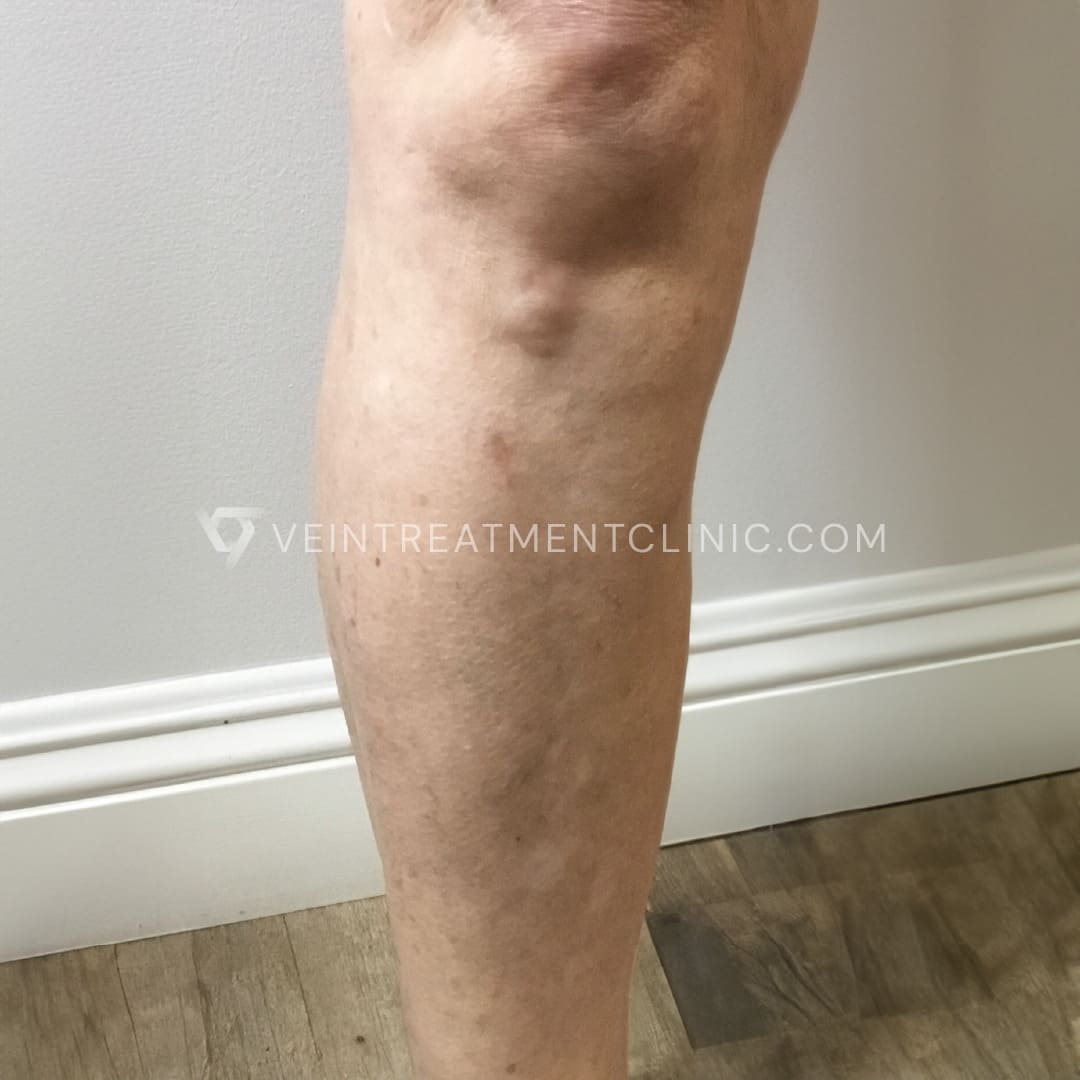
A 69 year-old patient visited our California Vein Clinic, embarrassed by spider veins that had impacted their self-esteem. We performed radiofrequency ablation and sclerotherapy treatments, leaving their legs smooth and healthy. The patient now feels more confident, thanks to this transformative treatment.
Before
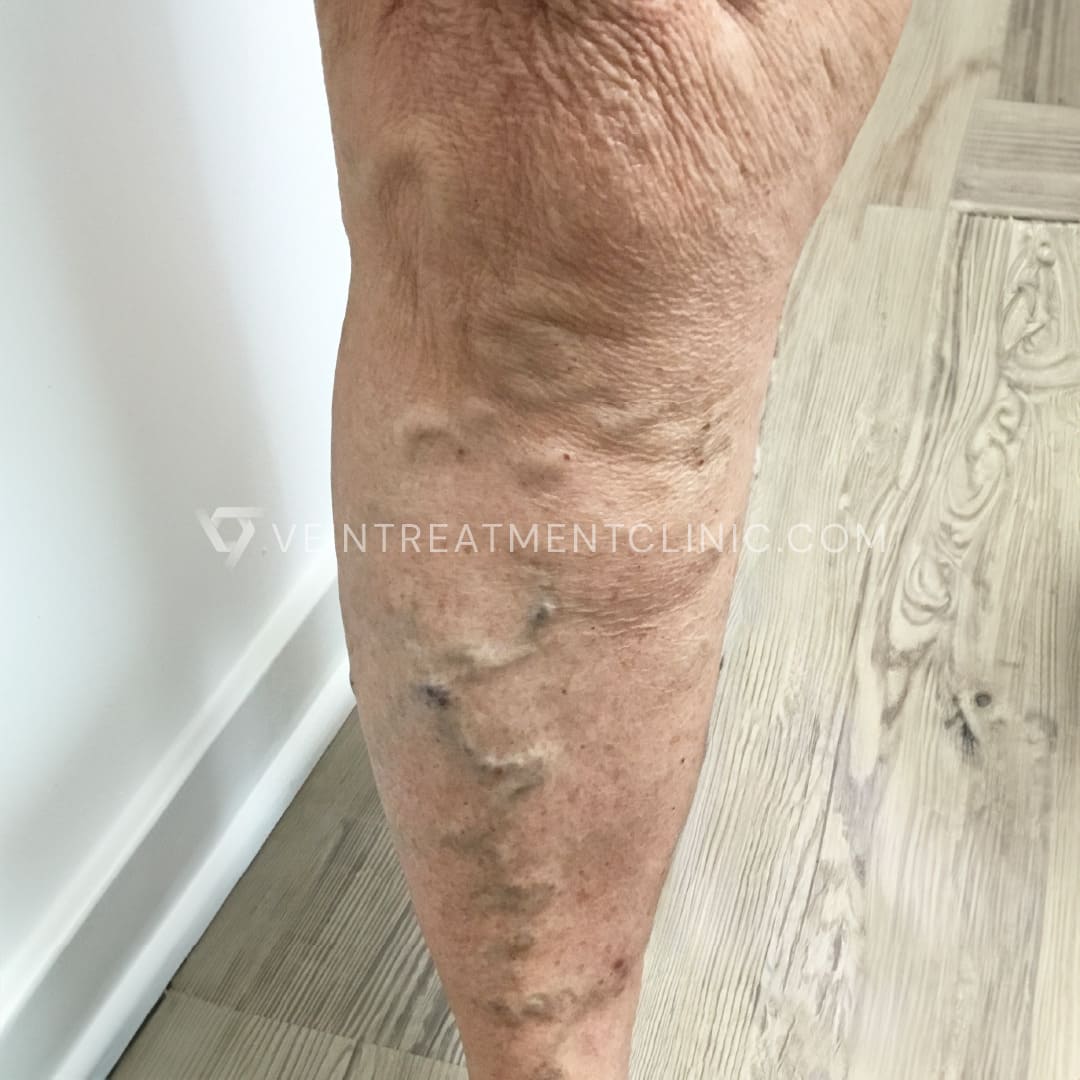
After
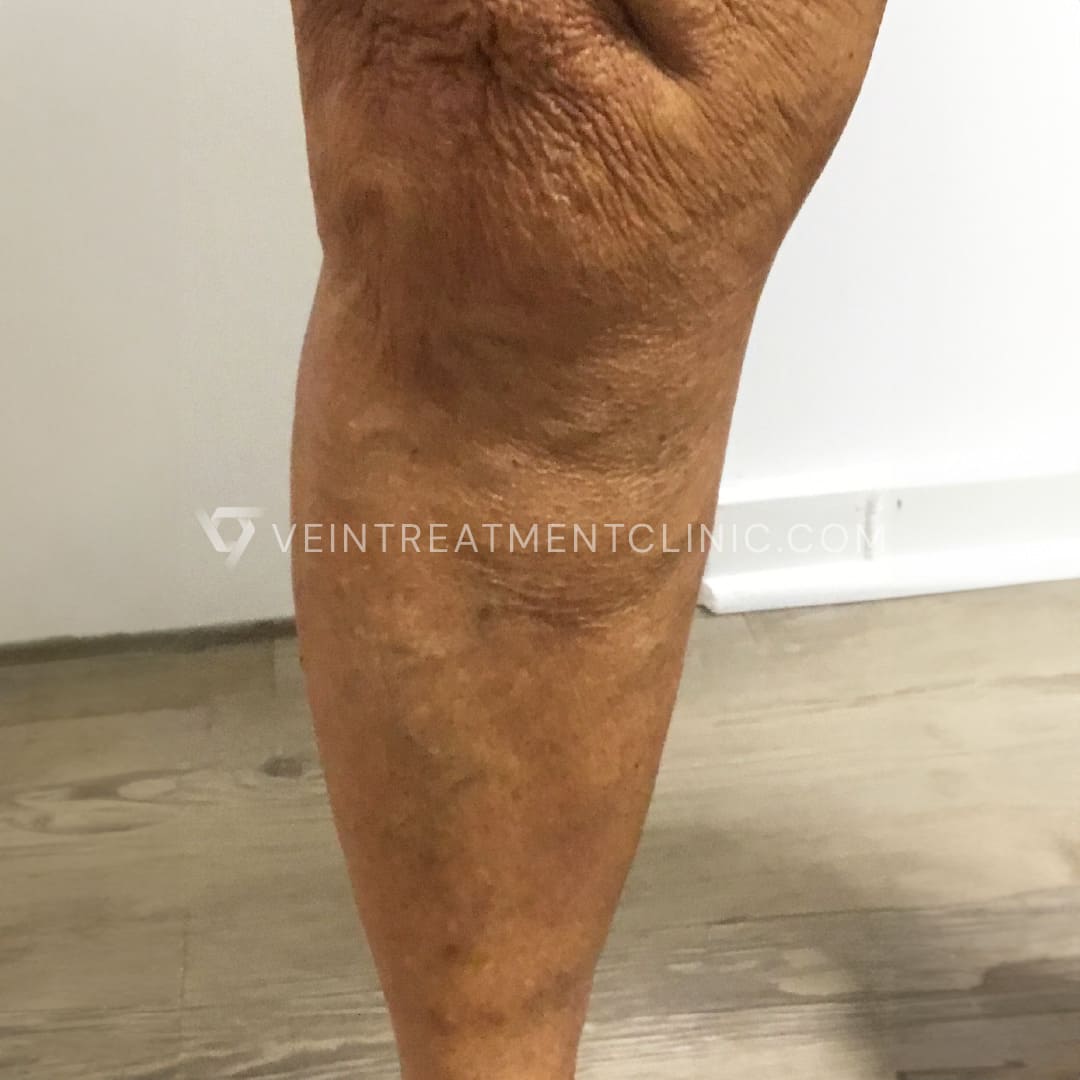
This 84 year-old patient at our New Jersey Vein Treatment Clinic came in with spider veins that had affected their daily routine. We used radiofrequency ablation and sclerotherapy treatments to relieve discomfort and restore both their leg health and confidence. The patient now enjoys a more active and fulfilling lifestyle, free from pain.
Before
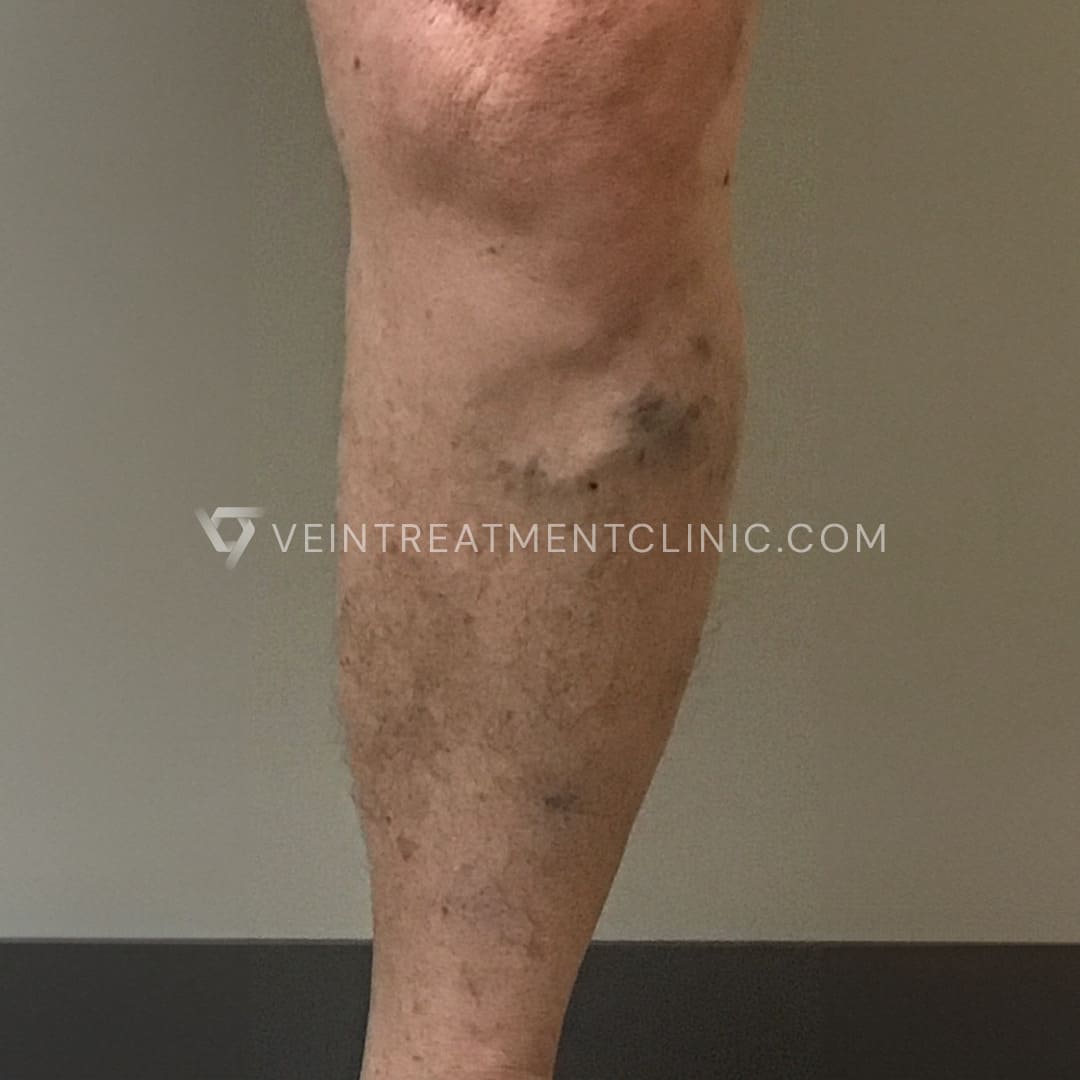
After
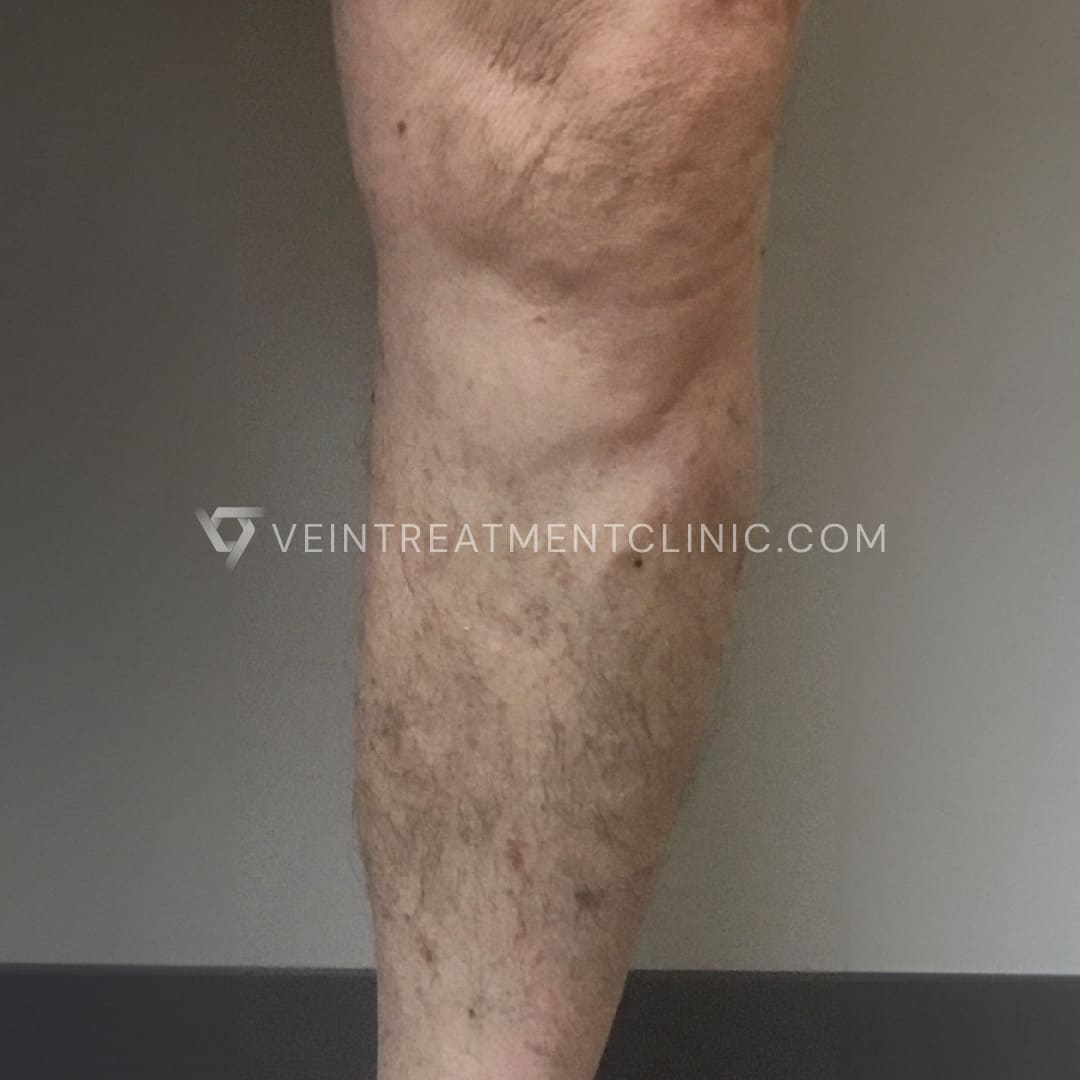
At our Long Island Vein Clinic, we treated this 75 year-old patient with spider veins using radiofrequency ablation and sclerotherapy. These minimally invasive treatments improved both the patient’s appearance and overall well-being, offering transformative results.
Before
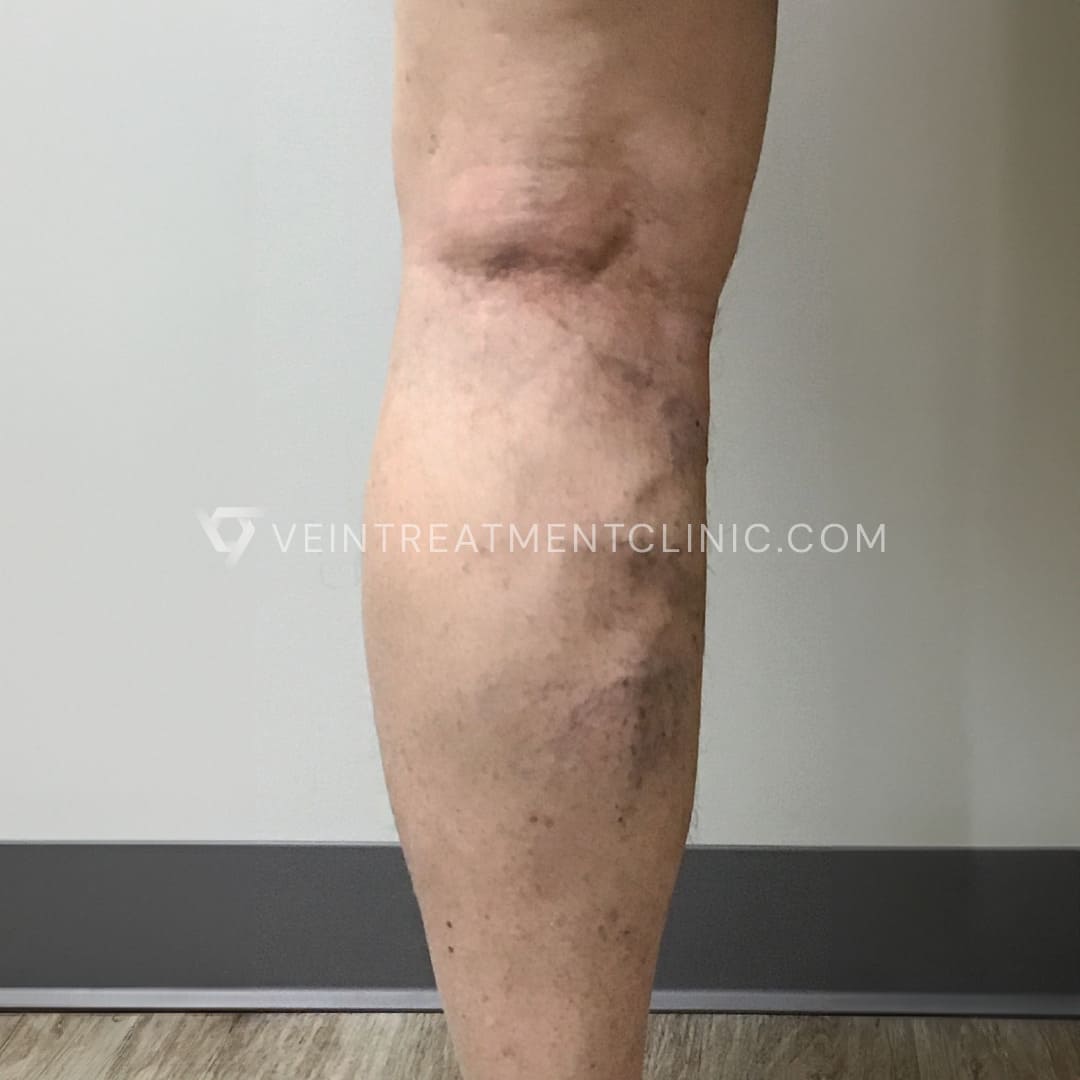
After
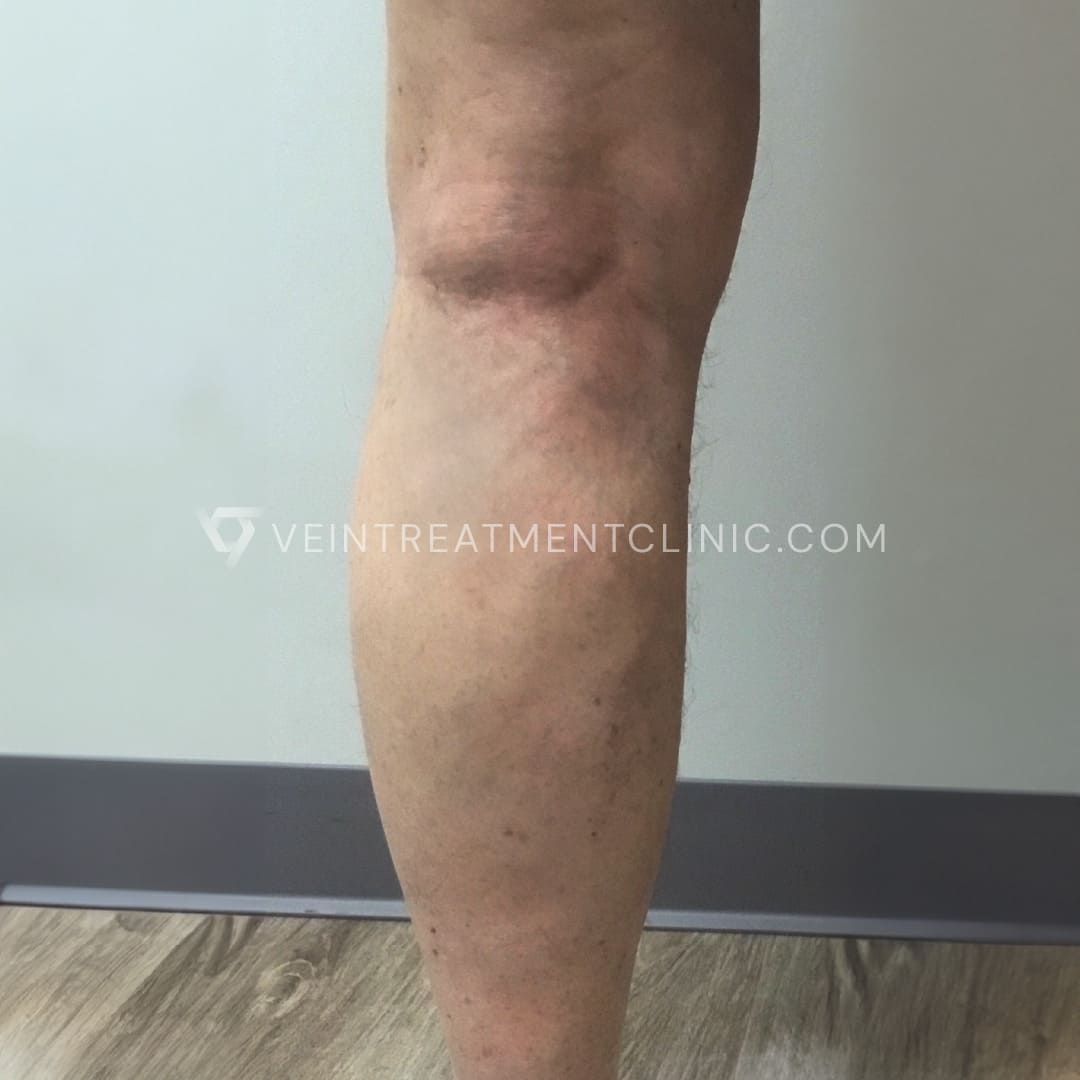
This 75 year-old patient visited our Long Island Vein Treatment Clinic with painful spider veins. We used radiofrequency ablation and sclerotherapy, minimally invasive treatments, to eliminate the veins and restore comfort and confidence. The patient experienced life-changing results
How circulation problems worsen over time?
Because valve damage does not repair itself, circulation problems tend to progress without treatment.
As pressure increases, symptoms often become more persistent and severe.
How ultrasound evaluates circulation?
Vein ultrasound shows how blood flows in real time and identifies reflux.
This test helps determine which veins are causing circulation problems.
Get a Peek Inside Your Veins—Book Your Ultrasound Evaluation.
How vein treatment improves circulation?
Vein treatment works by closing malfunctioning veins so blood is rerouted through healthier pathways.
This reduces pressure, improves circulation, and relieves symptoms.
Why early evaluation matters?
Early evaluation allows circulation problems to be identified before significant skin damage or ulcers develop.
Timely treatment can slow progression and improve long-term outcomes.