

Table of contents

Get treated by vein treatment industry leaders
Laser Treatment for Veins: What It Treats, Limits, and When It’s Used

Medically verified
Last updated on 2/4/2026

By Dr. Michael Nguyen
Vein Doctor at Vein Treatment Clinic
Harvard Medical School
Board Certified by the American Board of Venous and Lymphatic Medicine
Many patients search for laser vein treatment or laser vein removal as a quick, non-invasive option for visible leg veins.
Laser treatment for spider veins and small surface leg veins can be effective for the right candidates. This approach, sometimes referred to as vein laser therapy, uses focused light energy to target specific superficial veins.
However, laser treatment for veins does not correct deeper vein problems that often cause visible spider veins or varicose veins to develop in the first place.

A vein evaluation helps determine whether laser treatment alone is appropriate or whether an underlying circulation issue should be addressed first for longer lasting results.
If you are searching for laser vein treatment near you, an in person evaluation ensures the treatment plan matches the type and depth of your veins.
What is laser treatment for veins?
Laser treatment for veins uses focused light energy to heat and close small superficial veins near the surface of the skin, especially fine spider veins in the legs. This process is sometimes described as laser vein removal because the treated vein gradually collapses and is absorbed by the body over time.
Once the vein closes, blood is redirected to healthier veins and the visible appearance fades progressively over several weeks.
What types of veins does laser treatment treat best?
Laser treatment is most effective for very small spider veins and fine surface leg veins. It is designed to target superficial veins and does not address the underlying medical conditions that may be causing them.
These veins are typically flat and close to the skin, making them accessible to laser energy.
What veins does laser treatment NOT treat?
Laser vein treatment is not effective for larger varicose veins or deeper veins beneath the skin. These veins often require different techniques designed to address underlying reflux or valve dysfunction.
Skin tone and vein depth are also important factors, which is why evaluation by a trained vein specialist is essential before choosing laser therapy.
Book an appointment with one of our experts to assess if you’re a candidate but first check your symptoms below:
Symptom Checker
Why do underlying vein problems matter?
Visible veins are often a surface sign of increased pressure from deeper veins that are not functioning properly.
If the underlying issue is not addressed, new veins may continue to appear even after laser treatment.
Get the Facts on Chronic Venous Insufficiency. Read the Complete Guide
Laser treatment vs sclerotherapy
Laser treatment and sclerotherapy both treat superficial veins, but they work in different ways.
Sclerotherapy is a quick, in-office procedure where a solution is injected into the vein, causing it to collapse and gradually fade.
Sclerotherapy is often more effective for many leg spider veins, while laser may be preferred for very fine vessels or specific areas.
Is laser treatment for veins painful?
Most patients describe laser treatment as brief discomfort or a snapping sensation.
Discomfort is usually short-lived and does not require anesthesia.
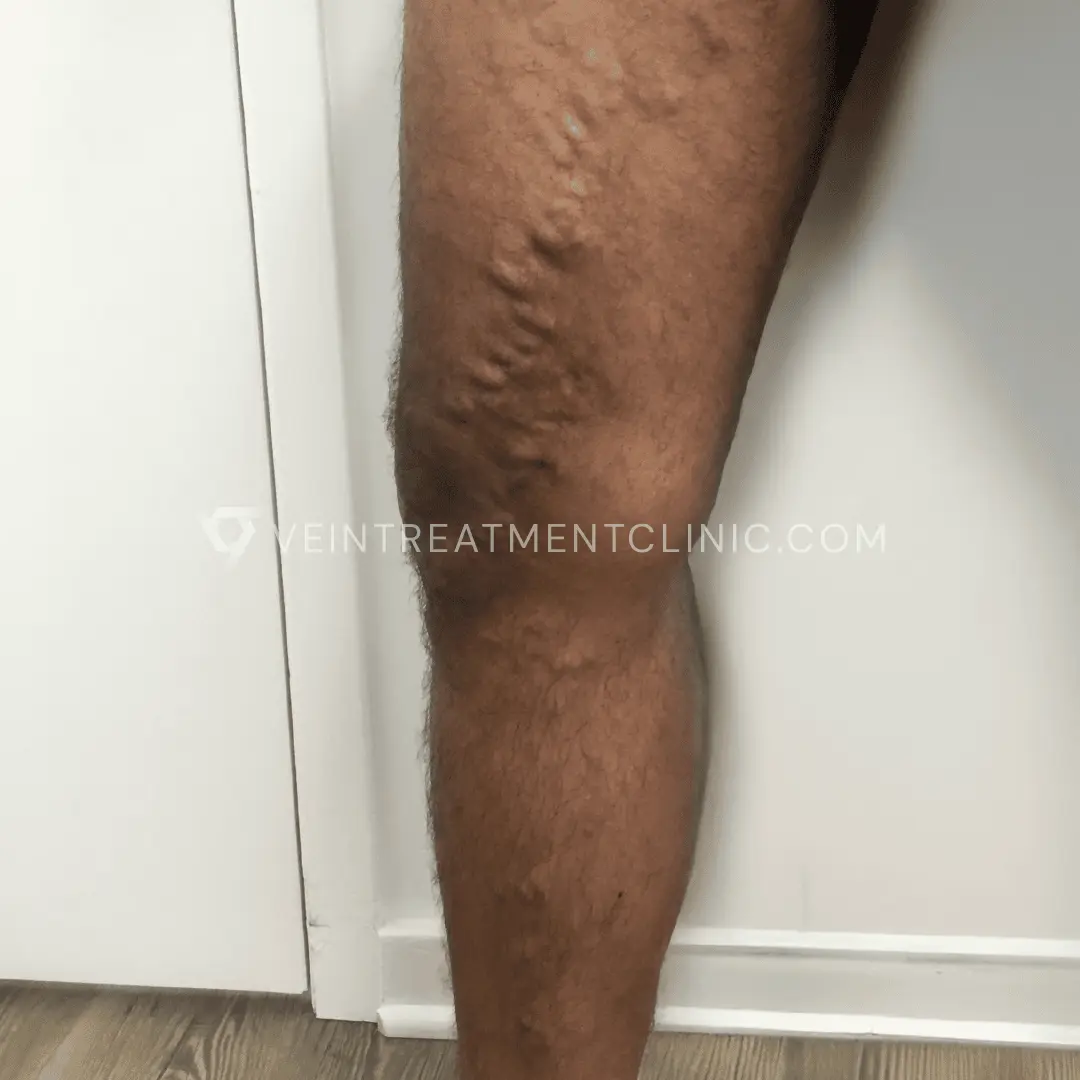
Before
After
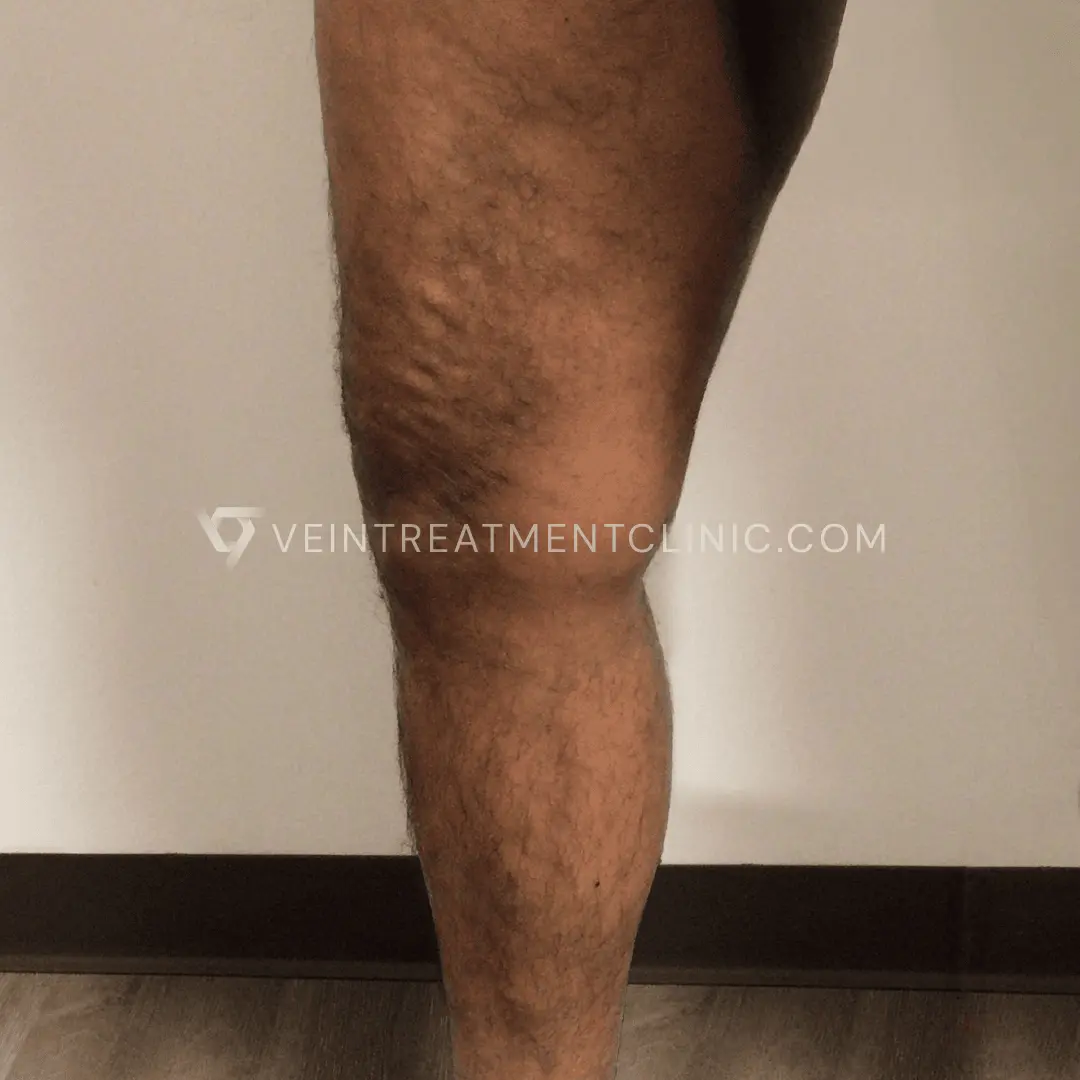
A 37-year-old patient visited our Vein Treatment Clinic, seeking relief from unsightly and painful varicose and spider veins. We performed radiofrequency ablation and sclerotherapy treatments, significantly improving the veins’ appearance and completely eliminating discomfort. The patient is now enjoying a more active and pain-free lifestyle.
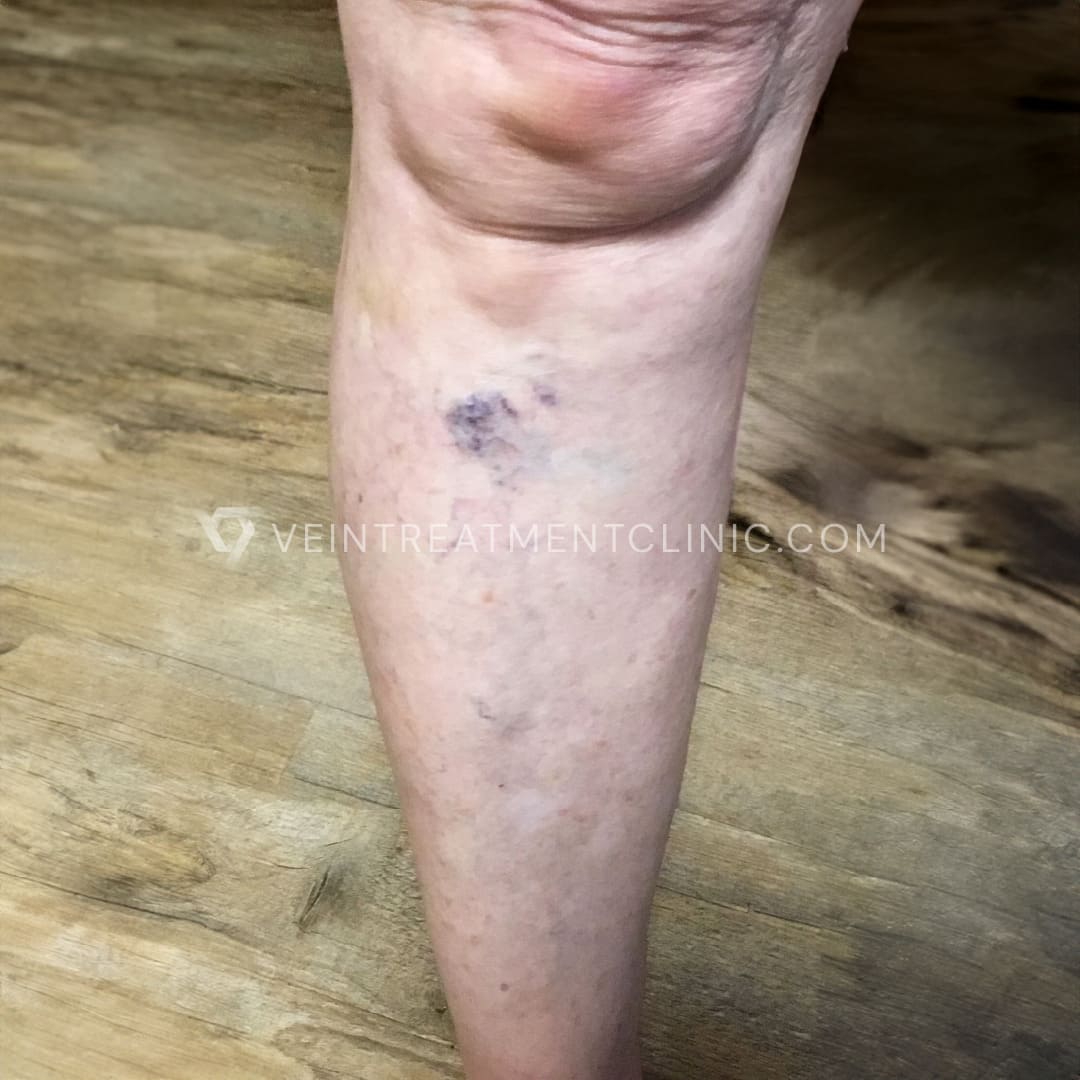
Before
After
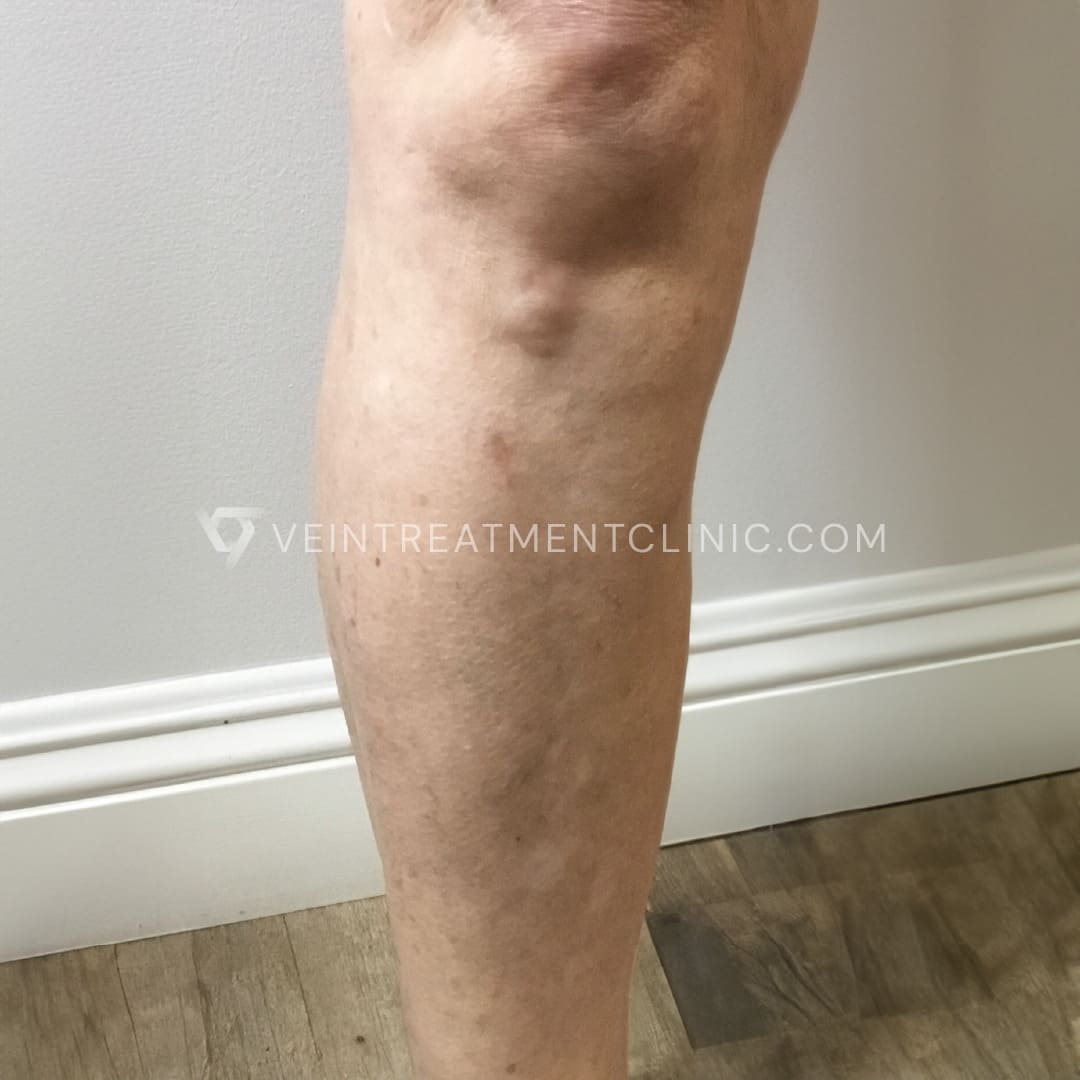
A 69 year-old patient visited our California Vein Clinic, embarrassed by spider veins that had impacted their self-esteem. We performed radiofrequency ablation and sclerotherapy treatments, leaving their legs smooth and healthy. The patient now feels more confident, thanks to this transformative treatment.
Before
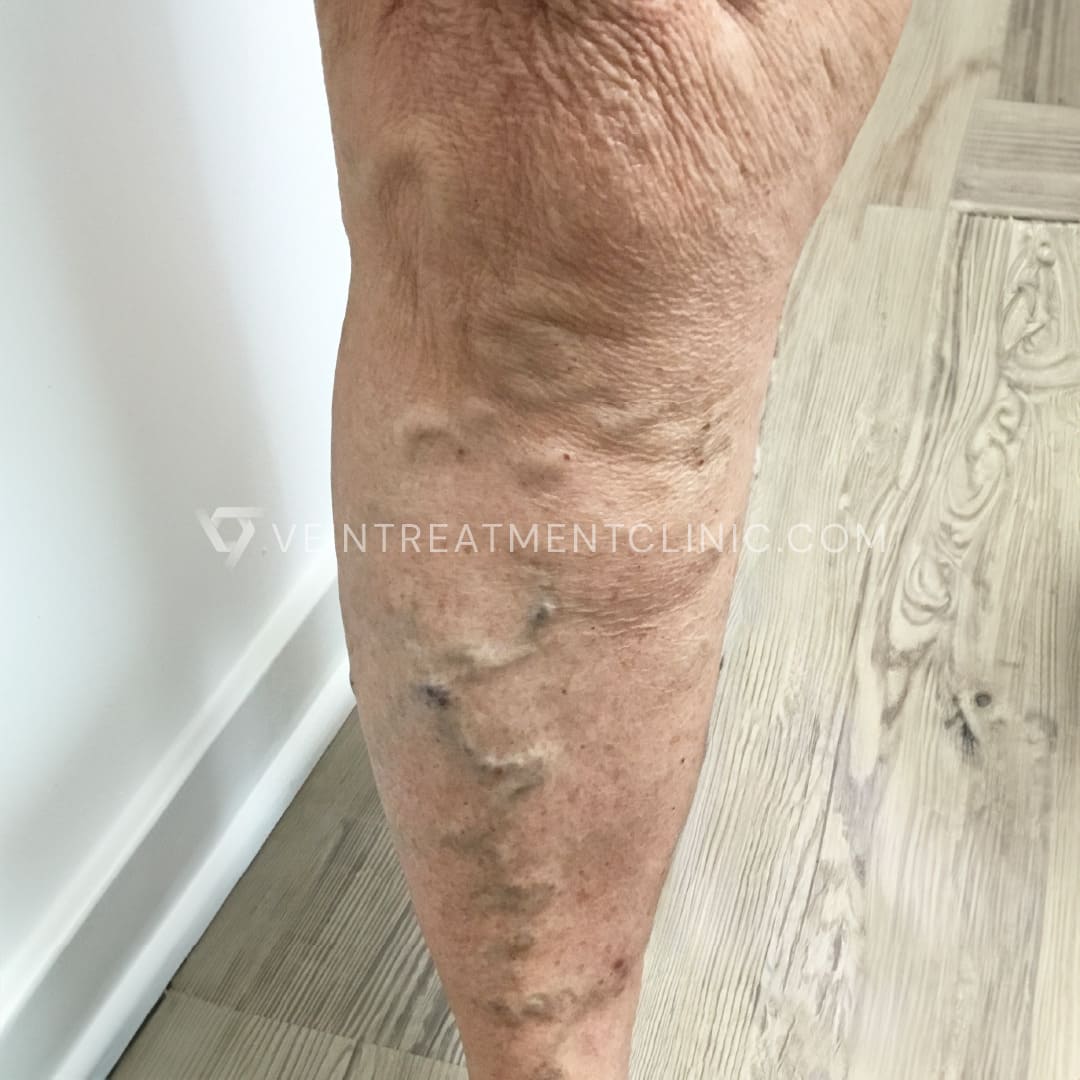
After
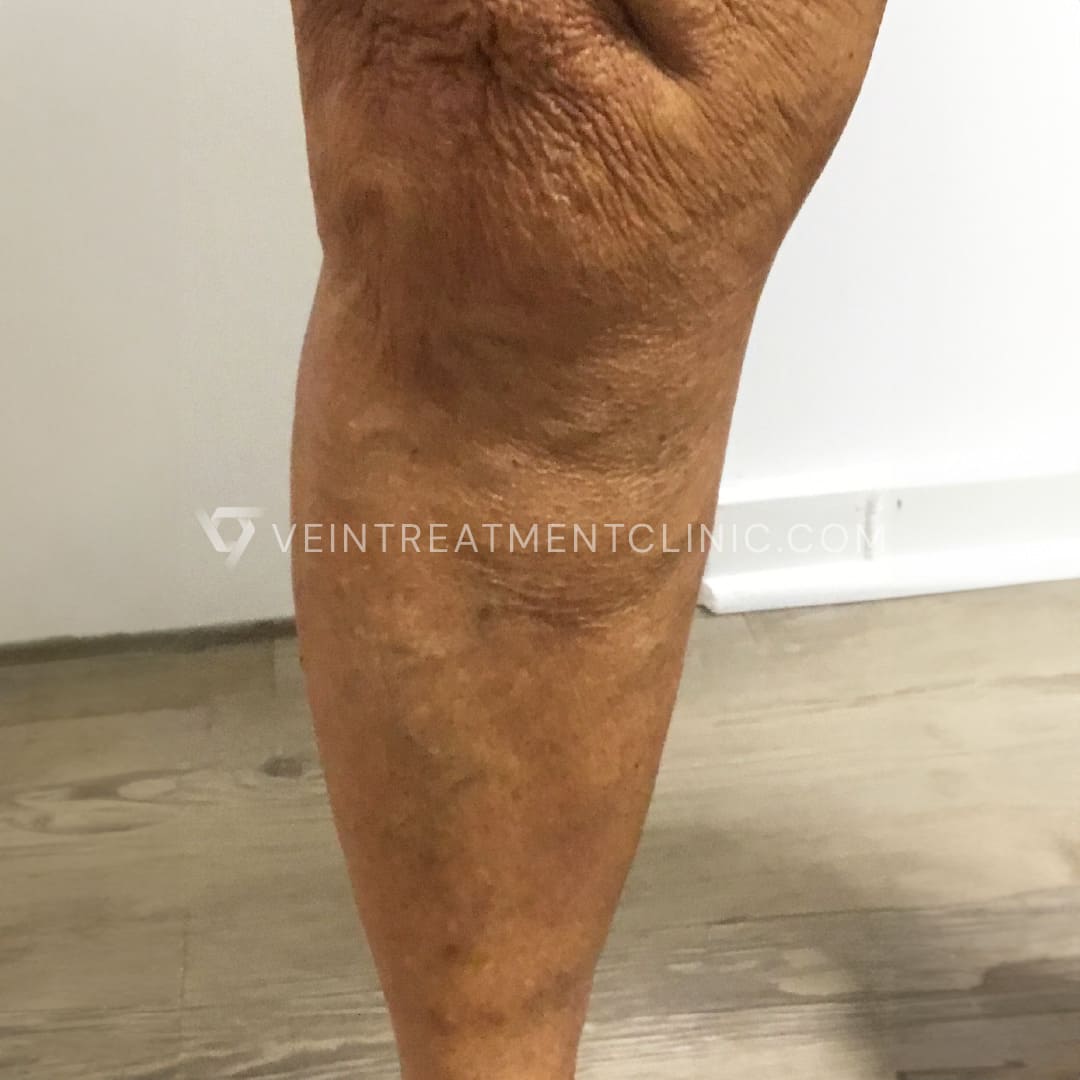
This 84 year-old patient at our New Jersey Vein Treatment Clinic came in with spider veins that had affected their daily routine. We used radiofrequency ablation and sclerotherapy treatments to relieve discomfort and restore both their leg health and confidence. The patient now enjoys a more active and fulfilling lifestyle, free from pain.
Before
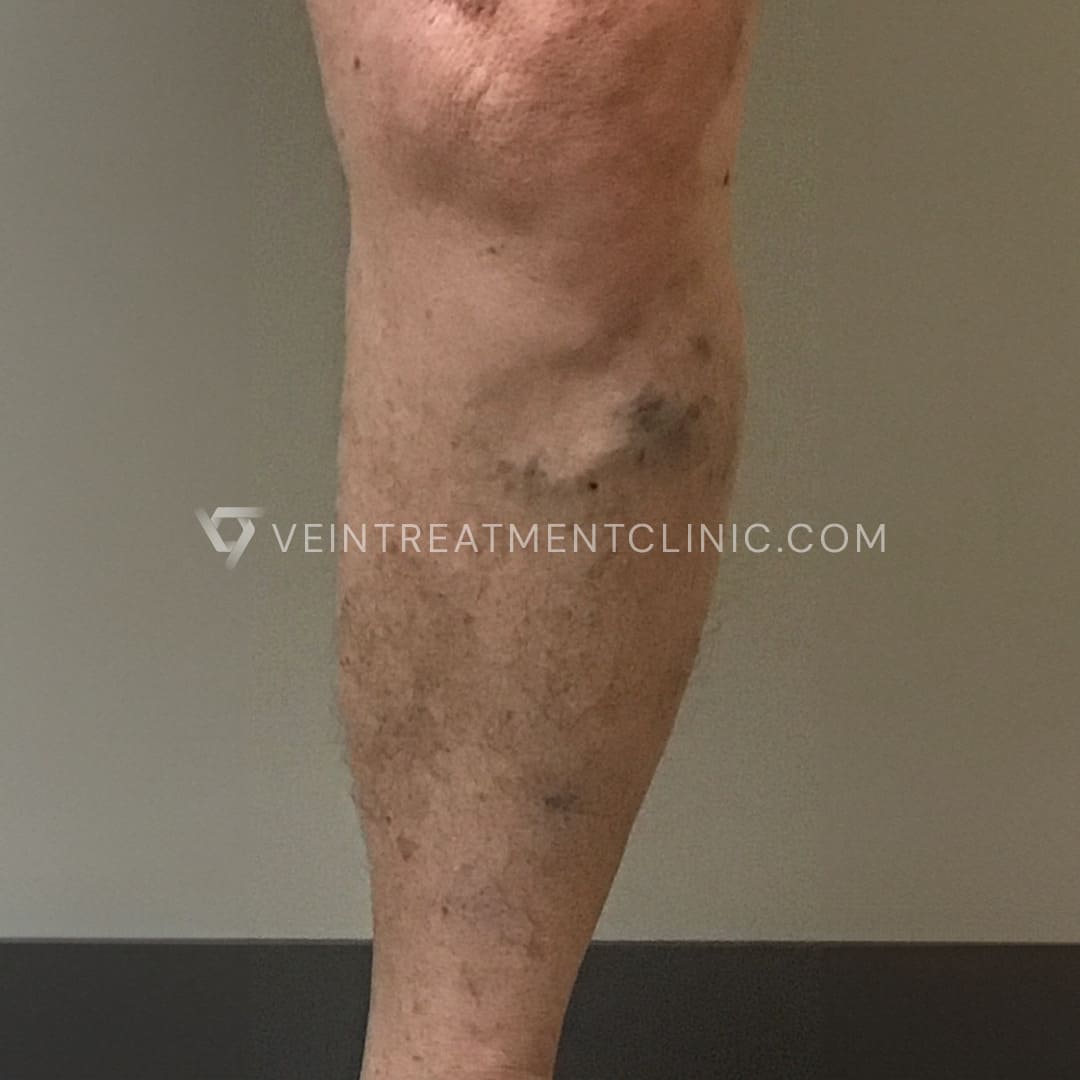
After
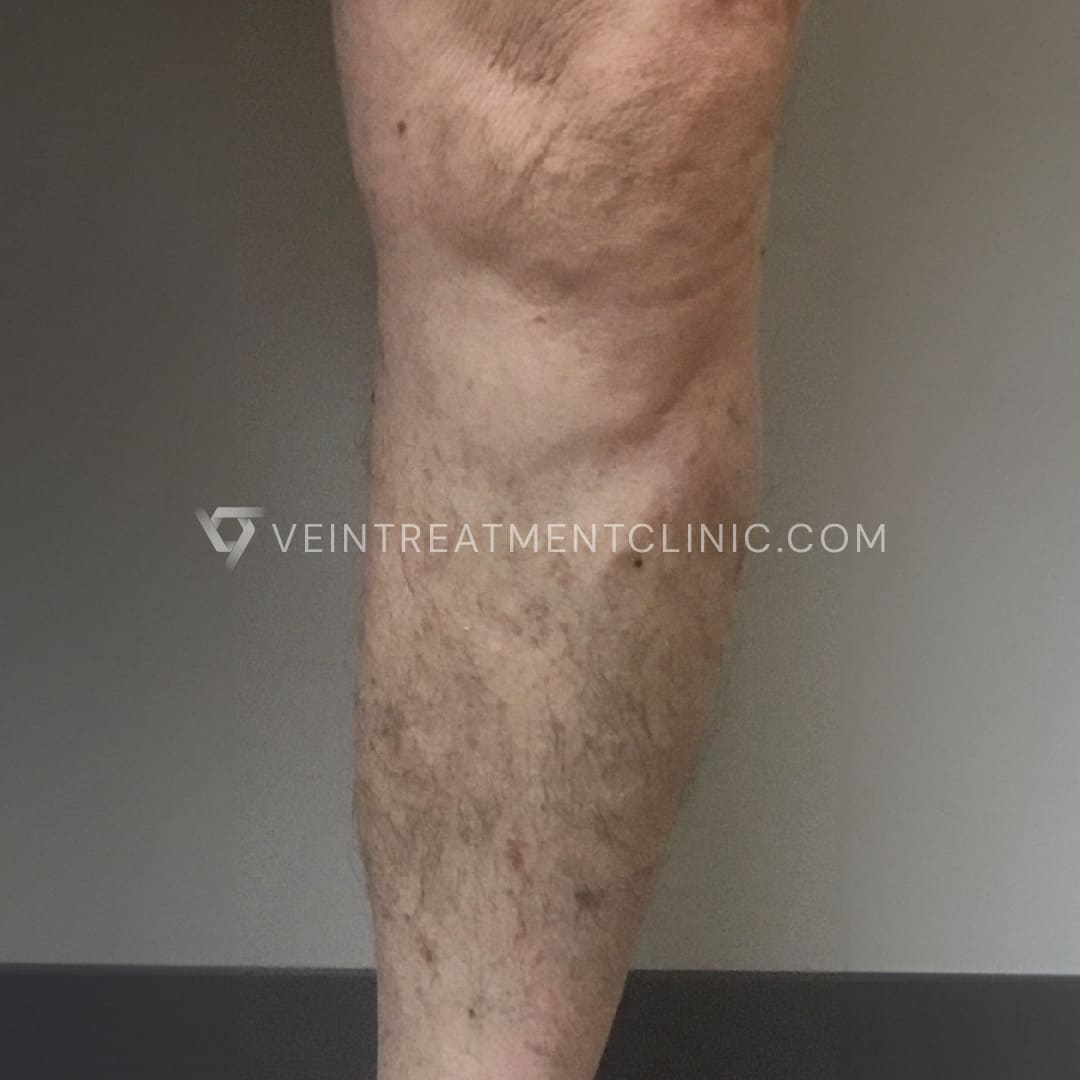
At our Long Island Vein Clinic, we treated this 75 year-old patient with spider veins using radiofrequency ablation and sclerotherapy. These minimally invasive treatments improved both the patient’s appearance and overall well-being, offering transformative results.
Before
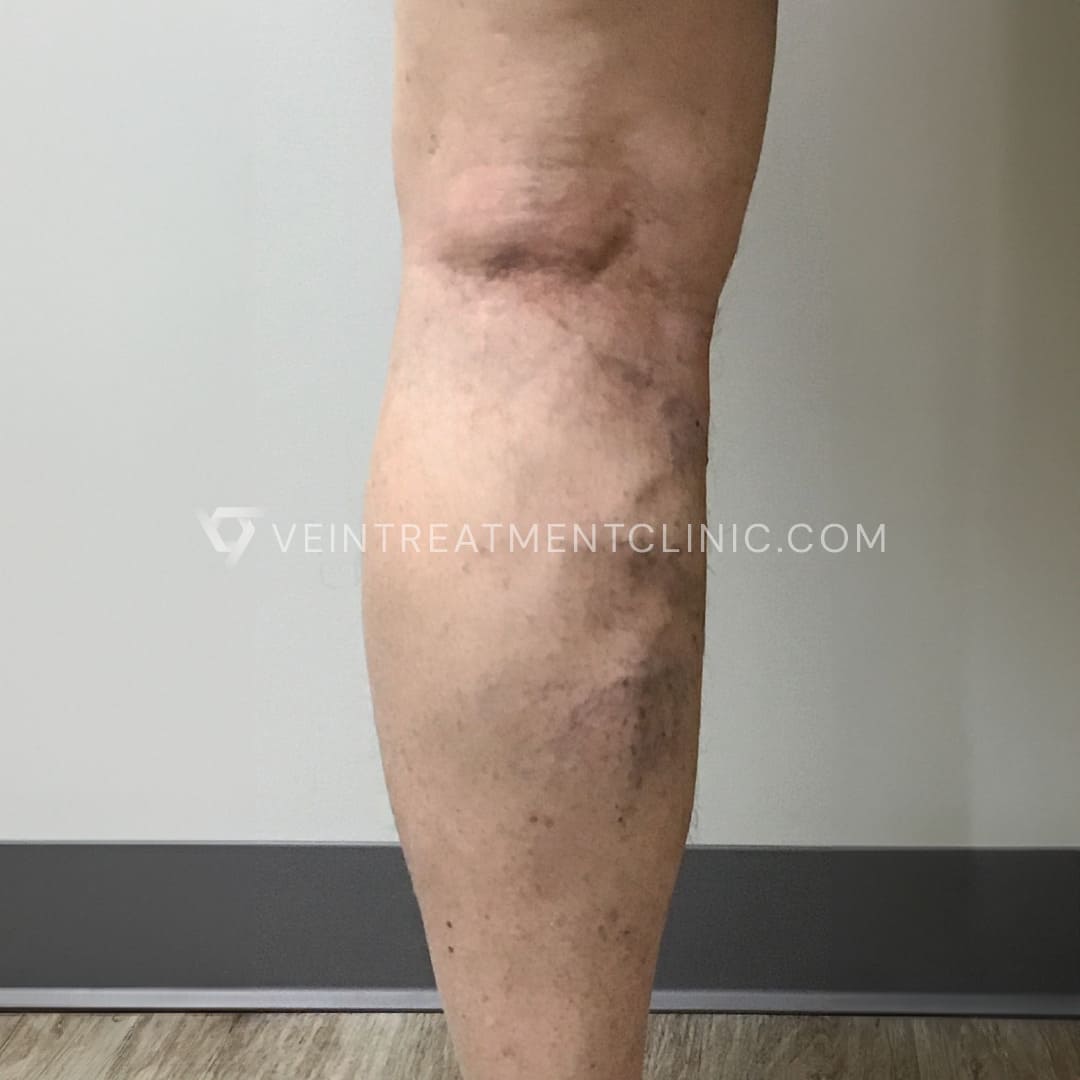
After
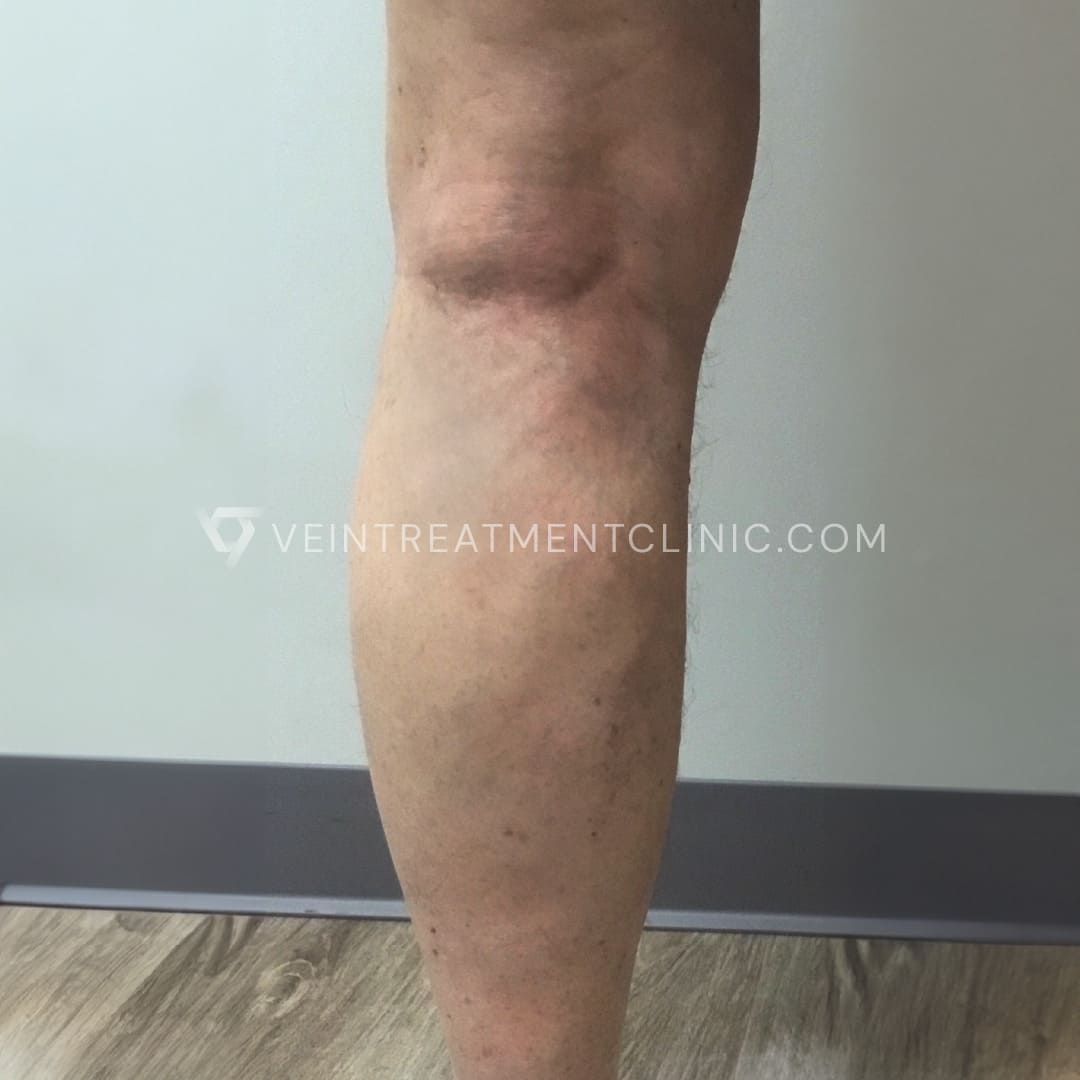
This 75 year-old patient visited our Long Island Vein Treatment Clinic with painful spider veins. We used radiofrequency ablation and sclerotherapy, minimally invasive treatments, to eliminate the veins and restore comfort and confidence. The patient experienced life-changing results
How many laser treatments are needed?
Multiple sessions are often needed because laser treatment targets only small sections of vein at a time.
Results improve gradually over several weeks.
Is laser vein treatment safe?
Laser treatment is generally safe when performed by trained specialists on appropriate vein types.
Side effects are usually mild and temporary.
How a vein evaluation helps choose the right treatment?
A vein evaluation assesses whether visible veins are isolated or related to deeper circulation problems.
This ensures laser treatment is used when appropriate and combined with other treatments when needed.
Get a Peek Inside Your Veins—Book Your Ultrasound Evaluation.
When laser treatment is the right choice?
Laser treatment is often the right choice for small, superficial veins without significant underlying reflux.
A vein specialist determines whether laser treatment alone is likely to provide lasting results.