

Table of contents

Get treated by vein treatment industry leaders
What Symptoms Are Associated With Spider Veins?

Medically verified
Last updated on 1/29/2026

By Dr. Michael Nguyen
Vein Doctor at Vein Treatment Clinic
Harvard Medical School
Board Certified by the American Board of Venous and Lymphatic Medicine
Spider veins are often noticed because of their appearance, but many patients wonder whether they can also cause physical symptoms.
While spider veins are usually considered cosmetic, some people experience sensations or discomfort in the areas where they appear.
Understanding which symptoms are commonly associated with spider veins helps patients decide when reassurance is enough and when evaluation may be helpful.
If you’re experiencing vein-related leg symptoms and want to know whether venous ablation may help, a vein evaluation can clarify your options.
Do spider veins usually cause symptoms?
Many spider veins cause no symptoms at all and are noticed only because they are visible through the skin.
However, some patients do experience mild to moderate discomfort, especially in the legs.
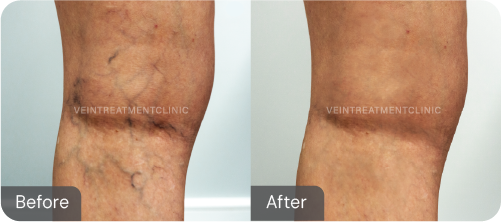
Spider Vein before and after treatment pictures.
Results may vary according to each case.
Spider Vein before and after treatment pictures.
Results may vary according to each case.
Itching or burning sensations
One of the most commonly reported spider vein symptoms is itching or a burning sensation near the affected area.
This may be related to irritation of small surface veins and surrounding skin.
Aching or mild pain
Some patients describe aching, soreness, or mild pain in areas where spider veins are present.
This discomfort may worsen after long periods of standing or sitting.
Symptom Checker
Leg fatigue or heaviness
A feeling of leg fatigue or heaviness can occur, particularly later in the day.
While this symptom is more commonly associated with varicose veins, some patients with spider veins report similar sensations.
Throbbing or cramping
Occasional throbbing or cramping near spider veins can occur, especially after physical activity or prolonged immobility.
These symptoms are usually mild but may prompt evaluation if persistent.
Skin sensitivity around spider veins
The skin around spider veins may feel tender or sensitive to touch.
This sensitivity can be more noticeable when spider veins are clustered.
Before
After
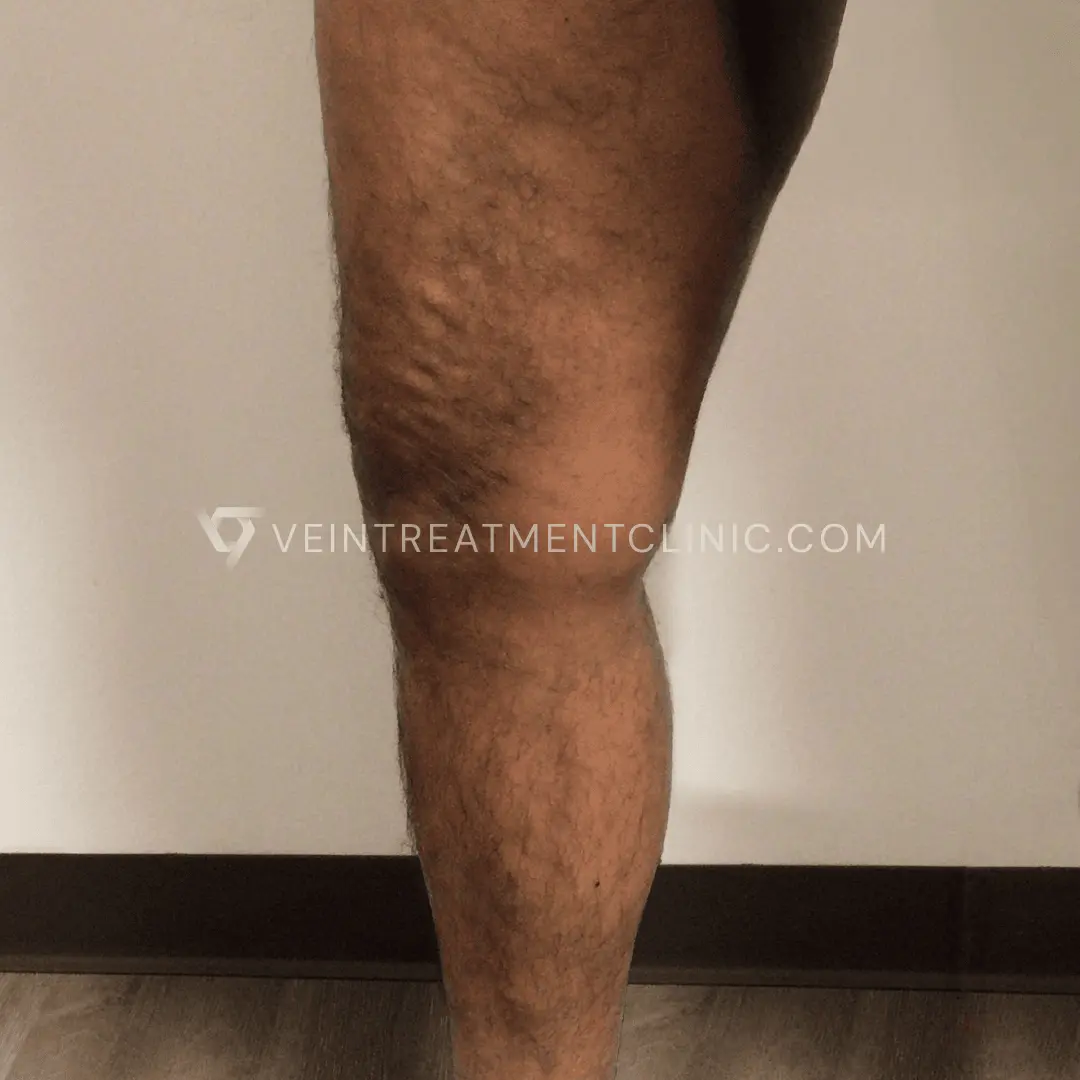
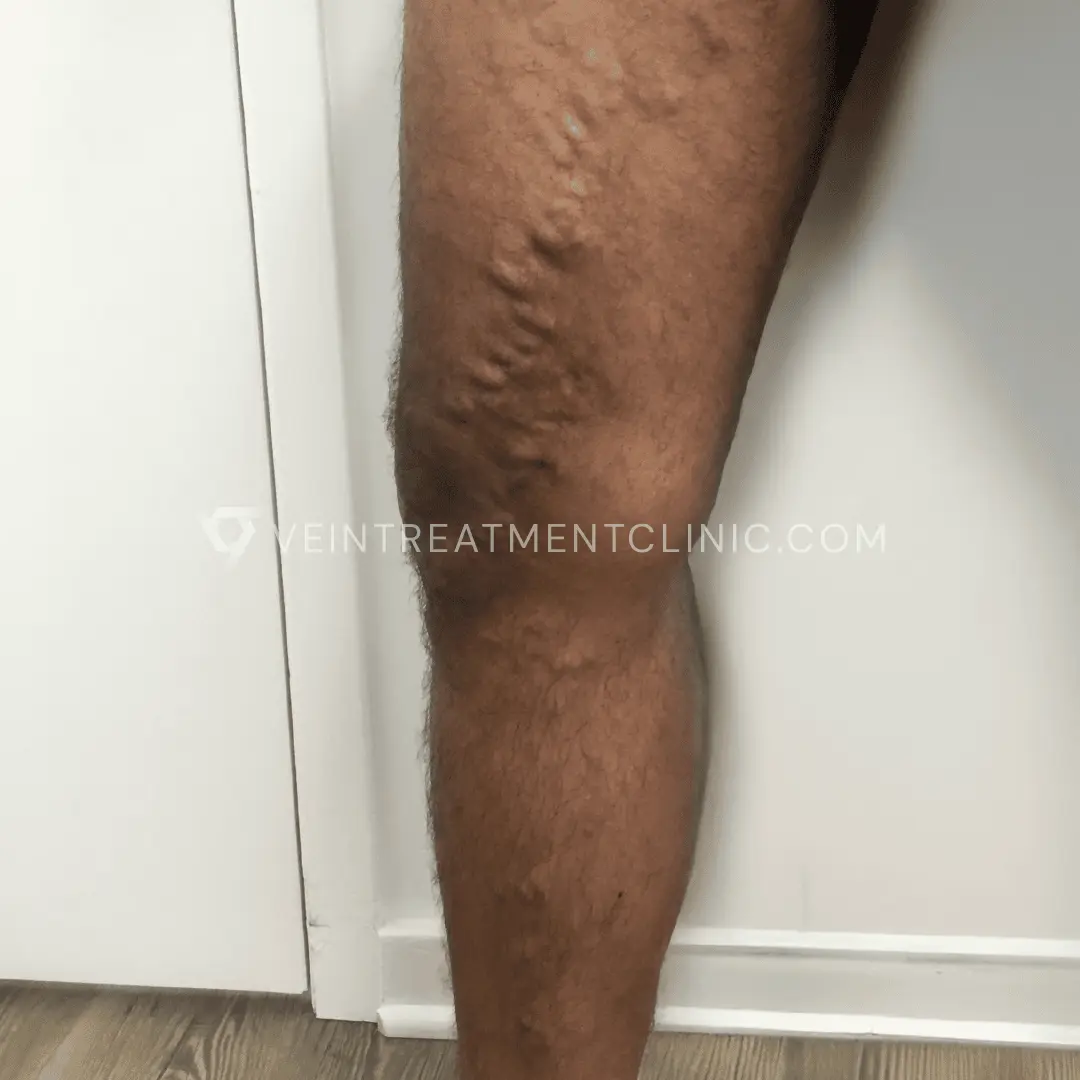
A 37-year-old patient visited our Vein Treatment Clinic, seeking relief from unsightly and painful varicose and spider veins. We performed radiofrequency ablation and sclerotherapy treatments, significantly improving the veins’ appearance and completely eliminating discomfort. The patient is now enjoying a more active and pain-free lifestyle.
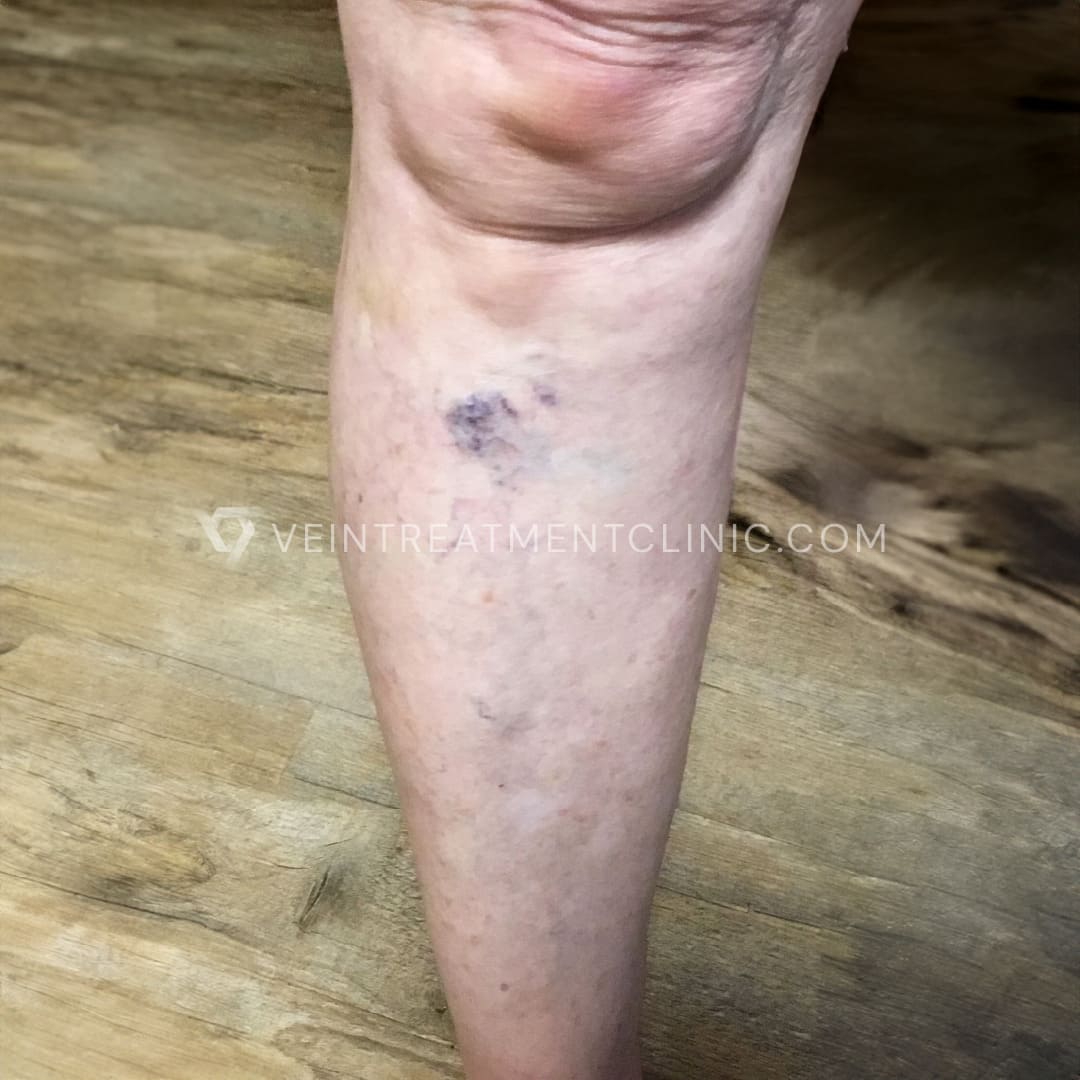
Before
After
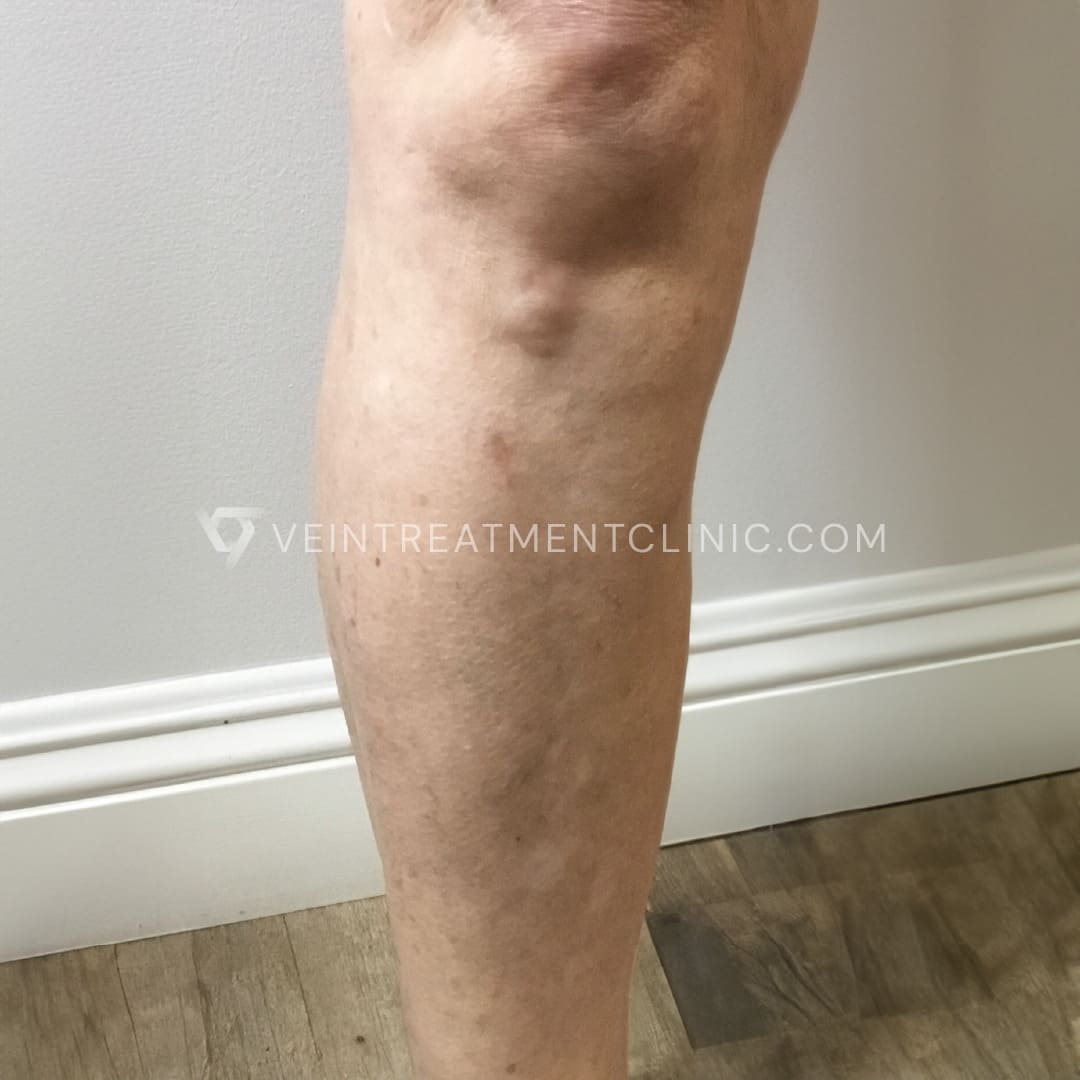
A 69 year-old patient visited our California Vein Clinic, embarrassed by spider veins that had impacted their self-esteem. We performed radiofrequency ablation and sclerotherapy treatments, leaving their legs smooth and healthy. The patient now feels more confident, thanks to this transformative treatment.
Before
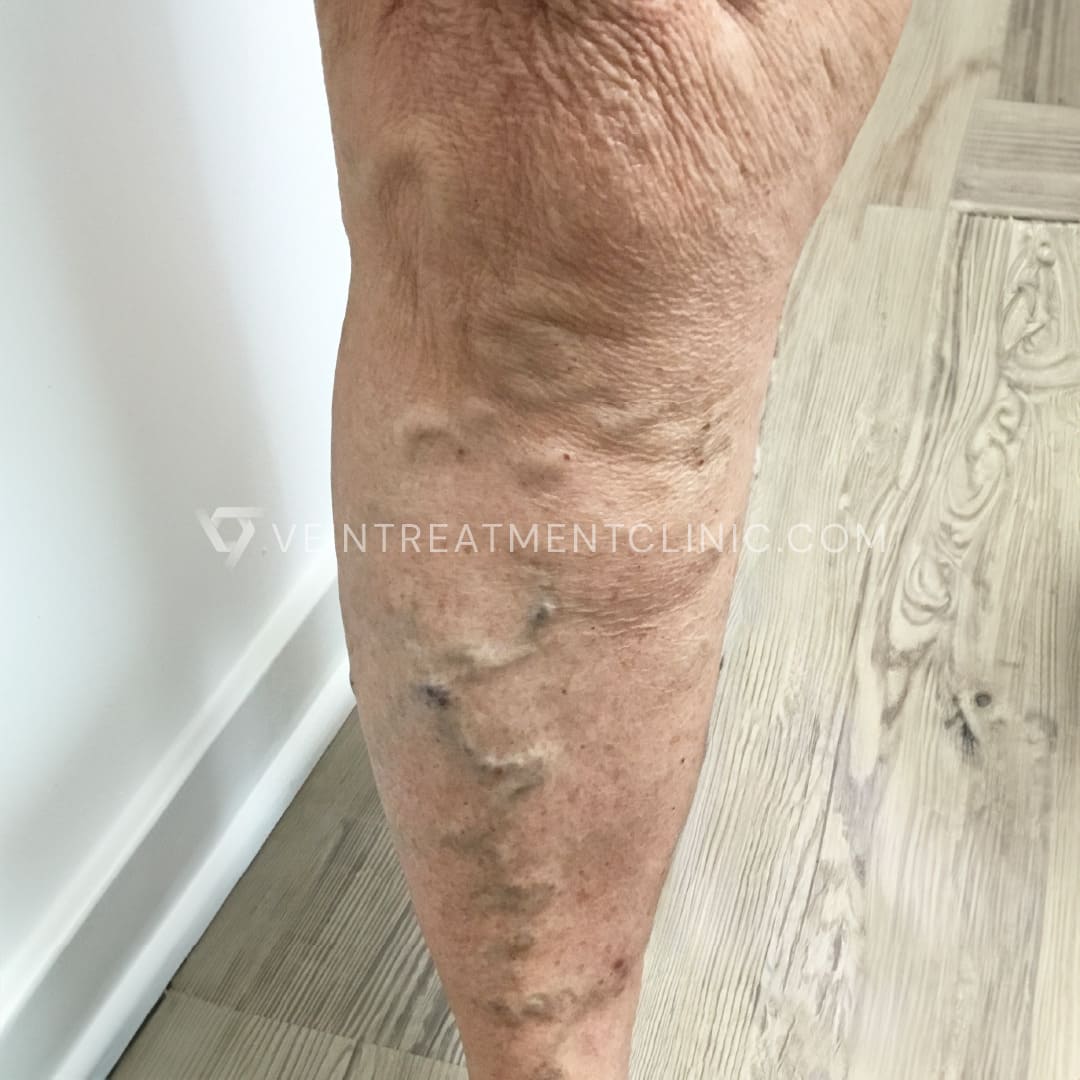
After
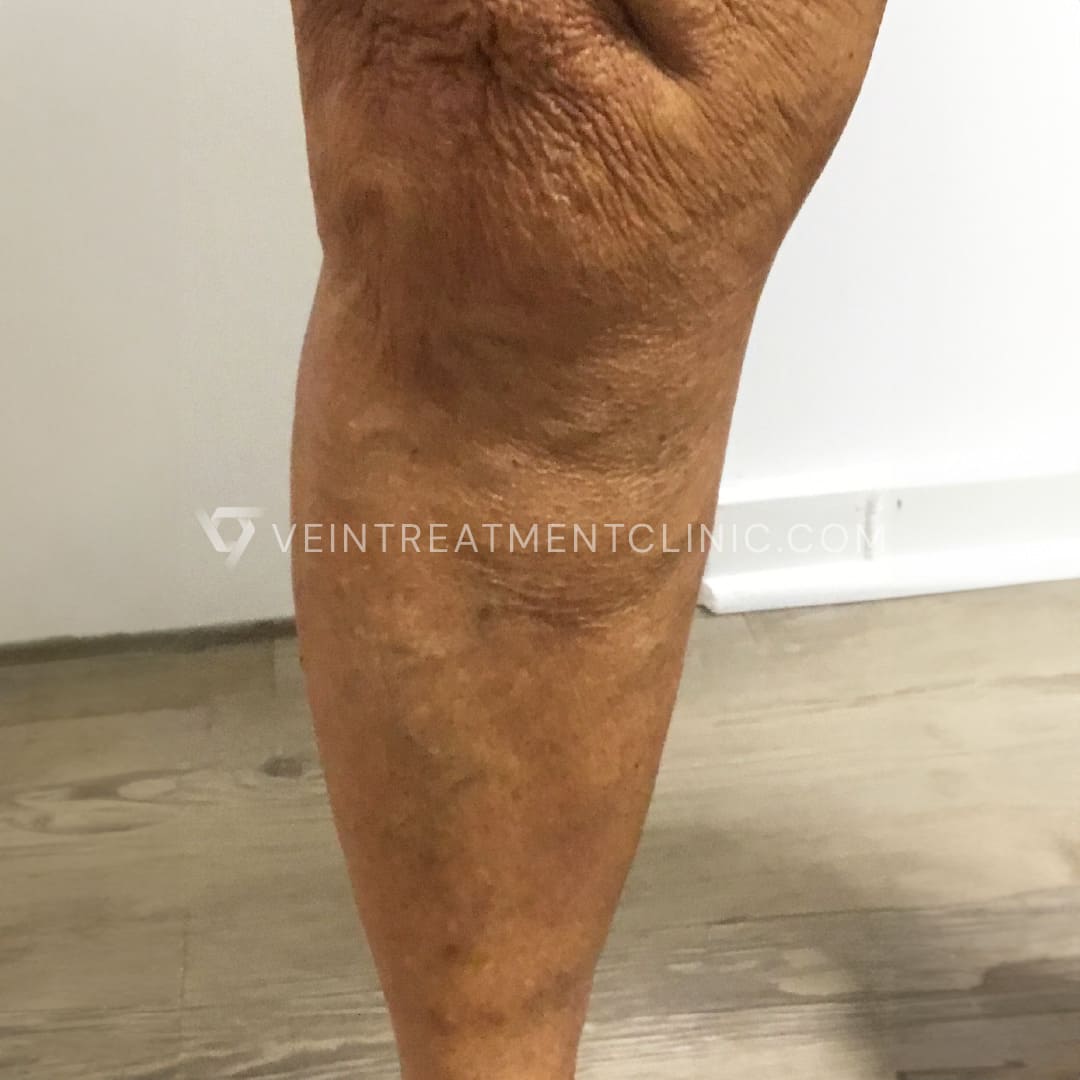
This 84 year-old patient at our New Jersey Vein Treatment Clinic came in with spider veins that had affected their daily routine. We used radiofrequency ablation and sclerotherapy treatments to relieve discomfort and restore both their leg health and confidence. The patient now enjoys a more active and fulfilling lifestyle, free from pain.
Before
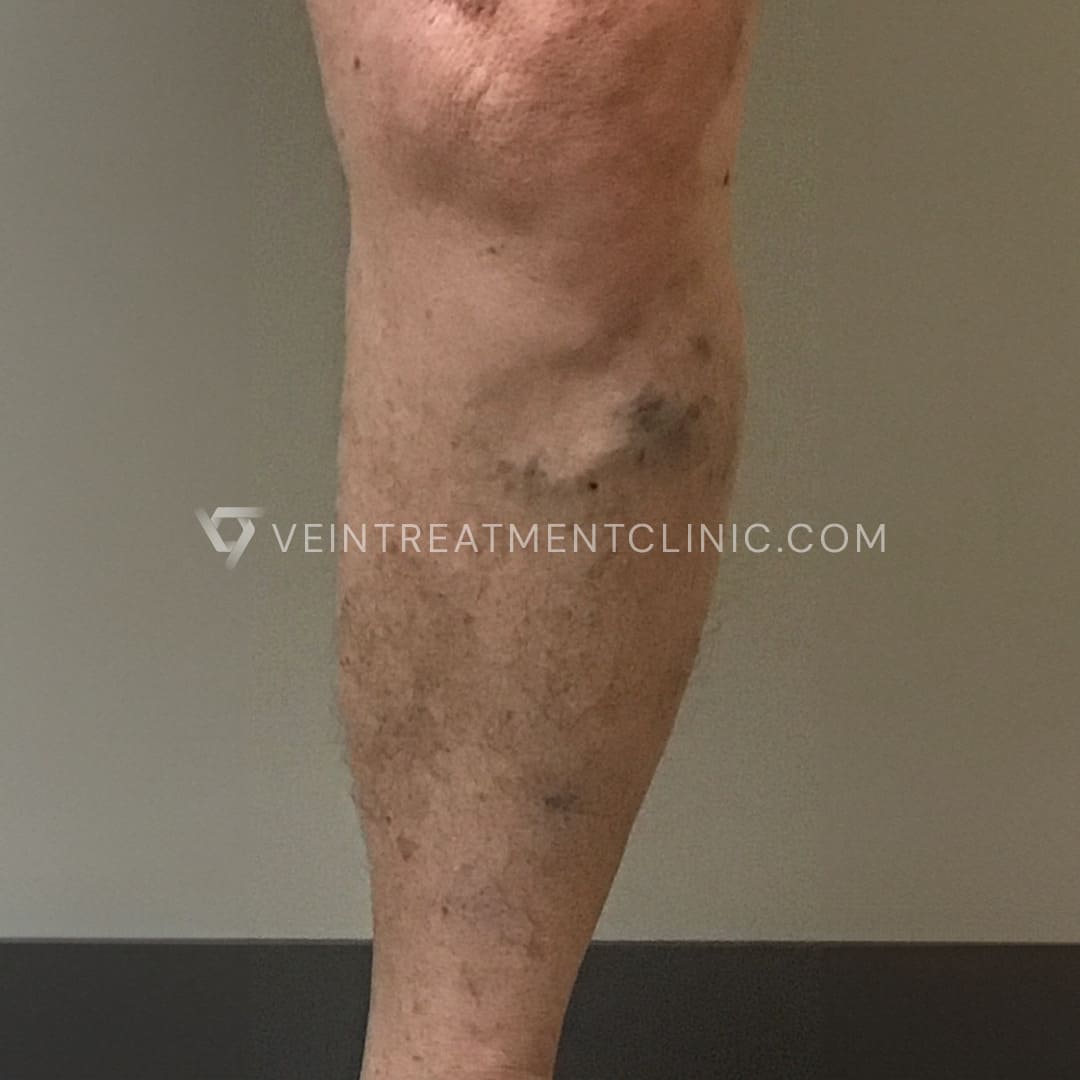
After
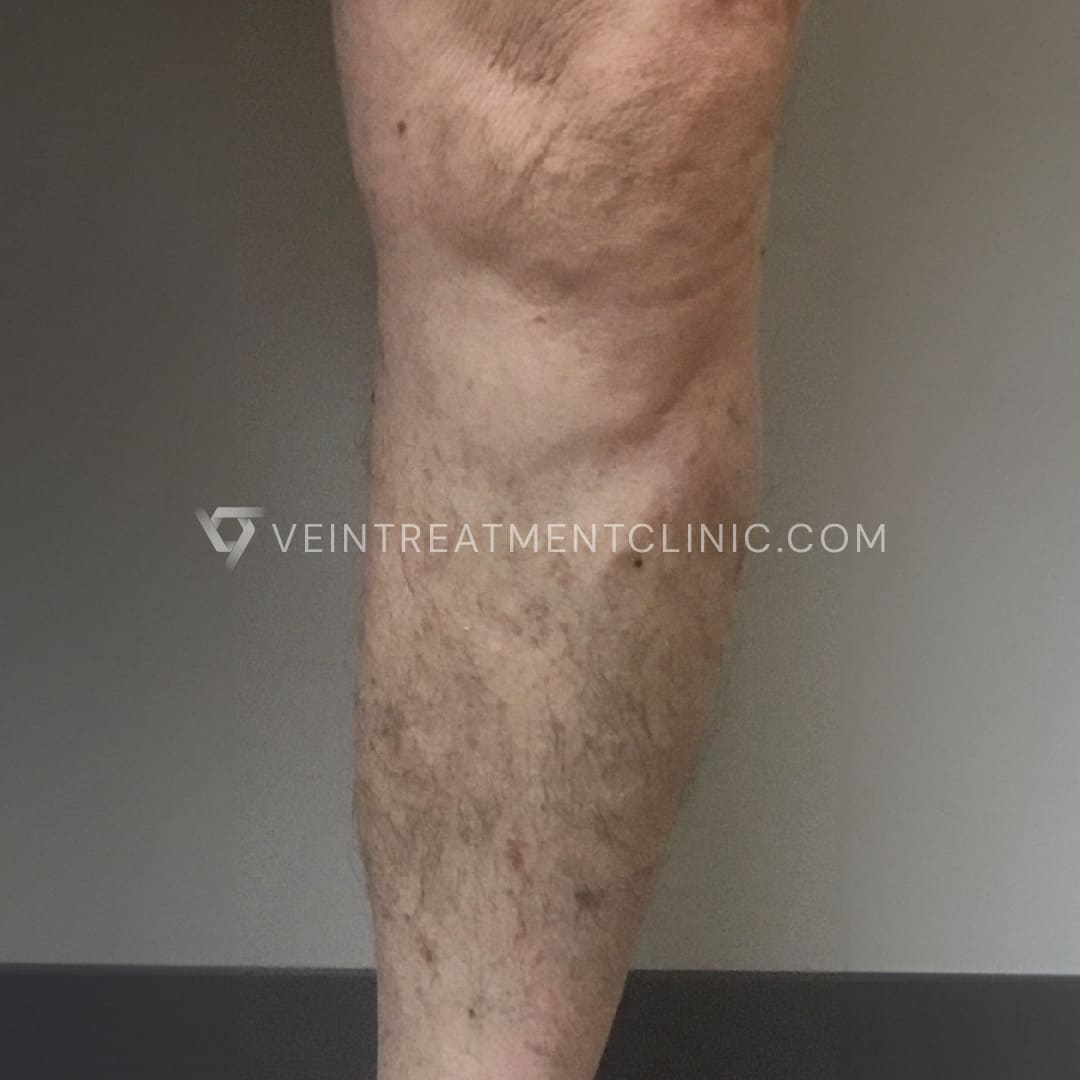
At our Long Island Vein Clinic, we treated this 75 year-old patient with spider veins using radiofrequency ablation and sclerotherapy. These minimally invasive treatments improved both the patient’s appearance and overall well-being, offering transformative results.
Before
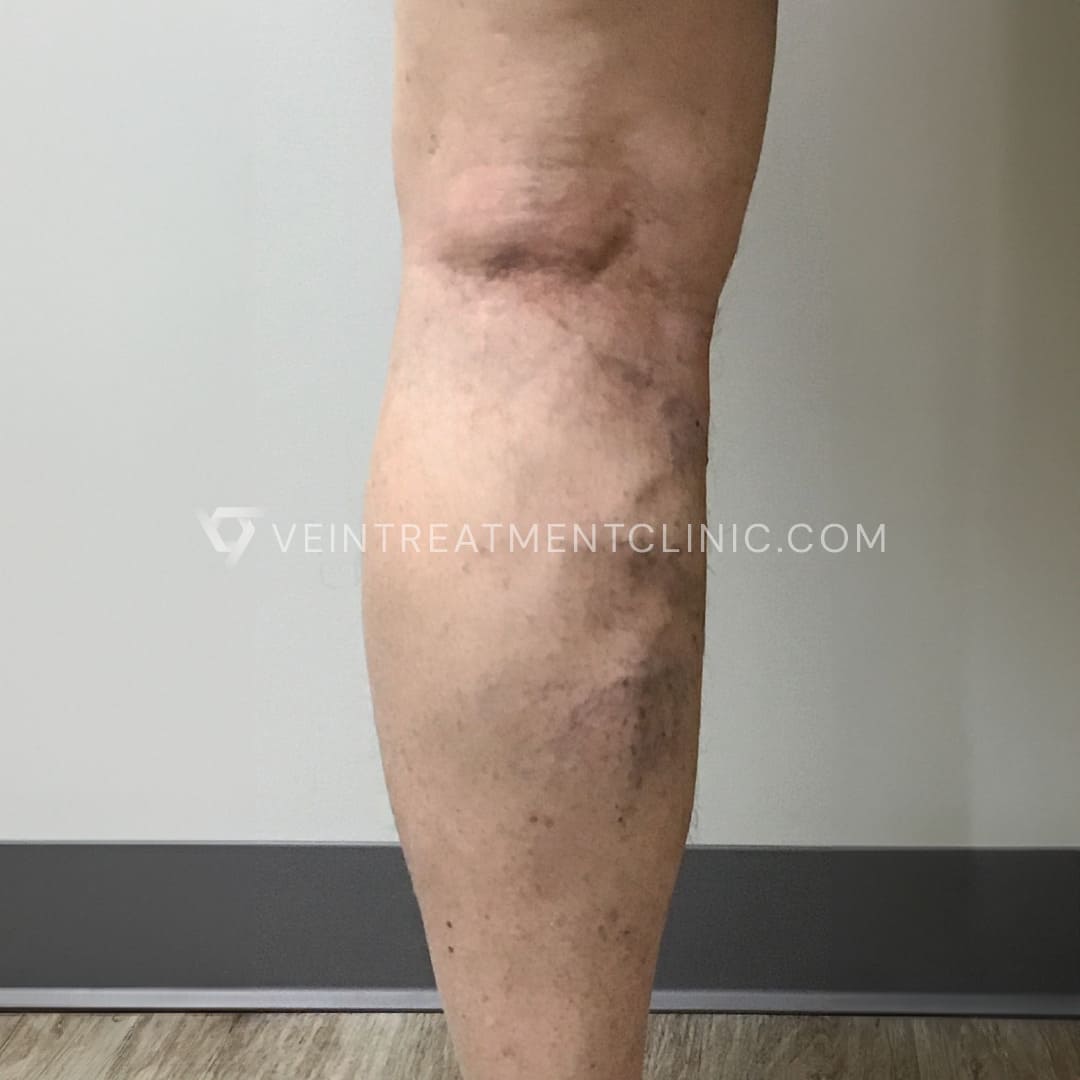
After
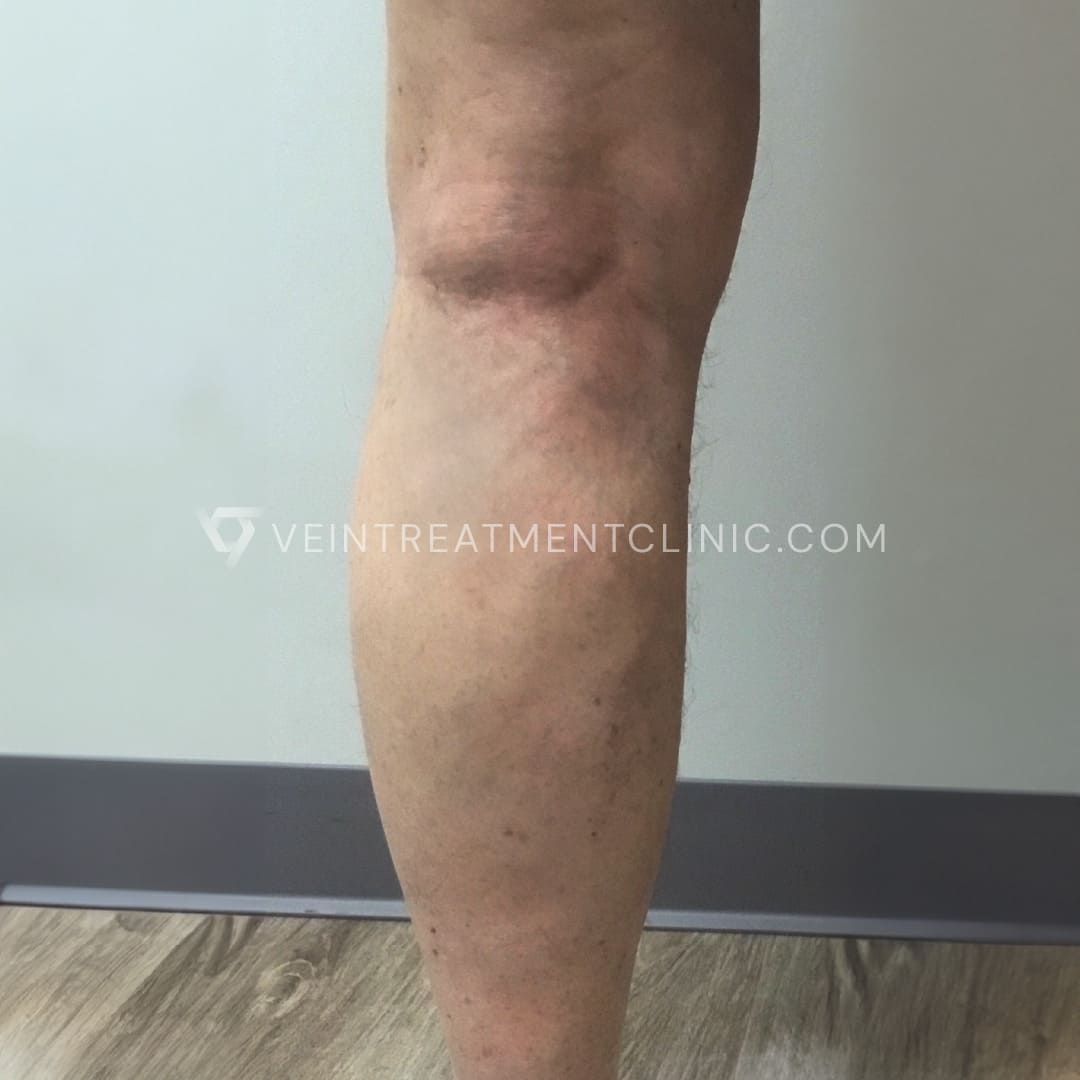
This 75 year-old patient visited our Long Island Vein Treatment Clinic with painful spider veins. We used radiofrequency ablation and sclerotherapy, minimally invasive treatments, to eliminate the veins and restore comfort and confidence. The patient experienced life-changing results
Do spider vein symptoms indicate a deeper vein problem?
In many cases, spider veins are isolated and not linked to deeper vein disease.
However, when symptoms are persistent, worsening, or combined with swelling or heaviness, further evaluation may be recommended.
Get the Facts on Chronic Venous Insufficiency. Read the Complete Guide
How spider vein symptoms differ from varicose vein symptoms
Spider vein symptoms are typically milder than those associated with varicose veins.
Varicose veins are more likely to cause significant pain, swelling, and skin changes.
Does This Sound Like You? Identify the Warning Signs Before They Progress
When should spider vein symptoms be evaluated?
Evaluation is recommended if spider veins are associated with pain, burning, swelling, or repeated recurrence after treatment.
A vein evaluation helps determine whether symptoms are due to spider veins alone or related to deeper vein issues.
Get a Peek Inside Your Veins—Book Your Ultrasound Evaluation.