

Table of contents

Get treated by vein treatment industry leaders
Vein Doctor: What They Treat, When to See One, and How to Choose

Medically verified
Last updated on 1/29/2026

By Dr. Michael Nguyen
Vein Doctor at Vein Treatment Clinic
Harvard Medical School
Board Certified by the American Board of Venous and Lymphatic Medicine
A vein doctor is a physician who specializes in diagnosing and treating conditions that affect blood flow in the veins, most commonly in the legs.
Patients often search for a vein doctor near them when they notice symptoms such as leg pain, swelling, heaviness, visible veins, or skin changes.

This page explains what a vein doctor does, when it makes sense to see one, and how a vein specialist helps determine whether treatment is needed.
If you’re experiencing leg symptoms or visible veins and are unsure who to see, a vein evaluation can help clarify whether a vein specialist is appropriate.
What is a vein doctor?
A vein doctor is a physician with specialized training in venous disease, including varicose veins, spider veins, and chronic venous insufficiency.
Vein doctors focus on how blood flows through the veins and how valve problems contribute to symptoms and visible vein changes.
What conditions does a vein doctor treat?
Vein doctors commonly treat varicose veins, spider veins, chronic venous insufficiency, and vein-related leg swelling.
They also evaluate symptoms such as aching legs, heaviness, fatigue, skin discoloration, and slow-healing wounds.
Beyond Looks – See if Your Veins Impact Your Health.
When should you see a vein doctor?
Seeing a vein doctor is recommended when leg symptoms are persistent, worsening, or interfering with daily activities.
Visible veins combined with pain, swelling, or skin changes are also common reasons for evaluation.
Think You Have Vein Disease? Schedule a Professional Evaluation
Symptom Checker
Do you need a referral to see a vein doctor?
In many cases, a referral is not required to see a vein doctor.
Coverage rules vary by insurance plan, and a vein evaluation can help clarify next steps.
What happens at a vein doctor appointment?
A visit typically includes a review of symptoms, a physical exam, and often a vein ultrasound.
The goal is to determine whether vein valve problems or circulation issues are contributing to symptoms.
Get a Peek Inside Your Veins—Book Your Ultrasound Evaluation.
How is a vein doctor different from a general physician?
While primary care doctors identify many health concerns, vein doctors specialize specifically in venous circulation and valve function.
This focused expertise allows for more precise diagnosis and treatment planning.
Before
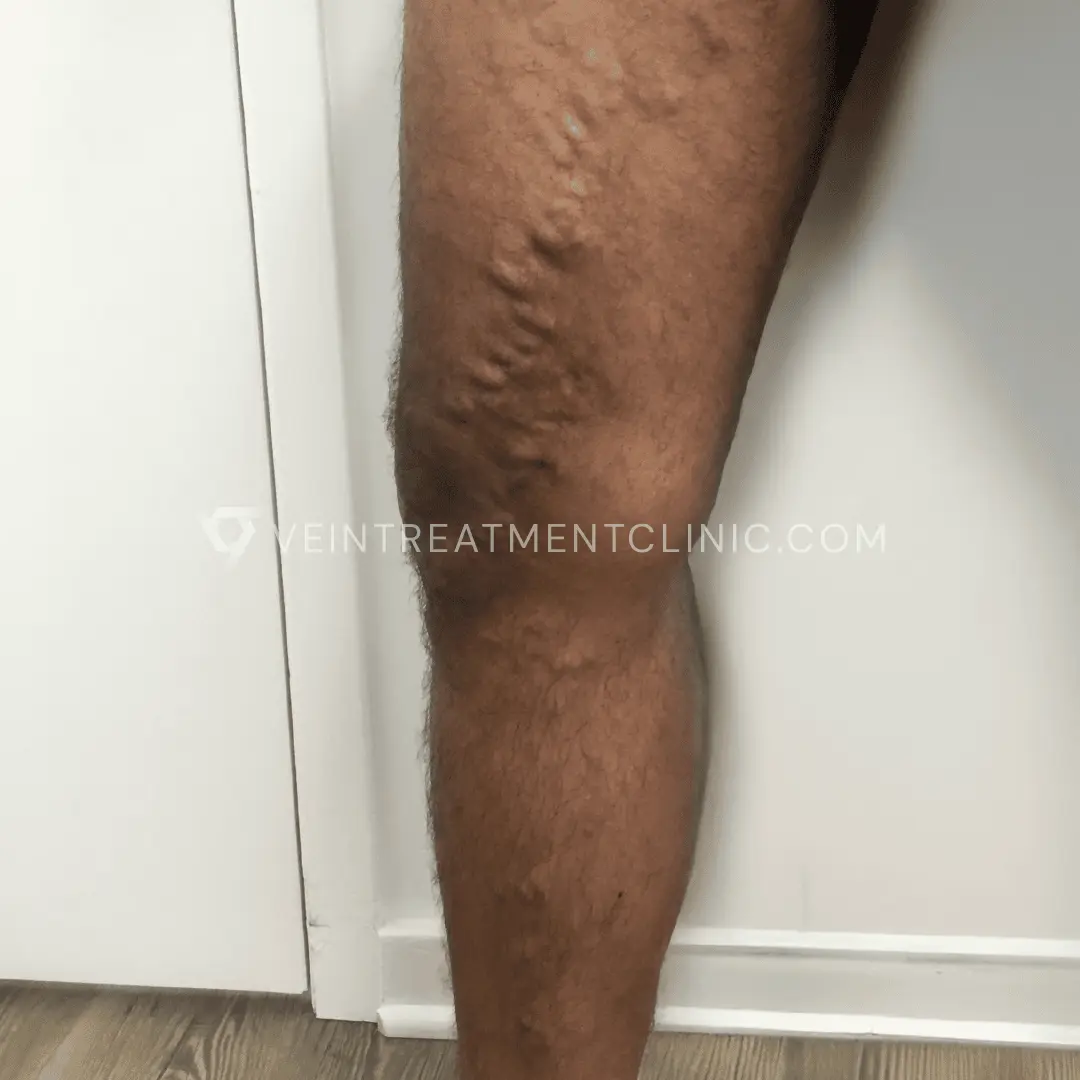
After
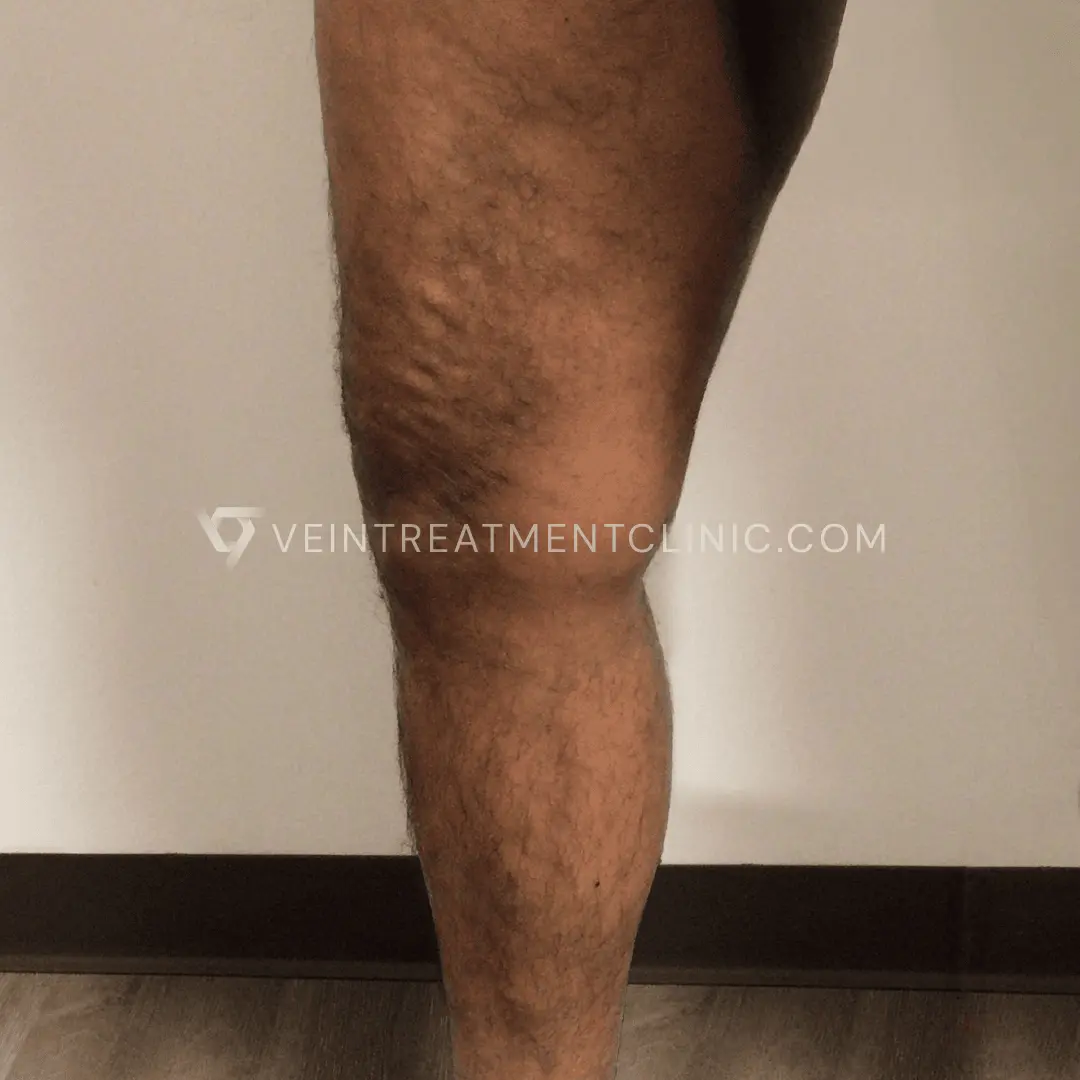
A 37-year-old patient visited our Vein Treatment Clinic, seeking relief from unsightly and painful varicose and spider veins. We performed radiofrequency ablation and sclerotherapy treatments, significantly improving the veins’ appearance and completely eliminating discomfort. The patient is now enjoying a more active and pain-free lifestyle.
Before
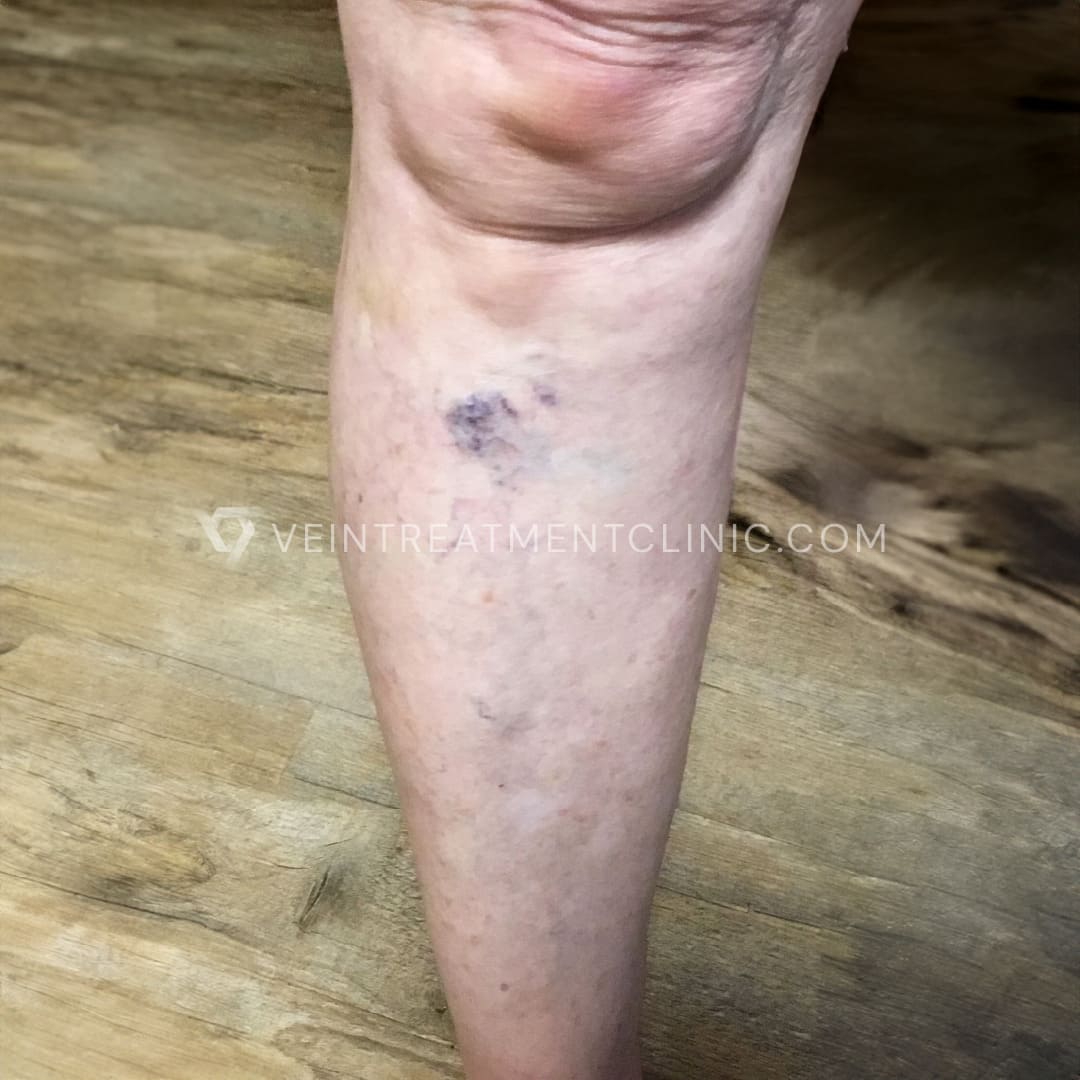
After
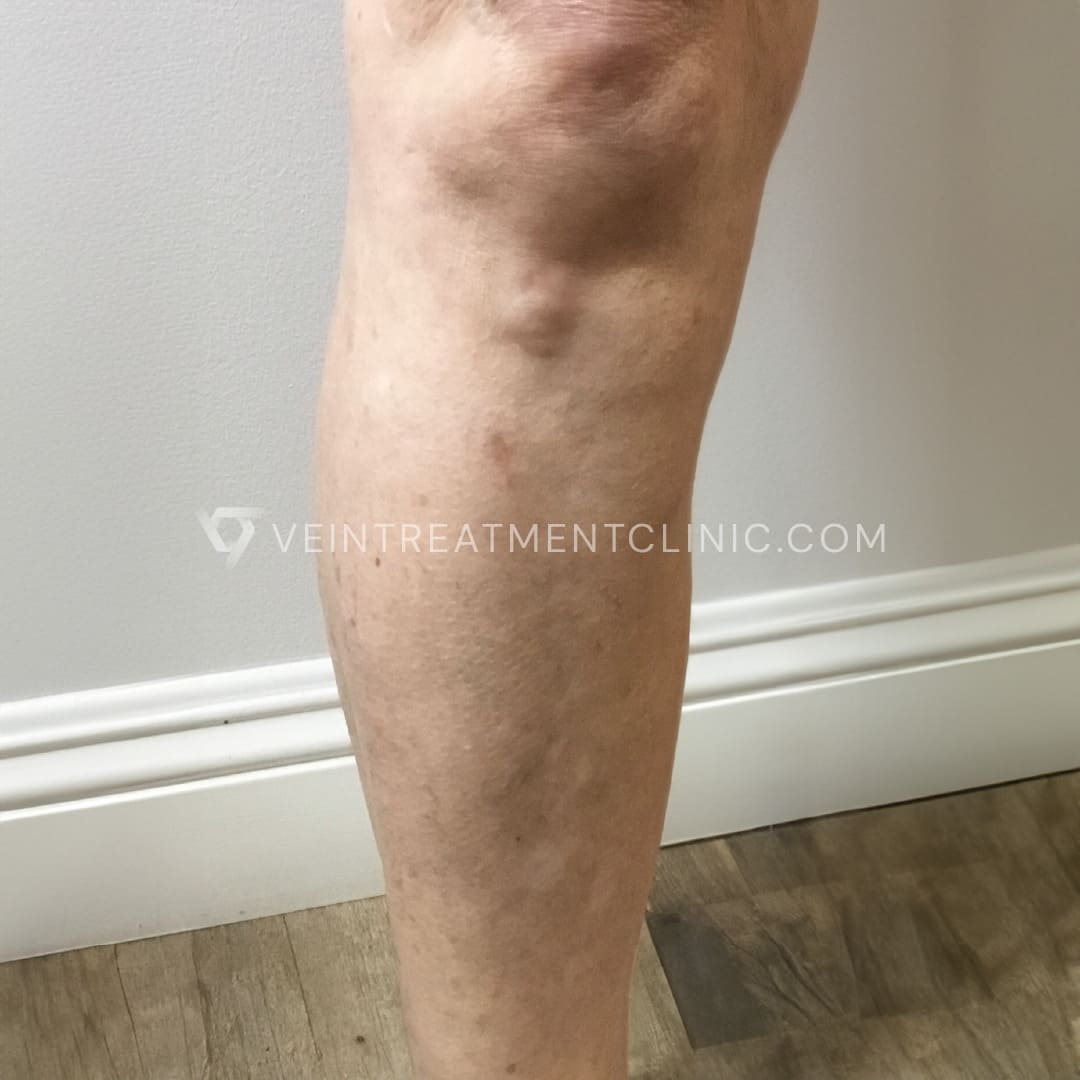
A 69 year-old patient visited our California Vein Clinic, embarrassed by spider veins that had impacted their self-esteem. We performed radiofrequency ablation and sclerotherapy treatments, leaving their legs smooth and healthy. The patient now feels more confident, thanks to this transformative treatment.
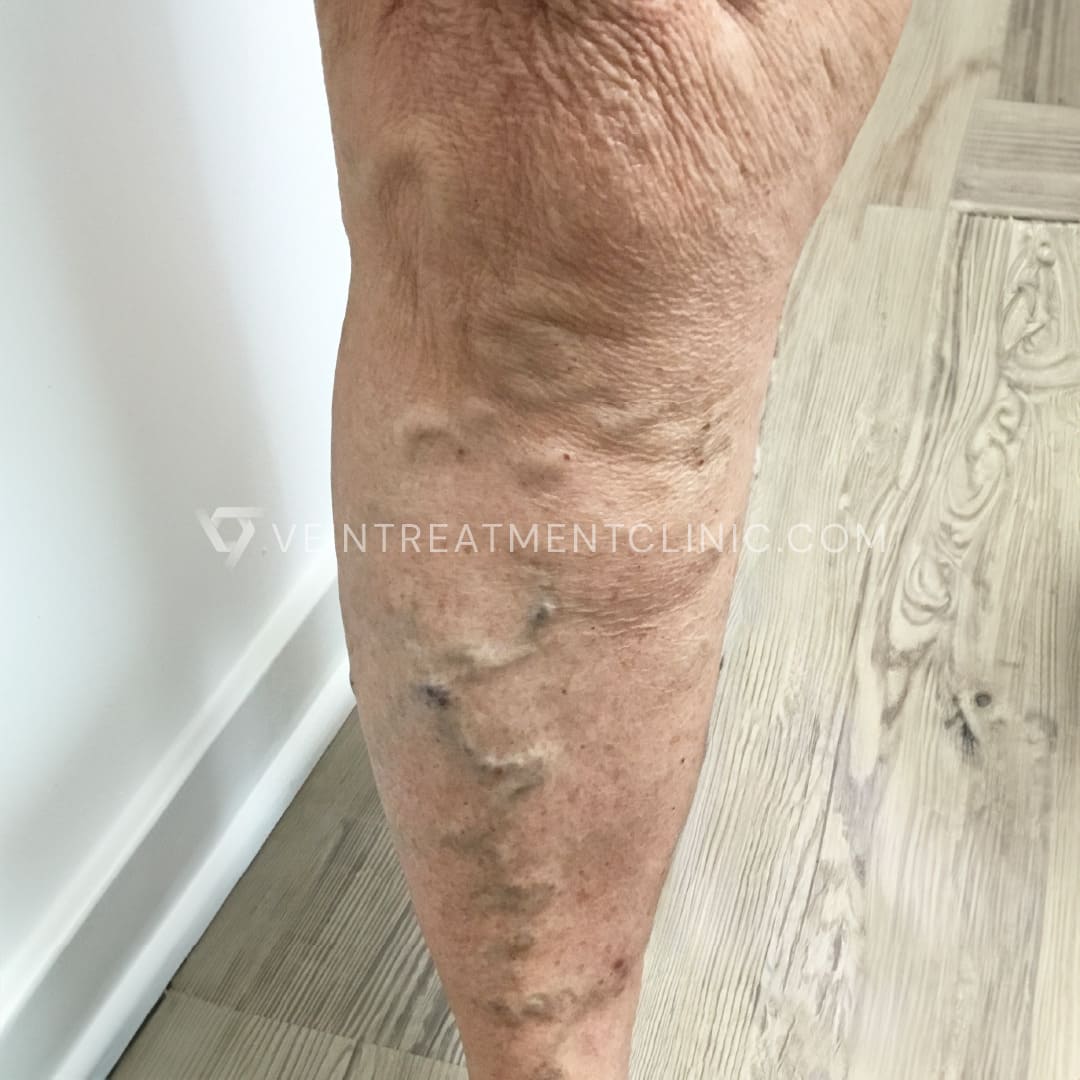
Before
After
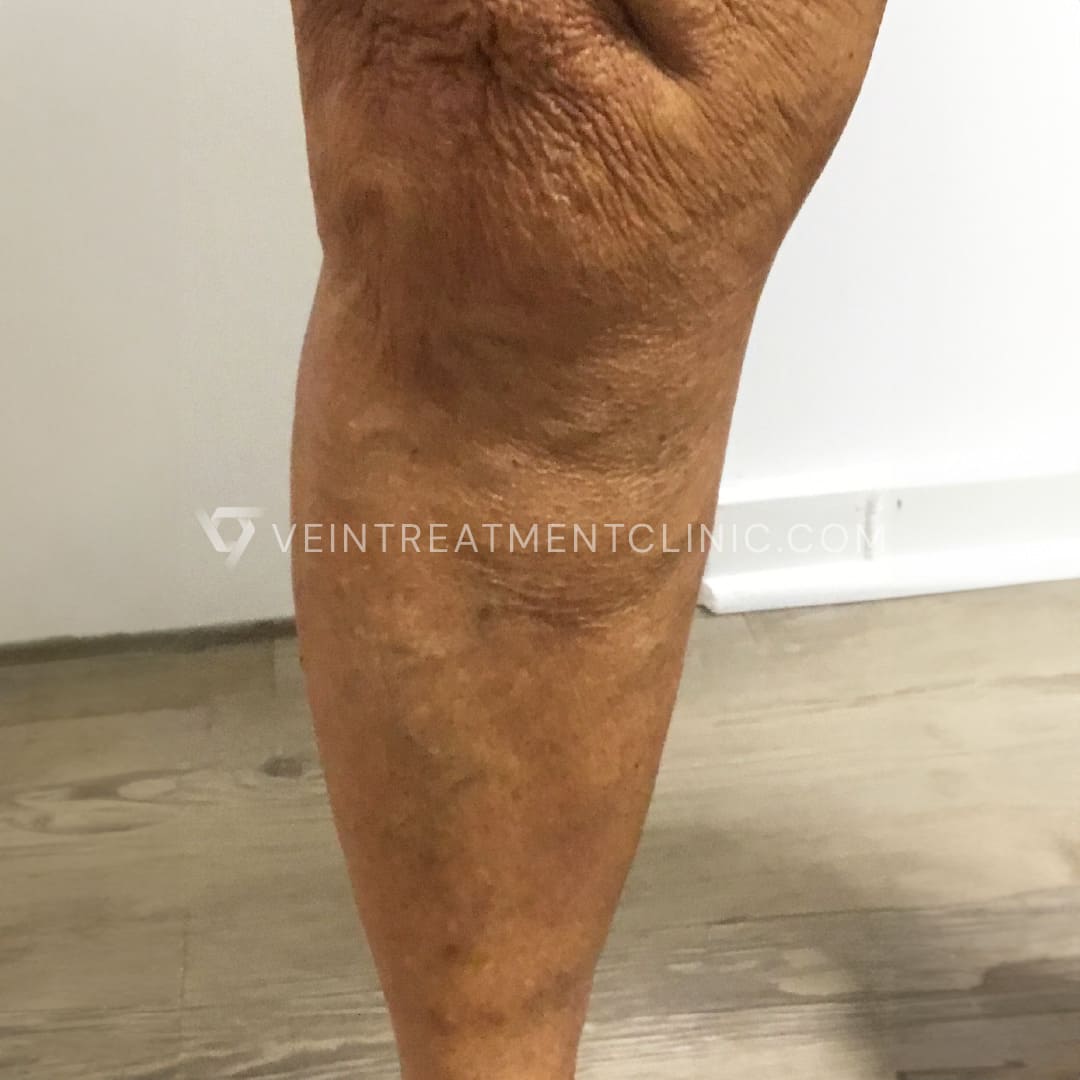
This 84 year-old patient at our New Jersey Vein Treatment Clinic came in with spider veins that had affected their daily routine. We used radiofrequency ablation and sclerotherapy treatments to relieve discomfort and restore both their leg health and confidence. The patient now enjoys a more active and fulfilling lifestyle, free from pain.
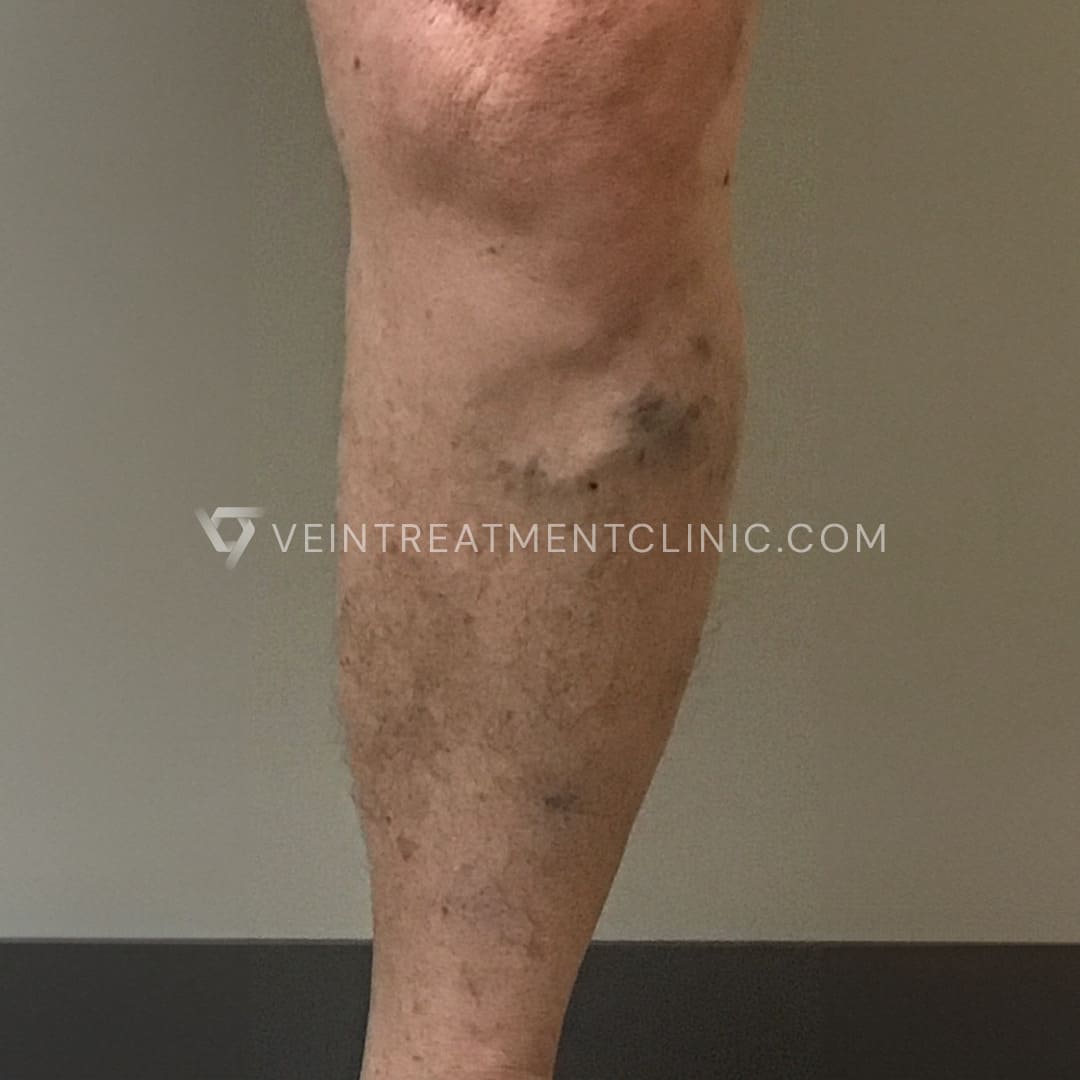
Before
After
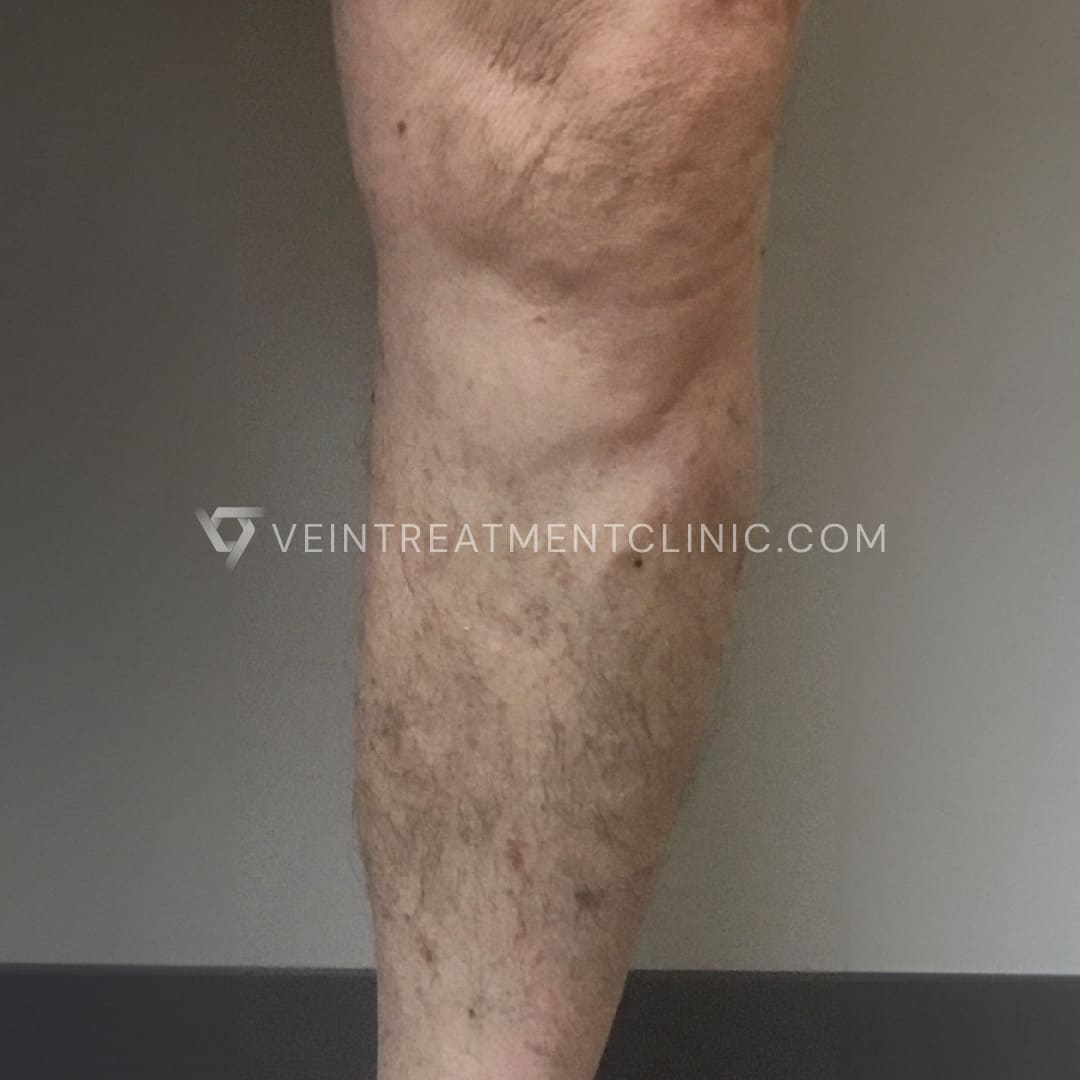
At our Long Island Vein Clinic, we treated this 75 year-old patient with spider veins using radiofrequency ablation and sclerotherapy. These minimally invasive treatments improved both the patient’s appearance and overall well-being, offering transformative results.
Before
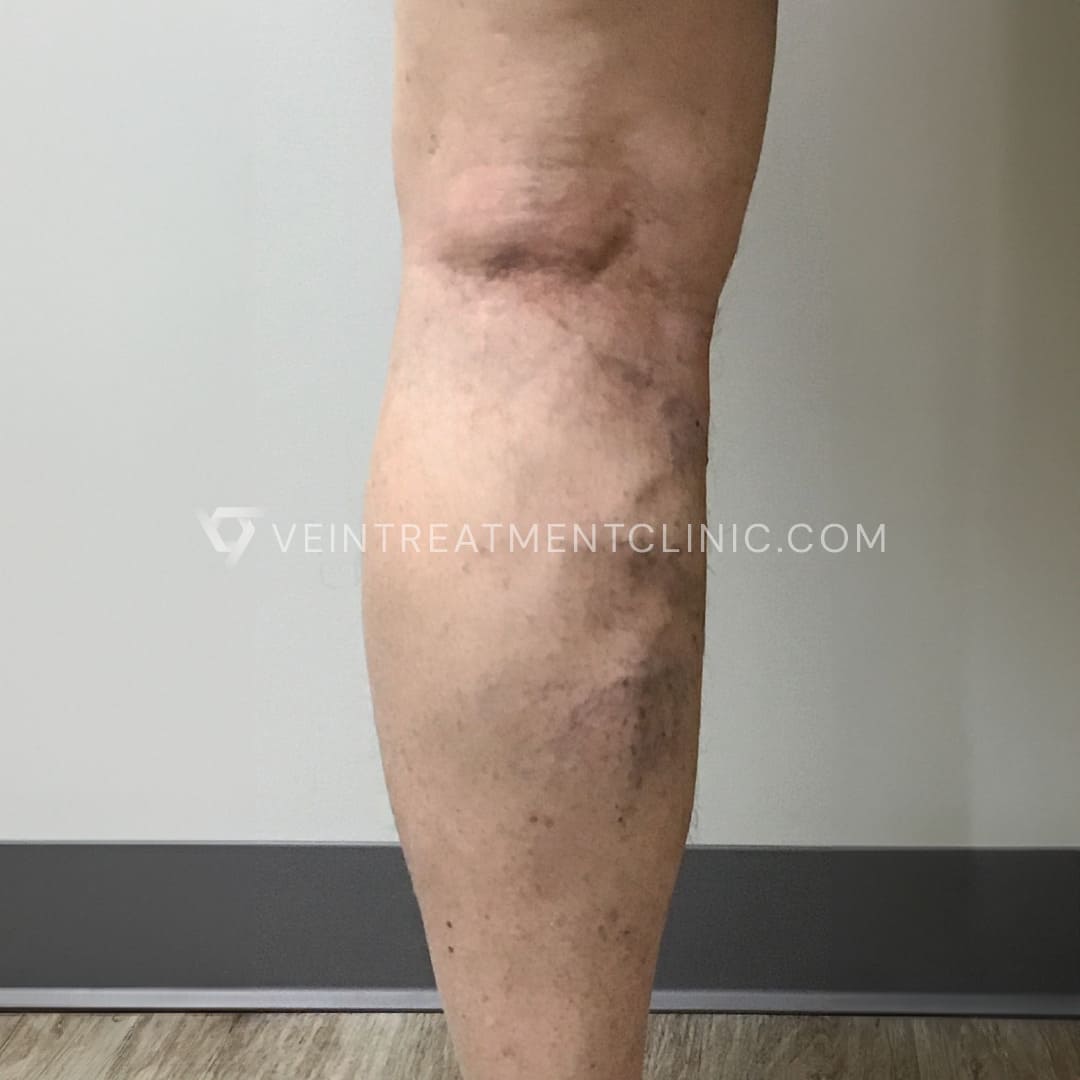
After
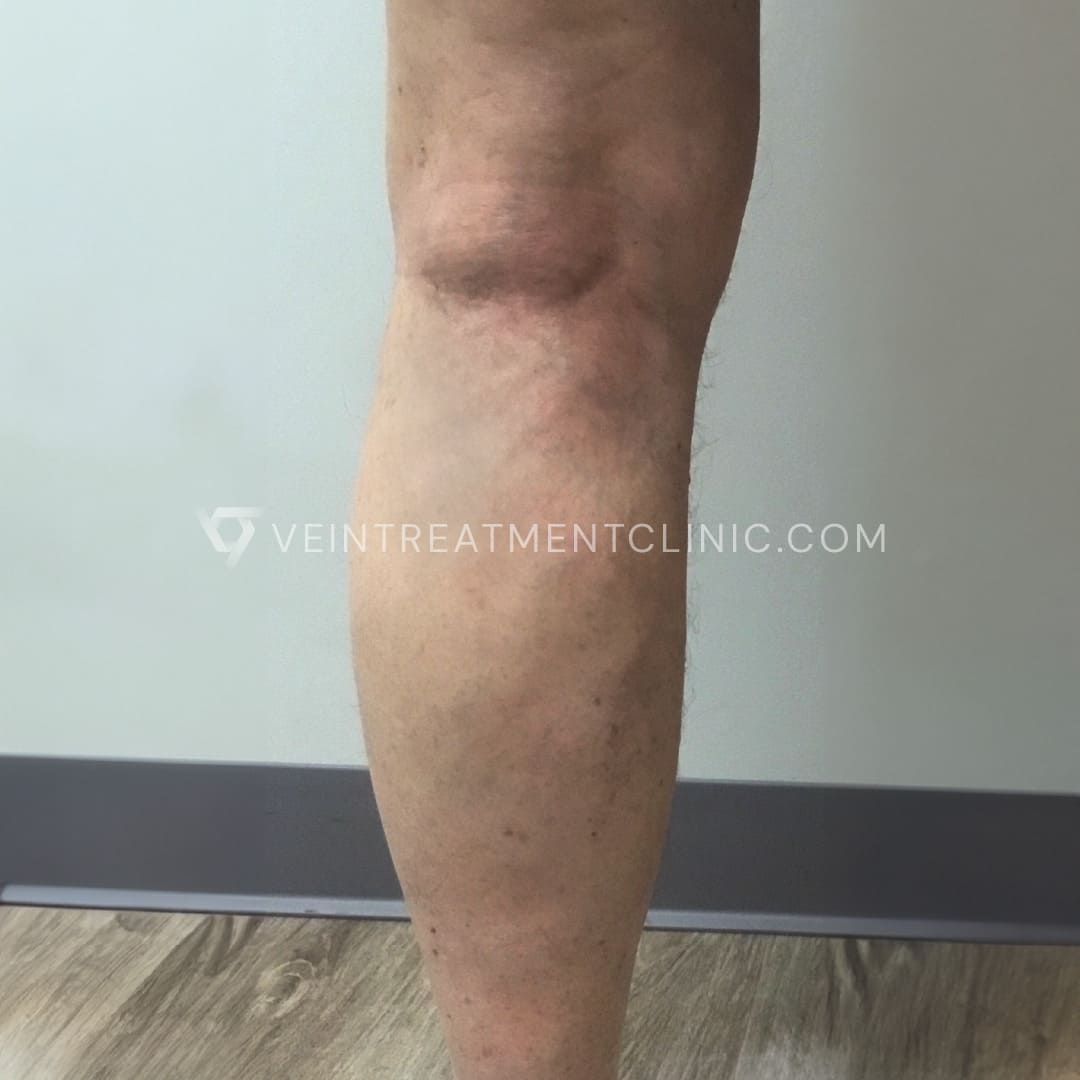
This 75 year-old patient visited our Long Island Vein Treatment Clinic with painful spider veins. We used radiofrequency ablation and sclerotherapy, minimally invasive treatments, to eliminate the veins and restore comfort and confidence. The patient experienced life-changing results
Are vein doctors surgeons?
Most vein doctors today perform non-surgical, minimally invasive treatments.
Advances in technology have replaced traditional surgery in the majority of vein cases.
How a vein doctor determines if treatment is needed?
Treatment decisions are based on symptoms, ultrasound findings, and overall vein health.
Some patients benefit from monitoring, while others may benefit from treatment to improve circulation or reduce symptoms.
What treatments can a vein doctor provide?
Vein doctors offer treatments designed to close malfunctioning veins so blood can reroute through healthier pathways.
Most treatments are performed in an office setting with minimal downtime.