

Table of contents

Get treated by vein treatment industry leaders
Venous Stasis Dermatitis: What It Is and Why It Happens

Medically verified
Last updated on 1/29/2026

By Dr. Michael Nguyen
Vein Doctor at Vein Treatment Clinic
Harvard Medical School
Board Certified by the American Board of Venous and Lymphatic Medicine
Venous stasis dermatitis, often referred to as venous dermatitis, is a chronic skin condition caused by poor circulation and underlying vein disease in the lower legs.
This form of venous dermatitis presents as persistent itching, redness, and skin discoloration resulting from fluid buildup and pressure within the veins.

Effective healing requires addressing the root venous cause through professional evaluation rather than treating the skin surface alone.
If you’re experiencing ongoing leg symptoms and aren’t sure why, a vein evaluation can help determine whether venous stasis is the cause.
What is venous stasis dermatitis?
Venous stasis dermatitis is a skin condition that develops when poor blood flow in the leg veins causes chronic inflammation in the skin. It most commonly affects the lower legs and ankles and is directly related to underlying vein disease.
Unlike a simple rash or allergic reaction, venous stasis dermatitis is caused by long-standing pressure and fluid buildup in the veins, which gradually damages the skin and surrounding tissue.
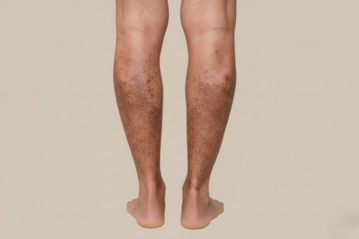
Advanced skin discoloration from Venous Stasis Dermatitis.
Advanced skin discoloration from Venous Stasis Dermatitis.
How venous stasis dermatitis develops?
This condition develops when vein valves fail and allow blood to pool in the lower legs instead of returning efficiently to the heart. The resulting pressure forces fluid and inflammatory substances out of the veins and into the skin.
Over time, this ongoing leakage and inflammation disrupt the normal skin barrier, leading to redness, itching, irritation, and visible skin changes that do not resolve on their own.
Stop the Stagnation—Learn How to Restore Healthy Circulation
What does venous stasis dermatitis look like?
Venous stasis dermatitis often appears as red, inflamed, or darkened skin around the ankles and lower legs. The skin may look shiny, scaly, or thickened, and color changes can range from pink or red to brown or purple.
As the condition progresses, the skin may become fragile and more prone to cracking, weeping, or injury, especially with minor trauma or scratching.
Symptom Checker
What symptoms are common with stasis dermatitis?
Common symptoms include persistent itching, burning, tightness, and tenderness of the affected skin. Many patients also experience leg swelling and a heavy or aching sensation in the legs.
Symptoms often worsen later in the day or after prolonged standing and may temporarily improve with leg elevation.
Does This Sound Like You? Identify the Warning Signs Before They Progress
Is venous stasis dermatitis dangerous?
Venous stasis dermatitis itself is not immediately dangerous, but it is a sign of advanced vein disease that should not be ignored.
Without treatment, the condition can progress to skin breakdown, infection, bleeding, or venous ulcers, which are more difficult to manage.
How is venous stasis dermatitis related to chronic venous insufficiency?
Chronic venous insufficiency is the underlying cause of venous stasis dermatitis. CVI describes the failure of vein valves, while stasis dermatitis describes the skin damage that results from prolonged venous pressure.
In many cases, stasis dermatitis indicates that chronic venous insufficiency has been present for a long time and has reached a stage where skin involvement has developed.
Before
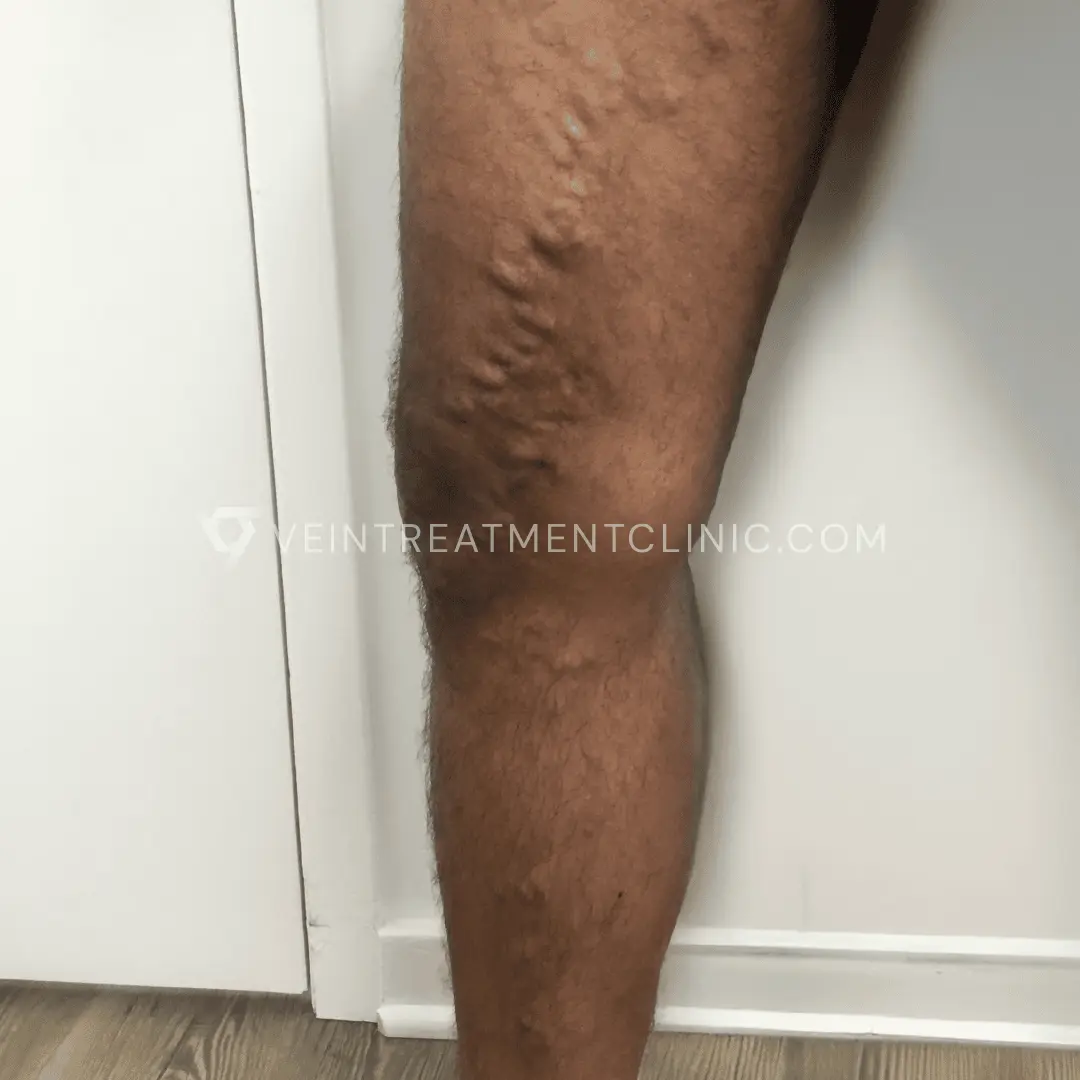
After
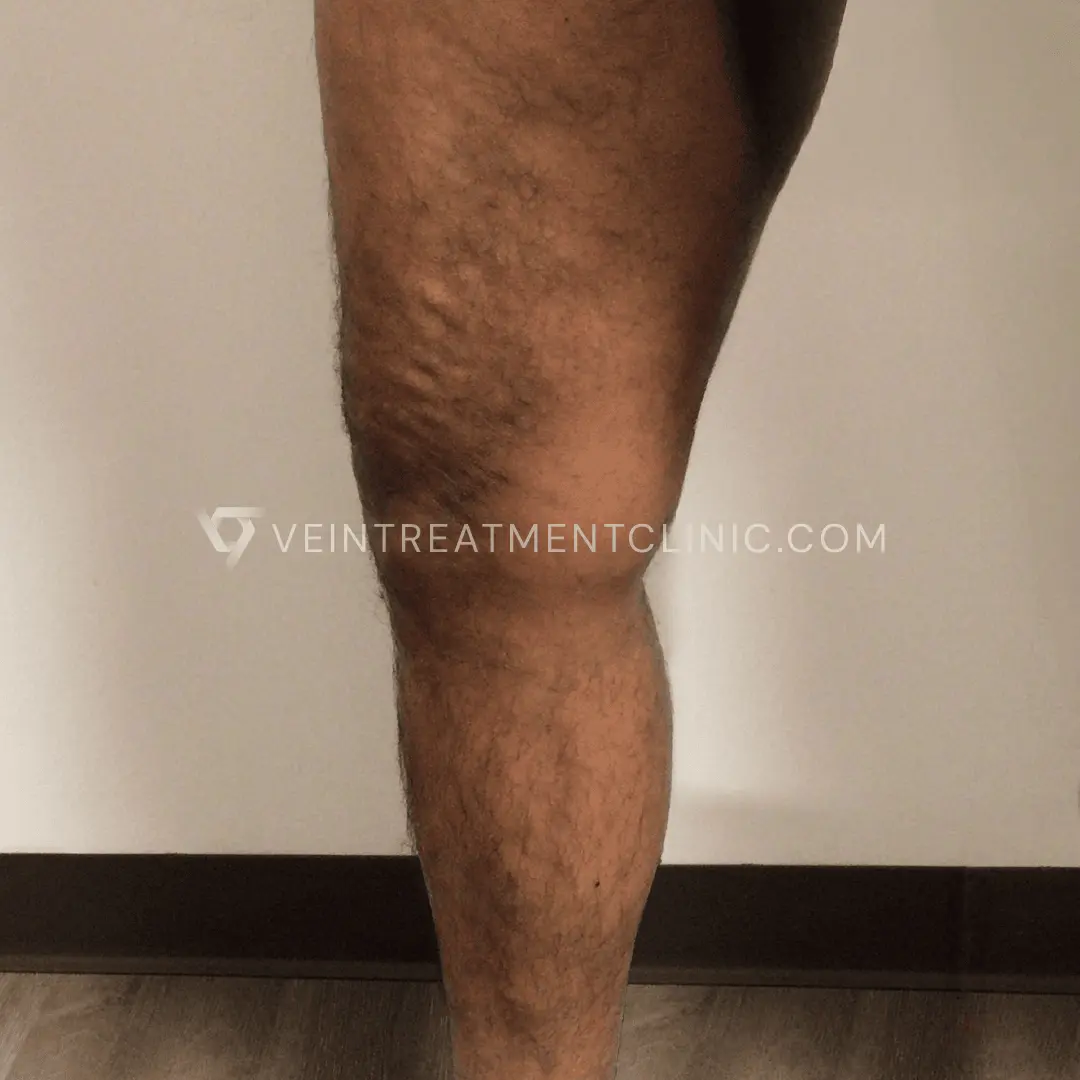
A 37-year-old patient visited our Vein Treatment Clinic, seeking relief from unsightly and painful varicose and spider veins. We performed radiofrequency ablation and sclerotherapy treatments, significantly improving the veins’ appearance and completely eliminating discomfort. The patient is now enjoying a more active and pain-free lifestyle.
Before
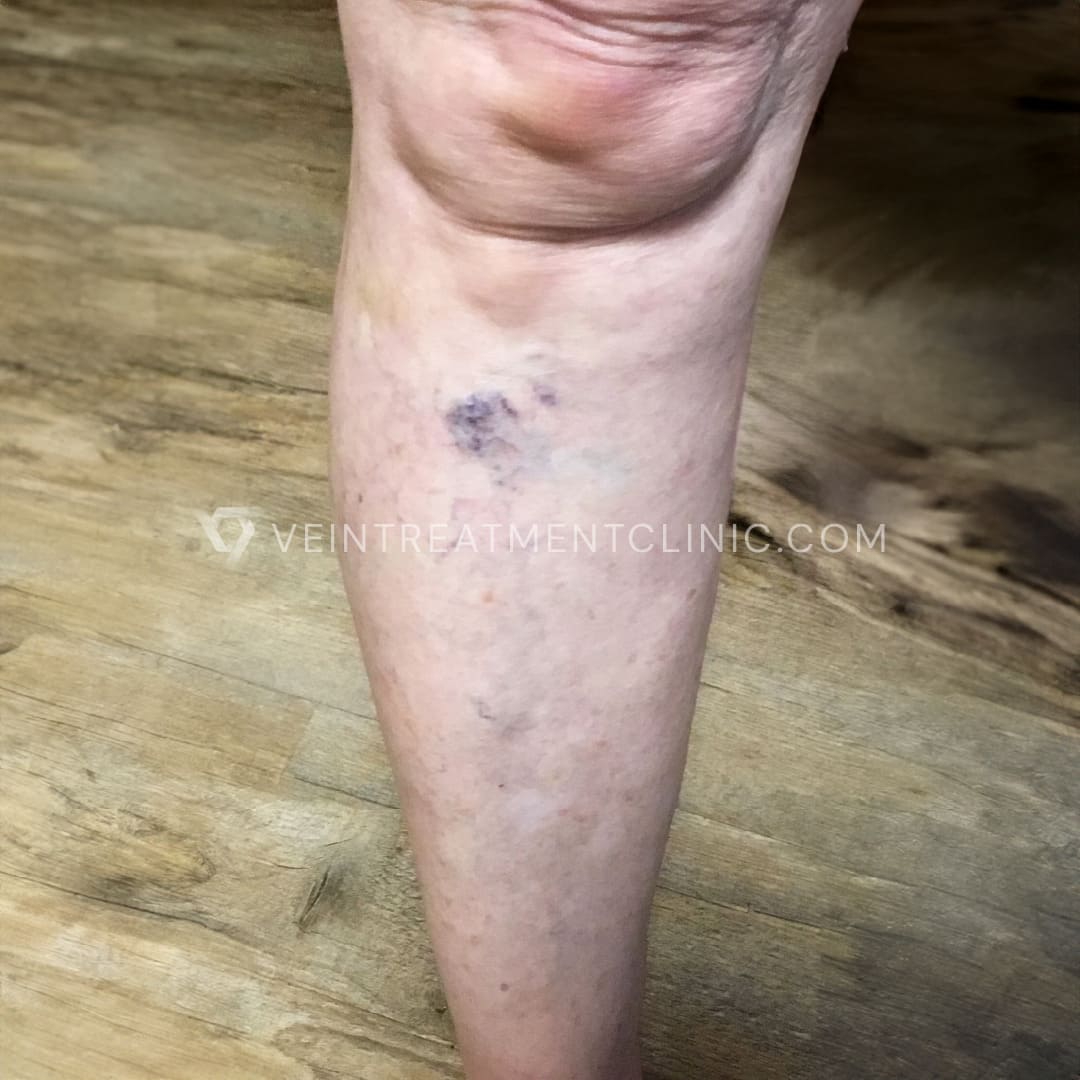
After
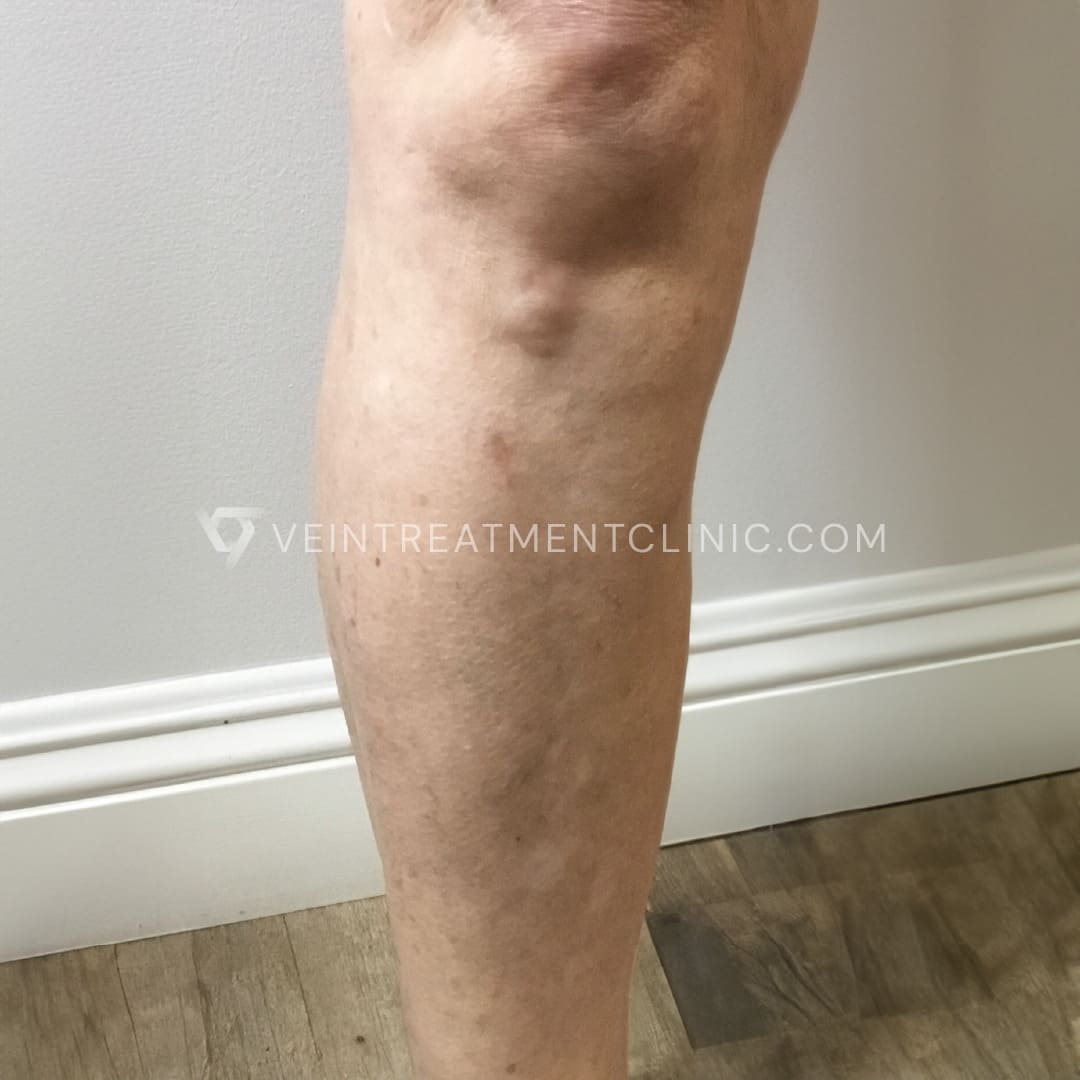
A 69 year-old patient visited our California Vein Clinic, embarrassed by spider veins that had impacted their self-esteem. We performed radiofrequency ablation and sclerotherapy treatments, leaving their legs smooth and healthy. The patient now feels more confident, thanks to this transformative treatment.
Before
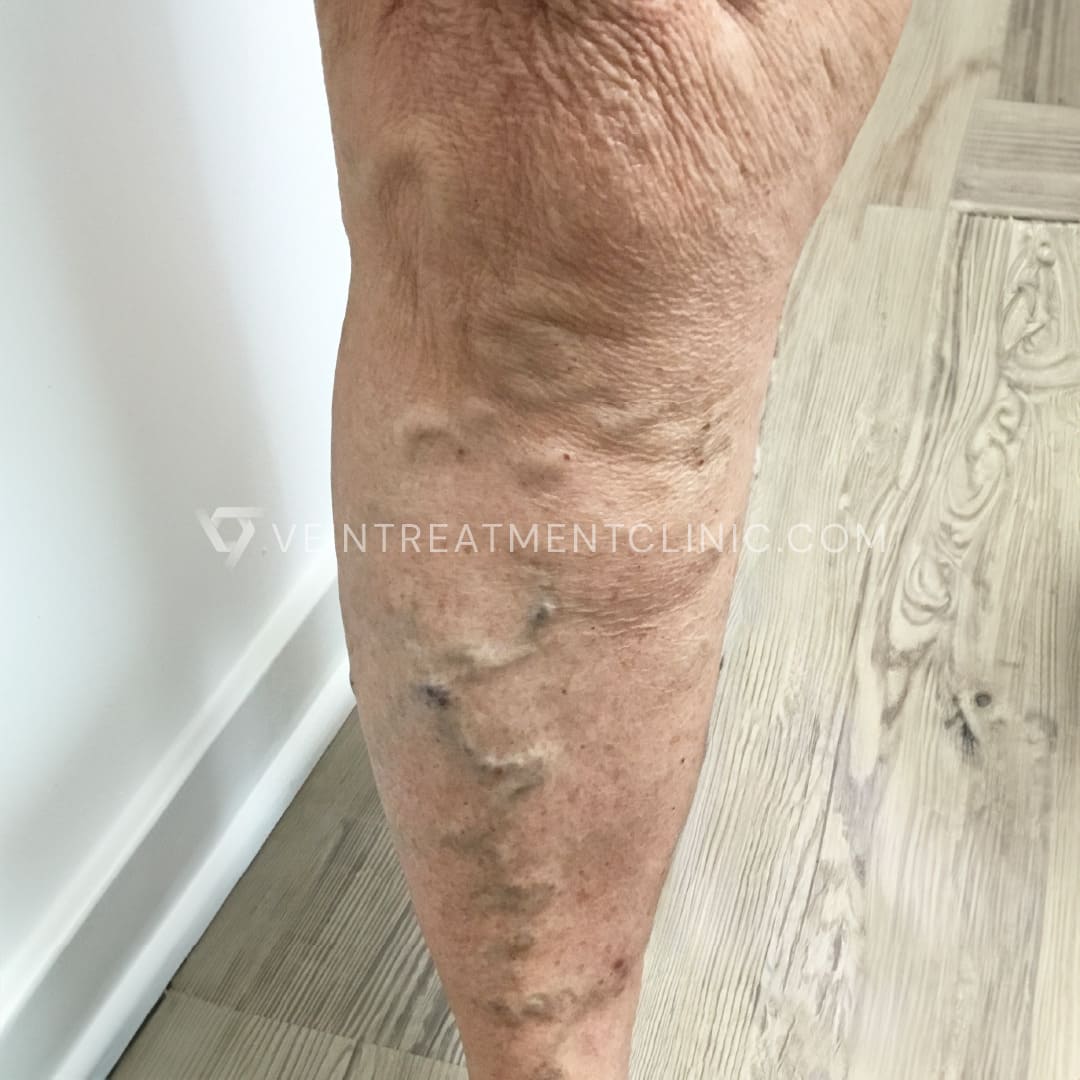
After
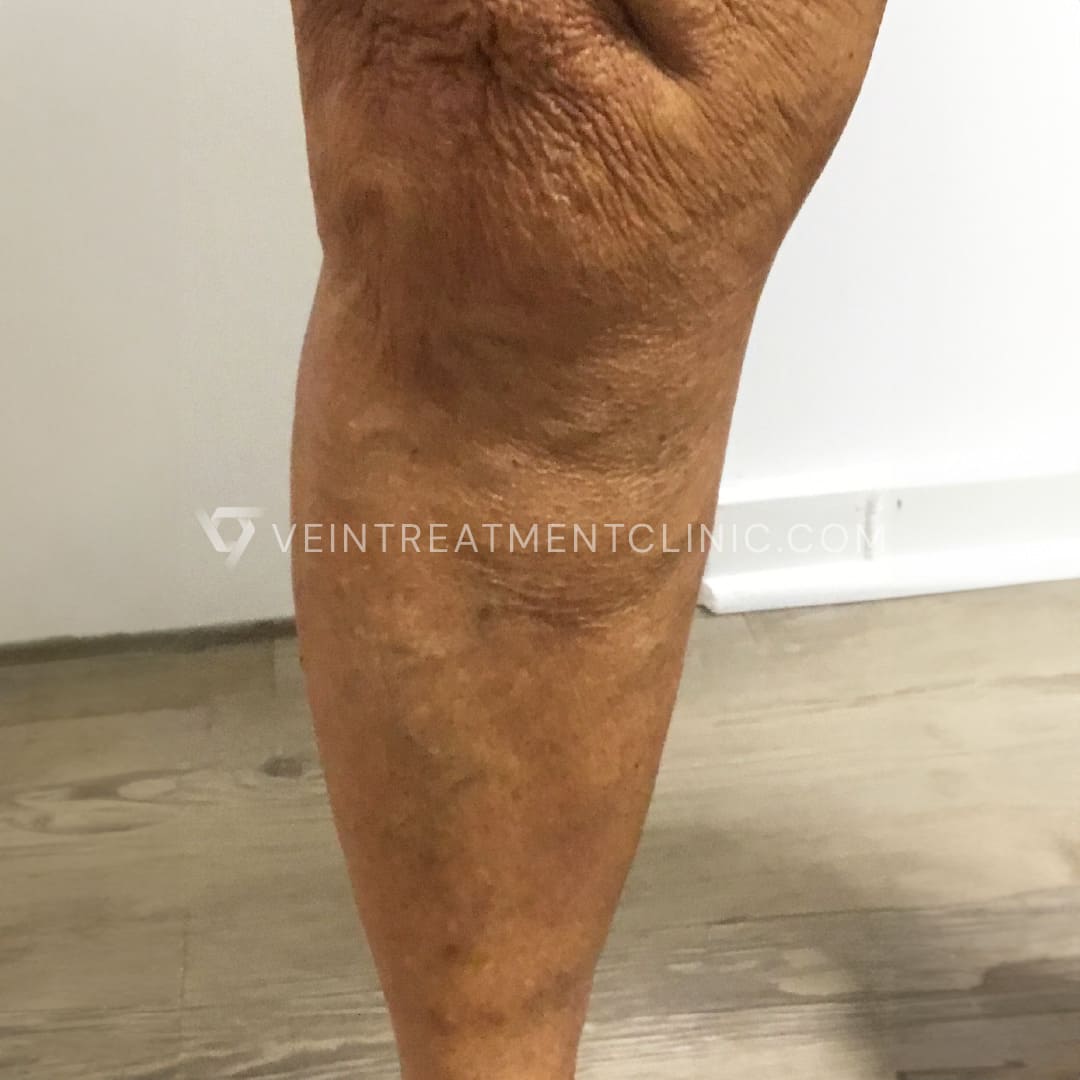
This 84 year-old patient at our New Jersey Vein Treatment Clinic came in with spider veins that had affected their daily routine. We used radiofrequency ablation and sclerotherapy treatments to relieve discomfort and restore both their leg health and confidence. The patient now enjoys a more active and fulfilling lifestyle, free from pain.
Before
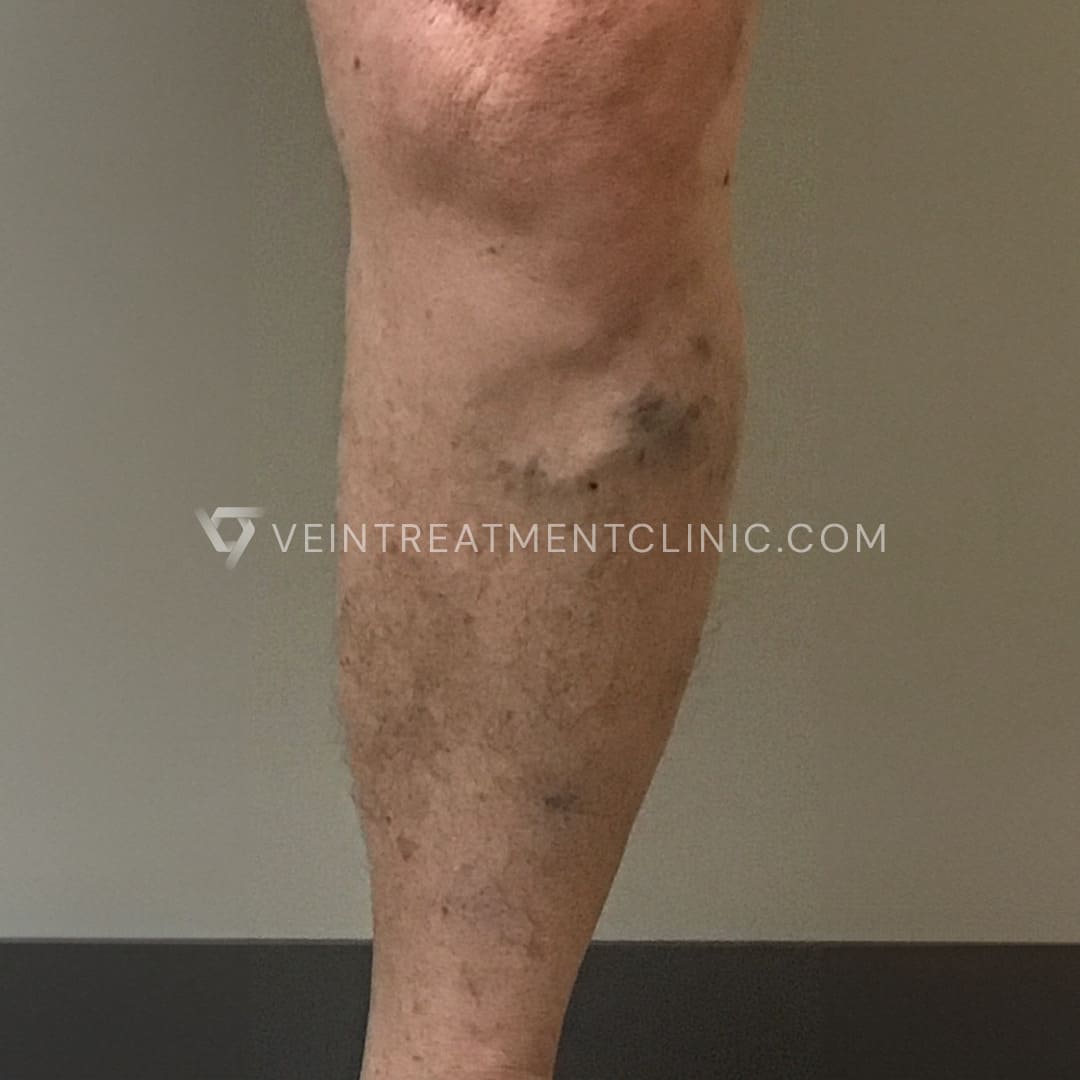
After
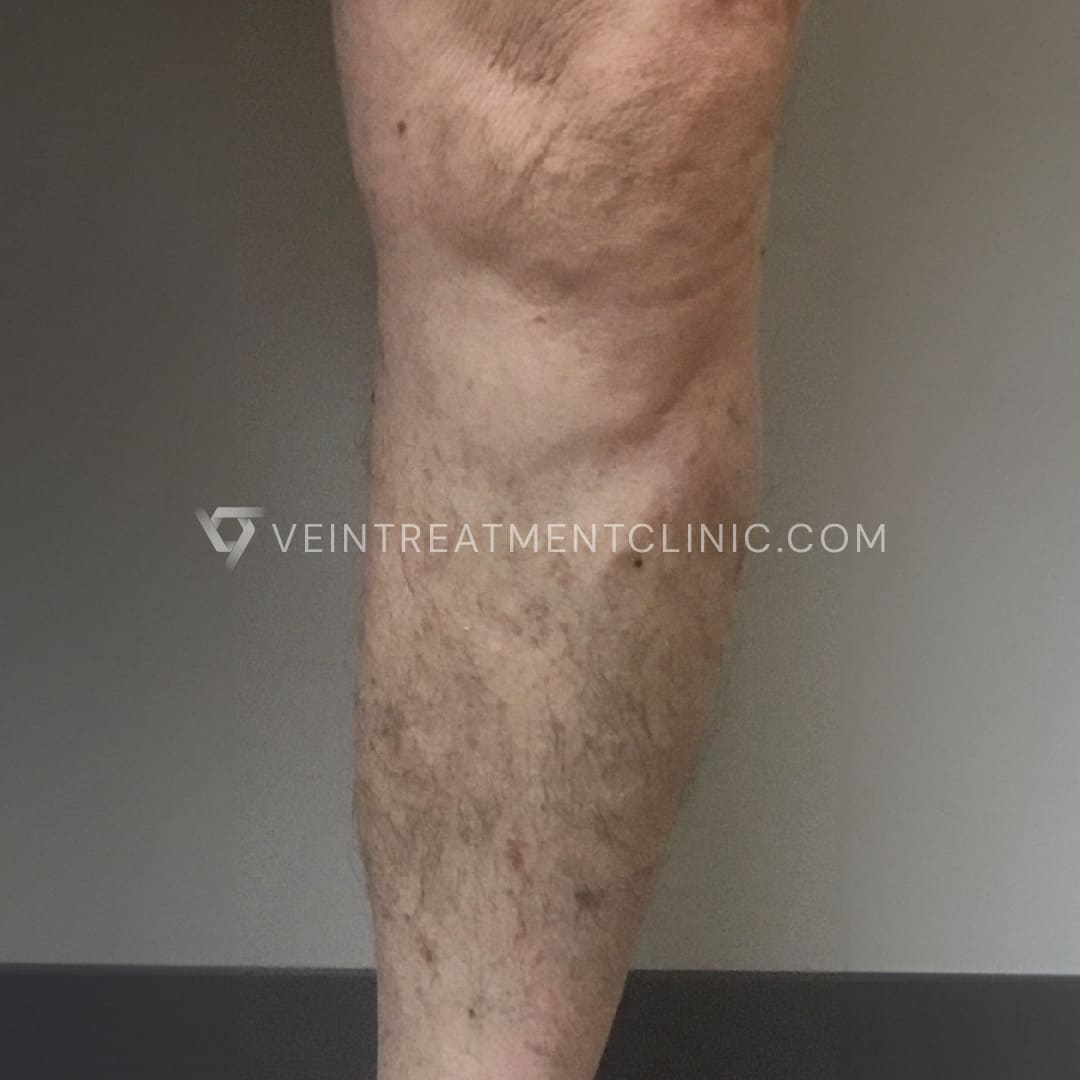
At our Long Island Vein Clinic, we treated this 75 year-old patient with spider veins using radiofrequency ablation and sclerotherapy. These minimally invasive treatments improved both the patient’s appearance and overall well-being, offering transformative results.
Before
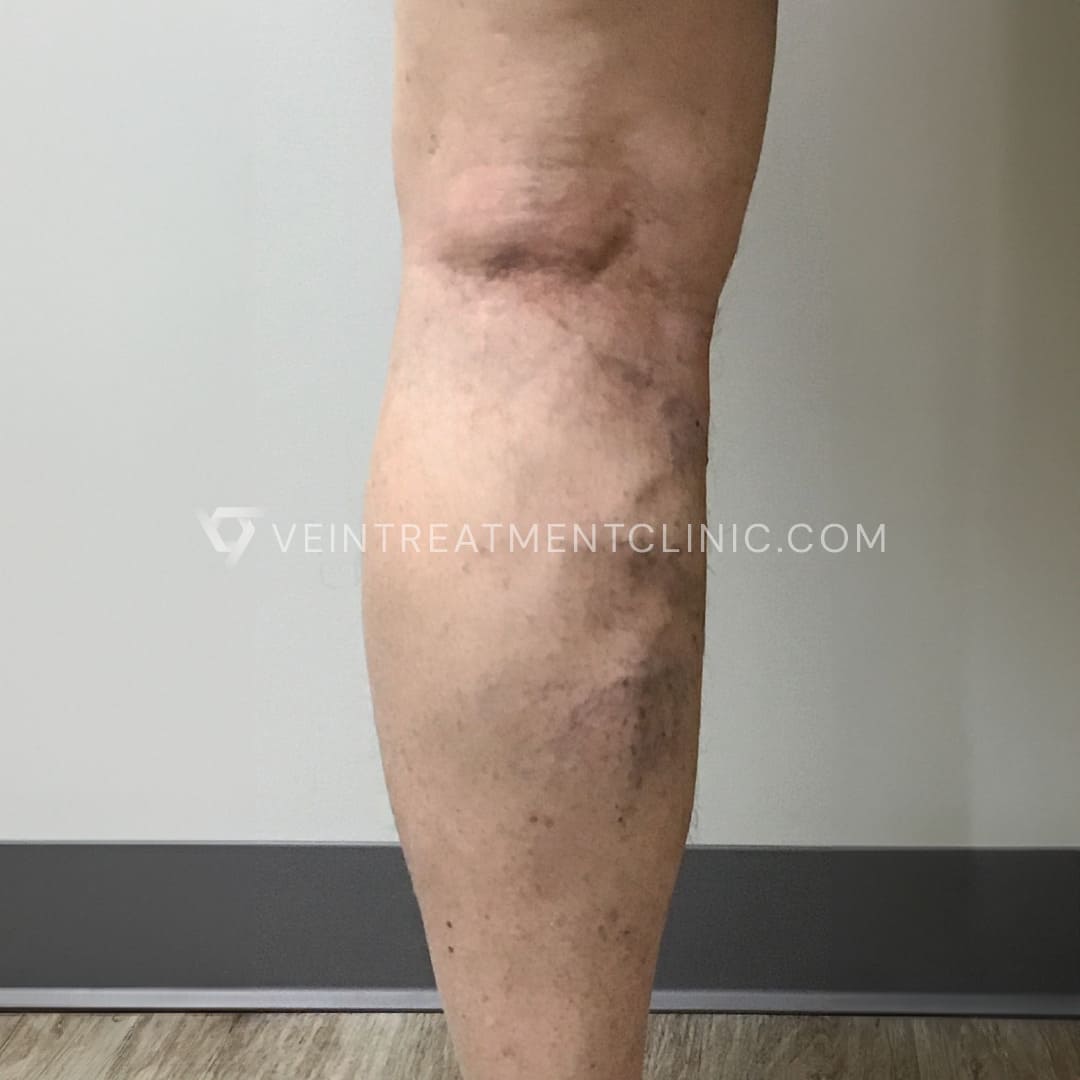
After
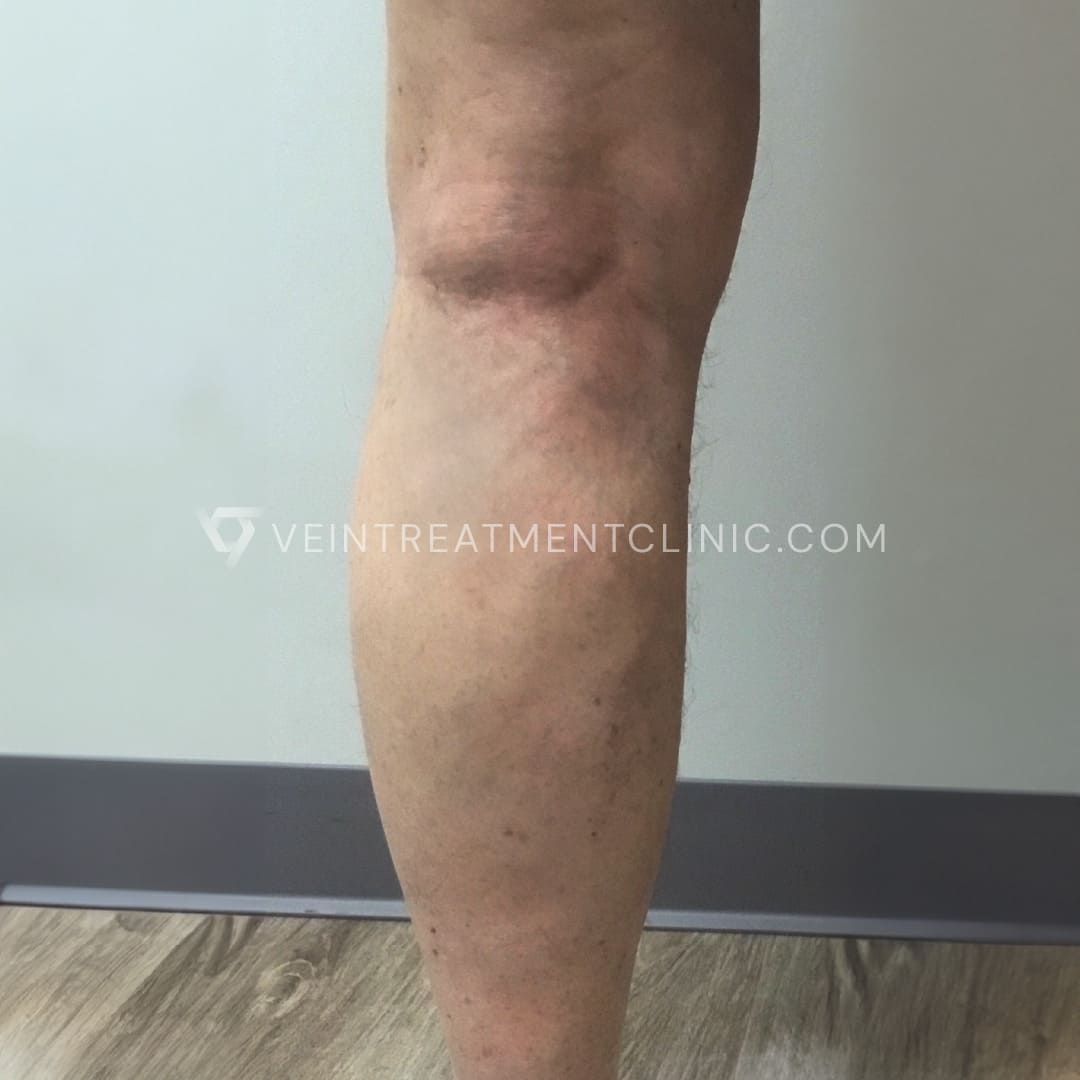
This 75 year-old patient visited our Long Island Vein Treatment Clinic with painful spider veins. We used radiofrequency ablation and sclerotherapy, minimally invasive treatments, to eliminate the veins and restore comfort and confidence. The patient experienced life-changing results
Can venous stasis dermatitis heal on its own?
The skin may temporarily improve with topical treatments, but venous stasis dermatitis does not fully resolve without addressing the underlying vein problem.
Because the source of inflammation remains, symptoms often return or worsen unless circulation is improved.
Why scratching stasis dermatitis can cause complications?
The skin affected by venous stasis dermatitis is often thin, inflamed, and fragile. Scratching can easily break the skin barrier and lead to bleeding or infection.
Repeated skin injury increases the risk of venous ulcers and can significantly slow healing.
When should you worry? See the Warning Signs of Dangerous Veins
How venous stasis dermatitis is diagnosed?
Diagnosis of venous dermatitis begins with a physical examination of the skin and legs, along with a review of symptoms and medical history.
A vein evaluation, including ultrasound, is often used to confirm underlying venous insufficiency and guide treatment planning.
Get a Peek Inside Your Veins—Book Your Ultrasound Evaluation.
What treatments help manage venous stasis dermatitis?
Effective treatment addresses faulty vein valves and abnormal blood flow, reducing pressure in the leg veins.
Modern vein treatments are minimally invasive, non-surgical, and designed to correct the root cause rather than just symptoms.
When should you see a vein specialist?
You should consider seeing a vein specialist if you have persistent leg itching, skin discoloration, swelling, or recurrent skin irritation near the ankles.
Early evaluation can prevent progression to ulcers, infections, or chronic skin damage.