

Table of contents

Get treated by vein treatment industry leaders
When should you see a vein specialist?

Medically verified
Last updated on 1/29/2026

By Dr. Michael Nguyen
Vein Doctor at Vein Treatment Clinic
Harvard Medical School
Board Certified by the American Board of Venous and Lymphatic Medicine
Many people live with leg discomfort, visible veins, or swelling for years without knowing whether these issues require medical attention.
Because vein disease often develops gradually, it can be difficult to know when symptoms are normal and when they signal an underlying circulation problem.

Understanding when to see a vein specialist helps patients seek evaluation at the right time and avoid unnecessary progression or complications.
If you’re unsure whether your symptoms warrant a specialist evaluation, a vein assessment can help clarify next steps.
Persistent leg pain or aching
Ongoing leg pain, aching, or soreness—especially after standing or sitting—can be a sign of vein dysfunction.
If pain is recurrent or worsening, a vein specialist can determine whether circulation issues are contributing.
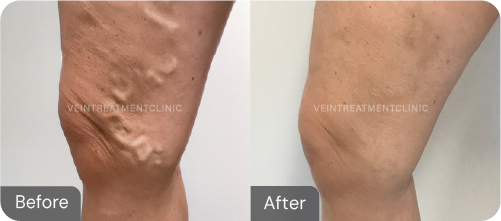
Varicose Vein before and after treatment pictures.
Results may vary according to each case.
Varicose Vein before and after treatment pictures.
Results may vary according to each case.
Leg swelling that doesn’t fully go away
Swelling in the ankles or lower legs that worsens during the day or improves overnight can indicate poor venous return.
A vein evaluation helps determine whether swelling is related to vein disease or another cause.
Visible varicose or spider veins with symptoms
Visible veins alone may not require treatment, but veins accompanied by pain, heaviness, itching, or fatigue often warrant evaluation.
Symptoms suggest increased pressure within the vein system.
Heaviness, fatigue, or restless legs
A feeling of heavy, tired, or restless legs—especially later in the day—can be associated with venous insufficiency.
These symptoms are commonly mistaken for muscle fatigue or aging.
Symptom Checker
Skin changes on the lower legs
Darkening, dryness, itching, thickening, or hardening of the skin near the ankles can indicate advanced vein disease.
These changes should be evaluated promptly to prevent progression.
History of blood clots or vein problems
People with a history of blood clots, vein injury, or prior vein procedures may be at higher risk for vein dysfunction.
A specialist can assess current vein health and future risk.
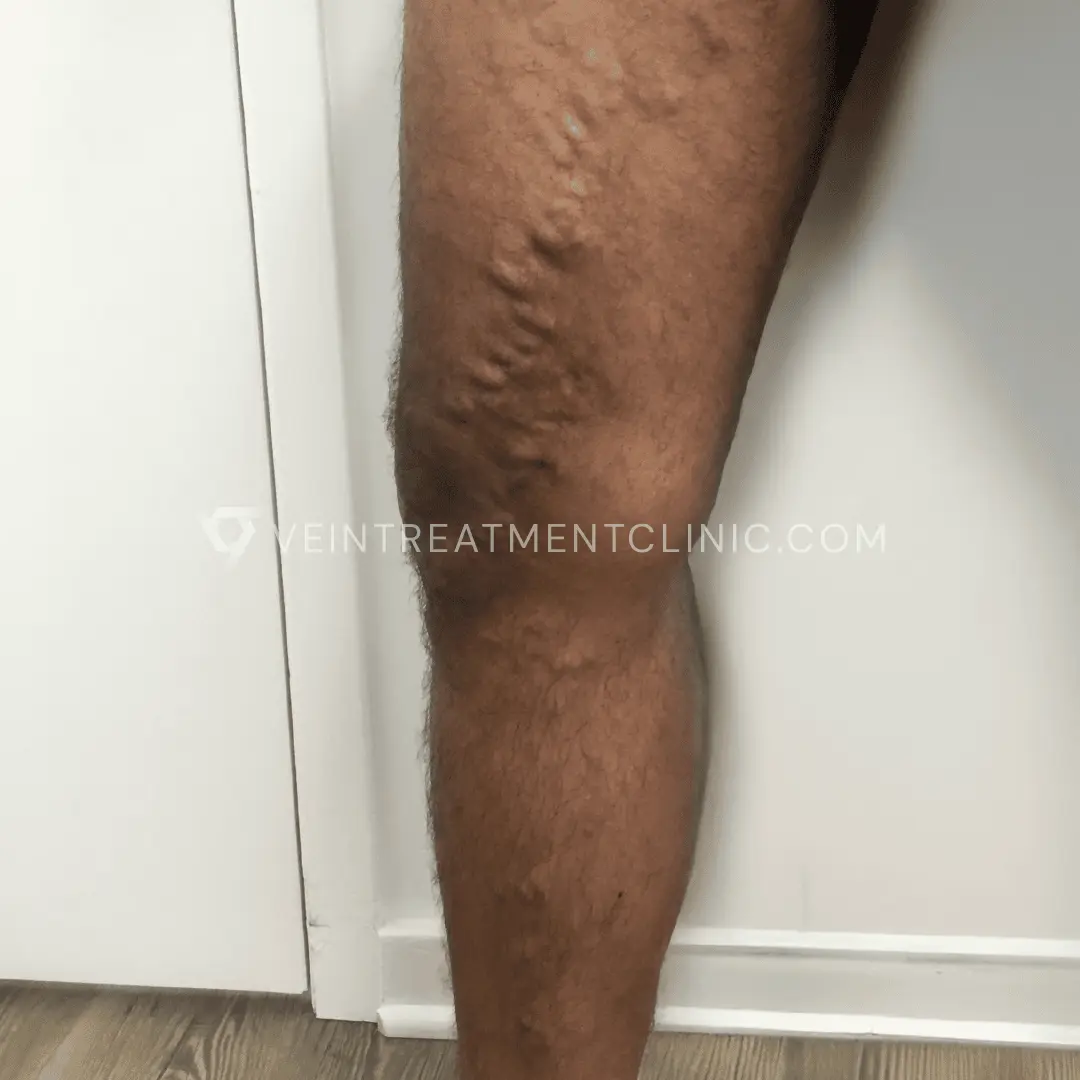
Before
After
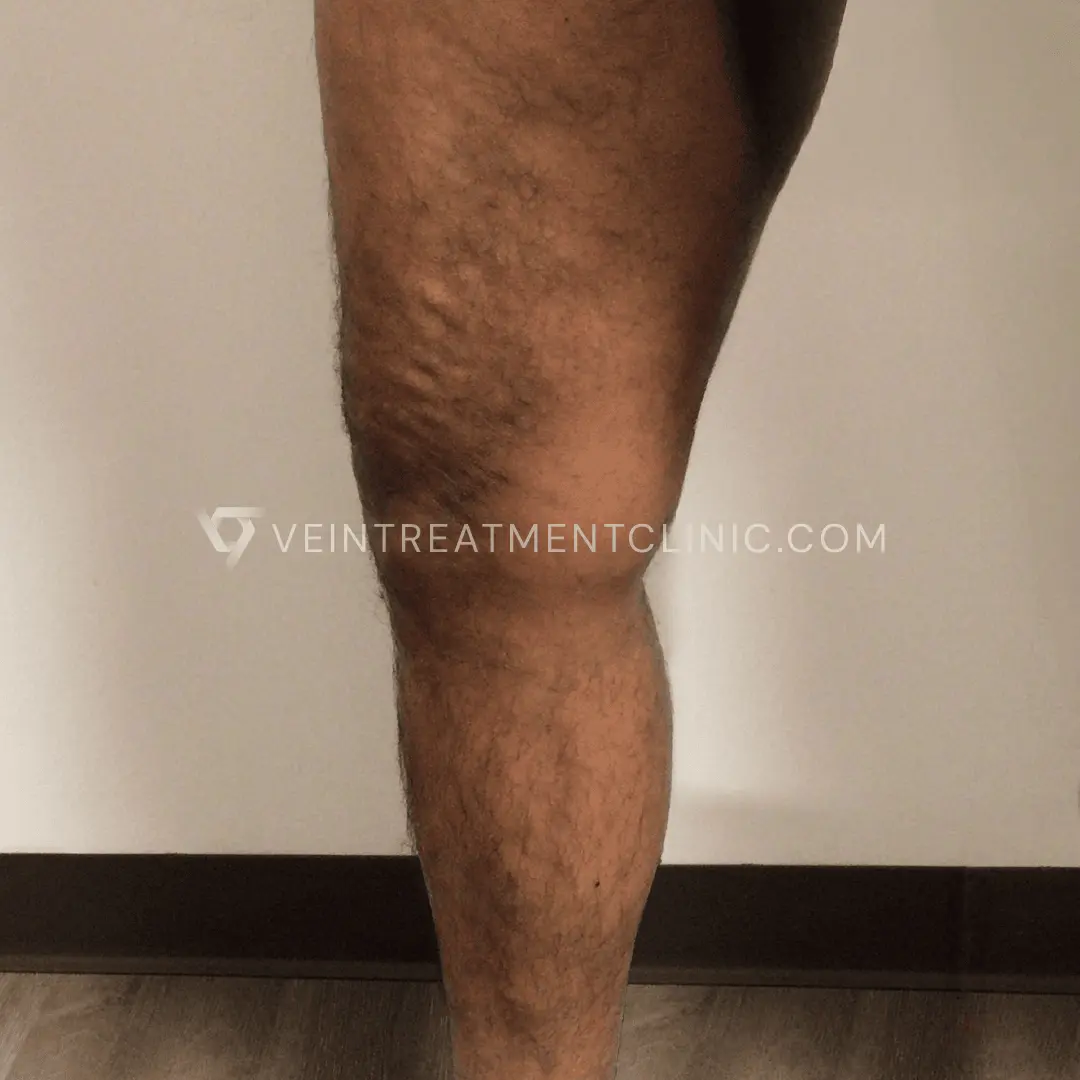
A 37-year-old patient visited our Vein Treatment Clinic, seeking relief from unsightly and painful varicose and spider veins. We performed radiofrequency ablation and sclerotherapy treatments, significantly improving the veins’ appearance and completely eliminating discomfort. The patient is now enjoying a more active and pain-free lifestyle.
Before
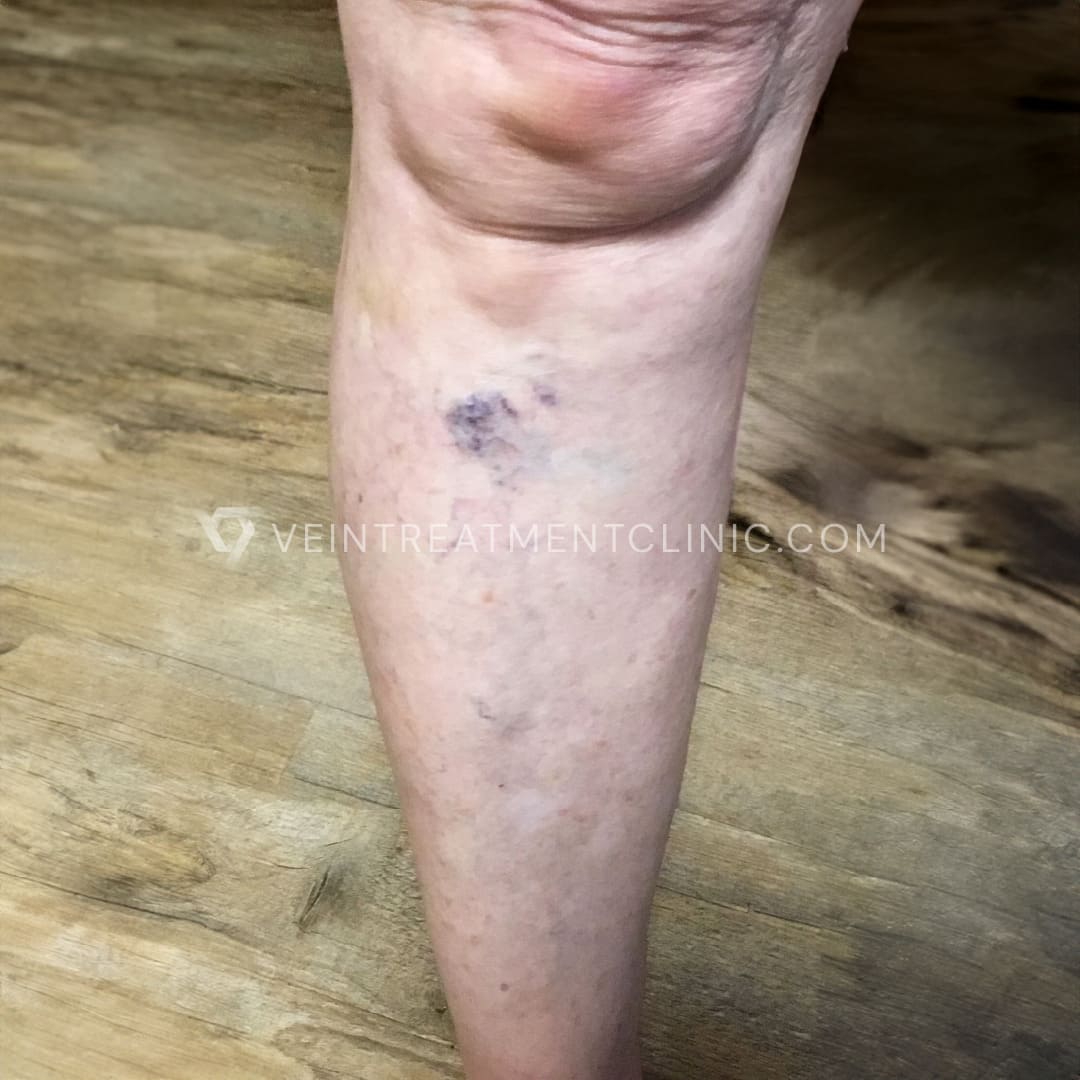
After
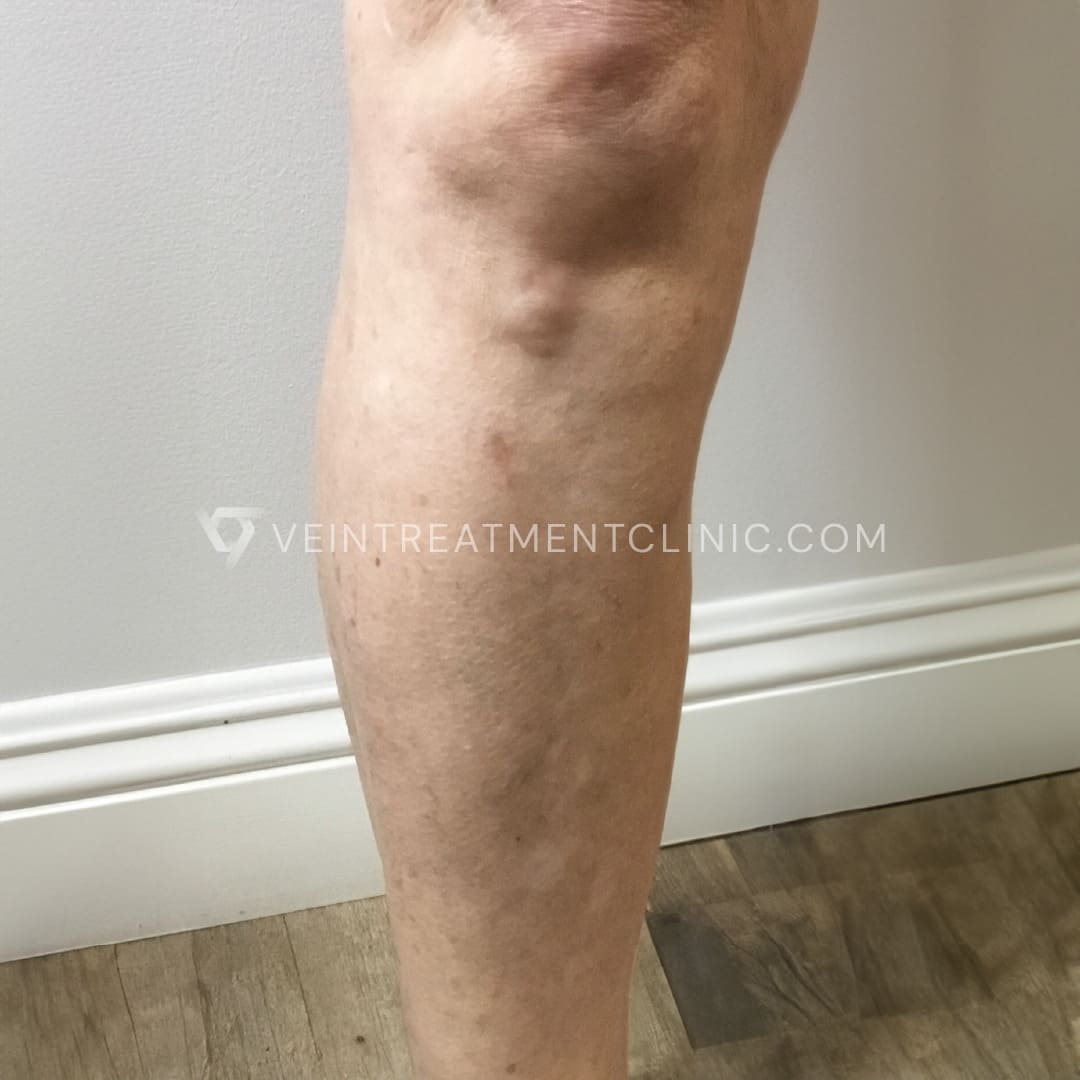
A 69 year-old patient visited our California Vein Clinic, embarrassed by spider veins that had impacted their self-esteem. We performed radiofrequency ablation and sclerotherapy treatments, leaving their legs smooth and healthy. The patient now feels more confident, thanks to this transformative treatment.
Before
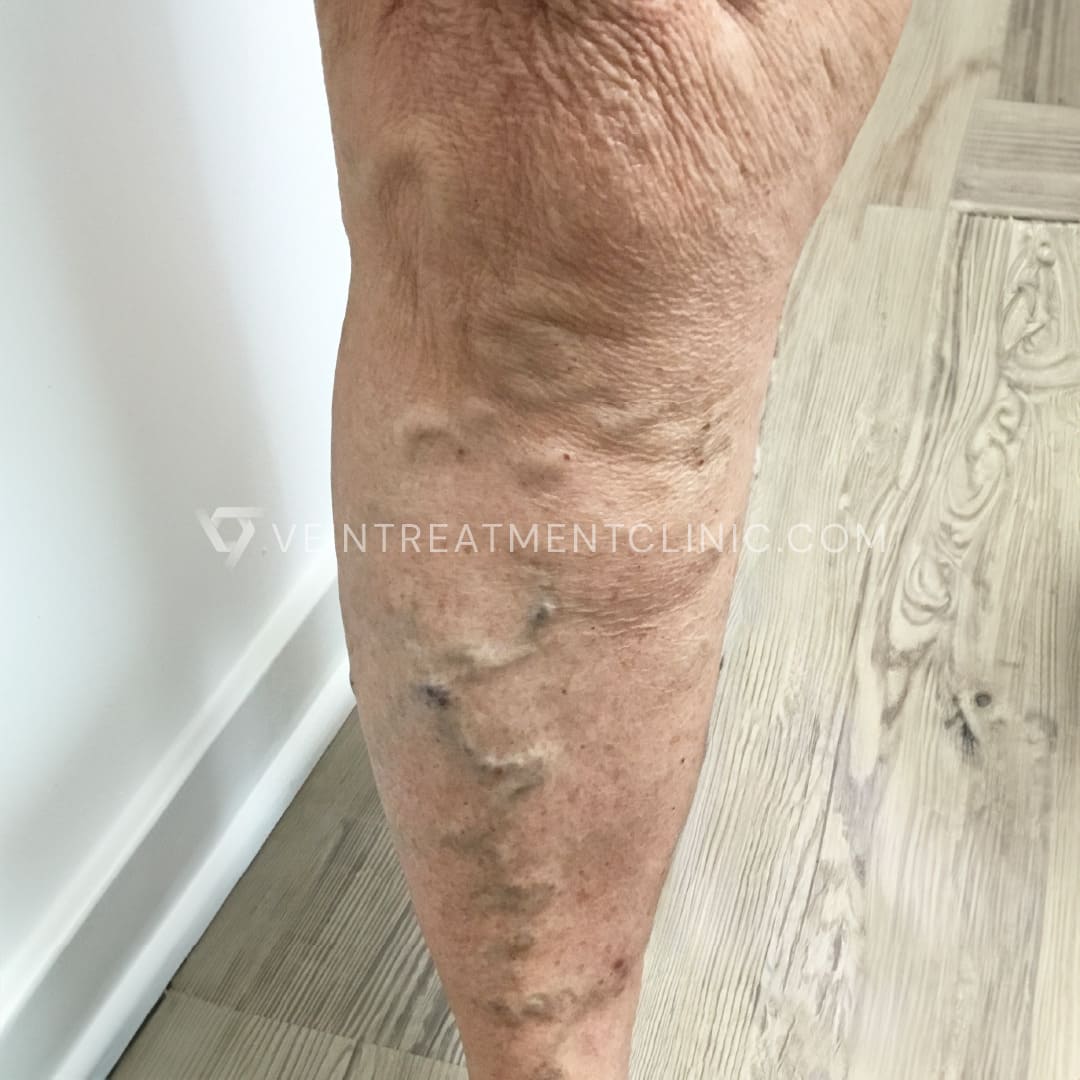
After
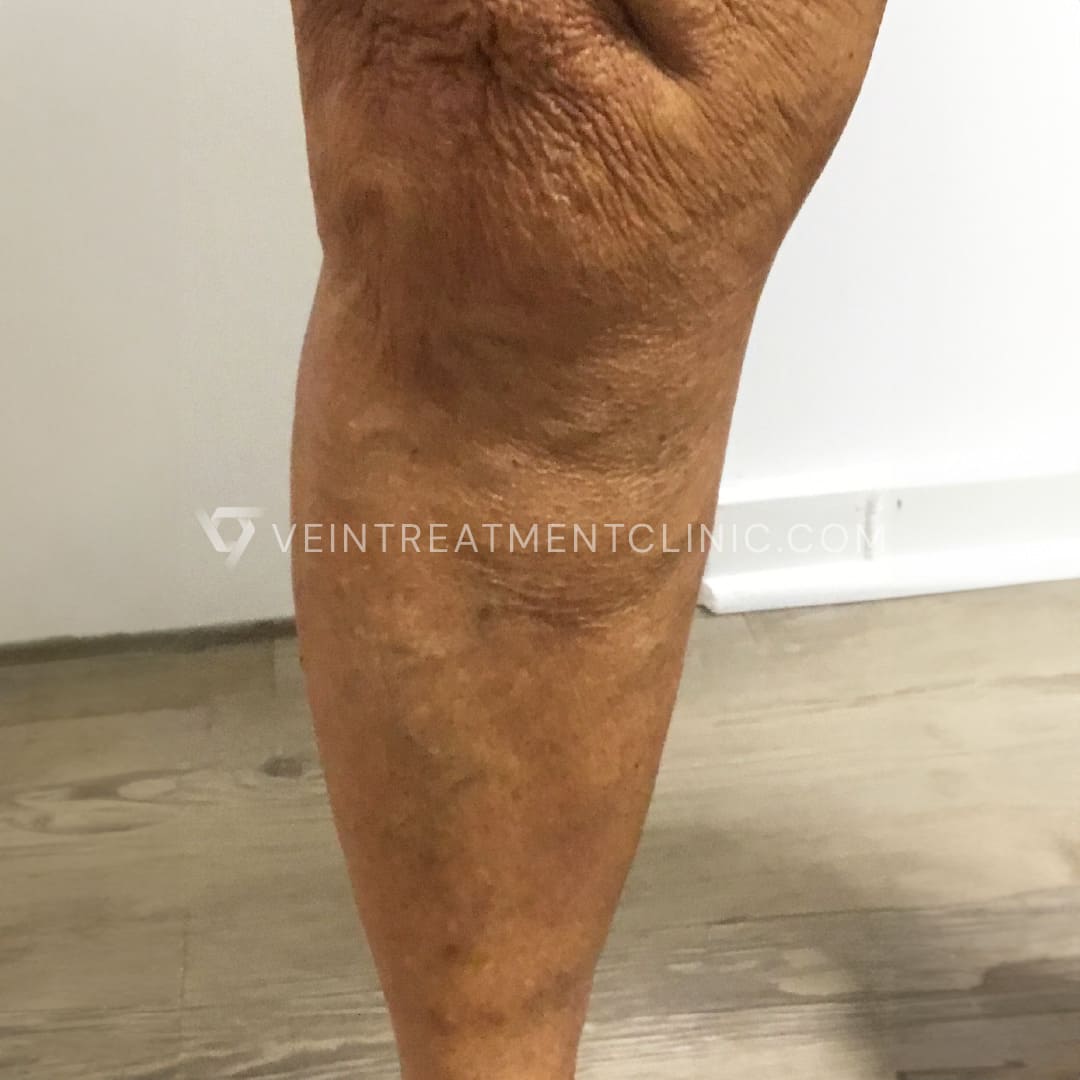
This 84 year-old patient at our New Jersey Vein Treatment Clinic came in with spider veins that had affected their daily routine. We used radiofrequency ablation and sclerotherapy treatments to relieve discomfort and restore both their leg health and confidence. The patient now enjoys a more active and fulfilling lifestyle, free from pain.
Before
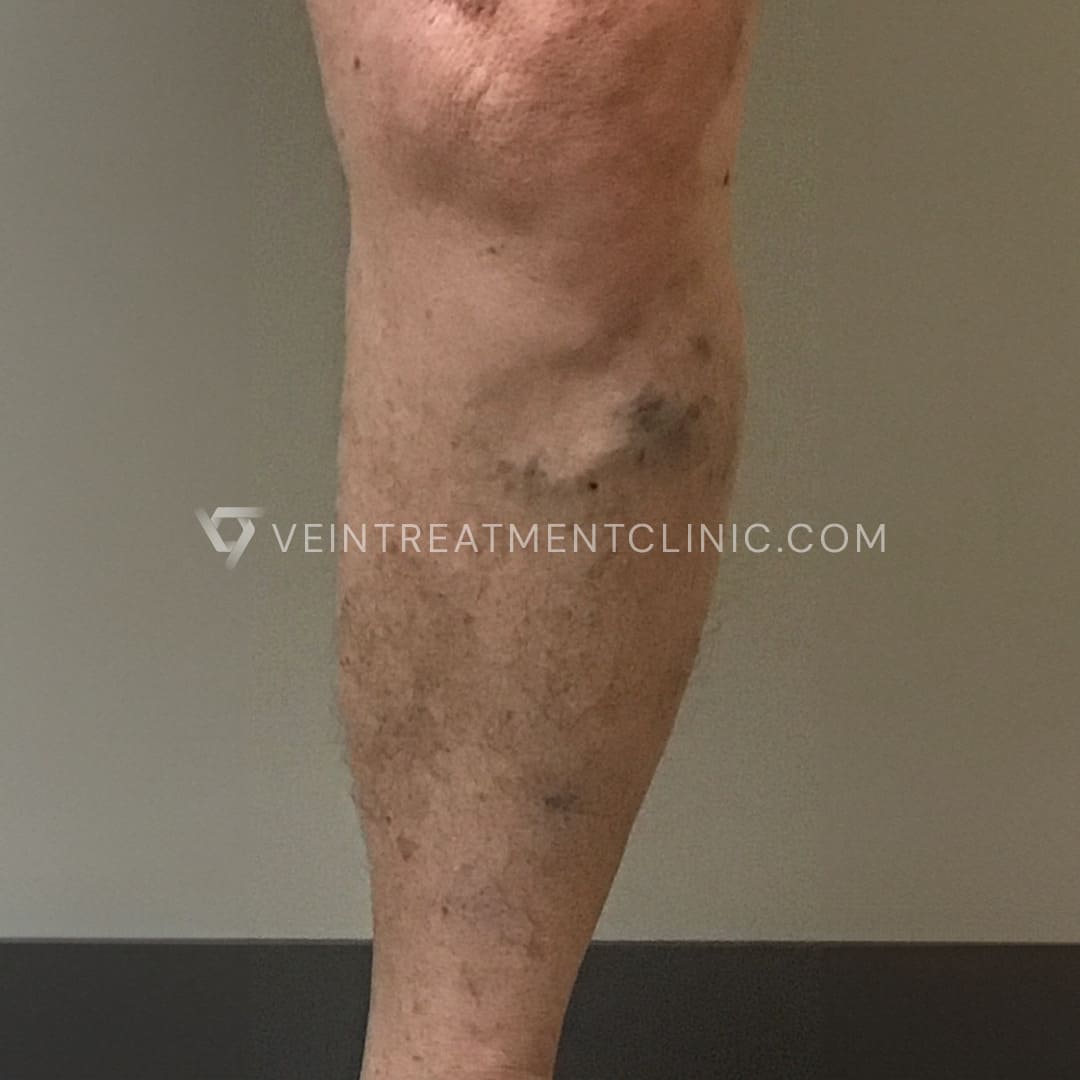
After
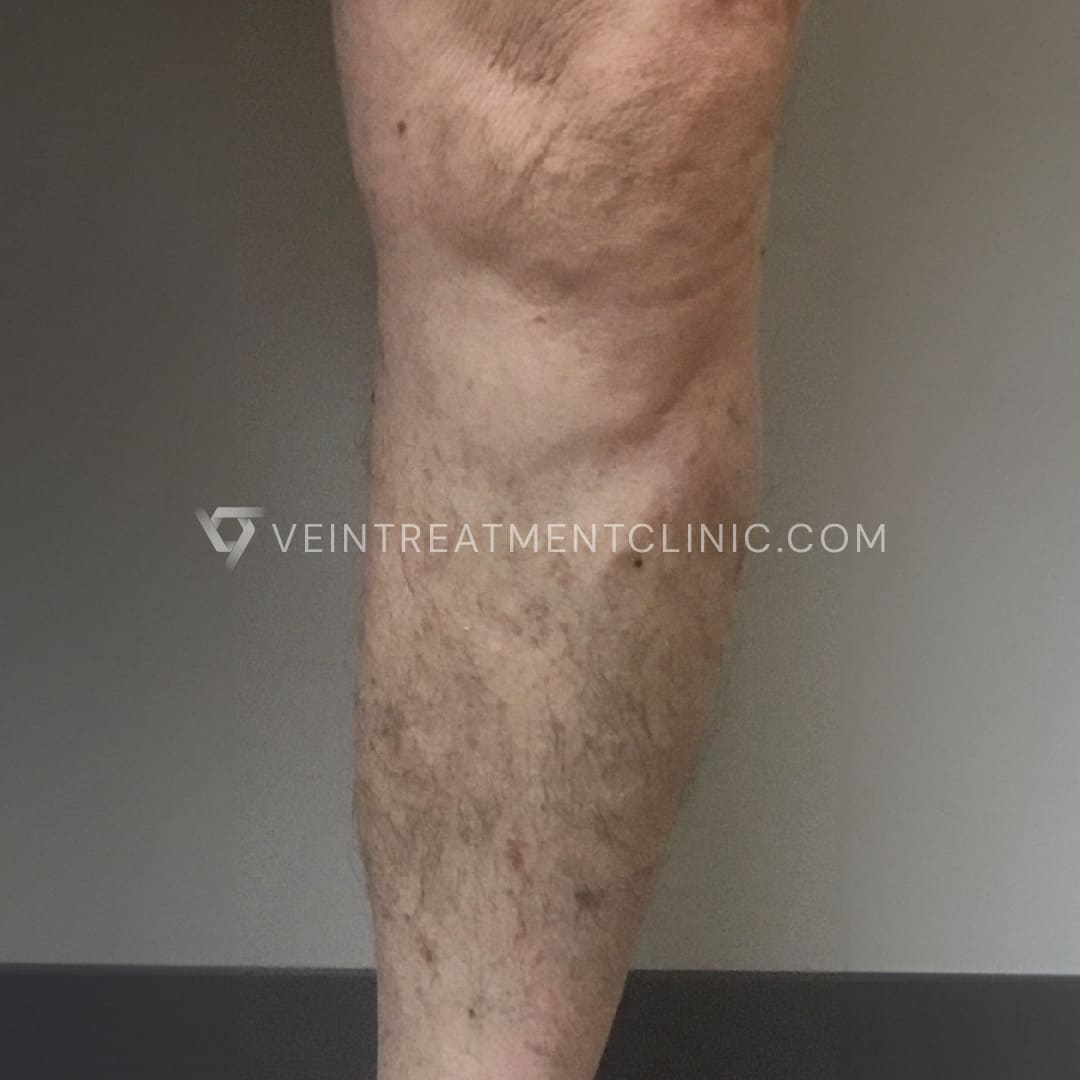
At our Long Island Vein Clinic, we treated this 75 year-old patient with spider veins using radiofrequency ablation and sclerotherapy. These minimally invasive treatments improved both the patient’s appearance and overall well-being, offering transformative results.
Before
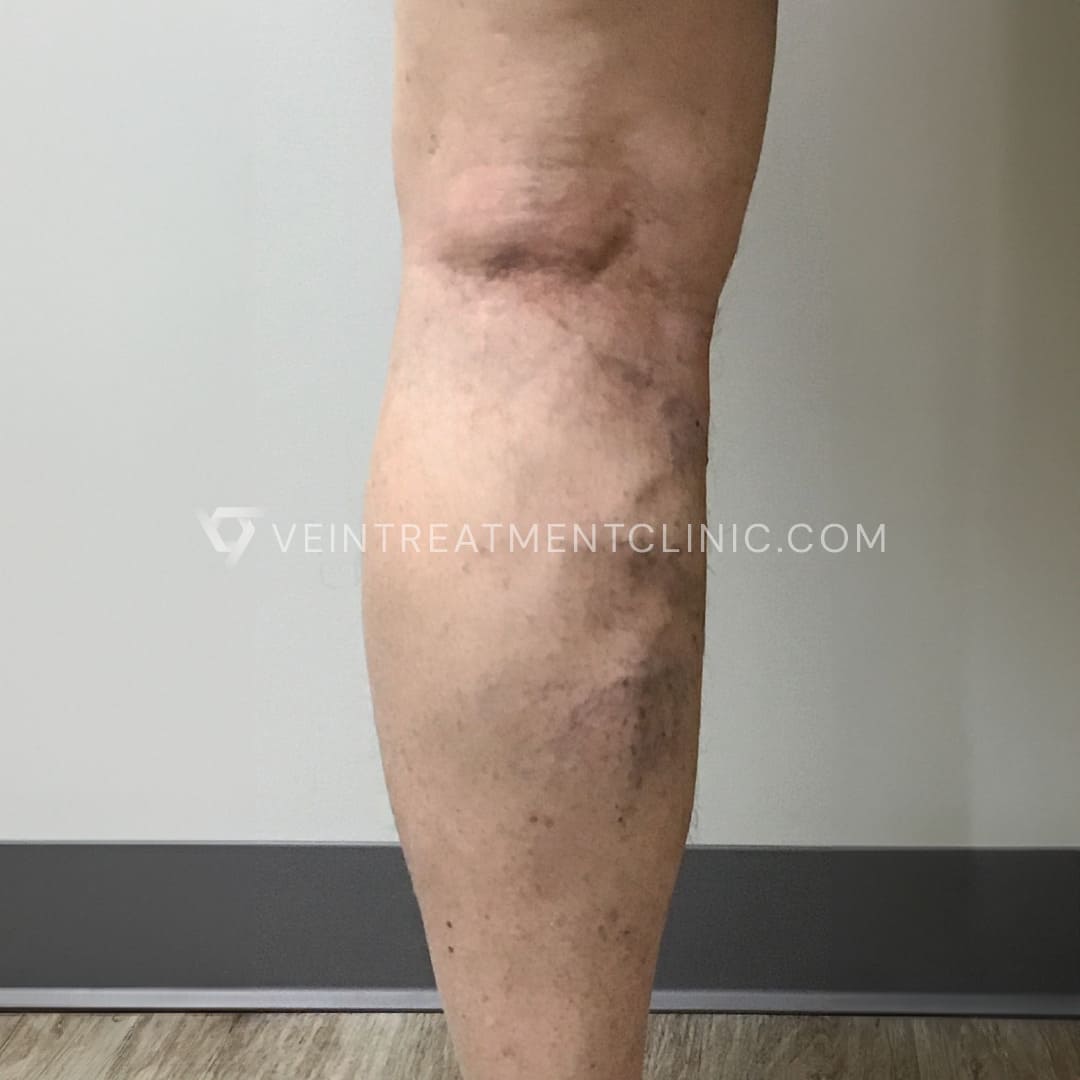
After
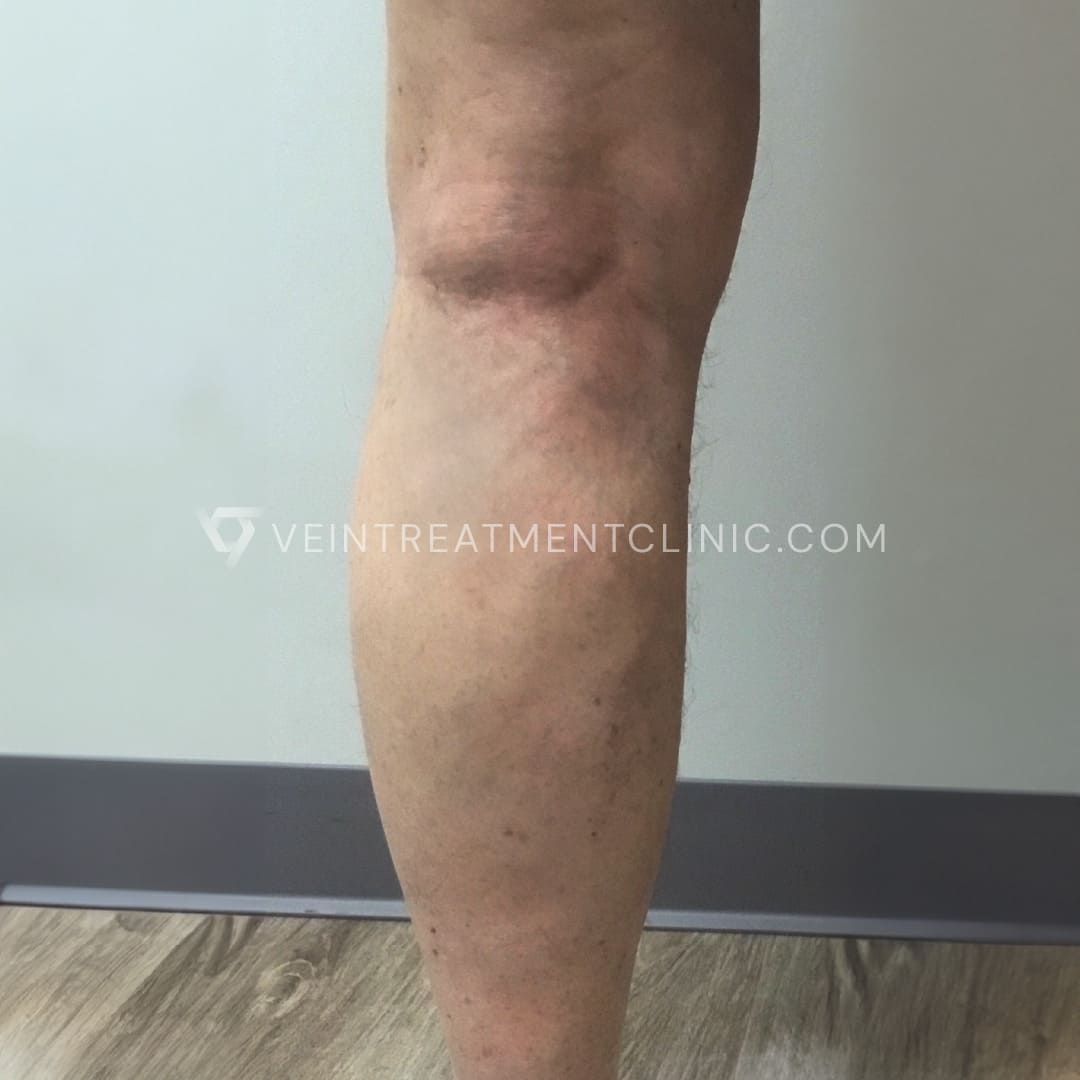
This 75 year-old patient visited our Long Island Vein Treatment Clinic with painful spider veins. We used radiofrequency ablation and sclerotherapy, minimally invasive treatments, to eliminate the veins and restore comfort and confidence. The patient experienced life-changing results
Symptoms that interfere with daily activities
When leg symptoms limit walking, standing, exercise, or work, further evaluation is appropriate.
Vein treatment can often improve comfort and quality of life.
When should you worry? See the Warning Signs of Dangerous Veins
Uncertainty about whether symptoms are vein-related
Many patients are unsure whether symptoms are due to veins, joints, nerves, or circulation.
A vein specialist can help clarify the cause through exam and ultrasound.
Precision Care: Understand Your Veins with an Ultrasound Map