

Understanding when symptoms may warrant evaluation
Leg swelling, heaviness, throbbing, or visible veins that seem to worsen after long days of standing or sitting are experiences many people share. Some notice bulging varicose veins that affect clothing choices or daily comfort. These symptoms are common, and they often prompt questions about what might be causing them.
At Vein Treatment Clinic in Bethesda, located at 6903 Rockledge Drive near Cabin John Regional Park, the focus is on treating the root cause of spider and varicose veins: insuficiencia venosa crónica. Dr. Kamran Saraf and the team specialize in minimally invasive procedures that address both visible veins and their underlying cause.
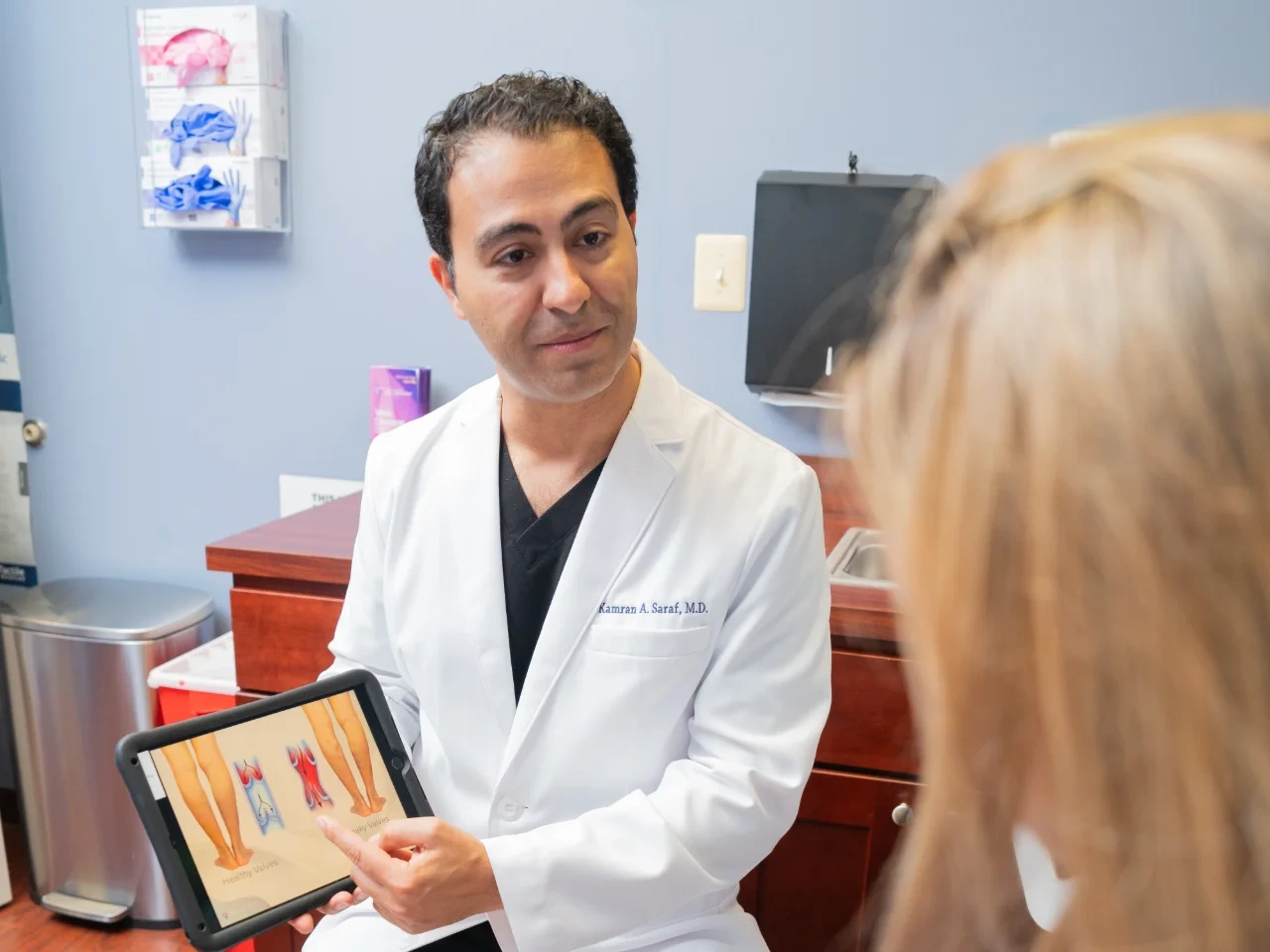
Consultation and physical evaluation
The process starts with a detailed consultation. During this visit, vein specialists review medical history, lifestyle factors, and current symptoms. Questions typically cover leg heaviness, fatigue, skin changes, or previous treatments that may have been tried.
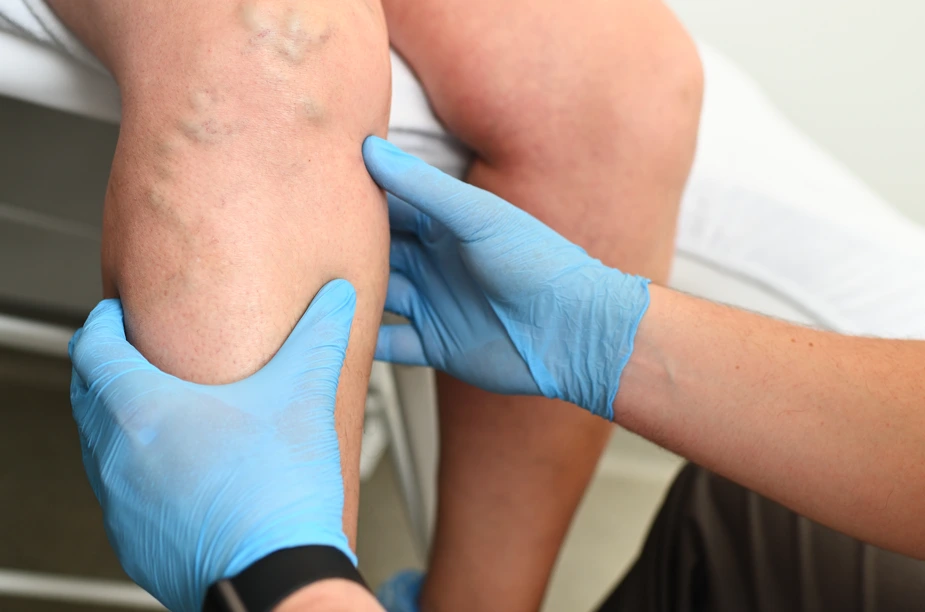
The physical evaluation includes inspection of the legs for visible spider veins, varicose veins, skin discoloration, or swelling. This first step provides an initial picture of vein health before diagnostic imaging. Many patients report feeling relieved simply knowing their concerns are being taken seriously by vein specialists focused exclusively on venous conditions.
Are you interested in getting more information about your condition or getting a treatment?
Fill the form below to start!
Duplex ultrasound imaging
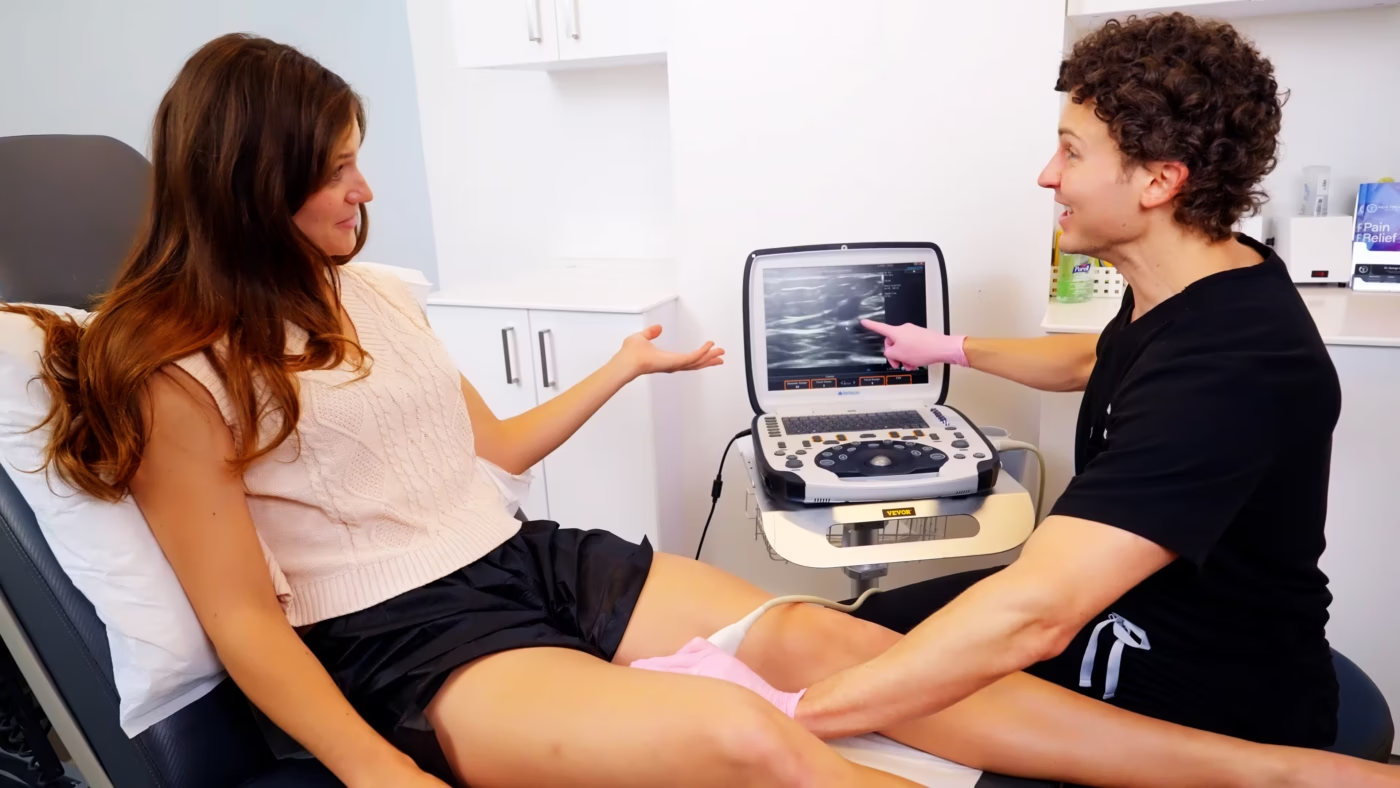
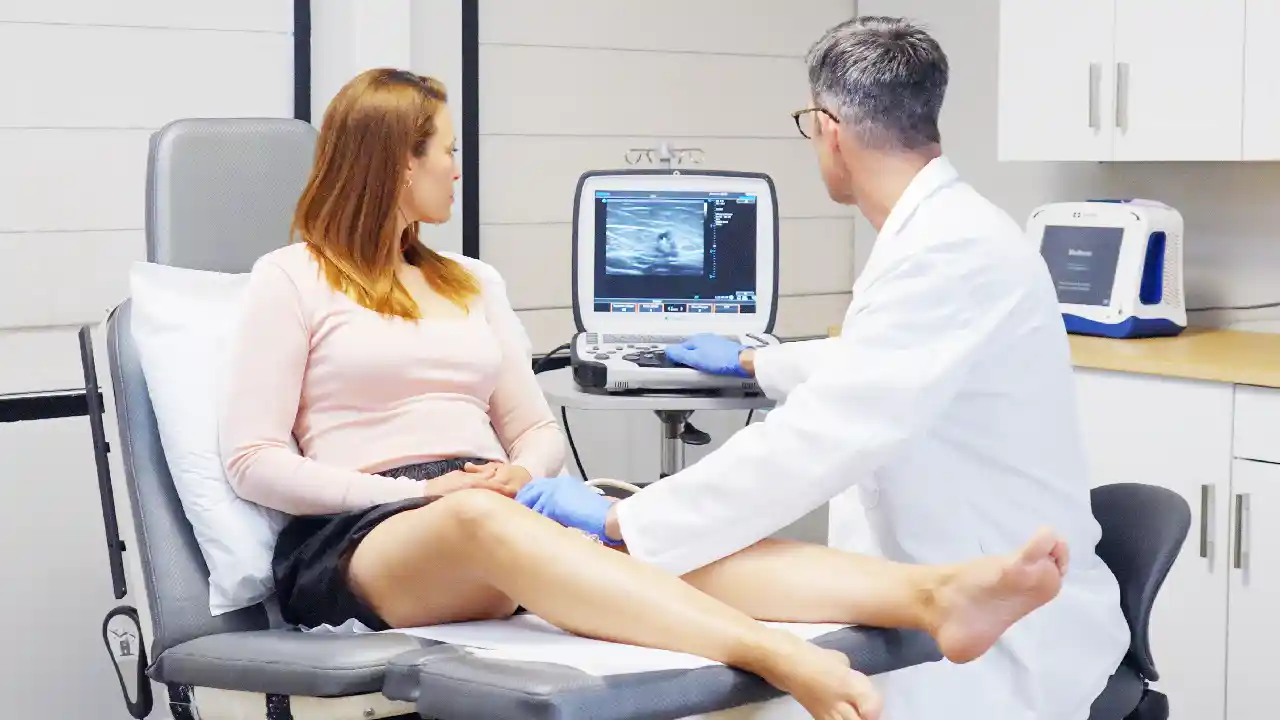
Duplex ultrasound imaging is a non-invasive test that uses sound waves to map the veins and assess for signs of chronic venous insufficiency (CVI), a condition in which damaged vein valves allow blood to flow backward and pool in the legs.
Identifying CVI is essential because treating surface veins without addressing the underlying cause often leads to temporary results. Studies show that when underlying reflux isn’t treated first, recurrence rates are significantly higher. This is why comprehensive diagnostics precede any treatment recommendations.
Personalized treatment planning
Once ultrasound results are available, a customized treatment plan is designed. No two patients are alike: some may need treatment for underlying vein insufficiency before addressing spider veins or varicose veins.
Treatment planning takes into account:
- The presence or absence of venous insufficiency
- The size and location of varicose or spider veins
- Medical history
Insurance verification happens before the first treatment, so coverage expectations are clear. Most procedures for venous insufficiency and varicose veins are covered by insurance when deemed medically necessary.
Treatment for venous insufficiency (if necessary)
If ultrasound reveals chronic venous insufficiency, addressing it becomes important. Left untreated, CVI is a progressive condition that can lead to skin changes and, in some cases, venous ulcers. By targeting the diseased veins causing backward blood flow, healthy circulation can be restored.
Radiofrequency Ablation (RFA): Uses radiofrequency energy, typically at lower temperatures. Many patients find it comfortable, though the numbing injections beforehand do sting briefly; anyone claiming the process is completely painless is overstating it.
Endovenous Laser Ablation (EVLA): A thin laser fiber is inserted into the diseased vein, delivering thermal energy that seals it shut.
Once underlying circulation issues are addressed, visible surface veins can be treated.
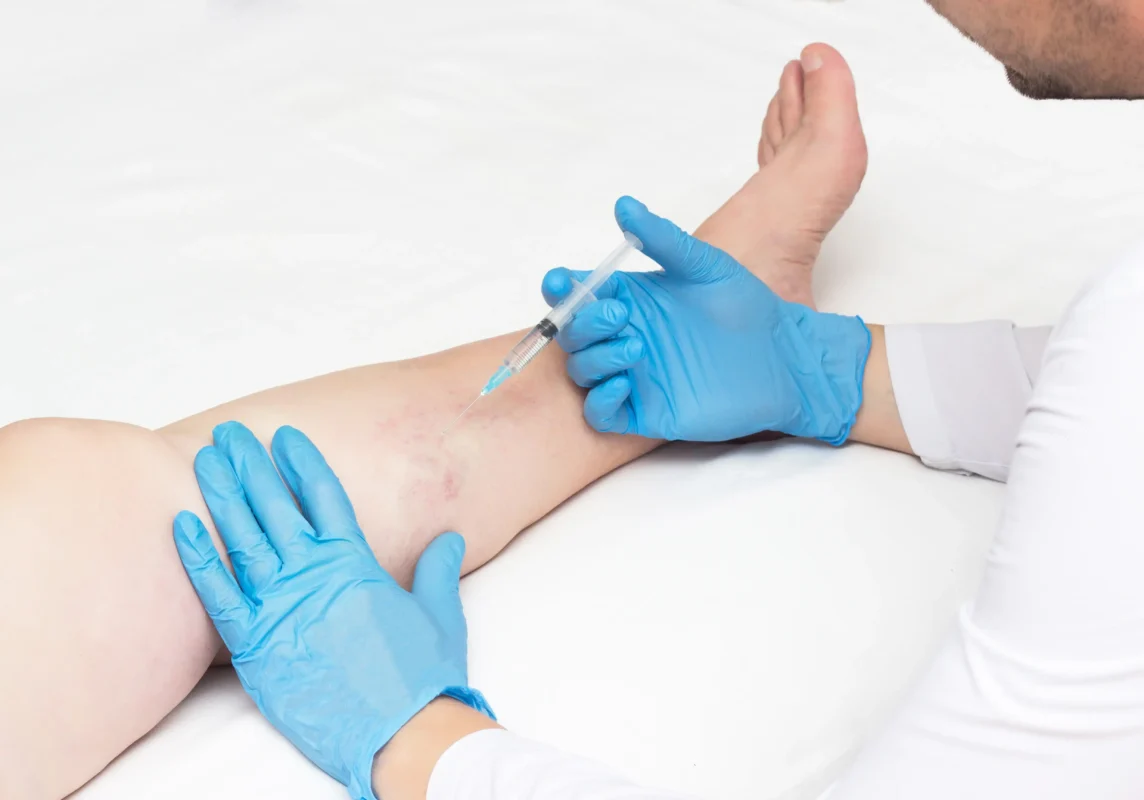
Escleroterapia: A sclerosant solution is injected into spider veins, causing them to seal and gradually fade. The injections involve fine needles and cause mild stinging. Treated veins typically fade over 3-6 weeks, though multiple sessions may be needed for extensive spider veins.
Each treatment is assigned based on ultrasound findings and individual patient factors.
Recovery and aftercare
Recovery from modern vein procedures is typically quick. Unlike traditional vein stripping surgery, today’s minimally invasive treatments are performed in-office and usually require little downtime.
What to expect after procedures:
- Walking immediately is encouraged to promote circulation
- Compression stockings are typically worn for a specified period
- Mild bruising or tenderness resolves over days to weeks
- Most patients return to work and daily activities the same day
Schedule your vein consultation in Bethesda
A diagnostic ultrasound can clarify whether chronic venous insufficiency is involved and if so, which options might be appropriate. Many patients find that simply understanding the cause brings relief, even before any treatment decision is made.
6903 Rockledge Drive, Suite 470, Bethesda, MD
Near Cabin John Regional Park. Additional Maryland locations in Bowie and Maple Lawn.
FAQs
Are vein treatments covered by insurance?
Most vein treatments are covered by insurance when medically necessary, typically when symptoms and ultrasound findings confirm venous insufficiency. Spider vein treatment without underlying disease is usually considered cosmetic. Insurance verification before treatment clarifies what to expect.
How long does each procedure take?
Most minimally invasive vein procedures take 30 minutes. Some sclerotherapy sessions for spider veins may be shorter. Patients typically return to normal activities the same day.
Is vein treatment painful?
Procedures are performed under local anesthesia. The numbing injections sting briefly, and some patients feel warmth or pressure during thermal treatments. Describing the process as “painless” would be inaccurate, but most patients report discomfort as mild and manageable.
Do I need to take time off work?
Most patients don’t need extended time off. Walking is encouraged immediately after treatment, and many return to desk work the same day. Strenuous exercise is typically avoided for about a week.
FEATURED POSTS BY VEIN DOCTORS