

Table of contents

Get treated by vein treatment industry leaders
What Skin Changes Are Associated With Chronic Venous Insufficiency?

Medically verified
Last updated on 1/29/2026

By Dr. Michael Nguyen
Vein Doctor at Vein Treatment Clinic
Harvard Medical School
Board Certified by the American Board of Venous and Lymphatic Medicine
Skin changes from chronic venous insufficiency are common and often appear around the lower legs and ankles. These CVI skin changes develop gradually as poor circulation and increased vein pressure damage the surrounding tissues.
Over time, venous insufficiency can lead to skin discoloration, itching, thickening, and even ulcers. Many patients describe this as itchy or irritated skin related to venous insufficiency, especially around the ankles.

Understanding which skin changes are associated with chronic venous insufficiency helps patients recognize progression and seek evaluation before complications occur.
If you’ve noticed changes in the skin of your lower legs or ankles, a vein evaluation can help determine whether vein disease is the cause.
Why vein disease affects the skin?
In chronic venous insufficiency, blood pools in the leg veins instead of flowing efficiently back to the heart. This persistent pressure pushes fluid and blood components into surrounding tissue, triggering inflammation and progressive skin damage.
Over time, these changes can lead to discoloration, itching, thickening, and other visible signs of chronic vein disease.
Skin darkening or discoloration near the ankles
One of the most common skin changes is brown or purplish discoloration around the ankles or lower legs. Many patients notice this as darkening or brown skin around the ankles related to underlying vein disease.
This occurs when blood cells leak out of the veins and break down in the skin, leaving behind pigment.
Is It Just Dry Skin? See Why Discolored Ankles Signal a Deeper Vein Issue
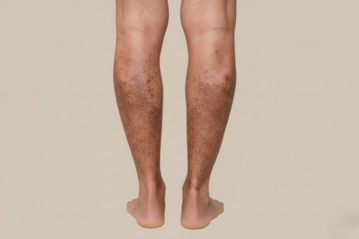
Advanced skin discoloration from Chronic Venous Insufficiency.
Advanced skin discoloration from Chronic Venous Insufficiency.
Itching and irritation (venous stasis dermatitis)
Many patients experience itching, redness, or irritation of the skin near the ankles. This itchy skin associated with venous insufficiency is often one of the earliest noticeable symptoms.
This condition, often called venous stasis dermatitis, is caused by chronic inflammation related to poor circulation.
Symptom Checker
Dry, flaky, or sensitive skin
Skin affected by chronic venous insufficiency may become dry, flaky, or unusually sensitive.
Reduced circulation and inflammation impair normal skin hydration and barrier function.
Skin thickening or hardening
Over time, the skin may become thick, firm, or leathery in texture. Skin thickening from venous disease reflects long-standing inflammation and scarring beneath the surface and is a sign of more advanced venous insufficiency.
These structural skin changes often indicate more advanced chronic venous insufficiency.
Tightness or reduced skin flexibility
Some patients notice a tight or stretched feeling in the skin of the lower legs.
This can make the skin less flexible and more prone to injury.
Before
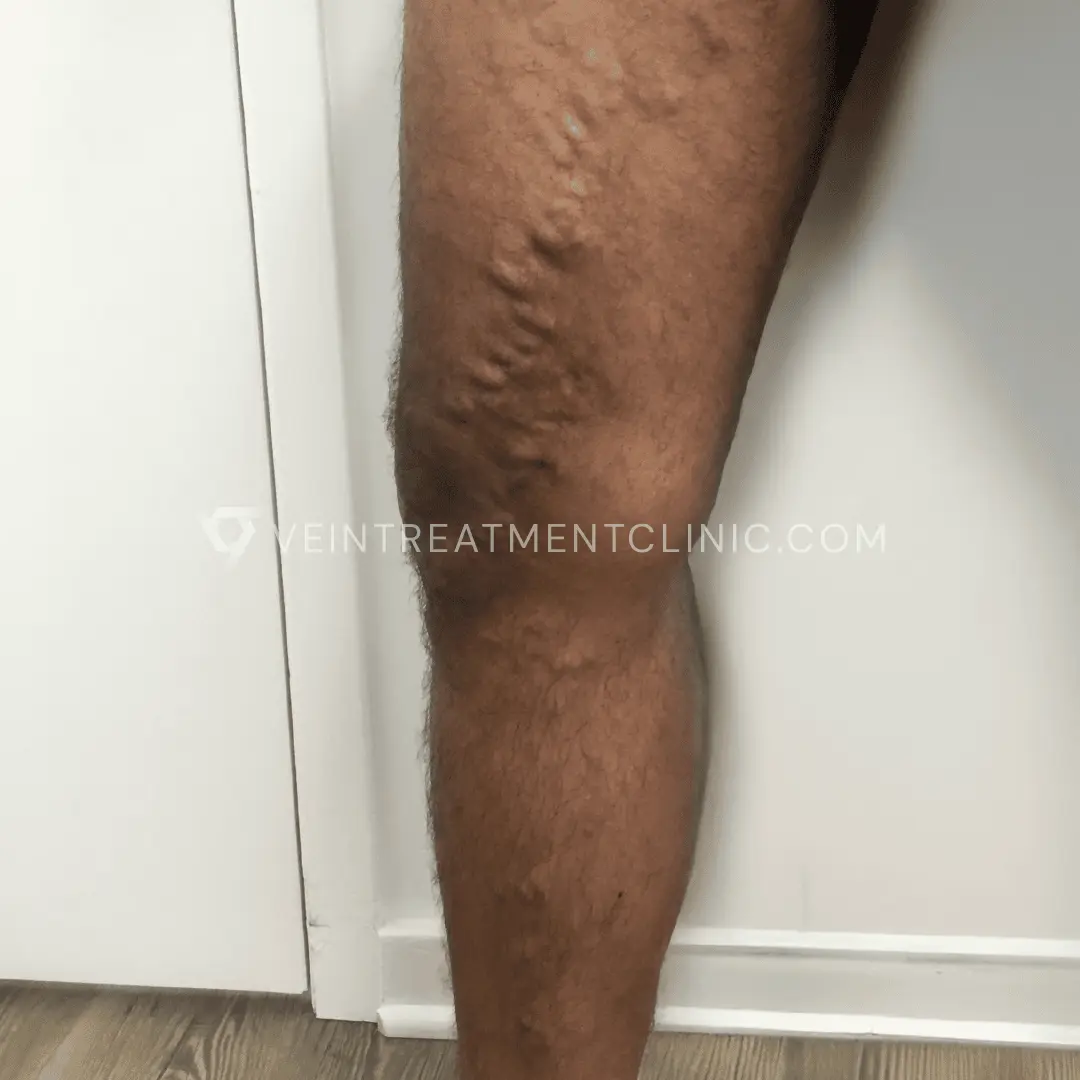
After
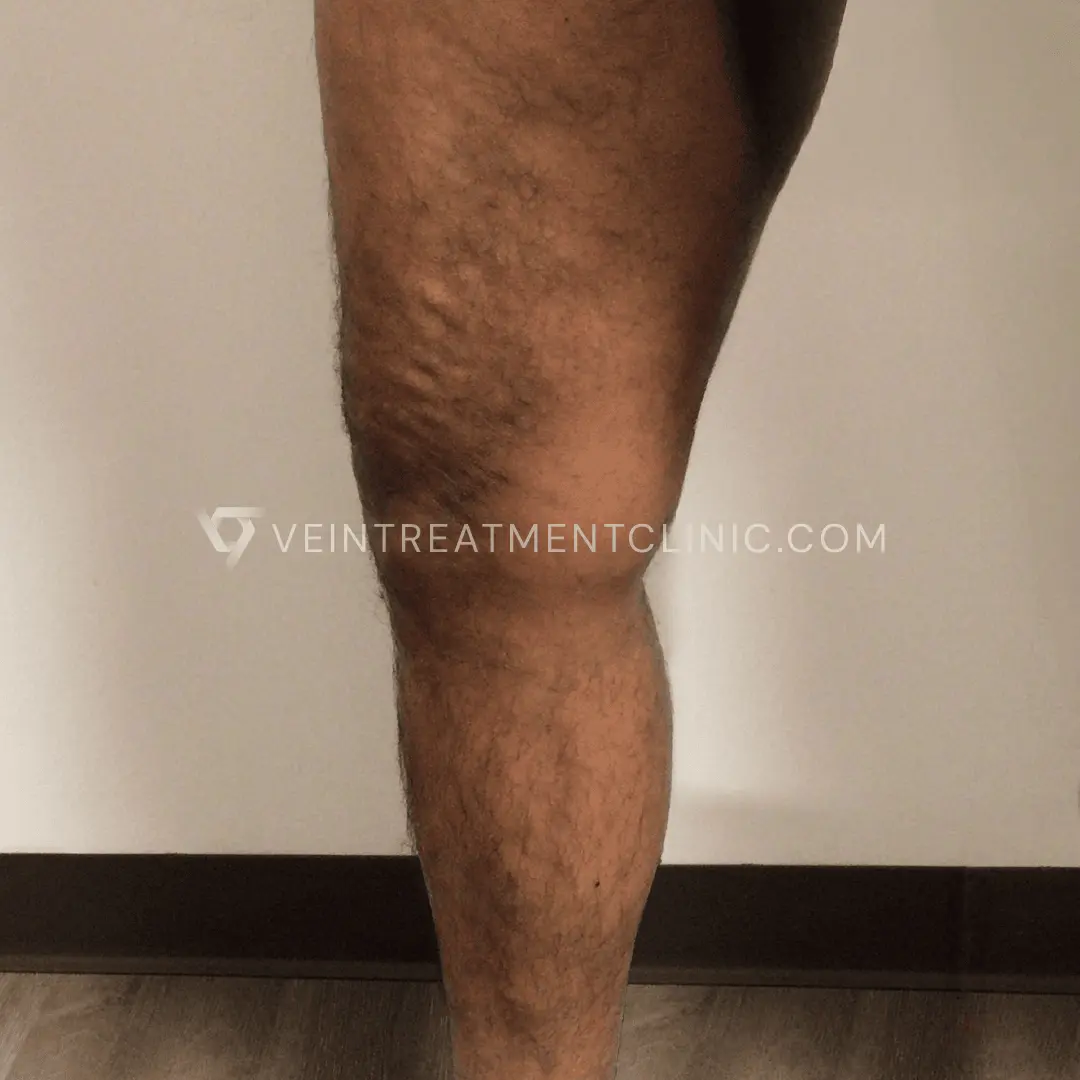
A 37-year-old patient visited our Vein Treatment Clinic, seeking relief from unsightly and painful varicose and spider veins. We performed radiofrequency ablation and sclerotherapy treatments, significantly improving the veins’ appearance and completely eliminating discomfort. The patient is now enjoying a more active and pain-free lifestyle.
Before
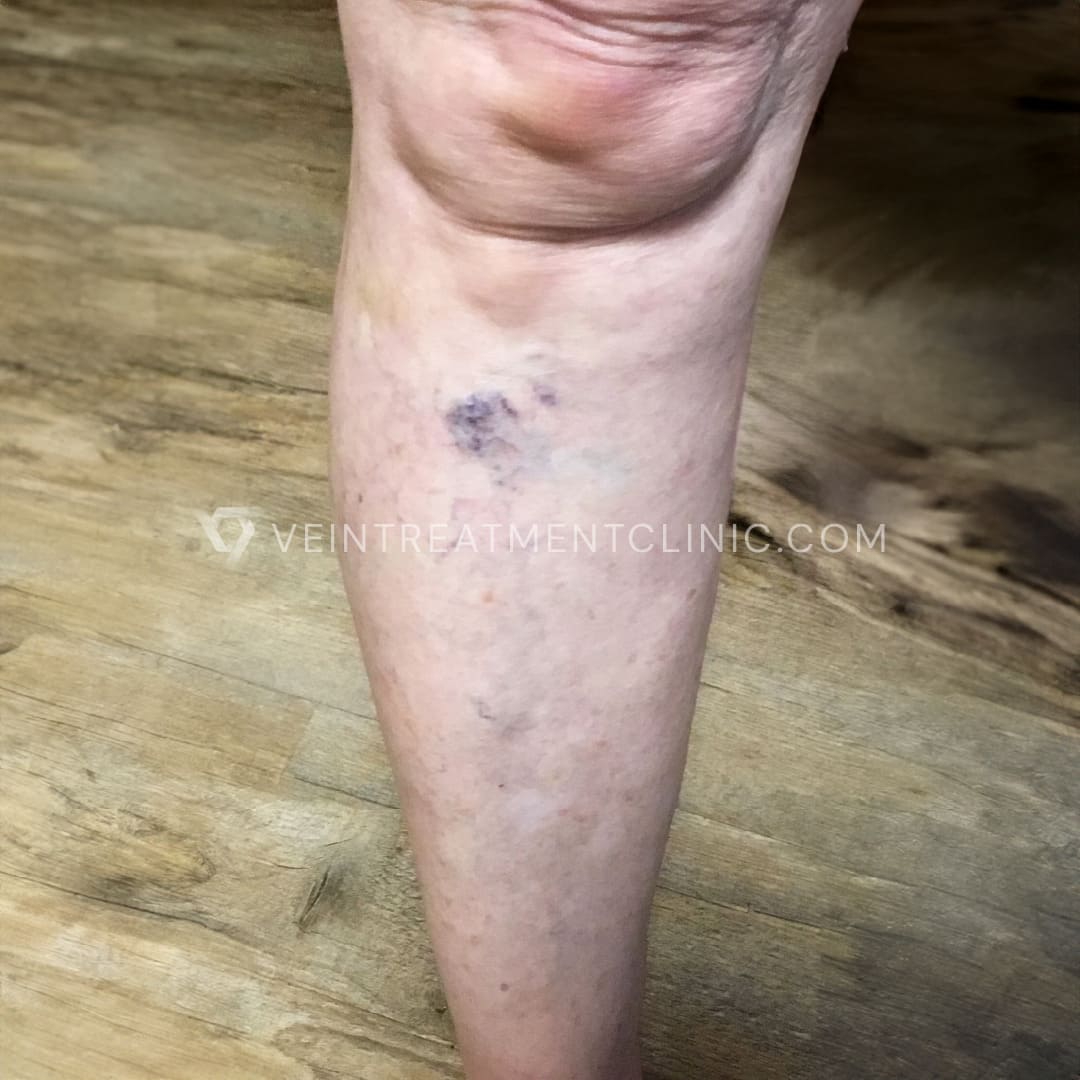
After
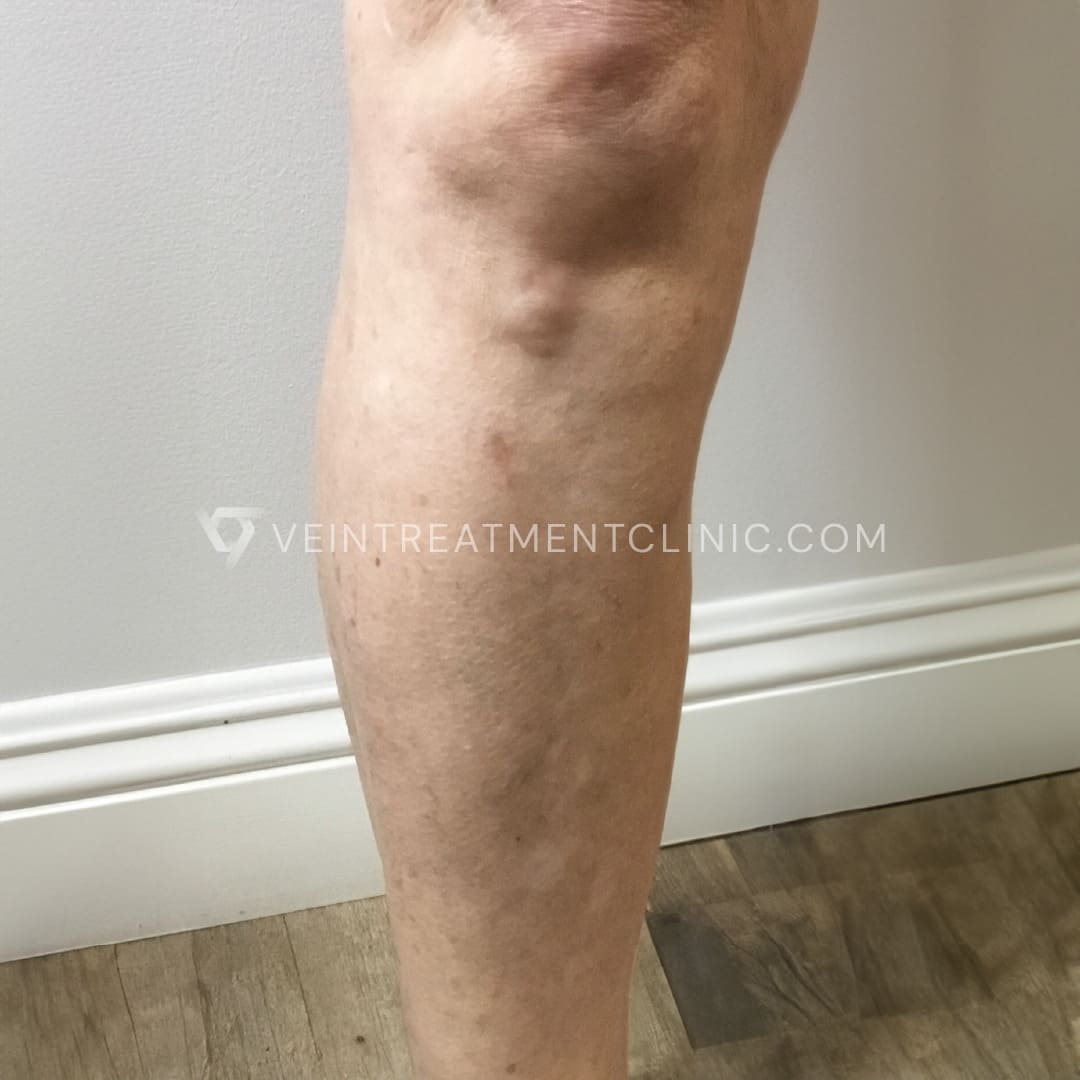
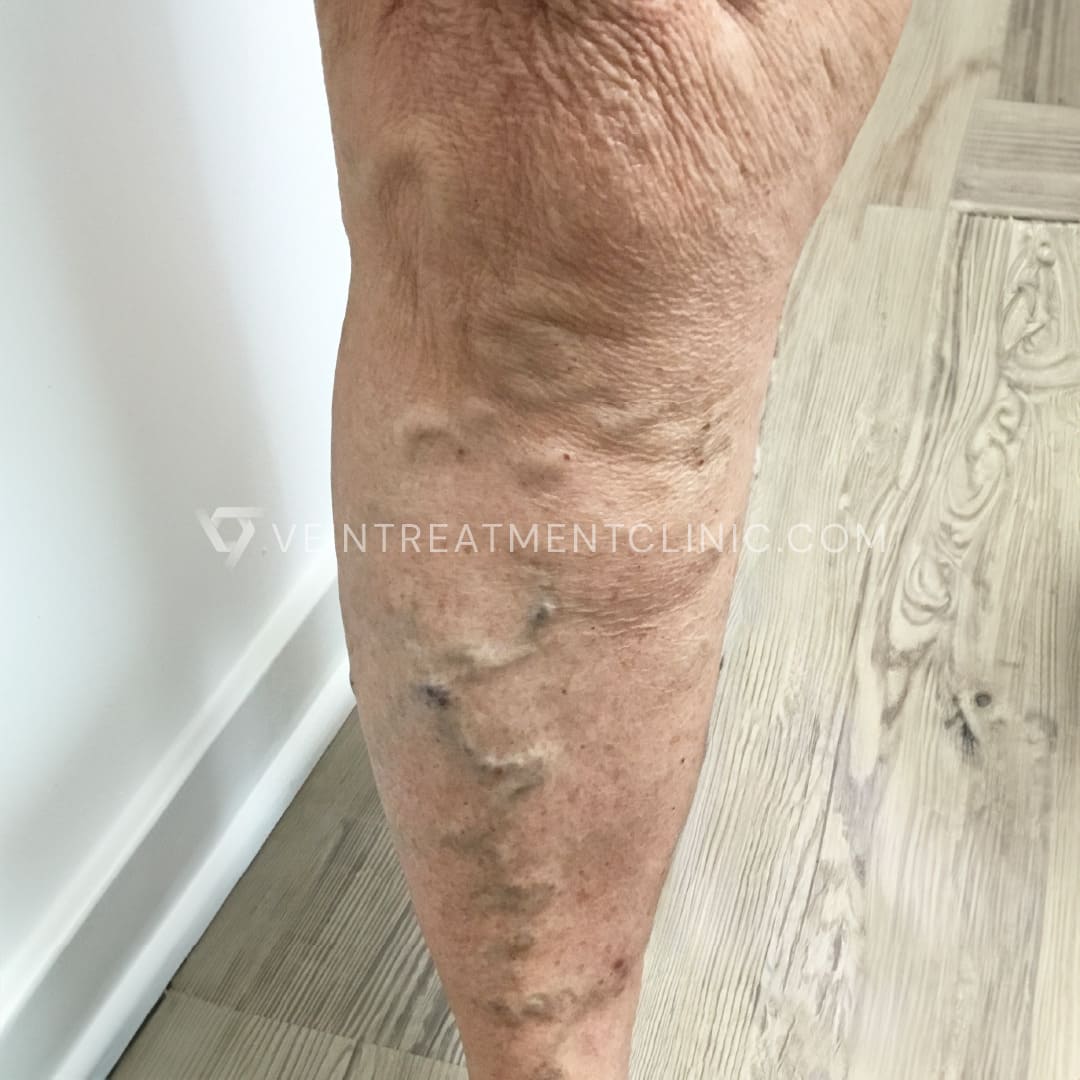
A 69 year-old patient visited our California Vein Clinic, embarrassed by spider veins that had impacted their self-esteem. We performed radiofrequency ablation and sclerotherapy treatments, leaving their legs smooth and healthy. The patient now feels more confident, thanks to this transformative treatment.
Before
After
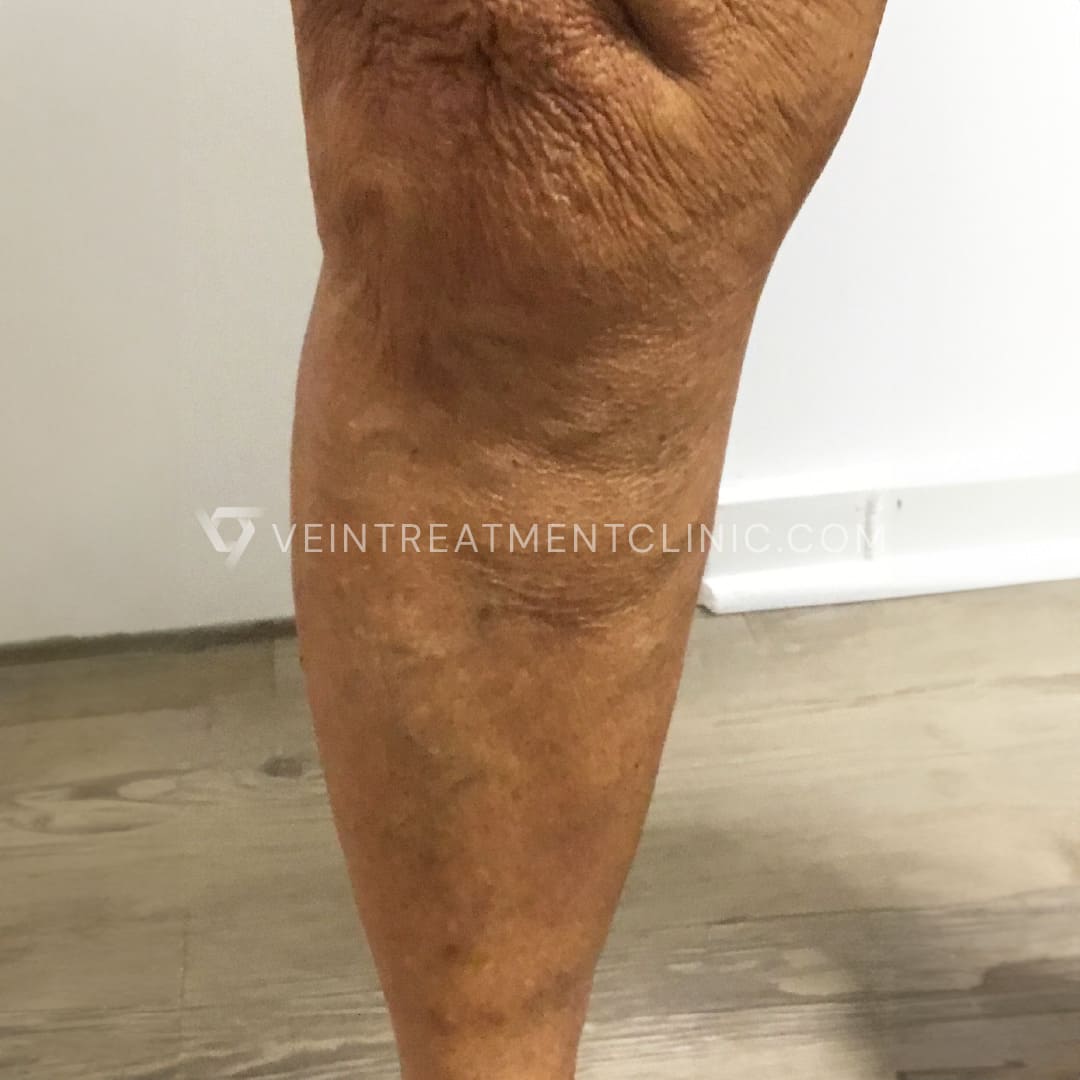
This 84 year-old patient at our New Jersey Vein Treatment Clinic came in with spider veins that had affected their daily routine. We used radiofrequency ablation and sclerotherapy treatments to relieve discomfort and restore both their leg health and confidence. The patient now enjoys a more active and fulfilling lifestyle, free from pain.
Before
After
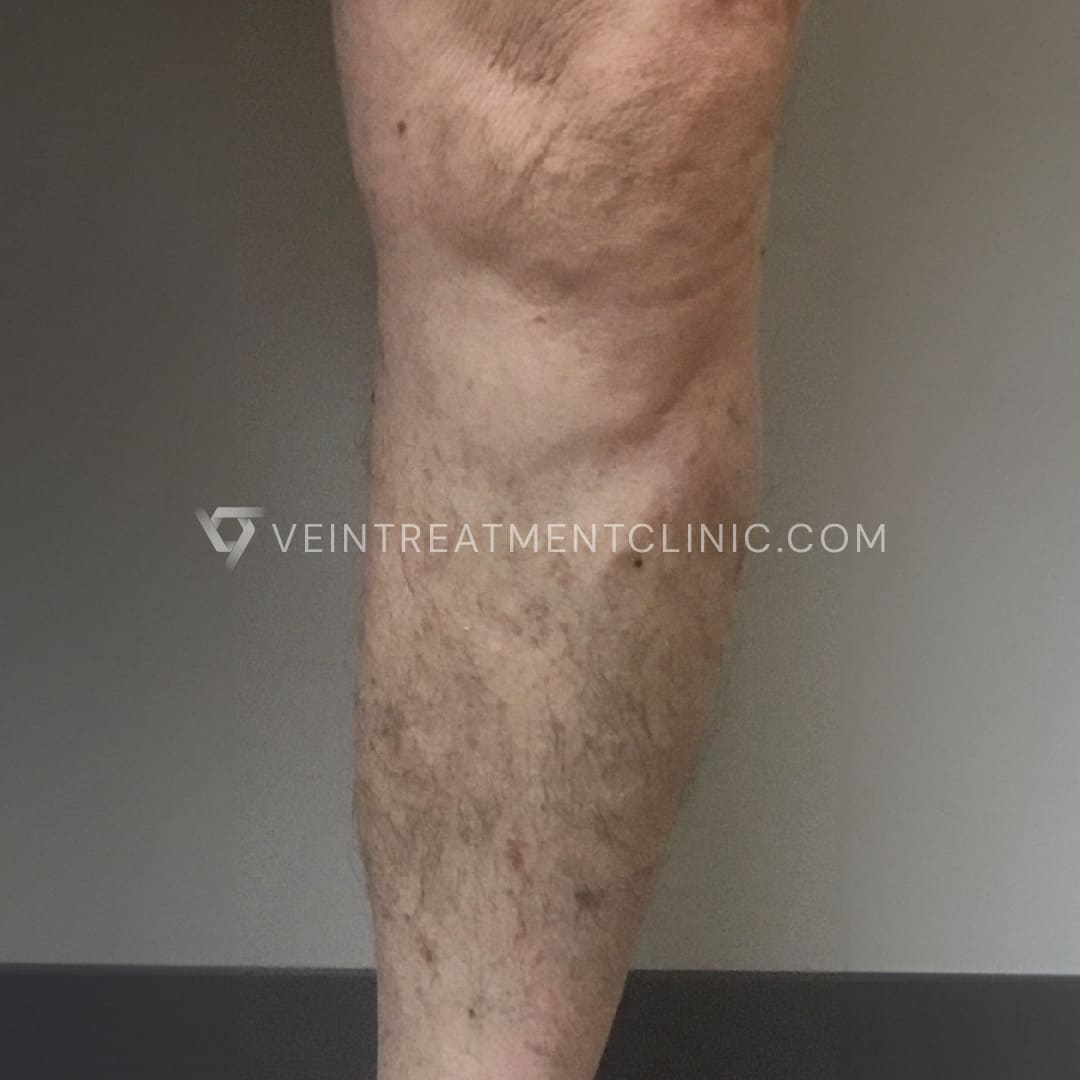
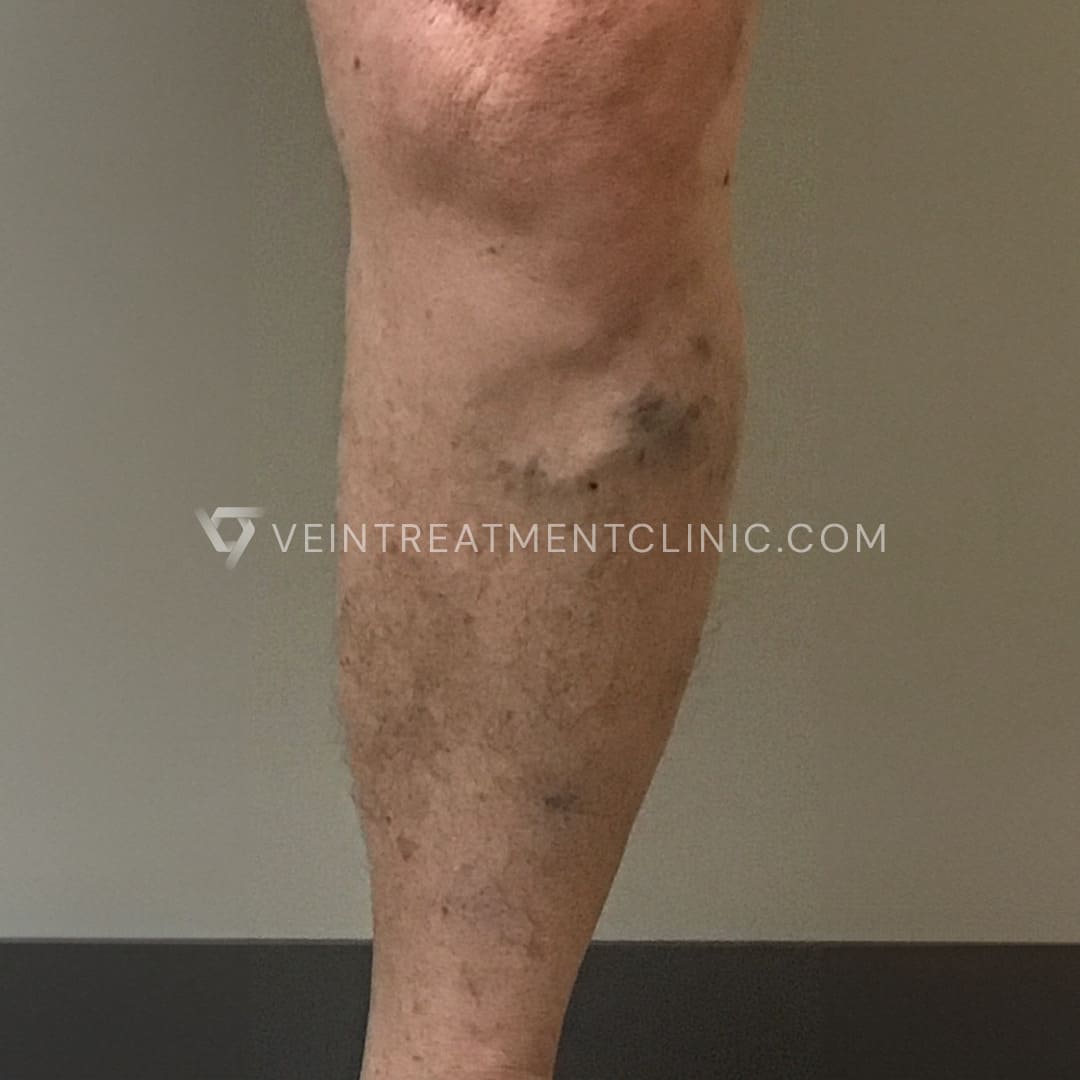
At our Long Island Vein Clinic, we treated this 75 year-old patient with spider veins using radiofrequency ablation and sclerotherapy. These minimally invasive treatments improved both the patient’s appearance and overall well-being, offering transformative results.
Before
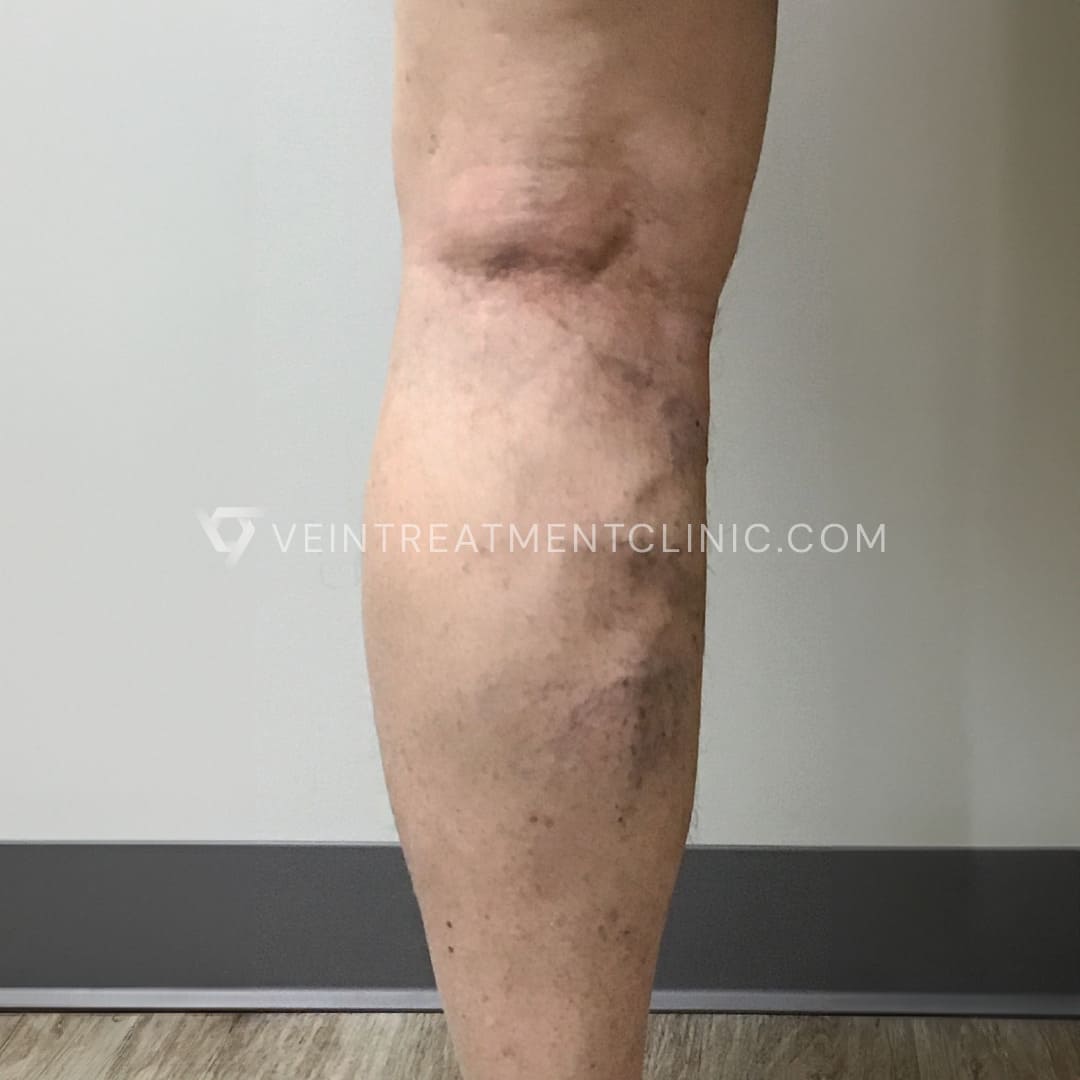
After
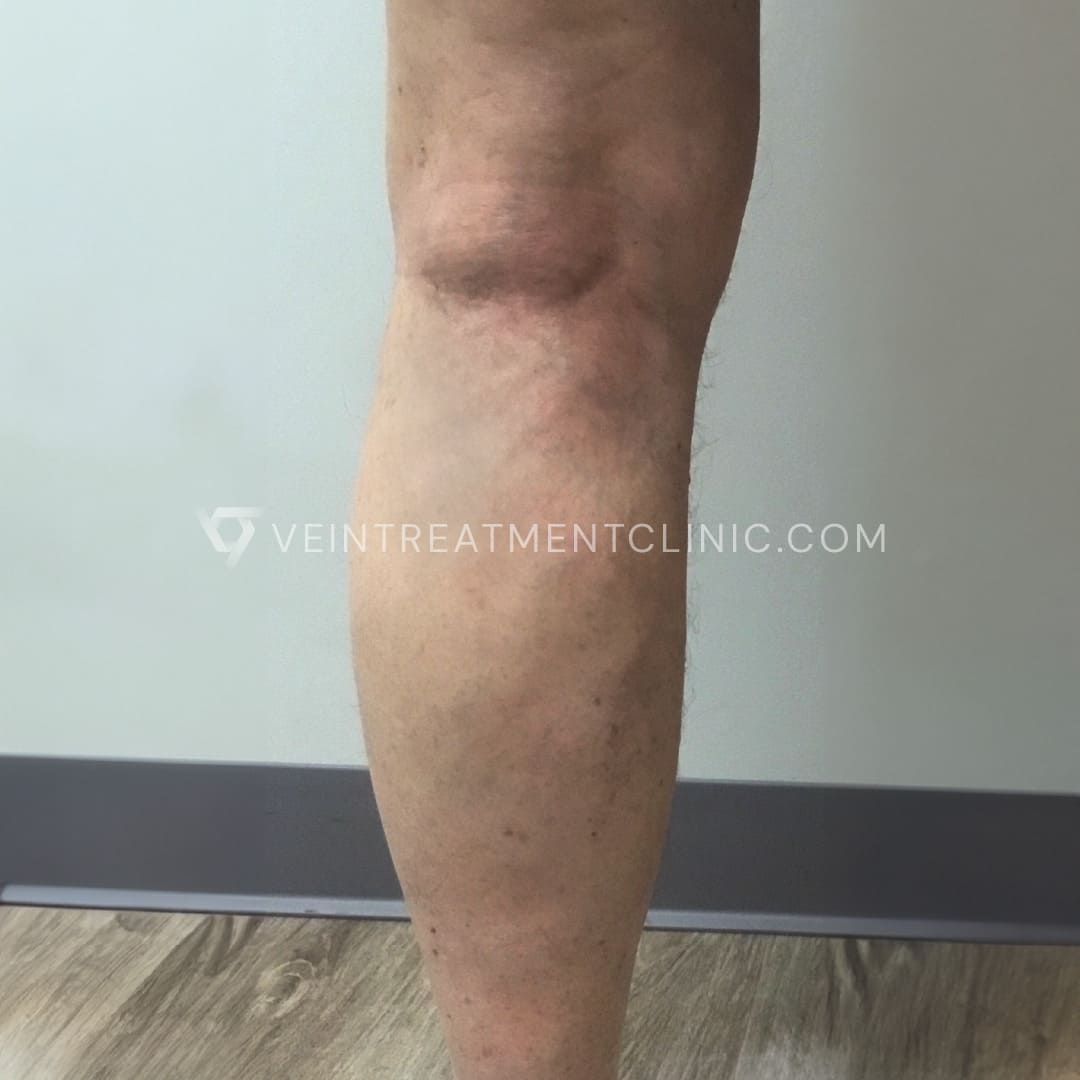
This 75 year-old patient visited our Long Island Vein Treatment Clinic with painful spider veins. We used radiofrequency ablation and sclerotherapy, minimally invasive treatments, to eliminate the veins and restore comfort and confidence. The patient experienced life-changing results
Redness or chronic inflammation
Persistent redness or warmth in the lower legs can occur due to ongoing inflammation.
These changes are often mistaken for skin infections but are actually related to venous disease.
Slow-healing wounds or venous ulcers
In advanced stages, chronic venous insufficiency can lead to open sores or venous ulcers near the ankles. These venous ulcers represent severe skin changes caused by prolonged vein pressure and are among the most advanced skin changes seen in chronic venous insufficiency.
Without treating the underlying vein problem, these wounds may heal slowly or return.
Wounds That Won’t Heal? Discover the Link Between Circulation and Skin Ulcers
Do skin changes mean the condition is advanced?
Yes. Skin changes often indicate more advanced chronic venous insufficiency.
Early evaluation at this stage is important to prevent further progression and complications.
How vein evaluation helps assess skin changes?
A vein evaluation, including ultrasound, identifies the veins contributing to increased pressure and skin damage.
This allows treatment to target the underlying cause rather than just surface symptoms.
Get a Peek Inside Your Veins—Book Your Ultrasound Evaluation.
How vein treatment can improve skin changes?
By improving circulation and reducing vein pressure, vein treatment can help stabilize or improve skin changes.
Earlier treatment offers the best chance to prevent ulcers and further skin damage.