

Table of contents

Get treated by vein treatment industry leaders
Phlebitis (Flebitis): What It Is, Symptoms, and When to Worry

Medically verified
Last updated on 1/29/2026

By Dr. Michael Nguyen
Vein Doctor at Vein Treatment Clinic
Harvard Medical School
Board Certified by the American Board of Venous and Lymphatic Medicine
Phlebitis is a condition in which a vein becomes inflamed, often causing pain, redness, and tenderness along the course of the vein.
Many patients search for “flebitis,” which is a common misspelling of phlebitis. Both terms are used to describe the same condition involving vein inflammation.

This page explains what phlebitis is, why it happens, what symptoms to watch for, and when evaluation or treatment may be necessary.
If you have a painful, red, or tender vein and are unsure what’s causing it, a vein evaluation can help clarify whether phlebitis or another vein condition is present.
What is phlebitis?
Phlebitis refers to inflammation of a vein, most commonly affecting veins in the legs.
It can involve superficial veins close to the skin or deeper veins, depending on the underlying cause.
Why do people spell phlebitis as “flebitis”?
The term phlebitis comes from Greek, where “ph” is pronounced like an “f.”
Because of this, many patients spell or search for the condition as “flebitis,” even though the correct medical spelling is phlebitis.
What are common symptoms of phlebitis?
Common symptoms include localized pain, redness, warmth, and tenderness along a vein.
The vein may feel firm or cord-like under the skin.
Symptom Checker
What causes phlebitis?
Phlebitis can be caused by irritation or injury to a vein, sluggish blood flow, or increased vein pressure.
It is more common in veins affected by varicose veins or chronic venous insufficiency.
Get the Facts on Varicose Veins. Read the Complete Guide
What is superficial phlebitis?
Superficial phlebitis affects veins close to the surface of the skin.
It is often uncomfortable but usually less dangerous than deeper vein conditions.
How is phlebitis different from a blood clot?
Phlebitis refers to vein inflammation, while a blood clot involves coagulated blood blocking a vein.
In some cases, phlebitis and clotting can occur together, which is why evaluation is important.
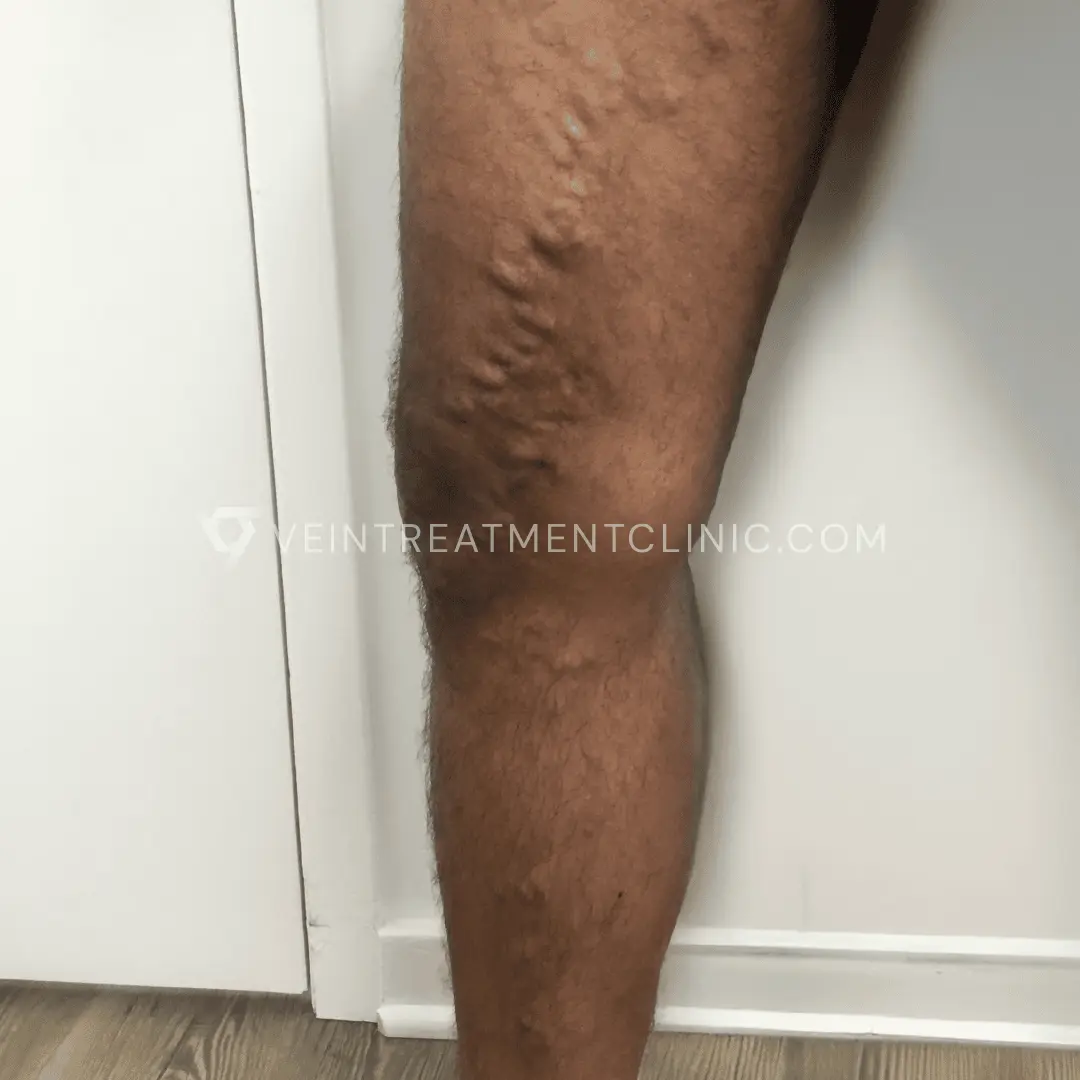
Before
After
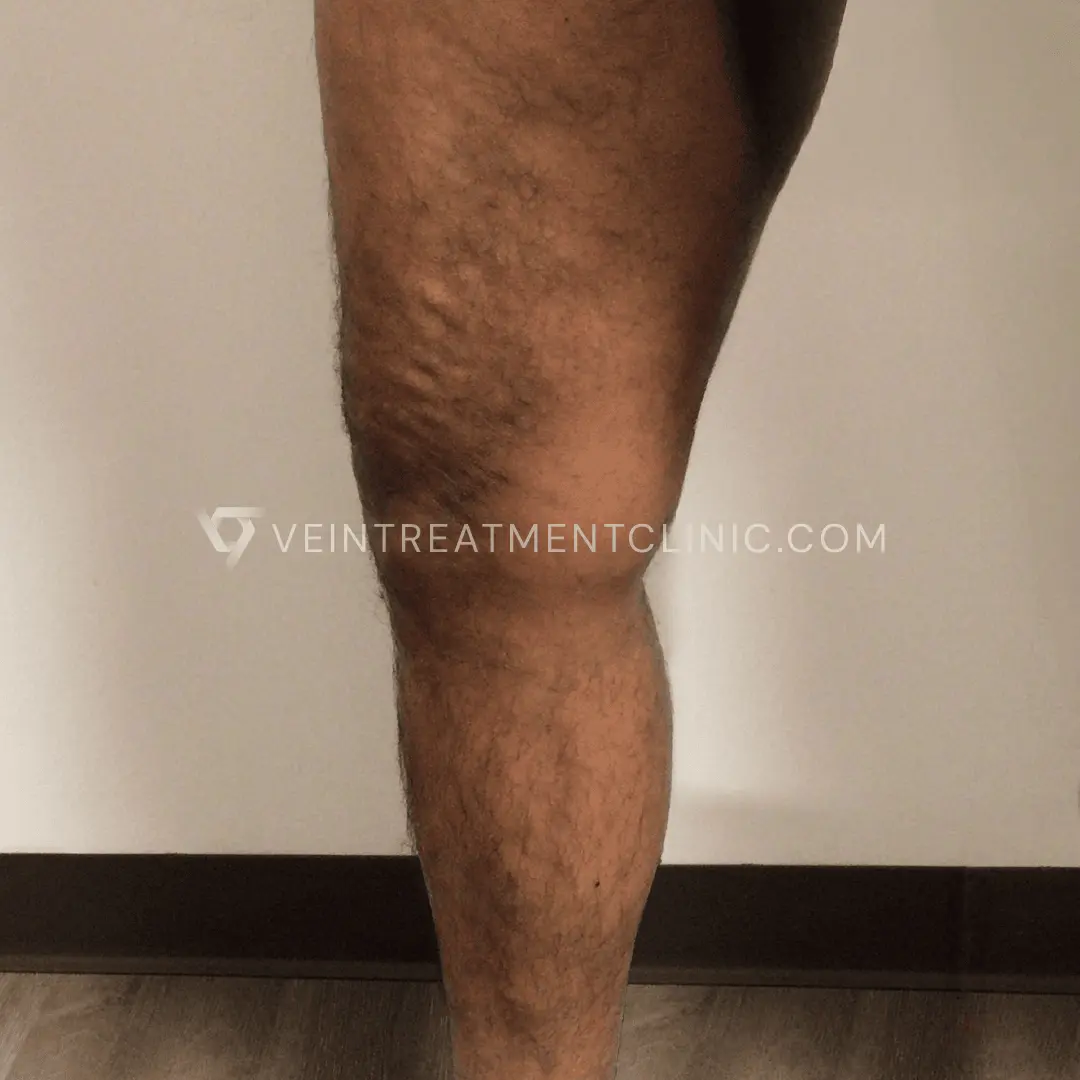
A 37-year-old patient visited our Vein Treatment Clinic, seeking relief from unsightly and painful varicose and spider veins. We performed radiofrequency ablation and sclerotherapy treatments, significantly improving the veins’ appearance and completely eliminating discomfort. The patient is now enjoying a more active and pain-free lifestyle.
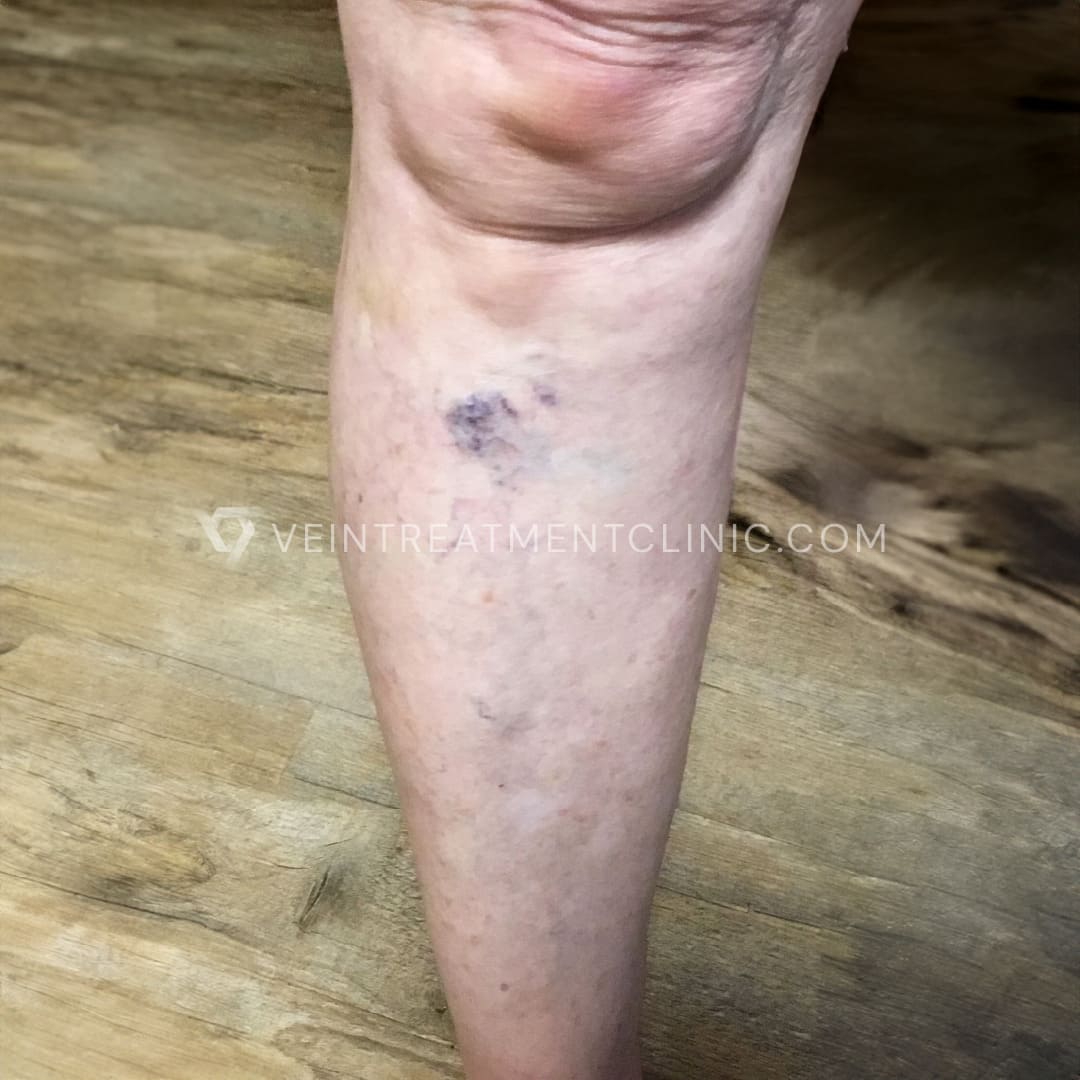
Before
After
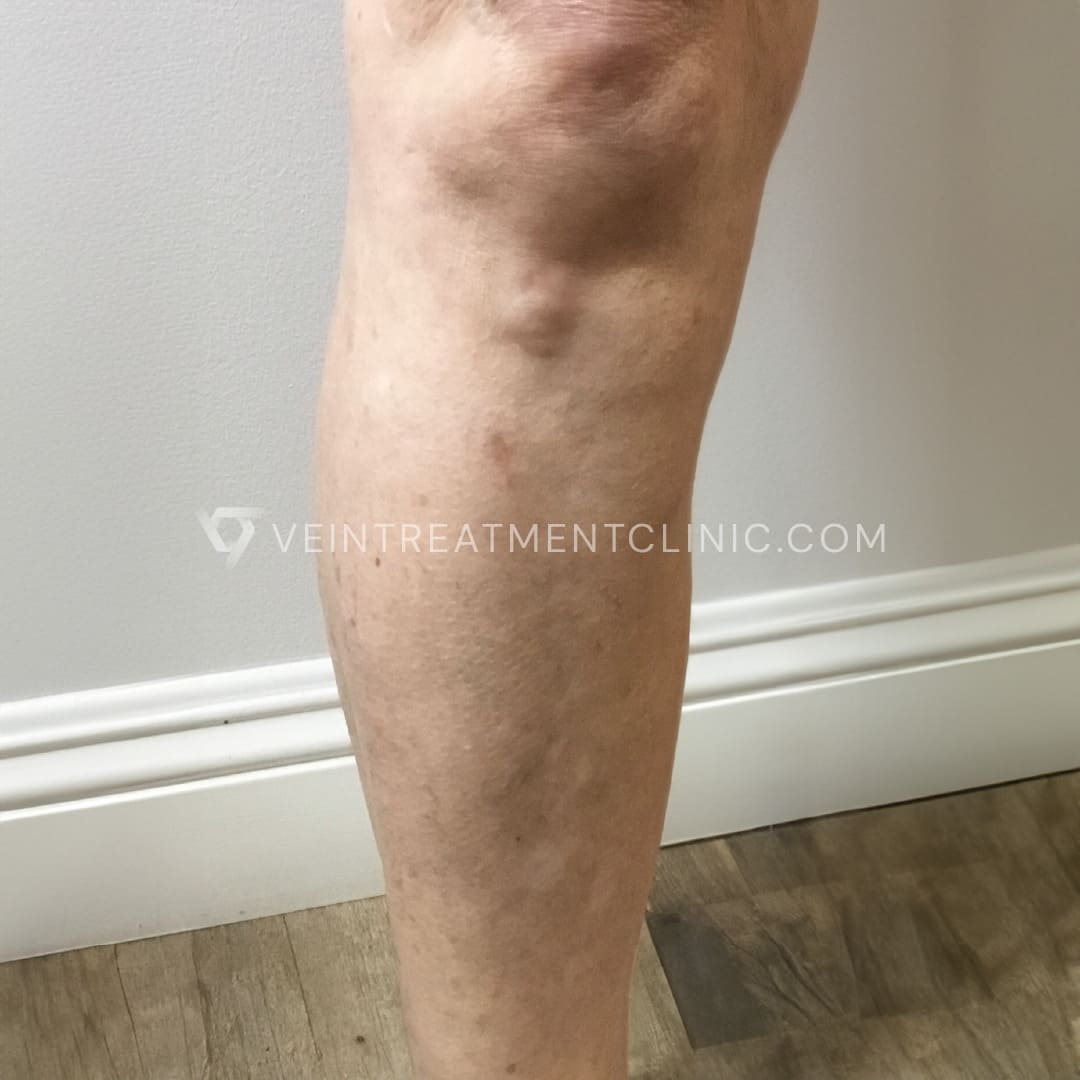
A 69 year-old patient visited our California Vein Clinic, embarrassed by spider veins that had impacted their self-esteem. We performed radiofrequency ablation and sclerotherapy treatments, leaving their legs smooth and healthy. The patient now feels more confident, thanks to this transformative treatment.
Before
After
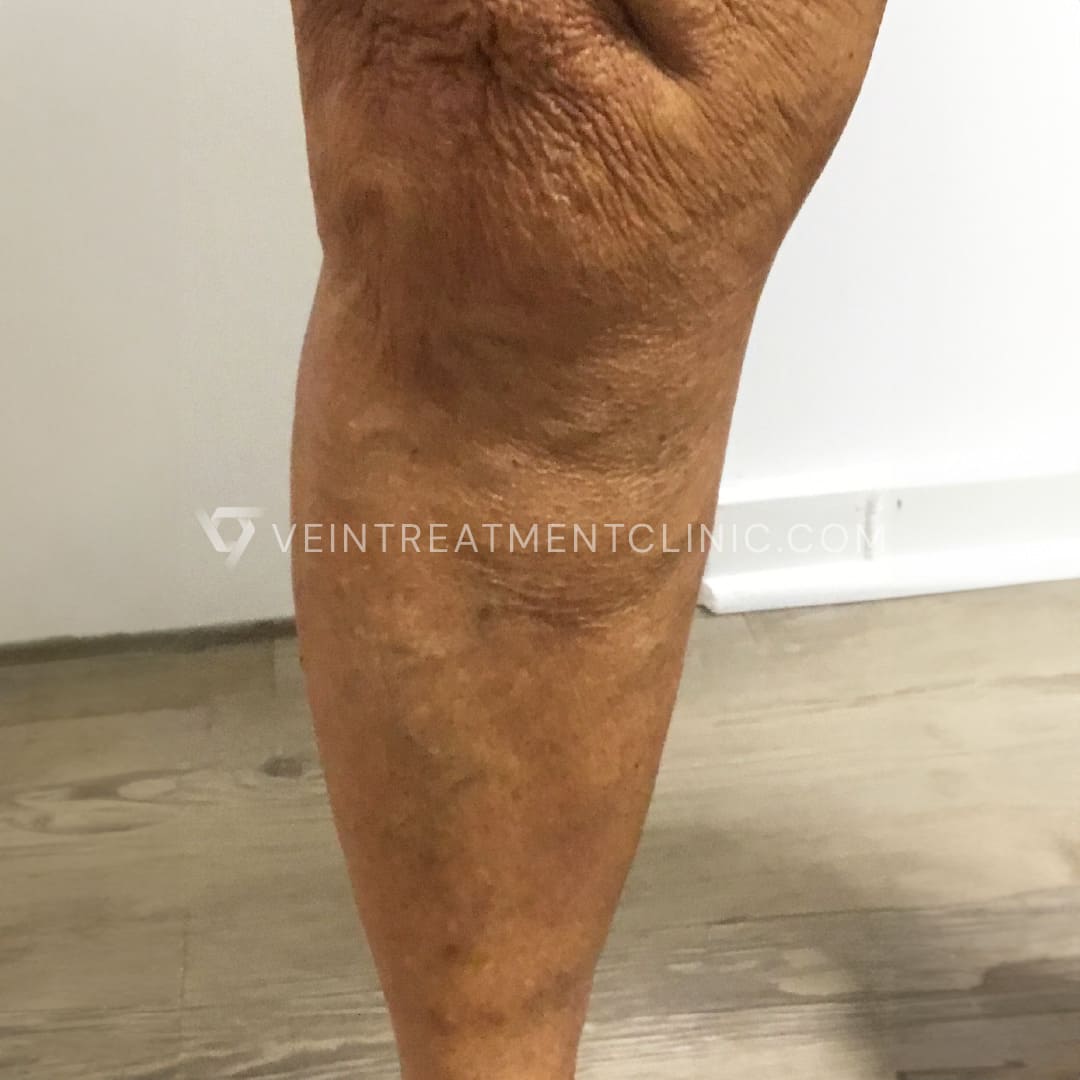
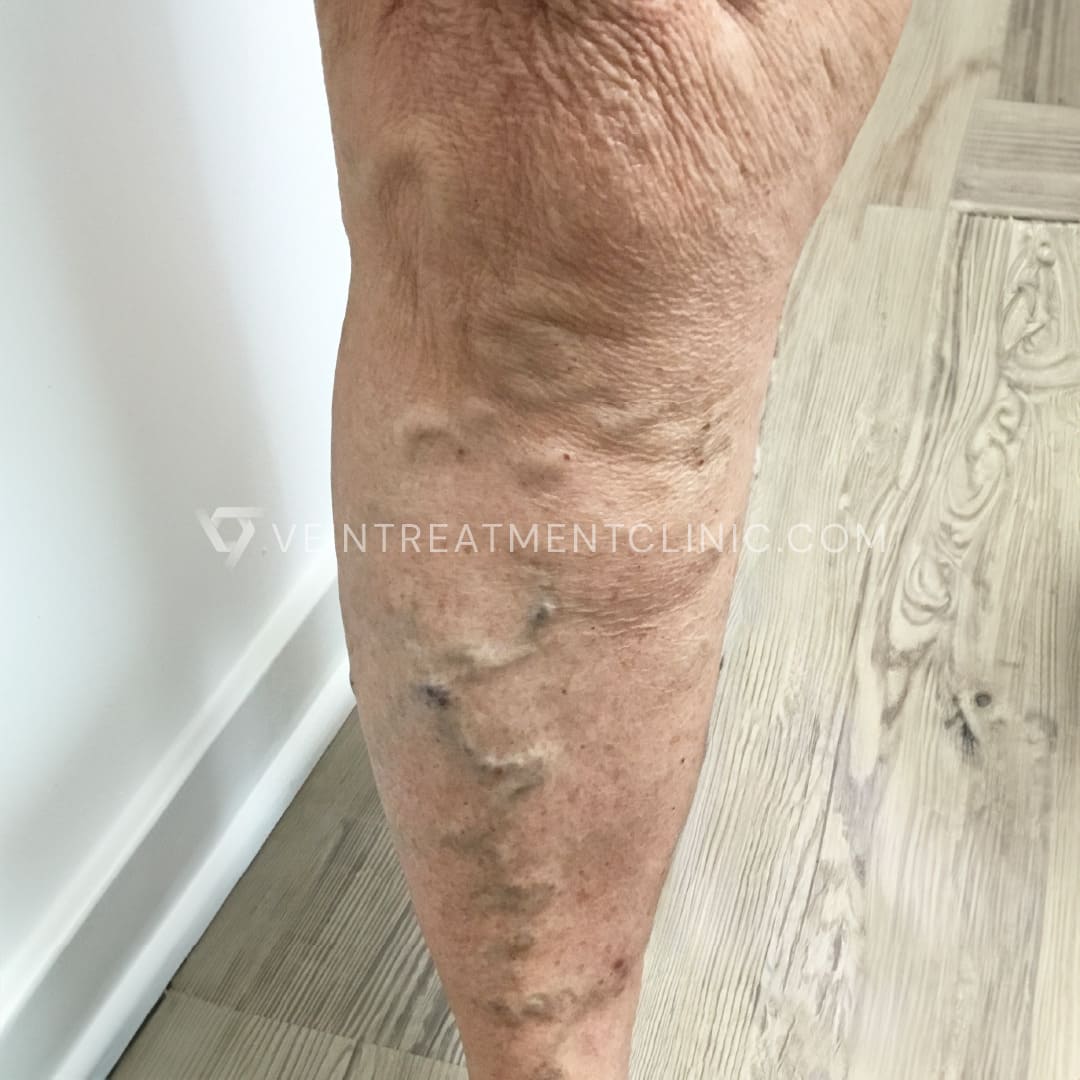
This 84 year-old patient at our New Jersey Vein Treatment Clinic came in with spider veins that had affected their daily routine. We used radiofrequency ablation and sclerotherapy treatments to relieve discomfort and restore both their leg health and confidence. The patient now enjoys a more active and fulfilling lifestyle, free from pain.
Before
After
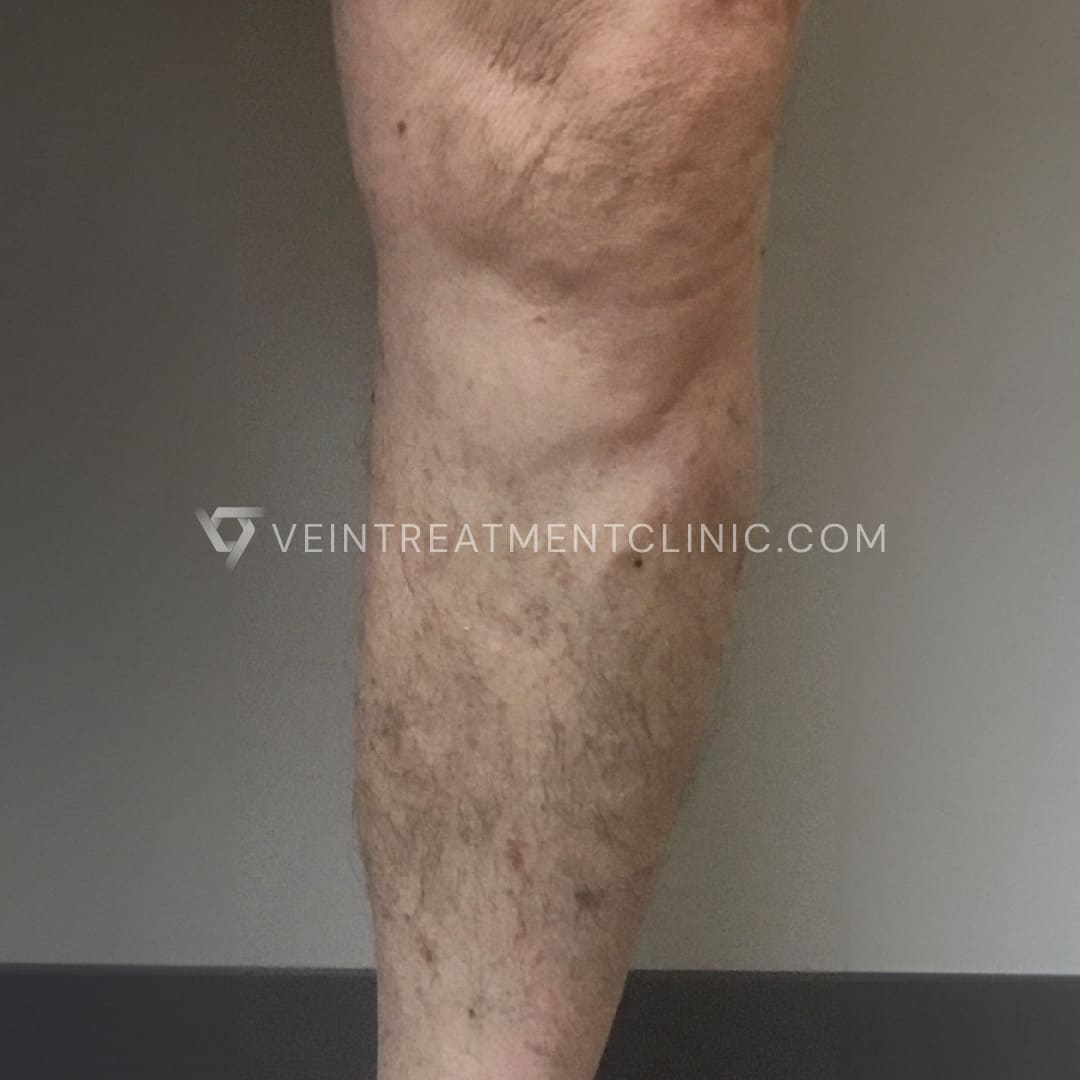
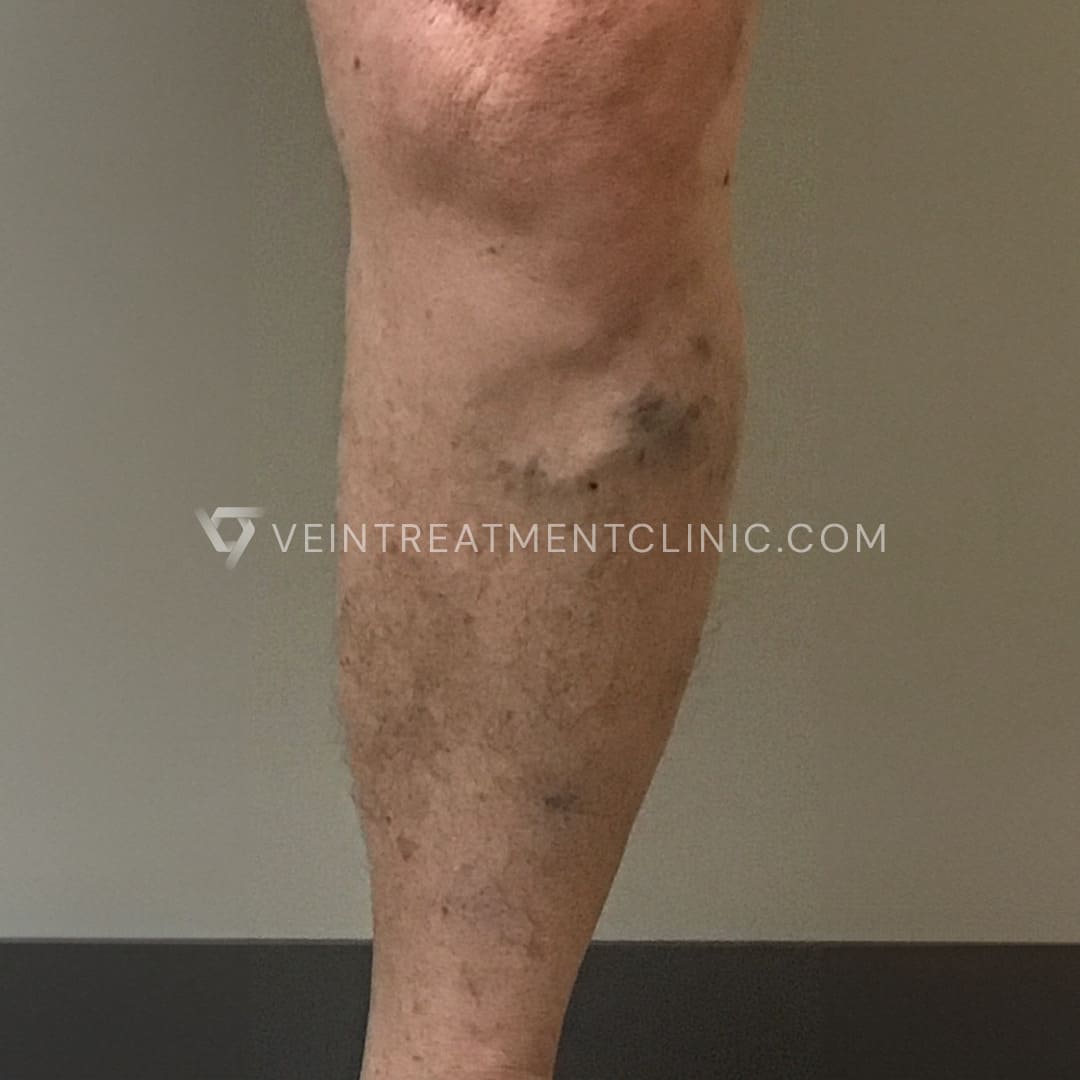
At our Long Island Vein Clinic, we treated this 75 year-old patient with spider veins using radiofrequency ablation and sclerotherapy. These minimally invasive treatments improved both the patient’s appearance and overall well-being, offering transformative results.
Before
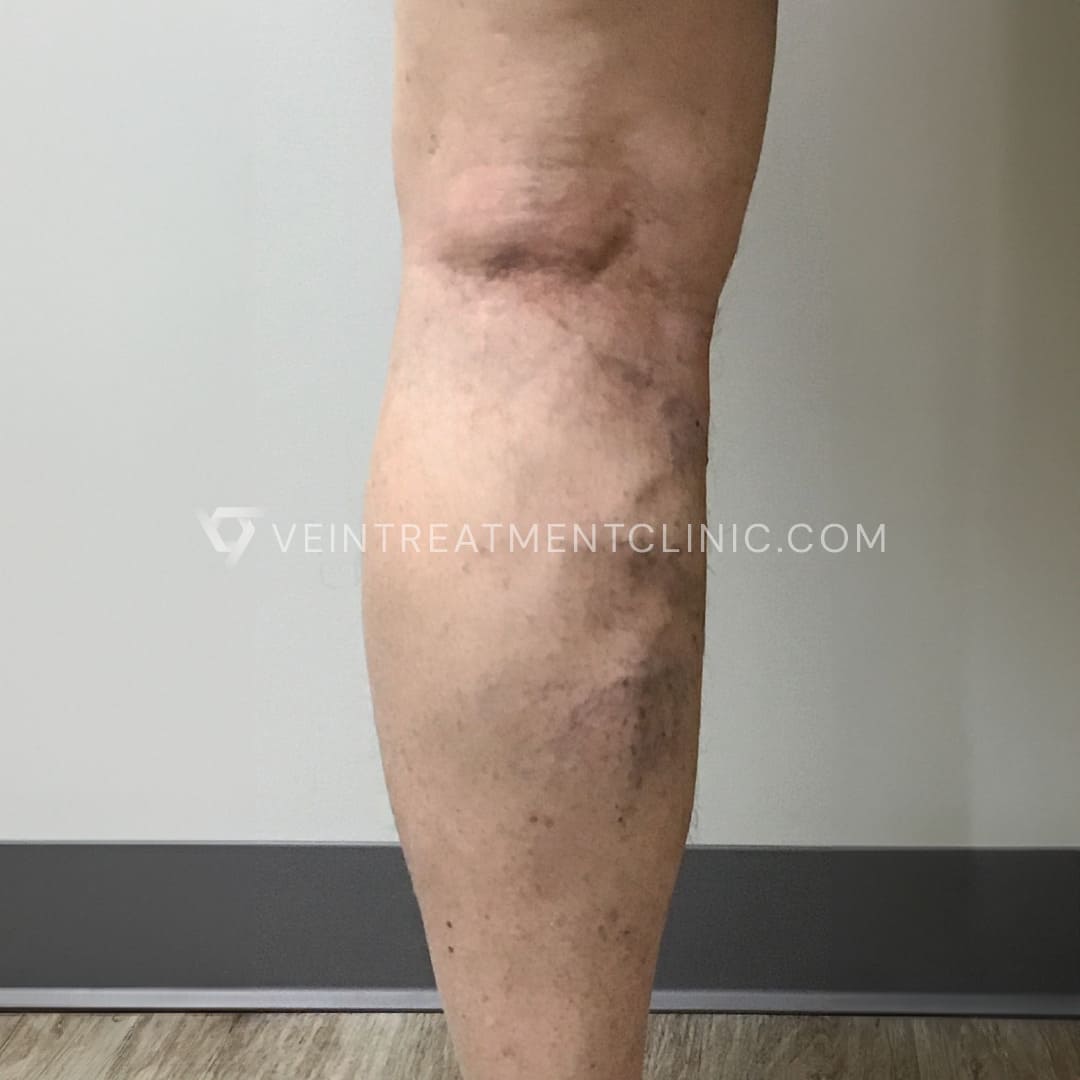
After
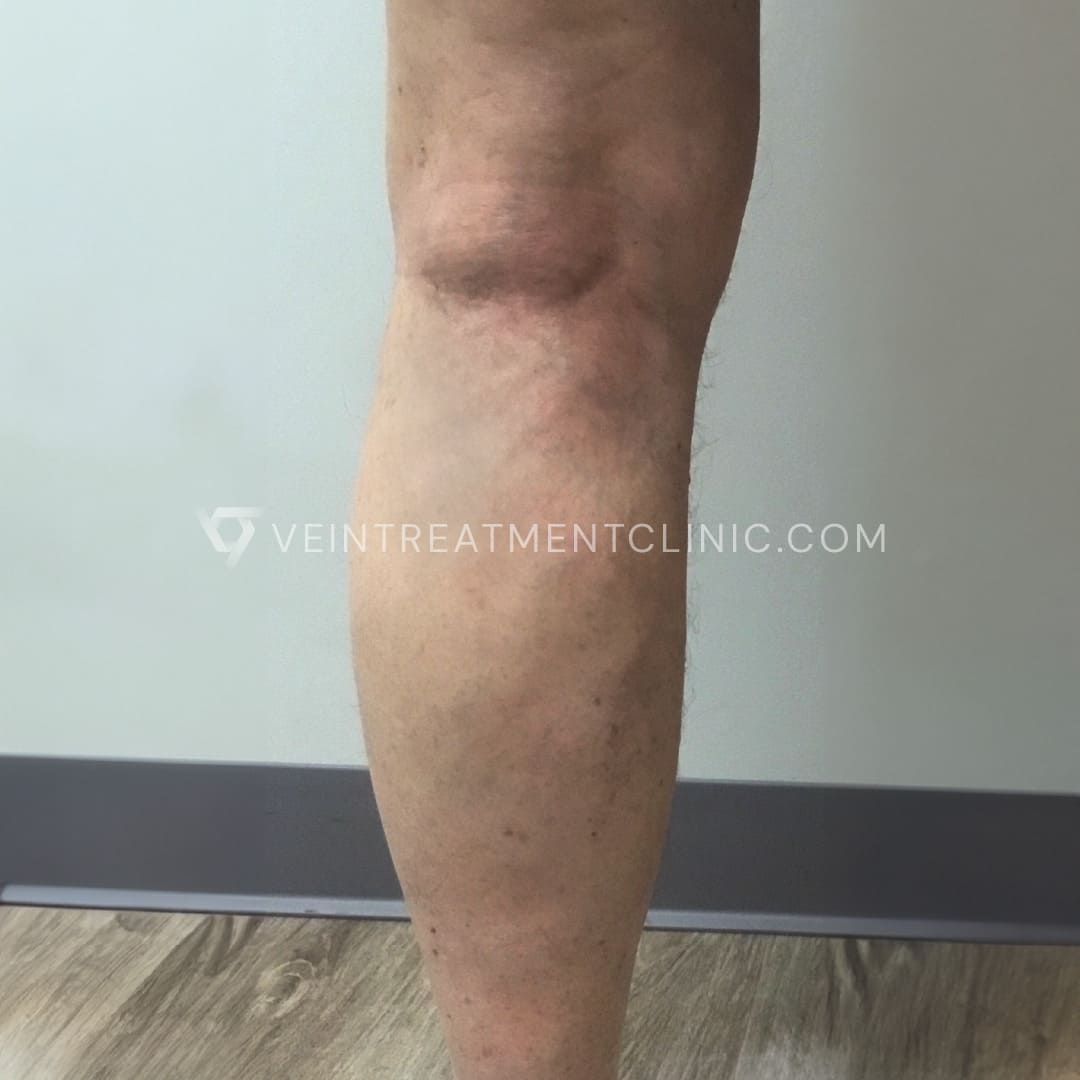
This 75 year-old patient visited our Long Island Vein Treatment Clinic with painful spider veins. We used radiofrequency ablation and sclerotherapy, minimally invasive treatments, to eliminate the veins and restore comfort and confidence. The patient experienced life-changing results
Is phlebitis dangerous?
Superficial phlebitis is often not dangerous but can be painful and disruptive.
However, symptoms should always be evaluated to rule out deeper vein involvement.
How is phlebitis diagnosed?
Diagnosis begins with a physical exam and review of symptoms.
Ultrasound may be used to determine whether deeper veins are involved or if a clot is present.
How is phlebitis treated?
Treatment depends on severity and cause, and may include compression, movement, and addressing underlying vein disease.
When phlebitis is related to varicose veins or venous insufficiency, treating the underlying condition can reduce recurrence.
When should you see a vein specialist for phlebitis?
Evaluation is recommended if symptoms are severe, worsening, spreading, or associated with swelling.
A vein specialist can determine whether treatment or monitoring is appropriate.
Think You Have Vein Disease? Schedule a Professional Evaluation