

Table of contents

Get treated by vein treatment industry leaders
How Are Varicose Veins Diagnosed?

Medically verified
Last updated on 1/29/2026

By Dr. Michael Nguyen
Vein Doctor at Vein Treatment Clinic
Harvard Medical School
Board Certified by the American Board of Venous and Lymphatic Medicine
Estas venas várices are often easy to see, but proper diagnosis involves more than just looking at visible veins.
Many patients are surprised to learn that vein problems can exist beneath the surface, even when veins are mild or symptoms seem unrelated.
Understanding how varicose veins are diagnosed and the causes of Varicose Veins, helps patients know what to expect during a vein evaluation and why certain tests. such as a venous reflux ultrasound, are important.

This page provides a comprehensive overview of how varicosas are diagnosed, answers the most common patient questions, and explains when evaluation and treatment may be helpful.
If you’re unsure whether your symptoms are related to varicose veins, a vein evaluation with a venous reflux ultrasound can help clarify the diagnosis.
Is visual examination enough to diagnose varicose veins?
Visible bulging veins are often the first clue, but appearance alone does not tell the full story.
Some patients have significant vein dysfunction with only mild visible changes, while others have prominent veins with fewer symptoms.
What happens during a physical vein exam?
During a physical exam, the legs are evaluated while standing and sitting to assess vein appearance, swelling, and skin changes.
The exam helps identify patterns that suggest underlying venous reflux or progression.
Why ultrasound is important for diagnosis?
A vein ultrasound is the most important diagnostic tool for varicose veins.
This specialized ultrasound evaluates how blood flows through the veins and determines whether valves are allowing blood to flow backward, a condition known as venous reflux.
Precision Care: Understand Your Veins with an Ultrasound Map
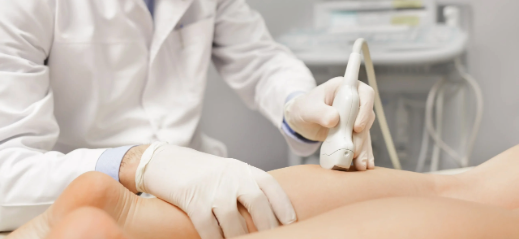
Diagnostic ultrasound for vein disease.
Diagnostic ultrasound for vein disease.
What is venous reflux and how is it detected?
Venous reflux occurs when blood flows in the wrong direction due to valve failure.
Ultrasound allows clinicians to see reflux in real time and identify which veins are affected.
Get the Facts on Chronic Venous Insufficiency. Read the Complete Guide
Symptom Checker
Is vein ultrasound safe and painless?
Yes. Vein ultrasound is non-invasive, does not use radiation, and is generally painless.
Most patients tolerate the test easily and can resume normal activities immediately afterward.
When should you worry? See the Warning Signs of Dangerous Veins
When is ultrasound recommended?
Ultrasound is recommended when patients have symptoms such as pain, swelling, heaviness, skin changes, or recurrent veins.
It is also important before planning treatment to ensure the correct veins are addressed.
Before
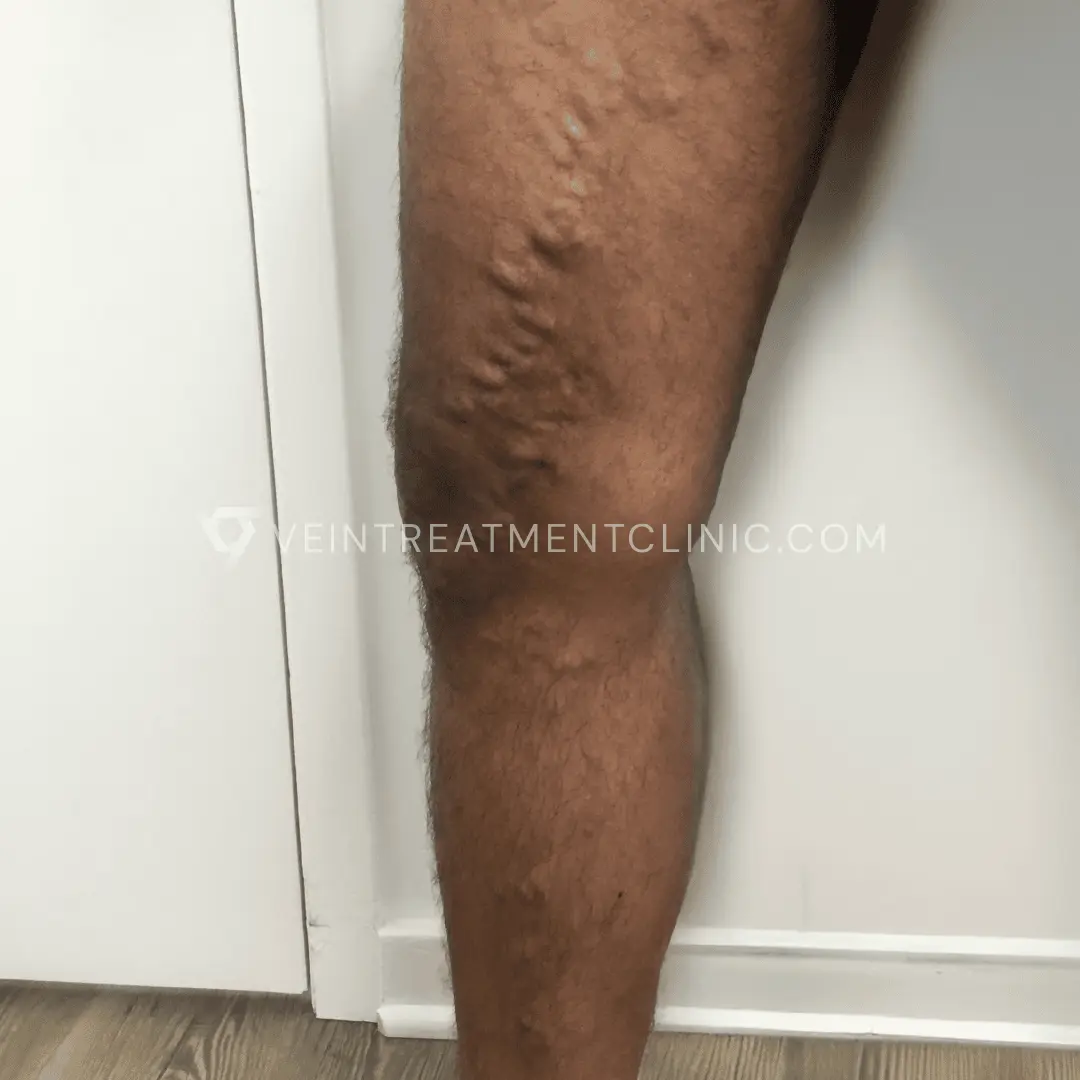
After
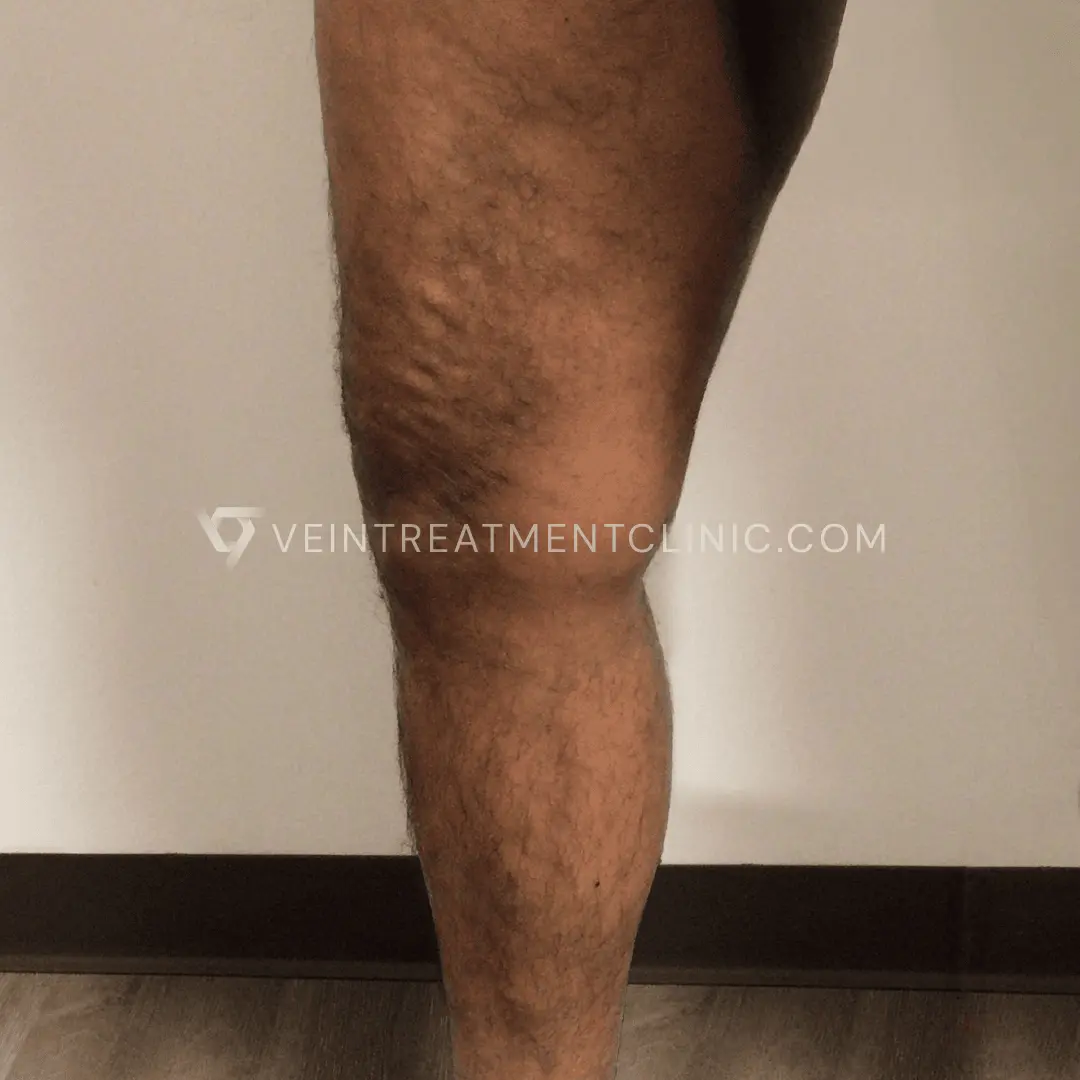
A 37-year-old patient visited our Vein Treatment Clinic, seeking relief from unsightly and painful varicose and spider veins. We performed radiofrequency ablation and sclerotherapy treatments, significantly improving the veins’ appearance and completely eliminating discomfort. The patient is now enjoying a more active and pain-free lifestyle.
Before
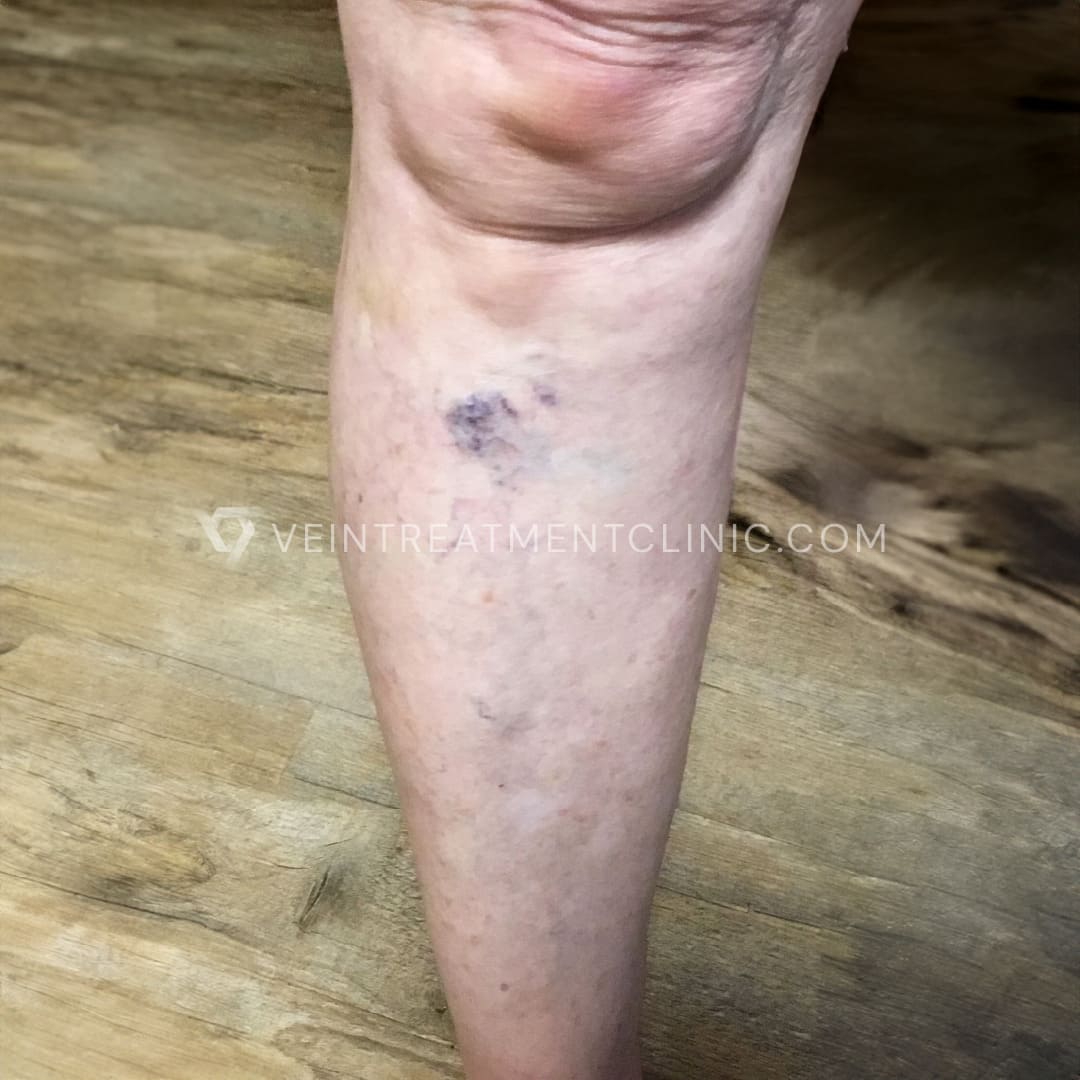
After
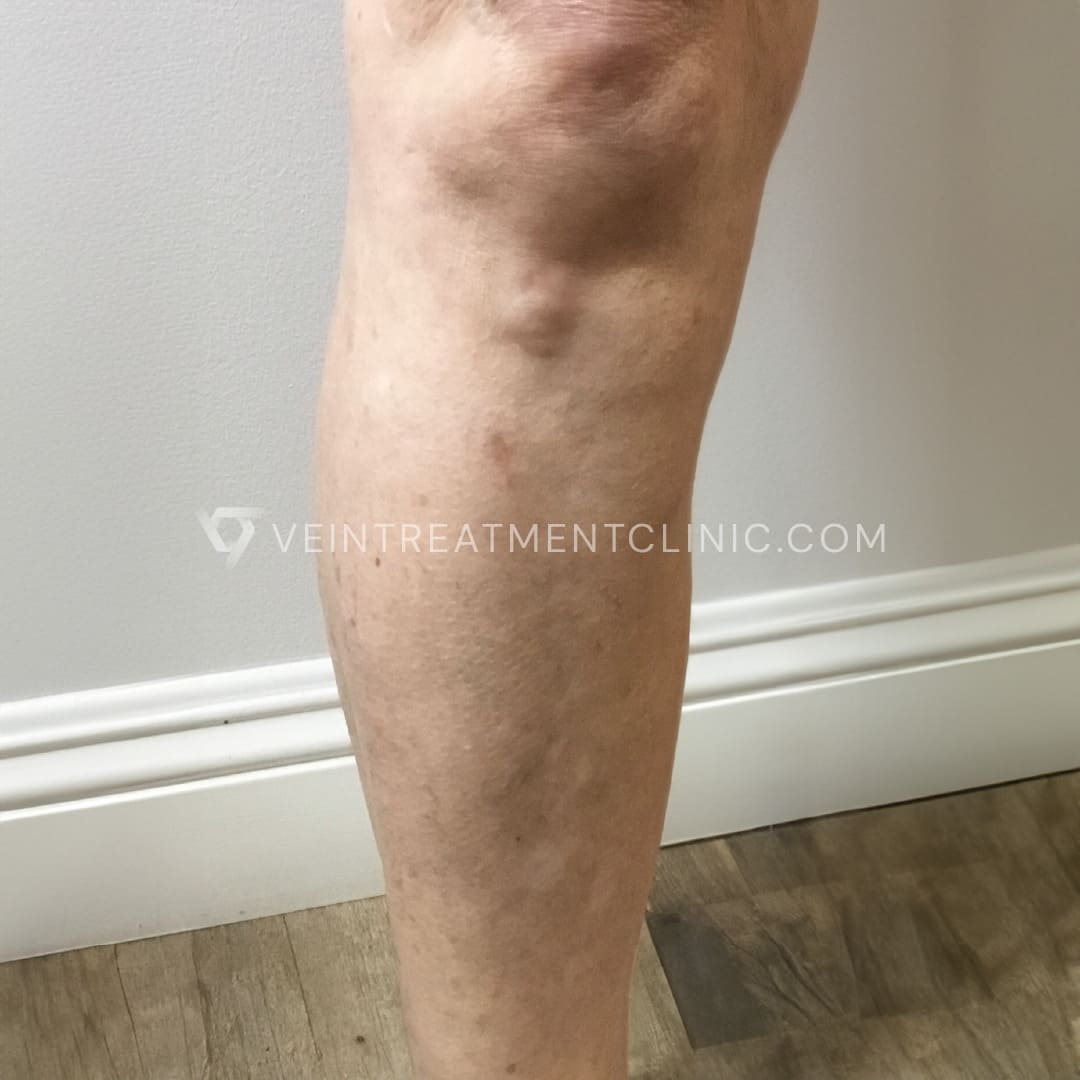
A 69 year-old patient visited our California Vein Clinic, embarrassed by spider veins that had impacted their self-esteem. We performed radiofrequency ablation and sclerotherapy treatments, leaving their legs smooth and healthy. The patient now feels more confident, thanks to this transformative treatment.
Before
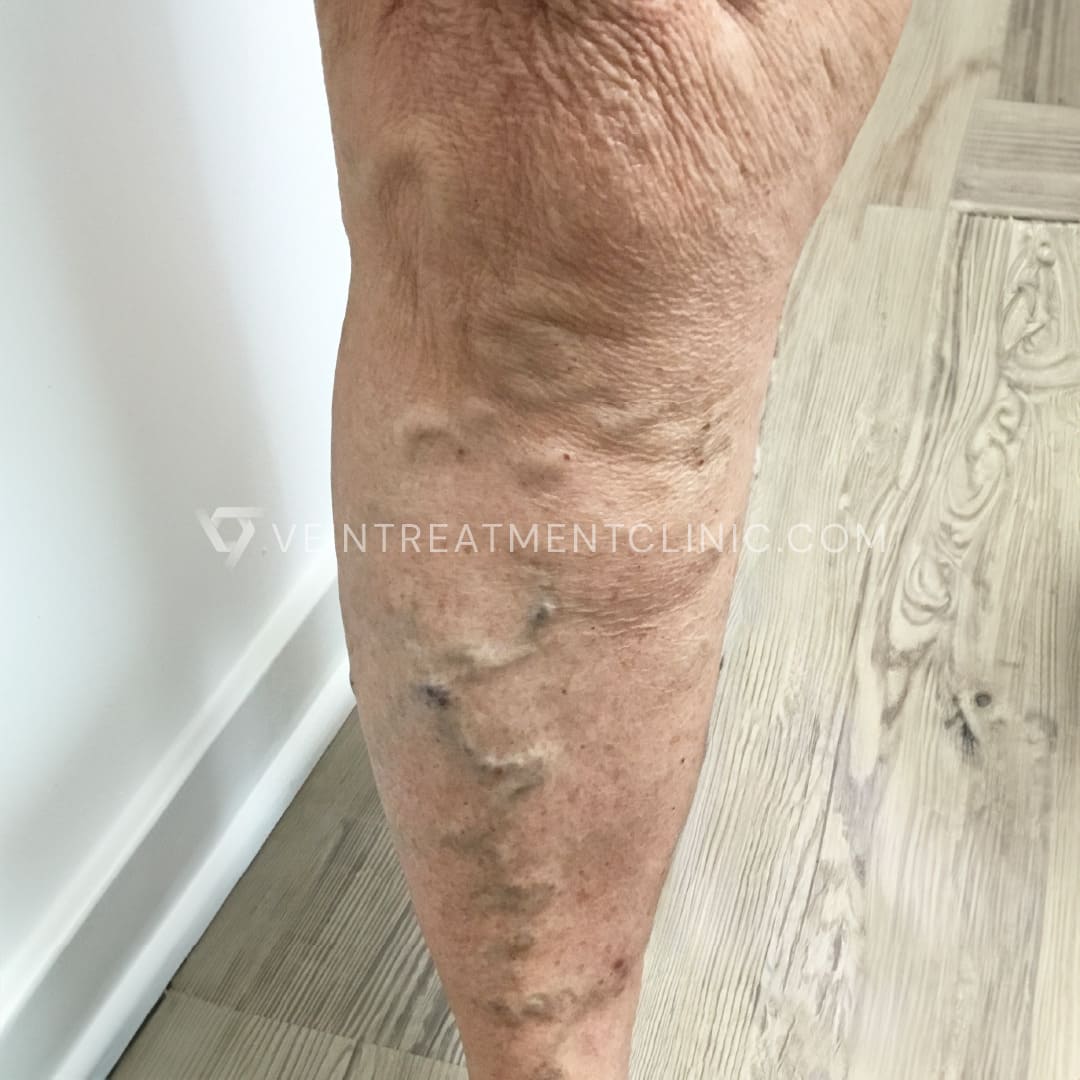
After
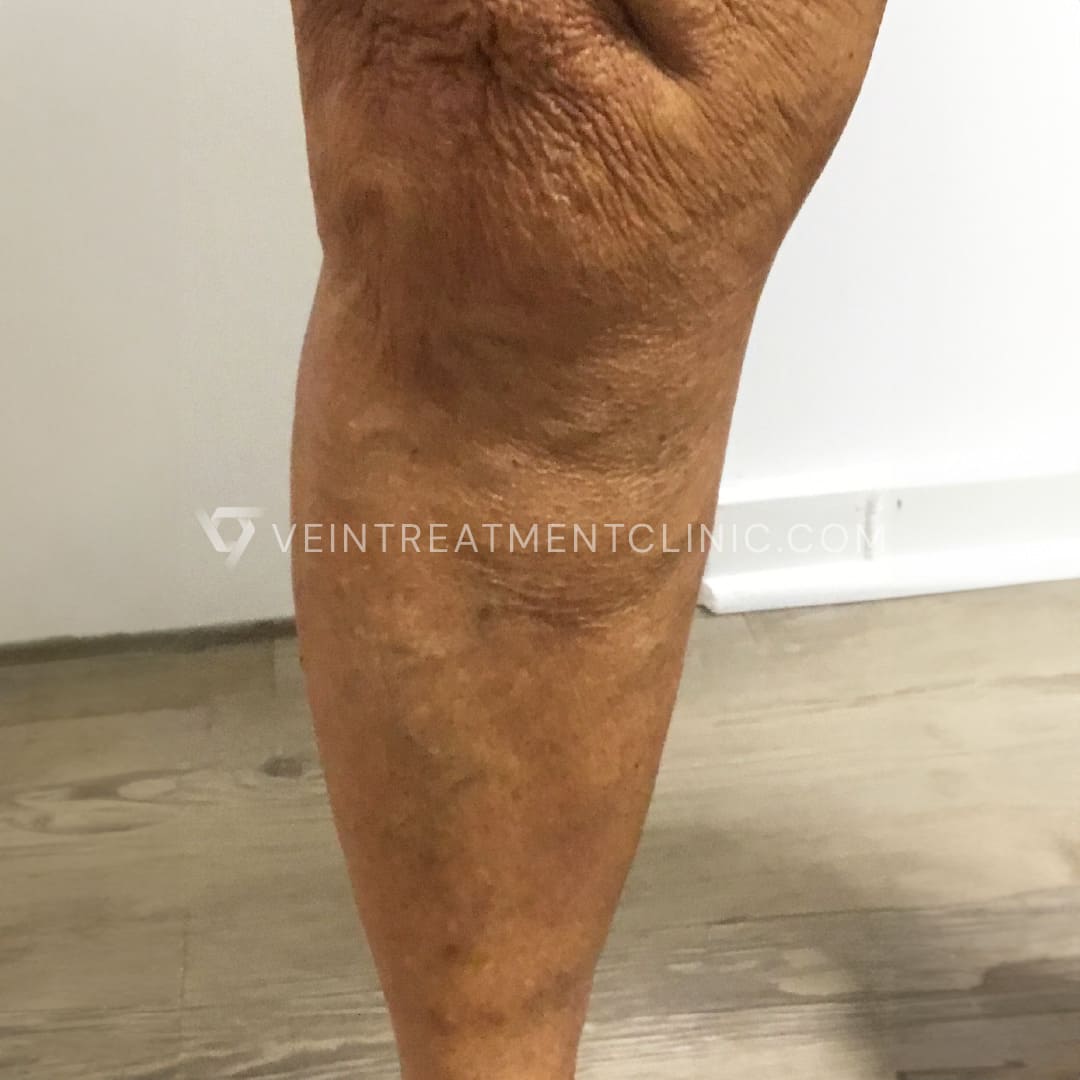
This 84 year-old patient at our New Jersey Vein Treatment Clinic came in with spider veins that had affected their daily routine. We used radiofrequency ablation and sclerotherapy treatments to relieve discomfort and restore both their leg health and confidence. The patient now enjoys a more active and fulfilling lifestyle, free from pain.
Before
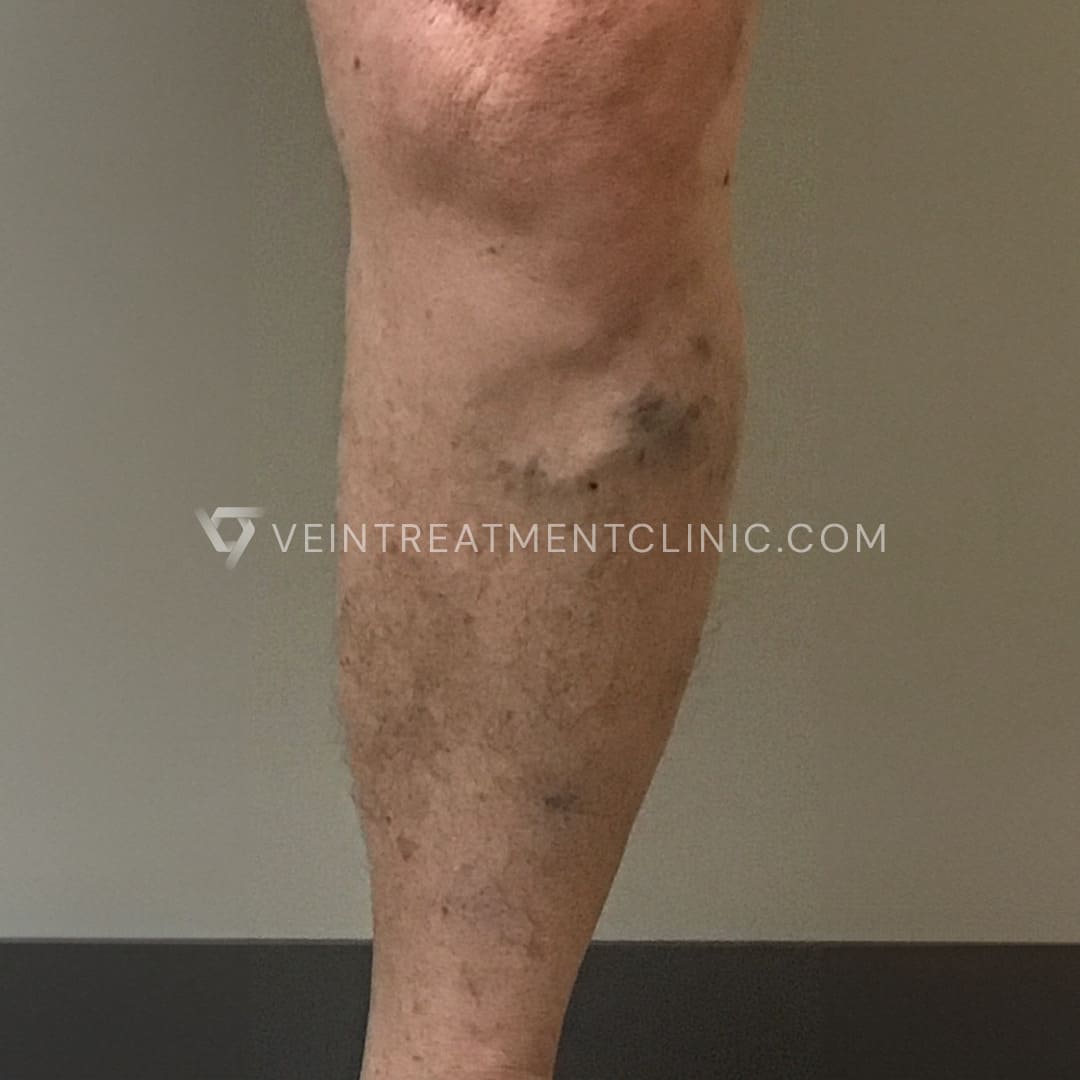
After
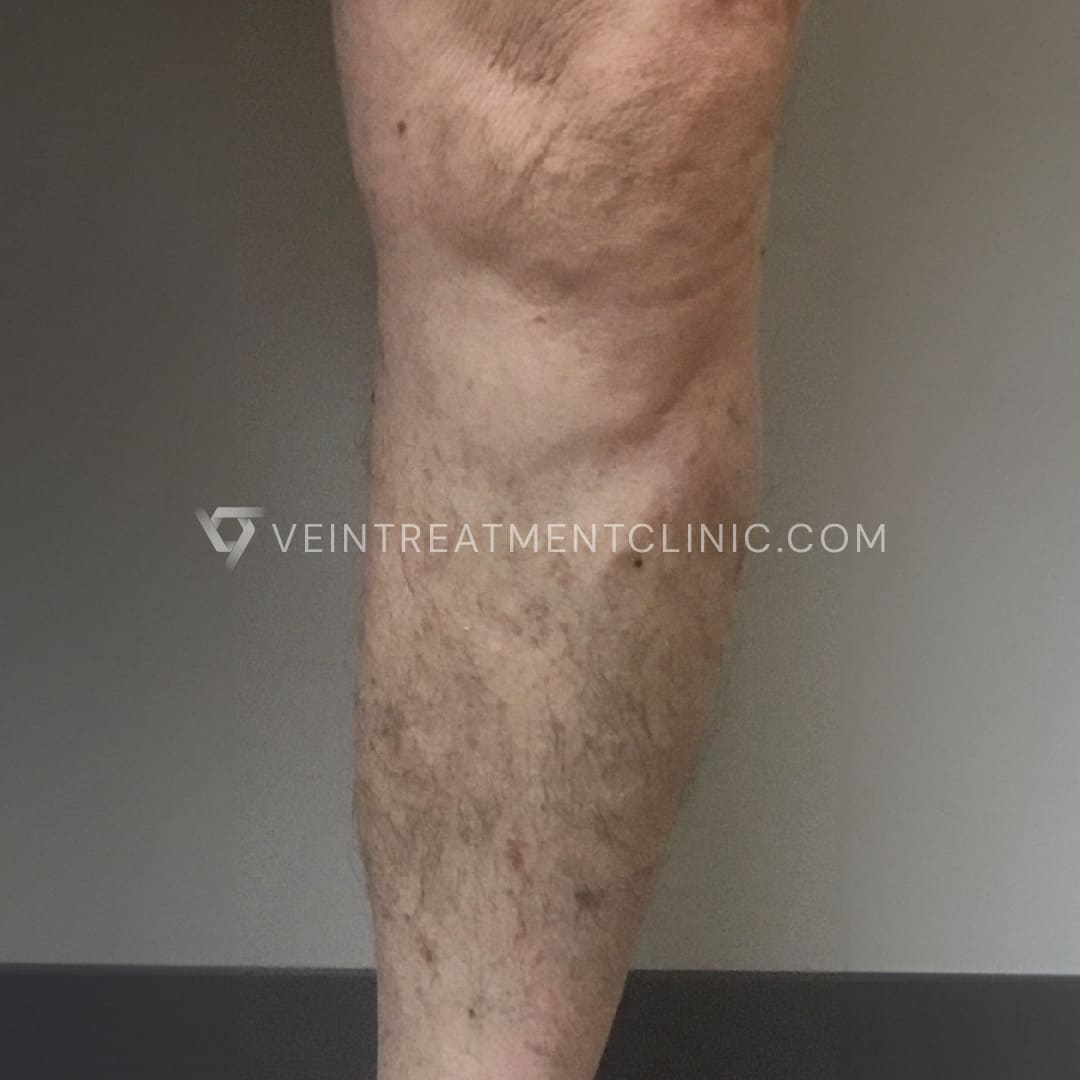
At our Long Island Vein Clinic, we treated this 75 year-old patient with spider veins using radiofrequency ablation and sclerotherapy. These minimally invasive treatments improved both the patient’s appearance and overall well-being, offering transformative results.
Before
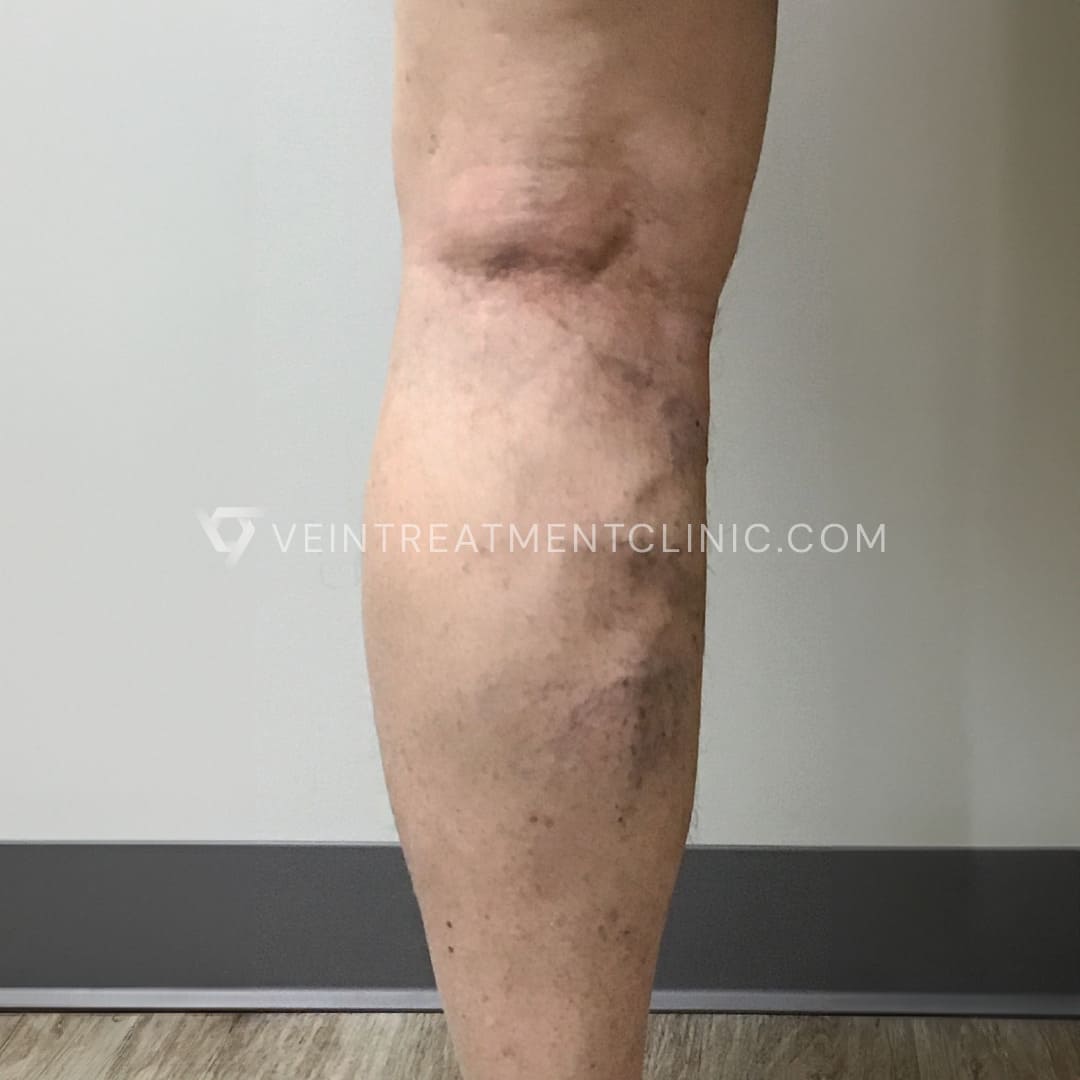
After
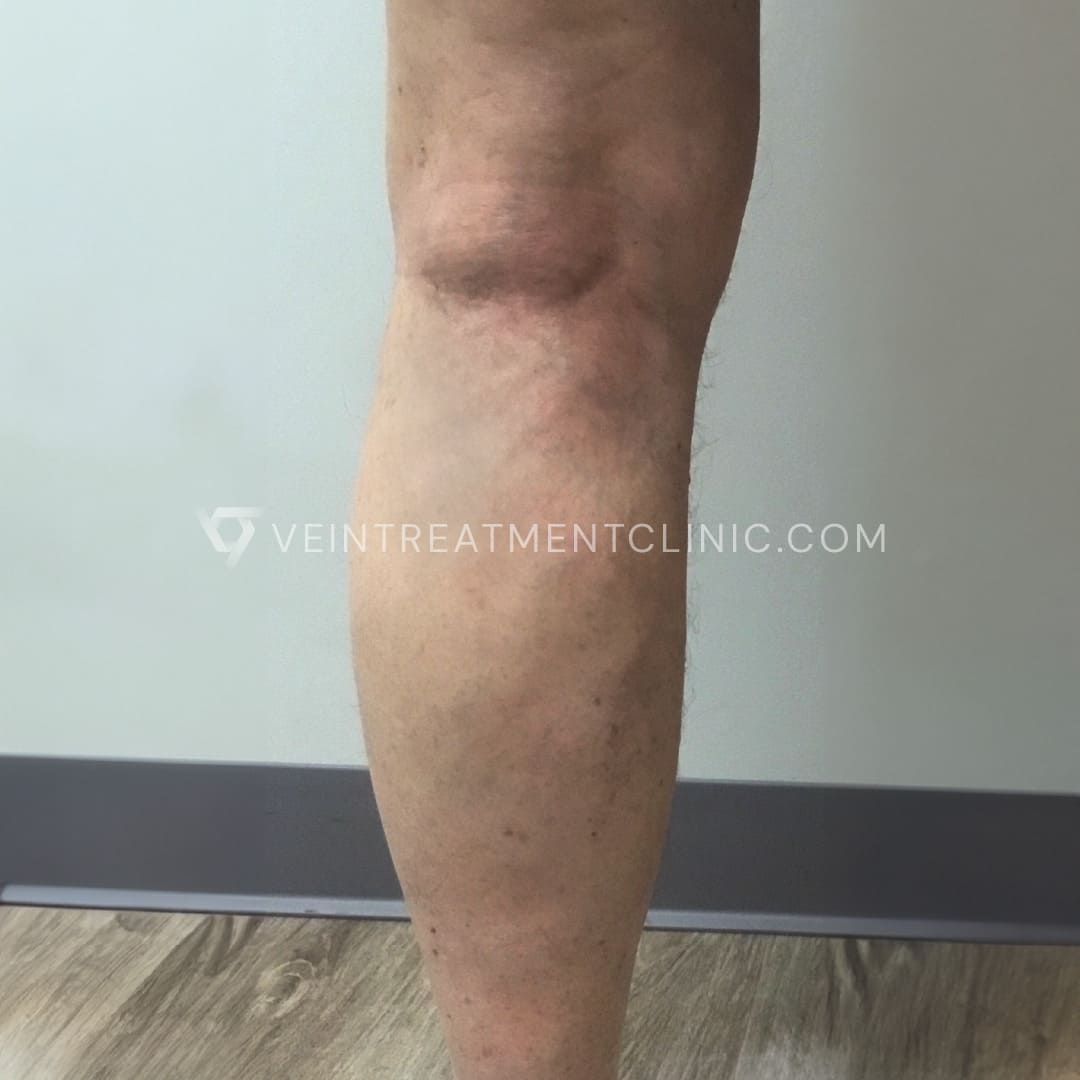
This 75 year-old patient visited our Long Island Vein Treatment Clinic with painful spider veins. We used radiofrequency ablation and sclerotherapy, minimally invasive treatments, to eliminate the veins and restore comfort and confidence. The patient experienced life-changing results
Can varicose veins be diagnosed without symptoms?
Yes. Some patients have varicose veins without noticeable symptoms.
Ultrasound helps determine whether monitoring or treatment is appropriate in these cases.
How diagnosis affects treatment planning?
Accurate diagnosis ensures treatment targets the underlying cause, not just visible veins.
This leads to more effective and longer-lasting results.
When should you see a vein specialist?
Evaluation is recommended if varicose veins cause pain, swelling, skin changes, or interfere with daily activities.
Seeing a specialist helps determine whether monitoring or treatment is appropriate.