

Venous Stasis Disease: What It Is and What It Means for Your Legs

Medically verified
Last updated on 1/29/2026

By Dr. Michael Nguyen
Vein Doctor at Vein Treatment Clinic
Harvard Medical School
Board Certified by the American Board of Venous and Lymphatic Medicine
Venous stasis disease is a condition in which blood does not move efficiently out of the legs and instead collects, or “stagnates,” in the veins. This happens when the normal mechanisms that push blood back toward the heart are impaired, most often due to weakened vein valves.
As blood pools in the veins, pressure inside the vein system increases. Over time, this elevated pressure affects not only the veins themselves but also the surrounding tissue and skin, leading to a recognizable pattern of symptoms and visible changes in the legs.

Understanding the common symptoms of venous stasis helps patients recognize early warning signs and seek evaluation before complications develop.
If you’re experiencing ongoing leg symptoms and aren’t sure why, a vein evaluation can help determine whether venous stasis is the cause.
What is venous stasis disease?
Venous stasis disease is a condition in which blood does not move efficiently out of the legs and instead collects, or “stagnates,” in the veins. This happens when the normal mechanisms that push blood back toward the heart are impaired, most often due to weakened vein valves.
As blood pools in the veins, pressure inside the vein system increases. Over time, this elevated pressure affects not only the veins themselves but also the surrounding tissue and skin, leading to a recognizable pattern of symptoms and visible changes in the legs.
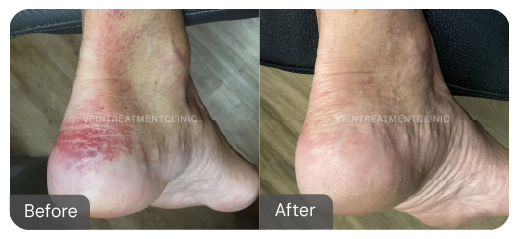
Venous Stasis before and after treatment pictures.
Results may vary according to each case.
Venous Stasis before and after treatment pictures.
Results may vary according to each case.
How venous stasis develops?
Venous stasis develops gradually, usually as a result of long-standing valve failure in the leg veins. Healthy veins rely on one-way valves to keep blood moving upward, but when these valves weaken, blood can flow backward and collect in the lower legs.
Gravity plays a major role in this process. Because the legs are farthest from the heart, even mild valve dysfunction can eventually lead to significant pooling of blood, setting the stage for chronic pressure, inflammation, and tissue damage.
Get the Facts on Chronic Venous Insufficiency. Read the Complete Guide
Is venous stasis the same as chronic venous insufficiency?
Venous stasis and chronic venous insufficiency are closely related but describe different aspects of the same disease process. Chronic venous insufficiency refers to the underlying problem of vein valve failure and reflux.
Venous stasis describes the downstream effects of that valve failure, specifically the pooling of blood and its impact on the skin and tissues. In many cases, venous stasis represents a more advanced stage of chronic venous insufficiency.
Symptom Checker
What symptoms are associated with venous stasis?
Common symptoms of venous stasis include leg swelling, heaviness, aching, fatigue, and a feeling of tightness in the lower legs. These symptoms often worsen throughout the day, especially after prolonged standing or sitting.
As venous stasis progresses, patients may also experience itching, skin irritation, and visible changes in skin color or texture. These symptoms reflect ongoing inflammation and poor circulation.
Does This Sound Like You? Identify the Warning Signs Before They Progress
How venous stasis affects the skin?
When blood pools in the veins for long periods, fluid and inflammatory substances leak into the surrounding skin. This disrupts the normal skin barrier and leads to redness, itching, and scaling.
Over time, the skin may darken, thicken, or become fragile. These changes are not just cosmetic; they signal chronic damage caused by prolonged venous pressure.
Beyond Looks – See if Your Veins Impact Your Health
Can venous stasis lead to ulcers?
Yes. In advanced stages, venous stasis can lead to venous stasis ulcers, which are open sores that usually develop near the ankles. These ulcers occur because the skin and underlying tissue are no longer receiving adequate oxygen and nutrients.
Venous ulcers tend to heal slowly and often recur unless the underlying circulation problem is treated. Their presence indicates significant progression of venous disease.
Table of contents
1. What is venous stasis disease?
2. How venous stasis develops?
3. Is venous stasis the same as chronic venous insufficiency?
4. What symptoms are associated with venous stasis?
5. How venous stasis affects the skin?
6. Can venous stasis lead to ulcers?
7. Is venous stasis dangerous?
8. Why venous stasis does not improve on its own?
9. How a vein evaluation helps diagnose venous stasis?
10. What treatments help address venous stasis disease?
11. When should you see a vein specialist?

Get treated by vein treatment industry leaders
Results that speak for themselves
You can expect results like these with our specialized treatments for spider & varicose veins performed by the best experts in the country.
Before
After
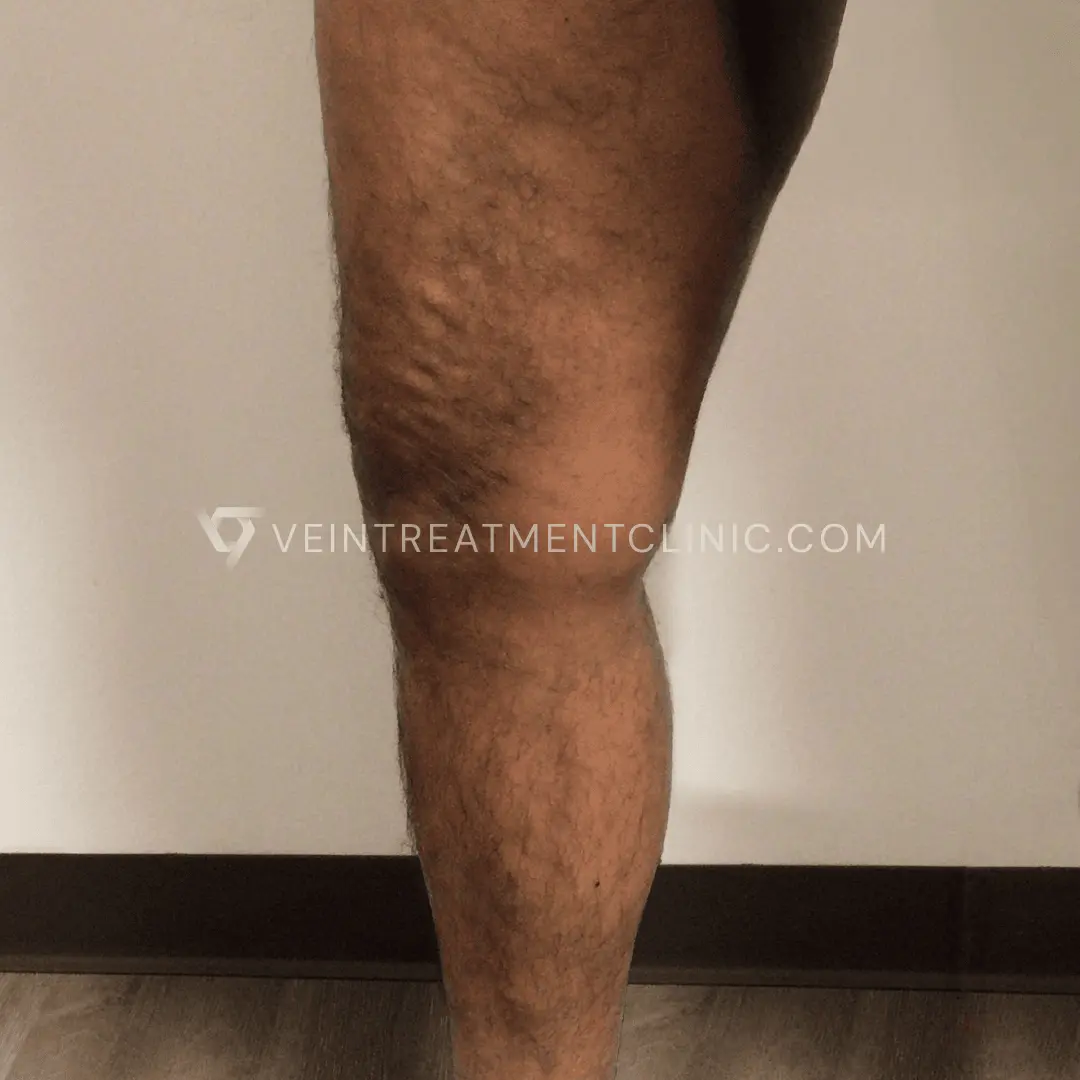
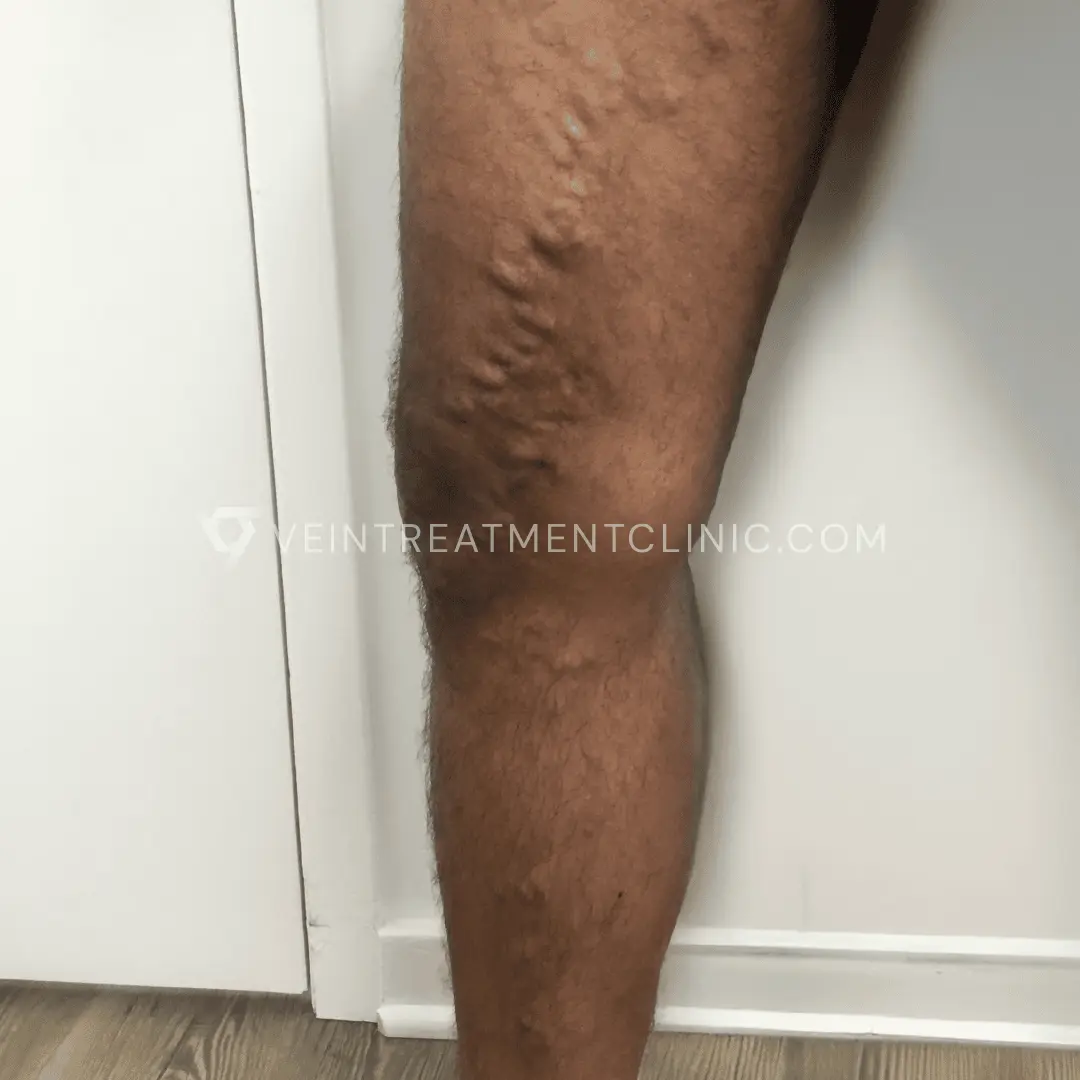
A 37-year-old patient visited our Vein Treatment Clinic, seeking relief from unsightly and painful varicose and spider veins. We performed radiofrequency ablation and sclerotherapy treatments, significantly improving the veins’ appearance and completely eliminating discomfort. The patient is now enjoying a more active and pain-free lifestyle.
Before
After
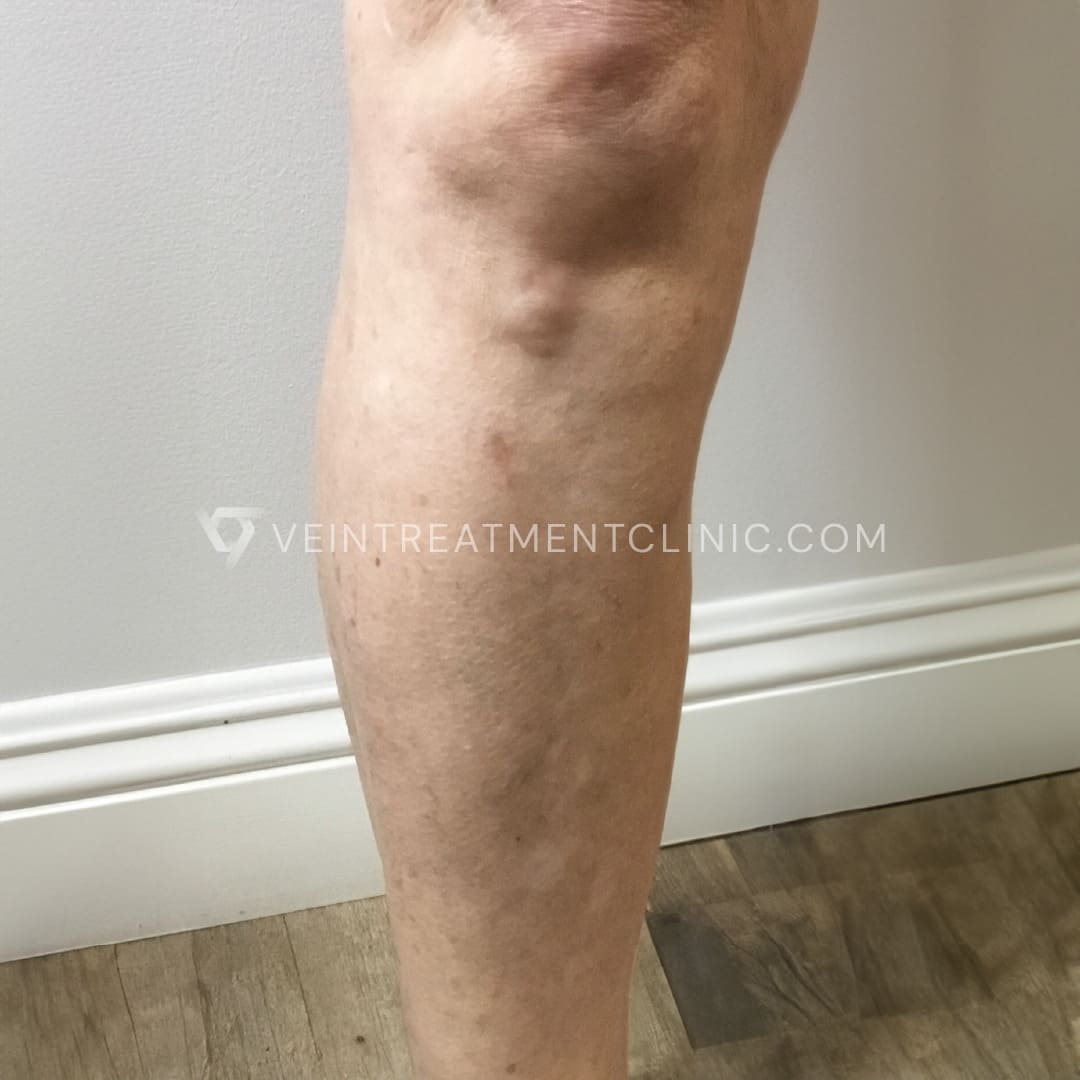
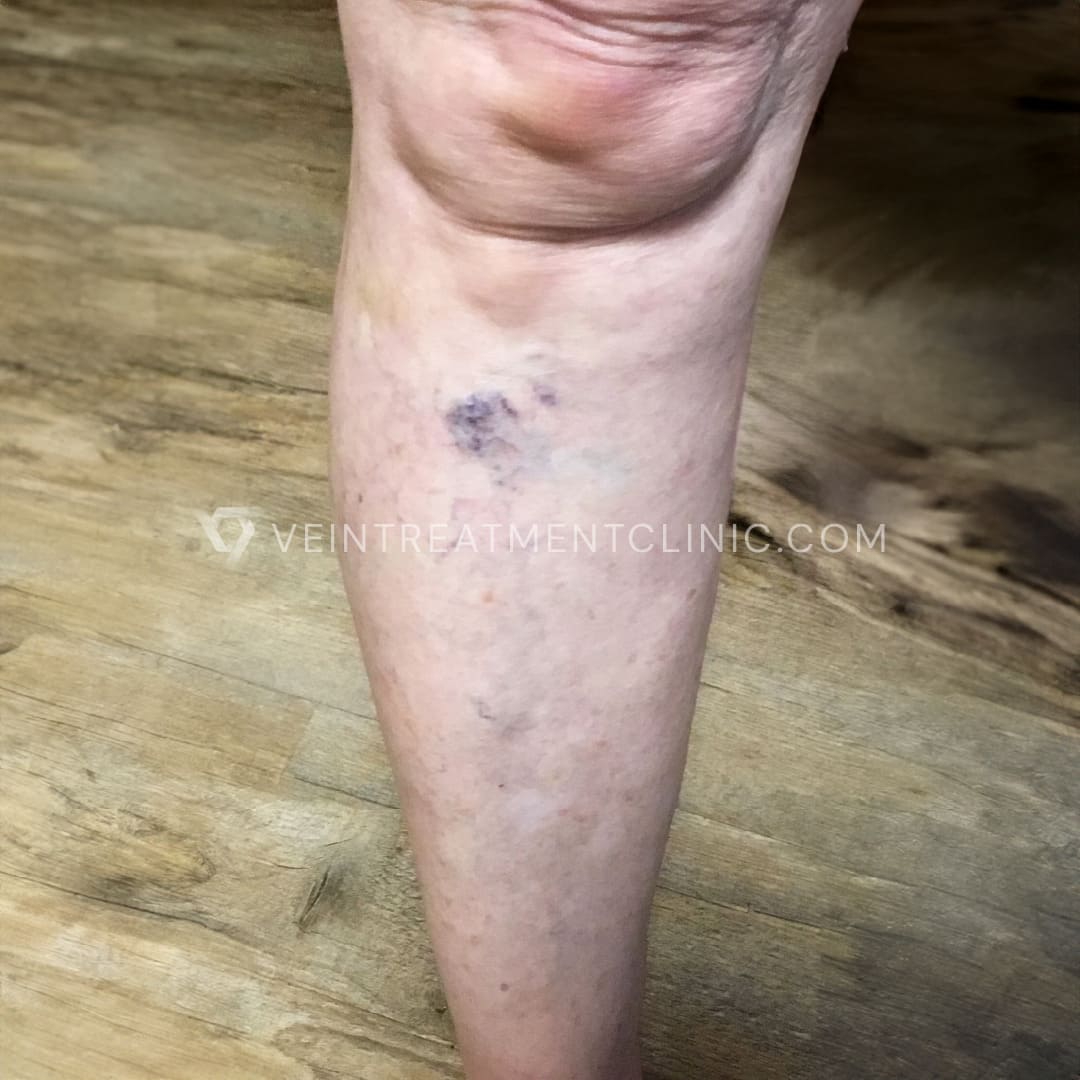
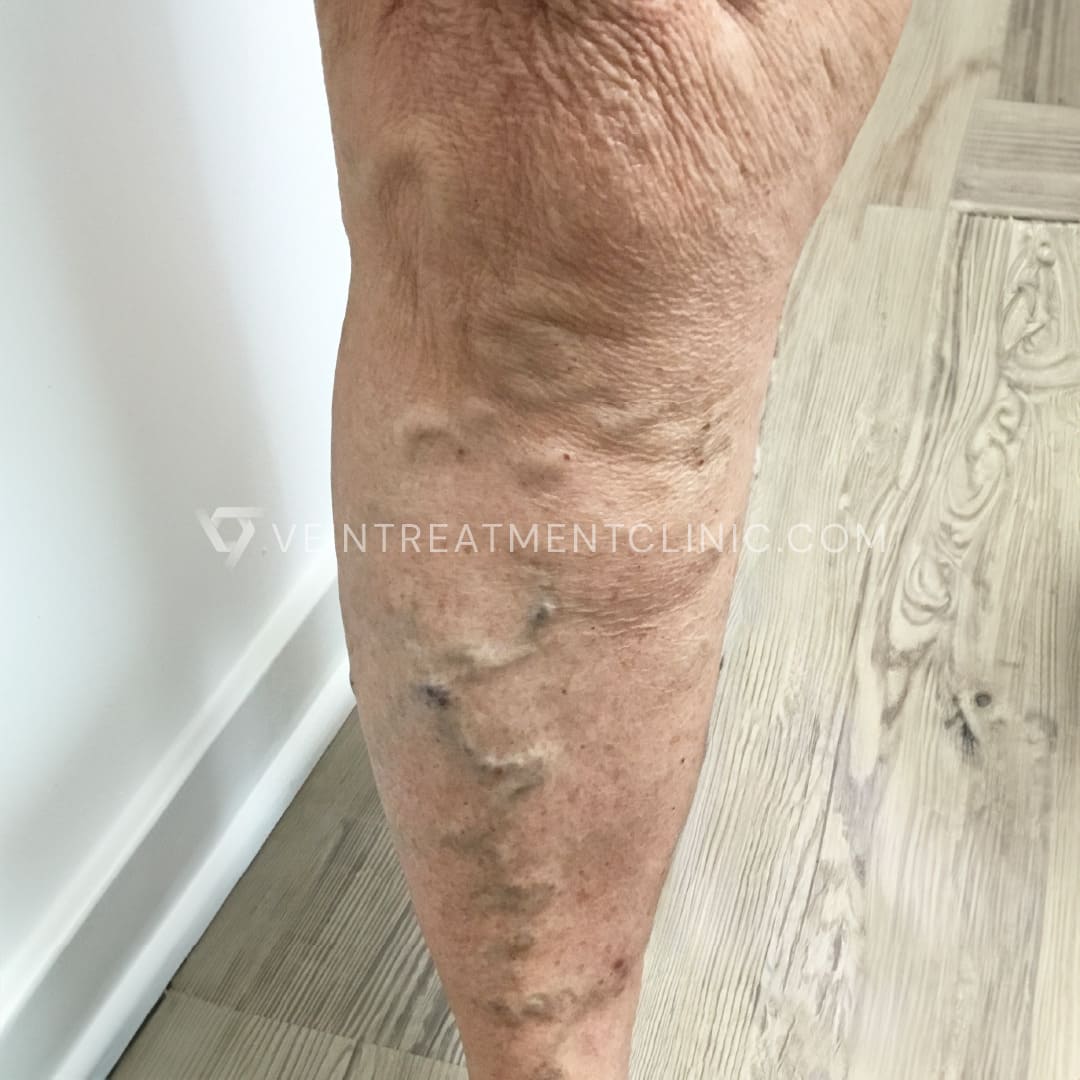
A 69 year-old patient visited our California Vein Clinic, embarrassed by spider veins that had impacted their self-esteem. We performed radiofrequency ablation and sclerotherapy treatments, leaving their legs smooth and healthy. The patient now feels more confident, thanks to this transformative treatment.
Before
After
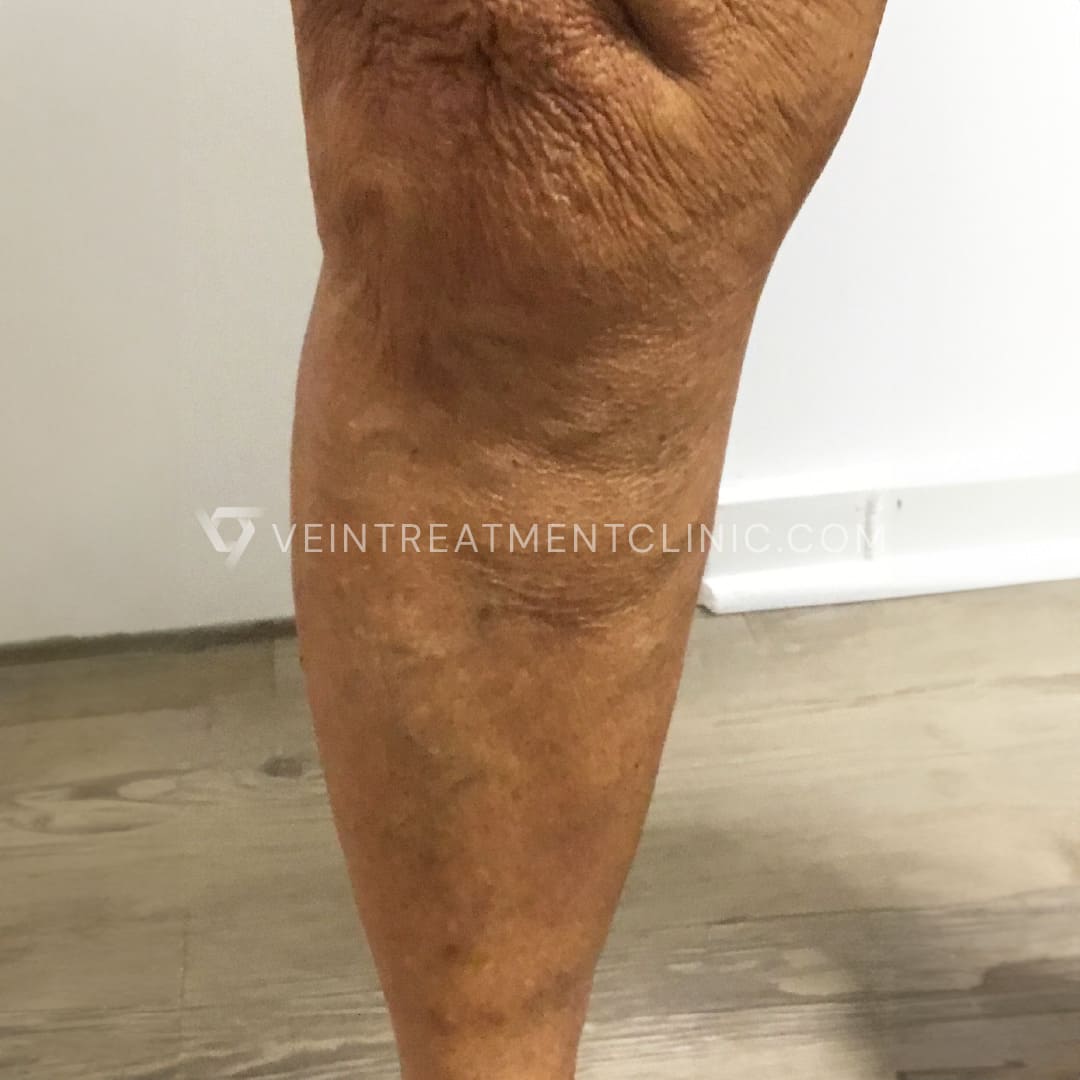
This 84 year-old patient at our New Jersey Vein Treatment Clinic came in with spider veins that had affected their daily routine. We used radiofrequency ablation and sclerotherapy treatments to relieve discomfort and restore both their leg health and confidence. The patient now enjoys a more active and fulfilling lifestyle, free from pain.
Before
After
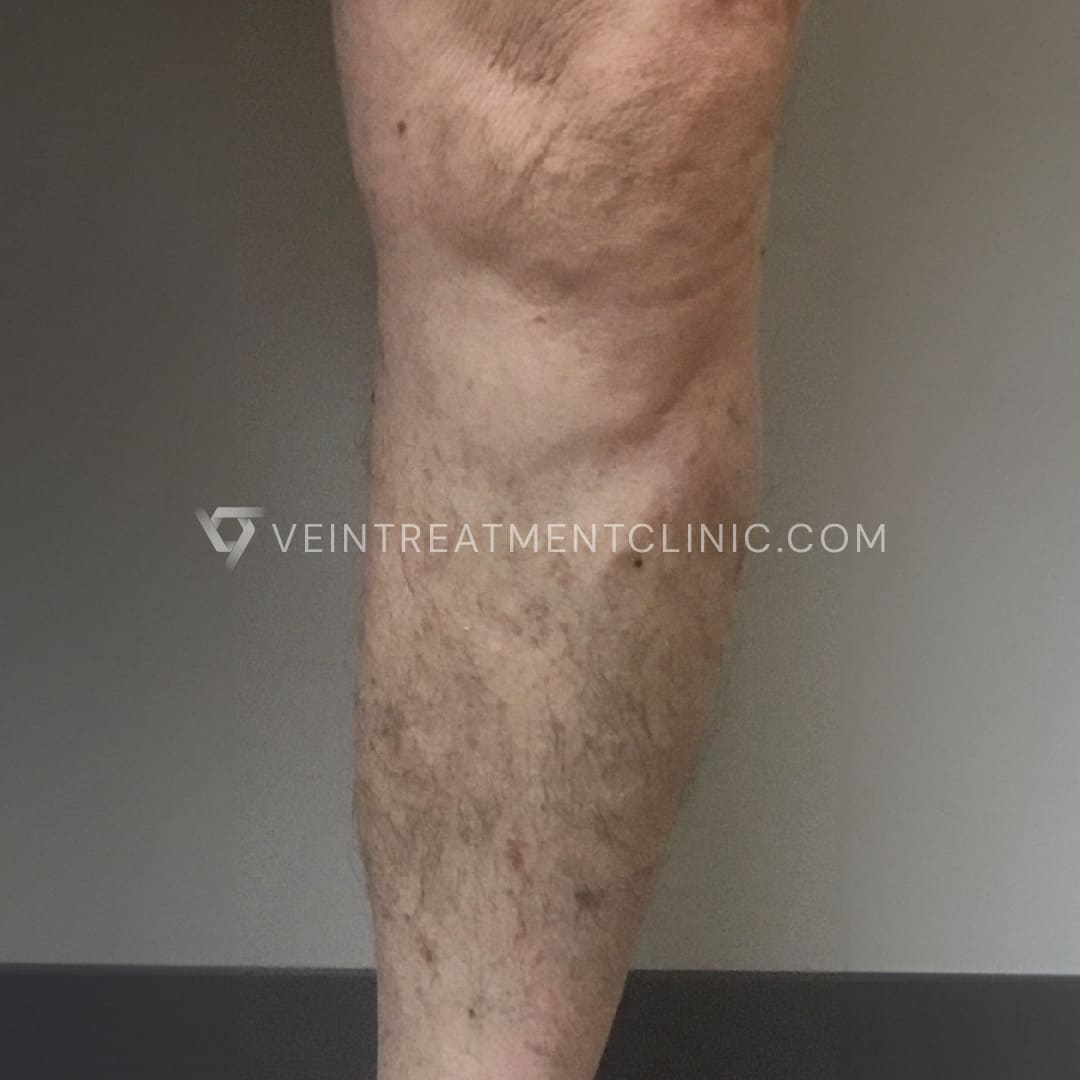
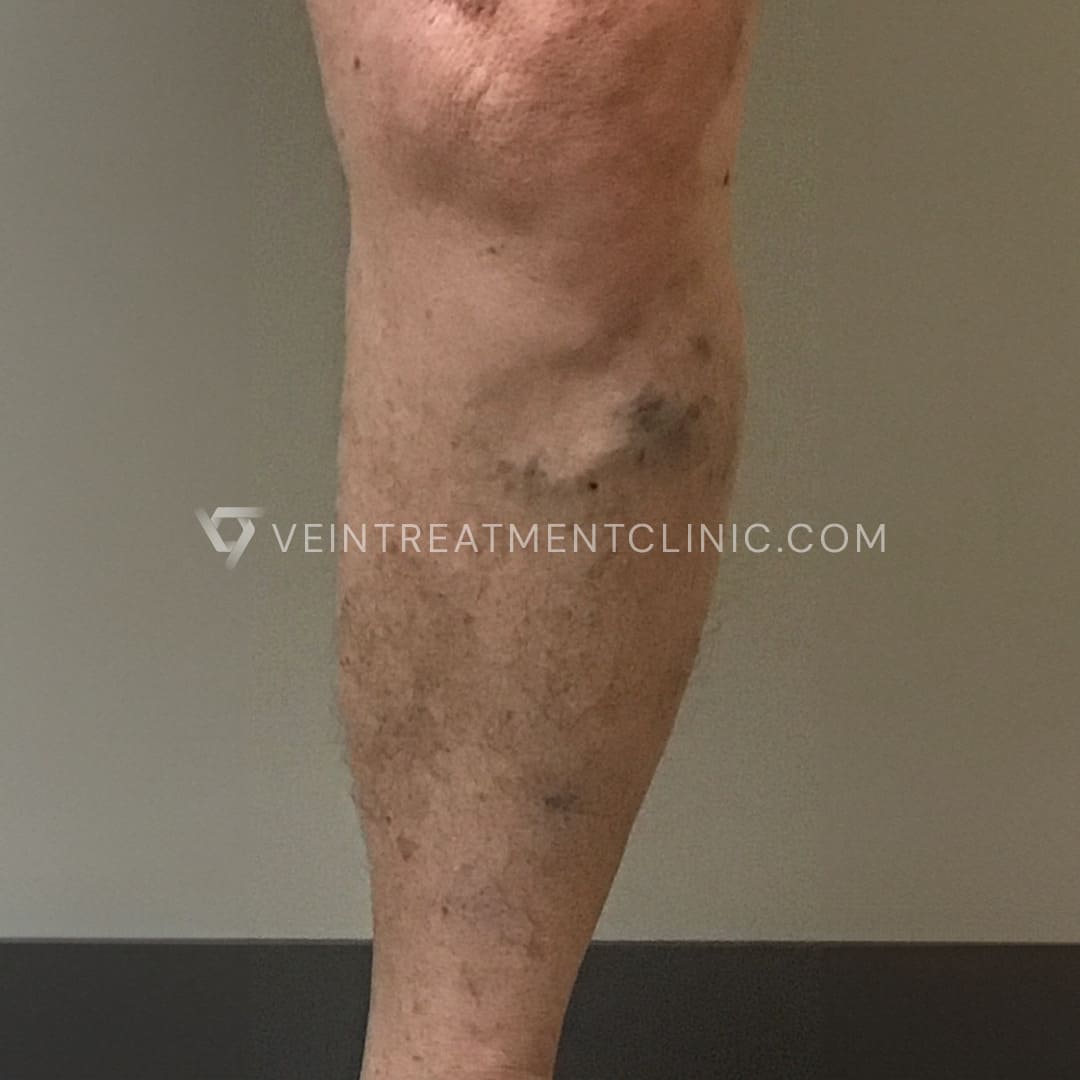
At our Long Island Vein Clinic, we treated this 75 year-old patient with spider veins using radiofrequency ablation and sclerotherapy. These minimally invasive treatments improved both the patient’s appearance and overall well-being, offering transformative results.
Before
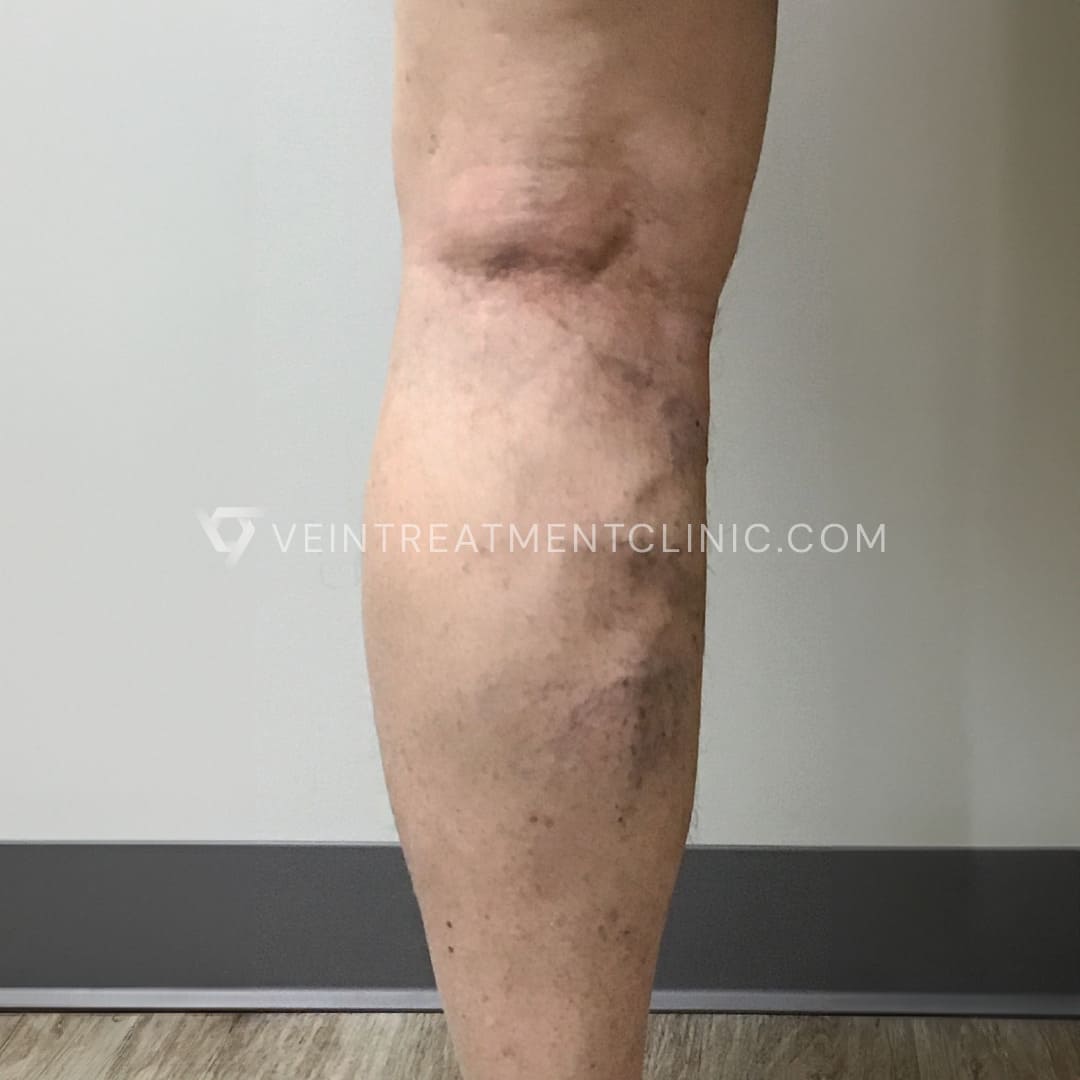
After
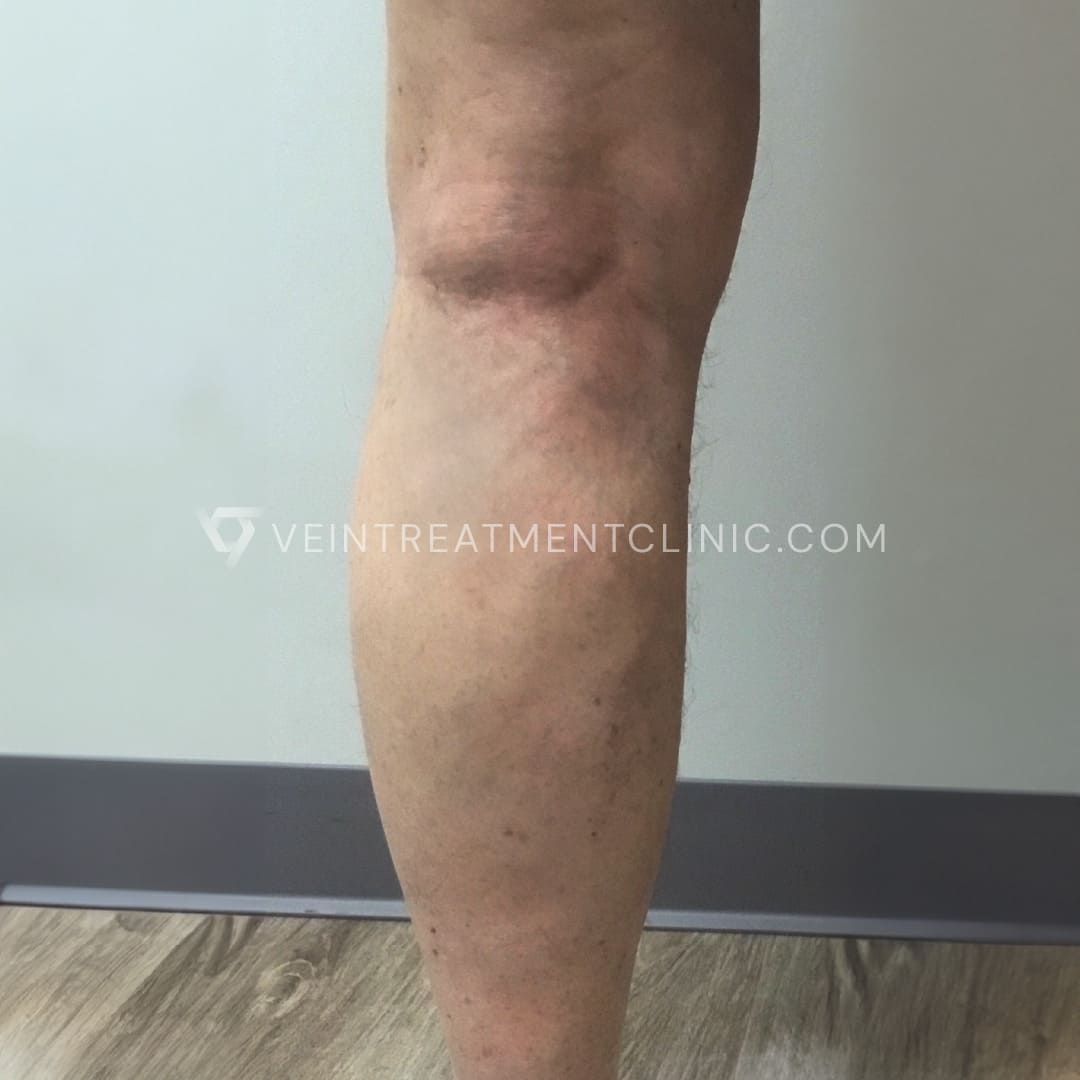
This 75 year-old patient visited our Long Island Vein Treatment Clinic with painful spider veins. We used radiofrequency ablation and sclerotherapy, minimally invasive treatments, to eliminate the veins and restore comfort and confidence. The patient experienced life-changing results
Is venous stasis dangerous?
Venous stasis is not usually life-threatening in the short term, but it is a serious chronic condition. Without intervention, it can significantly affect quality of life and lead to ongoing skin damage.
Complications such as infection, bleeding, and chronic ulcers become more likely as the disease progresses. Early evaluation can reduce these risks.
Why venous stasis does not improve on its own?
The vein valve damage that causes venous stasis does not heal spontaneously. Once valves fail, the abnormal blood flow pattern tends to persist or worsen over time.
Without treatment to improve circulation and reduce pressure, the cycle of pooling, inflammation, and tissue damage continues, leading to progressive symptoms.
How a vein evaluation helps diagnose venous stasis?
A vein evaluation is the most effective way to determine whether venous stasis is present and how severe it is. This typically includes a detailed symptom review, physical examination, and ultrasound imaging.
Ultrasound allows specialists to see how blood is flowing in real time and identify valve failure, reflux, and areas of pooling that drive venous stasis.
Get a Peek Inside Your Veins—Book Your Ultrasound Evaluation.
Most PPO insurances cover vein treatment!
and 100+ more
Speak with an expert at 844-690-1788
What treatments help address venous stasis disease?
Treatments for venous stasis focus on reducing vein pressure and improving blood flow out of the legs. By correcting the underlying circulation problem, symptoms and skin changes often improve.
Most modern treatments are non-surgical and performed in an outpatient setting. These approaches are designed to restore healthier circulation while minimizing downtime.
When should you see a vein specialist?
You should consider seeing a vein specialist if you have persistent leg swelling, skin changes, itching, heaviness, or discomfort that does not improve with simple measures.
Early evaluation allows treatment to begin before more severe complications, such as ulcers or chronic skin damage, develop.
Think You Have Vein Disease? Schedule a Professional Evaluation
< Vein Treatment
Stasis dermatitis >
About the Medical Team at Vein Treatment Clinic
Vein Treatment Clinic is powered by VIP Medical Group and built around a single guiding principle: deliver the highest standard of vein care using an academic, evidence-based approach combined with the most advanced, minimally invasive technology available today.
Clinical leadership at Vein Treatment Clinic is guided by board-certified vein specialists, including Dr. Michael Nguyen, whose training and experience help shape the clinic’s rigorous standards of care.
All physicians at Vein Treatment Clinic follow a structured, highly standardized clinical model. This includes ongoing training in the latest non-surgical vein treatments, continuous review of emerging research, and strict adherence to proven safety and quality protocols.
Patients benefit from a team-based model of care where expertise is shared, best practices are consistently applied, and treatment recommendations are driven by data, experience, and long-term results.


See how we change lives
Start Your Journey to Pain-Free Legs
At Vein Treatment Clinic, education is considered a core part of treatment. Patients are encouraged to understand their condition, their options, and the reasoning behind each recommendation, so they can move forward with clarity and confidence.
If you’d like clarity about your varicose veins and what treatment options make sense for you, a vein evaluation can help guide that decision. Submit the form below to start your journey!
We’ll verify
your insurance
coverage for you
Please fill out the form provided, and one of our dedicated patient coordinators will promptly reach out to you.
During the call, they will assist you in scheduling your visit at a convenient time and will also verify your insurance coverage to ensure a smooth and stress-free experience.
We are here to help guide you through every step of the process!