

Table of contents

Get treated by vein treatment industry leaders
What Is Chronic Venous Insufficiency?

Medically verified
Last updated on 1/29/2026

By Dr. Michael Nguyen
Vein Doctor at Vein Treatment Clinic
Harvard Medical School
Board Certified by the American Board of Venous and Lymphatic Medicine
Chronic venous insufficiency, often called CVI, is a form of chronic vein disease in which the veins in the legs cannot move blood efficiently back toward the heart. In simple terms, it means blood is not flowing properly because the vein valves are not working as they should.
Over time, this backward blood flow, also known as venous reflux disease, increases pressure inside the veins and contributes to swelling, skin changes, discomfort, and other symptoms.
In other words, chronic venous insufficiency is a circulation problem in the leg veins caused by valve dysfunction.

Understanding what chronic venous insufficiency is helps patients recognize early warning signs and seek evaluation before complications develop.
If you’re experiencing ongoing leg symptoms and aren’t sure why, a vein evaluation can help determine whether chronic venous insufficiency is the cause.
What causes chronic venous insufficiency?
Chronic venous insufficiency develops when the one-way valves inside the leg veins fail to close properly. This valve dysfunction allows blood to flow backward instead of returning efficiently to the heart.
Over time, this persistent backward flow, known as venous reflux, increases pressure in the veins and drives the progression of chronic vein disease.
How does chronic venous insufficiency affect circulation?
Backward blood flow increases pressure within the veins, stretching vein walls over time.
This pressure affects surrounding tissues and leads to swelling, skin changes, and visible veins.
Understand Your Veins – See How Your Flow Changes
What are common symptoms of chronic venous insufficiency?
Common symptoms include leg swelling, heaviness, aching, fatigue, itching, and skin discoloration near the ankles.
Symptoms often worsen later in the day and improve with leg elevation.
Does This Sound Like You? Check Your Symptoms
Symptom Checker
How is chronic venous insufficiency related to varicose veins?
Varicose veins are often a visible sign of underlying venous reflux disease. While not every patient with chronic venous insufficiency develops large varicose veins, both conditions share the same root problem of vein valve failure.
The Connection: See How One Condition Leads to Another
Can chronic venous insufficiency get worse over time?
Yes. Chronic venous insufficiency is a progressive condition if left untreated.
Over time, symptoms may worsen and skin changes or ulcers can develop.
What skin changes are associated with chronic venous insufficiency?
Skin changes may include darkening, thickening, dryness, itching, or a tight, leathery appearance near the ankles.
These changes indicate long-standing vein pressure and should be evaluated.
Beyond Looks – See if Your Veins Impact Your Health
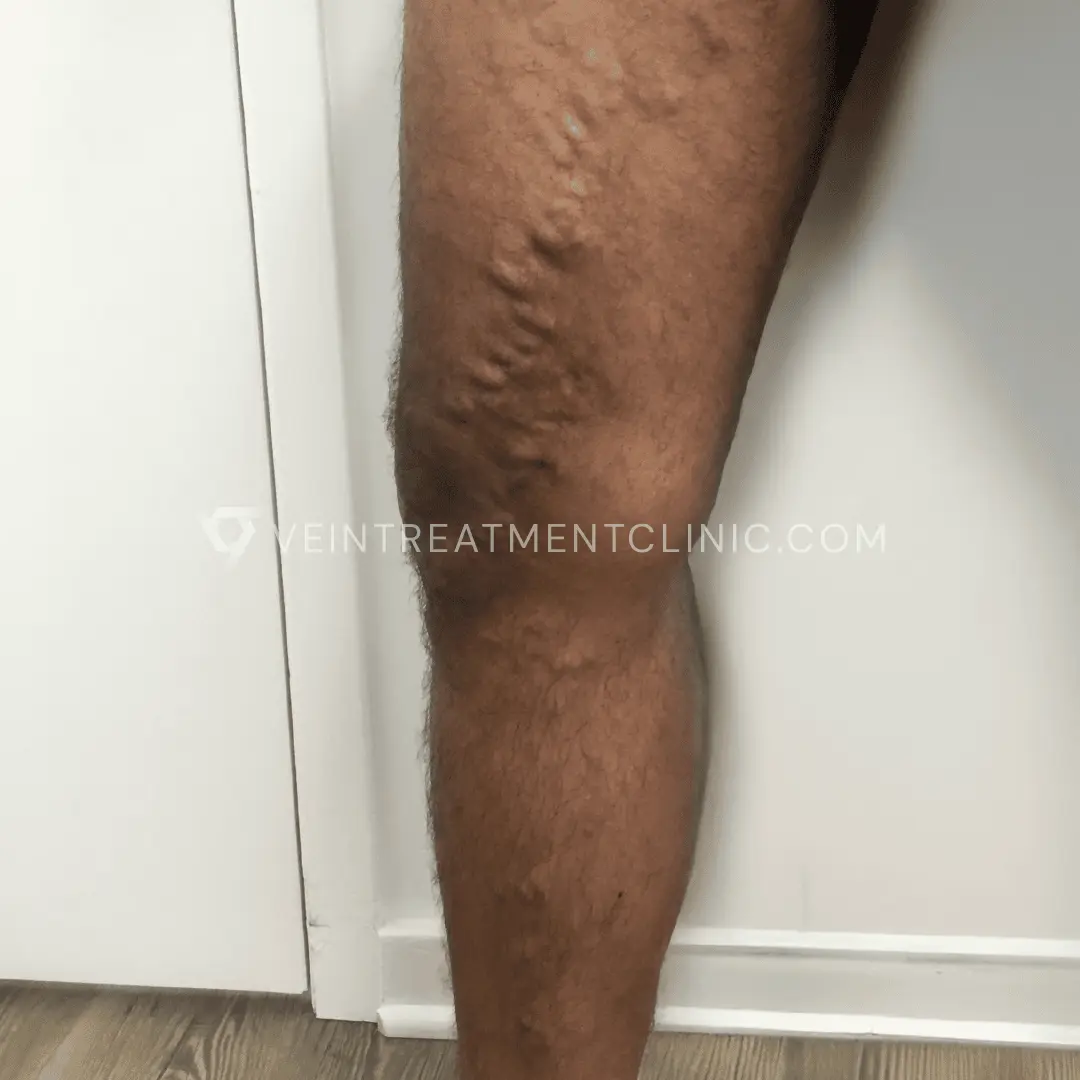
Before
After
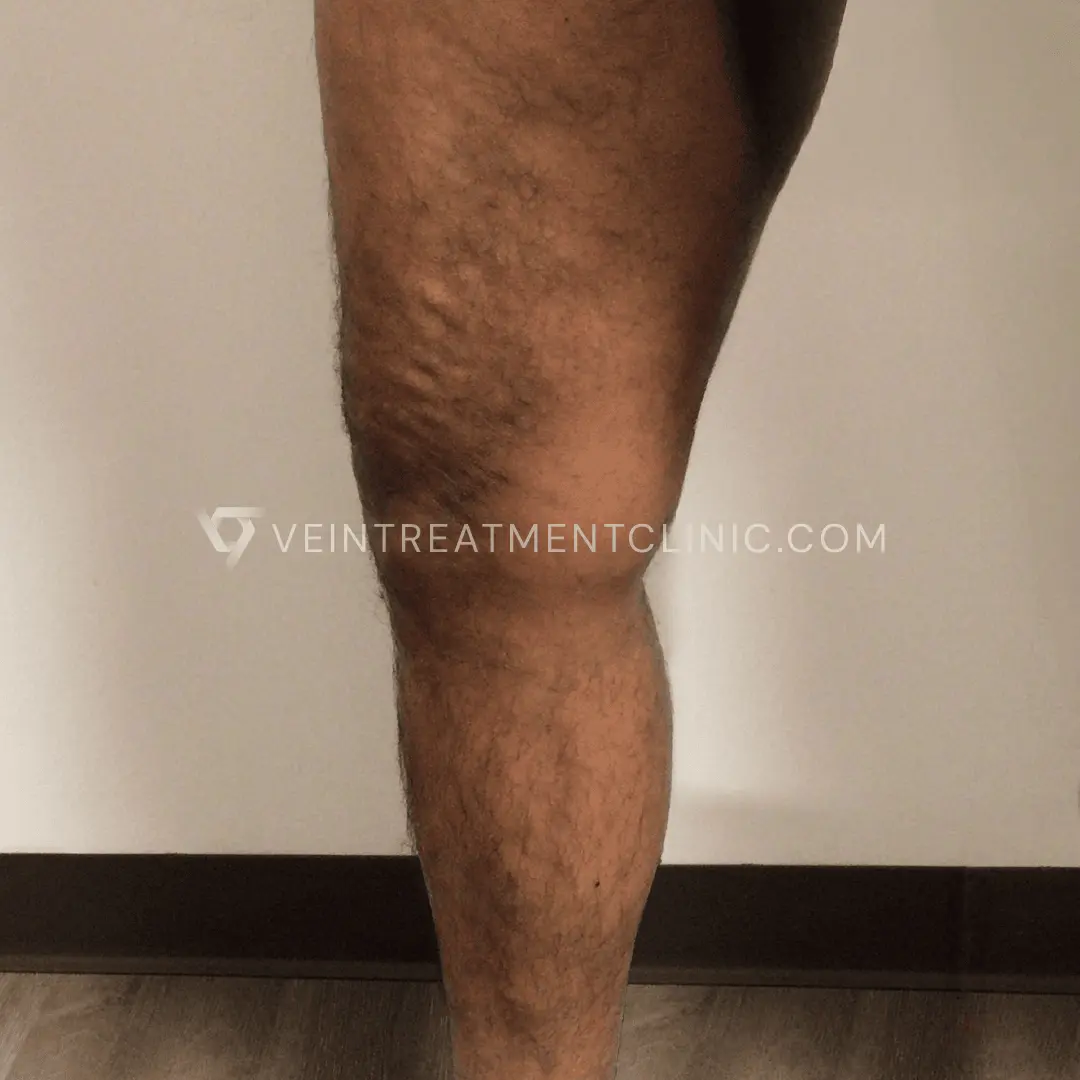
A 37-year-old patient visited our Vein Treatment Clinic, seeking relief from unsightly and painful varicose and spider veins. We performed radiofrequency ablation and sclerotherapy treatments, significantly improving the veins’ appearance and completely eliminating discomfort. The patient is now enjoying a more active and pain-free lifestyle.
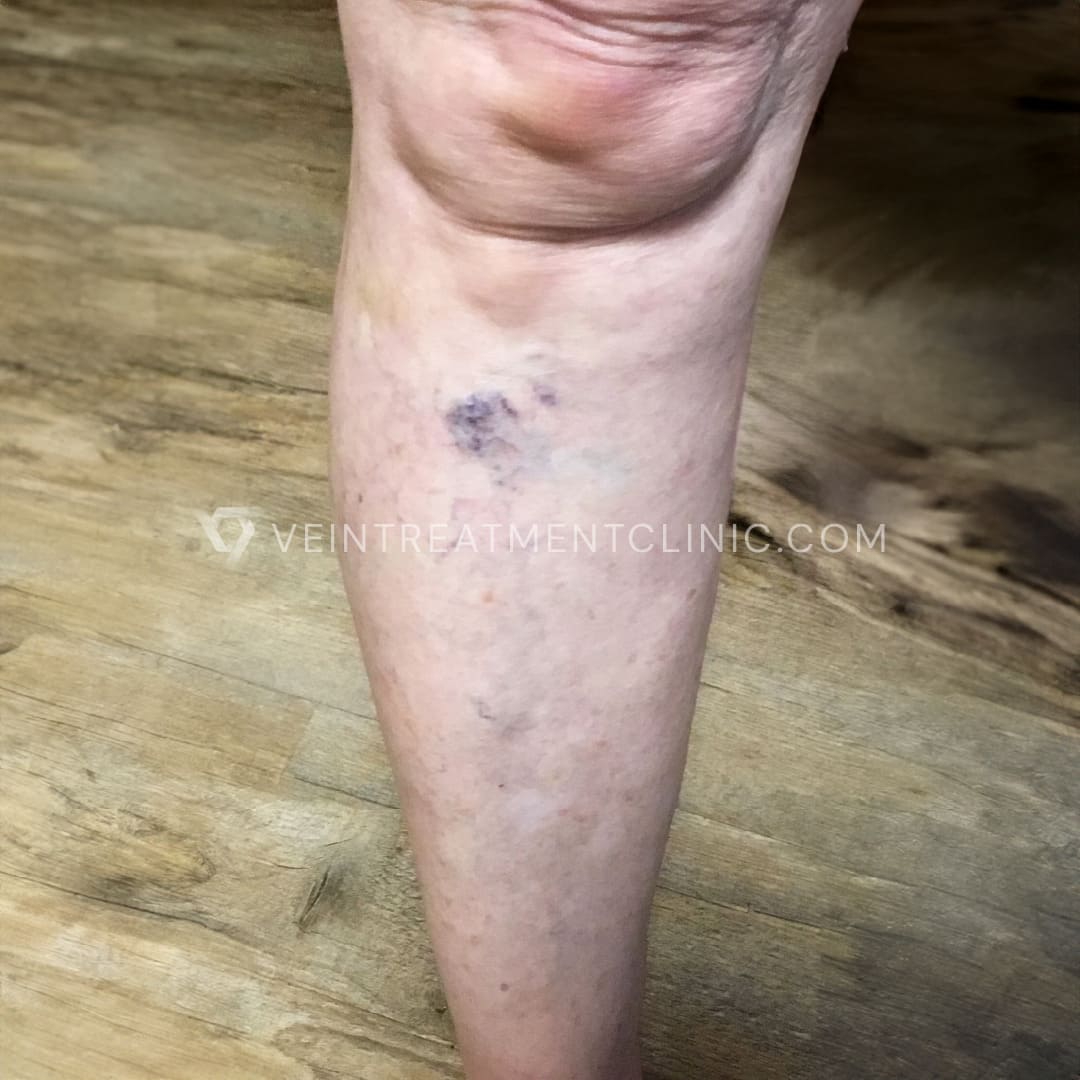
Before
After
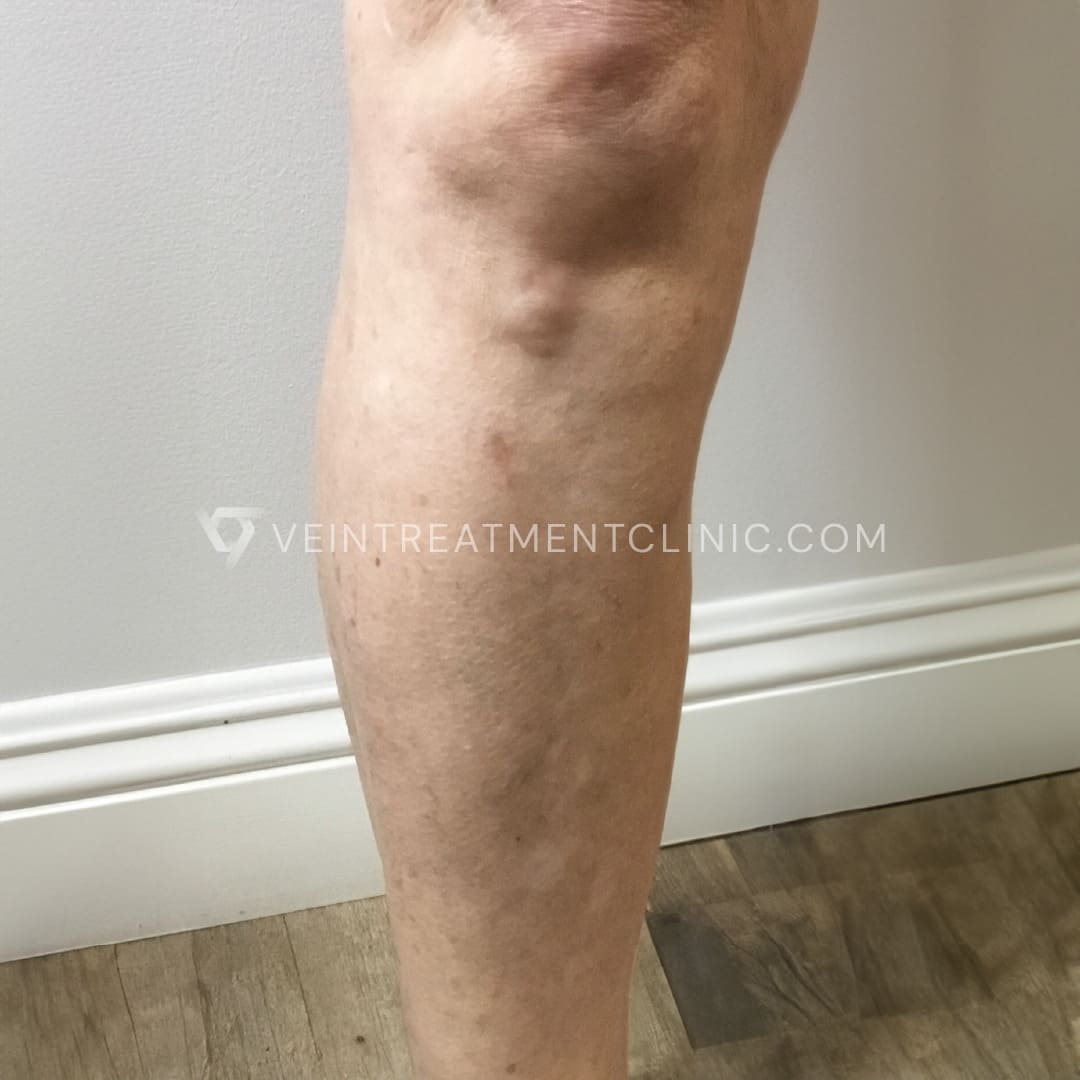
A 69 year-old patient visited our California Vein Clinic, embarrassed by spider veins that had impacted their self-esteem. We performed radiofrequency ablation and sclerotherapy treatments, leaving their legs smooth and healthy. The patient now feels more confident, thanks to this transformative treatment.
Before
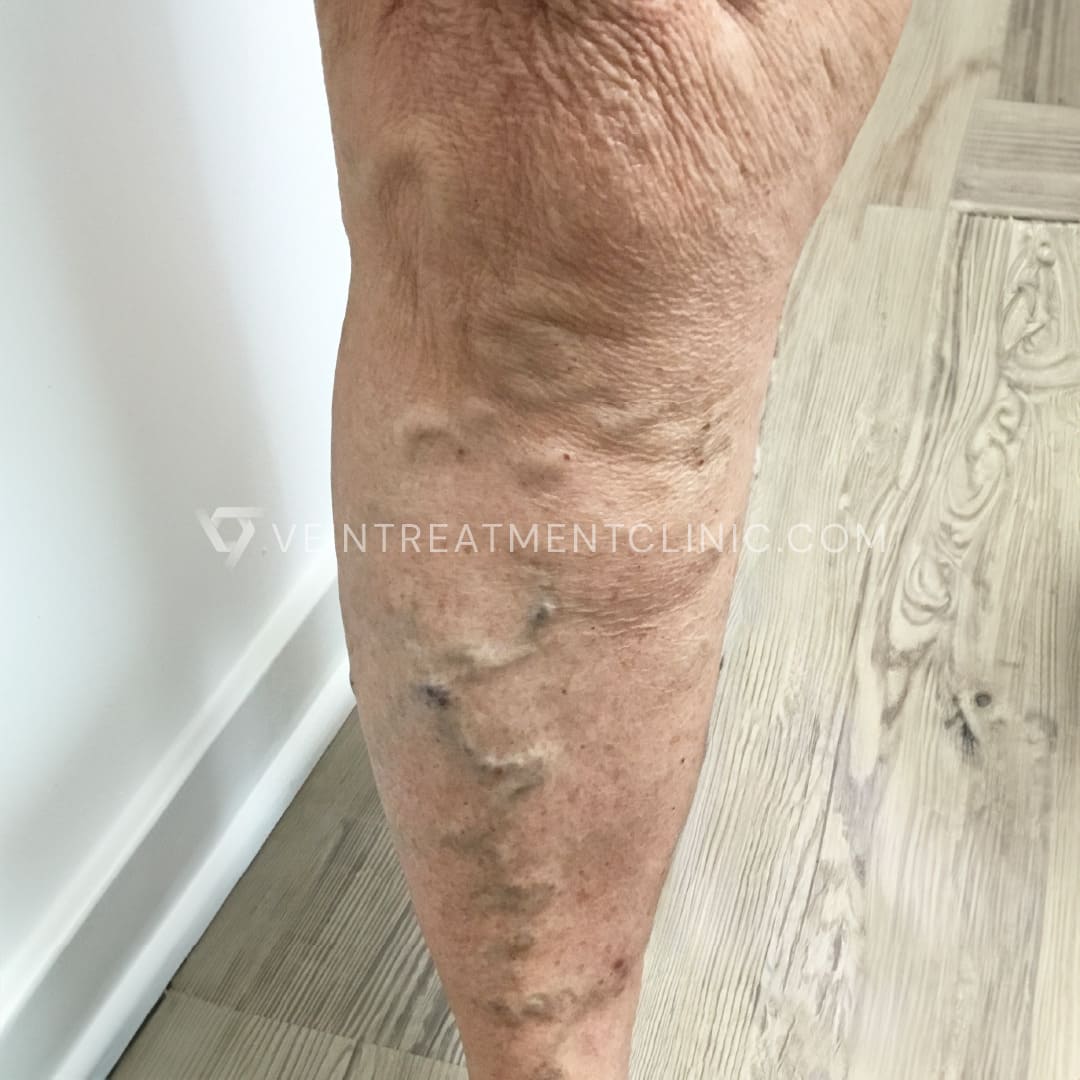
After
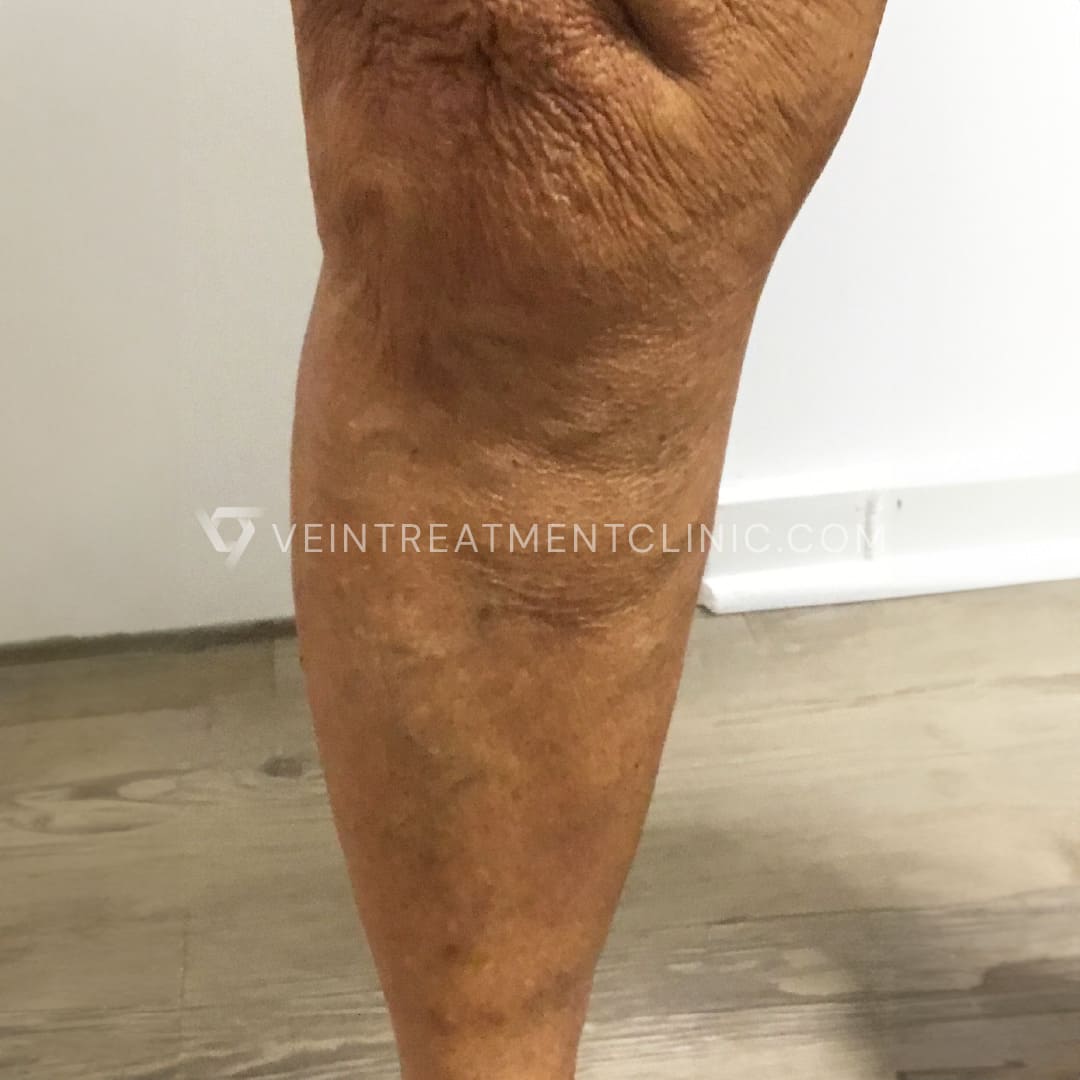
This 84 year-old patient at our New Jersey Vein Treatment Clinic came in with spider veins that had affected their daily routine. We used radiofrequency ablation and sclerotherapy treatments to relieve discomfort and restore both their leg health and confidence. The patient now enjoys a more active and fulfilling lifestyle, free from pain.
Before
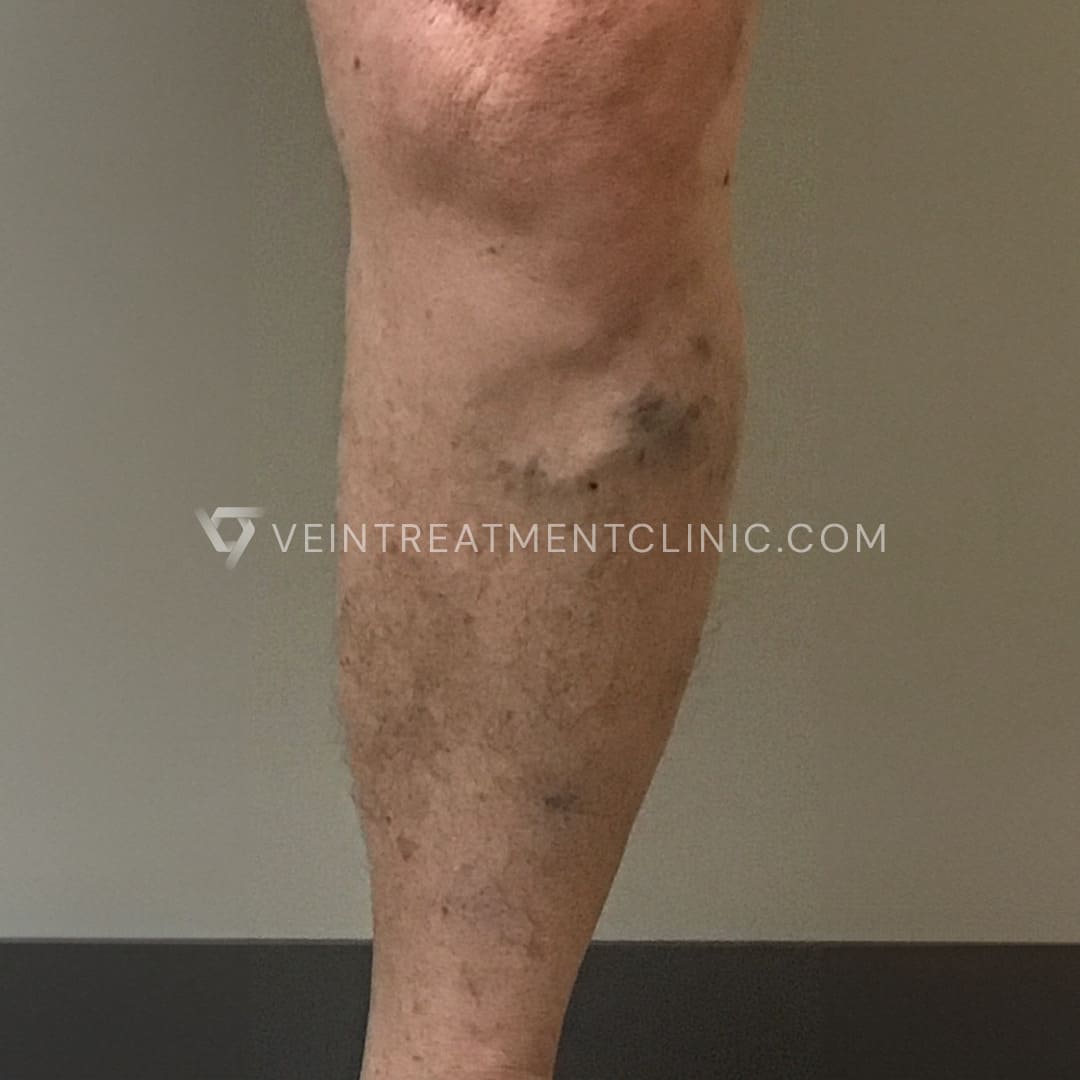
After
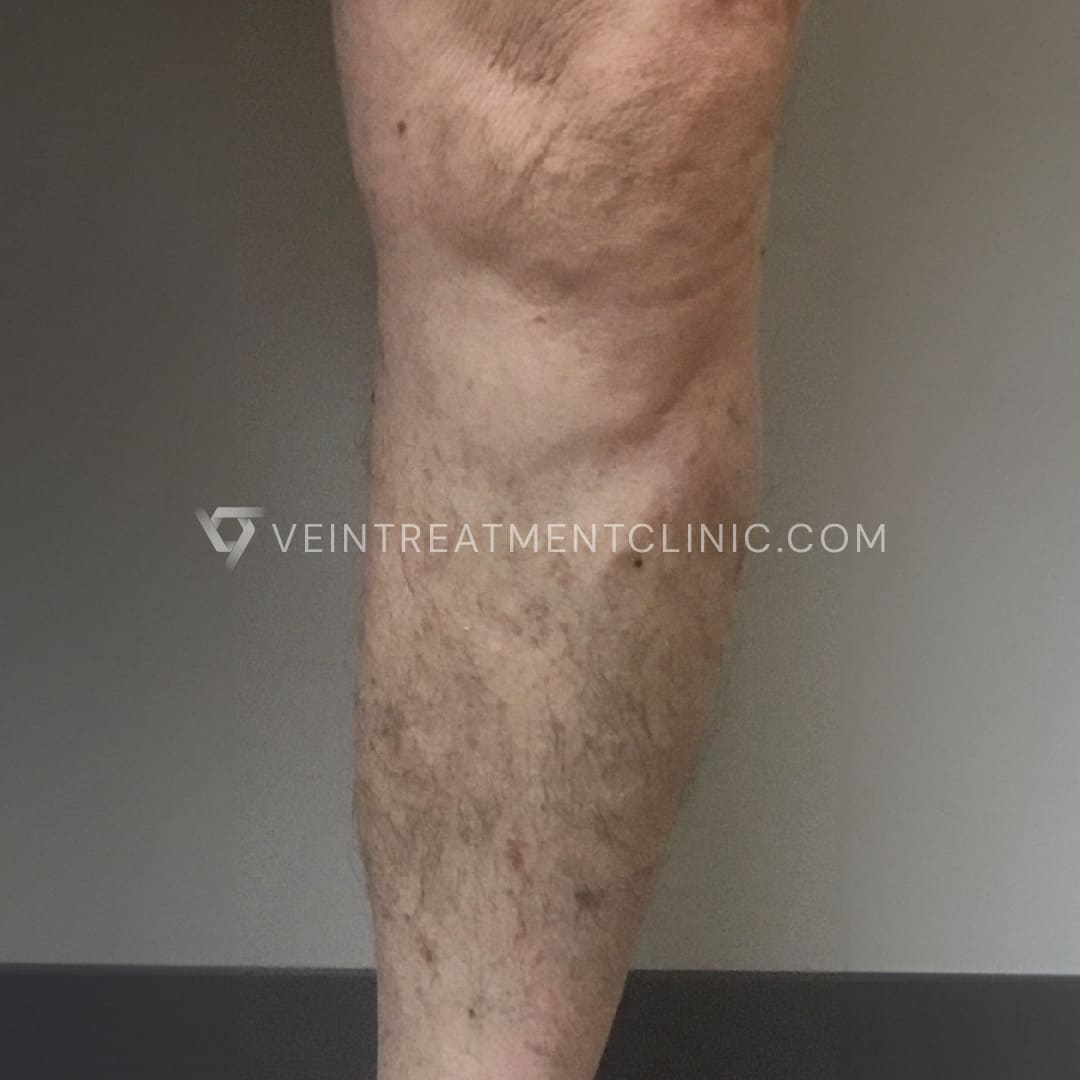
At our Long Island Vein Clinic, we treated this 75 year-old patient with spider veins using radiofrequency ablation and sclerotherapy. These minimally invasive treatments improved both the patient’s appearance and overall well-being, offering transformative results.
Before
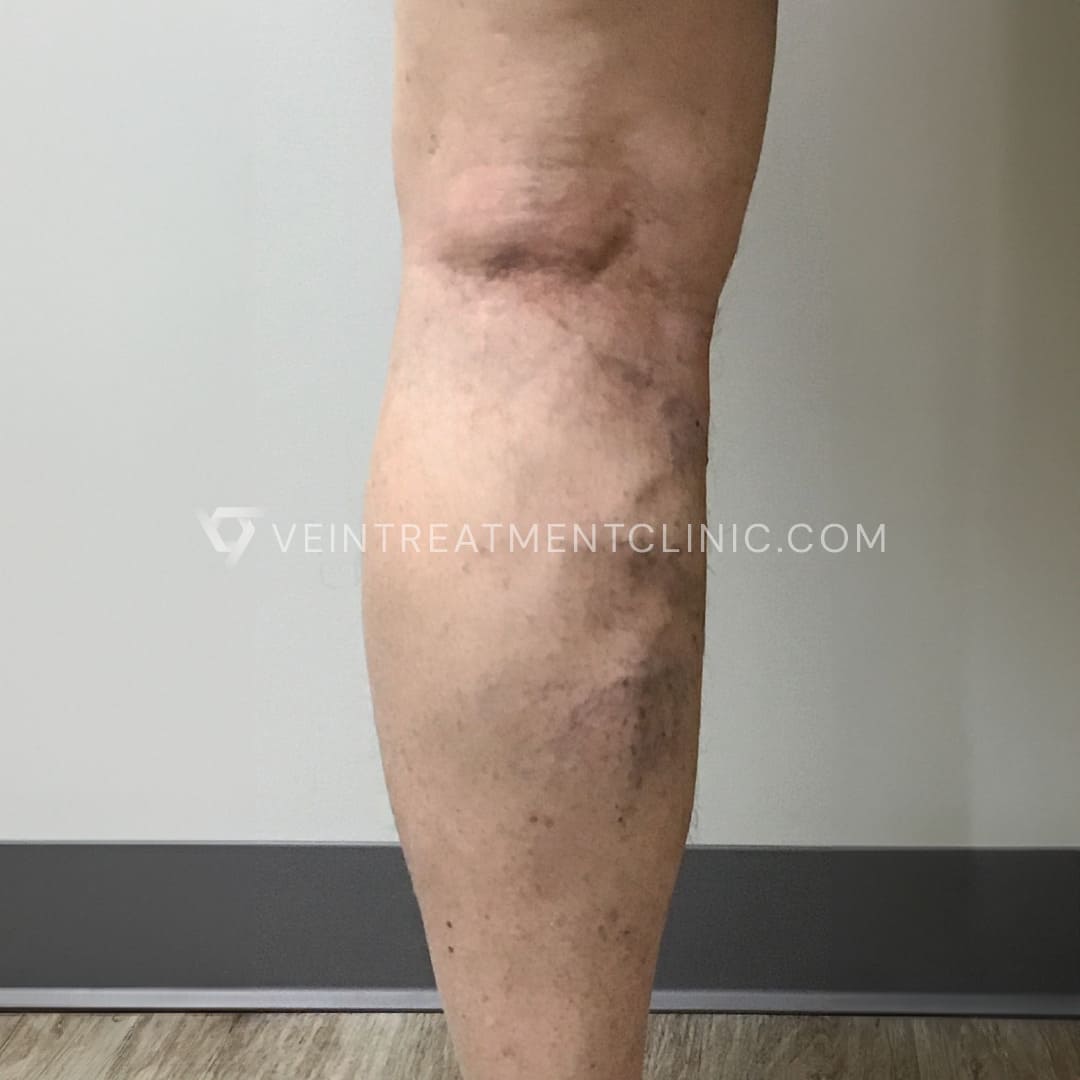
After
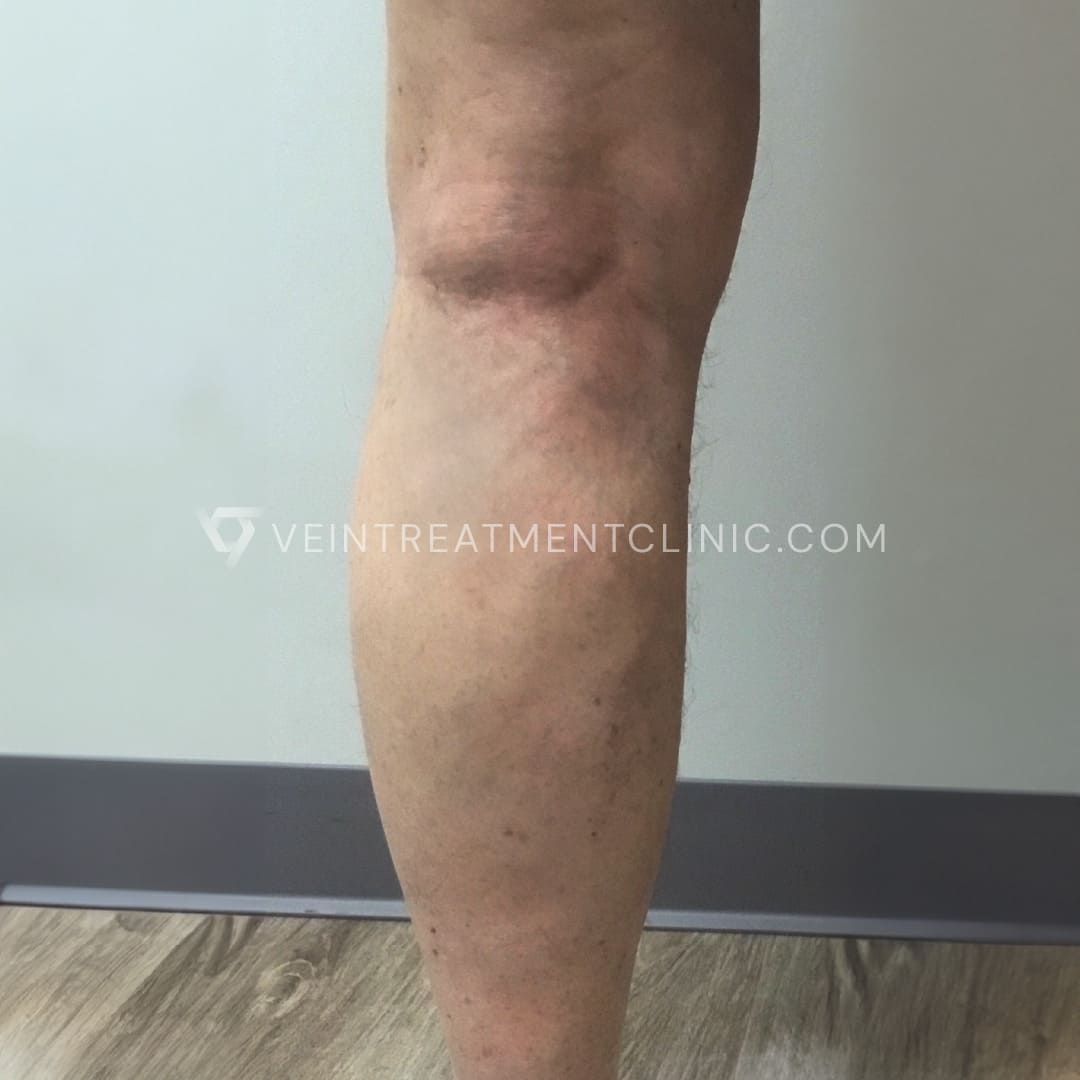
This 75 year-old patient visited our Long Island Vein Treatment Clinic with painful spider veins. We used radiofrequency ablation and sclerotherapy, minimally invasive treatments, to eliminate the veins and restore comfort and confidence. The patient experienced life-changing results
How is chronic venous insufficiency diagnosed?
Diagnosis typically involves a physical exam and vein ultrasound to assess blood flow and valve function.
Ultrasound identifies venous reflux and helps guide treatment planning.
Get a Peek Inside Your Veins—Book Your Ultrasound Evaluation.
How is chronic venous insufficiency treated?
Treatment focuses on improving blood flow by addressing malfunctioning veins.
Modern treatment options are usually non-surgical and tailored to the severity of disease.
What happens if chronic venous insufficiency is left untreated?
Untreated CVI can lead to worsening swelling, skin damage, inflammation, and venous ulcers.
Early evaluation and treatment can reduce the risk of complications.