

Table of contents

Get treated by vein treatment industry leaders
Spider Veins vs Varicose Veins: What’s the Difference?

Medically verified
Last updated on 1/30/2026

By Dr. Michael Nguyen
Vein Doctor at Vein Treatment Clinic
Harvard Medical School
Board Certified by the American Board of Venous and Lymphatic Medicine
Arañas vasculares y varicosas are both common vein conditions, and many patients are unsure how they differ or whether they represent the same problem.
Although they can appear similar on the surface, spider veins and varicose veins differ in size, depth, symptoms, and underlying vein function.
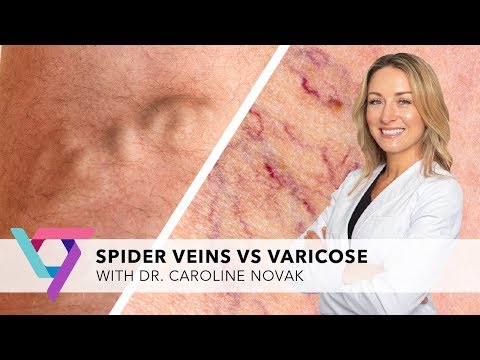
Understanding the differences helps patients know when veins are cosmetic, when they may signal vein disease, and when evaluation or treatment may be helpful.
If you’re unsure whether your veins are spider veins, varicose veins, or both, a vein evaluation can help clarify what’s happening.
What are spider veins?
Arañas vasculares are small, thin veins that appear close to the surface of the skin. They often look red, blue, or purple and form web-like or branching patterns.
They are most commonly found on the legs and face and are usually considered a cosmetic concern, though some patients experience itching or burning.
Unhappy with the look of your legs? See How to Clear Spider Veins
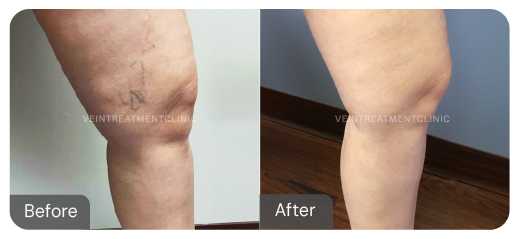
Spider Vein before and after treatment pictures.
Results may vary according to each case.
Spider Vein before and after treatment pictures.
Results may vary according to each case.
What are varicose veins?
Varicose veins are larger veins that become enlarged, twisted, and raised above the surface of the skin.
They typically occur in the legs and are more likely to be associated with underlying circulation problems and symptoms.
Get the facts on bulging veins. Read the Complete Guide
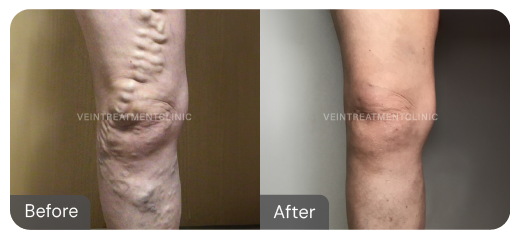
Varicose Vein before and after treatment pictures.
Results may vary according to each case.
Varicose Vein before and after treatment pictures.
Results may vary according to each case.
How do spider veins and varicose veins differ in appearance?
Varicose veins are usually easier to feel, whereas spider veins are mostly visible rather than palpable.
Which causes more symptoms?
Varicose veins are more likely to cause symptoms such as aching, heaviness, swelling, and fatigue in the legs.
Spider veins often cause few symptoms, but some patients report itching, burning, or mild discomfort.
Legs feeling heavy or tired? Check Your Symptoms for Vein Disease
Symptom Checker
Are the causes the same?
Both spider veins and varicose veins are influenced by genetics, hormones, pregnancy, and prolonged standing.
Varicose veins are more strongly associated with valve failure and venous reflux, while spider veins may occur with or without deeper vein disease.
Can spider veins and varicose veins occur together?
Yes. Many patients have both spider veins and varicose veins at the same time.
In these cases, treating the underlying reflux first often improves results and reduces recurrence.
Are spider veins or varicose veins dangerous?
Spider veins are rarely dangerous and are usually cosmetic.
Varicose veins can sometimes indicate insuficiencia venosa crónica and may lead to complications if left untreated.
Before
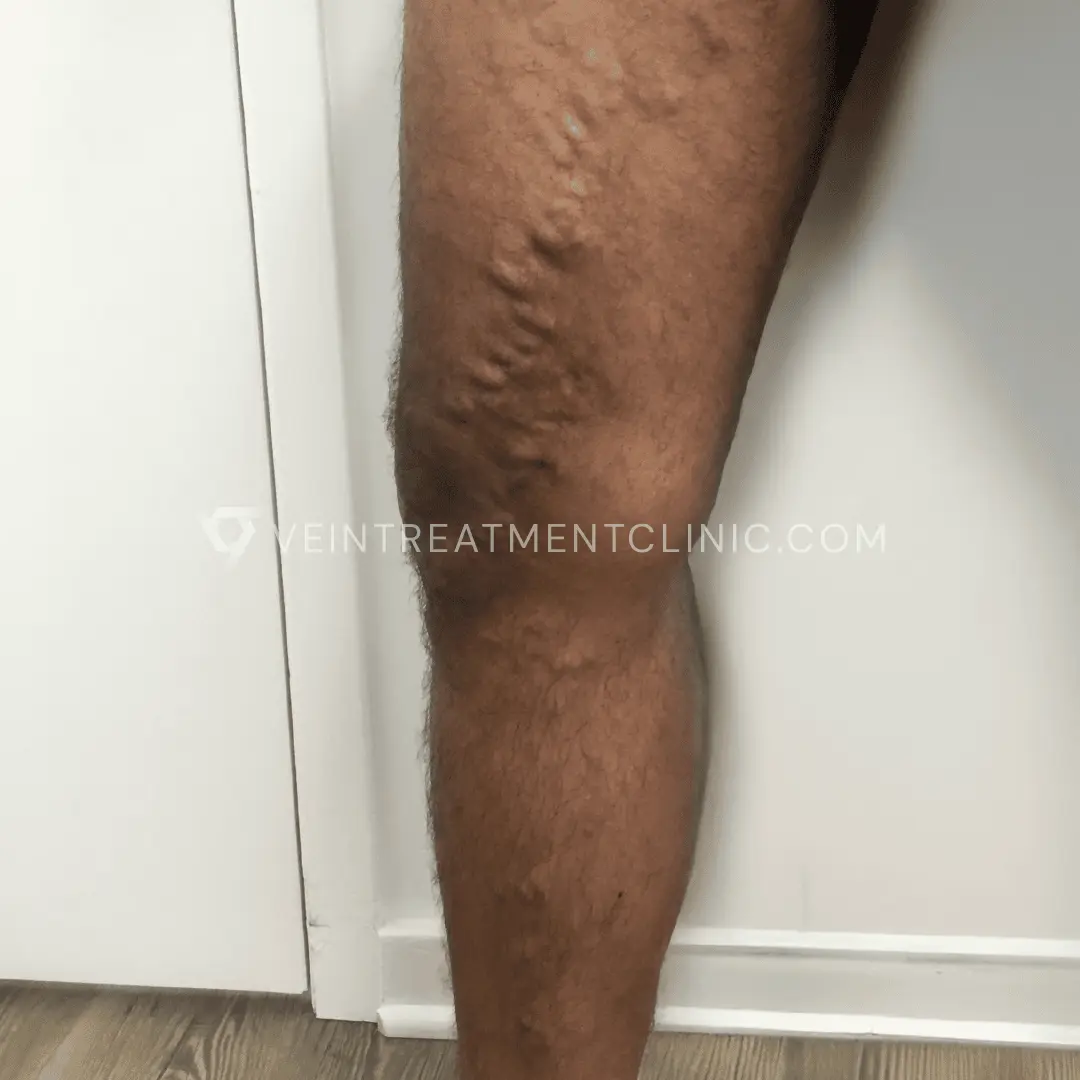
After
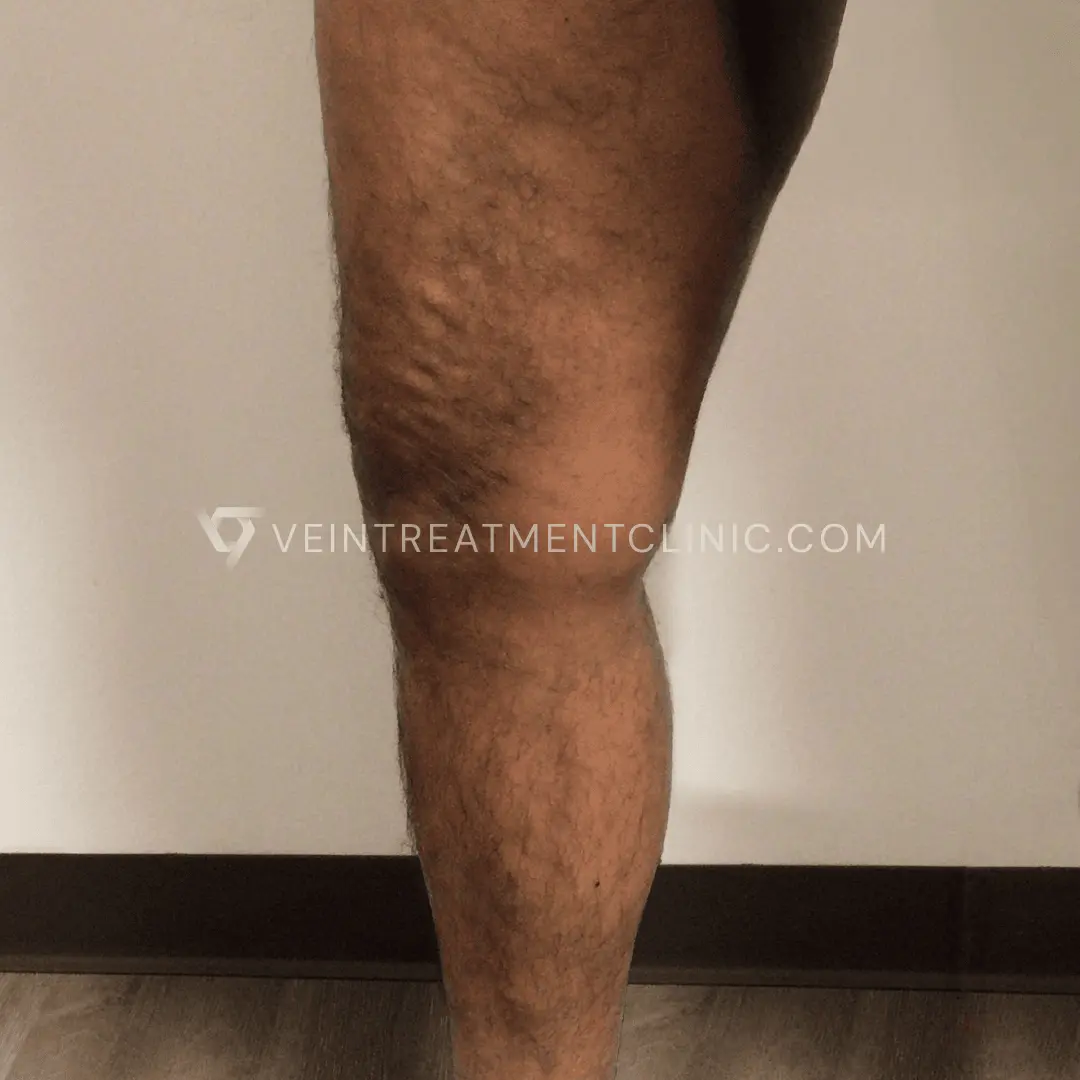
A 37-year-old patient visited our Vein Treatment Clinic, seeking relief from unsightly and painful varicose and spider veins. We performed radiofrequency ablation and sclerotherapy treatments, significantly improving the veins’ appearance and completely eliminating discomfort. The patient is now enjoying a more active and pain-free lifestyle.
Before
After
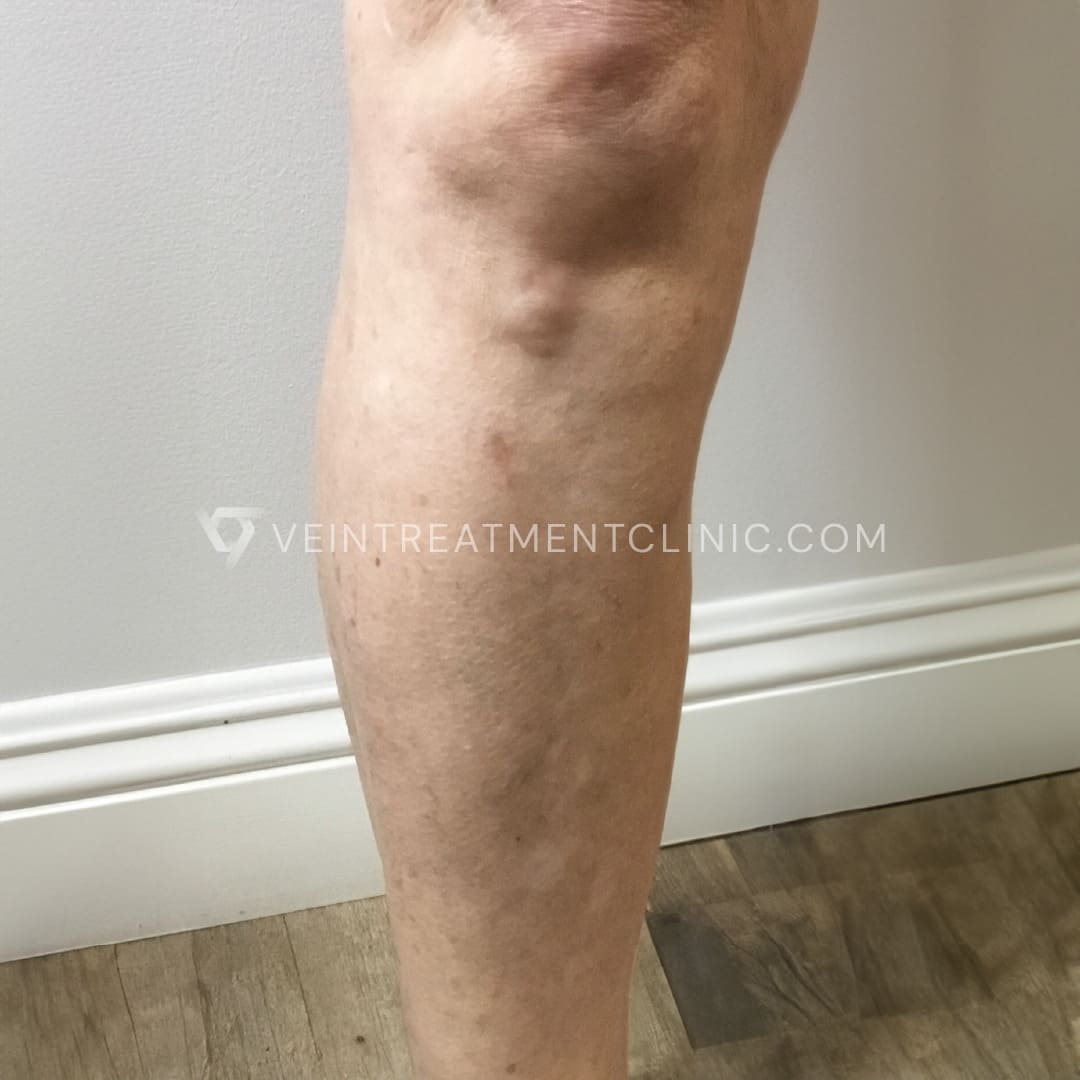
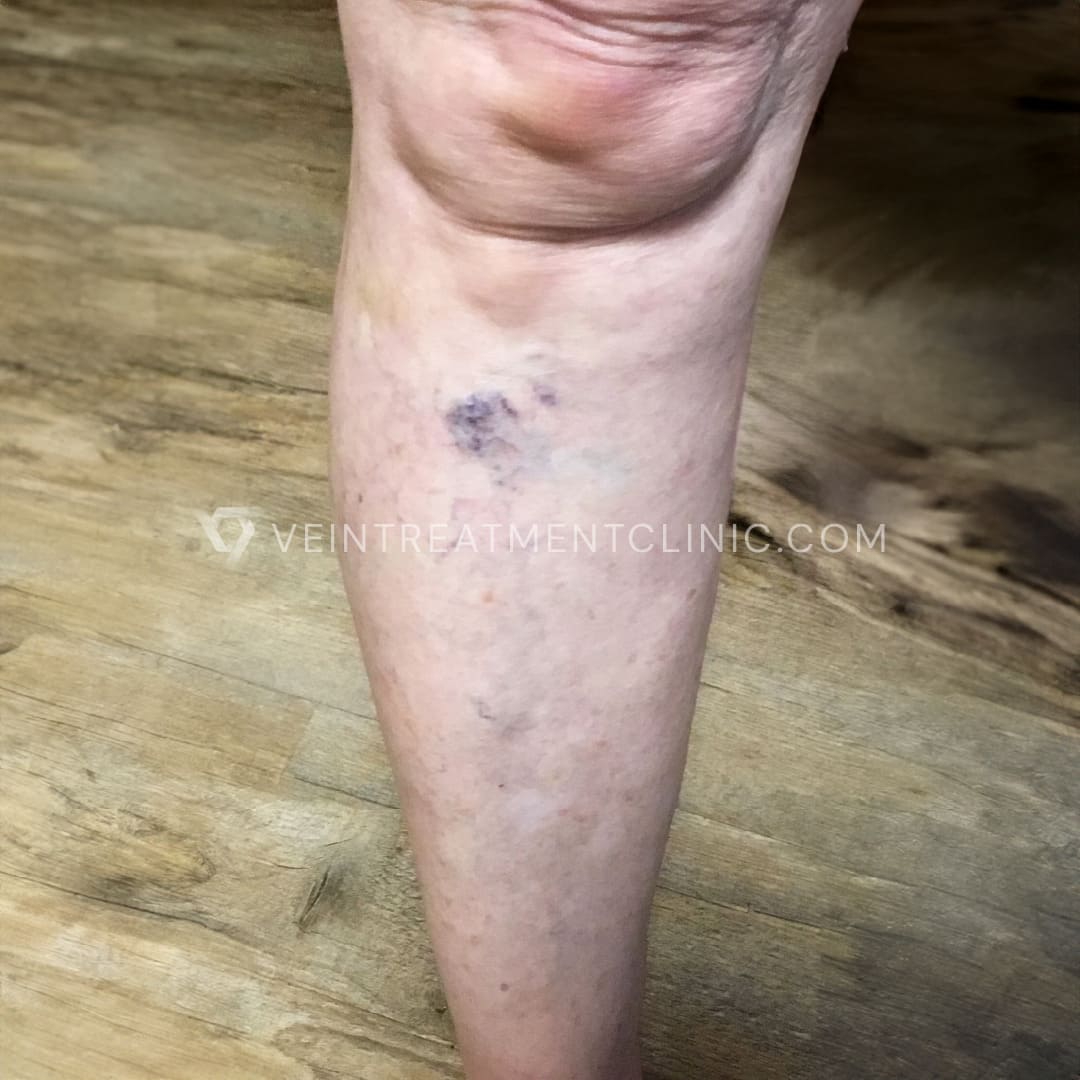
A 69 year-old patient visited our California Vein Clinic, embarrassed by spider veins that had impacted their self-esteem. We performed radiofrequency ablation and sclerotherapy treatments, leaving their legs smooth and healthy. The patient now feels more confident, thanks to this transformative treatment.
Before
After
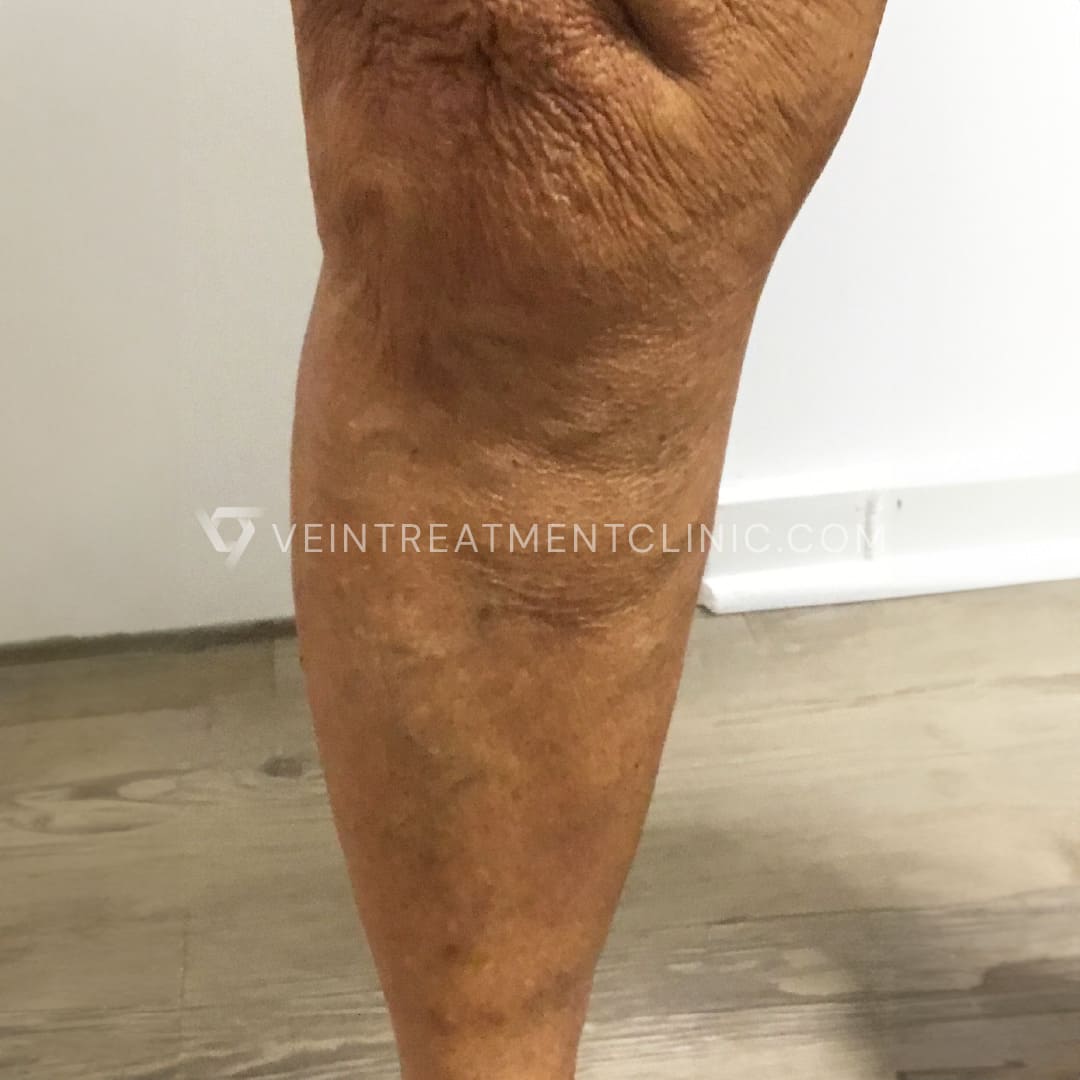
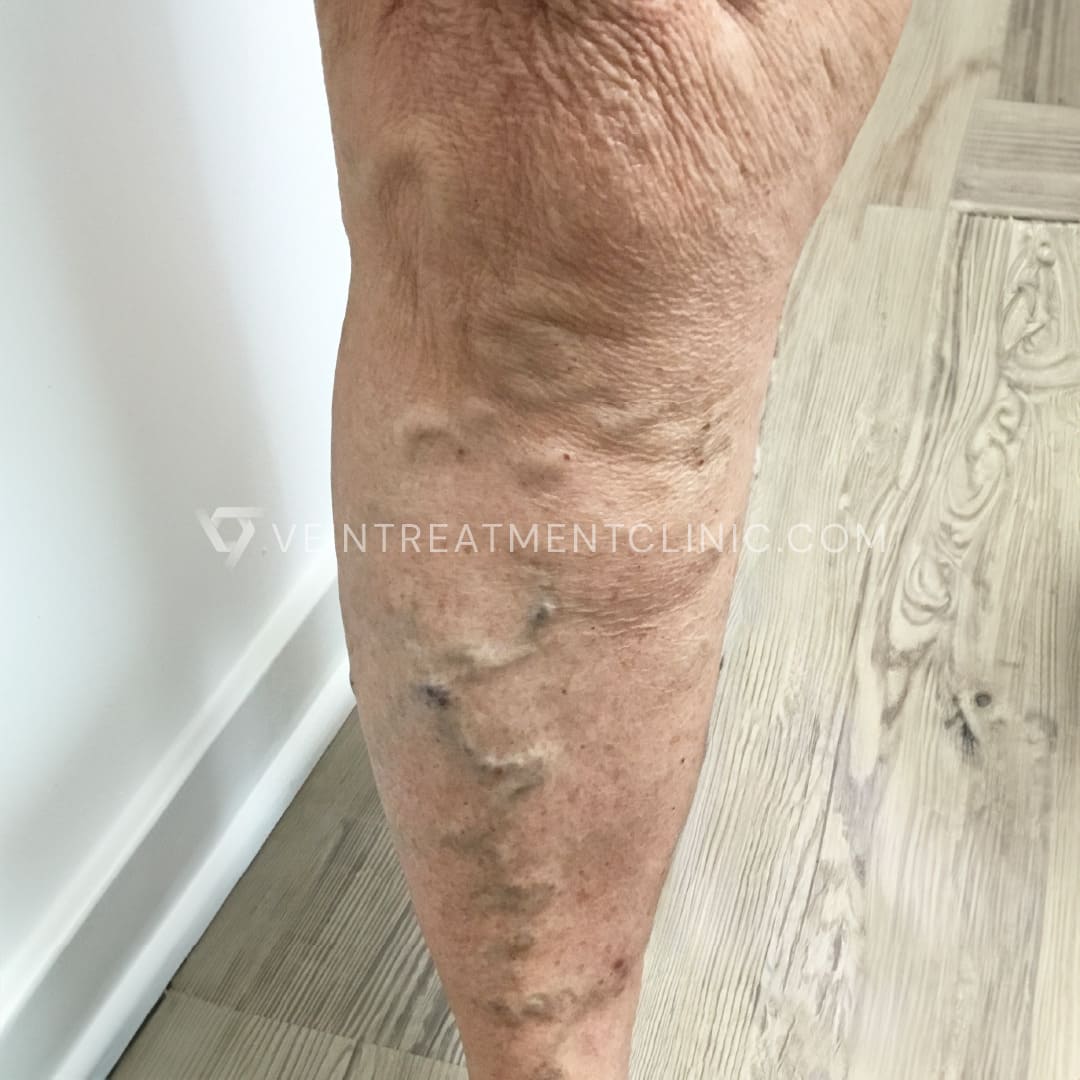
This 84 year-old patient at our New Jersey Vein Treatment Clinic came in with spider veins that had affected their daily routine. We used radiofrequency ablation and sclerotherapy treatments to relieve discomfort and restore both their leg health and confidence. The patient now enjoys a more active and fulfilling lifestyle, free from pain.
Before
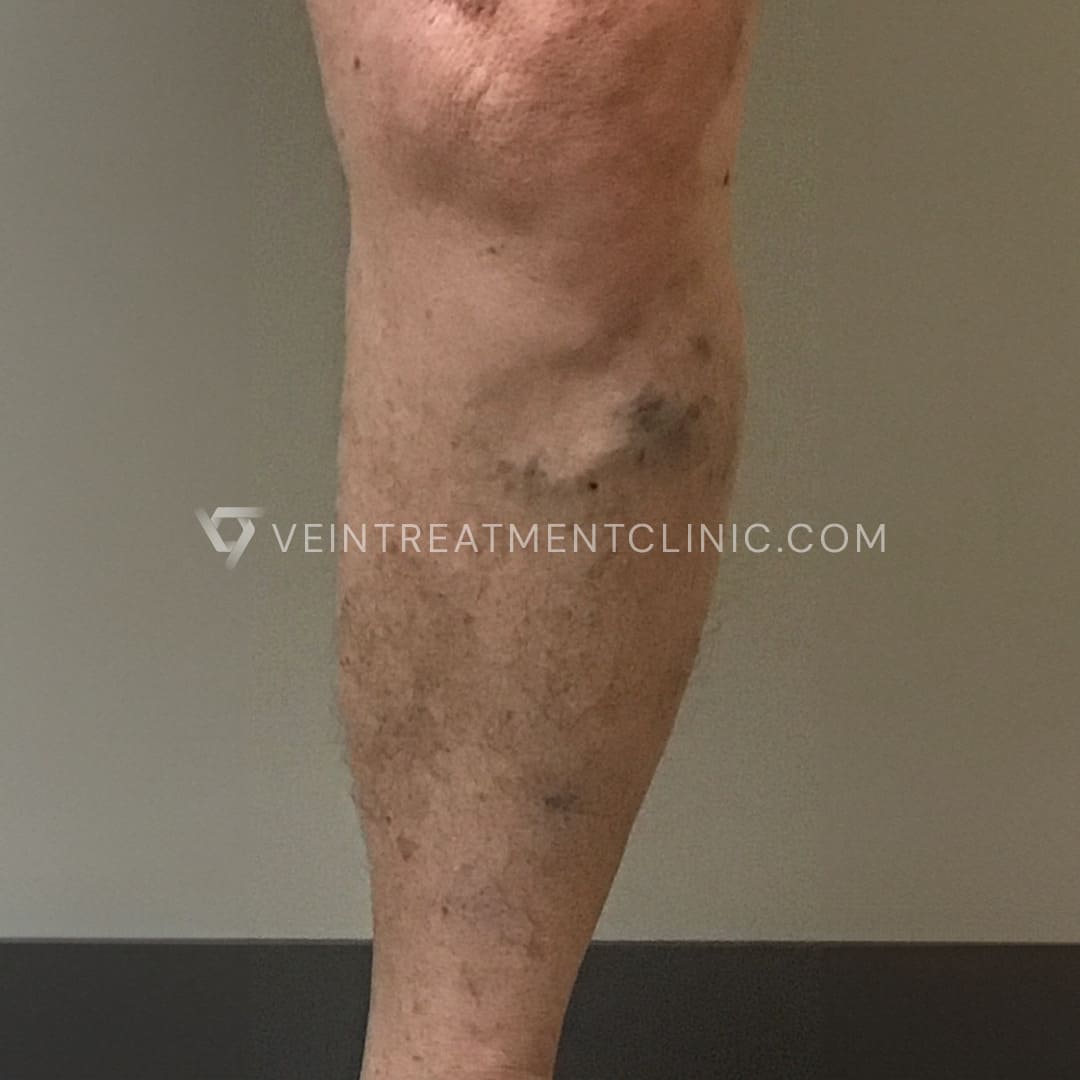
After
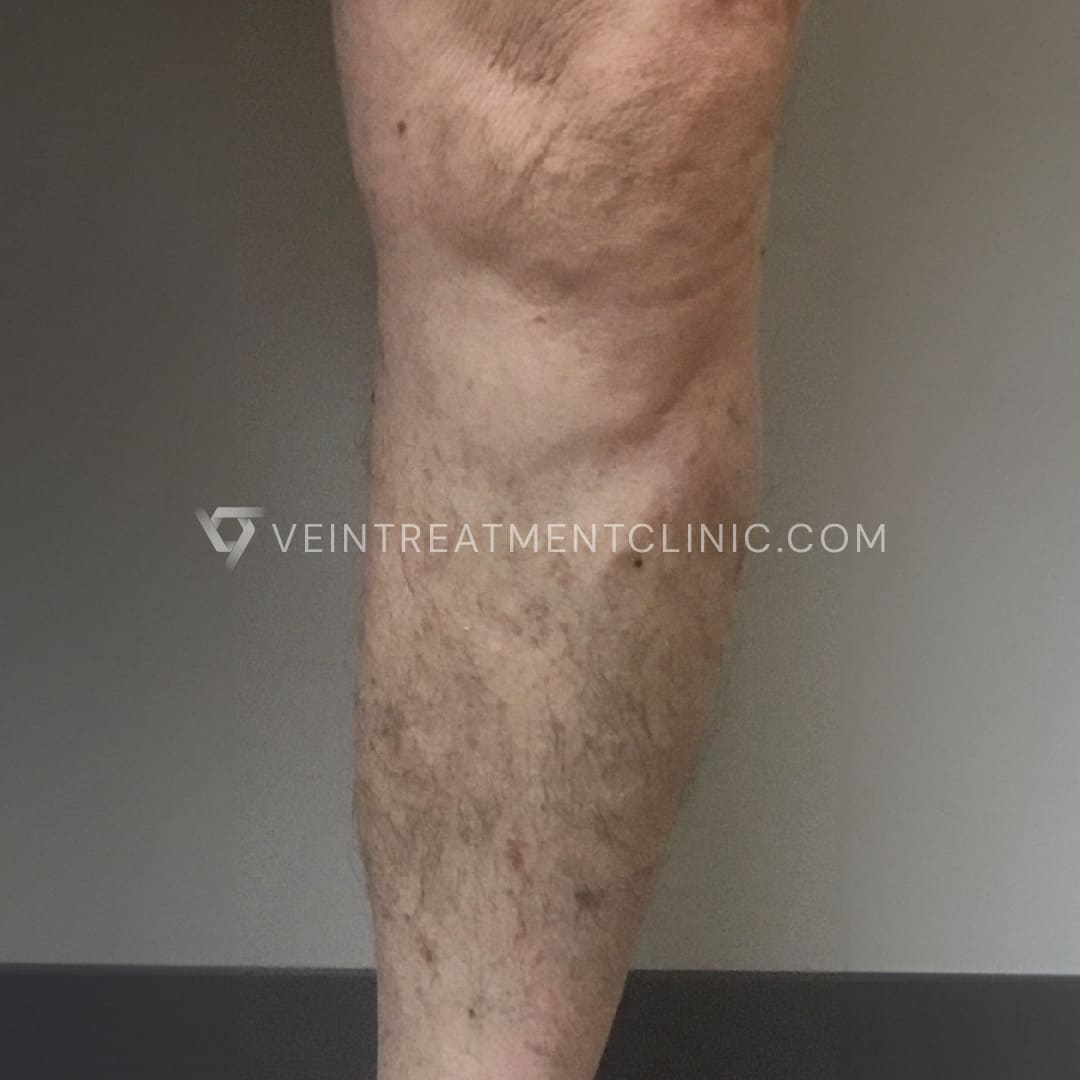
At our Long Island Vein Clinic, we treated this 75 year-old patient with spider veins using radiofrequency ablation and sclerotherapy. These minimally invasive treatments improved both the patient’s appearance and overall well-being, offering transformative results.
Before
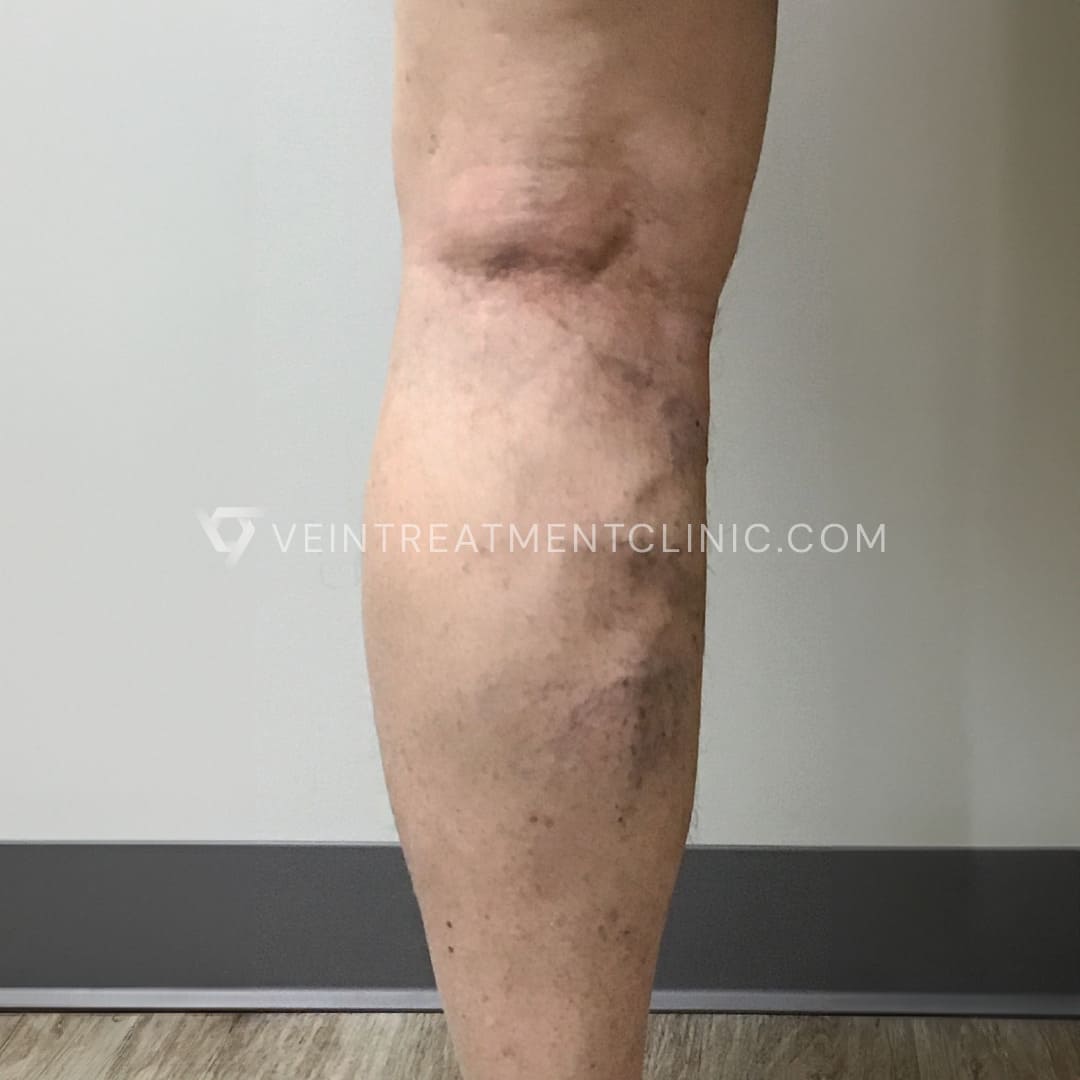
After
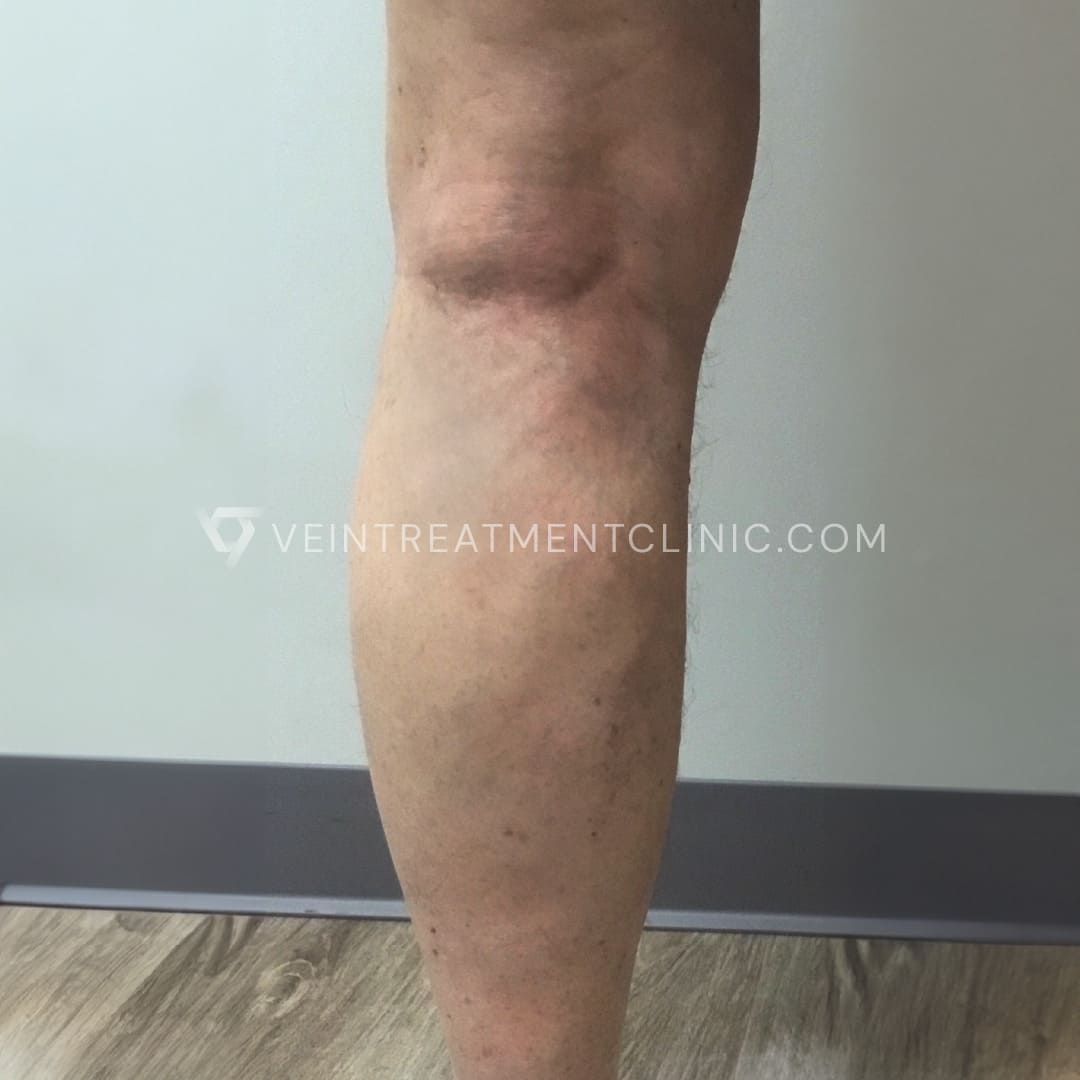
This 75 year-old patient visited our Long Island Vein Treatment Clinic with painful spider veins. We used radiofrequency ablation and sclerotherapy, minimally invasive treatments, to eliminate the veins and restore comfort and confidence. The patient experienced life-changing results
How does treatment differ?
Spider veins are most commonly treated with sclerotherapy or surface laser treatments.
Varicose veins often require treatment of underlying reflux using minimally invasive procedures, sometimes combined with additional treatments for surface veins.
How do specialists determine which veins need treatment?
A vein evaluation often includes a physical exam and ultrasound to assess blood flow and valve function.
This helps determine whether spider veins are isolated or related to deeper vein disease and guides treatment planning.
Precision Care: Understand Your Veins with an Ultrasound Map