

Table of contents

Get treated by vein treatment industry leaders
What Are the Treatment Options for Varicose Veins?

Medically verified
Last updated on 1/29/2026

By Dr. Michael Nguyen
Vein Doctor at Vein Treatment Clinic
Harvard Medical School
Board Certified by the American Board of Venous and Lymphatic Medicine
Varicose vein treatment has changed significantly over the years. Most patients today can be treated without surgery using minimally invasive, office-based procedures.
Because varicose veins can develop for different reasons, there is no single treatment that works for everyone. The best option depends on vein anatomy, symptoms, and how blood is flowing beneath the surface.

This page explains the available treatment options for spider veins and how specialists determine which approach is most appropriate.
If you’re unsure which treatment option may be right for you, a vein evaluation can help clarify your choices.
How are varicose vein treatments selected?
Treatment selection begins with understanding which veins are not functioning properly and why.
Ultrasound imaging helps identify valve failure and guides a personalized treatment plan.
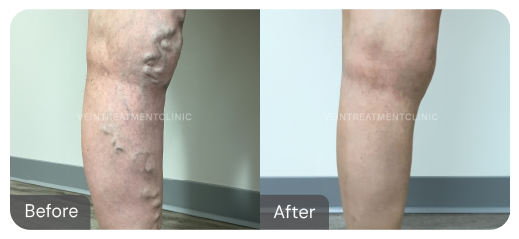
Varicose Vein before and after treatment pictures.
Results may vary according to each case.
Varicose Vein before and after treatment pictures.
Results may vary according to each case.
Lifestyle and conservative management
Conservative measures such as regular walking, leg elevation, and compression stockings may help reduce symptoms.
These approaches manage symptoms but do not correct underlying valve damage.
Endovenous ablation (laser or radiofrequency)
Endovenous ablation uses heat delivered through a thin catheter to close malfunctioning veins from the inside.
Once closed, blood reroutes through healthier veins, improving circulation and reducing symptoms.
Symptom Checker
Escleroterapia
Sclerotherapy involves injecting a medication into targeted veins to close them and allow them to fade over time.
It is commonly used for smaller varicose veins or as a finishing treatment after reflux is addressed.
Phlebectomy (removal of surface veins)
Phlebectomy removes bulging surface veins through very small skin openings.
This is typically combined with treatment of underlying reflux for lasting results.
Say Goodbye to Old Surgery: Discover Why Modern Vein Care is Safer Than Ever.
Do most patients need surgery?
No. Traditional surgery is rarely needed today for varicose veins.
Modern minimally invasive treatments have largely replaced surgical approaches.
Before
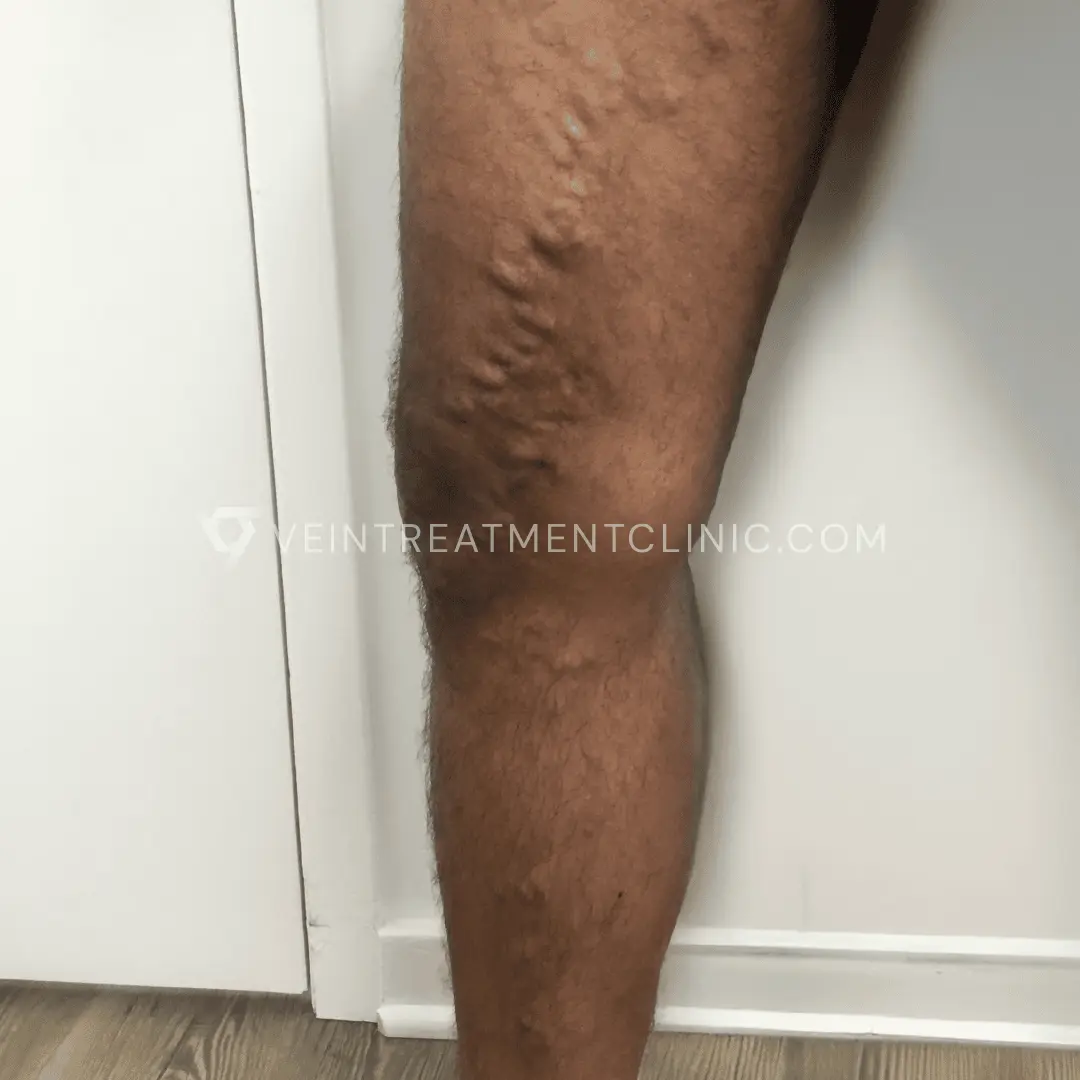
After
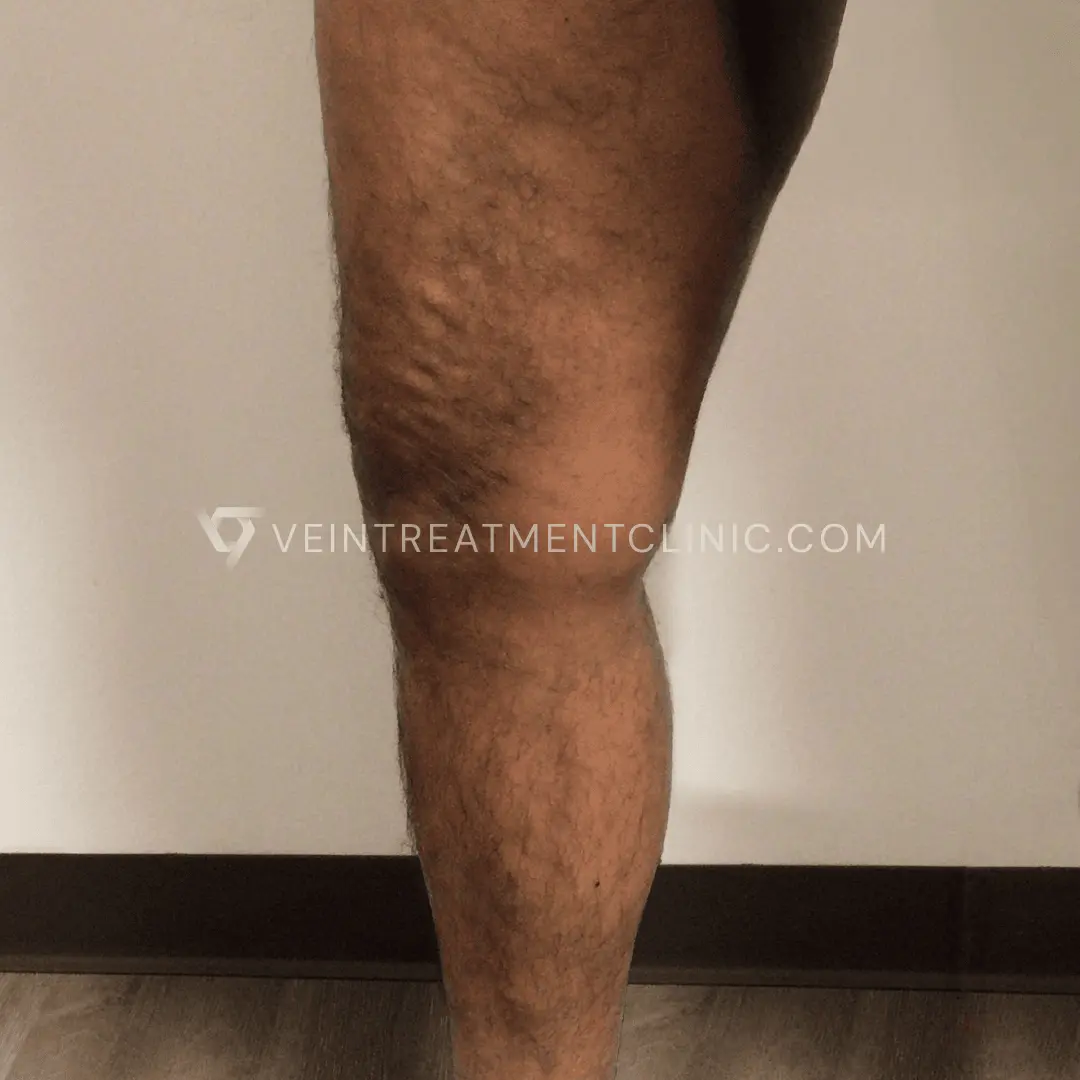
A 37-year-old patient visited our Vein Treatment Clinic, seeking relief from unsightly and painful varicose and spider veins. We performed radiofrequency ablation and sclerotherapy treatments, significantly improving the veins’ appearance and completely eliminating discomfort. The patient is now enjoying a more active and pain-free lifestyle.
Before
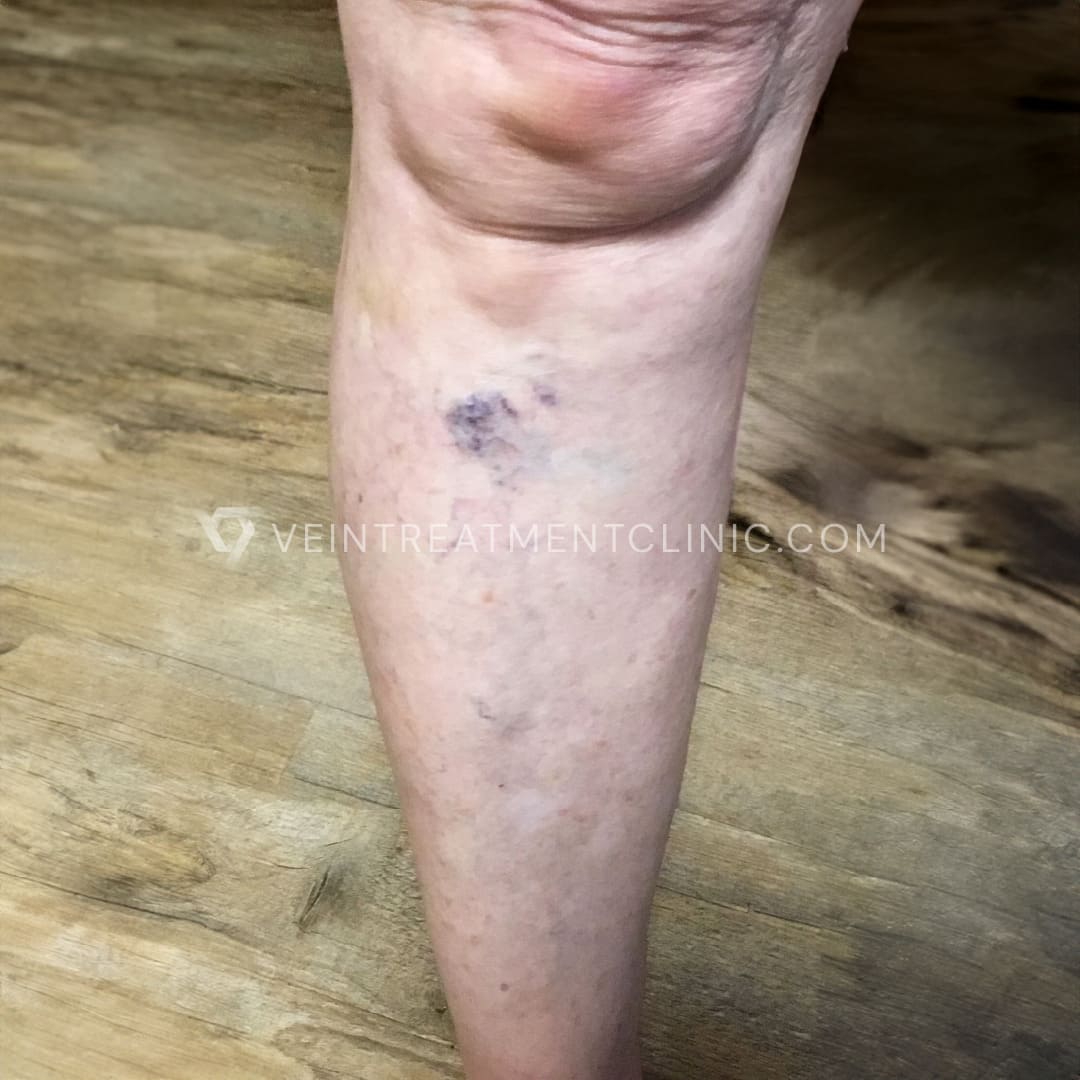
After
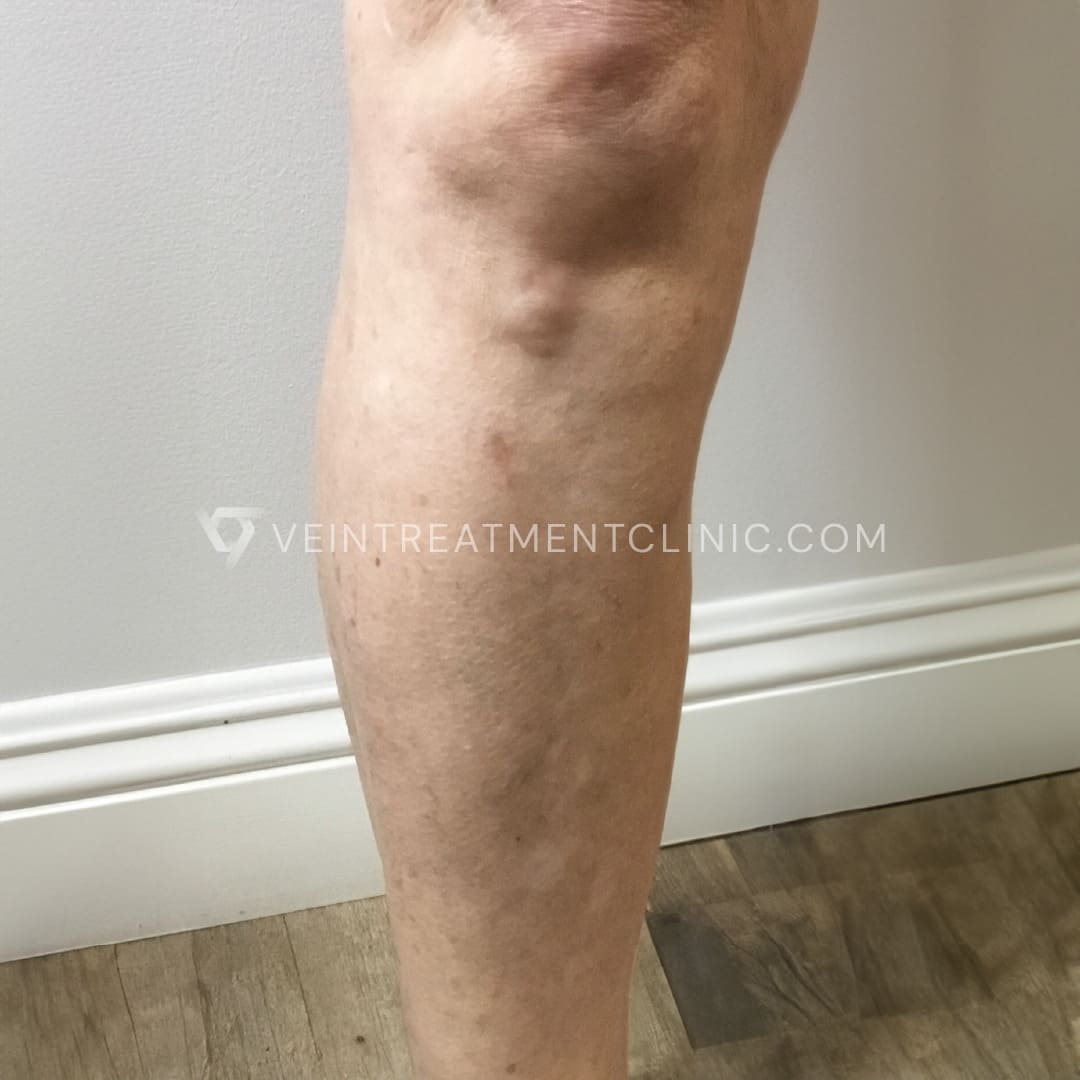
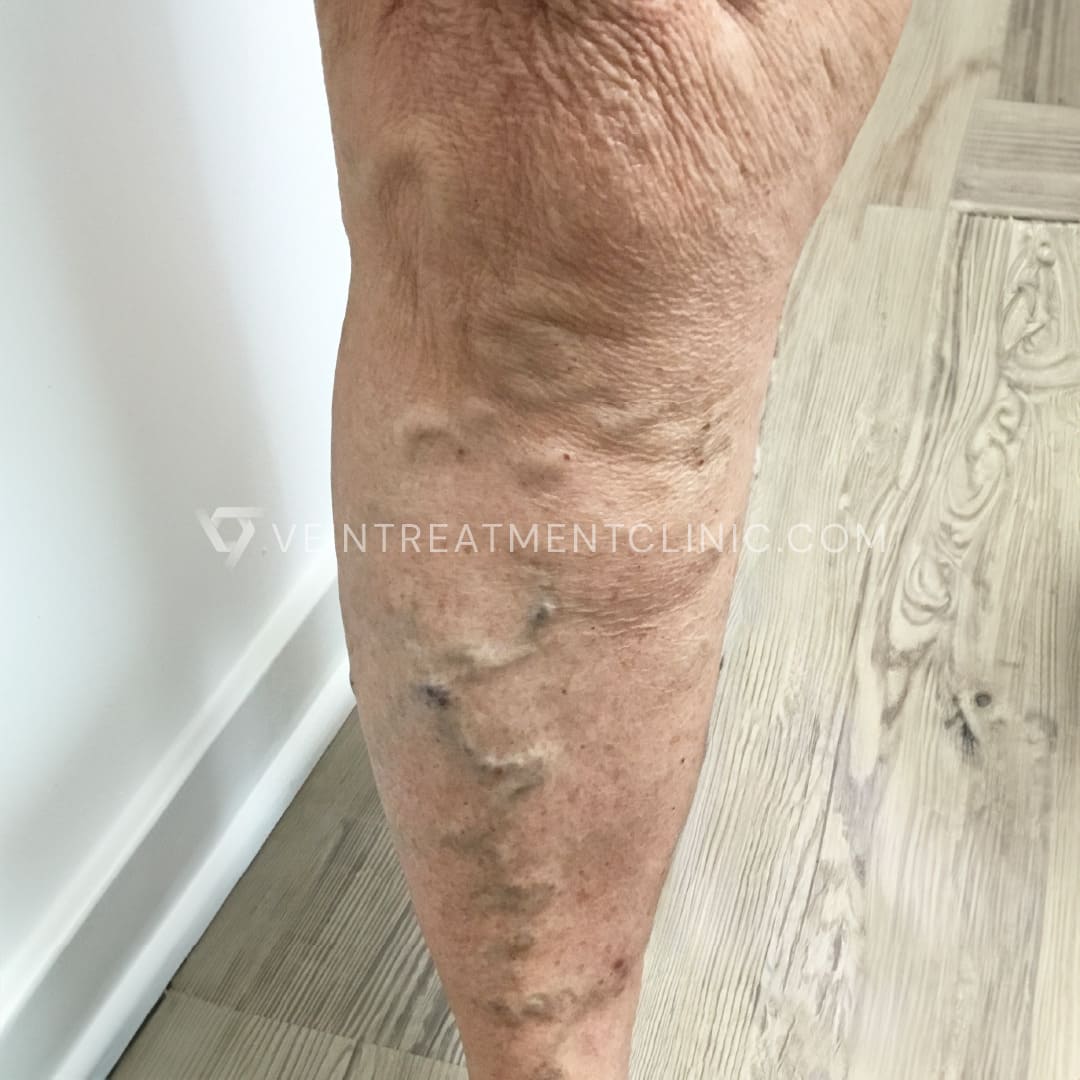
A 69 year-old patient visited our California Vein Clinic, embarrassed by spider veins that had impacted their self-esteem. We performed radiofrequency ablation and sclerotherapy treatments, leaving their legs smooth and healthy. The patient now feels more confident, thanks to this transformative treatment.
Before
After
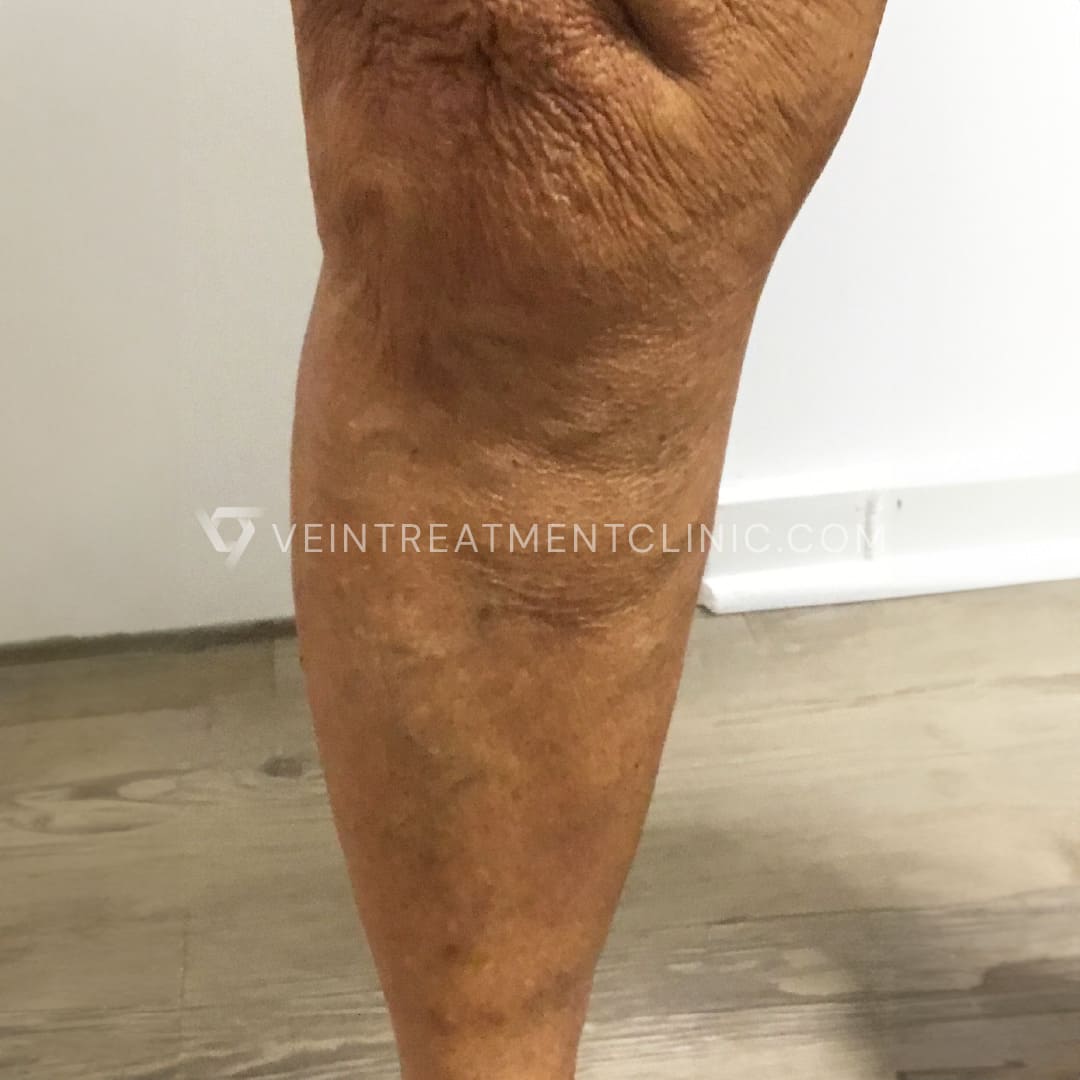
This 84 year-old patient at our New Jersey Vein Treatment Clinic came in with spider veins that had affected their daily routine. We used radiofrequency ablation and sclerotherapy treatments to relieve discomfort and restore both their leg health and confidence. The patient now enjoys a more active and fulfilling lifestyle, free from pain.
Before
After
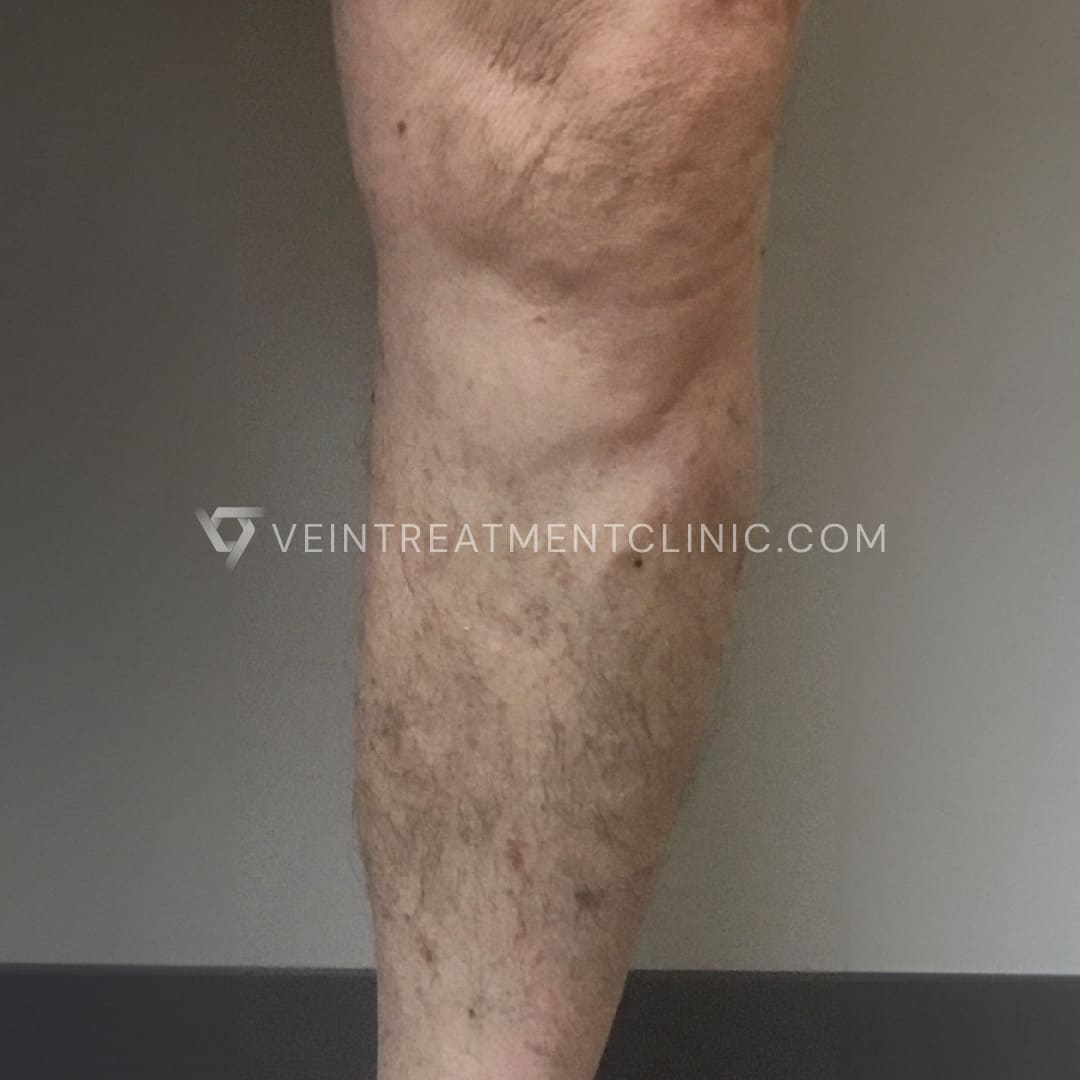
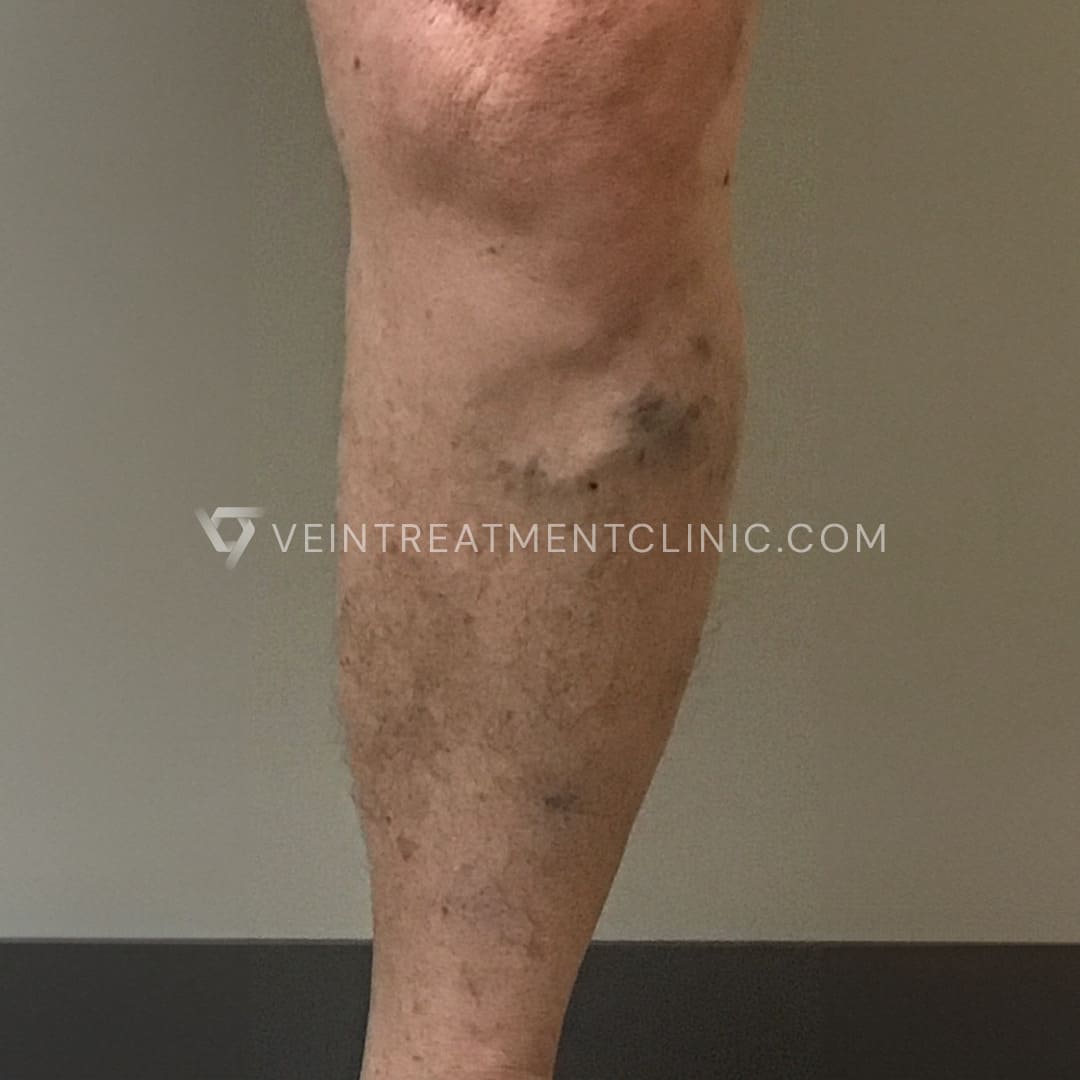
At our Long Island Vein Clinic, we treated this 75 year-old patient with spider veins using radiofrequency ablation and sclerotherapy. These minimally invasive treatments improved both the patient’s appearance and overall well-being, offering transformative results.
Before
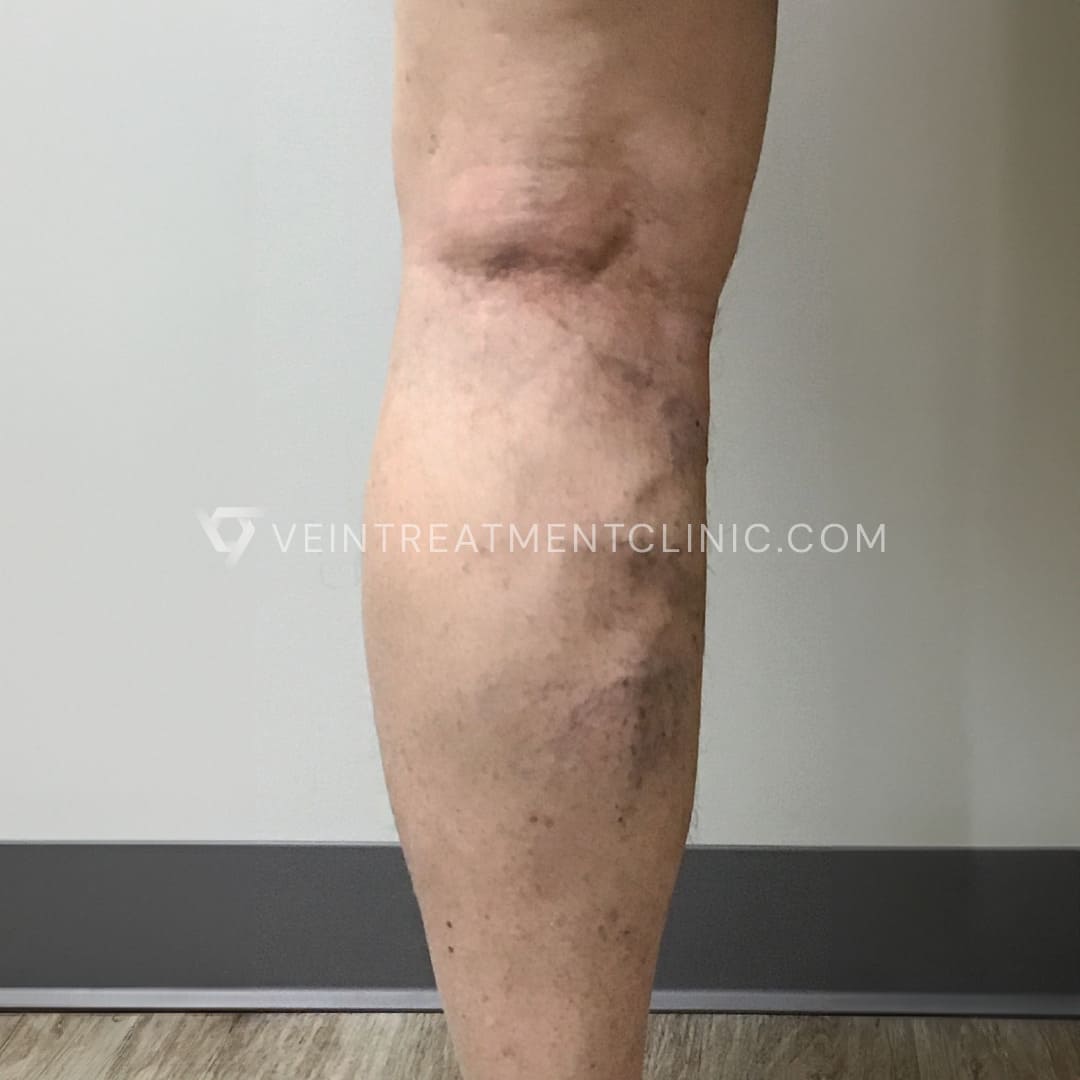
After
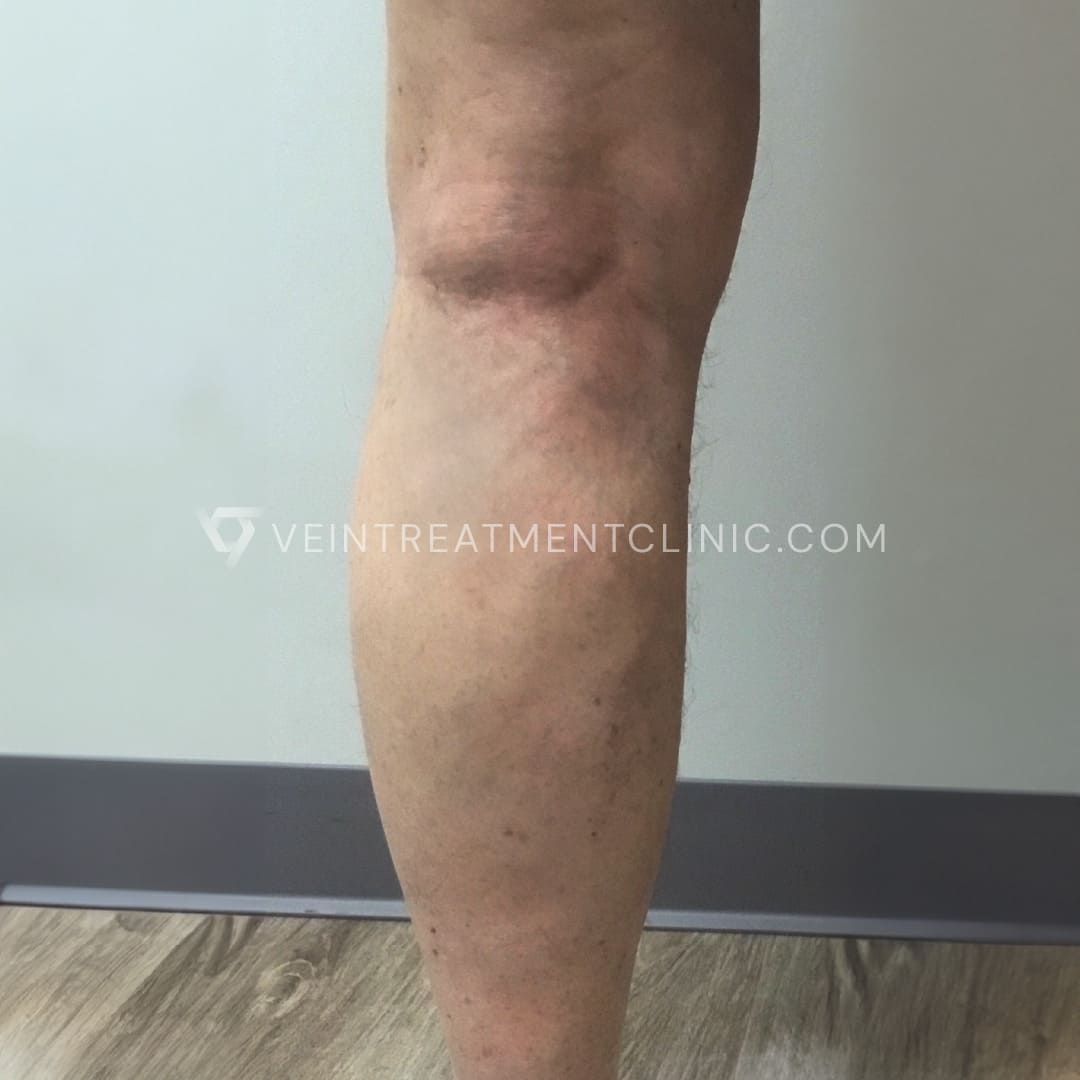
This 75 year-old patient visited our Long Island Vein Treatment Clinic with painful spider veins. We used radiofrequency ablation and sclerotherapy, minimally invasive treatments, to eliminate the veins and restore comfort and confidence. The patient experienced life-changing results
Can treatments be combined?
Yes. Many patients benefit from a combination of treatments tailored to their vein pattern.
Addressing underlying reflux first often improves the success of additional treatments.
What results can patients expect?
Most patients experience improvement in symptoms such as pain, heaviness, and swelling.
Visible veins often become less noticeable as circulation improves.
When should you see a vein specialist?
Evaluation is recommended if varicose veins cause pain, swelling, skin changes, or interfere with daily activities.
Seeing a specialist helps determine whether monitoring or treatment is appropriate.