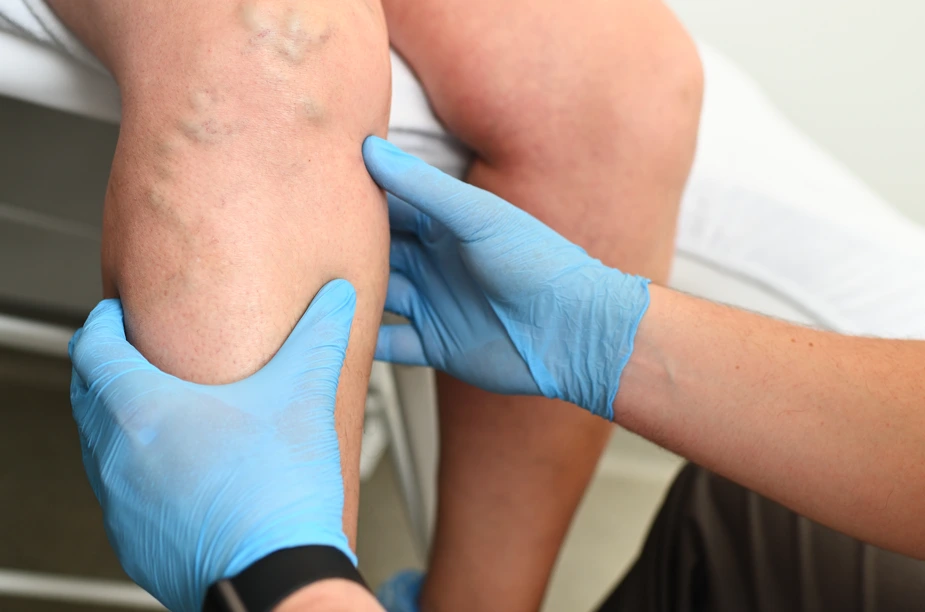

If you’ve ever noticed bulging, dark veins on your legs that seem to twist and turn unnaturally, you may have varicose veins. These veins can be unsightly and may come with uncomfortable symptoms like swelling, pain, and a heavy feeling in your legs. Perhaps you've been advised to exercise more, or maybe you've wondered if intense exercise could help get rid of varicose veins for good. While it’s true that exercise plays a role in managing the condition, it's important to understand that varicose veins are not something you can simply “exercise away”.
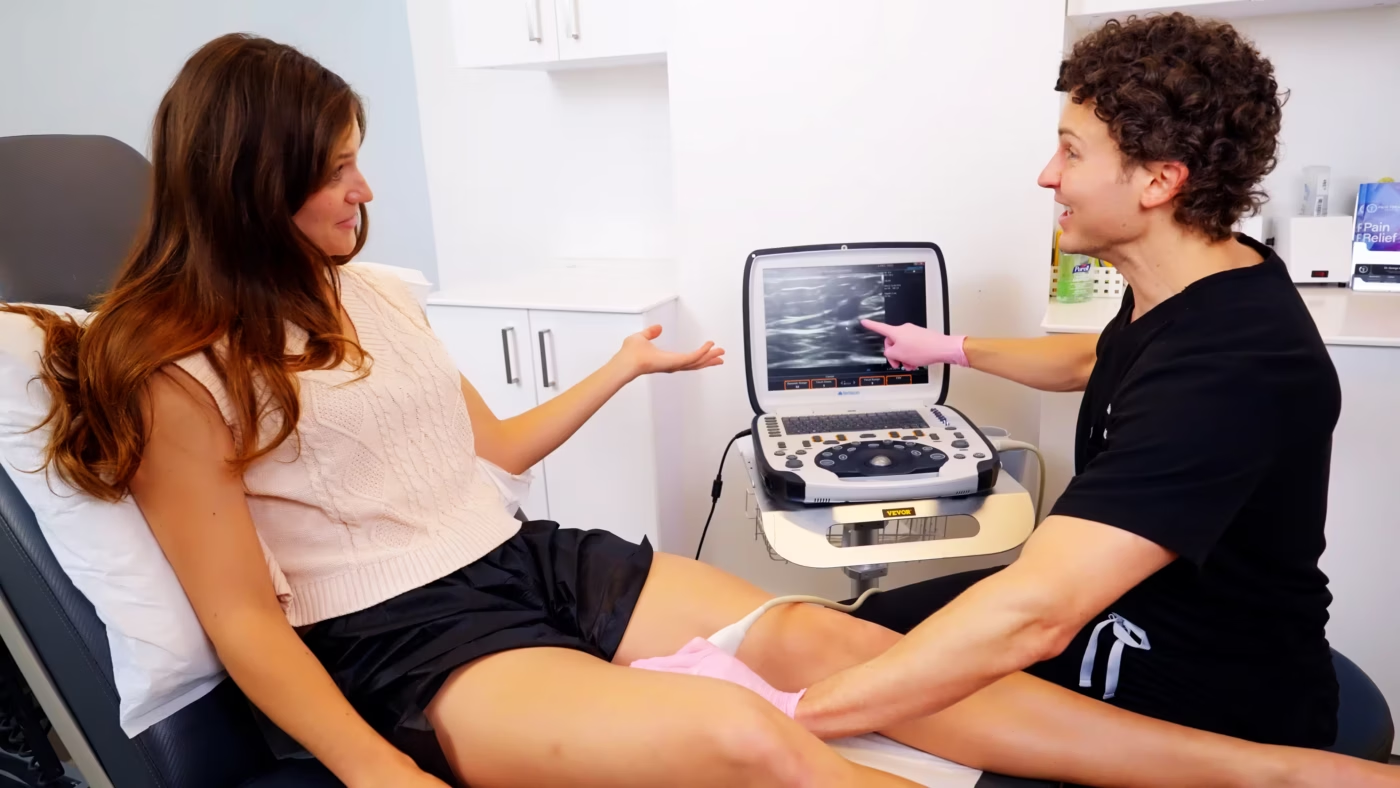
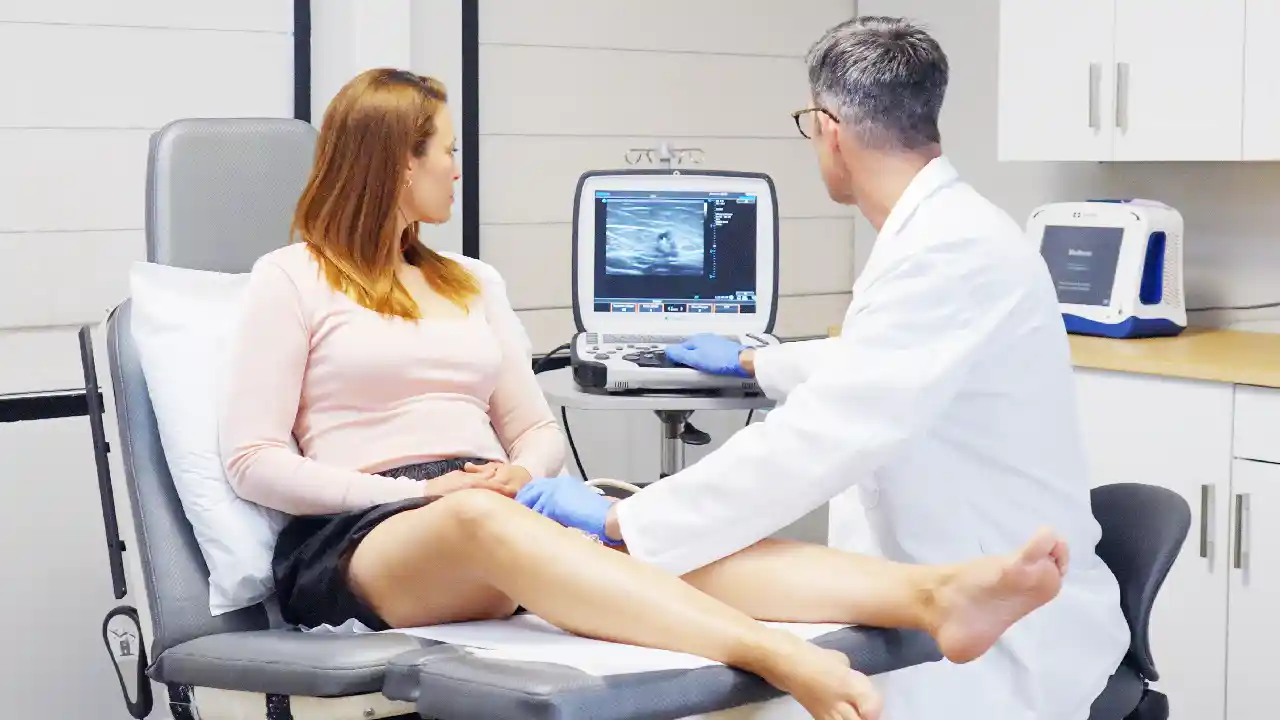
At Vein Treatment Clinic, we specialize in diagnosing and treating varicose veins with minimally invasive vein treatments. Whether you're dealing with the discomfort of varicose veins or just want to learn more about managing them, our team of expert vein specialists is here to help. Let’s take a deeper look at the true causes of varicose veins, how exercise can help manage symptoms, and the treatments that can truly get rid of varicose veins.
The True Root Cause of Varicose Veins: Chronic Venous Insufficiency
Varicose veins are more than just a cosmetic issue—they’re a sign of an underlying condition called chronic venous insufficiency (CVI). This condition occurs when the veins in your legs have difficulty sending blood back to the heart. Normally, your veins have one-way valves that ensure blood flows upward and doesn’t fall back down due to gravity. However, when these valves weaken or become damaged, blood can pool in your veins, causing them to become enlarged and twisted—leading to the development of varicose veins.
CVI is the root cause of varicose veins, and it's essential to understand that simply addressing the appearance of the veins without treating CVI will not solve the problem. If left untreated, the condition can worsen symptoms such as pain, swelling, and skin changes and eventually lead to complications like blood clots or leg ulcers.
Exercise Can Manage Symptoms, But It Can't Treat Varicose Veins
While exercise can’t directly remove varicose veins, it can improve circulation, reduce swelling, and alleviate some of the discomfort associated with the condition. Exercise is an excellent way to manage the symptoms of varicose veins, especially in the early stages, by improving blood flow and strengthening the muscles in your legs, which support healthy vein function.
However, it’s important to note that exercise alone won’t treat the underlying cause of varicose veins—chronic venous insufficiency. In fact, without proper medical treatment, varicose veins may continue to worsen over time. For long-term relief, you’ll need to consult with a vein specialist who can recommend a treatment plan to address the root cause of the problem.
Best Exercises for People with Varicose Veins
While intense exercise isn’t a cure for varicose veins, there are specific exercises that can help reduce symptoms and prevent the condition from worsening. Here are some of the best exercises for people with varicose veins:
Walking
Walking is one of the most effective and gentle exercises for improving circulation and alleviating the discomfort of varicose veins. The rhythmic movement of walking helps pump blood through your veins and reduces the pressure that causes blood to pool. It’s a low-impact activity that doesn’t strain your legs excessively, making it perfect for people with varicose veins. Aim for 30 minutes of walking most days of the week to reap the benefits.
Swimming
Swimming is another excellent exercise for varicose veins because the buoyancy of the water reduces the pressure on your veins while providing a full-body workout. Swimming helps strengthen the muscles in your legs and improves circulation while being gentle on your joints. It’s a great option if you’re looking for a low-impact, effective way to manage your varicose veins. The water’s resistance provides an effective cardiovascular workout.
Leg Raises
Leg raises are a simple yet effective exercise that can help improve circulation and reduce leg swelling. To perform a leg raise, lie flat on your back with your legs extended. Slowly lift one leg at a time, keeping it straight until it’s about 45 degrees off the floor. Hold for a few seconds, then lower your leg back down. Repeat this motion for 10-15 repetitions per leg. Leg raises help to strengthen the muscles in your legs and reduce the pressure of varicose veins.
Ankle Circles
Ankle circles are a great exercise for improving circulation in your legs and feet. This simple movement helps stimulate blood flow, particularly in the lower extremities, where varicose veins are most common. To do ankle circles, sit on a chair or lie on your back and extend one leg. Rotate your ankle in a circular motion, first clockwise, then counterclockwise. Perform 10-15 circles in each direction, then switch to the other leg.
Calf Raises
Calf raises are an effective exercise for strengthening the muscles in your lower legs and improving circulation. To perform a calf raise, stand with your feet hip-width apart and slowly raise your heels off the ground, standing on your toes. Hold the position for a few seconds before lowering your heels back down. Repeat for 10-15 repetitions. Calf raises help to improve blood flow through the veins in your legs and can alleviate discomfort.
Additional Tips to Help with Varicose Veins
Along with exercise, there are other lifestyle changes and habits that can help reduce the symptoms of varicose veins:
- Elevate Your Legs: Elevating your legs above the level of your heart several times a day can help reduce swelling and improve circulation. Try lying down with your legs propped up on a pillow or using a leg rest when sitting.
- Wear Compression Stockings: Compression stockings can help promote blood flow in your legs and reduce the swelling associated with varicose veins. These stockings apply gentle pressure to your legs, helping the veins function more effectively.
- Avoid Prolonged Sitting or Standing: If your job or daily activities require you to be on your feet for long periods, make a point to take frequent breaks to move around. Sitting or standing for long periods can exacerbate the symptoms of varicose veins.
- Maintain a Healthy Weight: Carrying excess weight puts additional strain on your veins and can increase your risk of developing varicose veins. Maintaining a healthy weight through diet and exercise can help alleviate the pressure on your veins.
- Avoid Tight Clothing: Tight clothing, especially around your waist and thighs, can restrict blood flow and contribute to the development of varicose veins. Choose loose-fitting clothing to allow your veins to function more efficiently.
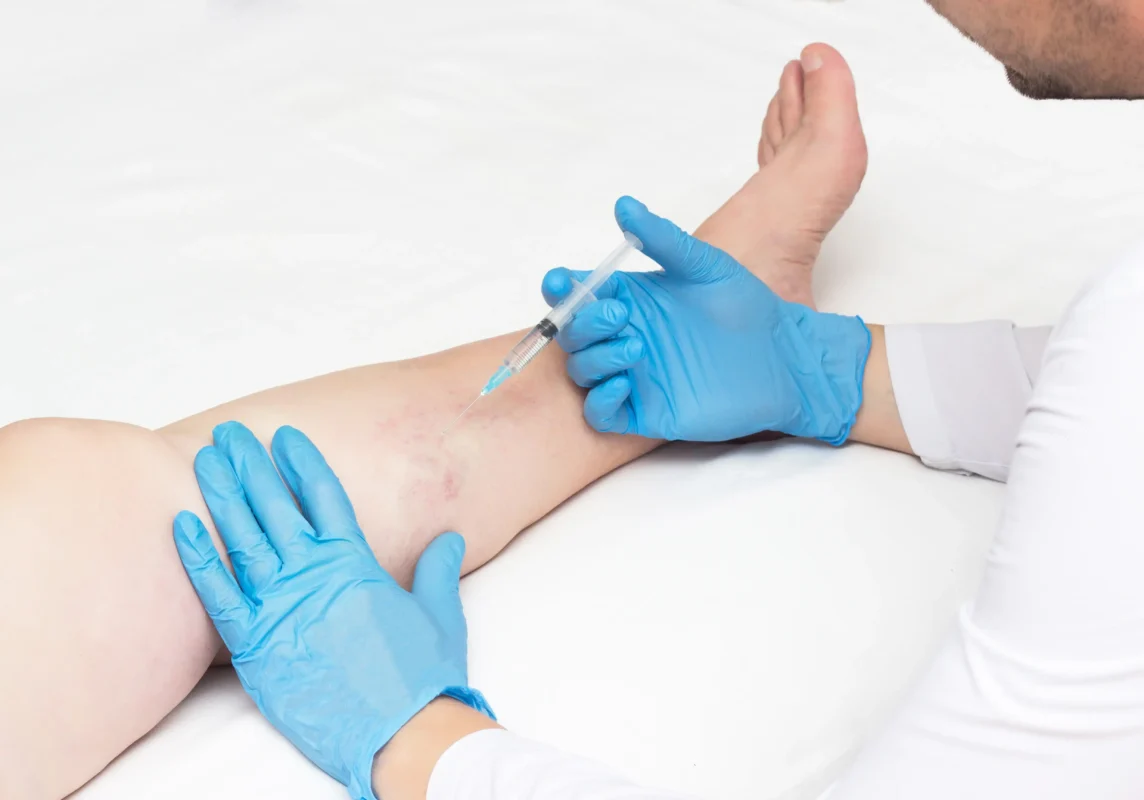
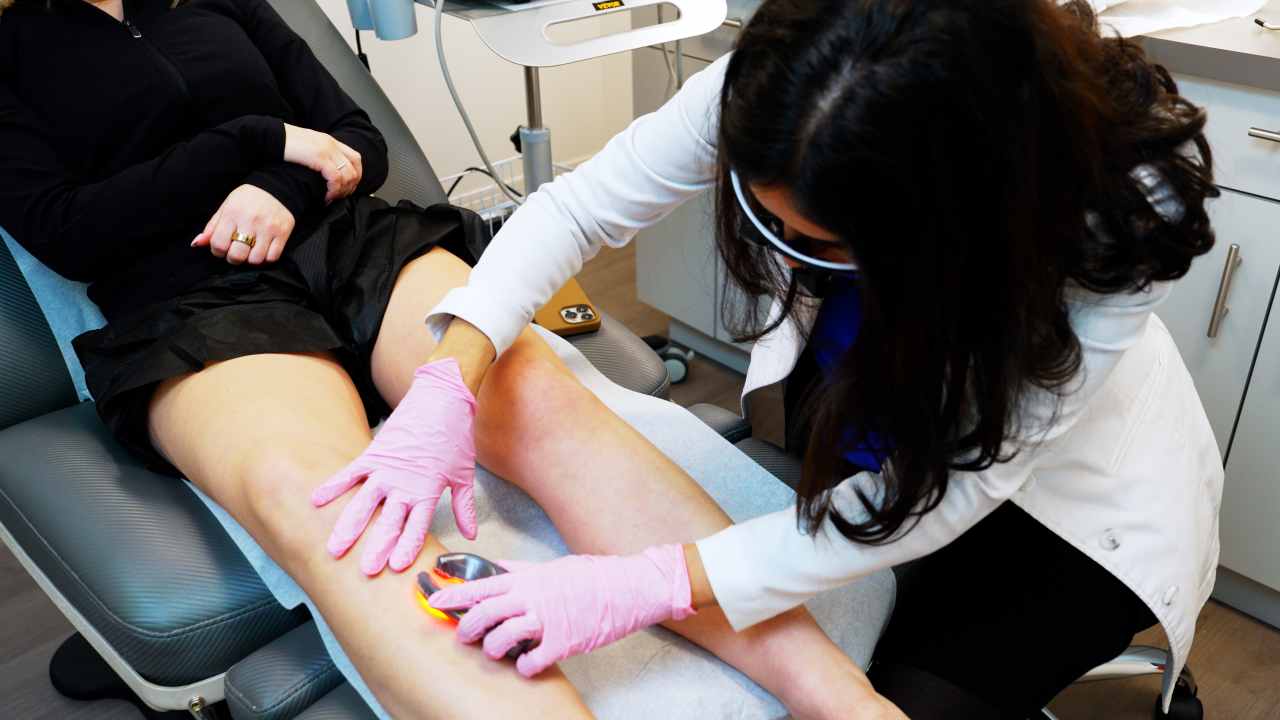
While exercise can help manage varicose veins, it’s important to understand that it will not permanently remove them. The only way to truly treat varicose veins is through minimally invasive treatments provided by expert vein specialists, such as sclerotherapy, endovenous laser ablation, radiofrequency ablation and ambulatory phlebectomy.
Contact us to verify your insurance details and learn about our various minimally invasive vein treatments at Vein Treatment Clinic. With locations across New York, Long Island, California, Maryland, and New Jersey, our state-of-the-art vein clinics offer personalized care to help you eliminate varicose veins and improve your quality of life.
Frequently Asked Questions
Can exercise make varicose veins worse?
Exercise itself does not cause varicose veins to worsen. However, certain high-impact or straining activities may temporarily increase symptoms like swelling or discomfort. Stick to low-impact exercises like walking and swimming, and avoid heavy lifting that requires holding your breath. If you notice increased pain during exercise, consult a vein specialist.
Explore your treatment options ›
Is it safe to exercise with varicose veins?
Yes, it is generally safe to exercise with varicose veins. In fact, regular movement is encouraged because it helps improve circulation and may reduce symptoms. Focus on low-impact activities that activate your calf muscles without putting excessive strain on your legs. If you have severe symptoms or complications, check with your doctor before starting a new exercise routine.
Find modern solutions with minimal downtime ›
How long does it take to see improvement from exercise?
Most people notice some symptom relief within a few weeks of consistent low-impact exercise. Reduced swelling and leg heaviness are often the first improvements. However, exercise cannot reverse existing vein damage. For visible varicose veins, medical treatment is needed. Think of exercise as symptom management, not a cure.
Find modern solutions with minimal downtime ›
Can I run or jog if I have varicose veins?
Light jogging on soft surfaces may be acceptable for some people with mild varicose veins. However, running on hard pavement can increase impact on your legs and may worsen symptoms. Walking is generally a better option because it provides circulation benefits with less stress on your veins. If you prefer running, wear compression stockings and listen to your body.
Should I wear compression stockings while exercising?
Wearing compression stockings during exercise can help support blood flow and reduce swelling. They are especially helpful during walking, light jogging, or standing exercises. The gentle pressure helps your calf muscles pump blood more efficiently. Your vein specialist can recommend the right compression level for your activity level.