

Spider Veins: Causes, Symptoms and Treatments
What are spider veins?
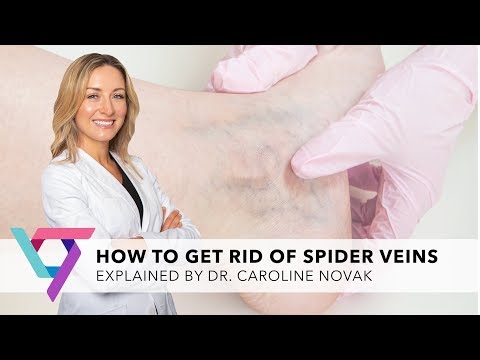
Spider veins are unhealthy veins just underneath the skin, most commonly located on the lower extremities. Spider veins are typically blue, red, or purple and often appear in clusters that radiate outward.
They may have a spidery appearance, giving them their name. Spider veins are often caused by an underlying condition known as chronic venous insufficiency. The medical term for spider veins is telangiectasia.
What Causes Spider Veins?
Spider veins are often caused by poor circulation in the veins located slightly deeper within the legs, a condition known as chronic venous insufficiency.
Leg veins return blood to the heart, primarily through deep veins, while superficial veins carry a smaller amount. One-way valves prevent backflow, but when they fail, blood can leak down, causing swelling and new veins, like spider veins.
According to research conducted by the Office on Women’s Health in the United States, more than 54% of women and 45% of men have spider or varicose veins.
Spider veins may be asymptomatic or cause significant discomfort. Symptoms include restlessness, fatigue, heaviness, cramps, swelling, and skin pain. Venous insufficiency and spider vein symptoms worsen with prolonged sitting or standing and improve with exercise.
If your spider veins cause pain or other severe symptoms, it’s a good idea to consult a vein specialist. Your health matters!
Who is at Risk for Spider Veins?
Spider veins are more common in adults, especially women, due to higher estrogen levels. Risk factors include age, pregnancy, obesity, hormone therapy, jobs involving prolonged sitting or standing, leg injuries, birth control pills, family history of vein disease, and previous blood clots.
Family history, or genetics, is the single most significant risk factor for developing the condition. If your mother and father both had spider veins, you are at a 90% risk of developing chronic venous insufficiency.
What are the symptoms of Spider Veins?
Spider veins often cause few symptoms beyond an undesirable cosmetic appearance. However, some individuals may experience severe symptoms, including:
- Heaviness
- Swelling
- Aching
- Throbbing
- Burning
- Itching
- Tingling
- Cramping of the legs
In more severe cases of vein disease, people may develop skin changes and ulcerations that heal poorly.
Start your journey towards healthier legs today!
Spider Veins Treatments
How do Doctors Treat Spider Veins?
Spider veins don’t always require treatment, unless you’re experiencing pain or other severe symptoms. If you have severe symptoms or would like the veins to be removed for aesthetic reasons, vein doctors consider treatments such as sclerotherapy.
What is the Best Treatment for Spider Veins?
Treatment for spider veins is safe and effective. It’s important to remember that a comprehensive vein evaluation is necessary before treating spider veins. If you have underlying venous insufficiency and undergo vein treatment without addressing this issue, the spider veins will inevitably return.
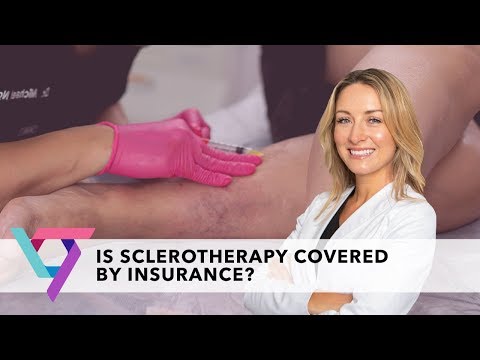
Sclerotherapy: Severe spider veins may not respond to home treatments, requiring specialized procedures such as sclerotherapy. This safe and effective treatment, typically done for cosmetic reasons, is performed in a physician's office to eliminate spider veins.
Radiofrequency Ablation:
Endovenous ablation with radiofrequency ablation is a minimally invasive treatment for chronic venous insufficiency. It is similar to laser ablation, but uses thermal energy instead of laser energy.
Compared to laser ablation, radiofrequency ablation is typically associated with less discomfort and bruising after the procedure.
Endovenous Laser:
Endovenous Laser Treatment is used to treat underlying venous insufficiency. It is safer and easier than most vein surgery and can be performed on an outpatient basis with local anesthesia only.
Laser Therapy:
Skin laser therapy is mainly used to reduce spider veins, especially the smallest ones. It can be a good alternative or used alongside sclerotherapy for better results. However, it's not suitable for all skin types and doesn't address symptoms of chronic venous insufficiency.
Daily Exercise:
Engaging in daily exercise can help alleviate spider vein symptoms by strengthening the calf muscles and improving blood circulation. It's essential to avoid prolonged periods of sitting or standing, and elevating the legs above heart level can also help reduce swelling and improve circulation.
Compression Stockings:
Compression stockings, or support stockings, are a simple at-home solution that helps push blood upwards towards the heart, reducing pressure in leg veins. While they don't improve the appearance of spider veins, they can help alleviate symptoms.
If your spider veins cause pain or other severe symptoms, it’s a good idea to consult a vein specialist. Your health matters!
Meet our team
Vein diseases
Vein Treatment FAQ
Special event coming up and need to make an appointment as soon as possible? Give us a call today
Give us a call, and our team will do the rest! We will collect your insurance information to ensure you’re covered and book you an appointment as soon as possible.
Give us a call at (844) 690-1788
One click towards healthy legs