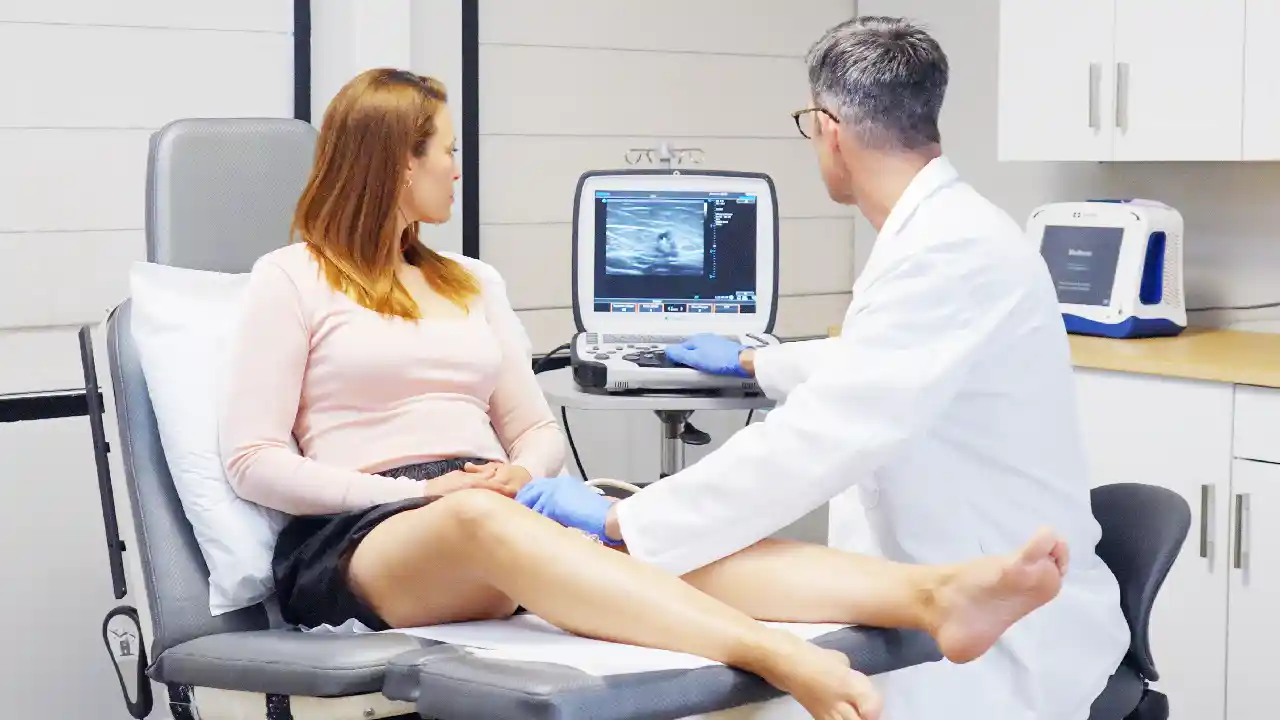

How to Tell if your Vein Problems are more than Cosmetic?
The first thing you might notice about your spider veins and varicose veins is that they look pretty bad.
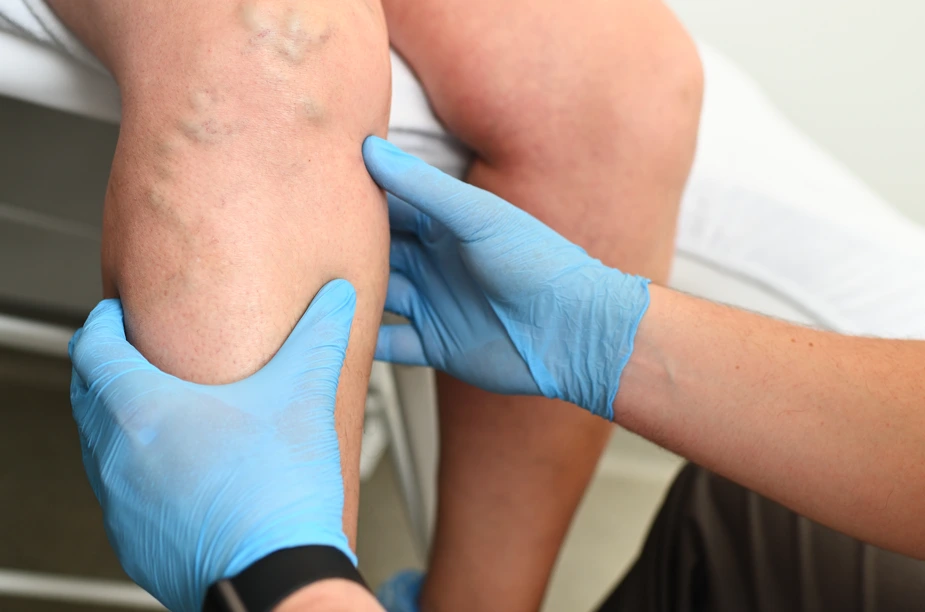
Spider veins look like clusters of thin wispy spider webs on your skin whereas varicose veins look like a twisted mass of knotted ropes protruding from the surface of the skin. They may be bluish, reddish, or even purple in color and they usually appear in clusters on your legs. Over time, these veins also grow in prominence and become more visible, spreading to larger areas of your body.
In some cases, spider veins can be merely cosmetic. They still look terrible and may be a source of social anxiety and self-consciousness, but they’re not really dangerous in a medical sense.
However, in most cases, spider veins and varicose veins are just symptomatic of a far more dangerous underlying issue called chronic venous insufficiency. Very often, your vein problems aren’t just cosmetic but an indication of a medically serious disorder.
Chronic venous insufficiency is a disorder in which the valves in the veins malfunction. This renders them incapable of facilitating smooth blood flow to the heart, which leads to venous reflux as blood flows back down to accumulate in the leg veins. As more blood accumulates in the veins, it applies pressure on the vein walls and eventually expands them, thus leading to spider veins and varicose veins.
But how can you detect the presence of chronic venous insufficiency? How to tell if your vein problems are more than just cosmetic? That’s what we’ll discuss in this article.
Initial Warning Symptoms
Chronic venous insufficiency is a dangerous medical condition and it can lead to various terrible complications. However, it starts with relatively mild warning signs and symptoms. These include heaviness or aching in the legs, irritation and itching or veins, throbbing veins, frequent leg cramps, restless legs, swollen ankles and feet, and exhaustion.
These symptoms generally get worse over time and are at their worst at the end of the day or after long periods of sitting and standing still. Venous insufficiency is an incredibly under-diagnosed disease because these symptoms are often misattributed to the simple process of aging. If you experience several of these symptoms frequently, you should get tested for vein disease.
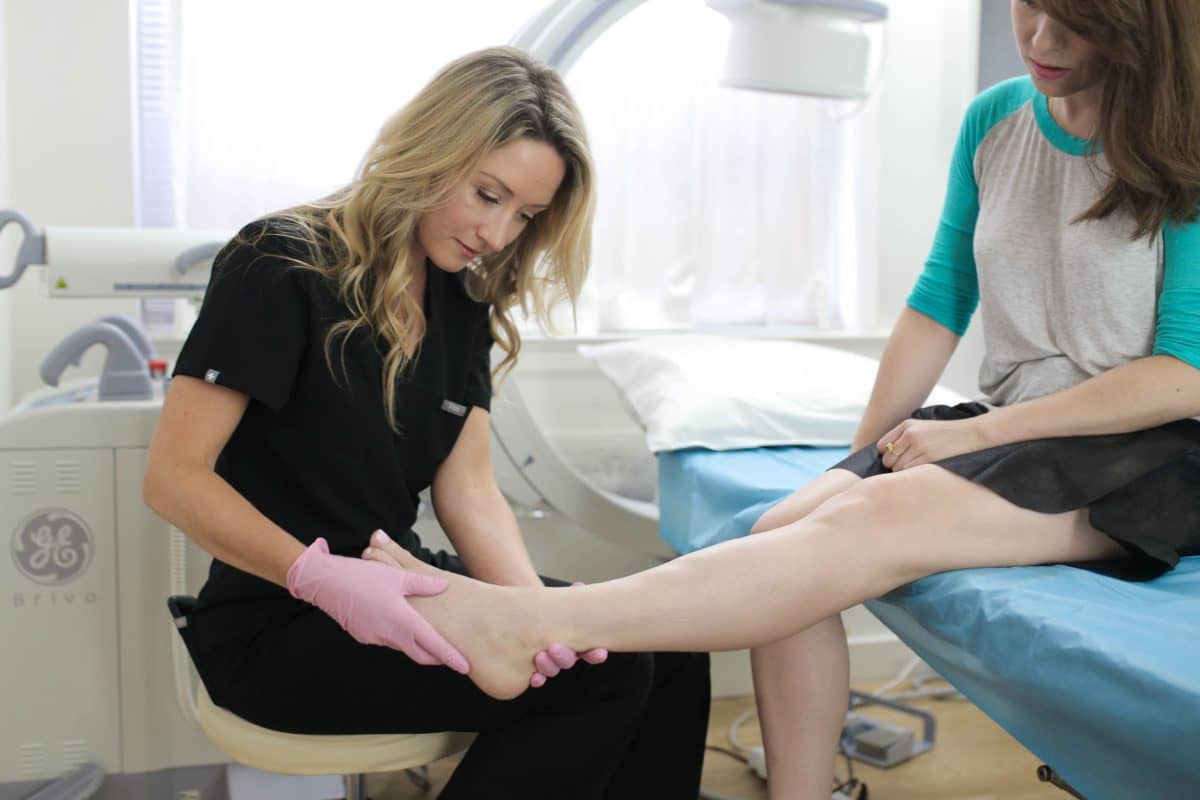
Formation of Varicose Veins
Varicose veins are large, swollen, twisted, rope-like blood vessels that bulge out of the surface of the skin. While spider veins aren’t always indicative of vein disease, varicose veins are almost always symptomatic of vein disease.
Profuse Bleeding
Varicose veins are essentially distended and highly-sensitive blood vessels protruding from the surface of the skin. As such, even tiny bumps or scratches can burst varicose veins and lead to profuse and unstoppable bleeding. When that happens, you have to be taken to the emergency room.
Skin Infections
If your vein problems are merely cosmetic, they won’t be accompanied by surrounding skin infections and diseases. However, if your vein problem stems from an underlying condition, you will eventually suffer from eczema (red and scaly inflamed skin), scarring of the tissues underneath the skin, and leg ulcers (non-healing wounds).
Deep Vein Thrombosis
The clearest and most dangerous sign that your vein problems aren’t merely cosmetic is the formation of blood clots in your veins. When vein disease progresses to its final stage, the accumulated blood in your veins may clot. If these clots break away, they can travel to the lungs, thereby inducing a potentially fatal condition called pulmonary embolism.
Best Minimally Invasive Varicose Vein Treatment Options
Historically, surgery was the only viable option for vein disease treatment, despite the fact that it wasn’t very effective and had a high risk of complications like deep vein thrombosis and infections. In recent years, however, vein treatments have advanced greatly. You can now treat vein disease with minimally invasive and non-surgical procedures that cause minimal pain and discomfort.
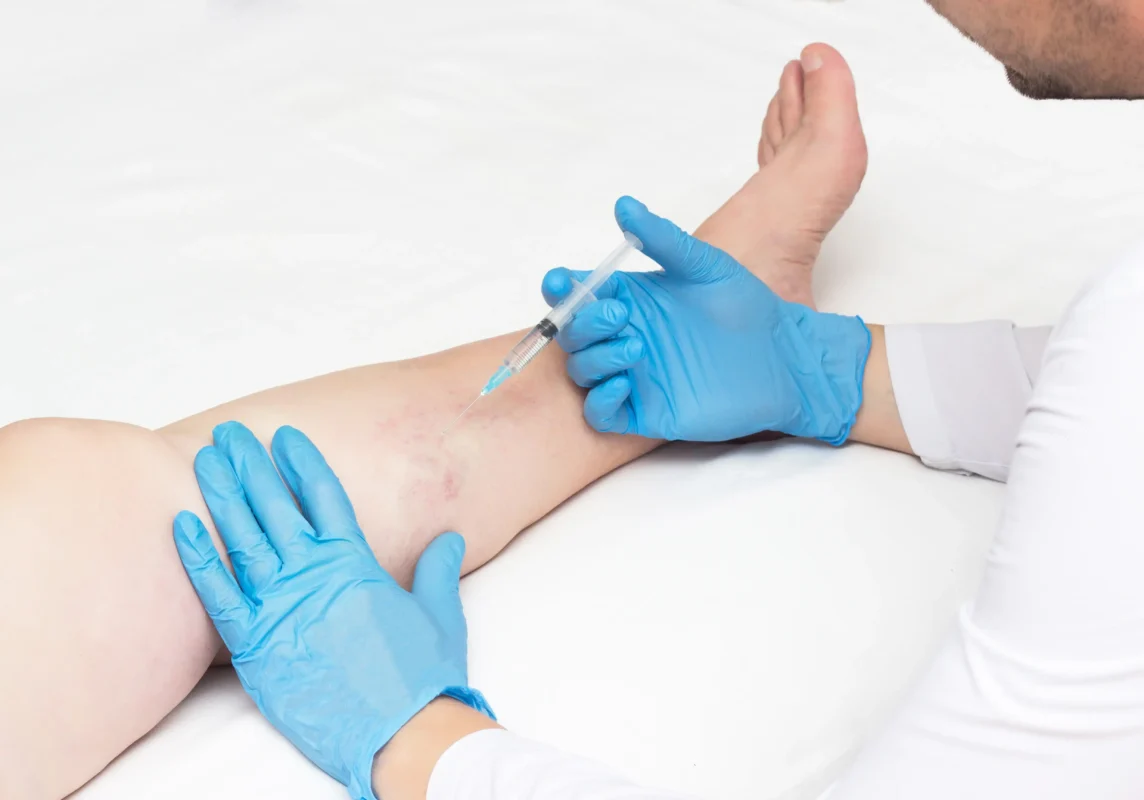
The beat minimally invasive varicose vein treatment options are radiofrequency ablation, endovenous laser ablation and sclerotherapy. Out of these, sclerotherapy is a largely cosmetic treatment used to get rid of surface spider veins. However, if your vein problems are more than cosmetic, you’ll need to treat the underlying vein disease, and that’s where radiofrequency ablation and endovenous laser ablation come in.
During these varicose vein treatment procedures, the vein doctor will use heat energy, laser energy, or medical adhesives to either irritate or fuse the walls of the diseased saphenous vein. This will essentially shut the diseased vein down, allowing blood to flow to healthier veins, restoring smooth blood circulation. Over time, the diseased vein will harden and get reabsorbed into the body.
Consult the Best Vascular Surgeon
So now you understand how to tell if your vein problems are more than cosmetic. Signs and symptoms like heavy legs, swollen ankles, varicose veins, profuse bleeding, skin infections can lead you to the conclusion that you may be suffering from vein disease. Even if you’re not sure, please consult Vein Treatment Clinic NY or Vein Treatment Clinic NJ for a diagnosis. Our expert board-certified vein doctors will study your symptoms and run tests to diagnose the underlying root cause of your vein problems and treat them accordingly.
Frequently Asked Questions
Are spider veins a sign of poor circulation?
Spider veins may indicate small vessels near the skin surface have dilated. This can reflect poor circulation in those vessels, but doesn't mean your overall circulation is impaired. Larger clusters may indicate underlying venous insufficiency that deserves evaluation.
Explore your treatment options ›
What causes poor circulation in the legs?
Poor leg circulation may result from venous insufficiency, peripheral artery disease, diabetes, or blood clots. Symptoms include heaviness, swelling, cramping, numbness, or skin changes. An evaluation determines the cause and guides appropriate treatment for your specific condition.
Talk to a vein specialist about your symptoms ›
Can spider veins indicate a deeper vein problem?
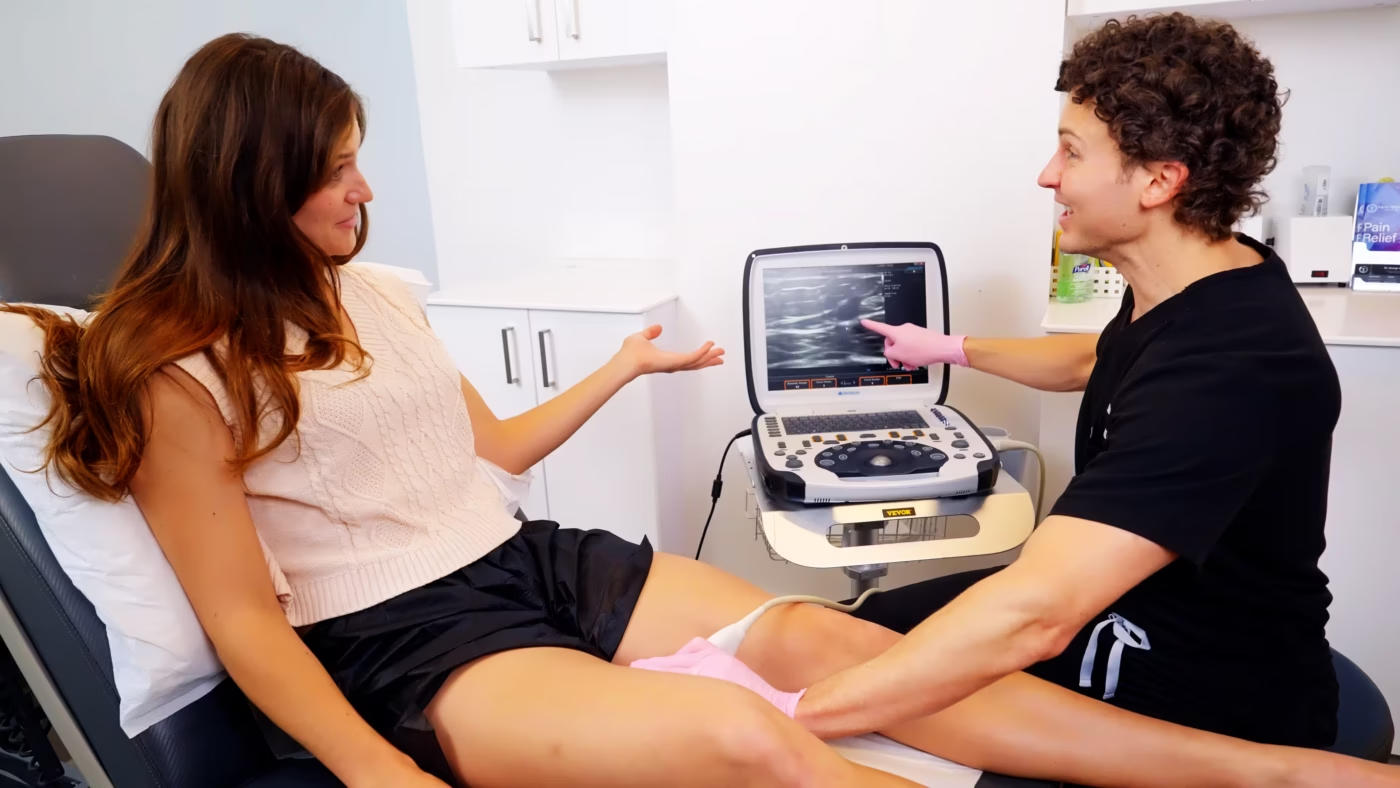
Yes. Spider veins can be the visible sign of underlying venous insufficiency in deeper veins. However you will need an ultrasound to reveal whether reflux in larger veins is feeding the spider veins. Treating the source improves results and reduces recurrence. Speaking with a vein specialist is an effective way to get personalized recommendations.
Explore your treatment options ›
How do I know if my circulation is poor?
Signs of poor leg circulation include persistent swelling, heaviness, cramping, numbness, tingling, skin color changes, wounds that heal slowly, or cold feet. If you experience these symptoms, an evaluation can determine the cause and appropriate treatment.
Talk to a vein specialist about your symptoms ›
Can supporting circulation make spider veins go away?
Improved circulation can prevent new spider veins and slow progression, but existing spider veins don't disappear on their own. Treatment like sclerotherapy closes visible spider veins. Addressing underlying venous insufficiency improves outcomes and reduces recurrence. A vein specialist can evaluate your specific situation during a consultation.