
What causes varicose veins during pregnancy?
Varicose veins during pregnancy are caused by an increase in your body’s hormones, which can weaken the walls of the veins. Combined with the extra weight of the baby and your growing uterus, the added pressure on the veins can damage the valves responsible for ensuring optimal blood flow to the heart against the force of gravity. Once the vein valves malfunction, blood flows backward and accumulates in the leg veins, eventually leading to vascular dilation and the formation of spider veins and varicose veins.
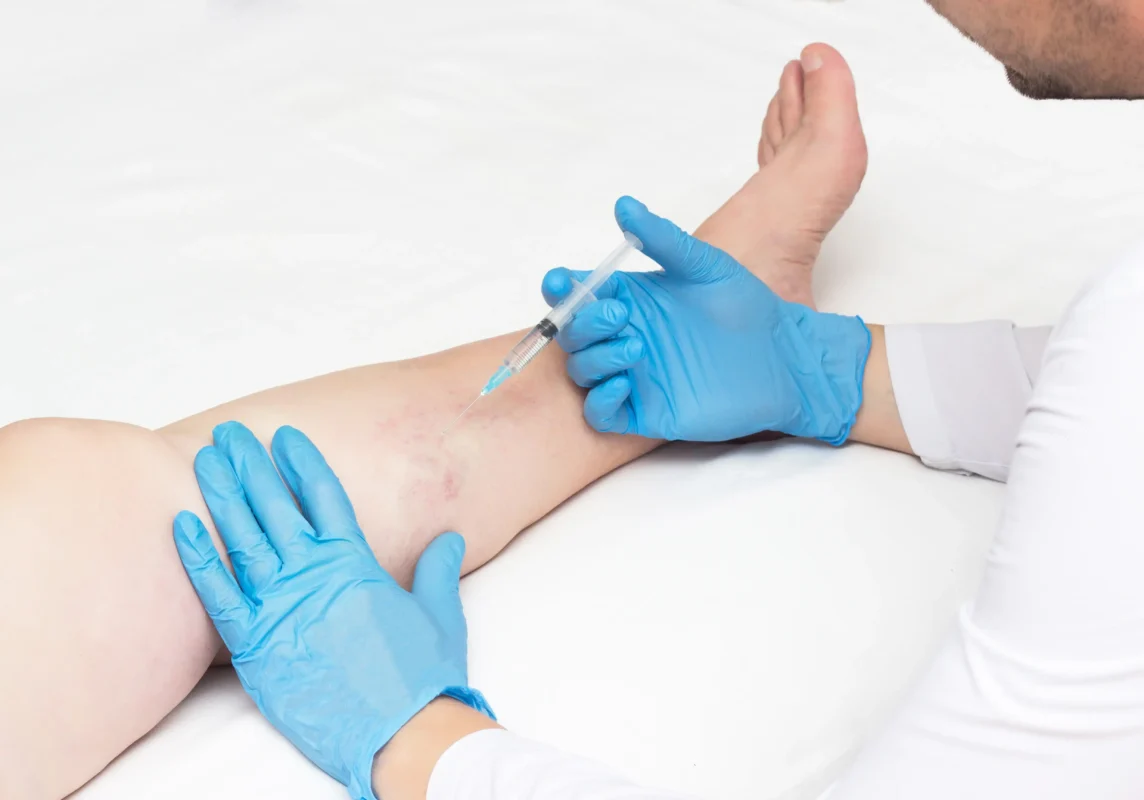
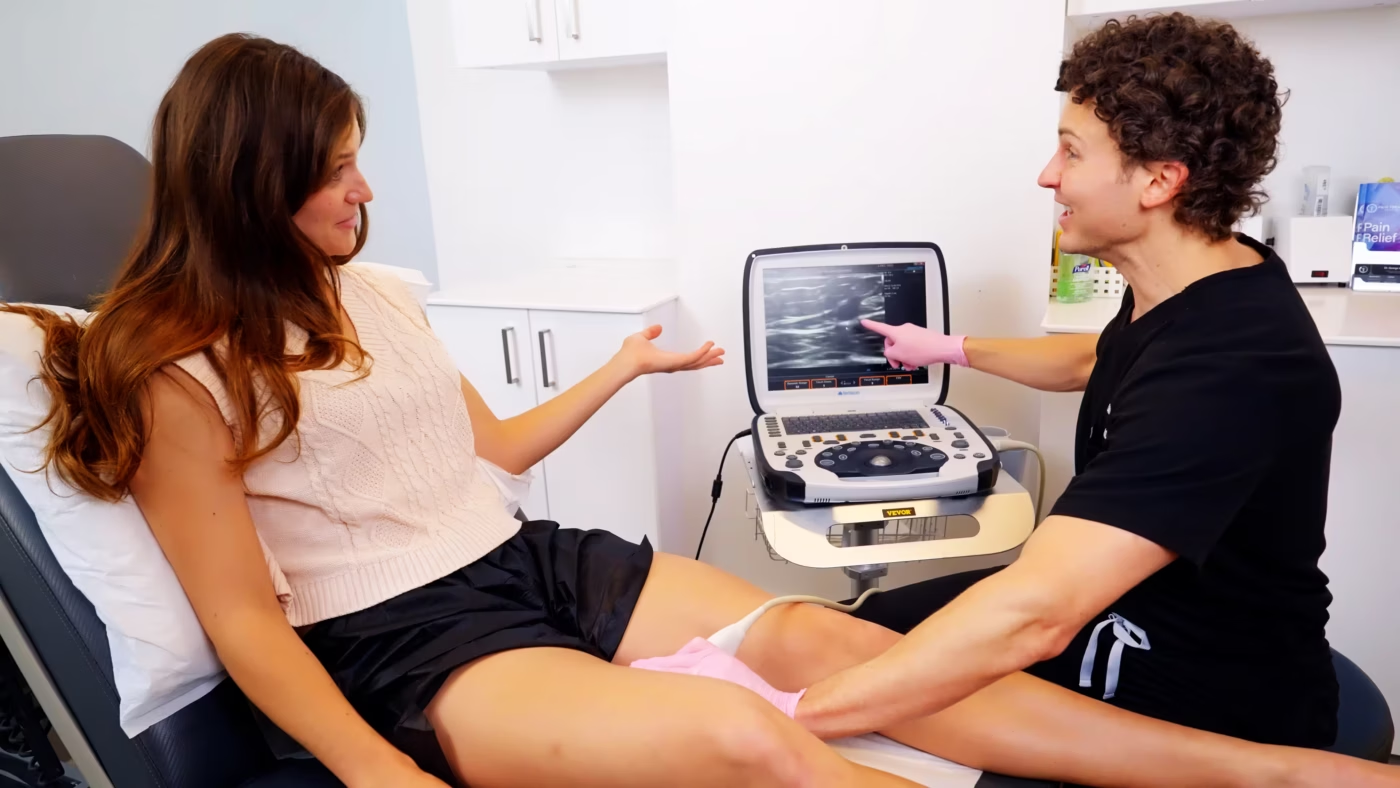
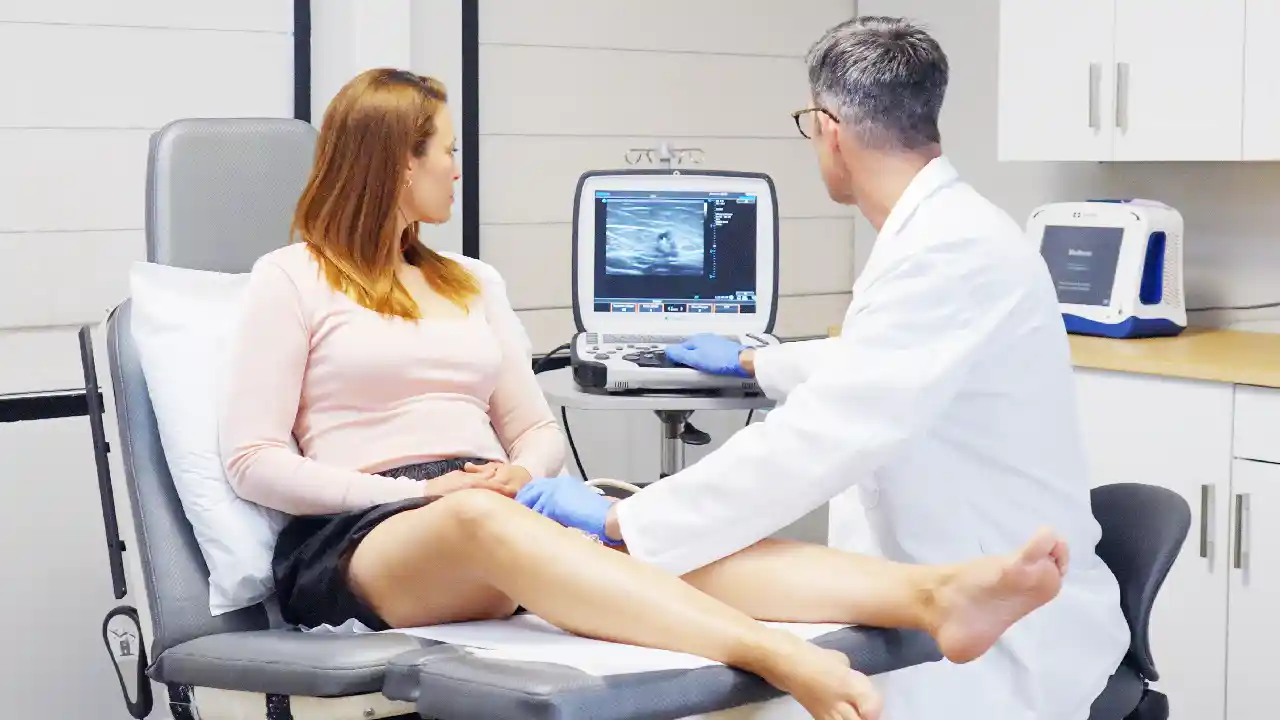
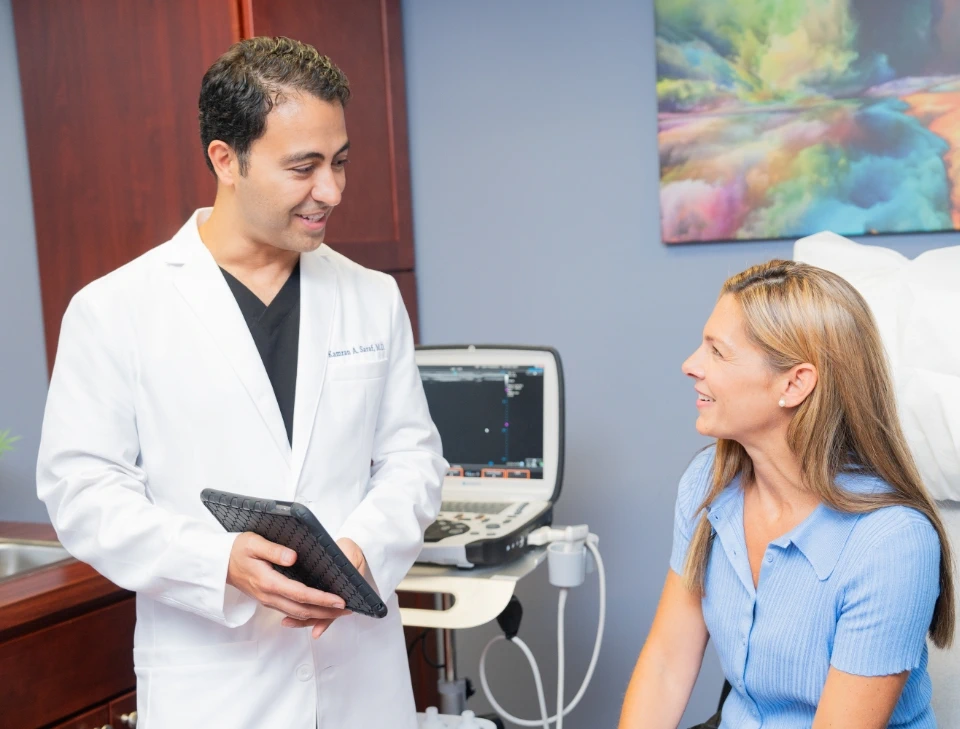
Vein Treatment Clinic is a group of state-of-the-art medical centers specializing in vein treatments. Our vein doctors carefully examine your leg veins, discuss your goals and symptoms, review your medical history, and curate personalized treatment plans to address the root cause of your varicose veins and treat underlying vein disease. If you’re pregnant, you may not need immediate treatment, but our vein doctors can still discuss lifestyle changes and provide compression stockings to reduce the symptoms of varicose veins.
You can find our vein treatment clinics in New York, Long Island, New Jersey, California, and Maryland. If you’re in Long Island, you may visit our vein doctors in West Islip, Jericho, or Hampton Bays. Please schedule an appointment at your nearest vein treatment clinic.
What is the primary cause of varicose veins?
The primary cause of varicose veins is chronic venous insufficiency (CVI). CVI is a medical condition that occurs when the one-way valves in the veins weaken, leading to blood pooling in the legs, which causes the veins to become visibly swollen and twisted. With CVI, blood can’t circulate back up to the heart, leading to increased pressure within the veins and the associated problems, such as varicose veins and spider veins.
Are varicose veins hereditary?
Yes, varicose veins are often hereditary, meaning they can be passed down from one generation to the next. While lifestyle factors (such as prolonged sitting/standing and obesity) can cause varicose veins, genetic factors play an important role in their development. If your biological mother and father have a history of vein problems, there’s a 90% chance that you’ll eventually develop vein problems. That’s because you may have certain genes that lead to weaker vein valves, increasing the risk of vein disease.
If you are predisposed to varicose veins, it is recommended to take preventive measures, such as wearing compression stockings or avoiding activities that require prolonged standing.
What are the risk factors for varicose veins?
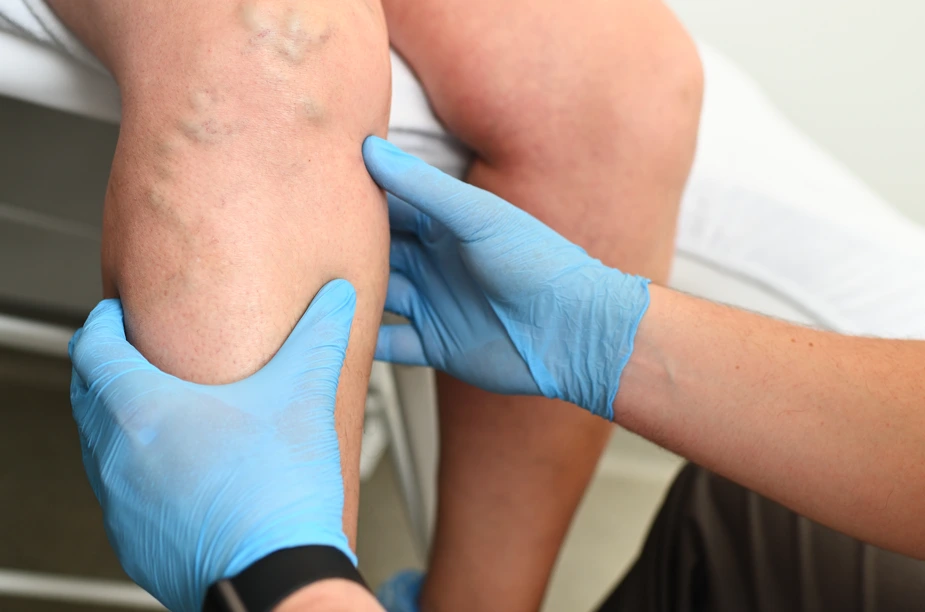
Varicose veins occur when the veins become enlarged, dilated, and twisty. They often appear most prominently on the legs, appear swollen and lumpy, and may cause discomfort. As previously discussed, varicose veins usually occur because of pregnancy and genetic predisposition. But what are the other possible risk factors for varicose veins?
- Age: Varicose veins often appear as people become older. As the walls of the veins become thinner and weaker with age, they are more likely to bulge and become enlarged.
- Gender: Women are more likely to develop varicose veins. That’s because women have a higher volume of estrogen and progesterone, which can weaken vein walls.
- Standing for long periods: If you have to stand for long periods, the pressure on your legs can pool the blood in your veins, causing it to enlarge.
- Lack of movement: If you have a job or lifestyle that requires you to sit for long periods of time, more blood may accumulate in your leg veins, leading to vein disease.
- Obesity: Being overweight can increase the pressure on your legs, leading to the pooling of blood in the veins and the development of varicose veins.
If you are at risk of developing varicose veins, there are some lifestyle changes you can make to reduce your risk. These include maintaining a healthy weight, taking regular breaks from standing for long periods, and exercising frequently to keep your veins strong. In addition, you can also speak to your vein doctor about minimally invasive treatments.
Varicose veins vs. stretch marks: what’s the difference?
Varicose veins and stretch marks have a few key differences that should be noted. Varicose veins are a medical condition caused by weakened valve walls in the veins, making them bulge out and appear blue or purple. Stretch marks, on the other hand, are lesions caused by sudden stretching of the skin. In some cases, varicose veins and stretch marks may look similar, especially since they often appear during pregnancy. However, they’re completely different problems, and varicose veins usually indicate the underlying medical condition and necessitate a diagnosis and treatment.
How can I prevent varicose veins?
Varicose veins can be unsightly and uncomfortable. Fortunately, there are several steps you can take to minimize the risk of varicose veins. It’s worth noting that you can’t prevent varicose veins with any kind of assurance because they can appear because of numerous underlying risk factors, but certain lifestyle changes can minimize the risk. Here are some practical tips to keep your veins healthy and looking their best.
- Exercise regularly. Exercise promotes circulation, which prevents the accumulation of fluid in the veins. Include aerobic exercise, which gets your heart rate up, such as running, biking, swimming, or hiking.
- Wear compression stockings. Compression stockings apply gentle pressure to your legs to push the blood from your feet up toward your heart. This can relieve the pressure in your veins that can lead to varicose veins.
- Try to avoid sitting or standing for prolonged periods of time. If you must stand or sit for long periods of time, take regular breaks to get up and move around. This keeps your blood moving and prevents a buildup of fluid in the veins.
- Eat foods that are good for your veins. Eating foods high in fiber, such as fruits, vegetables, and whole grains, can promote circulation and minimize the risk.
Frequently Asked Questions
Will pregnancy varicose veins go away after delivery?
Yes, vulvar varicose veins can develop during pregnancy due to increased blood volume, hormonal changes, and pressure from the growing uterus. They often improve after delivery. Wearing supportive undergarments and lying on your left side may help relieve discomfort during pregnancy. Reach out to a vein care team to discuss your individual situation.
A vein doctor is ready to find the right treatment for you ›
Is it safe to treat varicose veins while pregnant?
Vein treatment is typically not recommended during pregnancy. Most procedures are delayed until after delivery and breastfeeding. Pregnancy-related vein changes often improve on their own within months after giving birth. If treatment is needed, your vein specialist will recommend waiting until it's safe. Compression stockings and leg elevation can help manage symptoms during pregnancy.
A vein doctor is ready to find the right treatment for you ›
Will pregnancy varicose veins go away after delivery?
They may improve on their own after giving birth. As hormone levels return to normal and pressure on your veins decreases, many women see their varicose veins fade or become less noticeable. However, if your veins persist several months postpartum, you might benefit from a vein evaluation to discuss treatment options.
Explore your treatment options ›
Can varicose veins during pregnancy affect my baby or delivery?
Leg varicose veins do not affect your baby or the delivery process. They are a circulatory issue in your legs, not related to the uterus or placenta. Discuss any concerns with your healthcare provider for reassurance.
Explore your treatment options ›
When should I see a vein specialist after pregnancy?
If your varicose veins persist with symptoms like pain, swelling, or skin changes six months after delivery, consider a vein evaluation. Many new mothers benefit from treatment once their bodies have recovered from pregnancy.