

Table of contents

Get treated by vein treatment industry leaders
What Are Spider Veins?

Medically verified
Last updated on 1/29/2026

By Dr. Michael Nguyen
Vein Doctor at Vein Treatment Clinic
Harvard Medical School
Board Certified by the American Board of Venous and Lymphatic Medicine
Spider veins are small, visible veins that appear close to the surface of the skin. They often look red, blue, or purple and may form web-like or branching patterns.
Many people notice spider veins because of appearance, while others experience itching, burning, or mild discomfort in the areas where they appear.
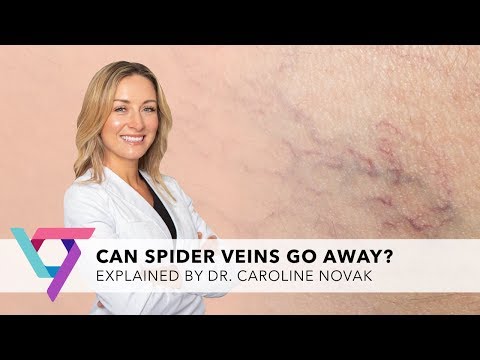
Understanding what spider veins are and why they form helps patients decide when monitoring is appropriate and when evaluation or treatment may be helpful.
If you’re unsure whether your visible veins are spider veins or something else, a vein evaluation can help clarify what’s happening.
What exactly are spider veins?
Spider veins are tiny blood vessels that have widened and become visible near the skin’s surface.
They are smaller and flatter than varicose veins and do not usually bulge above the skin.
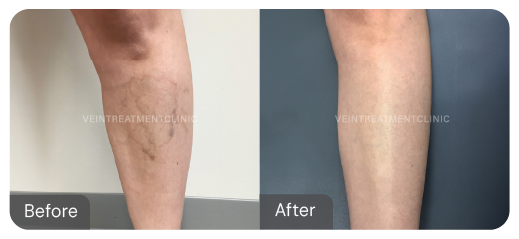
Spider Vein before and after treatment pictures.
Results may vary according to each case.
Spider Vein before and after treatment pictures.
Results may vary according to each case.
Why are they called “spider” veins?
The name comes from their appearance. Spider veins often resemble spider webs or branching patterns.
They can appear as thin lines or clusters, commonly on the legs and sometimes on the face.
Spider veins medical term
Clinicians often call them telangiectasias: tiny dilated vessels near the skin that match the web-like patterns patients notice on the legs or face.
What do spider veins look like?
Many people describe them as red blue veins on legs—thin, branching lines rather than bulging cords.
They are small visible leg veins sitting close to the skin’s surface.
Symptom Checker
Where do spider veins usually appear?
Spider veins most commonly appear on the thighs, calves, ankles, and behind the knees.
They can also appear on the face, especially around the nose and cheeks.
Spider veins on legs
They most often show up on the thighs, calves, ankles, and behind the knees.
Standing, hormones, and family history can make leg patterns more noticeable over time, even when symptoms stay mild.
Are spider veins the same as varicose veins?
No. Spider veins are smaller and closer to the skin, while varicose veins are larger, deeper, and often bulge above the surface.
Varicose veins are more likely to be associated with underlying circulation problems.
Small Spiders or Bulging Veins? Learn to Know the Difference
Do spider veins cause symptoms?
Many spider veins cause no symptoms and are noticed only because of appearance.
Some patients experience itching, burning, aching, or tenderness in the affected areas.
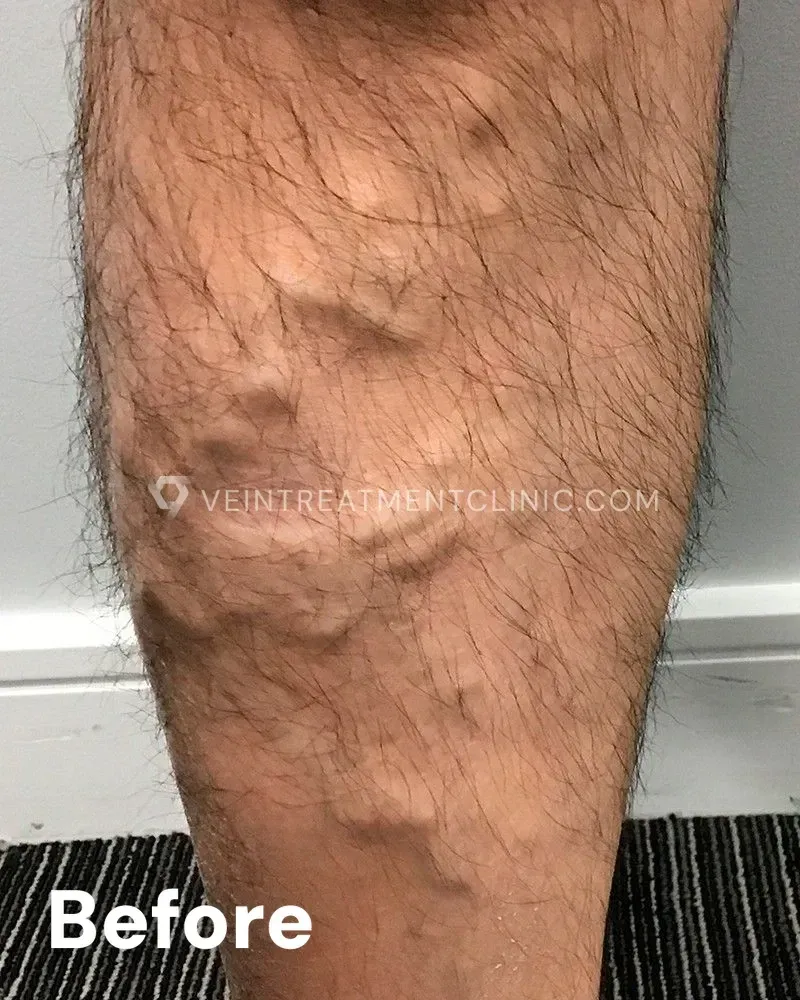
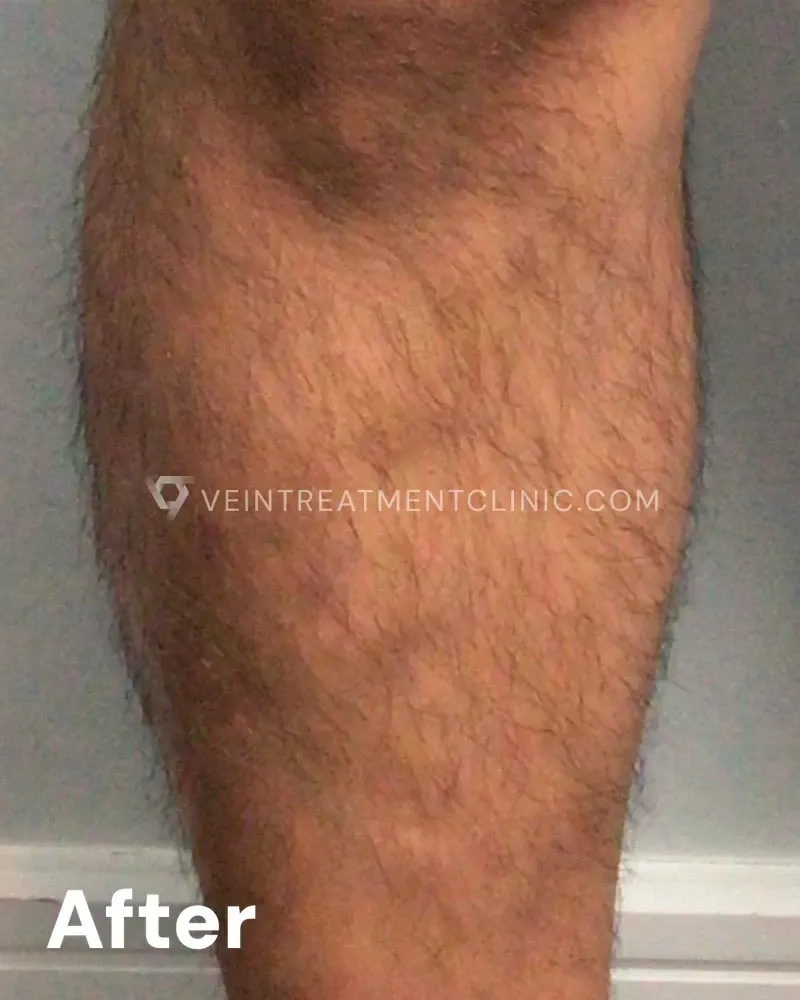
Male, treated for varicose veins on the calves with VeinVanish™, a customized treatment plan tailored to his condition. The after photo shows the treated areas appearing smoother with the varicose veins visibly reduced.
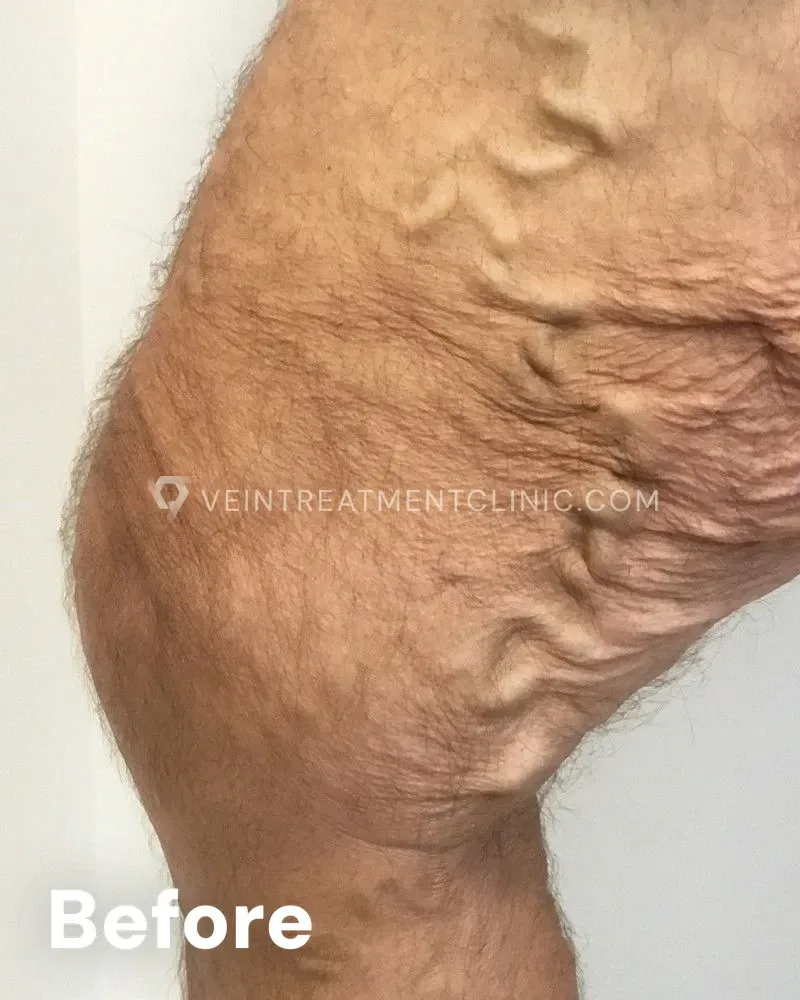
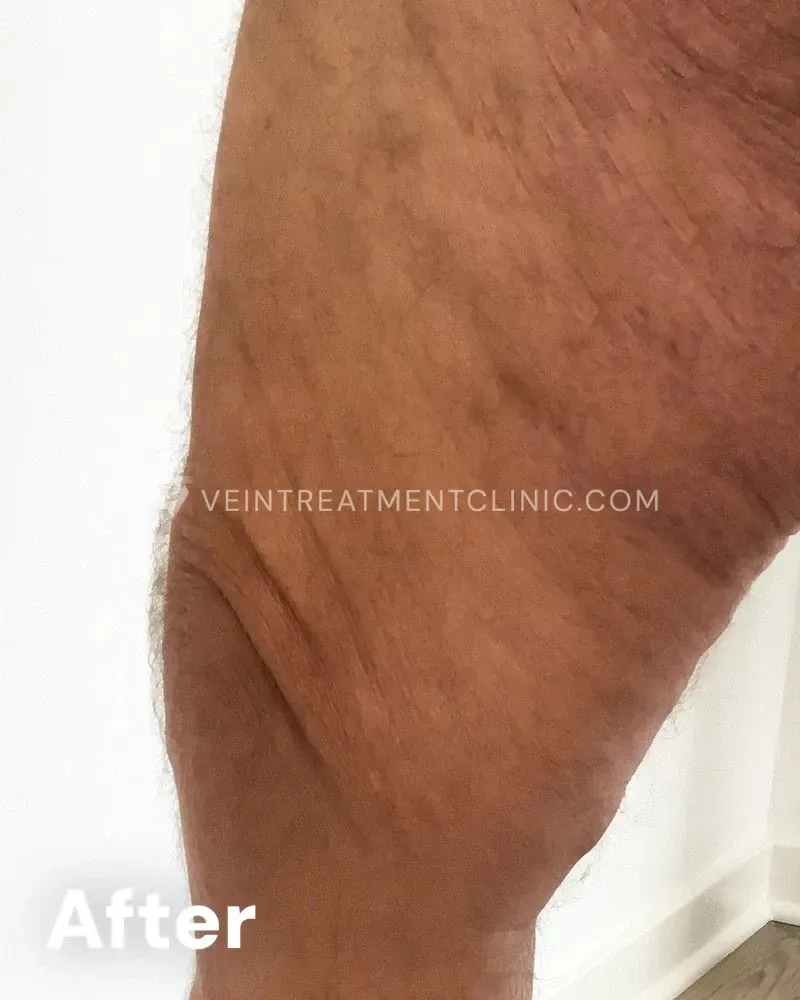
Male, treated for varicose veins on the thighs and knees with VeinVanish™, a customized treatment plan tailored to his condition. The after photo shows the thighs and knees with a smoother-looking appearance.
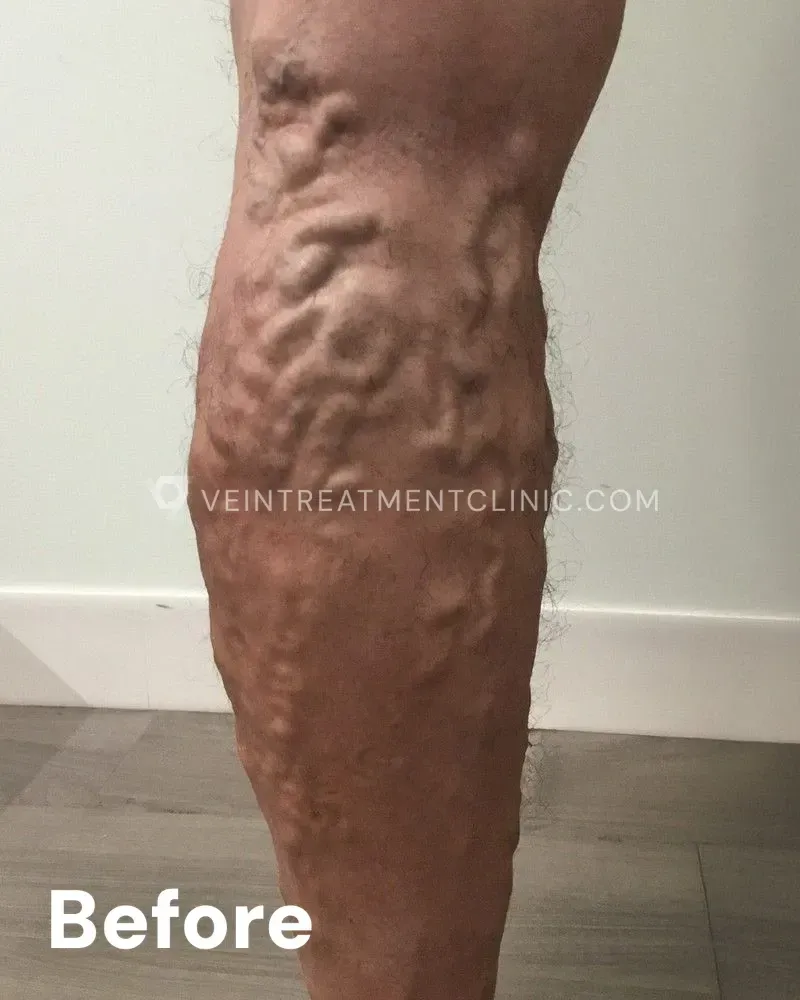
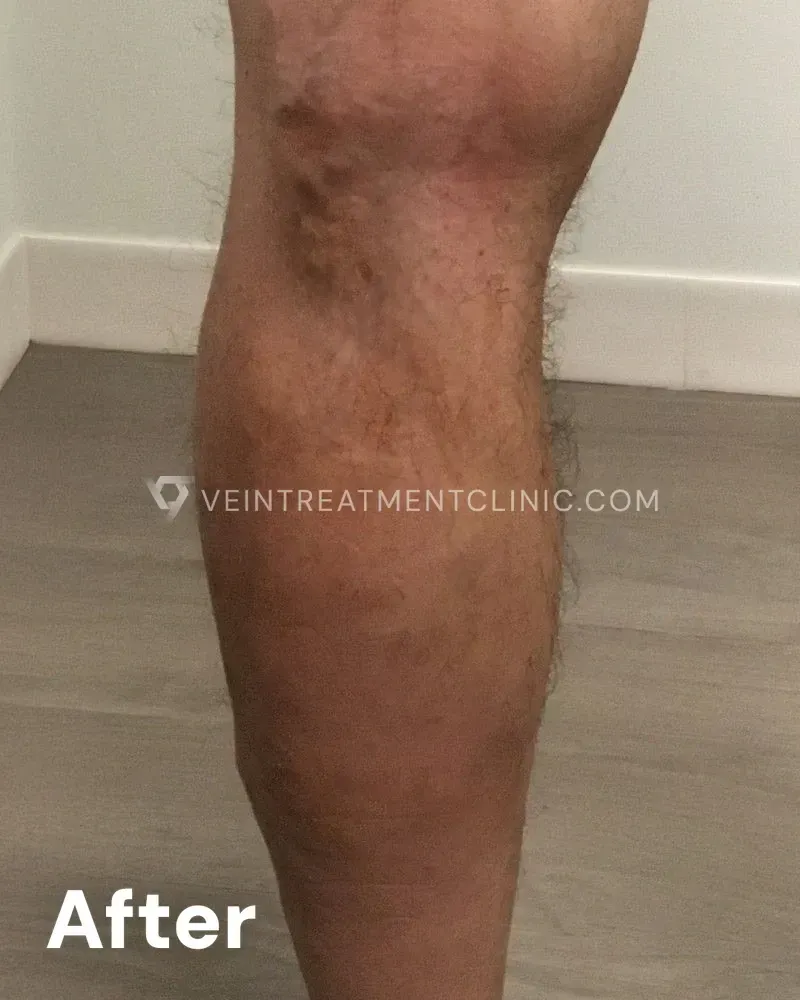
Male, treated for varicose veins on the calves and knees with VeinVanish™, a customized treatment plan tailored to his condition. The after photo shows the affected areas appearing smoother-looking with the varicose veins visibly reduced.
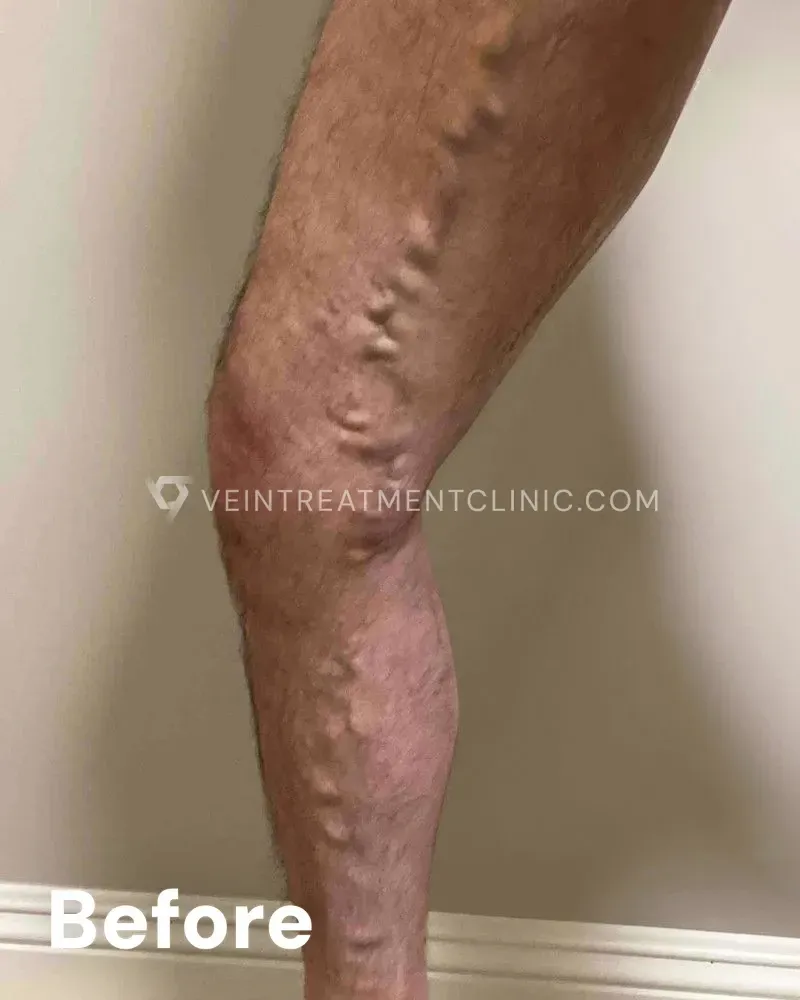
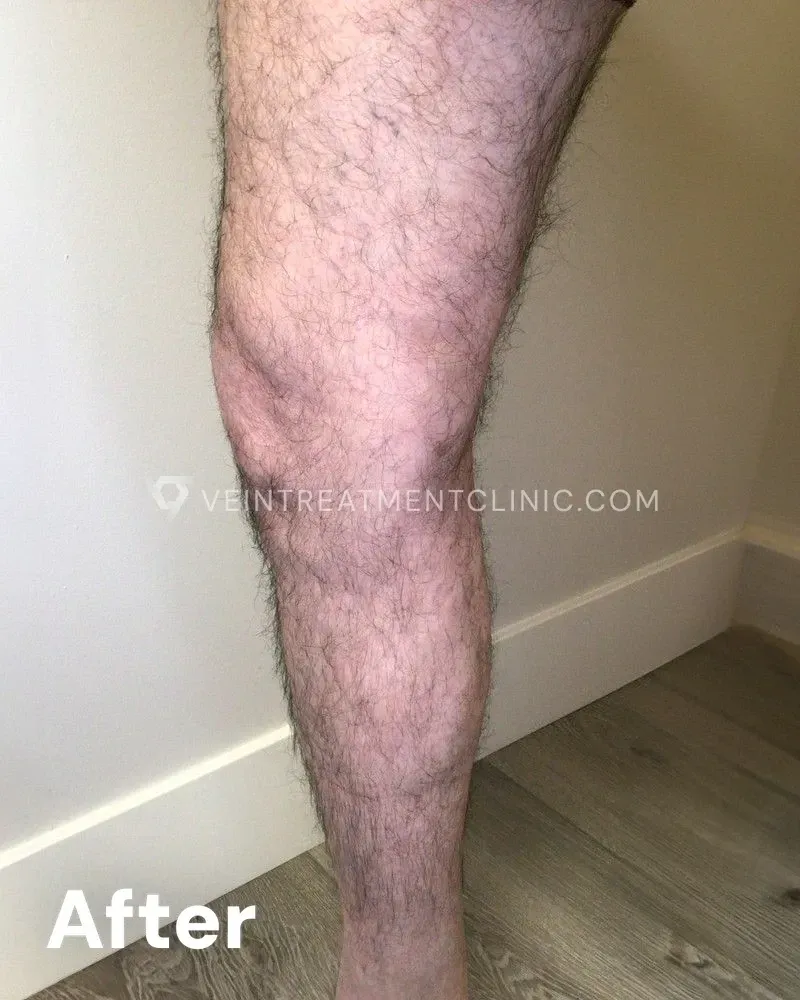
Male, treated for varicose veins on the thighs, calves, and knees with VeinVanish™, a customized treatment plan tailored to his condition. The after photo shows smoother-looking legs with the varicose veins visibly reduced across the treated areas.
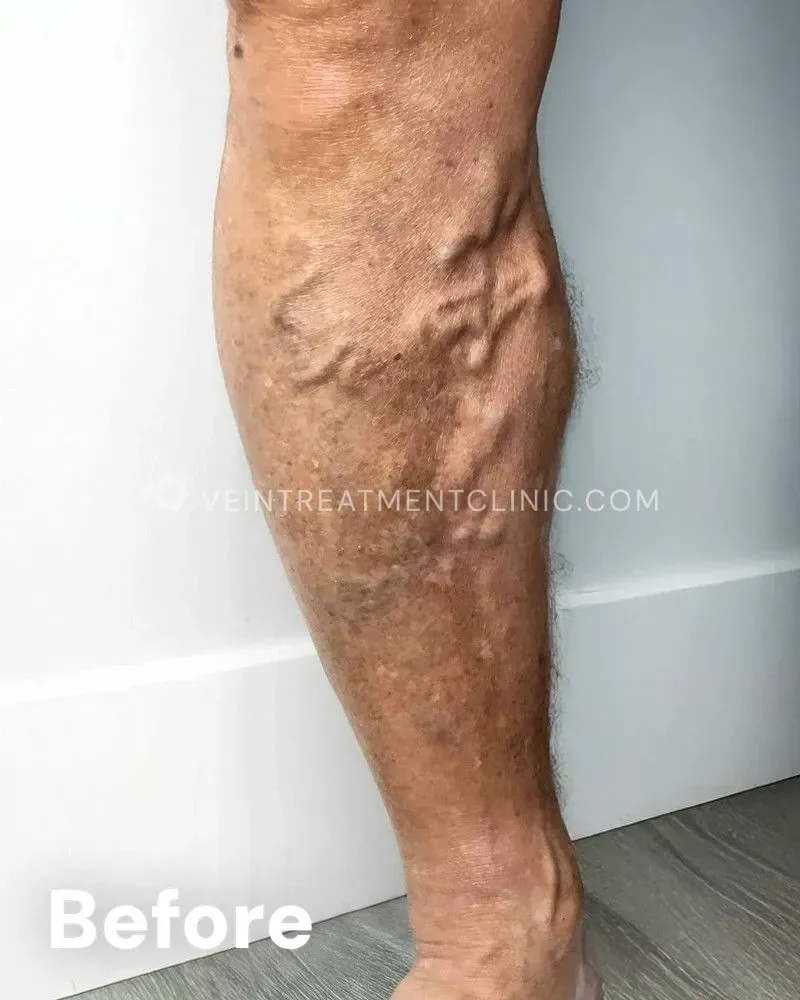
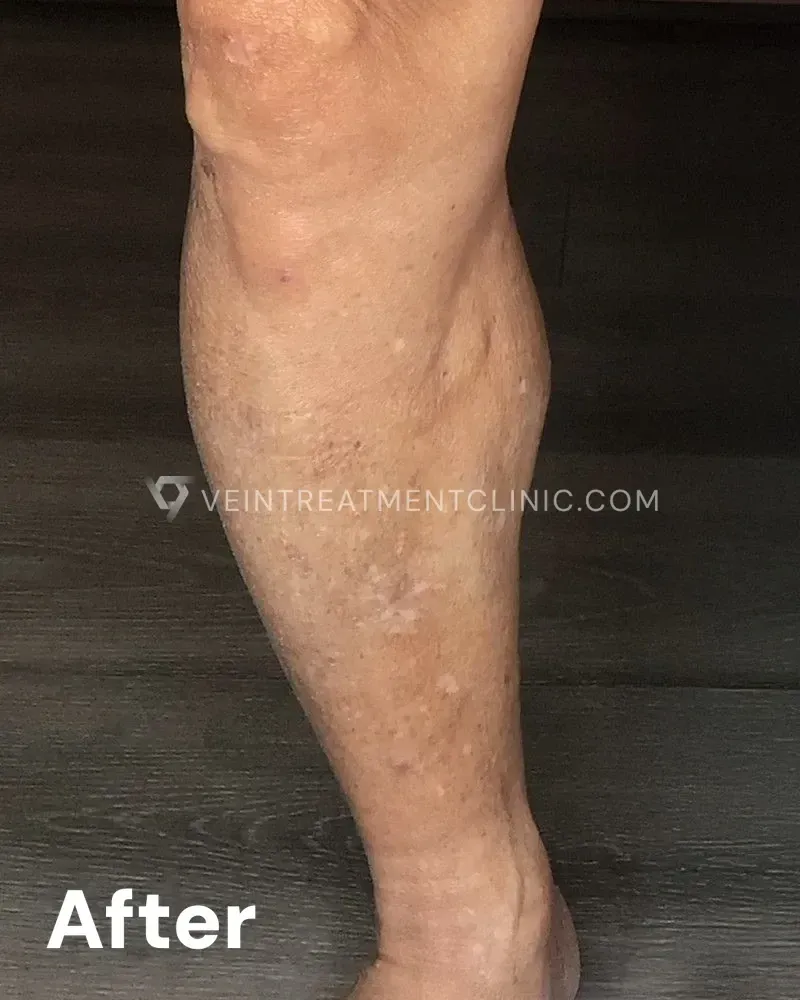
Male, treated for varicose veins on the calves and thighs with VeinVanish™, a customized treatment plan tailored to his condition. The after photo shows the legs appearing smoother-looking with the varicose veins visibly reduced.
Are spider veins cosmetic or medical?
Spider veins are usually considered cosmetic.
In some cases, especially when accompanied by symptoms or recurrent patterns, they may be related to underlying vein pressure.
Can spider veins get worse over time?
Spider veins can increase in number or spread over time, especially if contributing factors are not addressed.
They do not typically lead to serious complications but may continue to recur.
Should spider veins be evaluated?
Evaluation is recommended if spider veins are associated with pain, swelling, or repeated recurrence after prior treatment.
A vein evaluation helps determine whether spider veins are isolated or related to deeper vein issues.