
If you've noticed twisted, bulging veins on your legs, you might be wondering if varicose veins are dangerous. Varicose veins are a common condition that affects many individuals, particularly as they age. In this article, we will delve into the details of varicose veins, exploring their causes, symptoms, potential complications, and available treatment options. As a group of vein clinics led by board-certified vein doctors, we at Vein Treatment Clinic are dedicated to providing you with accurate and informative insights about varicose veins.
Understanding Veins Anatomy
To grasp the concept of varicose veins, it's important to have a basic understanding of the anatomy of veins. Veins are blood vessels responsible for carrying oxygen-depleted blood back to the heart. In the legs, veins have one-way valves that prevent the backward flow of blood. When these valves weaken or become damaged, blood can pool in the veins, leading to their enlargement and the development of varicose veins.
What Are Varicose Veins?
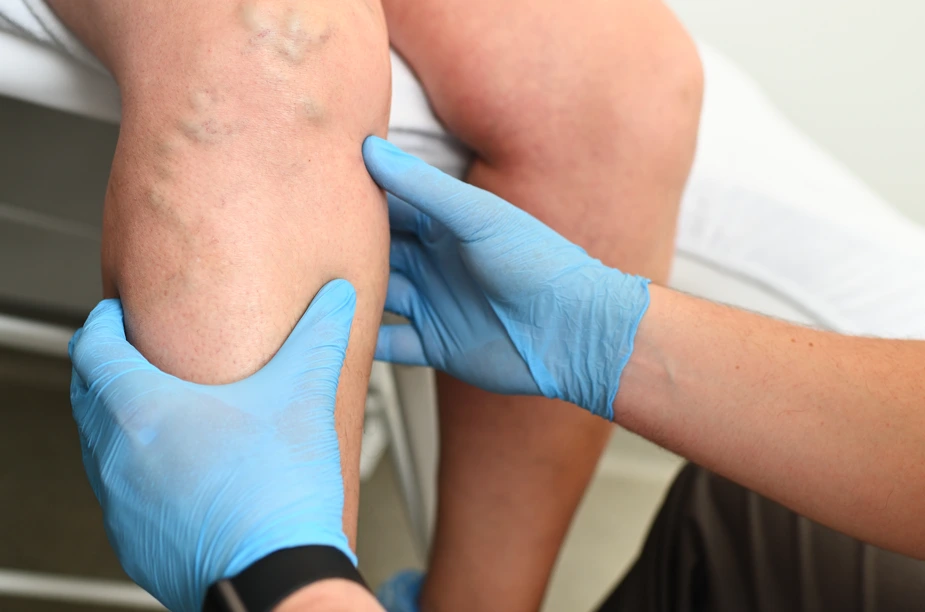
Varicose veins are enlarged and twisted veins that commonly manifest as blue or purple bulges on the skin's surface. Primarily found in the legs, these veins can cause physical discomfort and aesthetic concerns. While varicose veins are often considered harmless, they can signify an underlying condition known as venous insufficiency. Venous insufficiency occurs when the valves within the veins fail to function properly, resulting in blood flowing in the wrong direction.
Although varicose veins themselves may not be immediately dangerous, they can lead to serious complications if left untreated, particularly due to the underlying venous insufficiency. When the venous valves are unable to effectively transport blood back to the heart, it can lead to an accumulation of blood in the affected veins. This increased pressure can cause pain, swelling, and discomfort. Moreover, the stagnant blood within the varicose veins can lead to the formation of blood clots, resulting in superficial thrombophlebitis or deep vein thrombosis (DVT).
Symptoms of Varicose Veins:
- Leg pain and swelling: Due to increased pressure, you may experience aching, throbbing, or cramping in your legs, particularly after prolonged periods of standing or sitting.
- Heaviness or fatigue in the legs: Varicose veins can cause a sensation of heaviness or tiredness in the legs, making it uncomfortable to walk or engage in physical activities.
- Itching and skin changes: The affected area may become itchy, dry, or discolored. In severe cases, the skin may develop ulcers or open sores.
Complications Associated with Varicose Veins:
- Superficial thrombophlebitis: Inflammation of a vein near the surface of the skin, which can cause pain, redness, and swelling.
- Bleeding: Varicose veins close to the skin may be prone to bleeding if injured or scratched.
- Venous ulcers: In severe cases of venous insufficiency, open sores known as venous ulcers may develop. These ulcers can be difficult to heal and require specialized treatment.
- Deep vein thrombosis (DVT): Although rare, varicose veins can increase the risk of developing DVT, a blood clot that forms in the deep veins. DVT can be life-threatening if the clot dislodges and travels to the lungs, causing a pulmonary embolism.
When to Seek Medical Attention
While varicose veins are typically not a medical emergency, there are instances where you should seek medical attention promptly. Consult a vein specialist if you experience the following:
- Intense pain or swelling in the legs
- Ulcers or open sores on the legs
- Sudden changes in the appearance of your varicose veins
- Bleeding from a varicose vein
- Signs of infection, such as redness, warmth, or tenderness around the affected area
Treatment Options for Varicose Veins
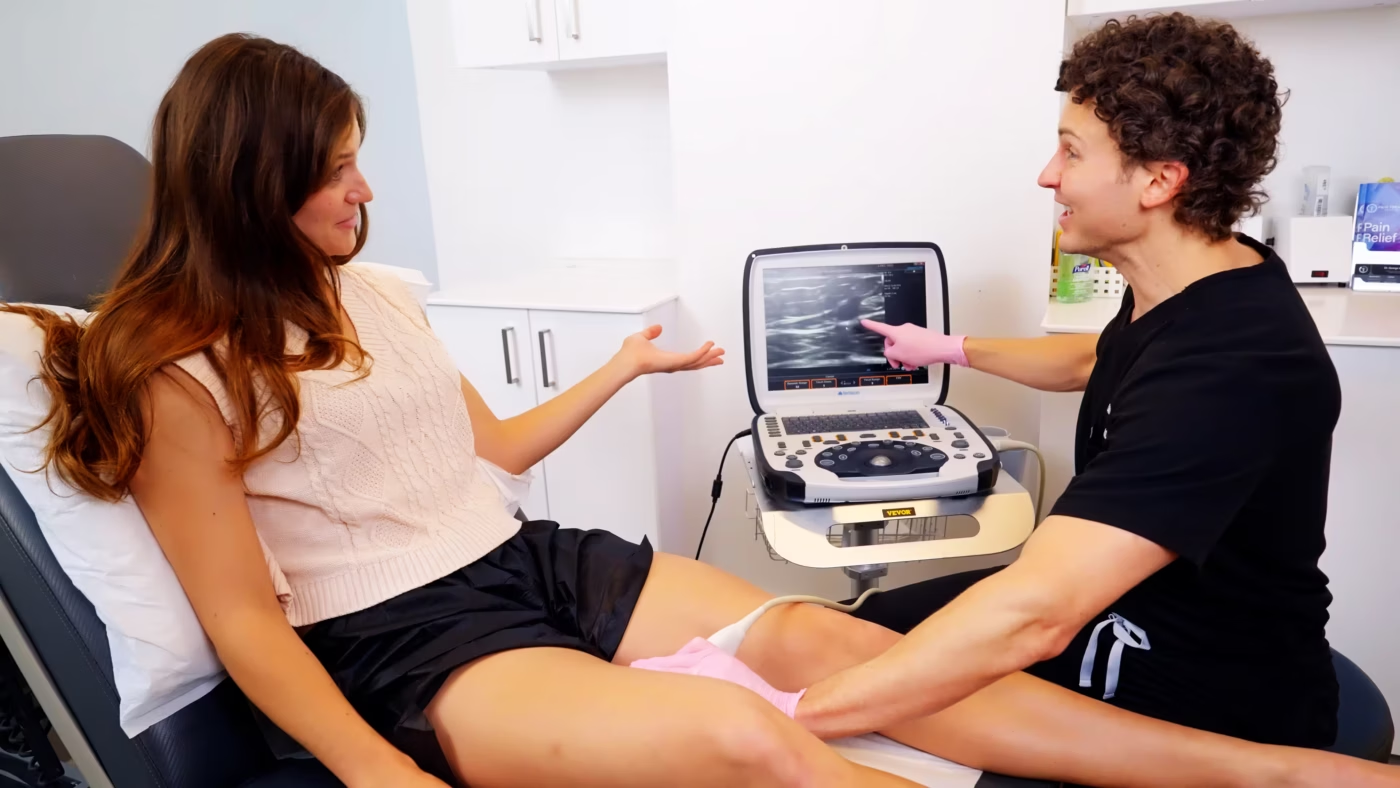
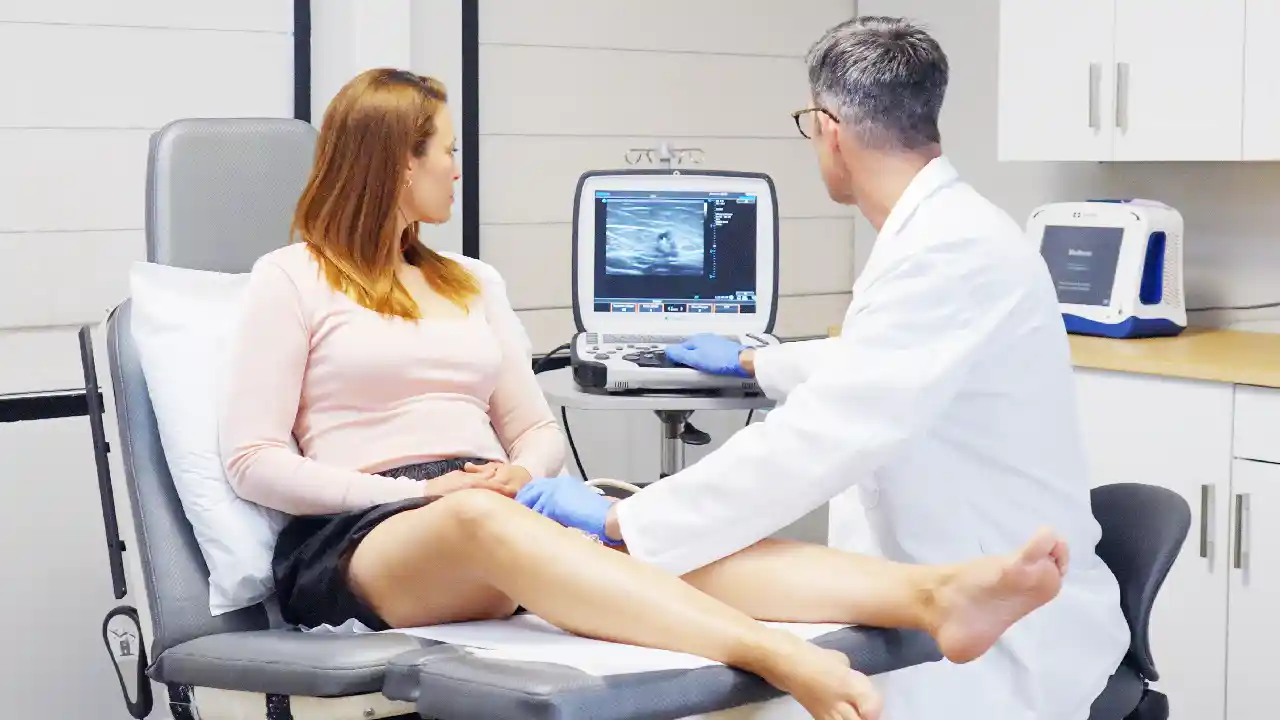
At Vein Treatment Clinic, we specialize in minimally invasive treatments for varicose veins. These procedures are performed on an outpatient basis and require little to no downtime. Our board-certified vein doctors will conduct a comprehensive evaluation, including a duplex ultrasound to diagnose the underlying venous insufficiency. Based on the results, they will curate a treatment plan tailored to your specific needs. Our treatment options include:
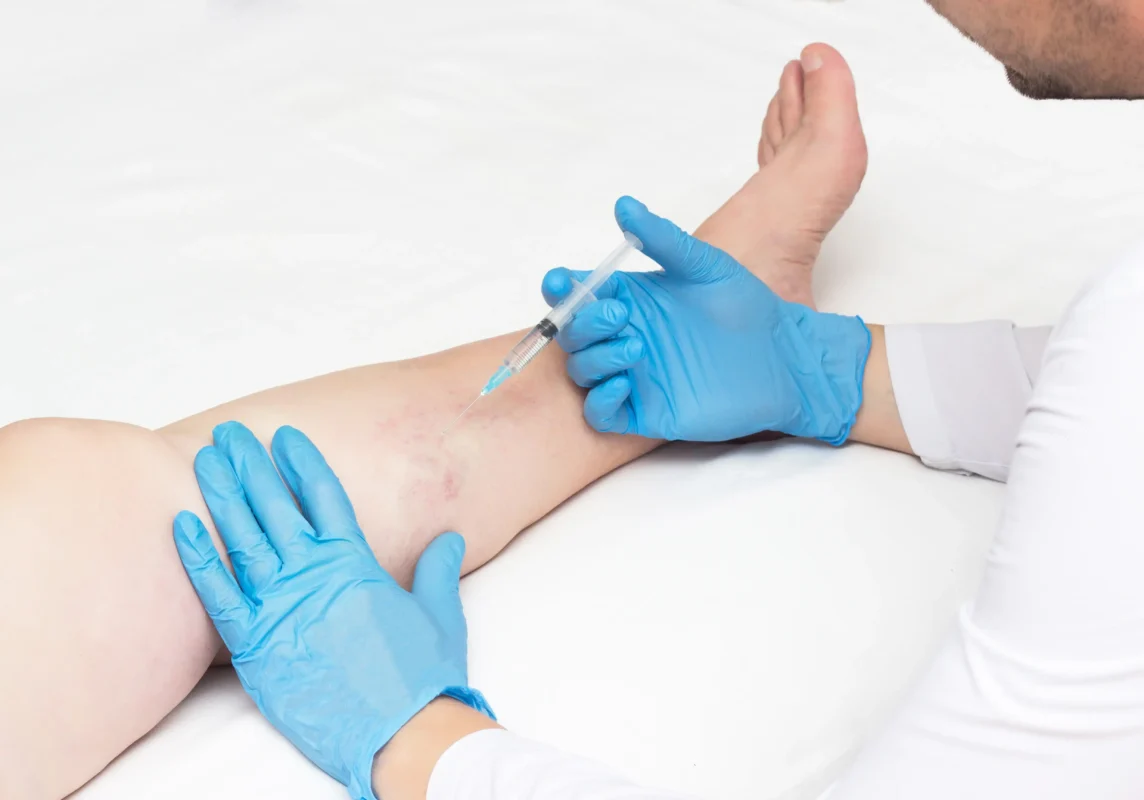
- Sclerotherapy: A solution is injected into the affected veins, causing them to collapse and eventually fade away.
- Endovenous laser ablation (EVLA): Laser energy is used to seal off the damaged vein, redirecting the blood flow to healthier veins.
- Radiofrequency ablation (RFA): RFA uses heat energy to close the affected vein.
- ClariVein: A specialized catheter delivers a combination of mechanical agitation and sclerosant medication to treat the vein.
- Ambulatory phlebectomy: Small incisions are made to remove superficial varicose veins.
Takeaway: Are Varicose Veins Dangerous?
Although varicose veins are commonly perceived as harmless, it is crucial to recognize that they can pose a significant risk and require immediate treatment. Beyond causing discomfort and aesthetic issues, untreated varicose veins can lead to severe complications. These include superficial thrombophlebitis, bleeding, venous ulcers, and deep vein thrombosis (DVT). Neglecting varicose veins can result in pain, swelling, and changes in their appearance.
To mitigate these dangers, seeking prompt medical attention is absolutely essential. If you experience severe pain, persistent swelling, or any notable alterations in the appearance of your varicose veins, it is imperative to consult with a medical professional without delay. Don't underestimate the potential risks associated with varicose veins, as timely treatment can effectively address the underlying issues and help prevent further complications.
At Vein Treatment Clinic, our board-certified vein doctors specialize in minimally invasive treatments that can effectively address varicose veins and their underlying causes. Contact us today for a consultation at one of our state-of-the-art locations across the United States, including New York, New Jersey, Long Island, California, and Washington DC.
Frequently Asked Questions
Can varicose veins cause blood clots?
Yes, varicose veins can develop blood clots. Superficial thrombophlebitis occurs when clots form in surface veins, causing pain and inflammation. More serious deep vein thrombosis (DVT) can also develop. Any sudden pain, warmth, or swelling may warrant prompt medical evaluation.
Find modern solutions with minimal downtime ›
What is the difference between varicose veins and DVT?
Varicose veins are enlarged surface veins caused by valve failure, visible under the skin. DVT is a blood clot in a deep vein, often in the leg, which can be life-threatening if it travels to the lungs. DVT may cause sudden swelling, warmth, and pain. A vein specialist can evaluate your symptoms and recommend the most appropriate treatment.
How do I know if my leg pain is from varicose veins or a blood clot?
Varicose vein pain is typically aching and heavy, worse after standing, and better with elevation. Blood clot pain is sudden, with warmth, redness, and swelling in one leg. If you experience sudden leg swelling or pain, seek immediate medical attention. A vein specialist can evaluate your symptoms and recommend the right next steps.
Explore your treatment options ›
Can compression stockings prevent blood clots?
Compression stockings may support circulation and may help lower clot risk during travel or prolonged sitting. However, they don't replace medical treatment for existing clots or high-risk conditions. If you have clot concerns, discuss prevention strategies with your doctor. Schedule a consultation to discuss which option may work best for you.
Explore your treatment options ›
What are the warning signs of a blood clot in the leg?
Warning signs include sudden swelling in one leg, warmth or redness over the vein, pain or tenderness that worsens when walking, and visible surface veins. If you experience these symptoms, especially with shortness of breath, seek emergency care immediately. A consultation at Vein Treatment Clinic can help you understand your vein treatment options.