

Treating Veins With Varithena®

What Is Varithena?
Varithena® (polidocanol injectable foam) 1% is an FDA-approved prescription microfoam that closes certain leaky leg veins without heat, cuts, stitches, sedation, or general anesthesia.
Made by Boston Scientific, it treats incompetent (leaky-valve) great saphenous and accessory saphenous veins and related varicose veins above and below the knee, confirmed with duplex ultrasound. Offered across Vein Treatment Clinic locations by Varithena-trained physicians.
Once the vein is closed, blood reroutes through the leg's many healthy veins (like taking a side road next to a busy highway) so you keep circulating through the rest of your body's roughly 60,000 miles of vessels.
Nationally recognized vein specialists





How does Varithena work?
Varithena® is an FDA-approved prescription injectable microfoam. During treatment, a trained vein doctor uses ultrasound guidance to deliver the microfoam into the targeted vein. The foam contacts the vein wall, causing the vein to close. Blood then flows through healthier veins, and the microfoam disperses after treatment.
Because the foam can conform to the shape of the treated vein, it may help with certain twisted or shorter segments that are hard to reach with a heat-based catheter. Most people only need a single treatment session for the planned segment; your doctor will say if more is needed.
How does Varithena fit into my treatment plan?
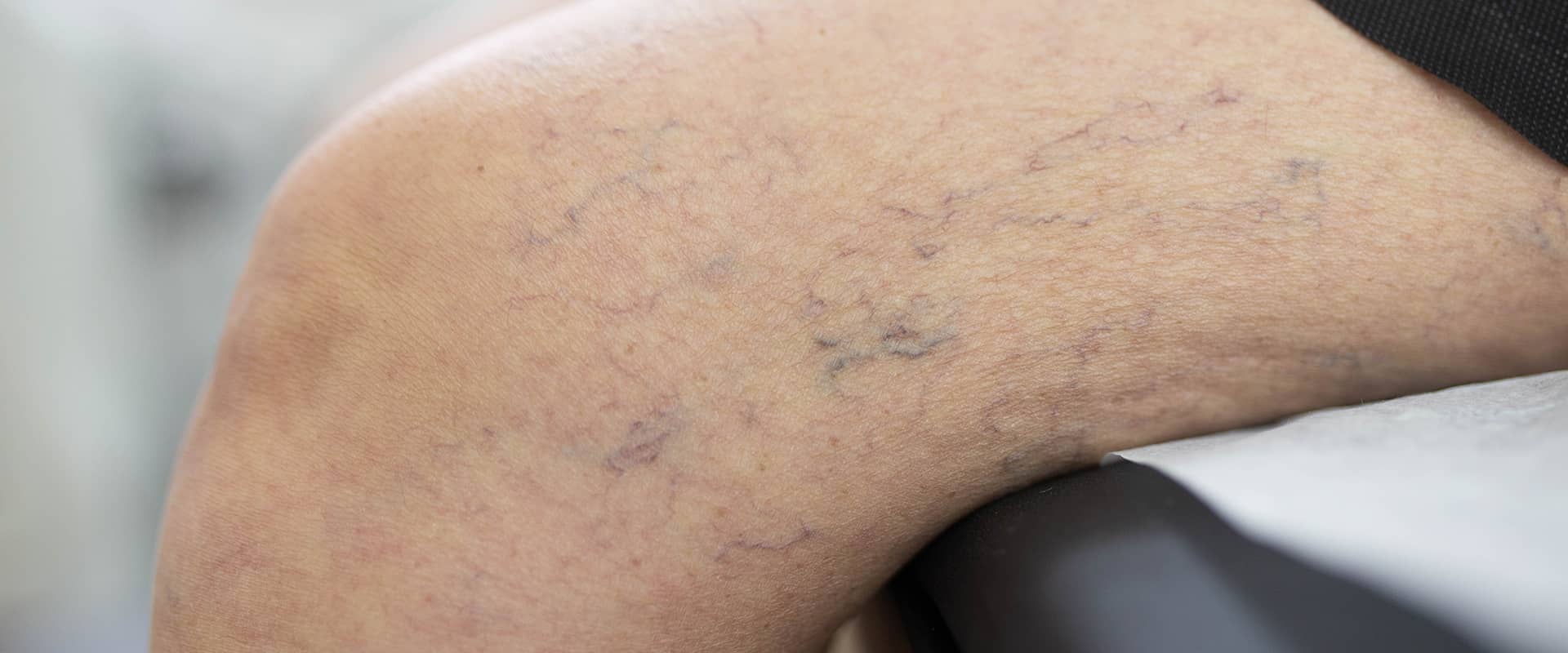
Most treatment plans start by closing the main leaky vein, usually the great saphenous vein: fix the leaky pipe before repainting the wall.
Varithena is often the next step. Its microfoam reaches the segments and branches a heat-based catheter can't, including the vein below the knee, where doctors avoid heat because a nerve runs close by.
For a very short or twisted vein, your doctor may use Varithena first. Your plan is set after your ultrasound and can be adjusted on the day of treatment.
What are the benefits of Varithena?
- Minimally invasive, nonsurgical closure that does not use heat
- No incisions, stitches, sedation, or general anesthesia
- Can treat veins of different sizes, including twisted or short segments
- Done in office or at an ASC / vein treatment center
- Injections often take under 30 minutes; many people resume light activity the same day
- May improve aching, heaviness, swelling, throbbing, itching, and vein appearance
What to expect during Varithena Treatment?
Before
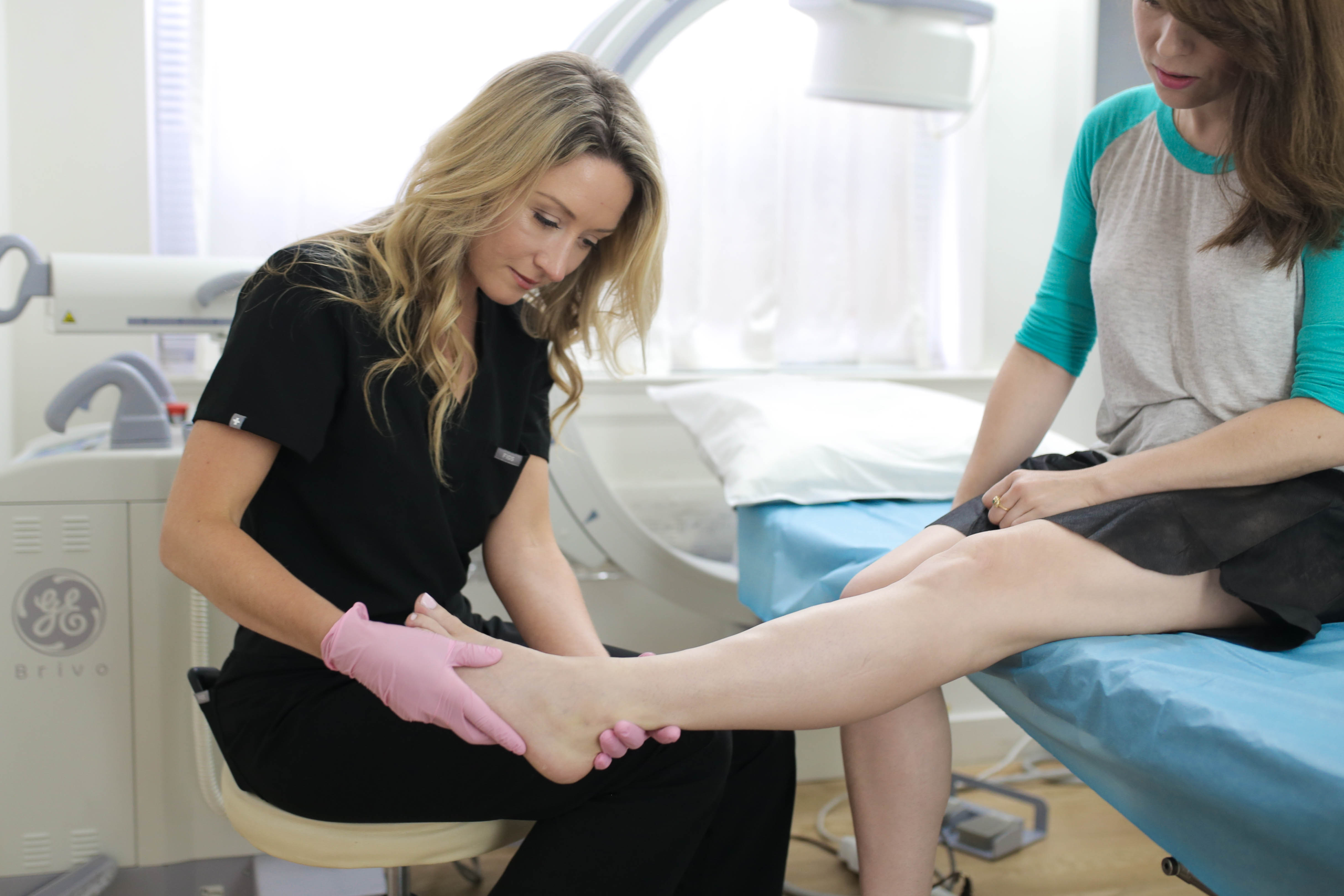
Your vein doctor reviews your symptoms and maps the veins with duplex ultrasound (a painless sound-wave scan of blood flow). Tell your doctor about arterial disease, reduced mobility, prior clots, surgery in the last three months, or pregnancy.
During
The access site may be numbed (brief sting). Under ultrasound, the microfoam is delivered into the vein. You may feel mild pressure or temporary tenderness. General anesthesia is not used.
After
You walk for about 10 minutes right after treatment, then go home the same day for light activity. Plan on compression stockings, daily walking, and limits on heavy exercise. The treated vein can feel like an internal scab (irritating or tug-like) for about three weeks to three months as it softens while the area heals.
What Are the Side Effects of Varithena?
Common side effects: Leg discomfort, bruising, and trapped blood in the treated vein are among the most common side effects of Varithena. Temporary skin color changes may also occur.
Rare side effects: Rare complications may include blood clots and allergic reactions. Tissue injury can occur if Varithena is accidentally injected into an artery. Ultrasound guidance helps your doctor reduce this risk.
When to contact your doctor: Contact your doctor if you experience leg pain or swelling, chest symptoms, or signs of an allergic reaction.
Who should not use Varithena: Varithena should not be used if you have a known allergy to polidocanol or acute thromboembolic disease, which is an active blood-clotting condition.
Talk with your doctor about the potential risks and benefits of Varithena before treatment.
Special event coming up and need to make an appointment as soon as possible? Give us a call today
Expect a call from our Vein Treatment Center scheduling team. We will collect your insurance information to ensure you’re covered and book you an appointment as soon as possible.
Give us a call at (844) 690-1788
One click towards healthy legs
Varithena Treatment FAQ
Important safety information
Varithena® (polidocanol injectable foam) 1% is indicated for incompetent (leaky-valve) great saphenous and accessory saphenous veins and related varicose veins above and below the knee. It should not be used if you have a known allergy to polidocanol or acute thromboembolic disease (an active blood-clot problem).
Most common effects include leg discomfort, bruising, and trapped blood in the treated vein. Temporary skin color changes can also occur. Very rare effects include blood clots and allergic reactions. Tissue injury can occur if medication is injected into an artery by mistake—ultrasound guidance helps reduce that risk.
Possible complications may include the effects listed above. Talk to your vein doctor about risks and benefits. Information on this page is educational and aligns with the FDA Varithena Prescribing Information.