

Treating Veins With VenaSeal™

What Is VenaSeal?
VenaSeal™ closure system closes an unhealthy leg vein with a medical adhesive so blood can shift to healthier veins nearby.
It is FDA-approved for adults whose symptoms come from reflux in superficial truncal veins (such as the great saphenous vein) when duplex ultrasound confirms the problem. Reflux means a leaky one-way valve lets blood flow backward and pool in the legs. This treatment is offered at some of our locations.
Nationally recognized vein specialists





How does VenaSeal work?
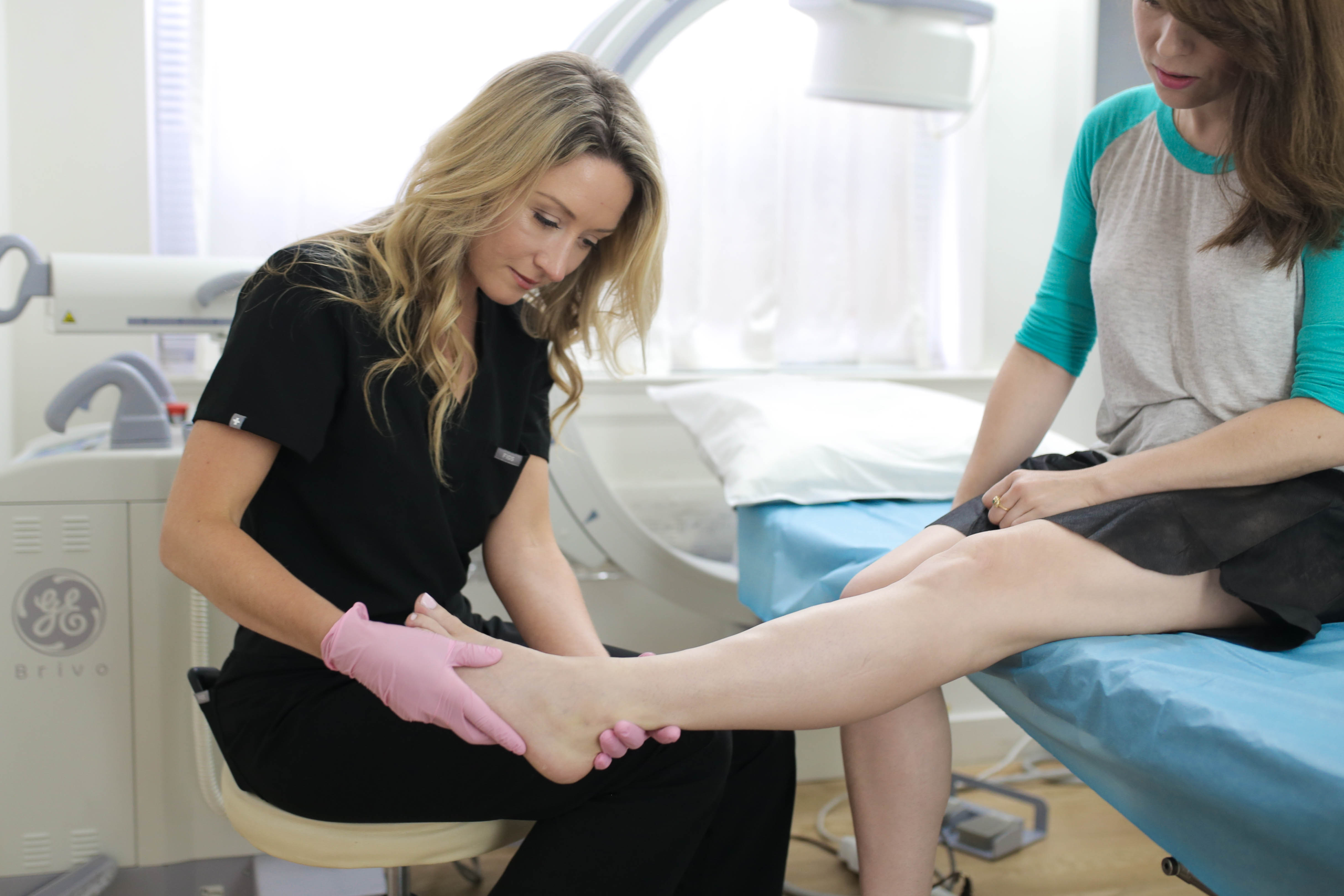
Under ultrasound guidance, a vein doctor places a thin catheter into the diseased vein through a small access site. Small amounts of adhesive are delivered along the segment while gentle pressure brings the walls together.
The adhesive permanently closes that vein; healthy nearby veins keep carrying blood. The adhesive stays in place and becomes surrounded by scar tissue over time.
Because no heat is used inside the vein, a row of numbing injections along the vein (tumescent anesthesia) is usually unnecessary. Most visits finish in less than one hour.
What are the benefits of VenaSeal?
- Minimally invasive; does not use heat
- Typically one access point; tumescent anesthesia along the vein usually not needed
- In office or at a treatment center without general anesthesia
- Many patients return to normal activity quickly
- Compression stockings may not be required
- Designed for lasting closure of the treated segment
What to expect during VenaSeal Treatment?
Before
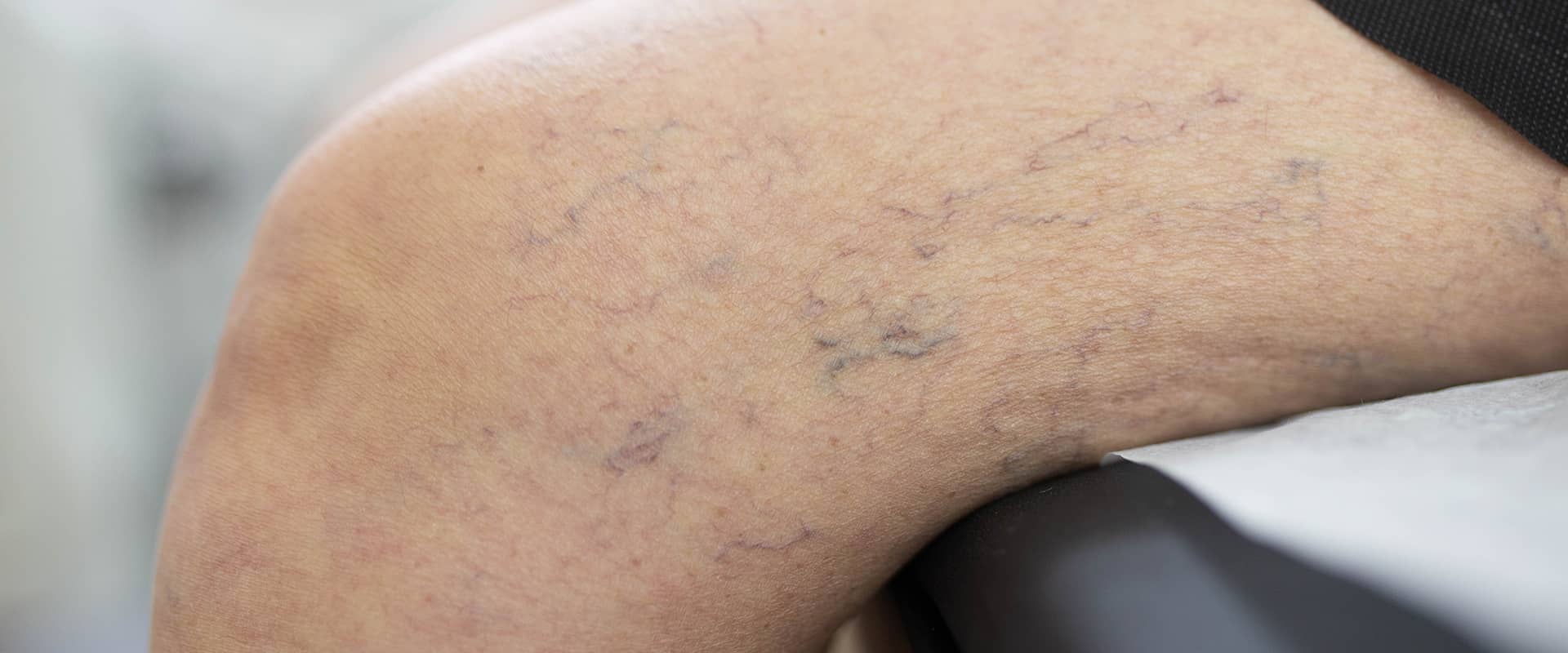
Your vein doctor reviews your symptoms and maps the vein with duplex ultrasound (a painless sound-wave scan of blood flow). This confirms reflux—a leaky one-way valve that lets blood pool—and helps plan the procedure.
During
The access site is numbed (brief sting). Under ultrasound, a thin catheter is placed in the vein; some people feel pressure. Small amounts of medical adhesive are delivered along the segment; you may notice mild pulling. Light external pressure helps the walls seal. When the catheter is removed, a single bandage covers the access site. General anesthesia is not used. Most visits finish in less than one hour.
After
Many patients return to normal activity the same day. Compression stockings may not be required; your doctor will advise. Temporary tenderness, firmness, redness, or bruising near the treated vein can appear as it heals. Some patients develop a hypersensitivity-type inflammation along the treated vein; it is usually self-limited—contact the clinic if it worsens. Follow-up is scheduled as needed.
What Are the Side Effects of VenaSeal?
Like any medical procedure, VenaSeal may cause temporary side effects. You may notice some tenderness, irritation, firmness, redness, bruising, or discomfort around the treated vein or access site as the area heals.
Potential side effects may include:
- Inflammation around the treated vein or nearby tissue
- Temporary pain, swelling, bruising, redness, firmness, or skin discoloration
- Allergic or sensitivity reactions to the medical adhesive
- Infection or bleeding at the access site
- Numbness or tingling
- Scarring or blood-vessel injury
Your vein doctor will review the potential risks with you and let you know what to expect during recovery.
Special event coming up and need to make an appointment as soon as possible? Give us a call today
Expect a call from our Vein Treatment Center scheduling team. We will collect your insurance information to ensure you’re covered and book you an appointment as soon as possible.
Give us a call at (844) 690-1788
One click towards healthy legs
VenaSeal Treatment FAQ
Important safety information
VenaSeal™ closure system is not for everyone. It is contraindicated if you have hypersensitivity to cyanoacrylate medical adhesives (allergy to this type of medical glue); acute superficial thrombophlebitis (sudden inflammation of a surface vein with clot); thrombophlebitis migrans (recurring migrating surface-vein inflammation); or acute sepsis (a serious whole-body infection).
Some patients develop hypersensitivity-type inflammation along the treated vein; it is usually self-limited, but tell your clinic if it is severe or worsening. Other possible complications may include allergic reaction, phlebitis, deep-vein thrombosis, and/or pulmonary embolism, as well as infection or bleeding at the access site, numbness, scarring, or vessel injury.
Talk to your Vein Treatment Clinic vein doctor about risks and benefits. This page is educational and not a substitute for medical advice. Follow the Important Safety Information reviewed with you before treatment.
Medically reviewed by David G. Stone, MD, RVT, RPVI, DABVLM, Diplomate of the American Board of Venous & Lymphatic Medicine. Reviewed October 2026.