
Restless legs syndrome, referred to by doctor as Willis-Ekbom disease, can affect around 10% of all people. While it may seem harmless at first, it is important to visit a specialist to diagnose its cause and reduce its severity. If you think you have this condition, look out for the following signs of restless legs syndrome:
Abnormal sensation deep within your legs
One of the most important diagnostic signs of restless legs syndrome is that you feel weird sensations in your legs. These can range from tingling, itching or a ‘creepy-crawly’ sensation to intense throbbing or pulling pain. While these mostly occur in your legs, you may also occasionally feel these in your arms or chest. Most commonly, these sensations occur simultaneously on both legs although they have been known to affect only one limb on occasion. These sensations usually occur at night, or when you are resting; you usually do not notice it when you are active during the day.
Uncontrollable urge to keep moving your legs
The sensation is so strong that you get the urge to move your legs. Moving your legs, either by walking or just swinging your legs seems to lessen the discomfort. This is what gives the disease its name.
Insomnia and daytime sleepiness
Since the uncomfortable sensations usually occur at night, you may not be able to sleep; you would be tossing and turning instead, trying to get rid of it. This makes you groggy during the day.
Cramps in your legs
Over time, the tingling or itching in your legs may progress to cramping. This may be severe enough to wake you up from a deep sleep.

Involuntary leg movements
Your legs may move spontaneously in a periodic, jerky fashion, without your being aware of it. This can happen both when you are awake or asleep. Sometimes, when you sleep, your legs can twitch involuntarily throughout the night, leaving you exhausted (and wondering why) when you wake up.
Is restless legs syndrome dangerous?
That depends on what is causing it. A small proportion of cases have no known cause, and may not seriously hinder your health. However, a large number of cases have been linked to some serious conditions. These include iron deficiency anemia, peripheral neuropathy, Parkinson’s disease, and autoimmune diseases such as Fibromyalgia and Rheumatoid arthritis. These diseases themselves, if left undiagnosed and untreated, may have serious consequences.
Since you would probably not know which of the above conditions is responsible for your restless legs, you should meet a physician who will guide you through a series of investigations to find out if there is any underlying cause.
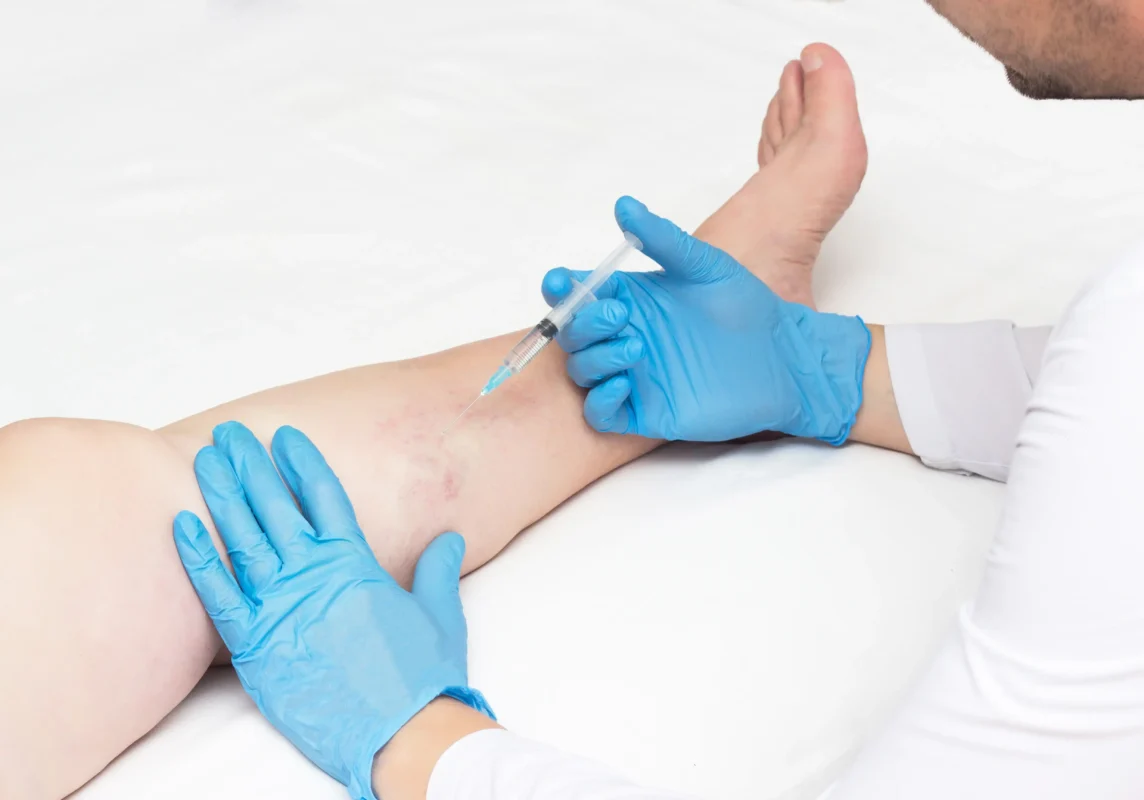
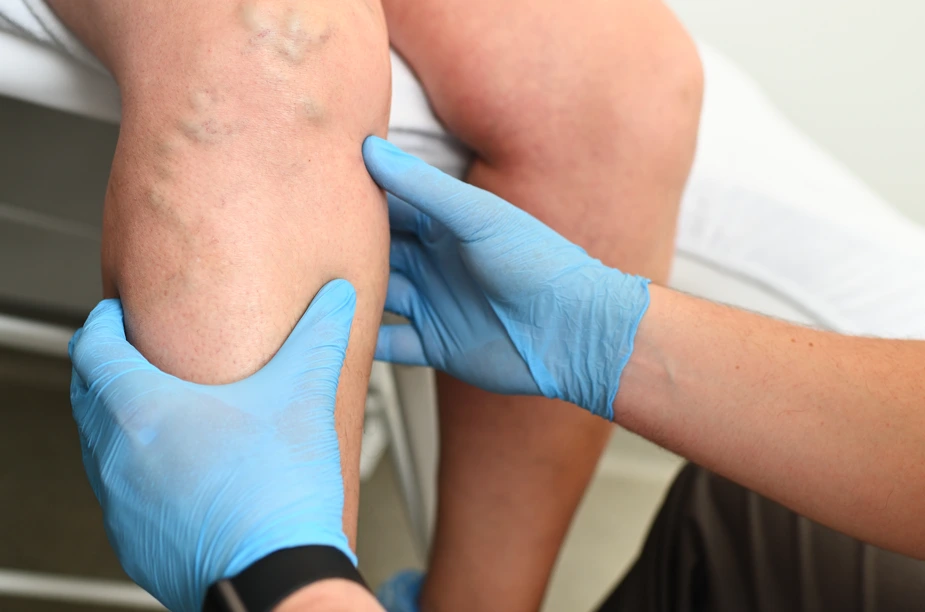
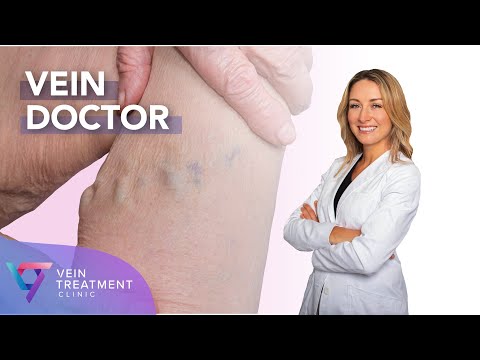
One important condition linked to restless legs syndrome is chronic venous insufficiency, a disease of the leg vein valves that causes varicose veins and spider veins. Vein diseases are a fairly common condition that have been known to affect more than half of the American population. These vein diseases by themselves may not cause severe symptoms in the initial stages, so many people are not aware that they have them. Varicose and spider veins if left untreated, can lead to serious complications like skin ulceration and clots in your deep veins.
If you have restless legs syndrome and notice bulging leg veins, it is advisable to visit a vein specialist, who will screen you for chronic venous insufficiency.
How do you calm this constant need to move a body part?
There are three ways to calm this condition. Firstly, find out if you have any of the medical conditions linked to restless legs syndrome. Treating the underlying medical condition itself can help control the symptoms. Your doctor may put you on medication such as iron or vitamin supplements to help reduce the symptoms, if these are due to an underlying deficiency.
Secondly, your doctor can give you medication that will help improve symptoms. Opioid based painkillers such as codeine and tramadol can ease the discomfort. You may also be prescribed dopamine agonists, or levodopa, depending on how frequently you experience symptoms.
Thirdly, keep a note of what appears to triggers your attacks. Restless legs syndrome has certain well documented triggers that aggravate your symptoms. If you avoid these, you can reduce the attacks. The triggers include smoking, alcohol, caffeine, and a sedentary lifestyle. So cut down on the addictives, and remember to get a lot of exercise! Doing this will help you lose weight, and reduce stress, which also help reduce symptoms.
Vein diseases, including varicose and spider veins, and chronic venous insufficiency, are significant triggers for restless legs syndrome. Half the American population suffer from these diseases, so it is important that you get this ruled out. Seeing a vein specialist at a reputed vein center will help you determine whether or not you have Chronic Venous Insufficiency. If you do have this, fast, convenient and minimally invasive treatment options are available to remove your defective veins, and help calm your restless legs!
Vein Treatment Clinic offers a comprehensive diagnostic workup for restless legs syndrome, and state of the art, minimally invasive treatment for vein disease if you require it. If you have further questions, or would like to book an appointment with our exemplary team, visit our website, or call (844) 690-1788.
Frequently asked questions
How do I stop restless legs immediately at night?
Some things that may help relieve restless leg symptoms include walking, gentle stretching, massaging your legs, or applying warm or cool compresses. Avoiding caffeine and alcohol before bed may also help. However, if symptoms persist, this could indicate underlying vein disease, and a professional evaluation is the only way to identify and address the root cause. A vein specialist can help determine if treatment is needed.
Talk to a vein specialist about your symptoms ›
Can restless leg syndrome come back after vein treatment?
When RLS is caused by venous insufficiency, treating the affected veins often provides lasting relief. However, new vein problems can develop over time, especially with genetic predisposition. Regular follow-ups and healthy habits help maintain results long-term.
CVI screenings included in your consultation ›
What is the difference between restless leg syndrome and venous insufficiency?
Restless leg syndrome is a neurological condition causing an urge to move your legs. Venous insufficiency is a vein valve problem causing blood to pool in legs. However, venous insufficiency can trigger RLS symptoms, and treating the vein disease often may help relieve the restless sensations. Consider scheduling a consultation to determine the best approach to learn more about your options.
CVI screenings included in your consultation ›
Why are my restless leg symptoms worse at night?
RLS symptoms worsen at night because lying down removes gravity's help in returning blood to your heart. If venous insufficiency is present, blood pools more when you're horizontal. Movement provides temporary relief by activating calf muscles that pump blood upward. A consultation can help you understand your treatment options.
Talk to a vein specialist about your symptoms ›
Can spider veins cause restless leg syndrome?
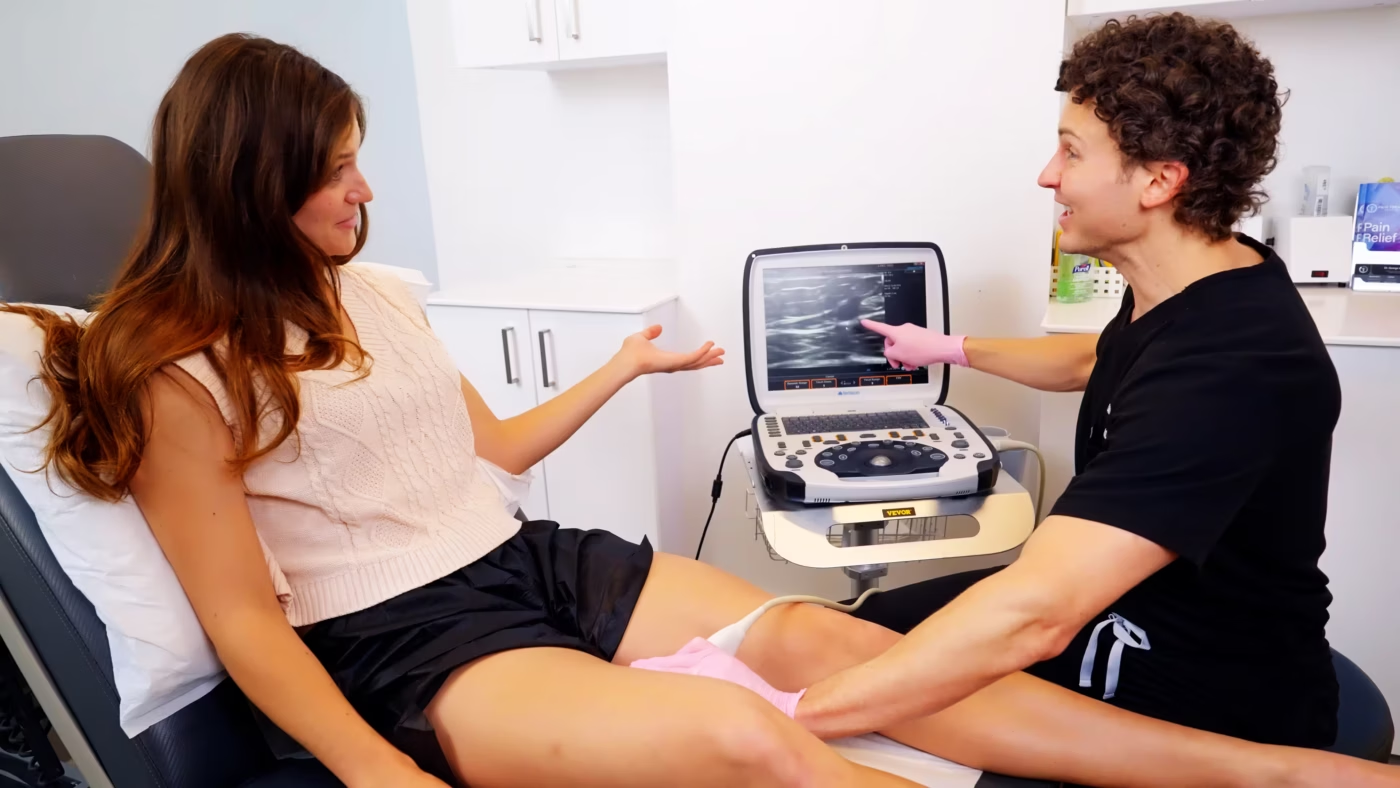
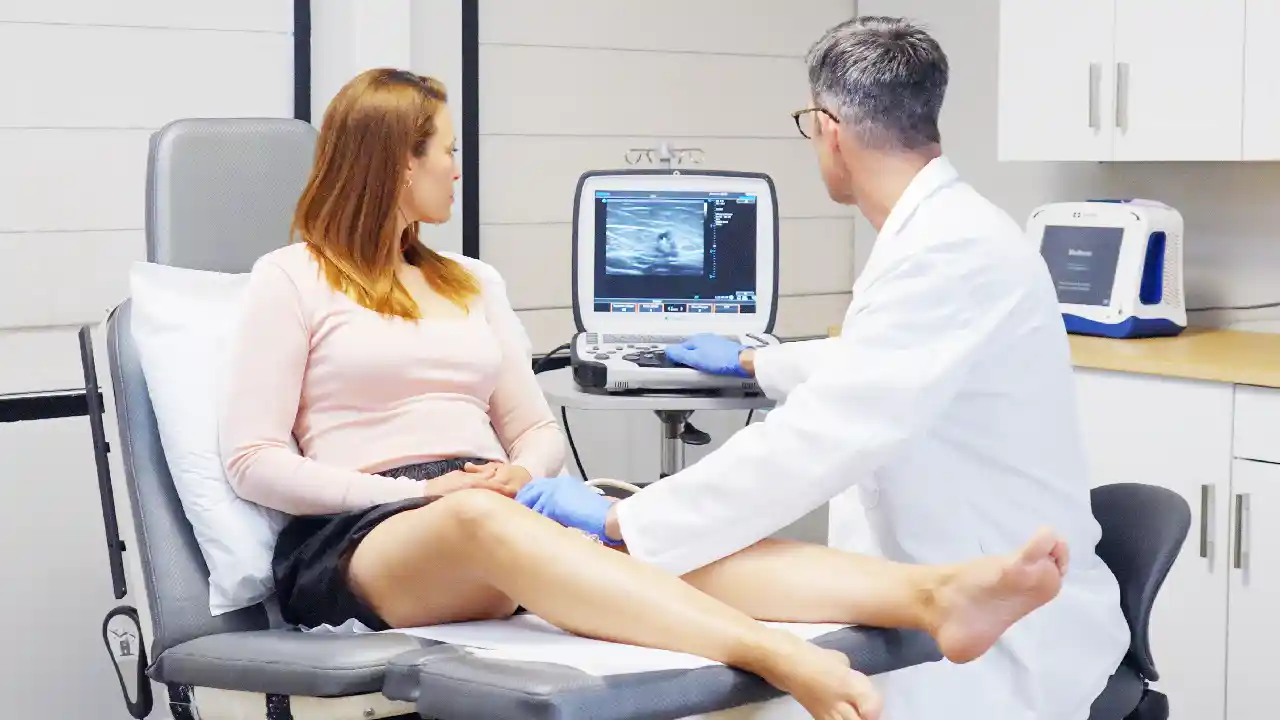
Spider veins on their own don't usually cause restless legs, but they may be a sign that something deeper is going on with your veins. An ultrasound can show if there's venous insufficiency underneath. If there is, treating it often helps calm those restless leg symptoms.