
Complications of Untreated Varicose Veins
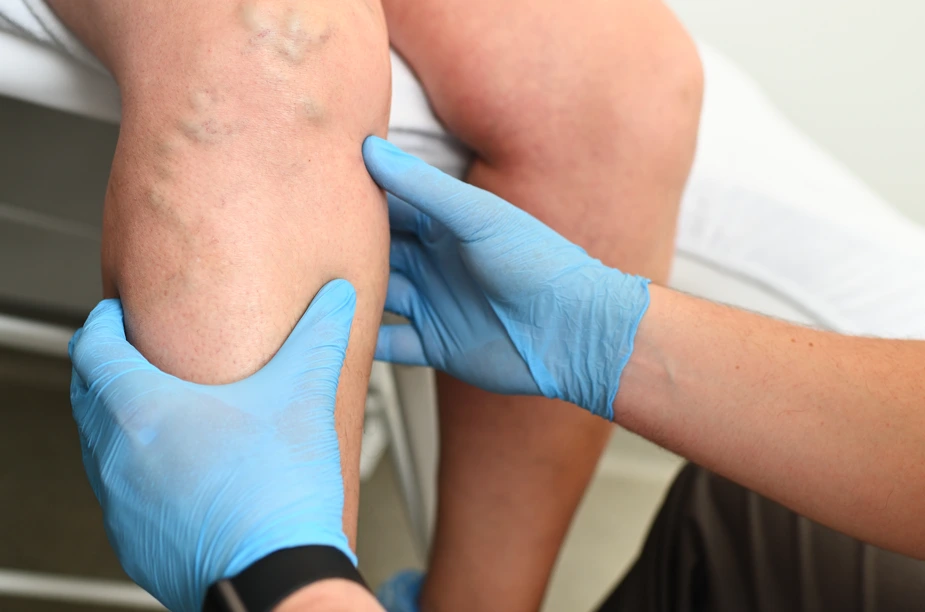
Varicose veins are dense, large bulging masses of blood vessels that protrude out of the skin’s surface. People often say varicose veins look like a mass of twisted, tangled, and knotted ropes bulging out of the skin’s surface. Some patients also compare varicose veins to dense tree trunks. Varicose veins are reddish, bluish, purplish, greenish, or skin-colored, and they usually appear on the lower extremities of the body, such as the thighs and calves.
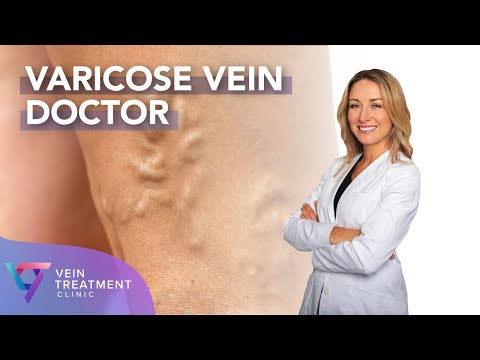
Most people assume that varicose veins are cosmetic problems. But varicose veins are actually dangerous medical problems caused by underlying chronic venous insufficiency, a dangerous circulatory disorder. Venous insufficiency is a medical condition wherein the collapse of vein valves leads to the accumulation of blood in leg veins, eventually leading to spider veins and varicose veins. If left untreated, varicose veins and chronic venous insufficiency can lead to numerous long-term complications.
Below, we describe the potential complications of untreated varicose veins.
Increased Leg Pain/ Discomfort
If you don’t seek engorged veins treatment, you may experience increased leg pain and discomfort. Varicose veins are dense blood vessels with accumulated blood, and they’ll continue expanding because of blood accumulation. As more blood continues pooling in the leg veins, you may experience increased leg pain, discomfort, and heaviness, especially at the end of the day or after long periods of inactivity. You should undergo varicose vein treatment to alleviate the symptoms of vein disease.
Burst Varicose Veins
Varicose veins are essentially bulging and dilated veins with excess blood accumulation. When more blood accumulates in the leg veins, the varicose veins continue dilating and expanding. Over time, continued expansion of the veins may lead to weakened vein walls, which, in turn, leads to burst varicose veins. When your varicose veins burst, you experience profuse bleeding, for which you must be taken to an emergency room. You need early varicose vein treatment to prevent profuse bleeding.
Skin Discoloration
Chronic venous insufficiency leads to insufficient blood circulation in the legs. As more blood accumulates in the leg veins, the volume of blood available for healthy circulation reduces. Over time, ineffective blood circulation drains the color from the legs, leading to skin discoloration, particularly around the affected veins. Furthermore, the breakdown of blood cells may also lead to a rust-colored, leathery, and patch appearance on the skin’s surface.
Leg Ulcers
Leg ulcers are non-healing wounds on the skin’s surface. If you’re wounded or injured, your body sends blood to the injured site to promote healing and blood clotting. Leg ulcers occur when the lack of effective blood circulation leads to insufficient healing. Over time, you may develop numerous ulcers on the legs, increasing the risk of infections and other complications. You need to treat chronic venous insufficiency to restore healthy blood circulation.
Deep Vein Thrombosis
Deep vein thrombosis is one of the most advanced and dangerous complications of untreated chronic venous insufficiency. Deep vein thrombosis (DVT) is a condition wherein the accumulated blood in your leg veins clot, leading to dangerous blood clots in veins. If the blood clots break away, they can travel to the lungs, leading to a potentially fatal pulmonary embolism. You must seek varicose vein treatments before you experience this condition.
Best Treatment for Varicose Veins in Legs
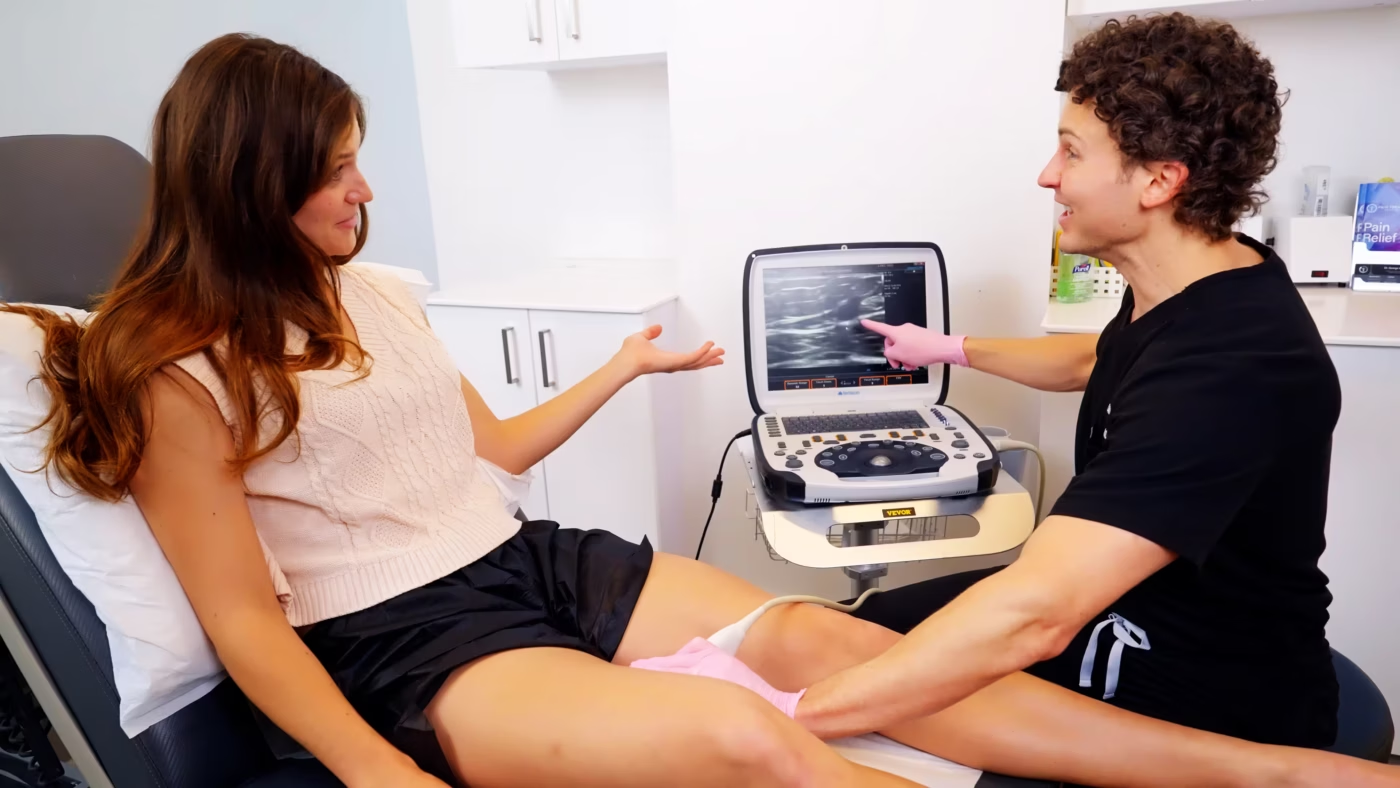
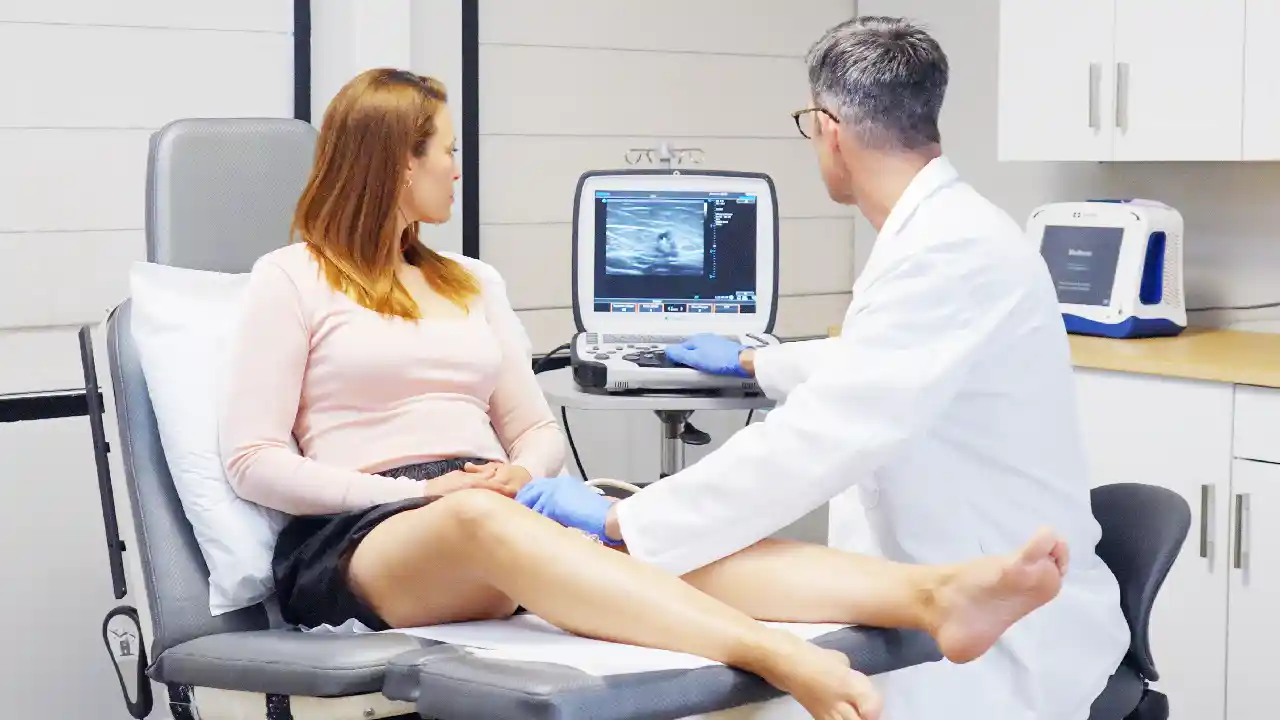
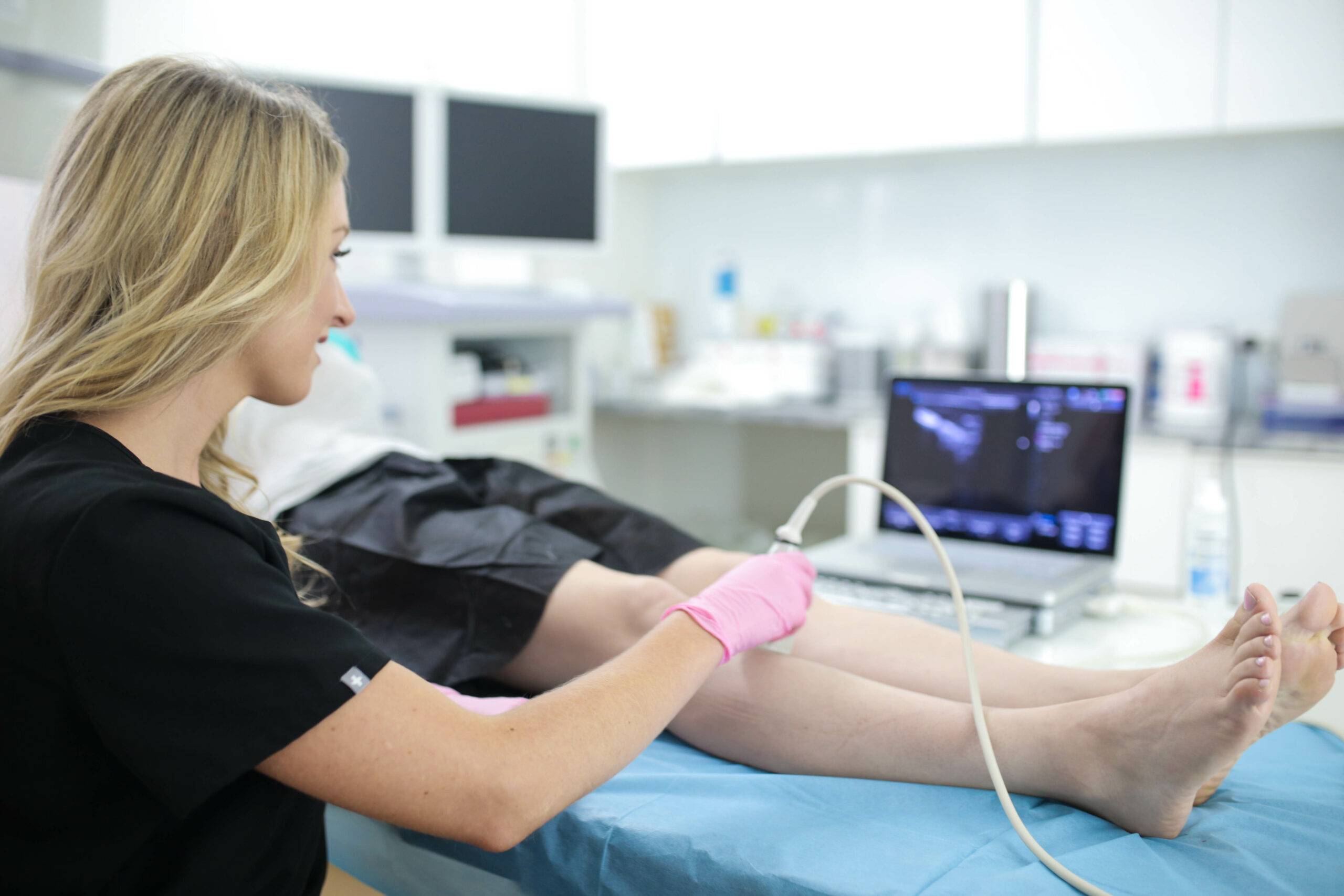
If you have varicose veins and other symptoms of vein disease, such as leg swelling, restless leg syndrome, or leg heaviness, you must contact a vein doctor. The vein doctor will examine your leg veins, discuss your symptoms, administer ultrasound tests, and determine if you have chronic venous insufficiency. If you have vein disease, the vein doctor must address the underlying problem before removing the superficial varicose veins in the upper thighs and varicose veins in the arms.
Below, we describe the most effective minimally invasive treatments for varicose veins.
Radiofrequency Ablation
Radiofrequency ablation is a minimally invasive procedure for chronic venous insufficiency. The vein doctor makes a small incision on the skin’s surface to insert a catheter into the diseased vein under ultrasound guidance. Once the catheter is lodged in place, the vein doctor activates it to generate thermal energy and collapse the diseased vein. The accumulated blood reroutes into healthier leg veins.
Laser Ablation
Laser ablation is a minimally invasive procedure for chronic venous insufficiency. The vein doctor makes a small incision on the skin’s surface to insert a catheter into the diseased vein under ultrasound guidance. Once the laser fiber is inside the diseased vein, the vein specialist activates it to generate laser energy. The diseased vein collapses, and the accumulated blood reroutes into healthier leg veins.
Ambulatory Phlebectomy
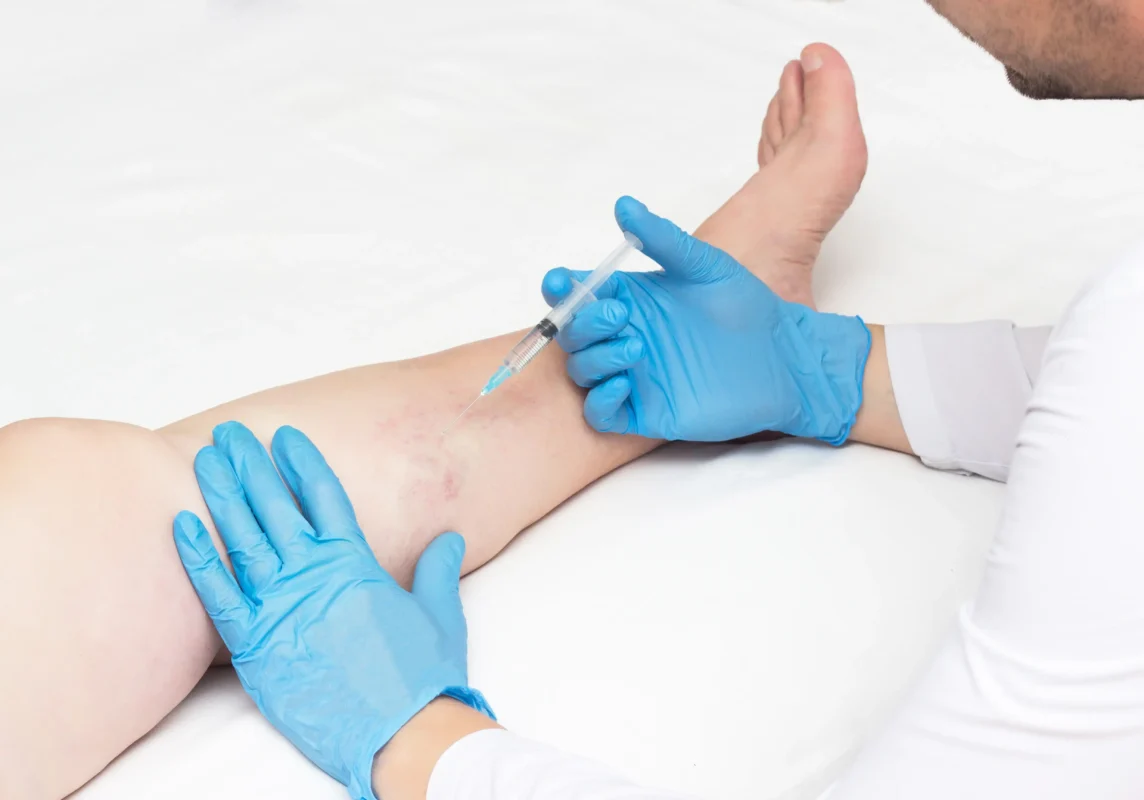
Ambulatory phlebectomy is the most effective minimally invasive procedure for superficial varicose veins. The vein doctor makes a small incision on the skin’s surface (after administering local anesthesia) to physically extract and remove the unhealthy varicose veins. The incisions are sutured, and they gradually heal and fade away. This procedure only removes superficial varicose veins without addressing the underlying vein disease, so it must be performed after the primary vein treatment.
Please schedule an appointment to learn more about minimally invasive varicose vein treatments.
Frequently Asked Questions
How quickly can varicose veins get worse without treatment?
Varicose veins typically worsen gradually over months to years, but the timeline varies. Some patients stay stable while others develop complications like skin changes or ulcers. Regular evaluation helps track progression and determine when treatment is needed.
Find modern solutions with minimal downtime ›
Can varicose veins burst and cause bleeding?
Yes. As varicose veins expand over time, the walls can weaken and burst, causing significant bleeding. If this happens, apply pressure, elevate your leg, and seek emergency care. Early treatment can prevent this complication.
Explore your treatment options ›
Should I be worried if my varicose veins suddenly appeared?
Sudden appearance of varicose veins deserves evaluation, especially if you lack typical risk factors like family history, prolonged standing, or pregnancy. While usually not serious, a doctor can rule out underlying conditions and recommend appropriate treatment. Speaking with a vein specialist is an effective way to get personalized recommendations.
A vein doctor is ready to find the right treatment for you ›
What does skin discoloration near varicose veins mean?
Skin discoloration, especially around the ankles, signals poor circulation from chronic venous insufficiency. The brownish or reddish patches result from blood cells breaking down in the tissue. This is a sign that treatment should not be delayed.
Find modern solutions with minimal downtime ›
When should I be concerned about my varicose veins?
Seek prompt evaluation for sudden swelling in one leg, warmth, redness, or pain that could indicate a blood clot. Skin changes like discoloration, hardening, or open wounds near veins also may warrant attention. Ongoing pain despite elevation deserves assessment. A vein specialist can provide personalized guidance based on your symptoms.
A vein doctor is ready to find the right treatment for you ›