

Table of contents

Get treated by vein treatment industry leaders
How Are Spider Veins Diagnosed?

Medically verified
Last updated on 1/29/2026

By Dr. Michael Nguyen
Vein Doctor at Vein Treatment Clinic
Harvard Medical School
Board Certified by the American Board of Venous and Lymphatic Medicine
Spider veins are often easy to see, but proper diagnosis involves more than simply identifying visible veins on the skin.
Many patients are surprised to learn that spider veins can sometimes be linked to deeper vein pressure, even when symptoms are mild or veins appear small.

Understanding how spider veins are diagnosed helps patients know what to expect during evaluation and whether additional testing is necessary.
If you’re unsure whether your spider veins need evaluation or treatment, a vein assessment can help clarify next steps.
Spider vein diagnosis
It starts with a focused look at pattern, location, and skin changes, then adds testing when symptoms, recurrence, or larger veins suggest deeper pressure.
The goal is to confirm whether the veins are isolated or tied to reflux before planning care.
Is visual examination enough to diagnose spider veins?
In many cases, spider veins can be identified through visual examination alone, especially when they are small and not associated with symptoms.
A physical exam helps determine the pattern, location, and extent of visible veins.
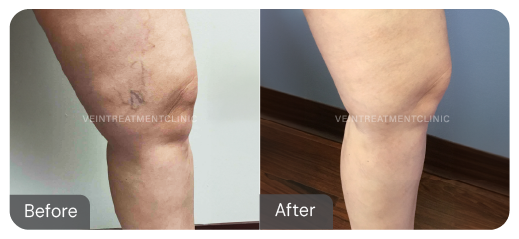
Spider Vein before and after treatment pictures.
Results may vary according to each case.
Spider Vein before and after treatment pictures.
Results may vary according to each case.
What happens during a physical vein exam?
During a physical exam, the legs are evaluated while standing and sitting to assess vein appearance, skin condition, and areas of discomfort.
This exam helps identify signs that may suggest underlying vein pressure or reflux.
Vein ultrasound for spider veins
Ultrasound may be recommended when spider veins are associated with symptoms such as aching, swelling, heaviness, or repeated recurrence.
It is also used when larger veins or a history of vein disease is present.
Symptom Checker
What does a vein ultrasound show?
Ultrasound shows how blood flows through the veins and whether valves are functioning properly.
This information helps determine whether spider veins are isolated or linked to deeper vein reflux.
Is vein ultrasound safe and painless?
Yes. Vein ultrasound is non-invasive, does not involve radiation, and is generally painless.
Most patients can resume normal activities immediately after the exam.
Do all spider veins require ultrasound?
No. Many patients with isolated spider veins and no symptoms do not need ultrasound.
Ultrasound is typically reserved for cases where symptoms or recurrence raise concern for underlying vein disease.
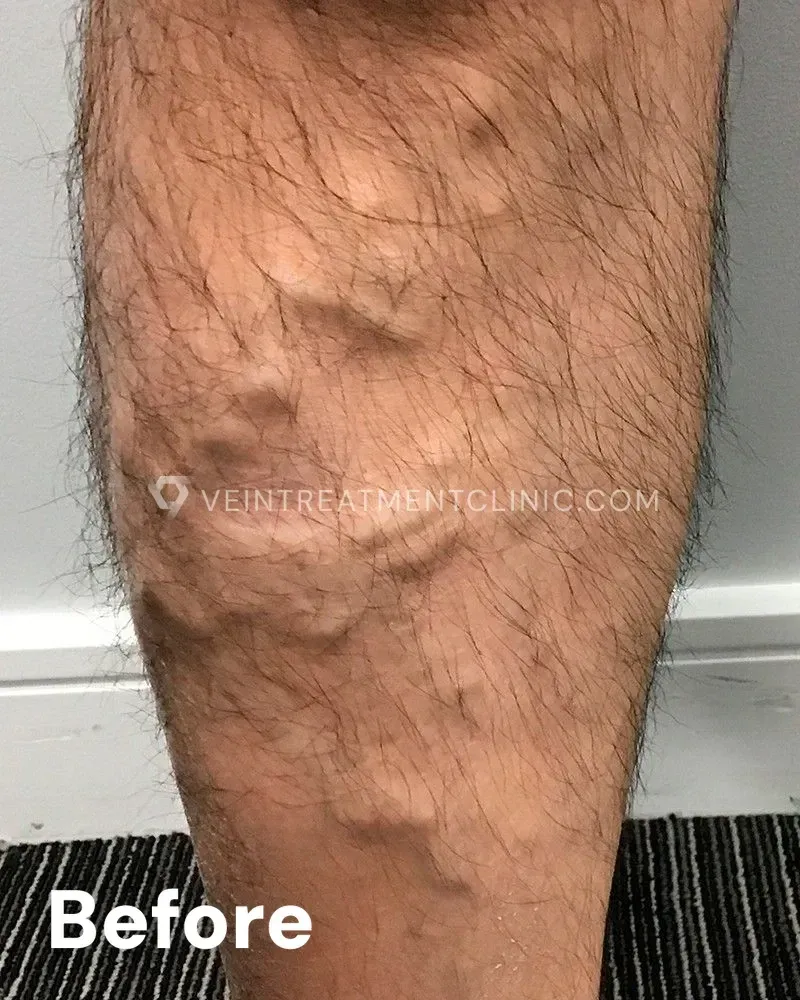
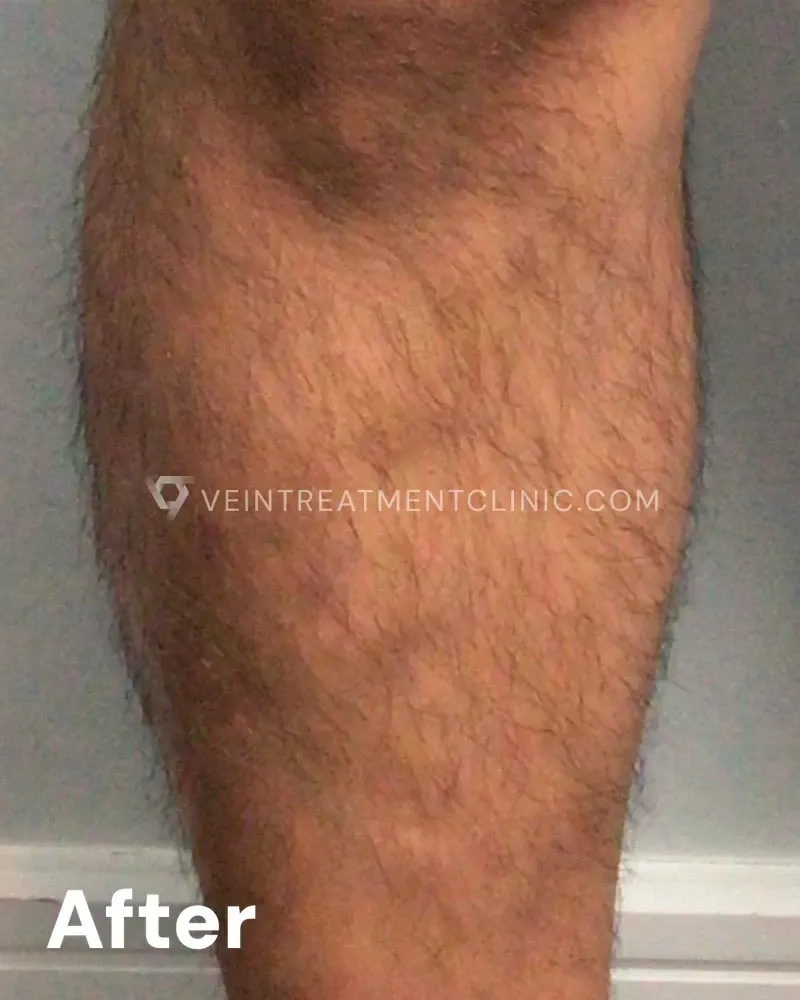
Male, treated for varicose veins on the calves with VeinVanish™, a customized treatment plan tailored to his condition. The after photo shows the treated areas appearing smoother with the varicose veins visibly reduced.
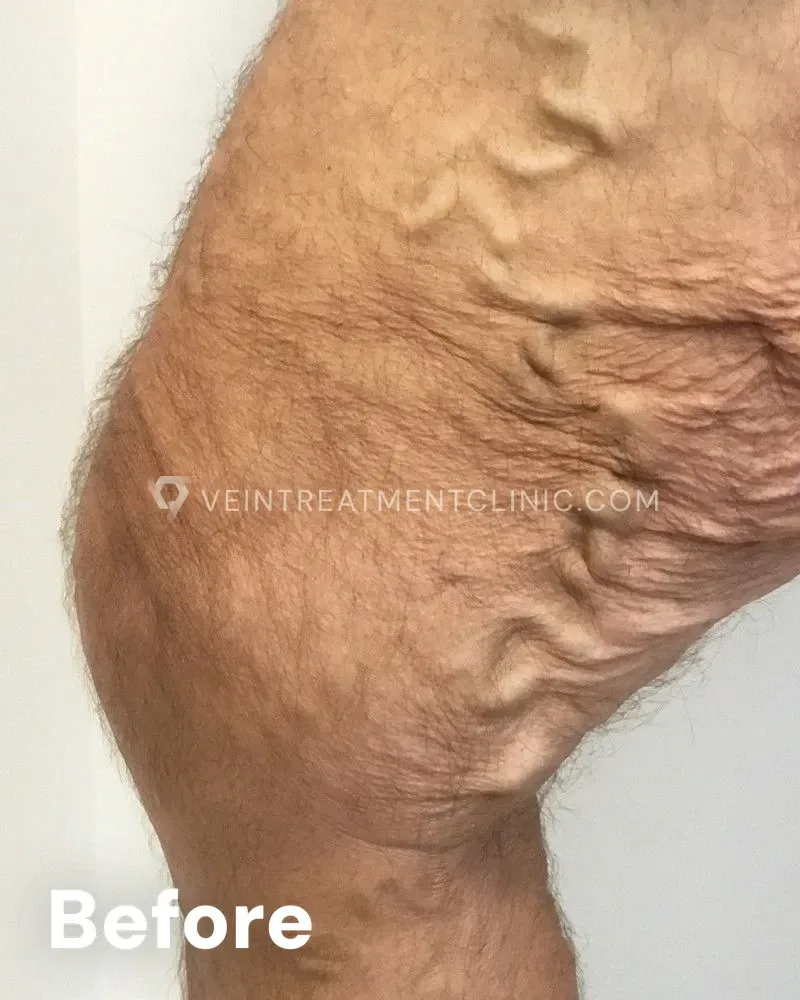
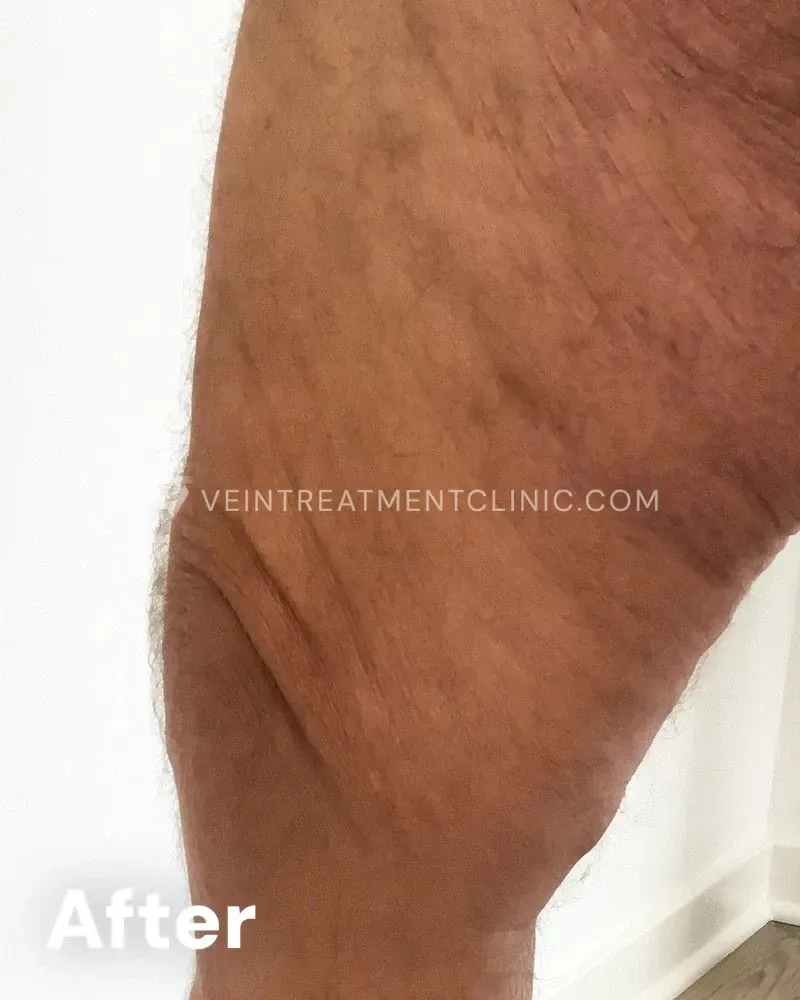
Male, treated for varicose veins on the thighs and knees with VeinVanish™, a customized treatment plan tailored to his condition. The after photo shows the thighs and knees with a smoother-looking appearance.
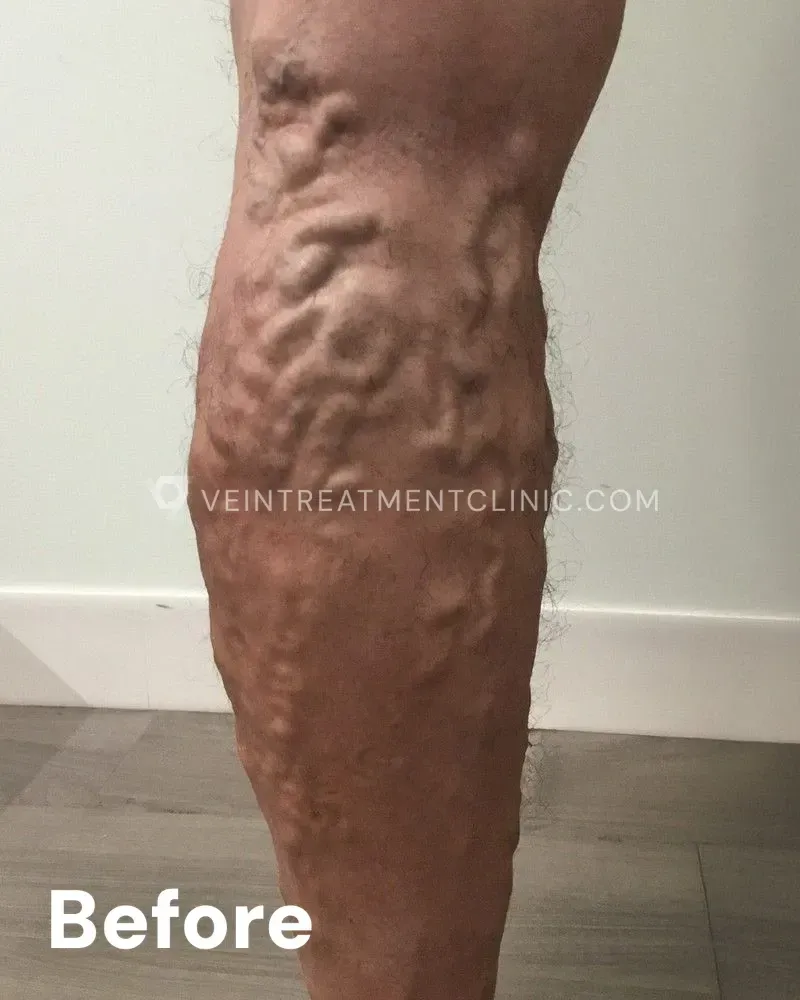
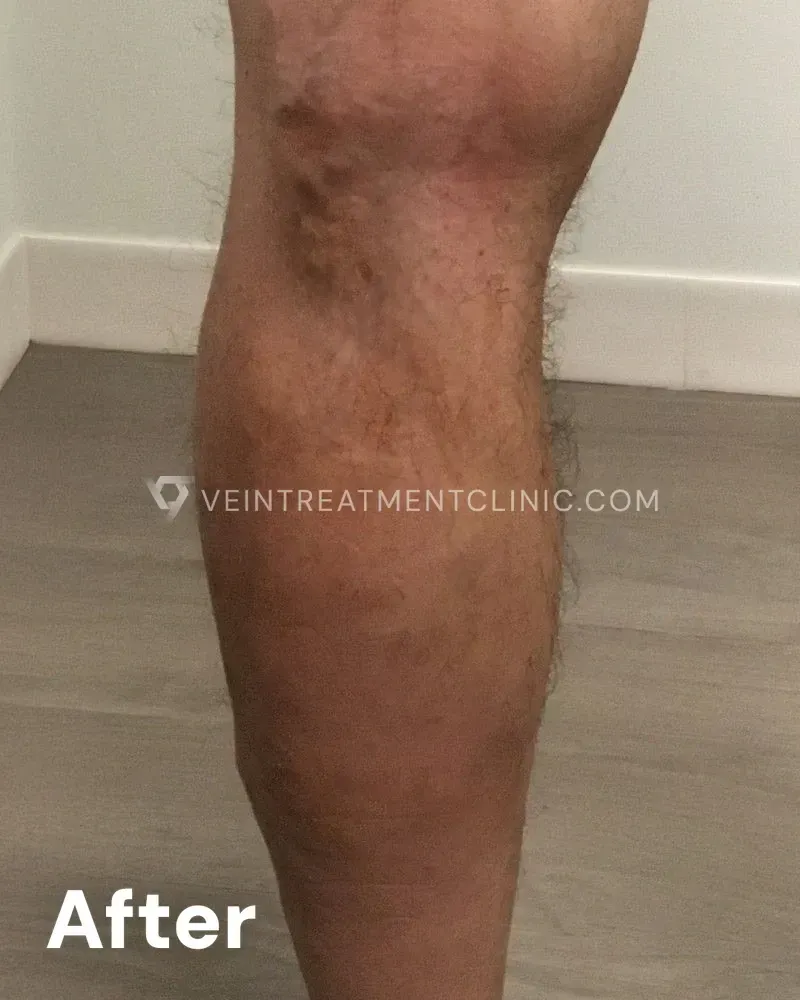
Male, treated for varicose veins on the calves and knees with VeinVanish™, a customized treatment plan tailored to his condition. The after photo shows the affected areas appearing smoother-looking with the varicose veins visibly reduced.
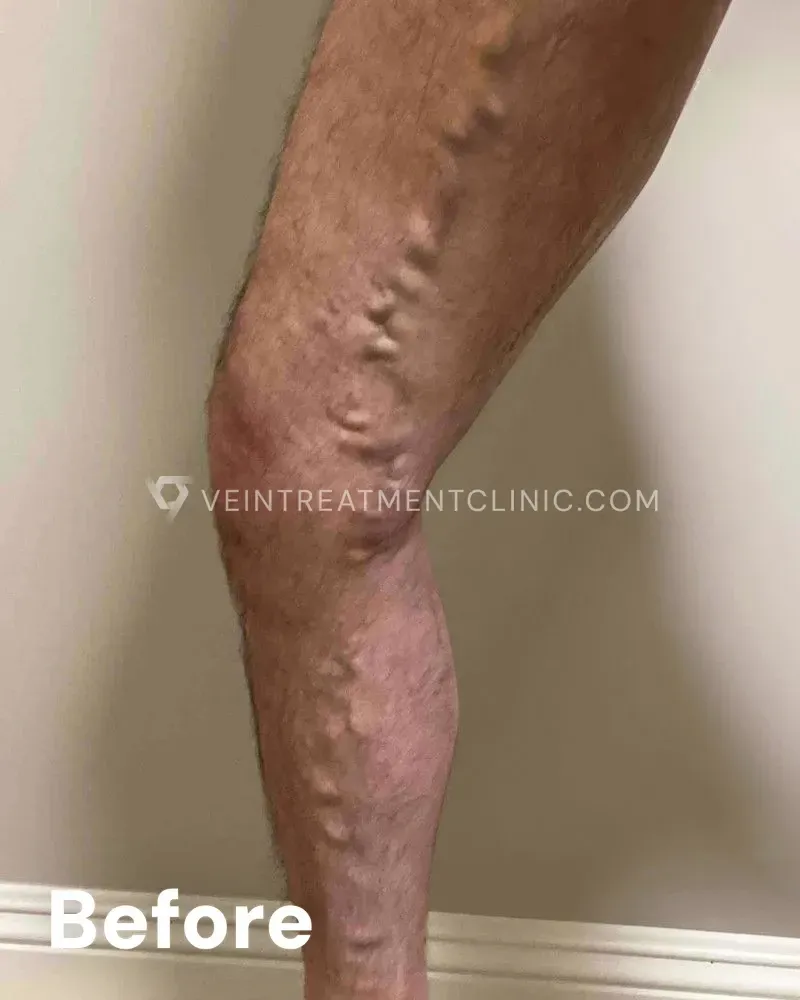
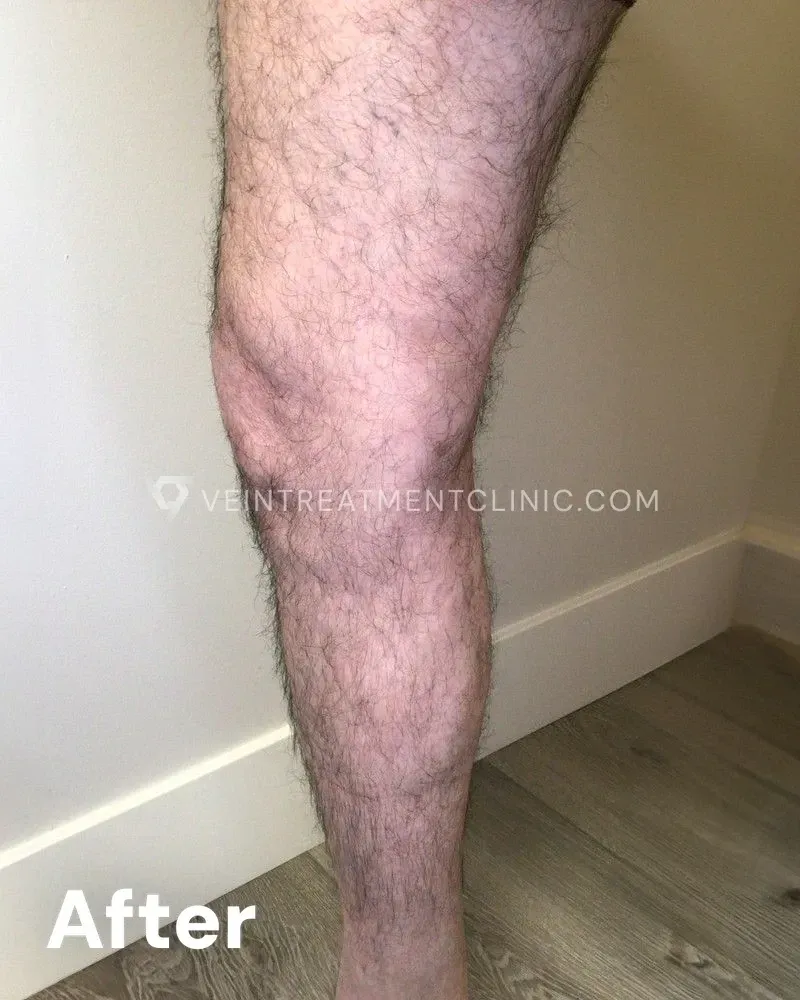
Male, treated for varicose veins on the thighs, calves, and knees with VeinVanish™, a customized treatment plan tailored to his condition. The after photo shows smoother-looking legs with the varicose veins visibly reduced across the treated areas.
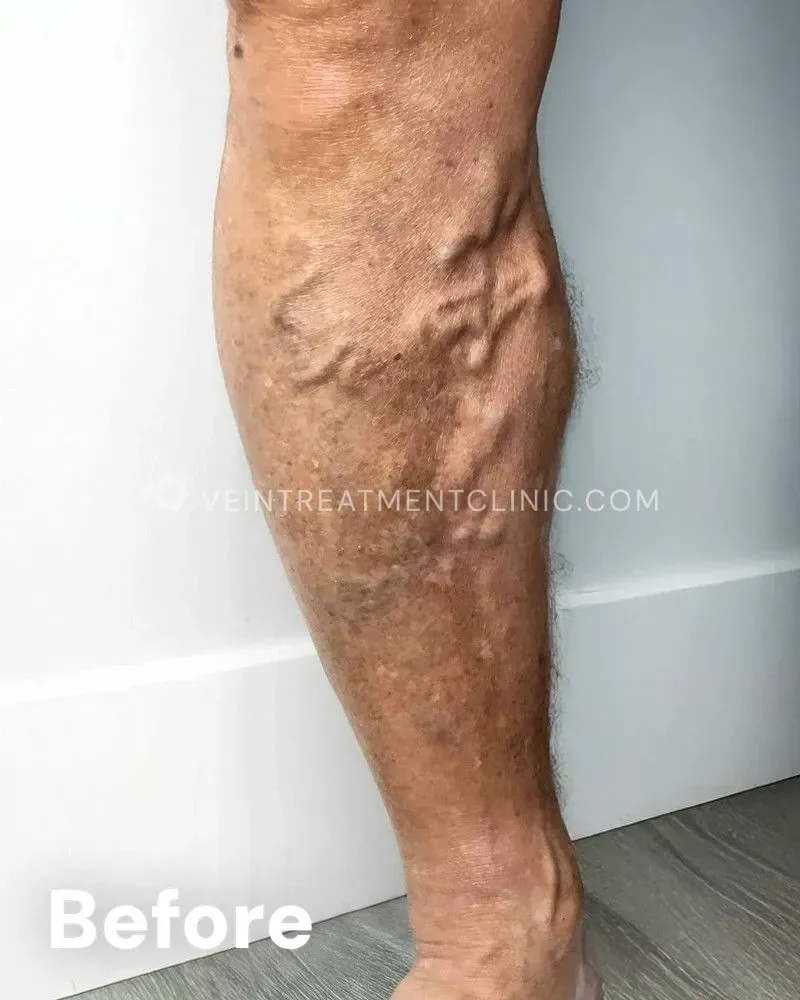
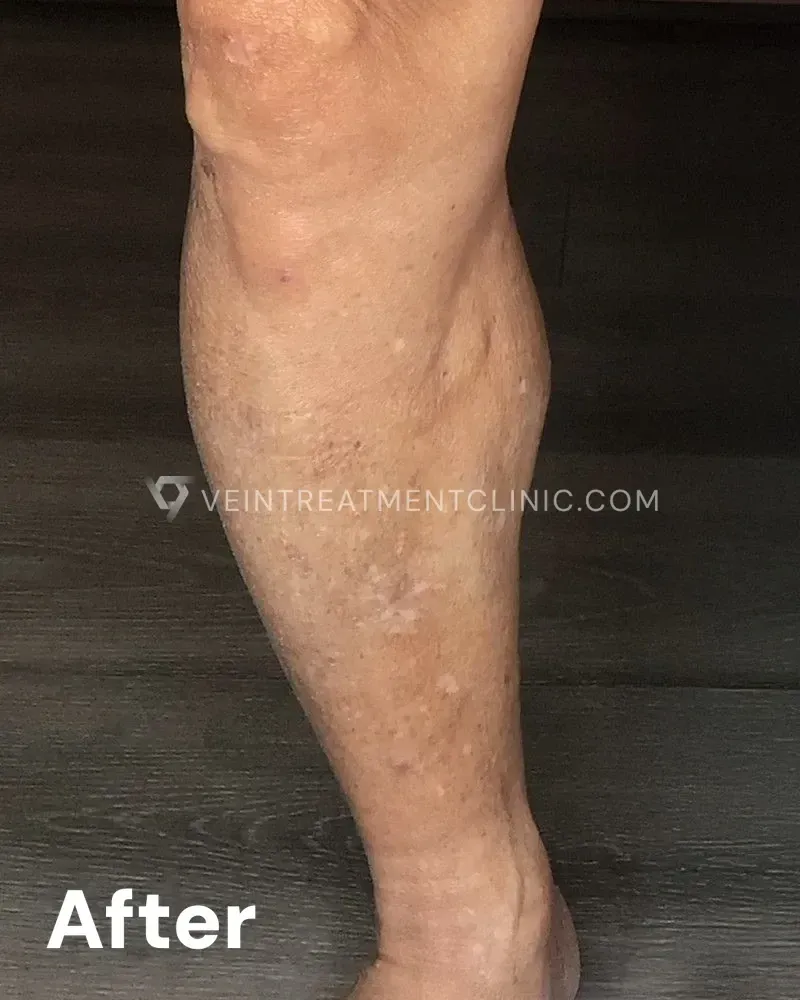
Male, treated for varicose veins on the calves and thighs with VeinVanish™, a customized treatment plan tailored to his condition. The after photo shows the legs appearing smoother-looking with the varicose veins visibly reduced.
How diagnosis affects treatment planning?
Accurate diagnosis ensures that treatment addresses the correct veins and avoids unnecessary or ineffective procedures.
When underlying reflux is present, treating it first can improve results and reduce recurrence.
Get a Peek Inside Your Veins—Book Your Ultrasound Evaluation.