

Table of contents

Get treated by vein treatment industry leaders
What Are the Treatment Options for Spider Veins?

Medically verified
Last updated on 1/29/2026

By Dr. Michael Nguyen
Vein Doctor at Vein Treatment Clinic
Harvard Medical School
Board Certified by the American Board of Venous and Lymphatic Medicine
Spider vein treatment options focus on closing small, visible veins so they gradually fade and symptoms improve. Many patients searching for how to treat spider veins are relieved to learn that most treatments for spider veins are non-surgical and performed in an office setting.
The best treatment for spider veins depends on vein size, location, and whether underlying vein pressure is present. Modern spider vein removal options are designed to be minimally invasive and tailored to each patient.
This page explains the available treatment options for spider veins and how specialists determine which approach is most appropriate.
If you’re unsure which spider vein treatment option may be right for you, a vein evaluation can help clarify your choices.
How are spider vein treatments selected?
Treatment selection depends on the size, depth, and pattern of spider veins, as well as whether symptoms or underlying venous reflux are present. An evaluation helps determine whether spider veins are isolated or part of a broader vein condition.
Choosing the best treatment for spider veins requires matching the technique to the type of vessel being treated.
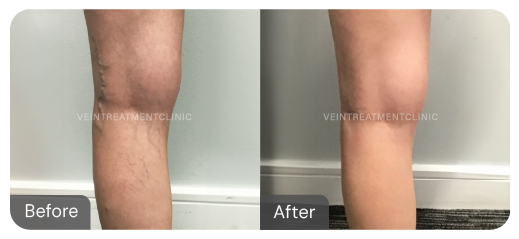
Spider Vein before and after treatment pictures.
Results may vary according to each case.
Spider Vein before and after treatment pictures.
Results may vary according to each case.
Sclerotherapy
Sclerotherapy for spider veins is the most common and effective treatment. This procedure involves injecting a solution directly into the vein, causing it to collapse and gradually fade.
Sclerotherapy is considered a first line, non-surgical spider veins treatment for many leg spider veins.
Surface laser treatment
Laser treatment uses focused light to heat and close very small spider veins near the skin surface.
It is often used for fine veins or in areas where injections are less effective.
Symptom Checker
Do spider veins ever need deeper vein treatment?
In some cases, spider veins are fed by underlying reflux in deeper veins. Treating the deeper problem first can improve spider vein treatment results and reduce recurrence.
This step ensures that surface treatments are addressing the true source of the veins.
Get the Facts on Chronic Venous Insufficiency. Read the Complete Guide
How to get rid of spider veins?
Spider veins usually do not go away on their own, and creams or home remedies rarely make them disappear.
The most effective options are done in a doctor's office: sclerotherapy, which closes the vein with a small injection, and surface laser treatment for very fine veins. A vein doctor can look at your legs and recommend the approach that fits your veins best.
Can treatments be combined?
Yes. Many patients benefit from a combination of sclerotherapy and laser treatment.
Combining approaches allows treatment to be tailored to different vein sizes and patterns.
What results can patients expect?
Most patients see gradual fading of spider veins over several weeks after treatment. Multiple sessions may be needed depending on the number and size of veins being treated.
Results vary, but modern non-surgical spider vein treatments are designed to improve both appearance and comfort.
Back on Your Feet Fast—Learn About the Post-Care Process.
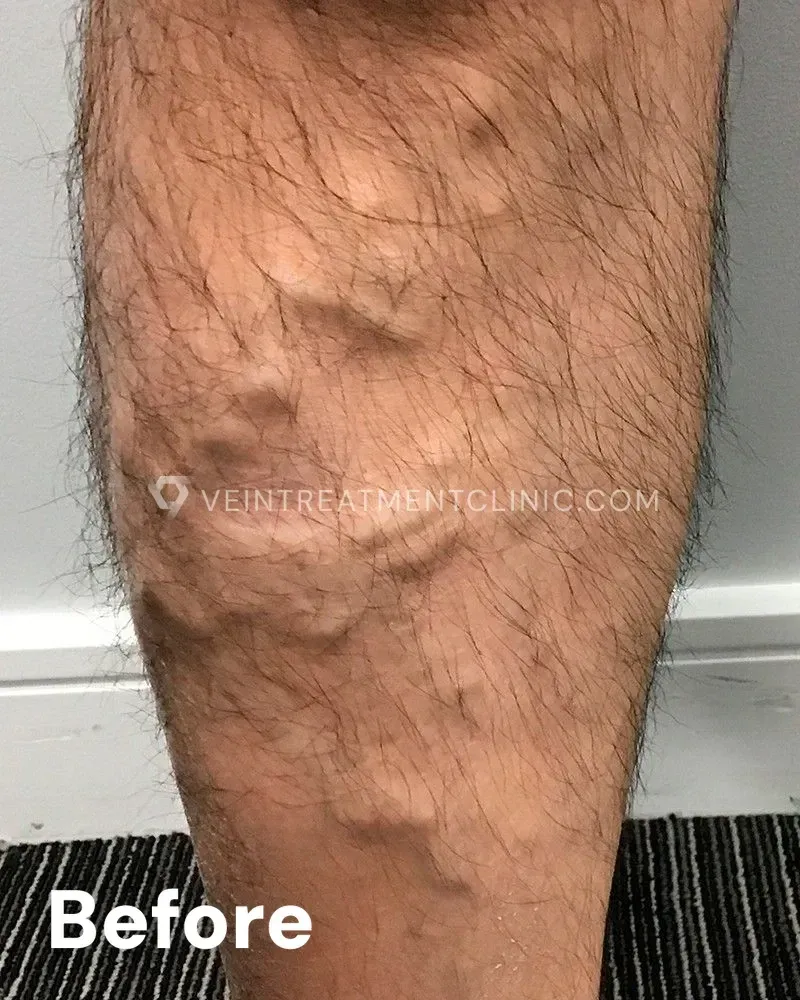
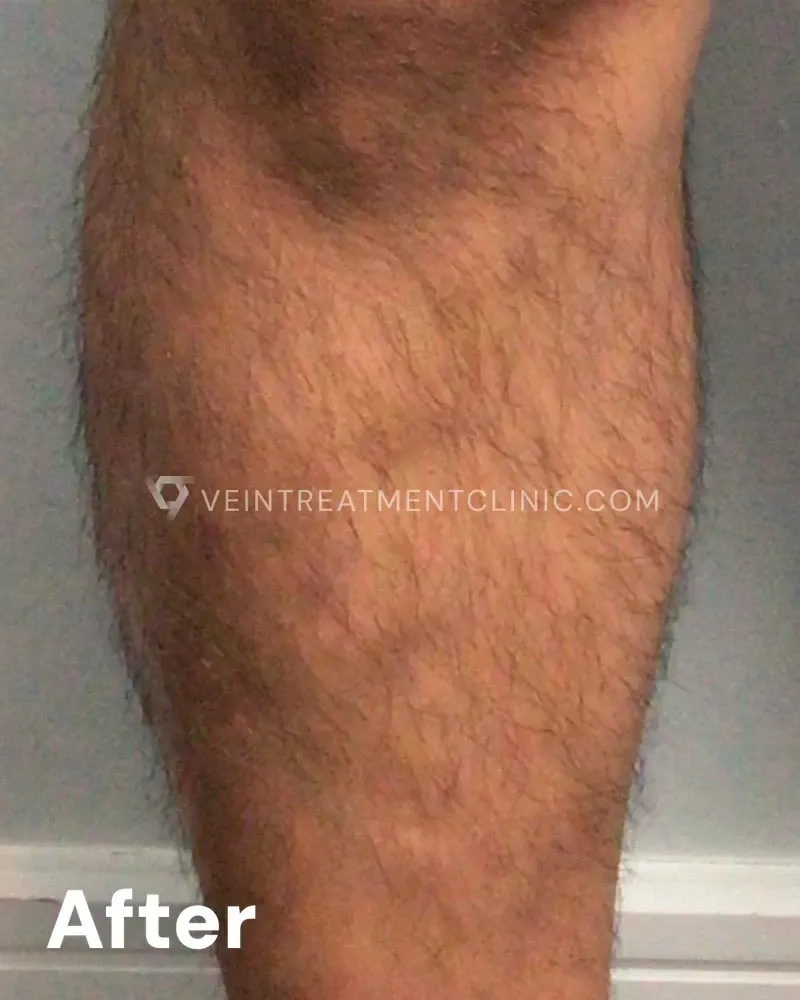
Male, treated for varicose veins on the calves with VeinVanish™, a customized treatment plan tailored to his condition. The after photo shows the treated areas appearing smoother with the varicose veins visibly reduced.
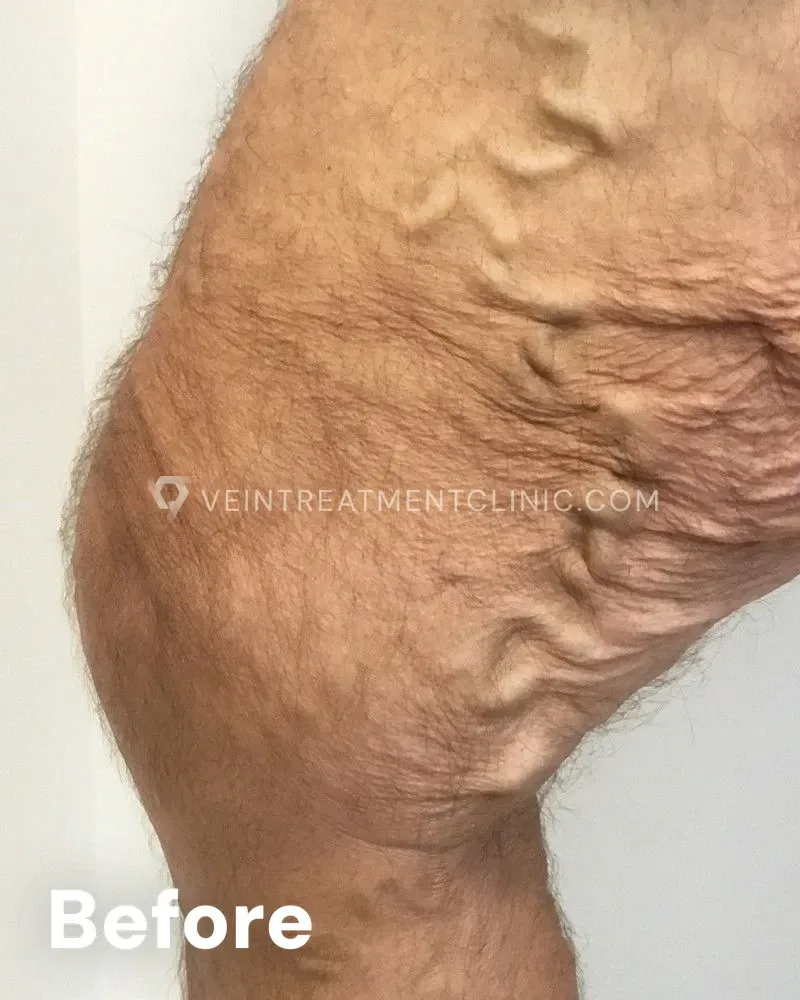
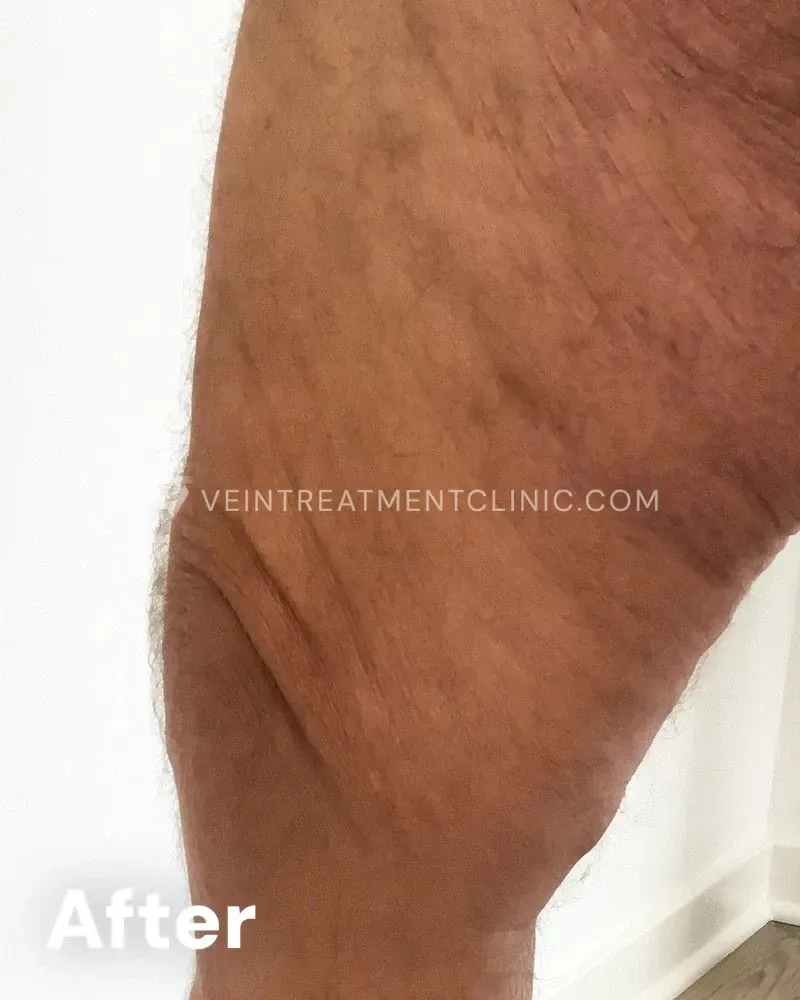
Male, treated for varicose veins on the thighs and knees with VeinVanish™, a customized treatment plan tailored to his condition. The after photo shows the thighs and knees with a smoother-looking appearance.
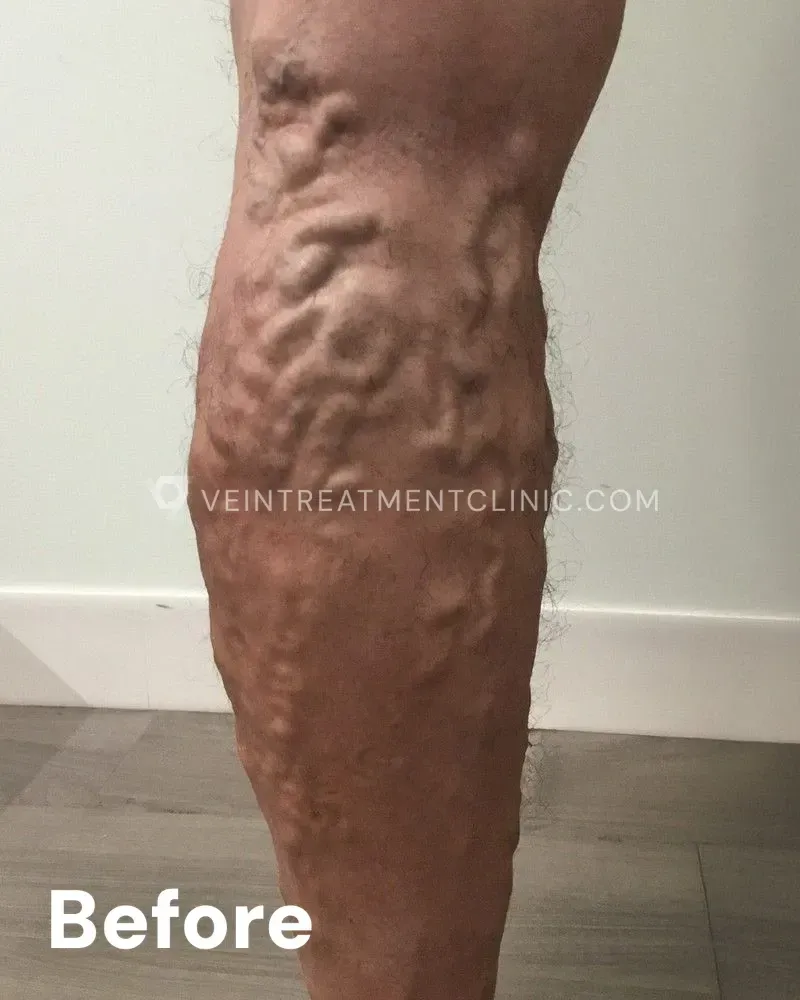
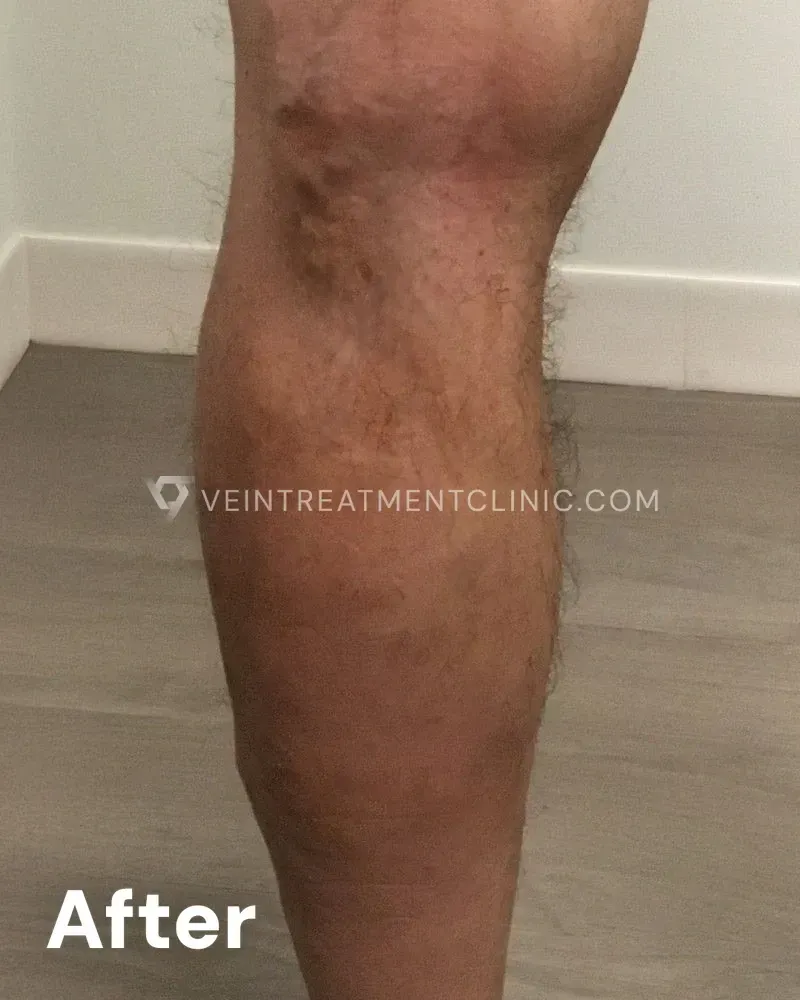
Male, treated for varicose veins on the calves and knees with VeinVanish™, a customized treatment plan tailored to his condition. The after photo shows the affected areas appearing smoother-looking with the varicose veins visibly reduced.
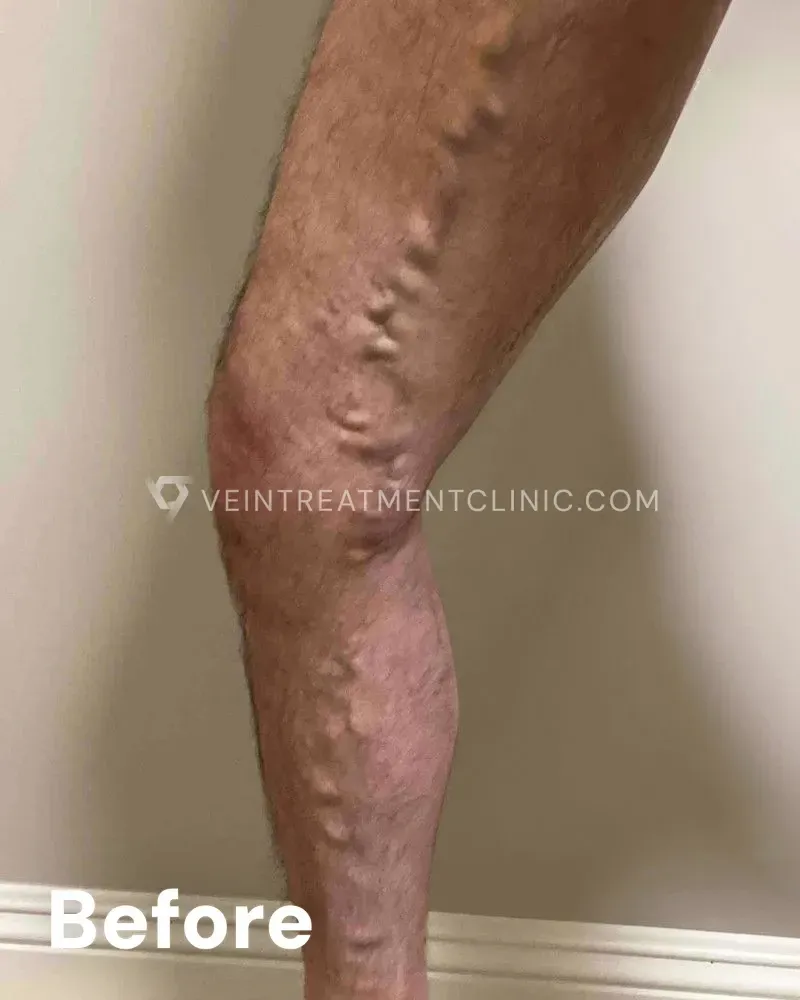
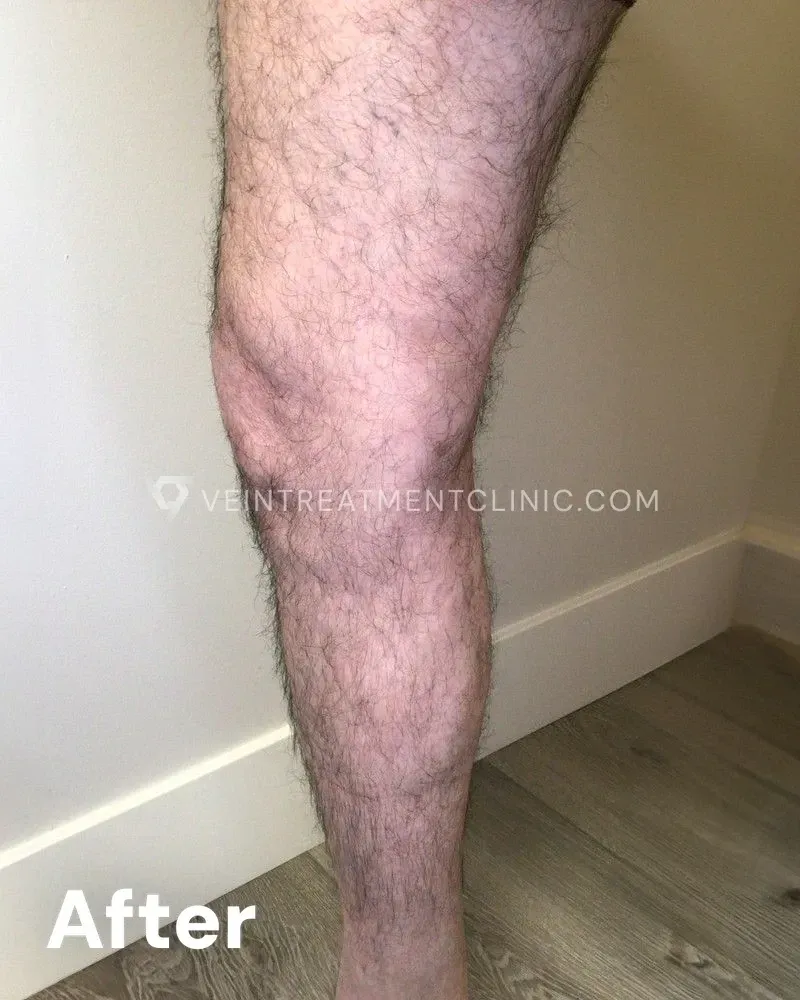
Male, treated for varicose veins on the thighs, calves, and knees with VeinVanish™, a customized treatment plan tailored to his condition. The after photo shows smoother-looking legs with the varicose veins visibly reduced across the treated areas.
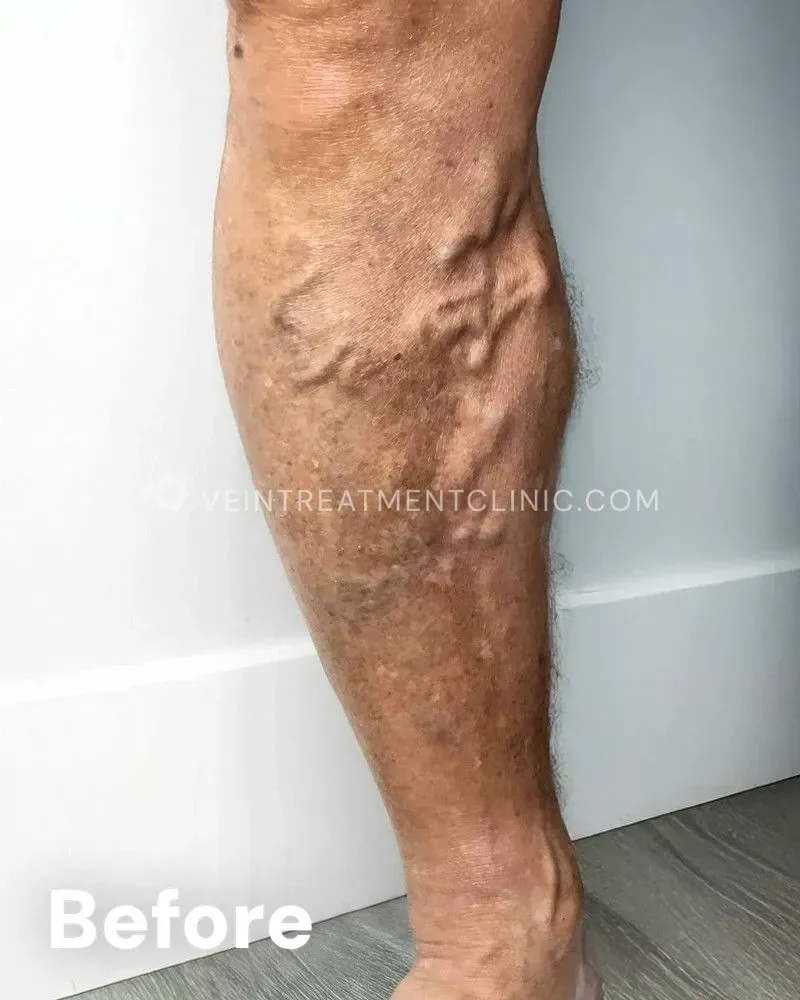
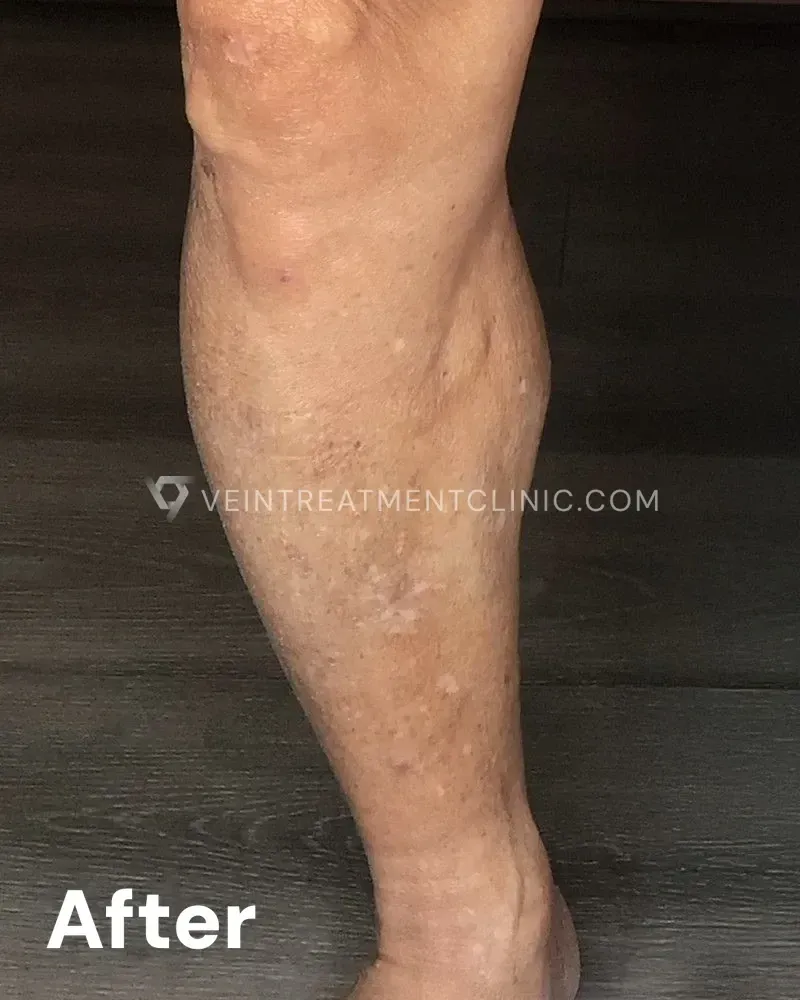
Male, treated for varicose veins on the calves and thighs with VeinVanish™, a customized treatment plan tailored to his condition. The after photo shows the legs appearing smoother-looking with the varicose veins visibly reduced.
Is spider vein treatment painful?
Most treatments involve minimal discomfort, often described as mild stinging or warmth.
Pain is usually brief and well tolerated.
Is spider vein treatment safe?
Spider vein treatments are generally safe when performed by trained specialists.
Side effects are typically mild and temporary.
When is treatment recommended?
Treatment may be recommended when spider veins cause symptoms or when patients desire cosmetic improvement.
A vein evaluation helps determine whether treatment is cosmetic, medical, or a combination of both.
Get the Facts on Modern Vein Care. Read the Complete Guide.