

Table of contents

Get treated by vein treatment industry leaders
Burst Varicose Veins: What They Look Like and What to Do

Medically verified
Last updated on 1/29/2026

By Dr. Michael Nguyen
Vein Doctor at Vein Treatment Clinic
Harvard Medical School
Board Certified by the American Board of Venous and Lymphatic Medicine
A burst varicose vein occurs when a weakened vein near the surface of the skin breaks open and begins to bleed.
Because varicose veins are under higher pressure than normal veins, bleeding can appear sudden and alarming, even when the injury itself is small.

This page explains what a burst varicose vein looks like, why it happens, what to do if bleeding occurs, and how evaluation can help prevent recurrence.
If you’ve experienced bleeding from a varicose vein or are worried it could happen again, a vein evaluation can help determine the safest next step.
Can varicose veins burst?
A burst varicose vein typically causes sudden bleeding from the skin, often from a bulging or visibly abnormal vein.
The bleeding may appear heavier than expected because varicose veins are under increased pressure, even if the opening in the skin is small.
If you’re wondering what to do if a varicose vein bursts, lie down, raise the leg above heart level, and hold firm, direct pressure on the spot until the bleeding stops. If the bleeding stays heavy, will not stop, or you feel lightheaded, seek urgent care, then follow up with a vein specialist even after the bleeding stops.
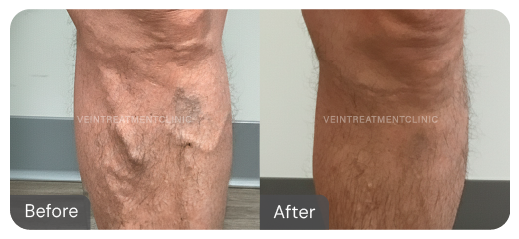
Varicose Vein before and after treatment pictures.
Results may vary according to each case.
Varicose Vein before and after treatment pictures.
Results may vary according to each case.
Can a varicose vein really burst on its own?
Yes. Varicose veins can rupture spontaneously, especially when the skin over the vein becomes thin or fragile.
Minor trauma, scratching, or even standing for long periods can sometimes trigger bleeding.
Why do varicose veins bleed more than normal veins?
Varicose veins carry blood under higher pressure due to faulty vein valves and poor circulation.
When the vein wall breaks, blood can flow out more forcefully than from a normal vein.
Is a burst varicose vein dangerous?
Bleeding from a varicose vein can be serious if not controlled, particularly in older adults or those with fragile skin.
While many cases are manageable, recurrent or heavy bleeding should always be evaluated by a vein specialist.
Symptom Checker
What should you do if a varicose vein starts bleeding?
If a varicose vein begins bleeding, the first step is to lie down and elevate the leg above heart level.
Apply firm, direct pressure to the bleeding area until the bleeding stops.
When should you seek urgent medical care?
Urgent care is recommended if bleeding does not stop with pressure, is heavy, or if you feel lightheaded or weak.
Even if bleeding stops, follow-up evaluation is important to prevent future episodes.
Do burst varicose veins mean vein disease is advanced?
Bleeding often indicates that vein disease has progressed and that vein walls and skin have become fragile.
It is a sign that underlying circulation problems should be evaluated.
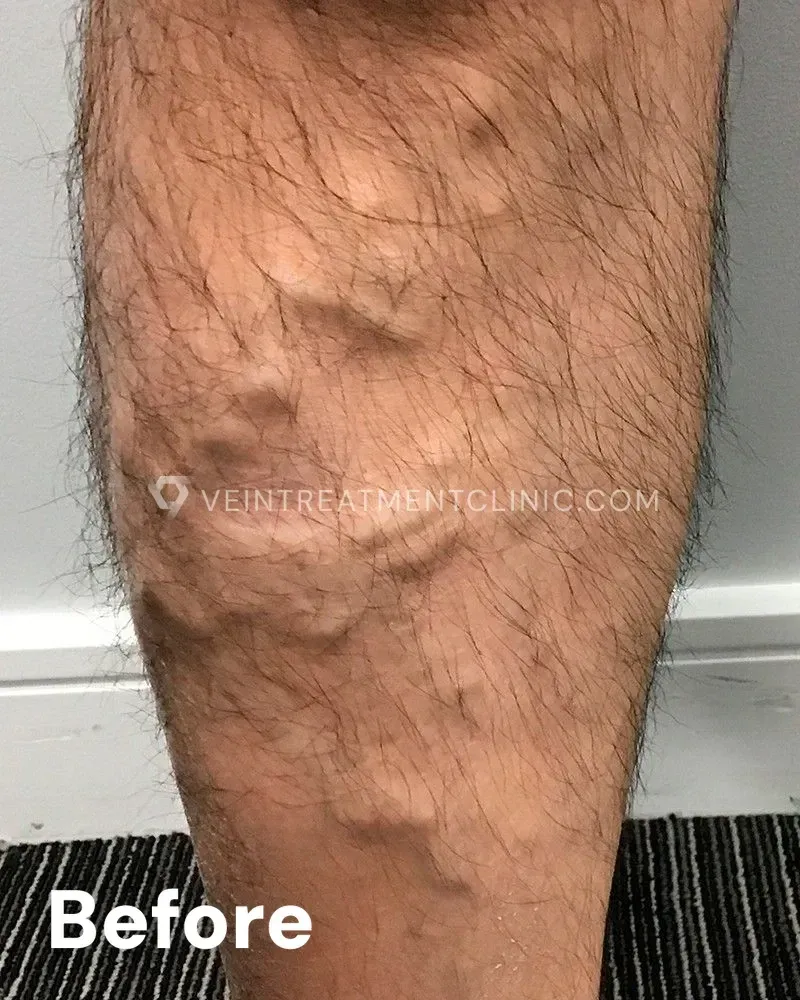
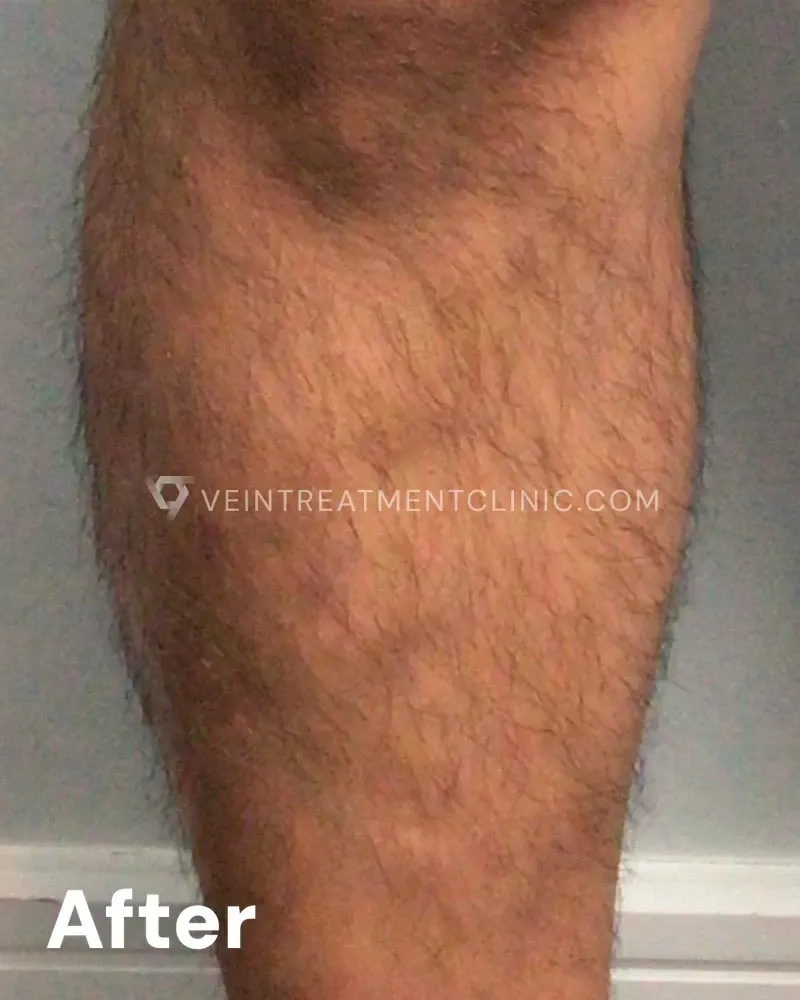
Male, treated for varicose veins on the calves with VeinVanish™, a customized treatment plan tailored to his condition. The after photo shows the treated areas appearing smoother with the varicose veins visibly reduced.
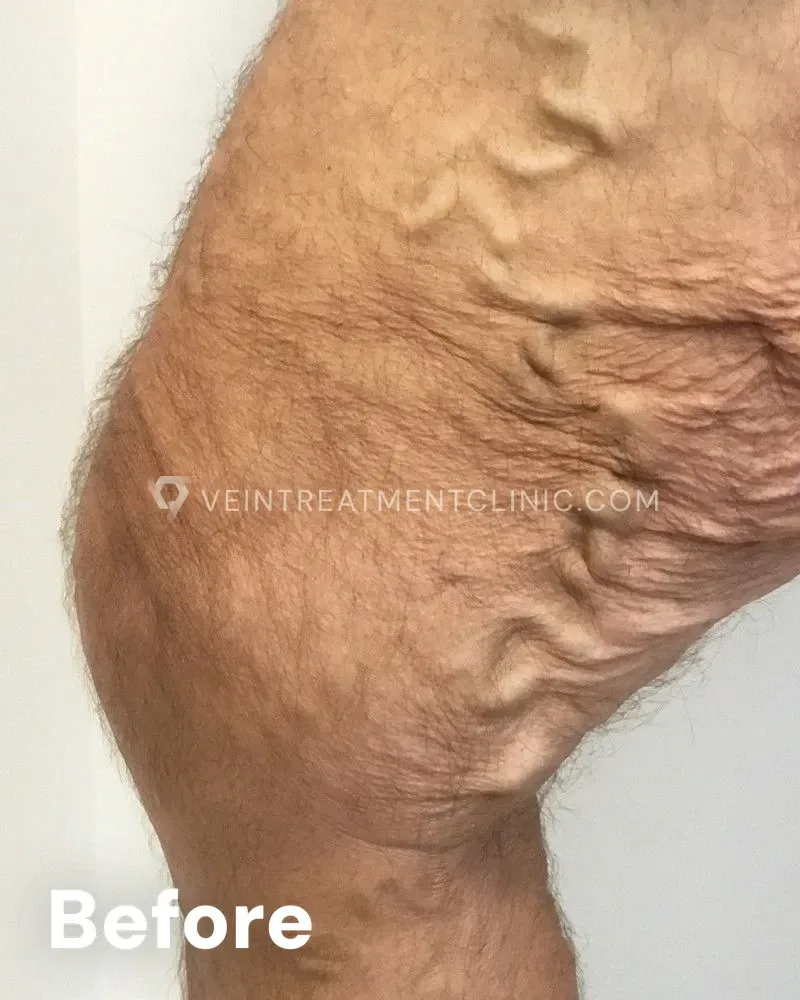
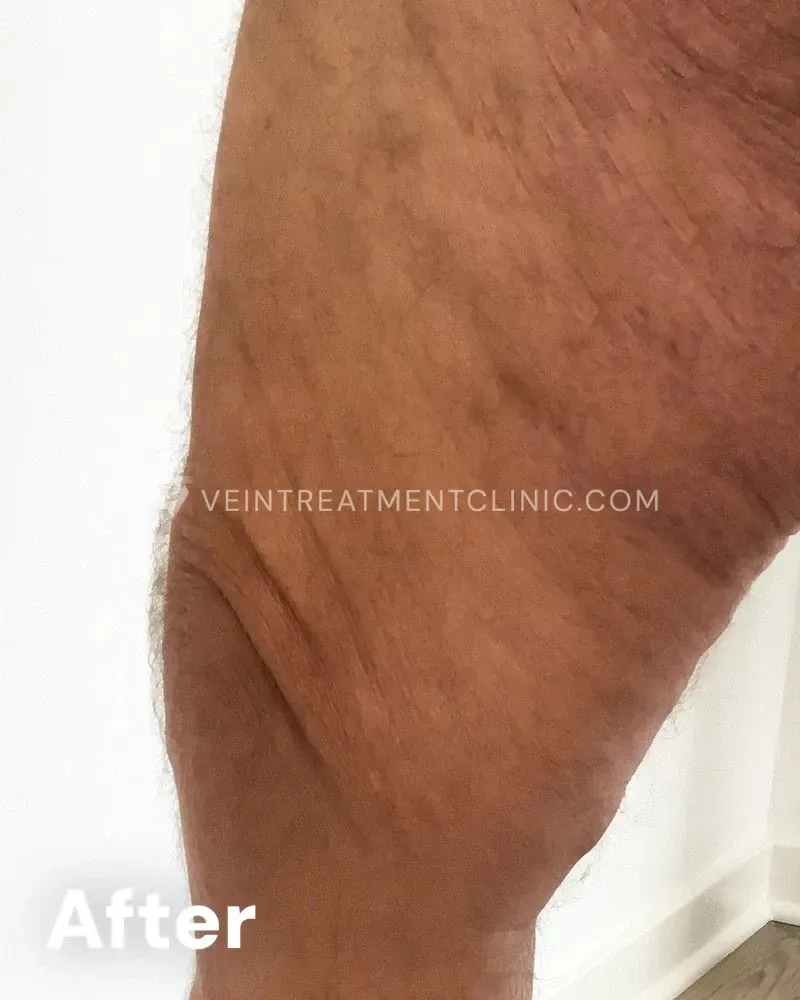
Male, treated for varicose veins on the thighs and knees with VeinVanish™, a customized treatment plan tailored to his condition. The after photo shows the thighs and knees with a smoother-looking appearance.
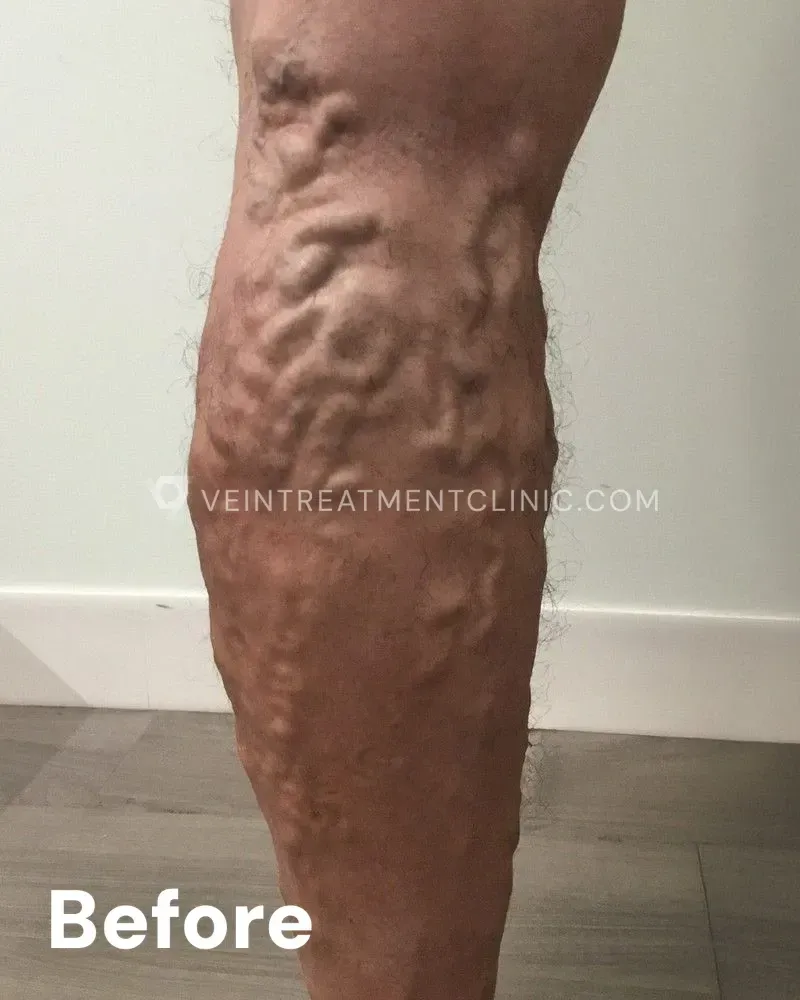
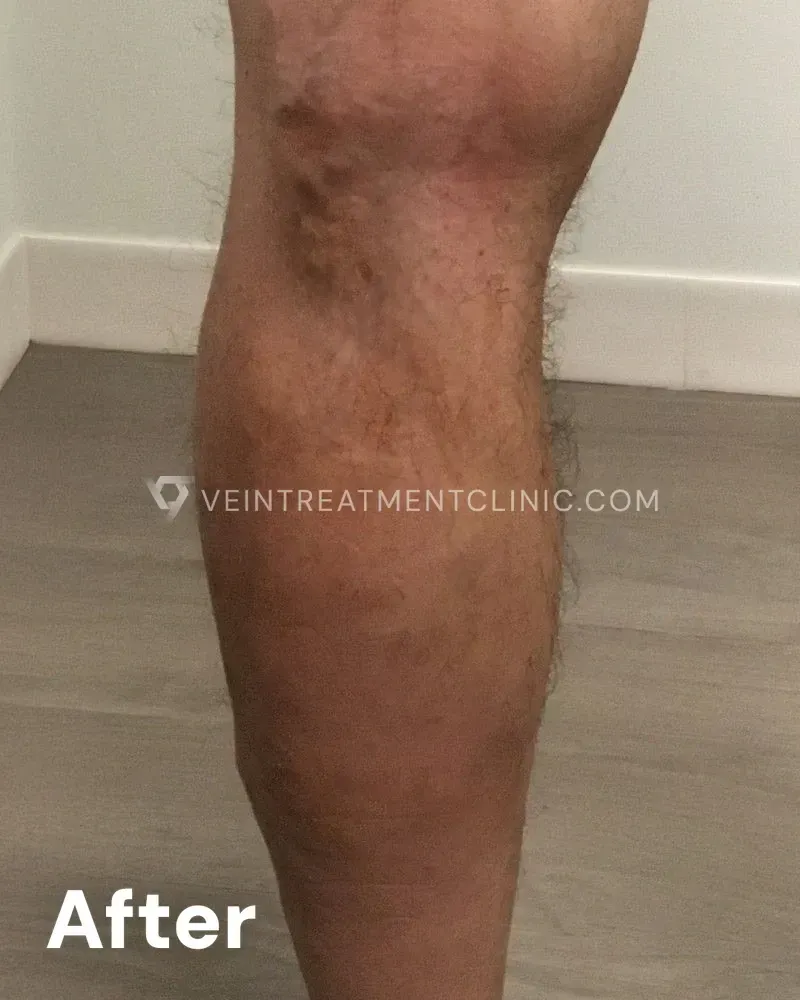
Male, treated for varicose veins on the calves and knees with VeinVanish™, a customized treatment plan tailored to his condition. The after photo shows the affected areas appearing smoother-looking with the varicose veins visibly reduced.
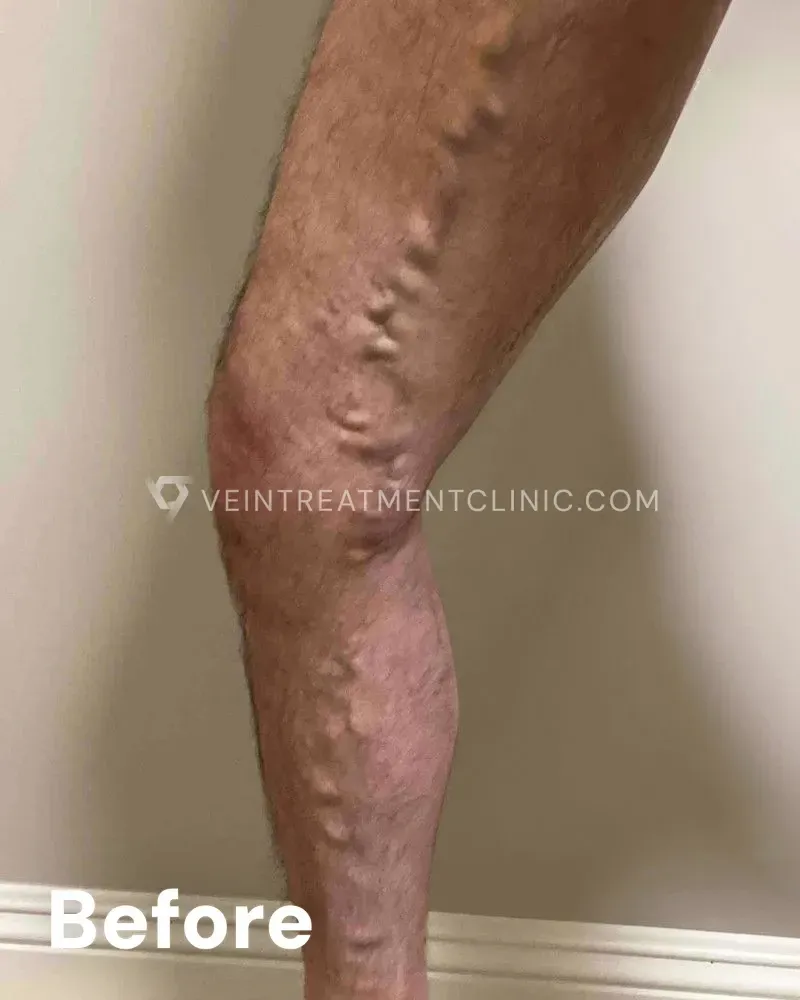
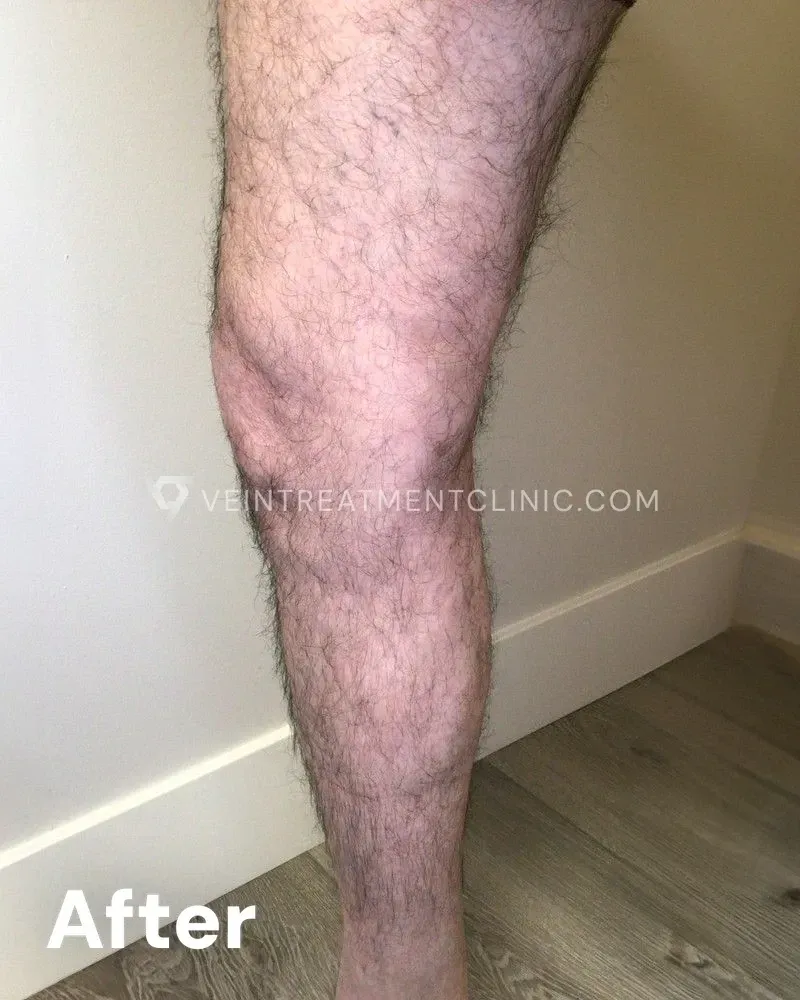
Male, treated for varicose veins on the thighs, calves, and knees with VeinVanish™, a customized treatment plan tailored to his condition. The after photo shows smoother-looking legs with the varicose veins visibly reduced across the treated areas.
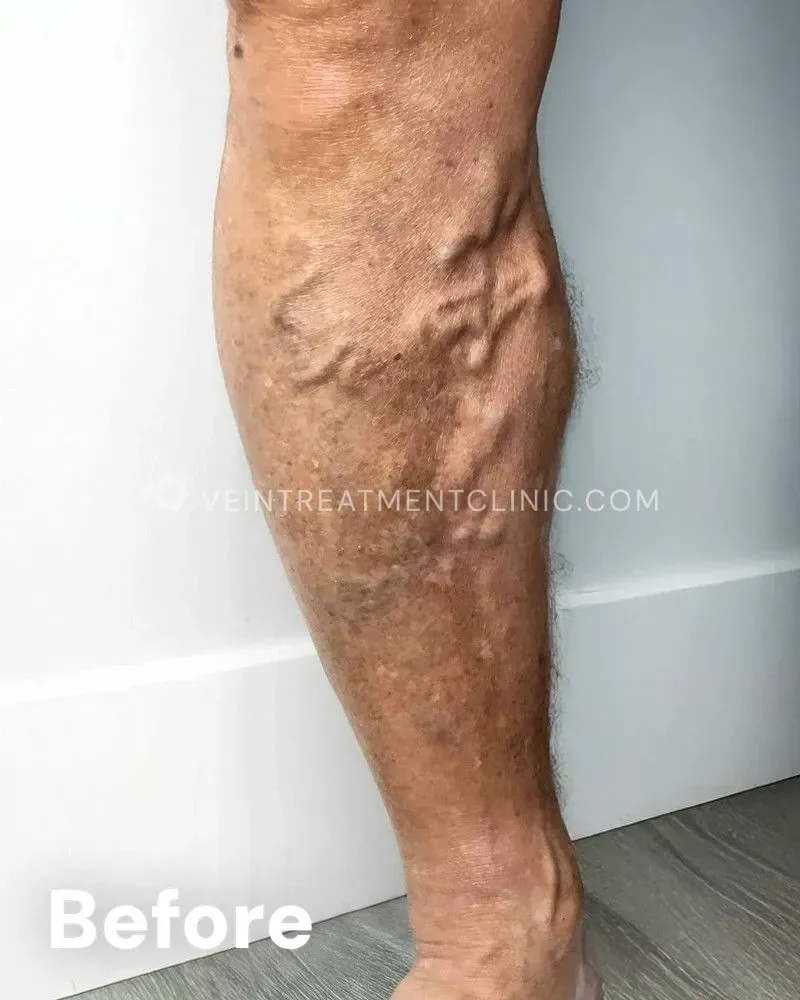
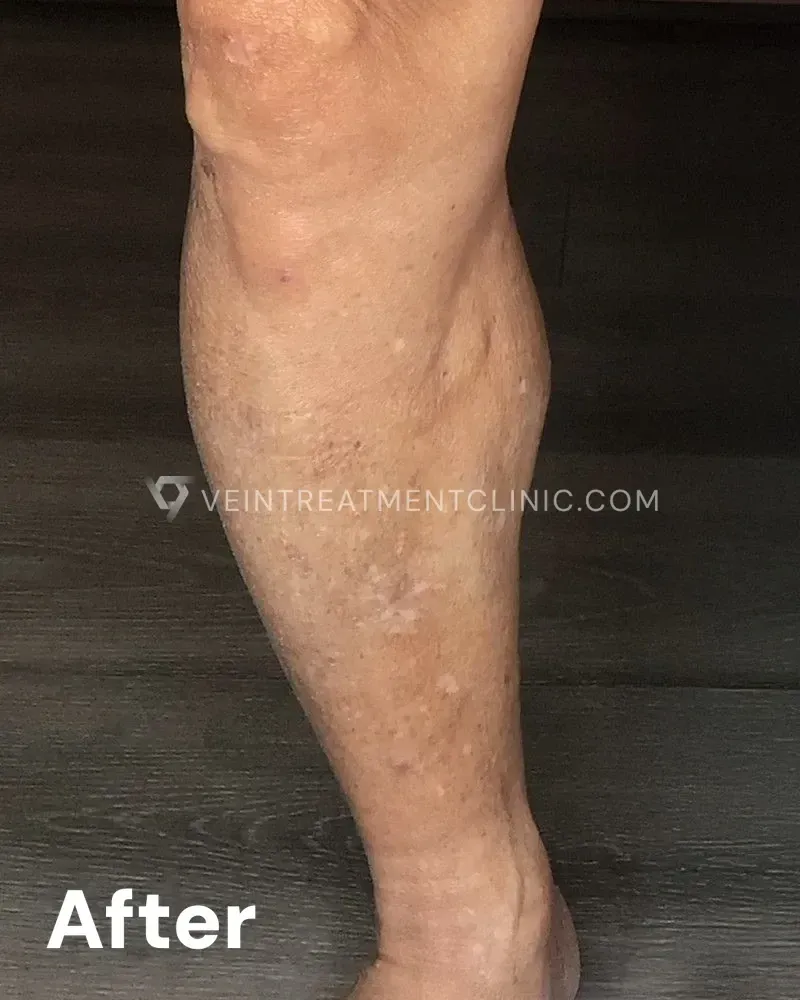
Male, treated for varicose veins on the calves and thighs with VeinVanish™, a customized treatment plan tailored to his condition. The after photo shows the legs appearing smoother-looking with the varicose veins visibly reduced.
Can a burst varicose vein heal on its own?
The skin may heal, but the underlying vein problem usually remains.
Without treatment, the risk of repeat bleeding is higher.
How can vein evaluation help after a bleeding episode?
A vein evaluation identifies which veins are malfunctioning and contributing to increased pressure.
Ultrasound helps guide treatment to reduce pressure and prevent recurrence.
What treatments help prevent future bleeding?
Treatments that address the underlying reflux and pressure in varicose veins reduce the risk of future bleeding.
Most modern treatments are non-surgical and performed in an outpatient setting.
Who is at higher risk for burst varicose veins?
Risk is higher in people with long-standing varicose veins, thin skin, swelling, or chronic venous insufficiency.
Standing for long periods and untreated vein disease can increase risk.