

Table of contents

Get treated by vein treatment industry leaders
When should you see a vein specialist?

Medically verified
Last updated on 1/29/2026

By Dr. Michael Nguyen
Vein Doctor at Vein Treatment Clinic
Harvard Medical School
Board Certified by the American Board of Venous and Lymphatic Medicine
Many people live with leg discomfort, visible veins, or swelling for years without knowing whether these issues require medical attention.
Because vein disease often develops gradually, it can be difficult to know when symptoms are normal and when they signal an underlying circulation problem.

Understanding when to see a vein specialist helps patients seek evaluation at the right time and avoid unnecessary progression or complications.
If you’re unsure whether your symptoms warrant a specialist evaluation, a vein assessment can help clarify next steps.
Persistent leg pain or aching
Ongoing leg pain, aching, or soreness—especially after standing or sitting—can be a sign of vein dysfunction.
If pain is recurrent or worsening, a vein specialist can determine whether circulation issues are contributing.
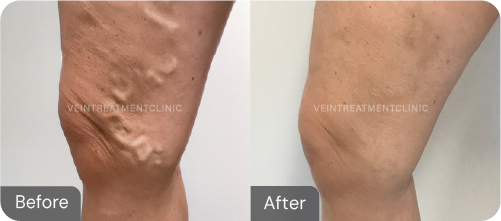
Varicose Vein before and after treatment pictures.
Results may vary according to each case.
Varicose Vein before and after treatment pictures.
Results may vary according to each case.
Leg swelling that doesn’t fully go away
Swelling in the ankles or lower legs that worsens during the day or improves overnight can indicate poor venous return.
A vein evaluation helps determine whether swelling is related to vein disease or another cause.
Visible varicose or spider veins with symptoms
Visible veins alone may not require treatment, but veins accompanied by pain, heaviness, itching, or fatigue often warrant evaluation.
Symptoms suggest increased pressure within the vein system.
Heaviness, fatigue, or restless legs
A feeling of heavy, tired, or restless legs—especially later in the day—can be associated with venous insufficiency.
These symptoms are commonly mistaken for muscle fatigue or aging.
Symptom Checker
Skin changes on the lower legs
Darkening, dryness, itching, thickening, or hardening of the skin near the ankles can indicate advanced vein disease.
These changes should be evaluated promptly to prevent progression.
History of blood clots or vein problems
People with a history of blood clots, vein injury, or prior vein procedures may be at higher risk for vein dysfunction.
A specialist can assess current vein health and future risk.
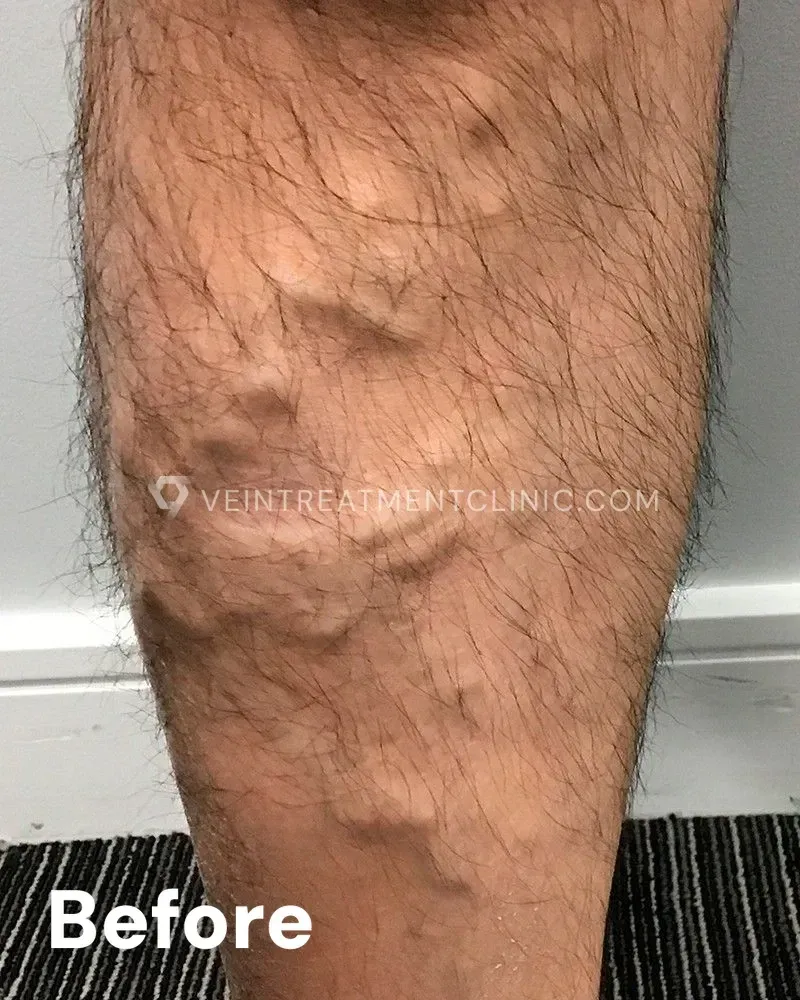
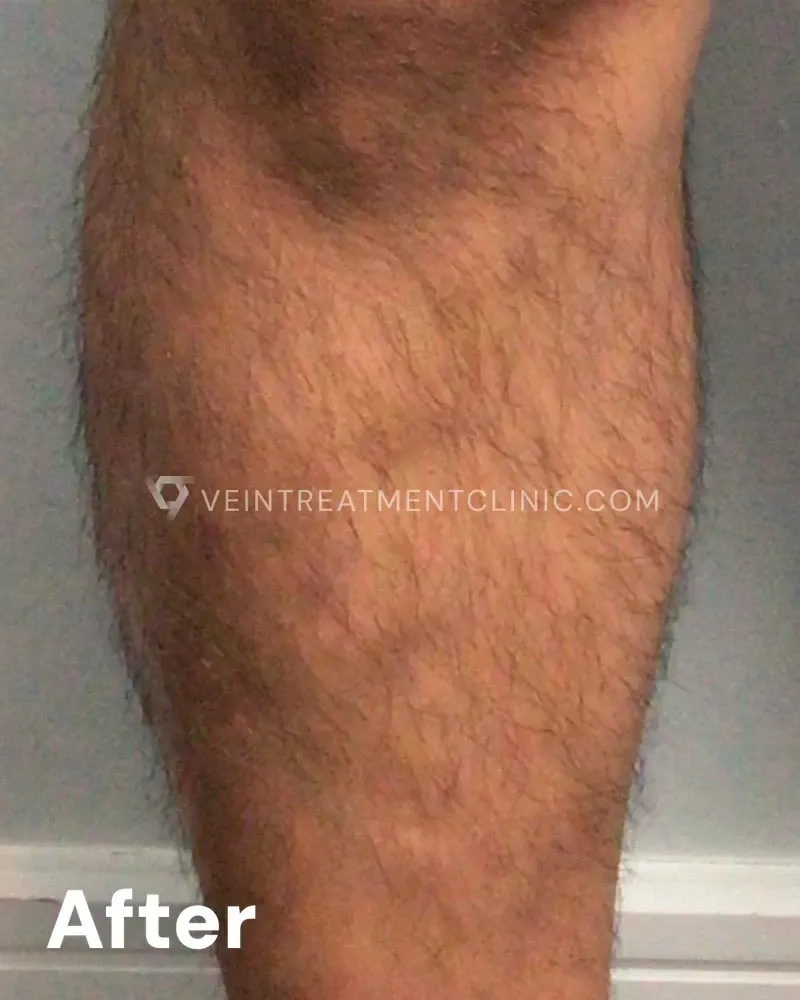
Male, treated for varicose veins on the calves with VeinVanish™, a customized treatment plan tailored to his condition. The after photo shows the treated areas appearing smoother with the varicose veins visibly reduced.
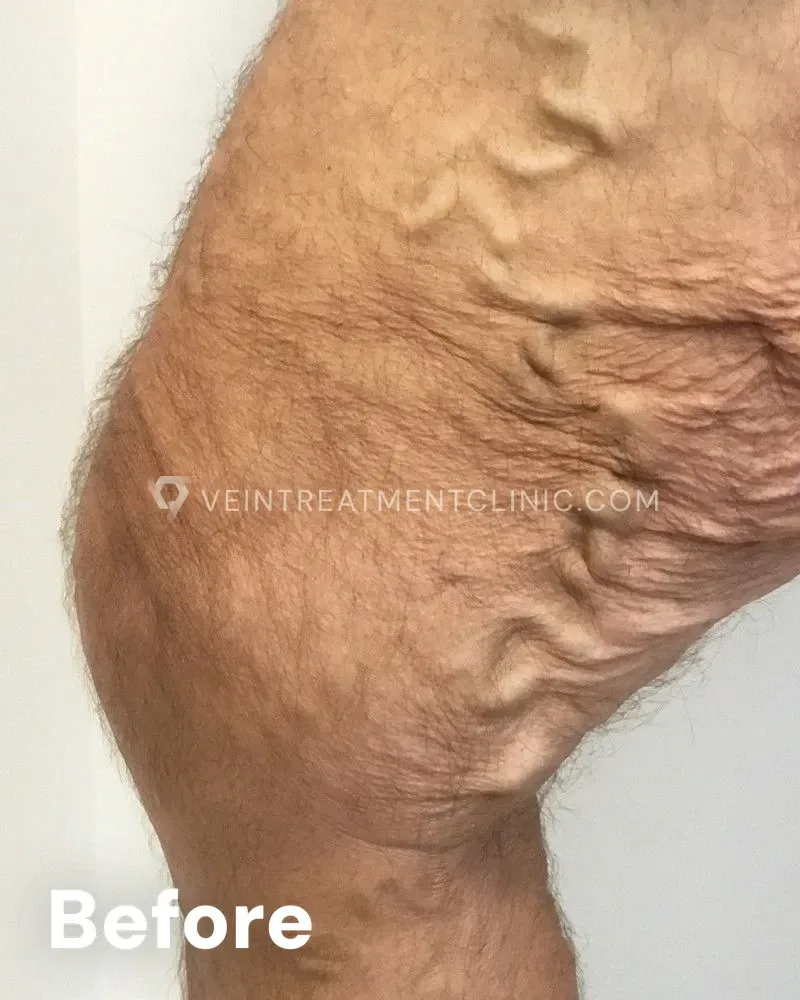
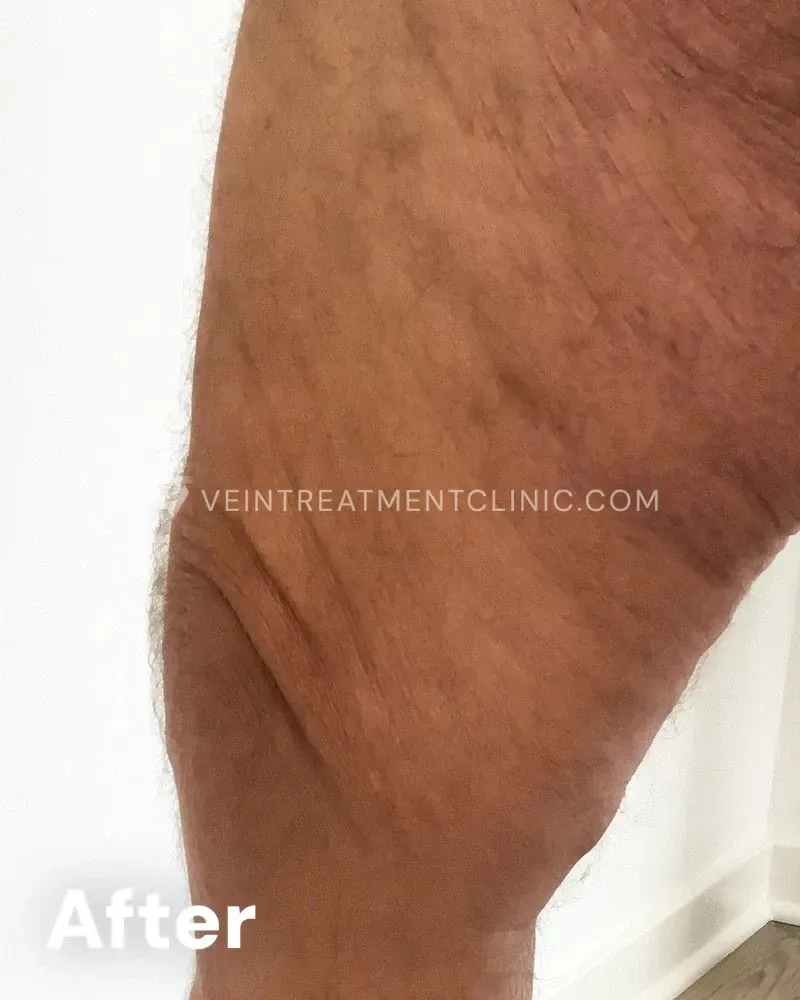
Male, treated for varicose veins on the thighs and knees with VeinVanish™, a customized treatment plan tailored to his condition. The after photo shows the thighs and knees with a smoother-looking appearance.
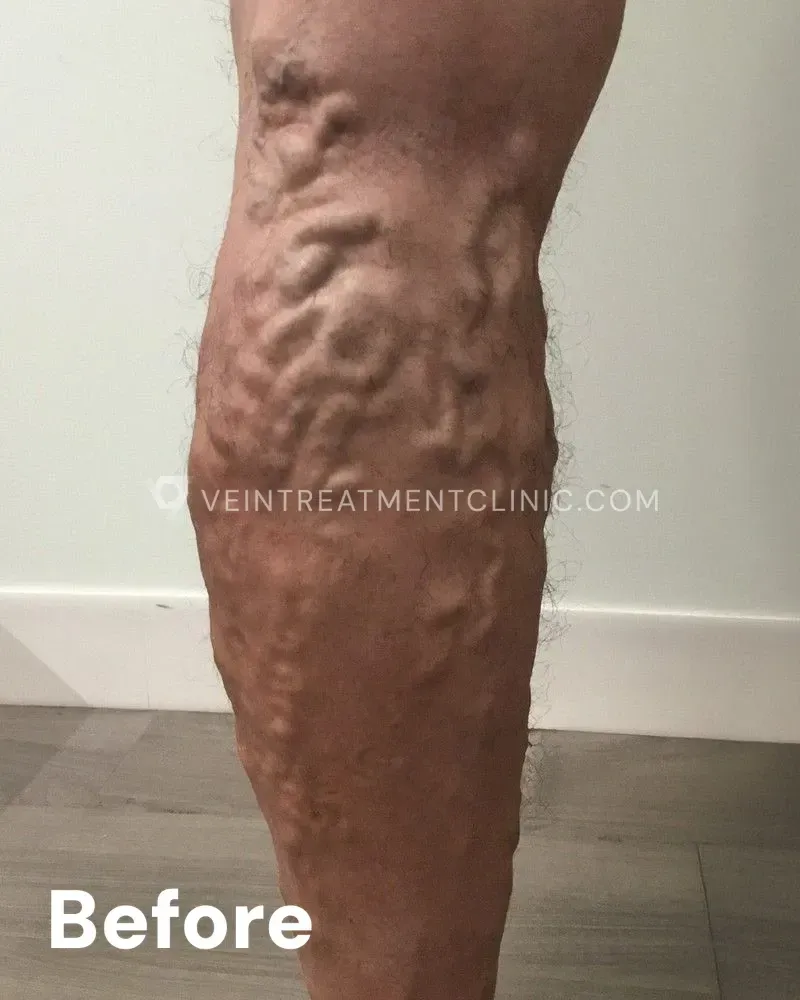
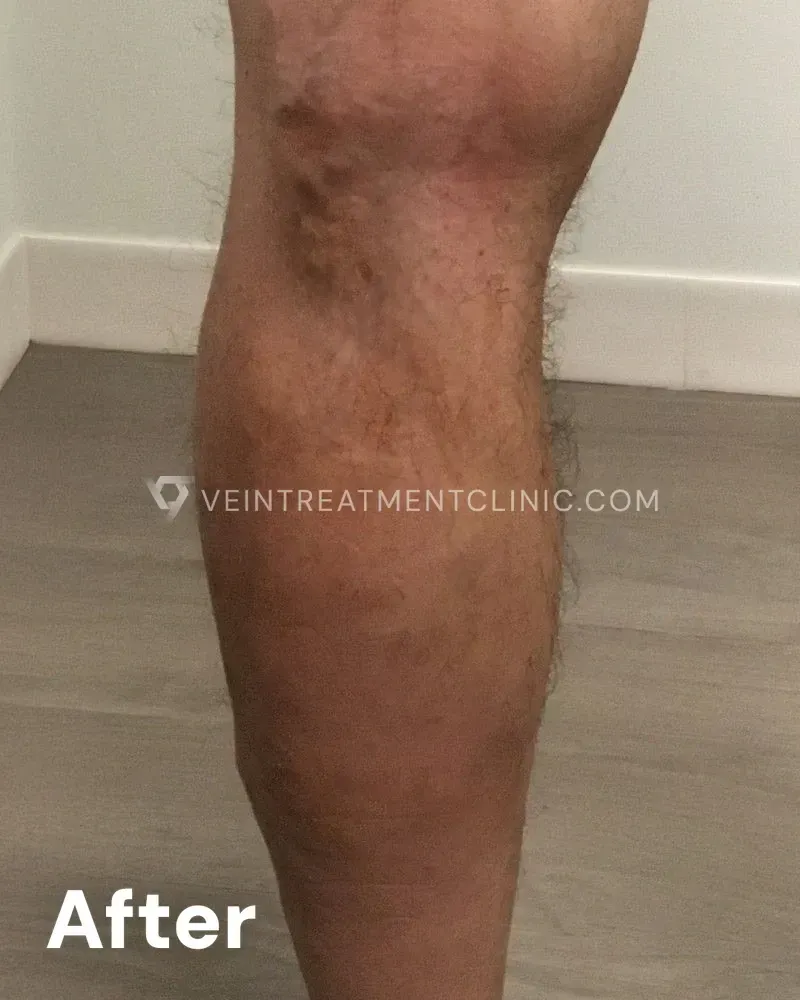
Male, treated for varicose veins on the calves and knees with VeinVanish™, a customized treatment plan tailored to his condition. The after photo shows the affected areas appearing smoother-looking with the varicose veins visibly reduced.
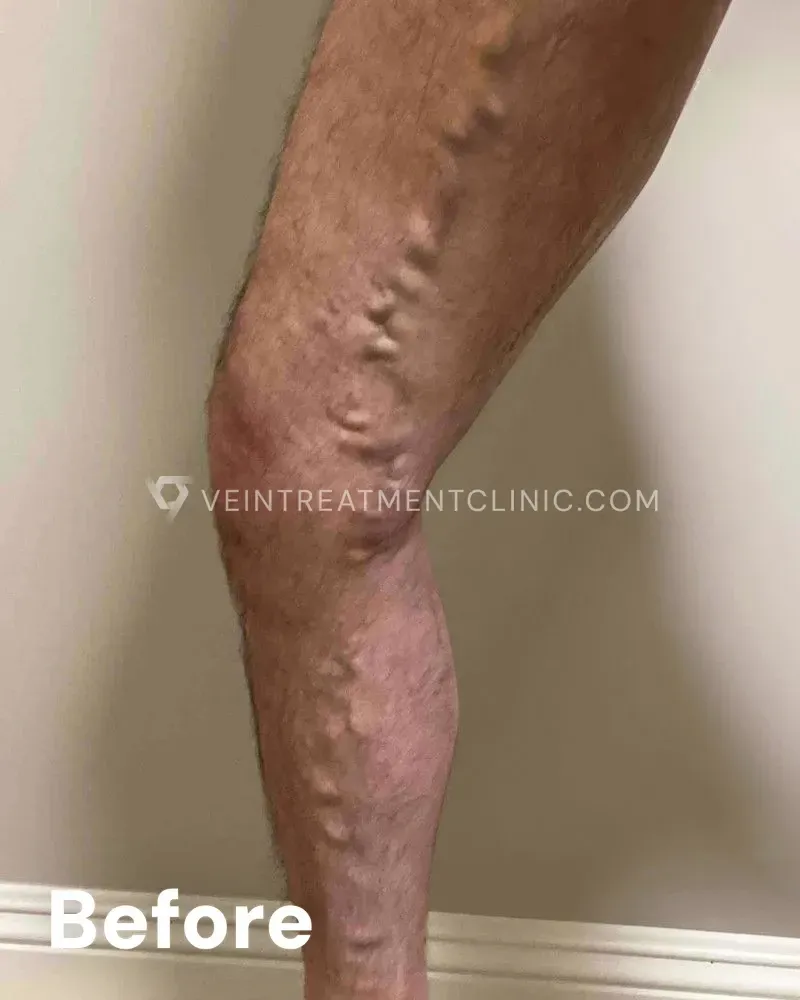
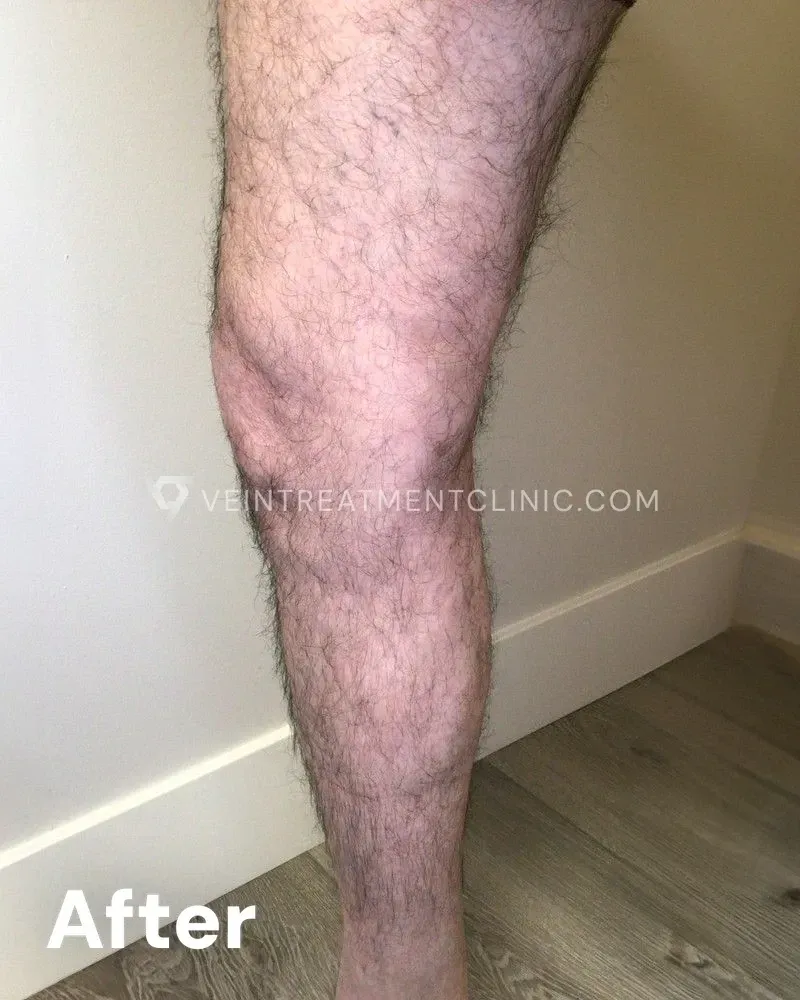
Male, treated for varicose veins on the thighs, calves, and knees with VeinVanish™, a customized treatment plan tailored to his condition. The after photo shows smoother-looking legs with the varicose veins visibly reduced across the treated areas.
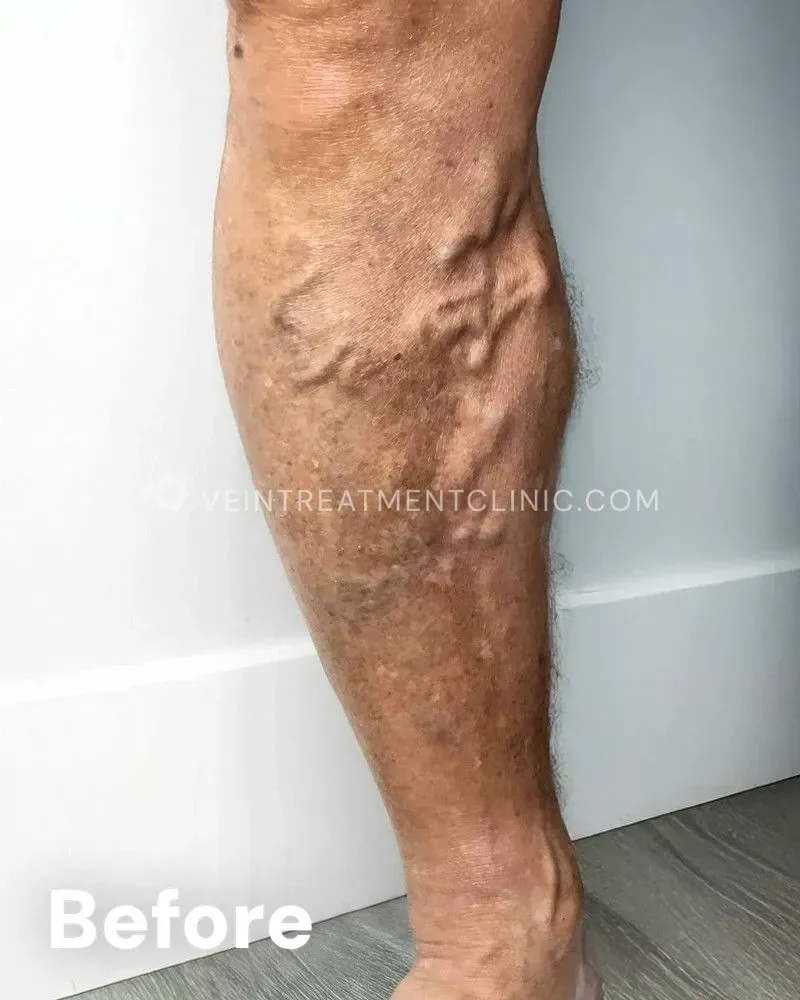
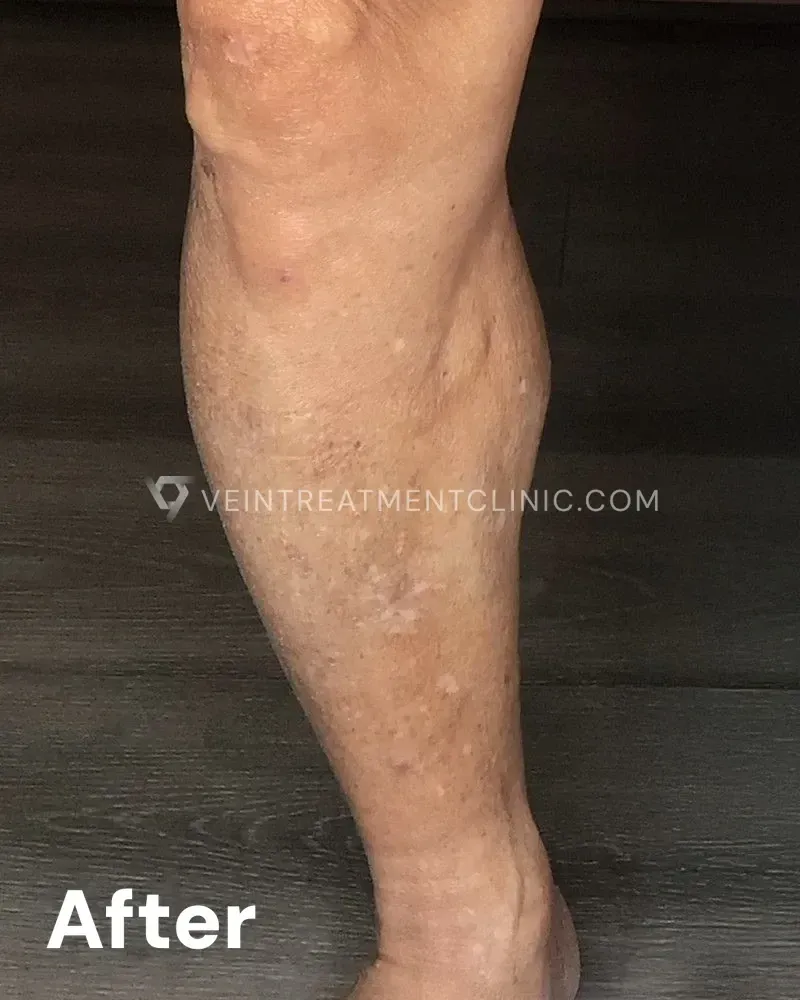
Male, treated for varicose veins on the calves and thighs with VeinVanish™, a customized treatment plan tailored to his condition. The after photo shows the legs appearing smoother-looking with the varicose veins visibly reduced.
Symptoms that interfere with daily activities
When leg symptoms limit walking, standing, exercise, or work, further evaluation is appropriate.
Vein treatment can often improve comfort and quality of life.
When should you worry? See the Warning Signs of Dangerous Veins
What kind of doctor deals with varicose veins?
Varicose veins are usually evaluated and treated by a vein specialist, a doctor who focuses on conditions of the veins.
Your primary care doctor can be a first stop, but a vein doctor can check blood flow with an ultrasound, find the cause of your symptoms, and explain which treatment options fit you.
Uncertainty about whether symptoms are vein-related
Many patients are unsure whether their symptoms are related to their veins, joints, nerves, or circulation.
Knowing when to see a vein doctor starts with recognizing persistent or changing leg symptoms. Pain, swelling, heaviness, visible veins, skin changes, or discomfort that interferes with daily activities may be signs that a professional evaluation is appropriate.
Precision Care: Understand Your Veins with an Ultrasound Map