

Table of contents

Get treated by vein treatment industry leaders
Is Varicose Vein Treatment Safe?

Medically verified
Last updated on 1/29/2026

By Dr. Michael Nguyen
Vein Doctor at Vein Treatment Clinic
Harvard Medical School
Board Certified by the American Board of Venous and Lymphatic Medicine
Many patients worry about the safety of varicose vein treatment, especially if they have heard older stories about surgery or long recoveries.
Modern vein care has changed significantly. Most treatments today are minimally invasive, performed in an office setting, and guided by ultrasound.

Understanding how safe current varicose vein treatments are and what risks exist helps patients make informed decisions with confidence.
If you’re concerned about safety or risks, a vein evaluation can help determine the safest approach for your situation.
Are modern varicose vein treatments generally safe?
Yes. Modern varicose vein treatments are considered safe when performed by trained specialists using ultrasound guidance.
Most procedures are done without general anesthesia and allow patients to return to normal activities quickly.
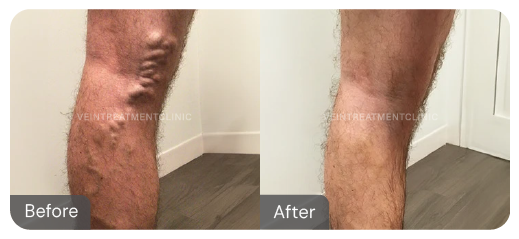
Varicose Vein before and after treatment pictures.
Results may vary according to each case.
Varicose Vein before and after treatment pictures.
Results may vary according to each case.
Why varicose vein treatment is safer today than in the past?
In the past, treatment often involved surgery with larger incisions and longer recovery.
Today’s techniques target veins from inside the vessel or through tiny skin openings, reducing trauma and risk.
Don’t Settle for Less—See the Best Standard in Vein Care
What types of treatments are considered low risk?
Procedures such as endovenous ablation, sclerotherapy, and phlebectomy are commonly used and have strong safety records.
The choice of treatment depends on vein anatomy and ultrasound findings.
Symptom Checker
What are the most common side effects?
Common side effects include mild bruising, tenderness, swelling, or tightness along the treated vein.
These effects are usually temporary and improve within days to weeks.
Are there serious risks or complications?
Serious complications are uncommon but can include infection, nerve irritation, or blood clots.
Careful patient selection, ultrasound guidance, and proper technique significantly reduce these risks.
Does treatment increase the risk of blood clots?
The risk of serious blood clots after modern varicose vein treatment is low.
Specialists evaluate clotting history and may adjust treatment or monitoring when risk factors are present.
How safety is assessed before treatment?
Safety evaluation begins with a detailed medical history and vein ultrasound.
This ensures the correct veins are treated and helps identify any conditions that require special precautions.
Precision Care: Understand Your Veins with an Ultrasound Map
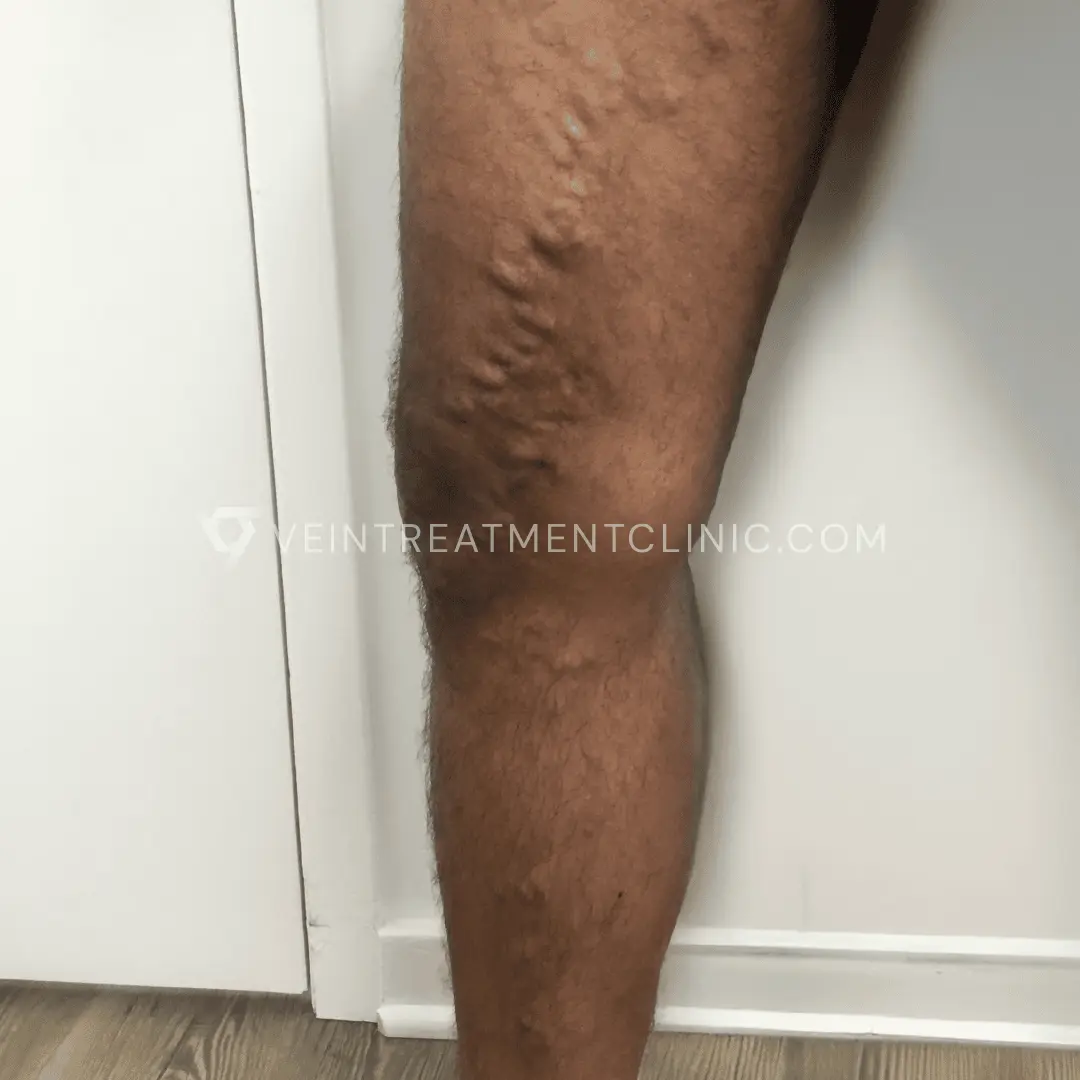
Before
After
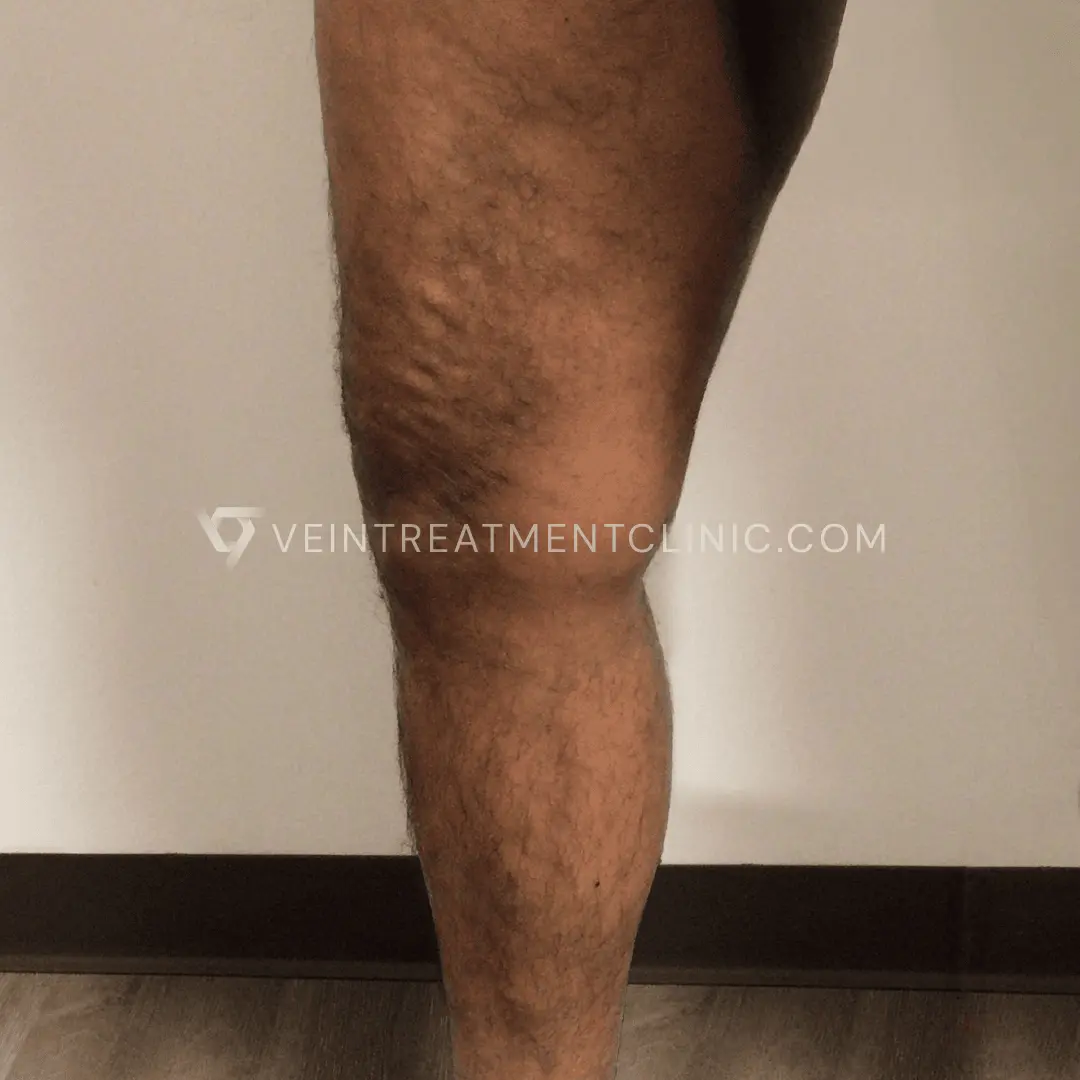
A 37-year-old patient visited our Vein Treatment Clinic, seeking relief from unsightly and painful varicose and spider veins. We performed radiofrequency ablation and sclerotherapy treatments, significantly improving the veins’ appearance and completely eliminating discomfort. The patient is now enjoying a more active and pain-free lifestyle.
Before
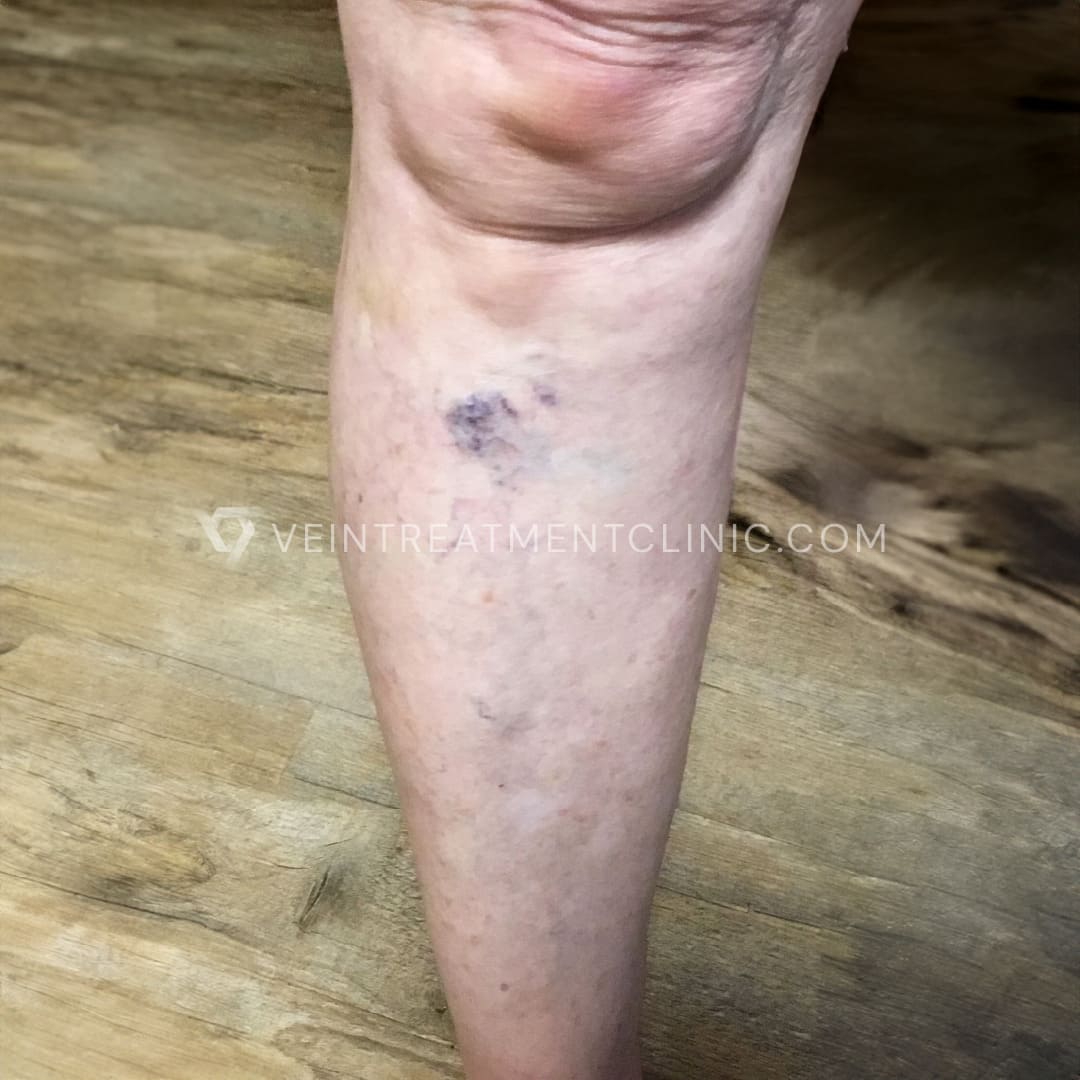
After
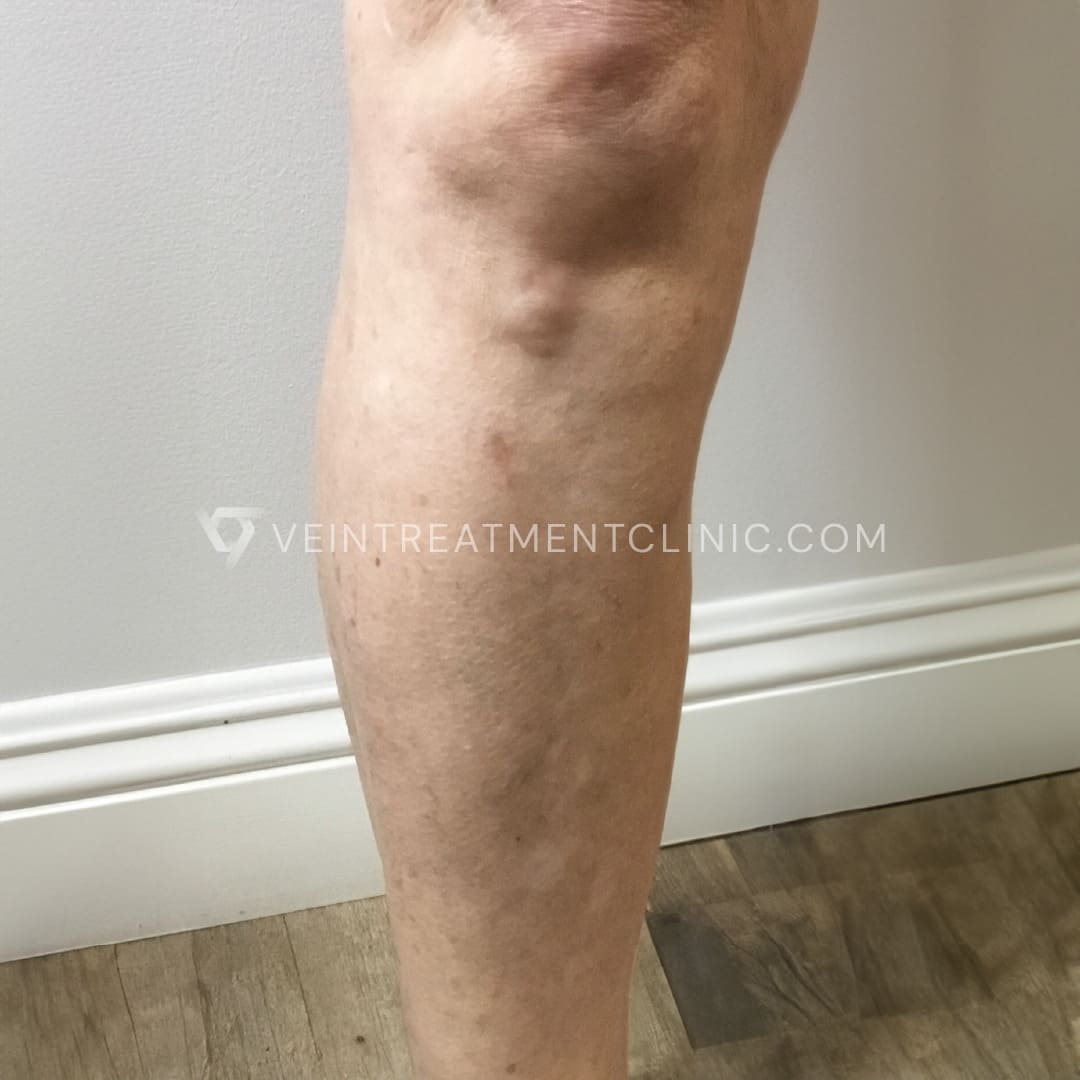
A 69 year-old patient visited our California Vein Clinic, embarrassed by spider veins that had impacted their self-esteem. We performed radiofrequency ablation and sclerotherapy treatments, leaving their legs smooth and healthy. The patient now feels more confident, thanks to this transformative treatment.
Before
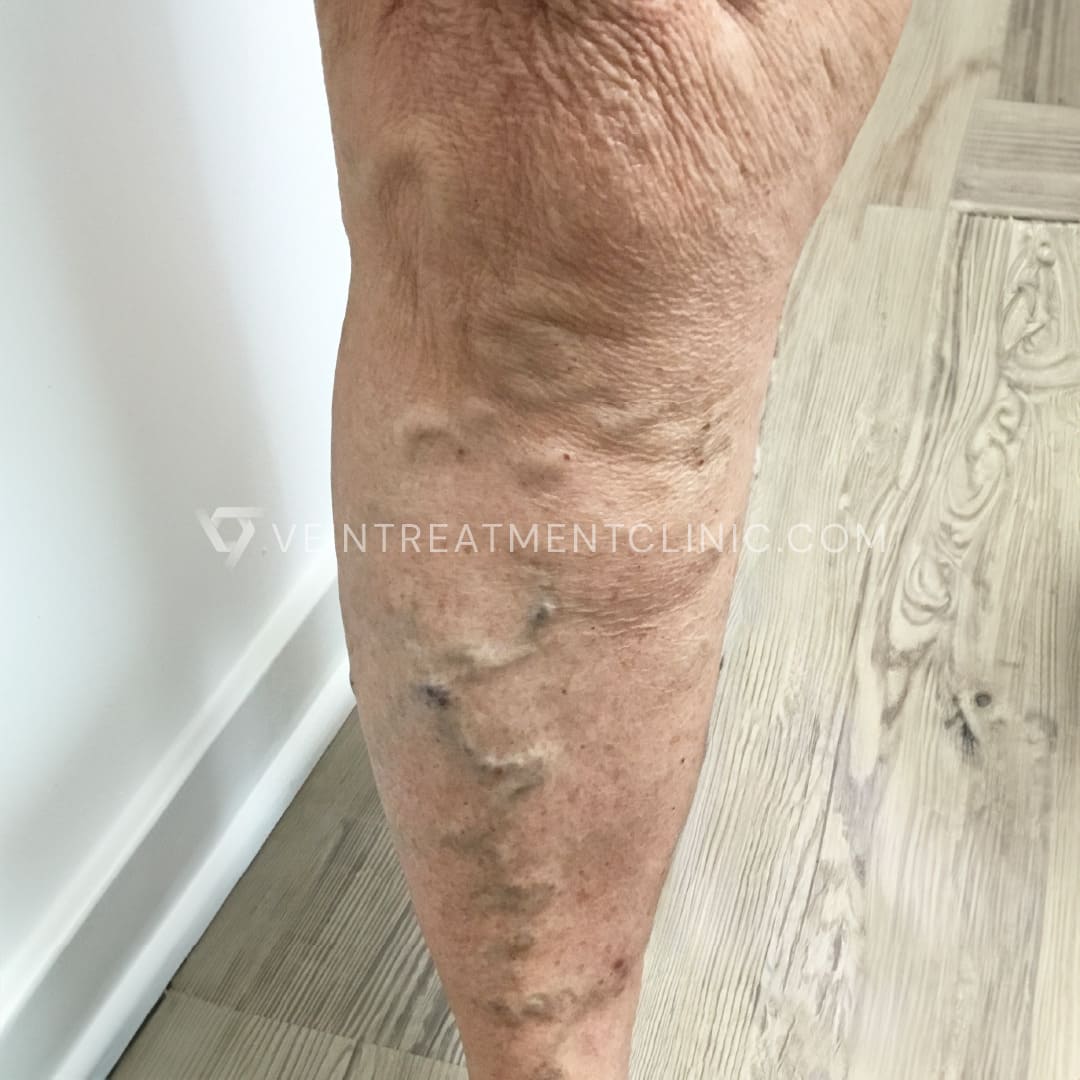
After
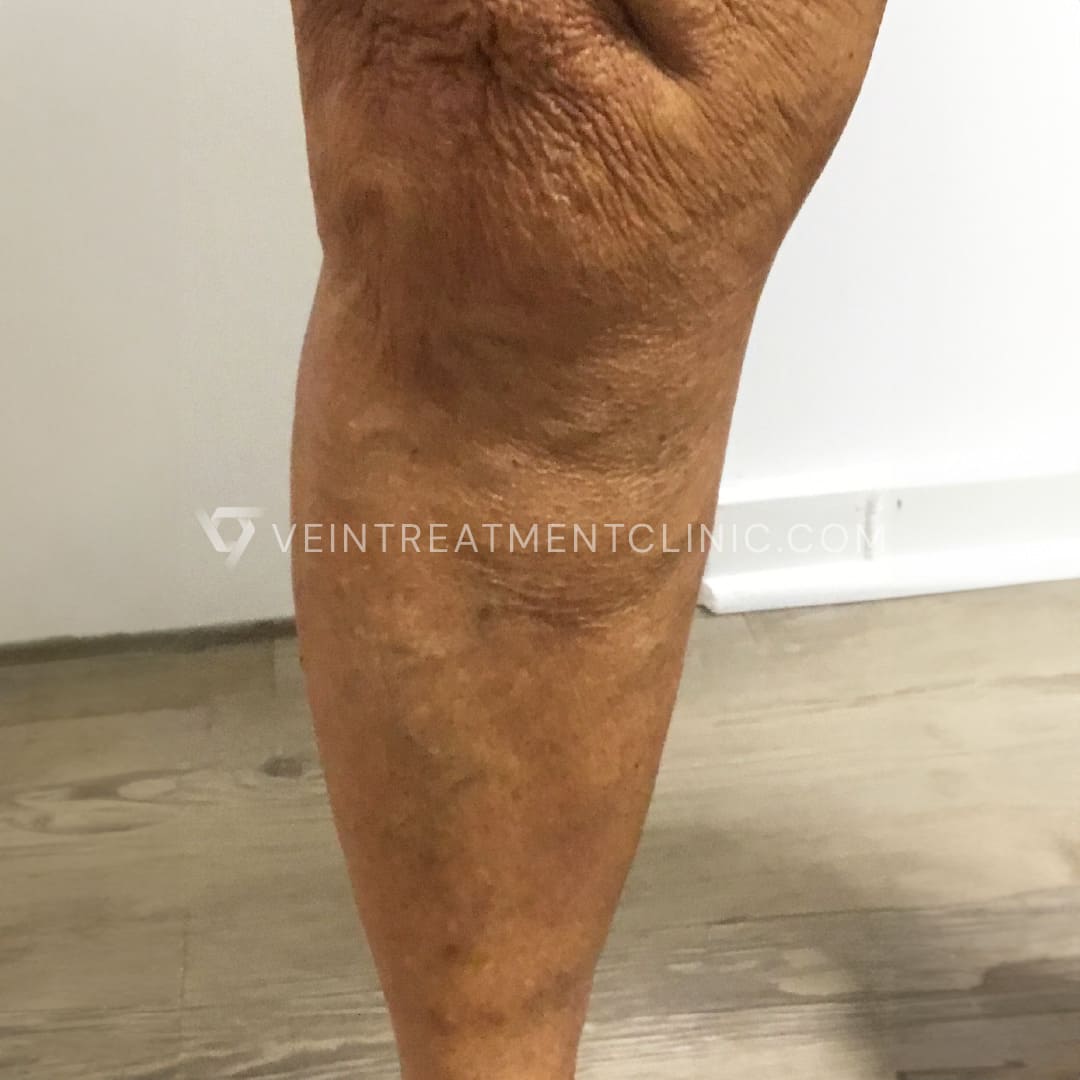
This 84 year-old patient at our New Jersey Vein Treatment Clinic came in with spider veins that had affected their daily routine. We used radiofrequency ablation and sclerotherapy treatments to relieve discomfort and restore both their leg health and confidence. The patient now enjoys a more active and fulfilling lifestyle, free from pain.
Before
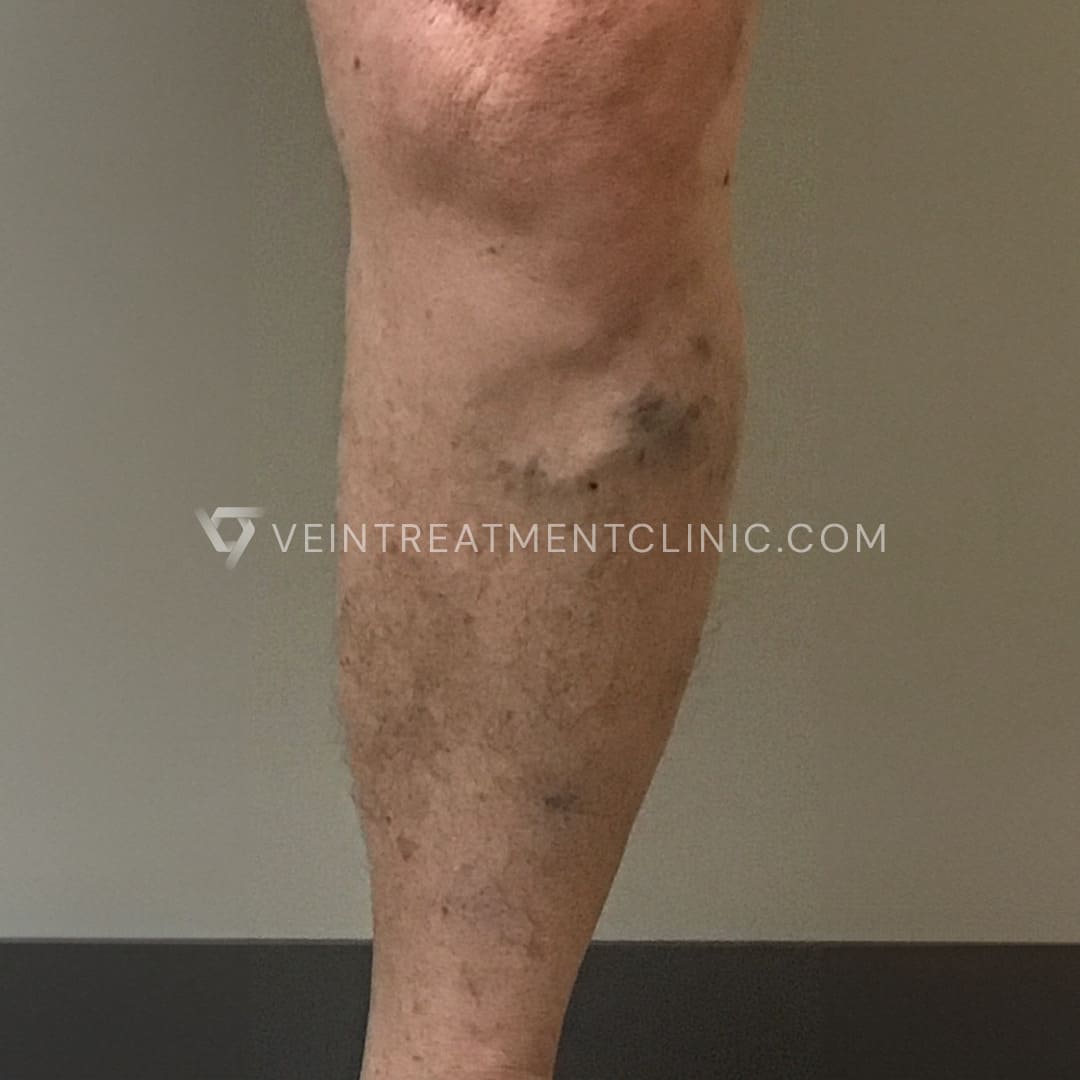
After
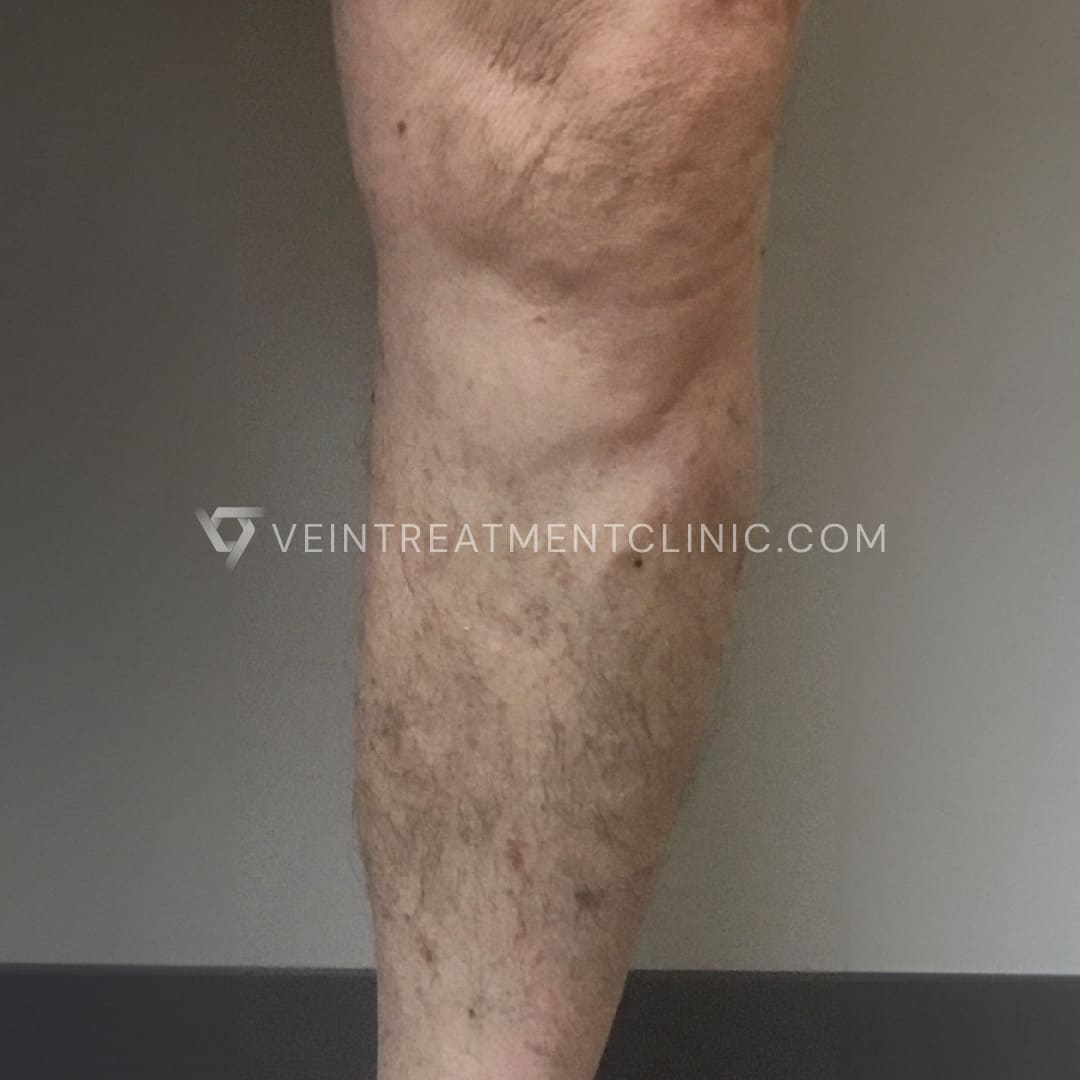
At our Long Island Vein Clinic, we treated this 75 year-old patient with spider veins using radiofrequency ablation and sclerotherapy. These minimally invasive treatments improved both the patient’s appearance and overall well-being, offering transformative results.
Before
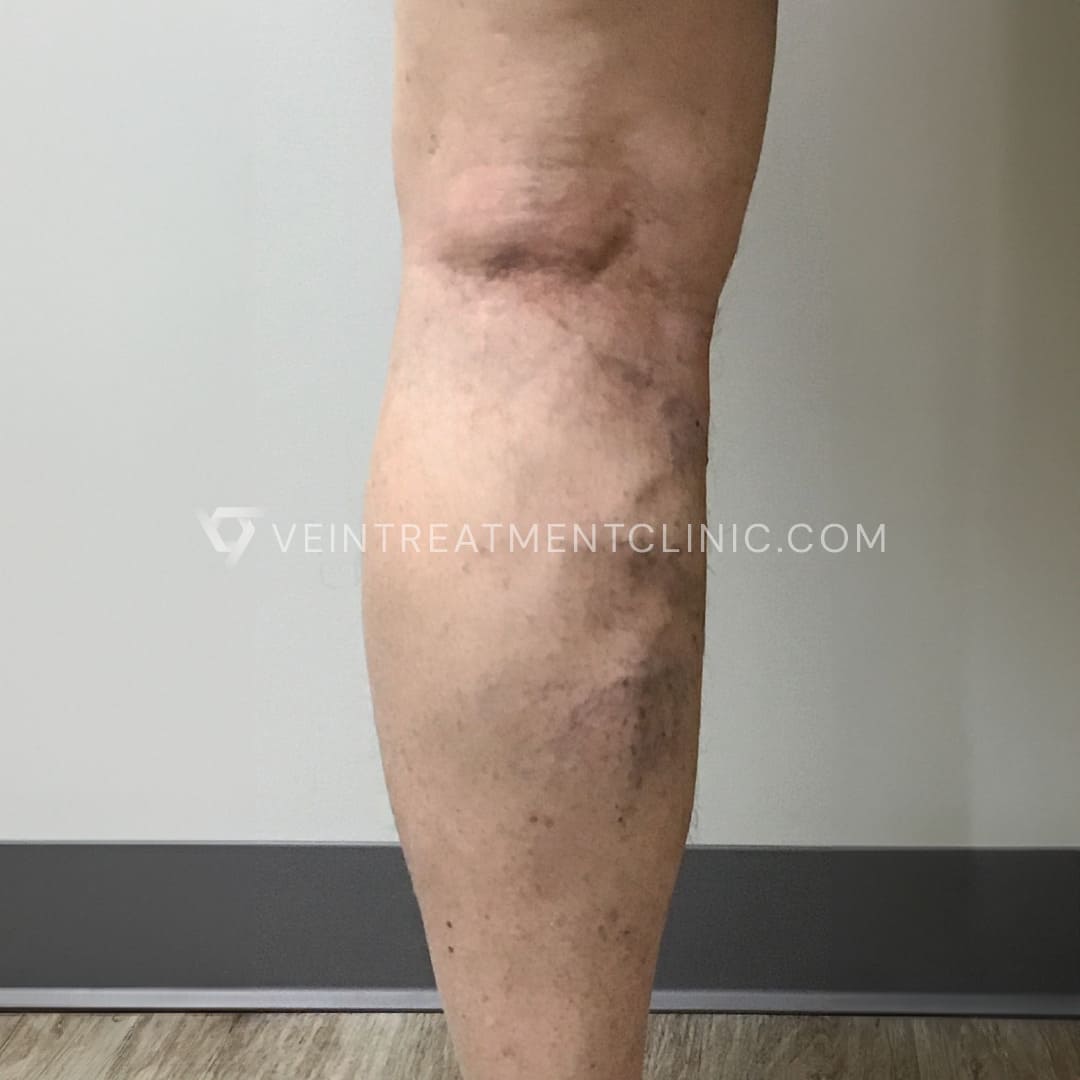
After
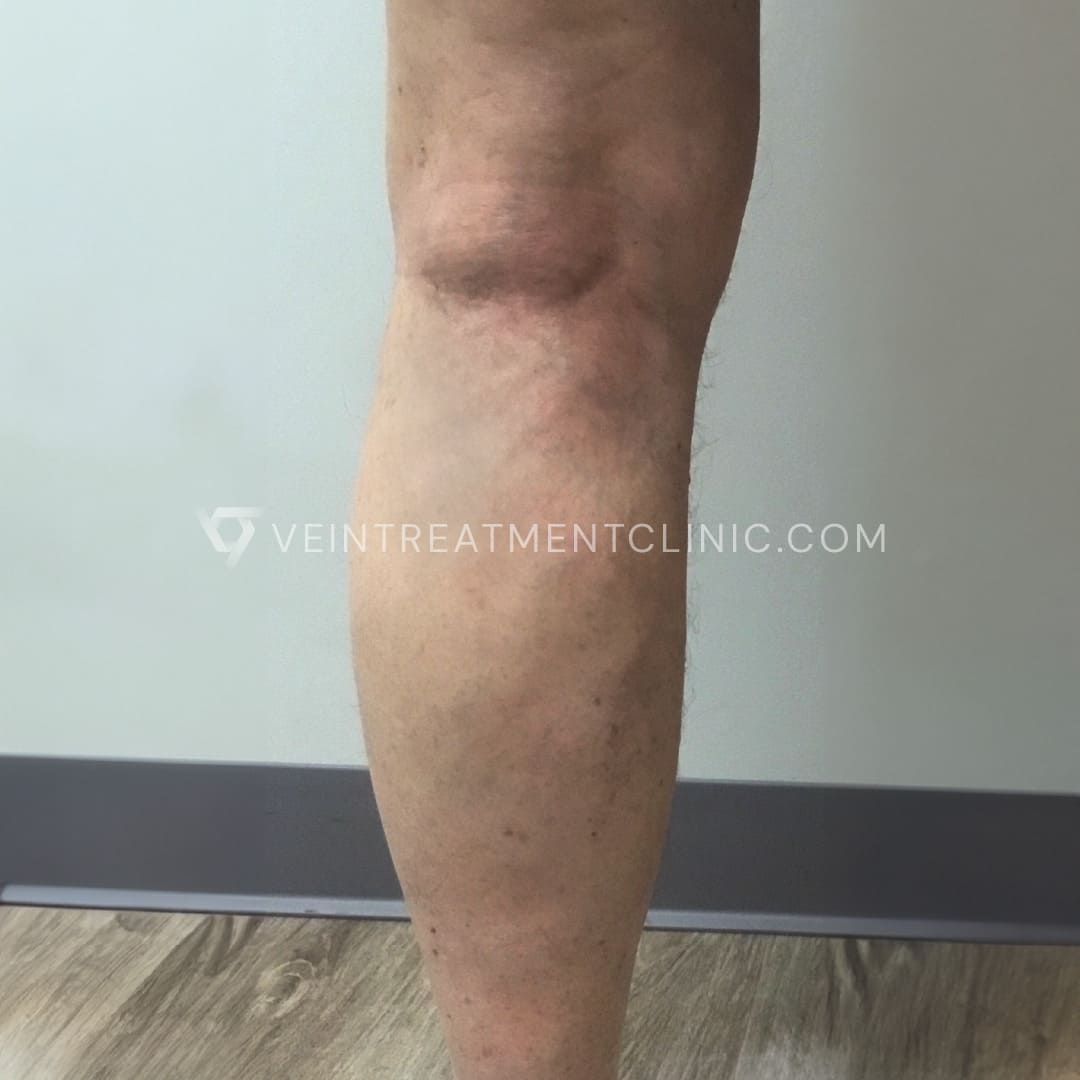
This 75 year-old patient visited our Long Island Vein Treatment Clinic with painful spider veins. We used radiofrequency ablation and sclerotherapy, minimally invasive treatments, to eliminate the veins and restore comfort and confidence. The patient experienced life-changing results
Is varicose vein treatment safe for older adults?
Yes. Many older adults safely undergo varicose vein treatment.
Minimally invasive procedures are often well tolerated even in patients with other medical conditions.
What can patients do to reduce risk?
Following post-treatment instructions, staying active, and wearing compression as advised help reduce complications.
Attending follow-up visits ensures proper healing and early identification of any concerns.
Back on Your Feet Fast—Learn About the Post-Care Process.