

Table of contents

Get treated by vein treatment industry leaders
What Are Varicose Veins?

Medically verified
Last updated on 1/30/2026

By Dr. Michael Nguyen
Vein Doctor at Vein Treatment Clinic
Harvard Medical School
Board Certified by the American Board of Venous and Lymphatic Medicine
Varicose veins are enlarged, twisted veins that most commonly appear in the legs. In simple terms, a varicose vein is a vein that has become stretched and widened because blood is not flowing properly back toward the heart. They often look blue or purple and may bulge above the surface of the skin.
Varicose veins are considered a form of chronic venous disease. While some people notice them only because of their appearance, others experience symptoms such as aching, heaviness, swelling, or fatigue in the legs.

Understanding what varicose veins are and why they form helps patients decide when monitoring is appropriate and when evaluation or treatment may be helpful.
If you’re unsure whether your veins are truly varicose veins or something else, a vein evaluation can help clarify what’s happening.
What exactly are varicose veins?
What exactly are varicose veins?
Varicose veins are veins that have become enlarged because blood is not flowing efficiently back toward the heart, causing blood to pool inside the vein.
Over time, the increased pressure stretches the vein walls, making the vein wider, twisted, and more visible.
Think you have varicose veins? Check Your Insurance Coverage
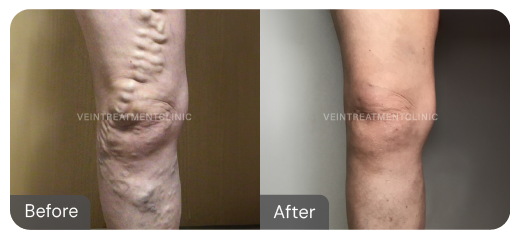
Varicose Vein before and after treatment pictures.
Results may vary according to each case.
Varicose Vein before and after treatment pictures.
Results may vary according to each case.
Why do varicose veins usually appear in the legs?
The veins in the legs and feet must work against gravity to return blood to the heart, which makes them more prone to valve failure and pressure buildup.
Visible veins on legs may bulge, look blue or purple, and feel heavier during pregnancy or after long standing or sitting.
How are varicose veins different from normal veins?
Normal veins have one-way valves that keep blood moving toward the heart. Varicose veins develop when these valves weaken or stop closing properly.
As a result, blood flows backward and collects in the vein, causing enlargement and distortion.
When should you worry? See the Warning Signs of Dangerous Veins
What do varicose veins look like?
Varicose veins often appear as visible veins on the legs, bulging and rope-like, blue or purple in color and raised above the skin.
The appearance can range from mildly enlarged veins to prominent, twisted veins, depending on severity.
See examples of varicose veins in our before-and-after gallery
Symptom Checker
Are varicose veins the same as spider veins?
No. Varicose veins are larger than spider veins, which are small surface veins that form red or blue web-like patterns. Varicose Veins can look like “worms” underneath the skin.
While spider veins are often cosmetic, varicose veins are more likely to be associated with underlying circulation problems.
Do varicose veins always cause symptoms?
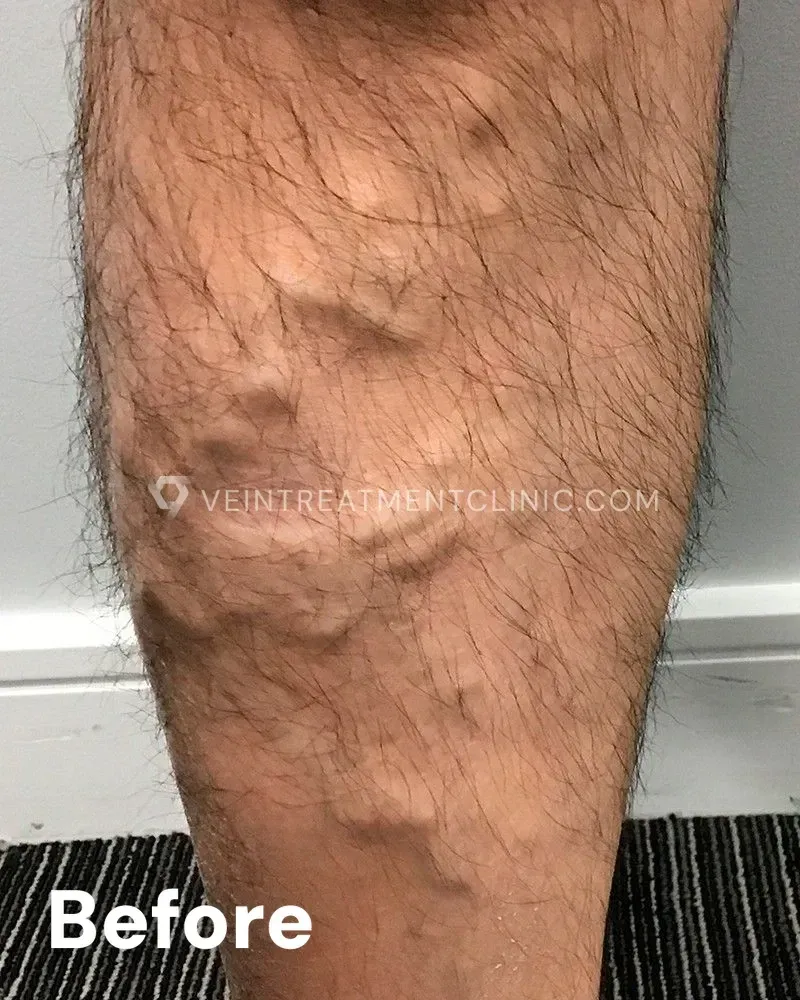
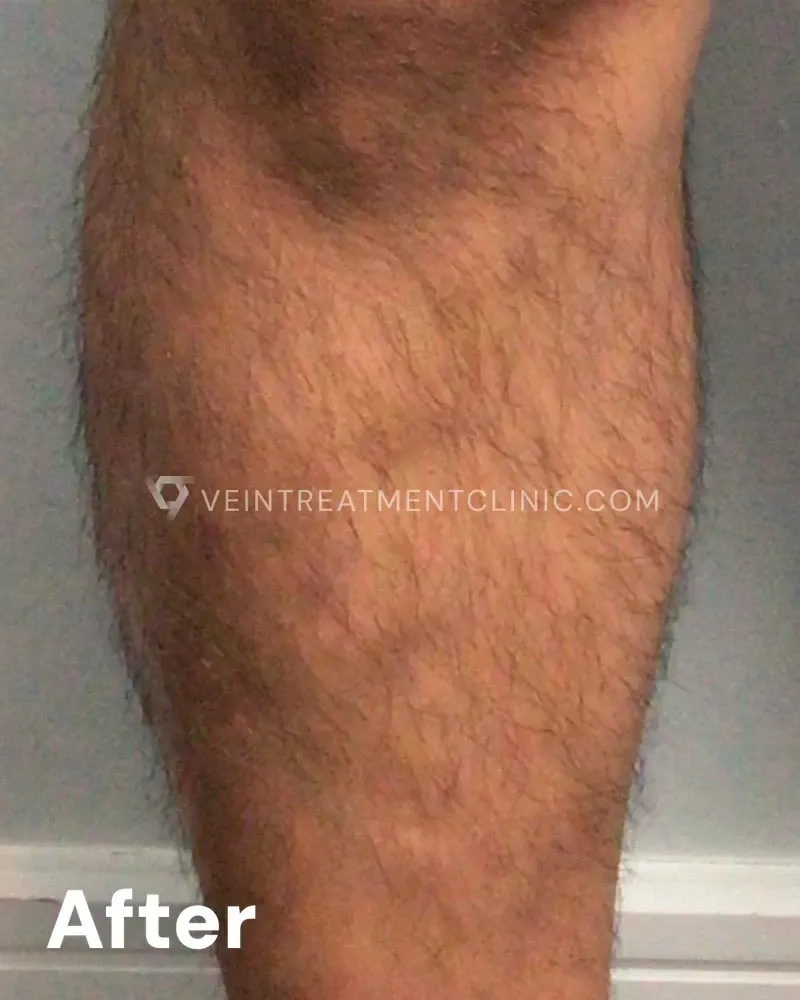
Male, treated for varicose veins on the calves with VeinVanish™, a customized treatment plan tailored to his condition. The after photo shows the treated areas appearing smoother with the varicose veins visibly reduced.
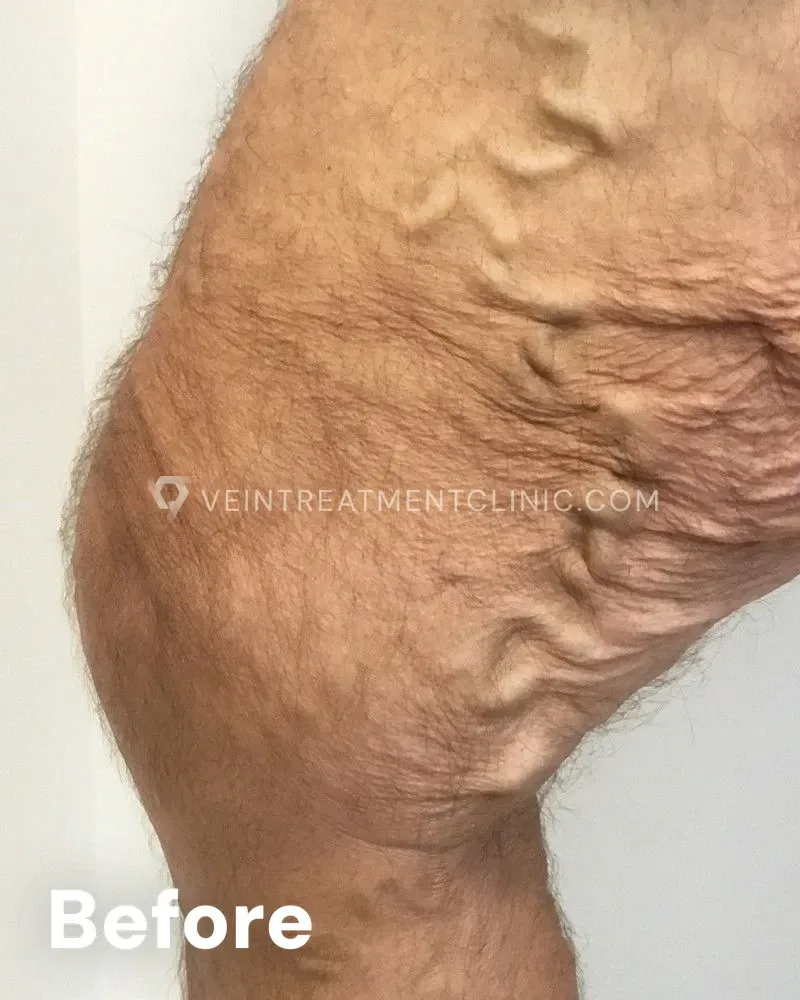
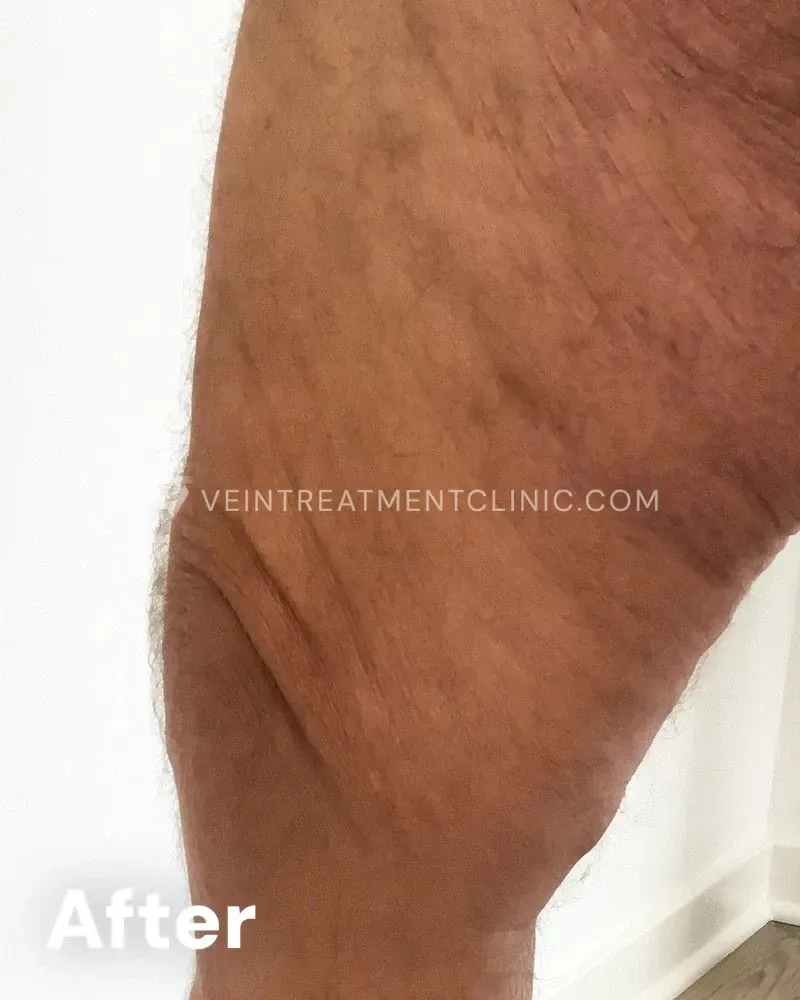
Male, treated for varicose veins on the thighs and knees with VeinVanish™, a customized treatment plan tailored to his condition. The after photo shows the thighs and knees with a smoother-looking appearance.
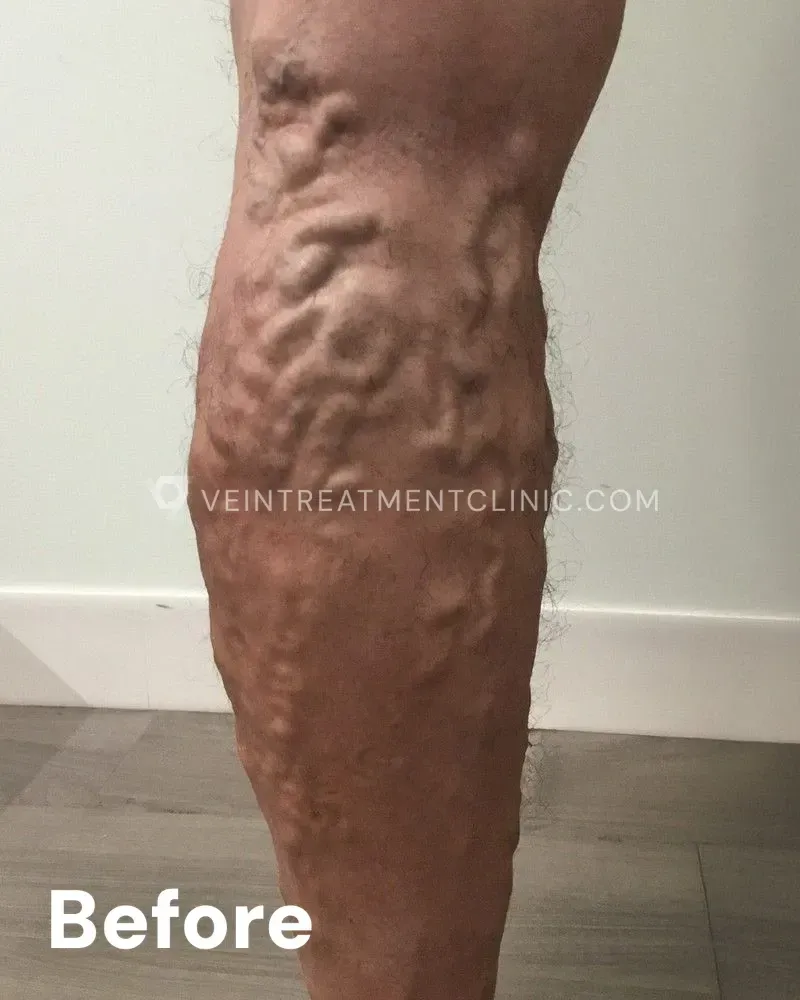
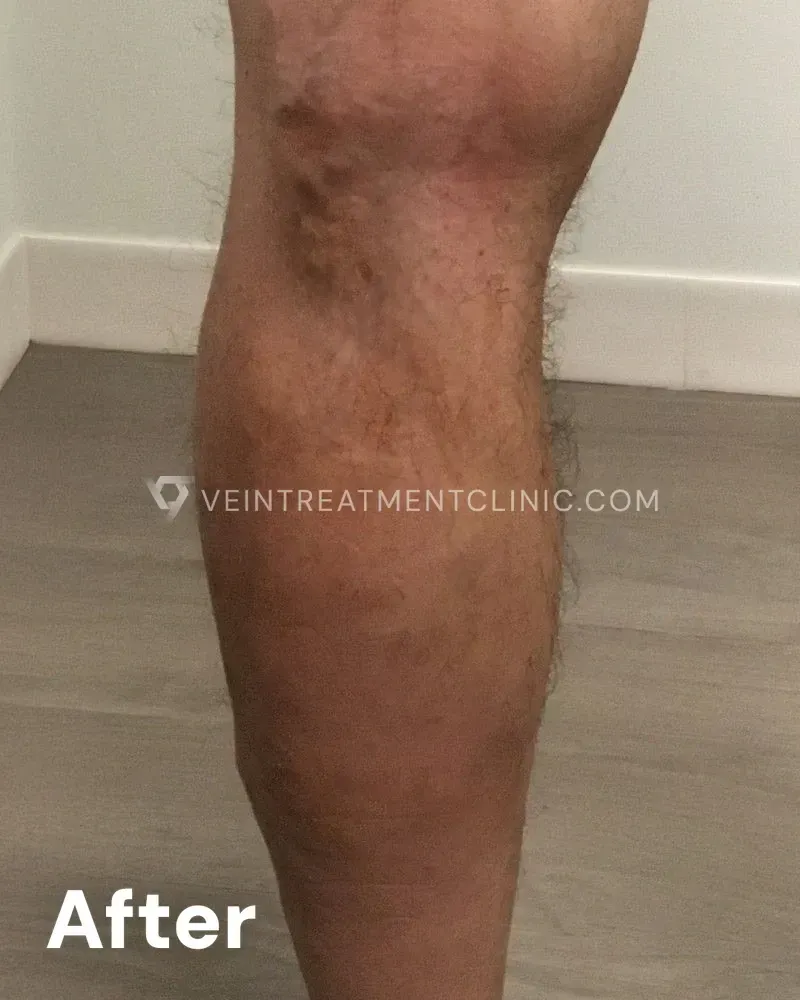
Male, treated for varicose veins on the calves and knees with VeinVanish™, a customized treatment plan tailored to his condition. The after photo shows the affected areas appearing smoother-looking with the varicose veins visibly reduced.
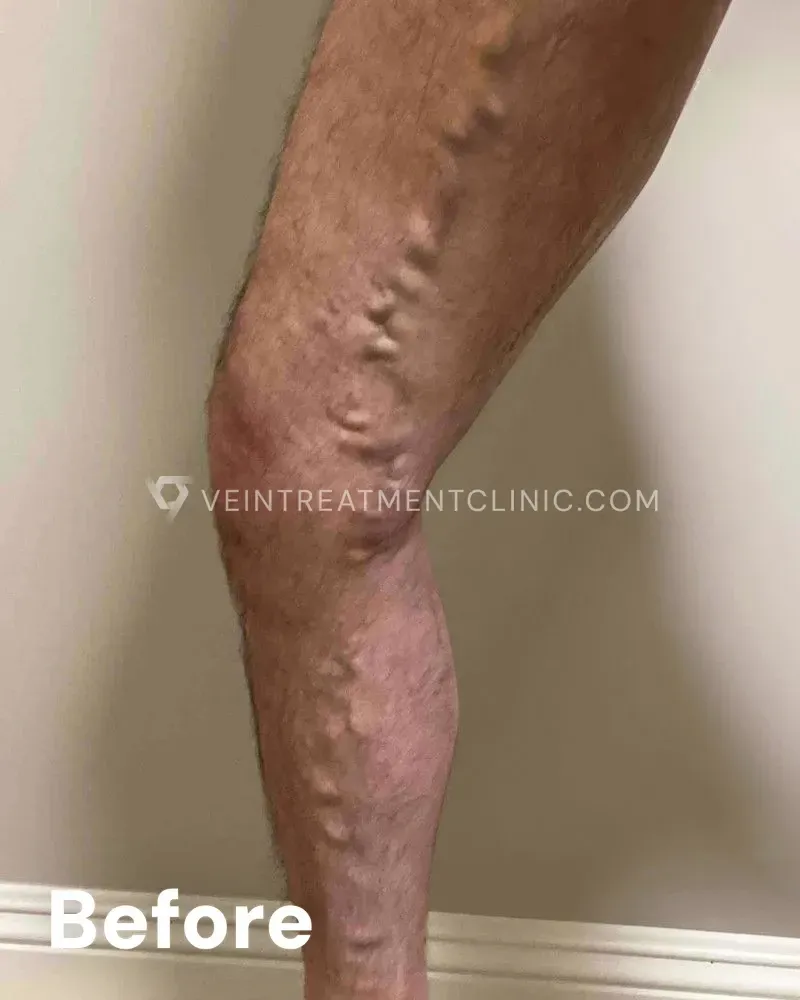
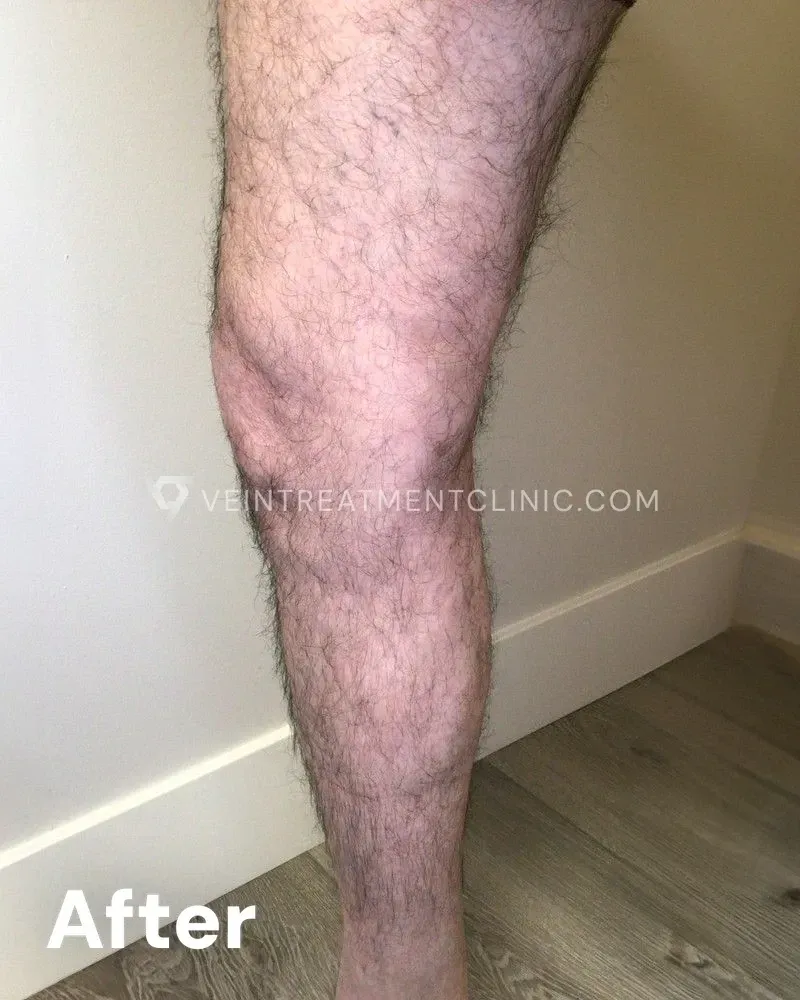
Male, treated for varicose veins on the thighs, calves, and knees with VeinVanish™, a customized treatment plan tailored to his condition. The after photo shows smoother-looking legs with the varicose veins visibly reduced across the treated areas.
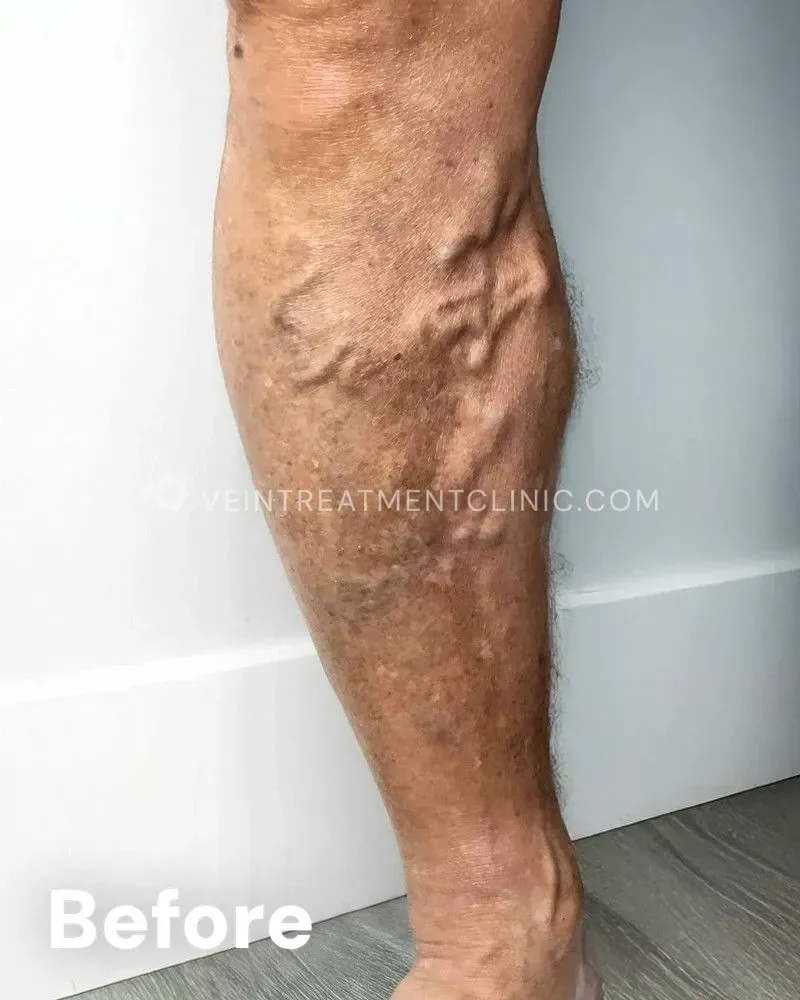
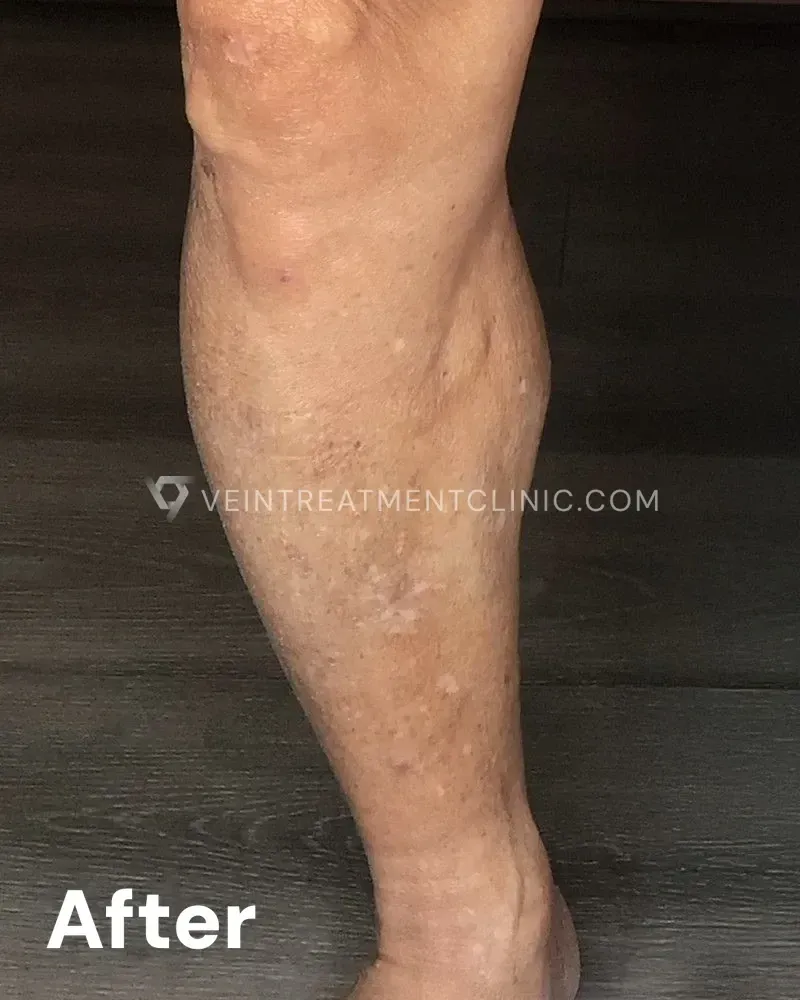
Male, treated for varicose veins on the calves and thighs with VeinVanish™, a customized treatment plan tailored to his condition. The after photo shows the legs appearing smoother-looking with the varicose veins visibly reduced.
Are varicose veins a medical condition or cosmetic issue?
Varicose veins can be cosmetic, medical, or both. Symptoms and underlying venous insufficiency often determine medical significance.
A vein evaluation helps clarify whether treatment is recommended for health reasons or appearance alone.
Can varicose veins be prevented?
Some risk factors, such as genetics, cannot be changed. Regular movement, such as walking, leg elevation, and avoiding prolonged standing, may help reduce progression.
These measures may ease symptoms, but do not reverse valve damage once it has occurred.