

Table of contents

Get treated by vein treatment industry leaders
When Is Vein Treatment Recommended?

Medically verified
Last updated on 1/29/2026

By Dr. Michael Nguyen
Vein Doctor at Vein Treatment Clinic
Harvard Medical School
Board Certified by the American Board of Venous and Lymphatic Medicine
Many people live with vein symptoms for years without knowing whether treatment is necessary or optional.
Because vein disease often develops gradually, it can be difficult to know when monitoring is enough and when treatment may prevent progression or complications.

This page explains when vein treatment is typically recommended and how specialists determine the right timing for each patient.
If you’re unsure whether it’s time to consider vein treatment, a vein evaluation can help clarify next steps.
When vein treatment is recommended for symptoms?
Vein treatment is often recommended when symptoms such as pain, aching, heaviness, swelling, or fatigue affect daily activities.
These symptoms suggest that veins are not moving blood efficiently and pressure is building in the leg veins.
When visible veins are more than cosmetic?
Visible varicose veins or clusters of spider veins may warrant treatment when they are associated with discomfort or progression.
Appearance alone does not determine medical need, but symptoms and ultrasound findings do.
Cosmetic vs. Medical: Know the Difference
When swelling or skin changes are present?
Persistent leg swelling, ankle discoloration, itching, or skin thickening are common reasons treatment is recommended.
These signs indicate ongoing vein pressure and risk of further progression.
Beyond Looks – See if Your Veins Impact Your Health
Symptom Checker
When vein disease is progressing over time?
Vein treatment may be recommended if symptoms or visible veins are worsening.
Early treatment can help slow progression and reduce the risk of complications.
When ultrasound shows venous reflux?
Ultrasound findings of valve failure or reflux often guide treatment decisions.
Treating reflux helps address the root cause rather than just surface veins.
Take a Peek Inside – See How Our Ultrasound Works
When conservative measures are no longer enough?
Lifestyle changes and compression can help manage symptoms, but they may not fully relieve vein disease.
When symptoms persist despite these measures, treatment is often recommended.
When vein treatment is preventive?
In some cases, treatment is recommended to prevent future complications such as skin damage or ulcers.
This is especially relevant in chronic venous insufficiency.
Get the Facts on Chronic Venous Insufficiency. Read the Complete Guide
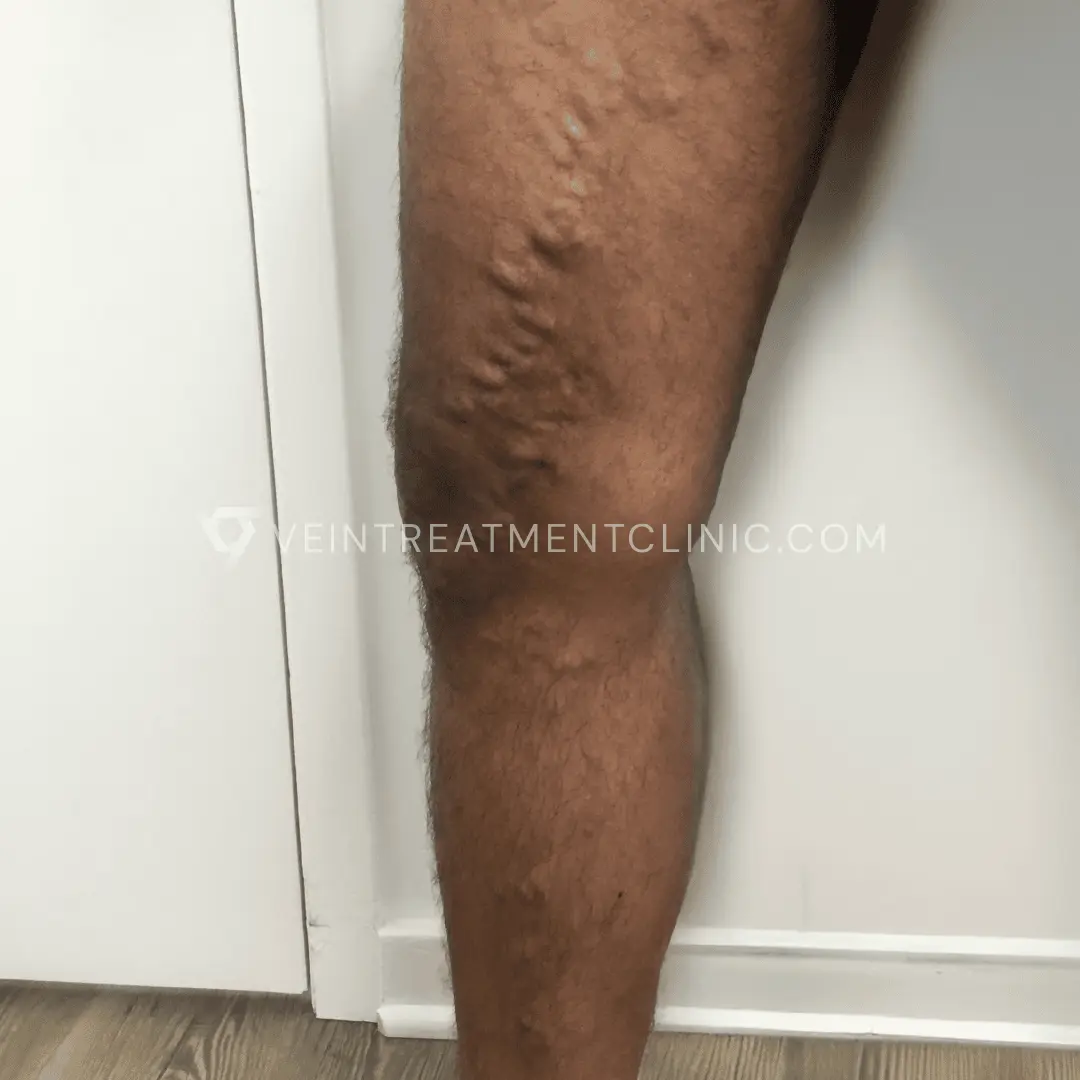
Before
After
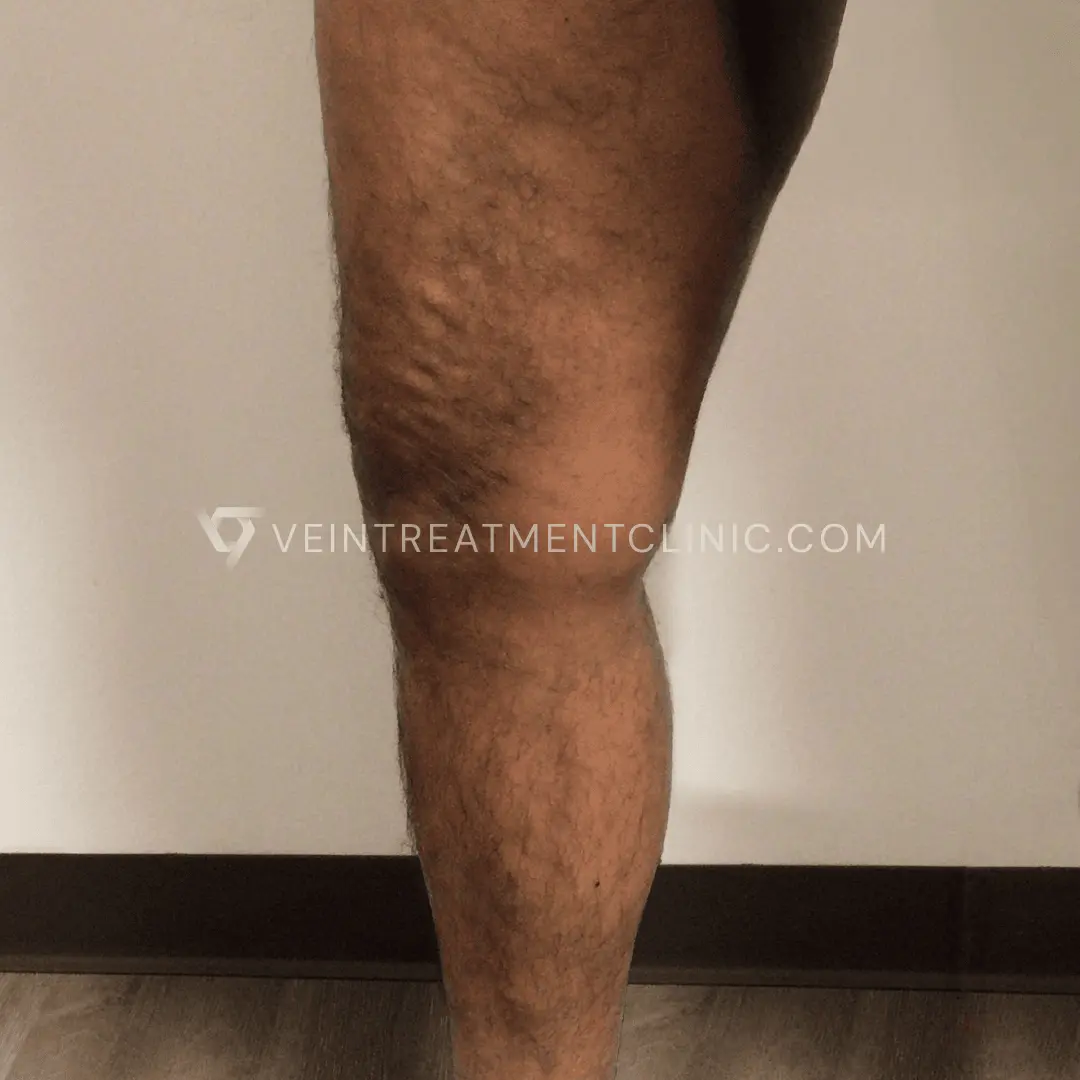
A 37-year-old patient visited our Vein Treatment Clinic, seeking relief from unsightly and painful varicose and spider veins. We performed radiofrequency ablation and sclerotherapy treatments, significantly improving the veins’ appearance and completely eliminating discomfort. The patient is now enjoying a more active and pain-free lifestyle.
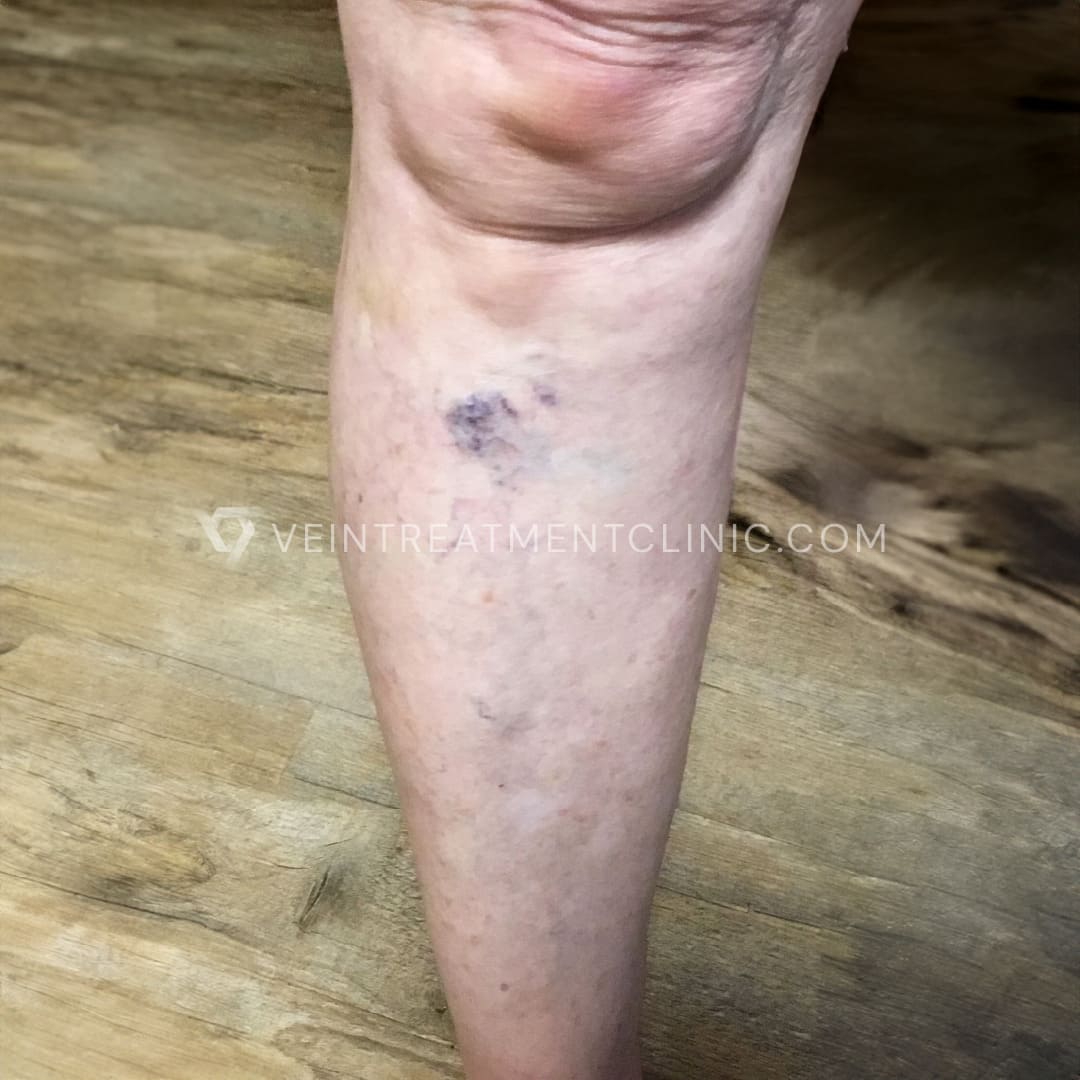
Before
After
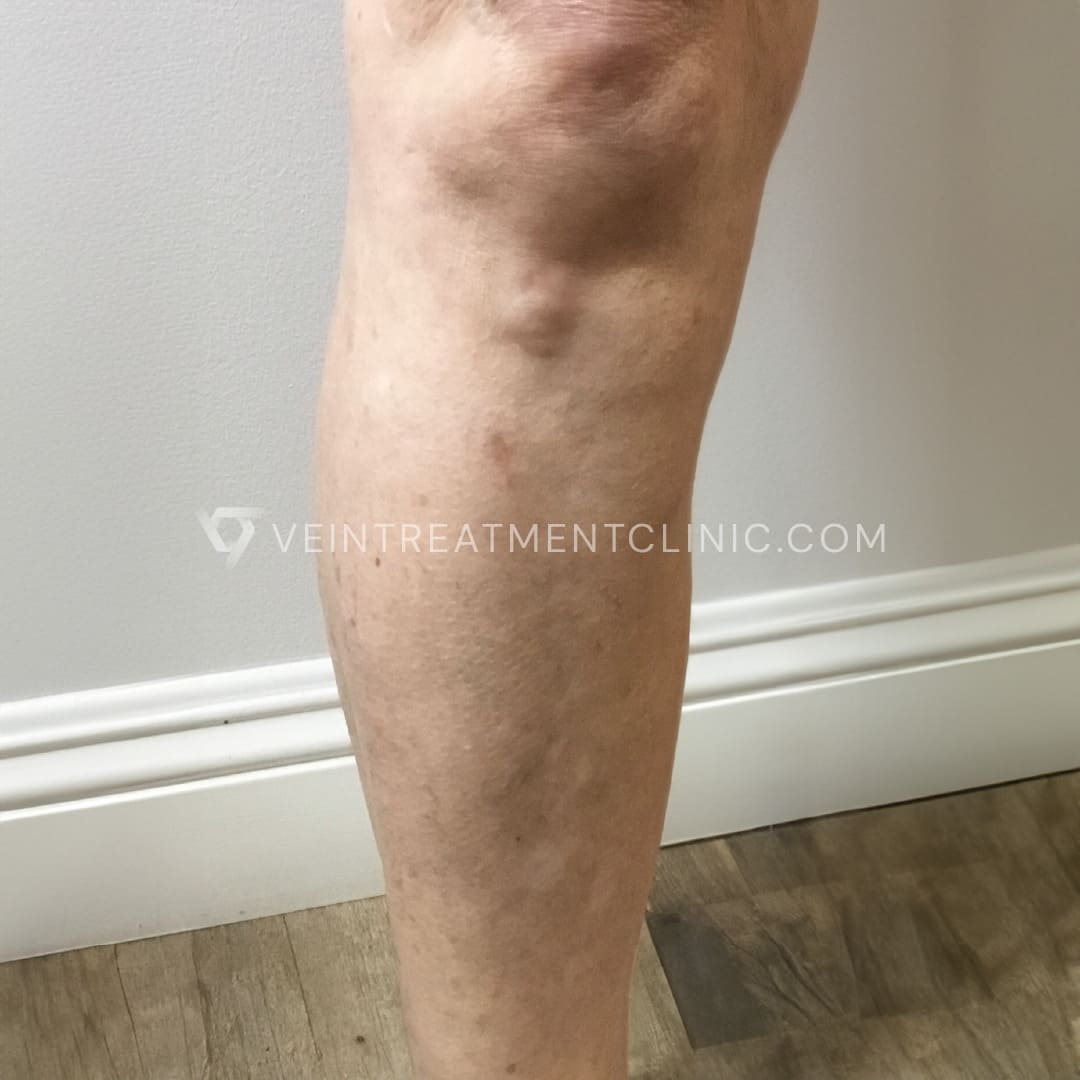
A 69 year-old patient visited our California Vein Clinic, embarrassed by spider veins that had impacted their self-esteem. We performed radiofrequency ablation and sclerotherapy treatments, leaving their legs smooth and healthy. The patient now feels more confident, thanks to this transformative treatment.
Before
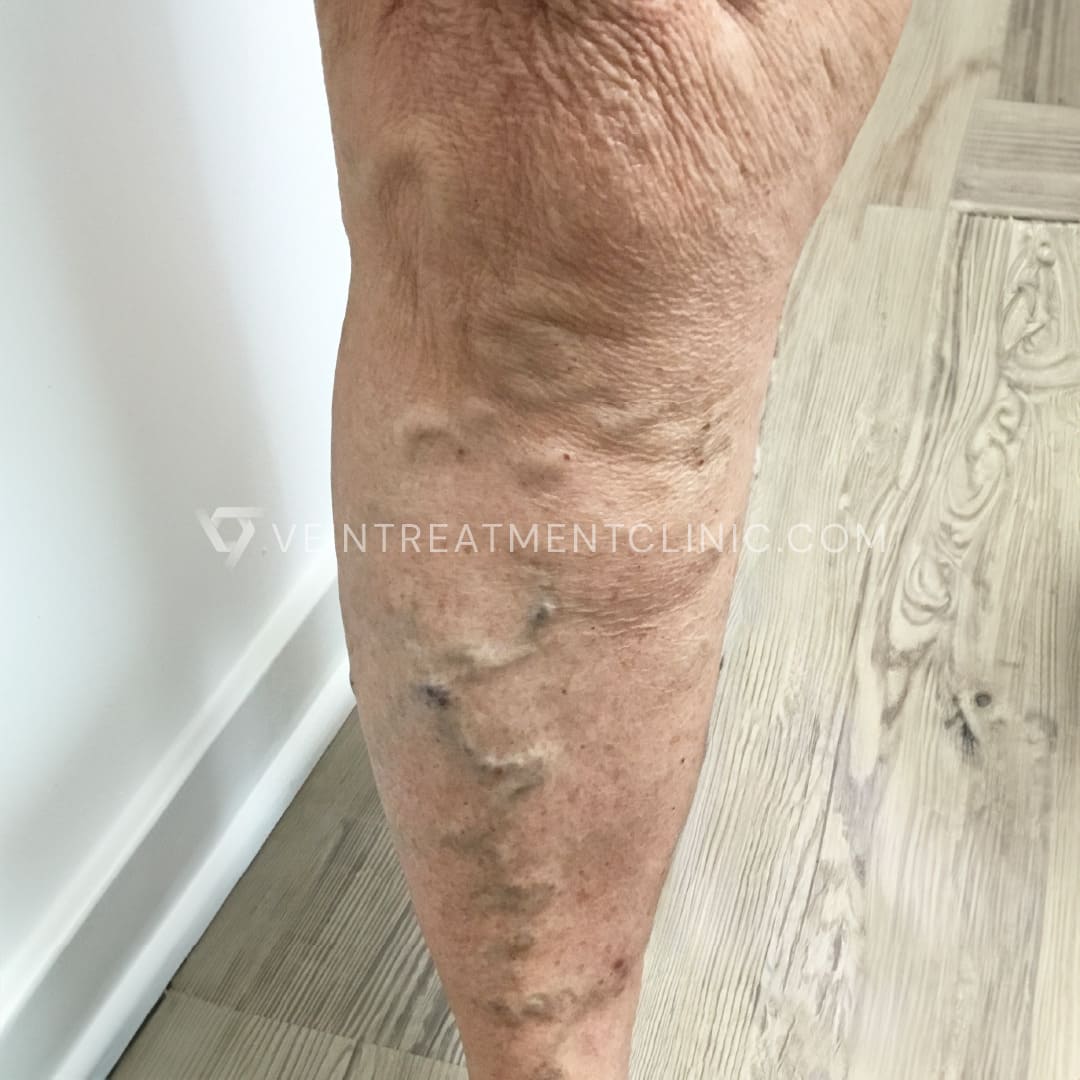
After
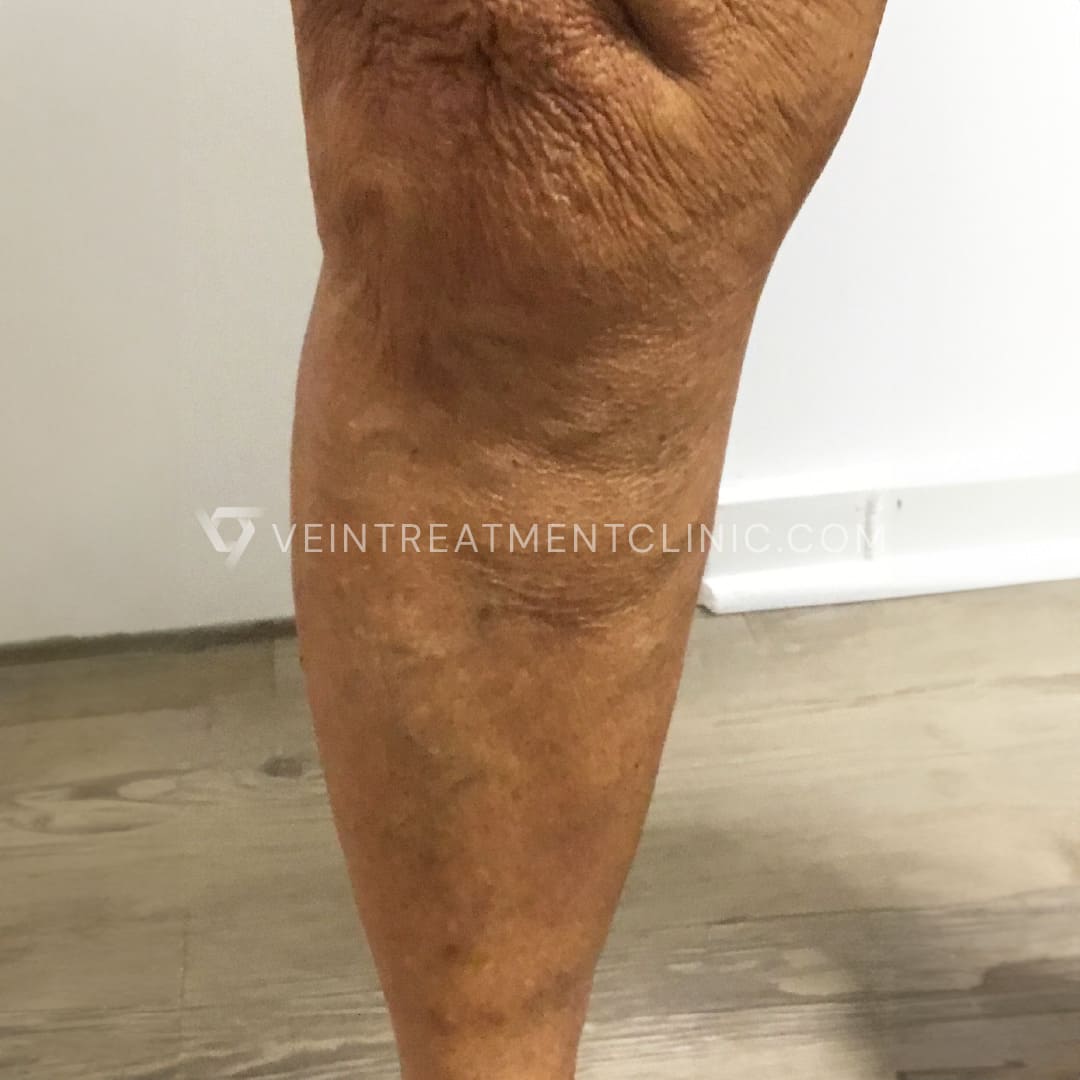
This 84 year-old patient at our New Jersey Vein Treatment Clinic came in with spider veins that had affected their daily routine. We used radiofrequency ablation and sclerotherapy treatments to relieve discomfort and restore both their leg health and confidence. The patient now enjoys a more active and fulfilling lifestyle, free from pain.
Before
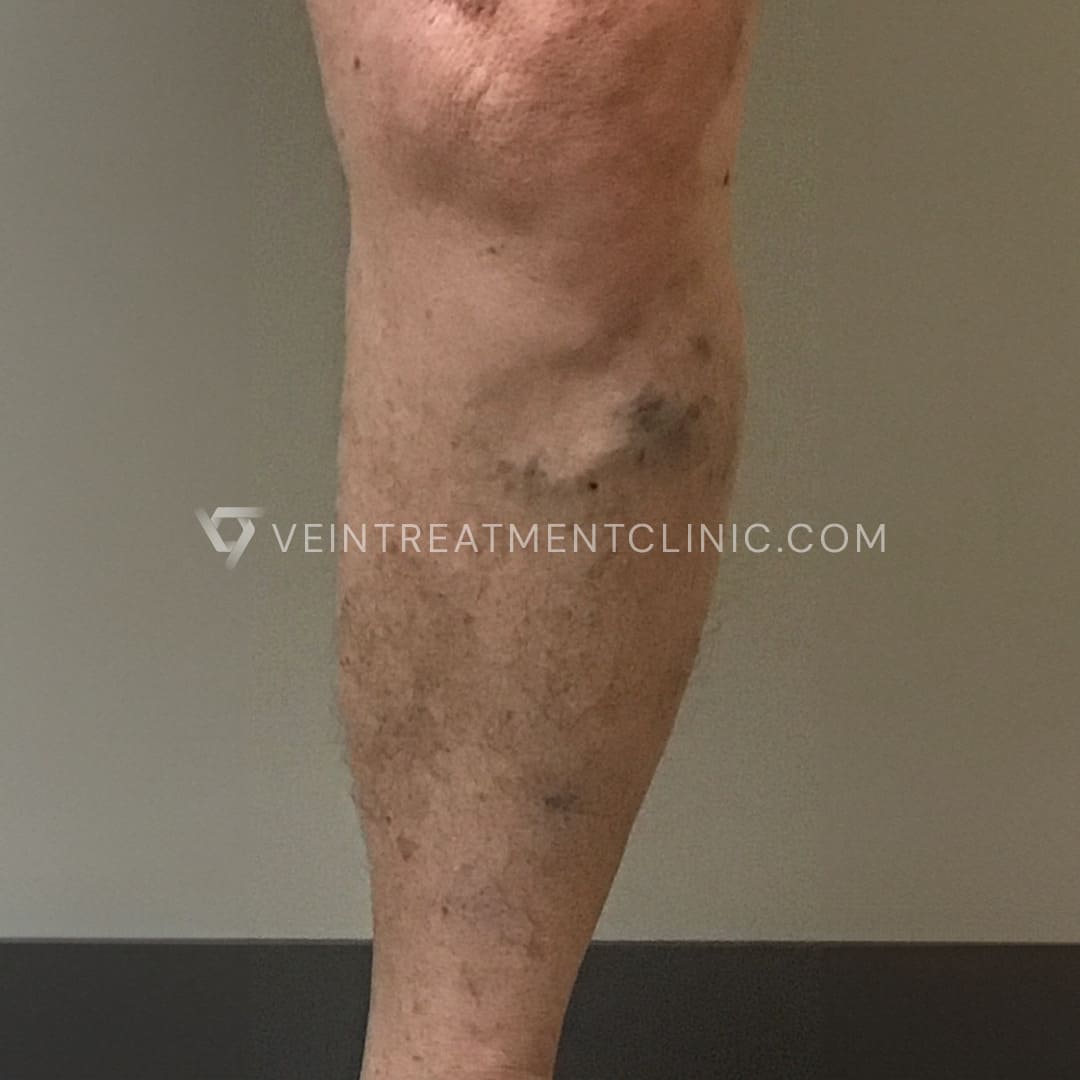
After
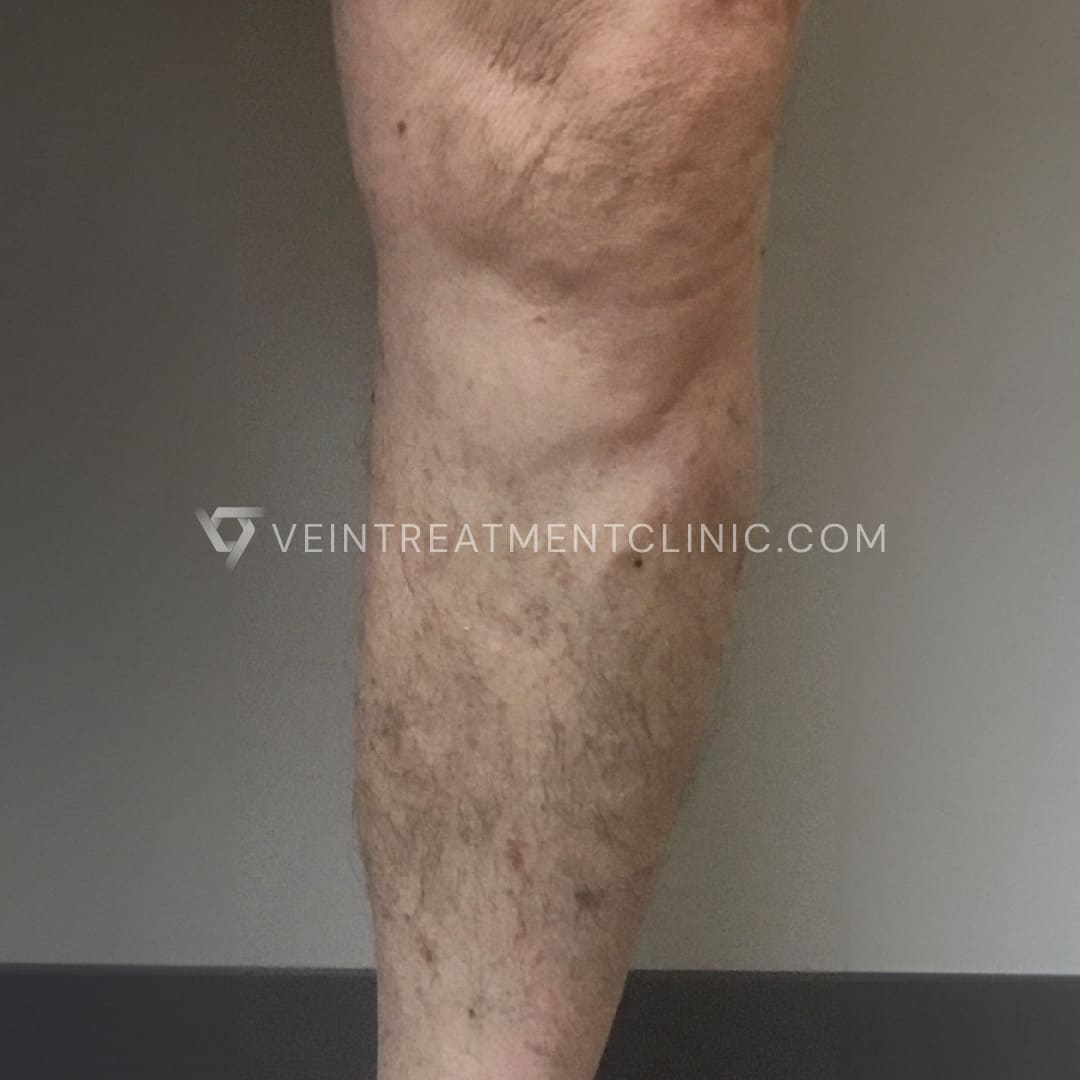
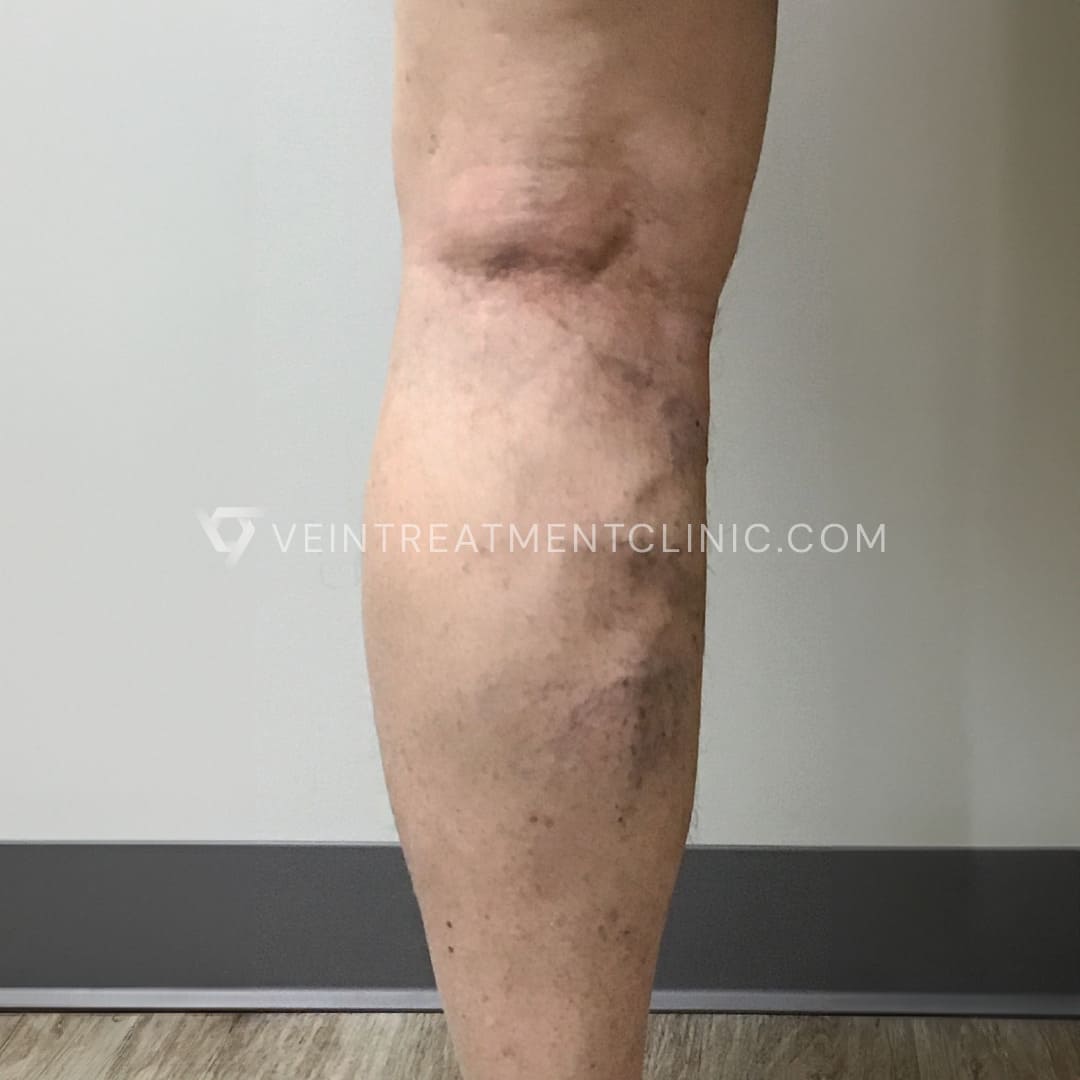
At our Long Island Vein Clinic, we treated this 75 year-old patient with spider veins using radiofrequency ablation and sclerotherapy. These minimally invasive treatments improved both the patient’s appearance and overall well-being, offering transformative results.
Before
After
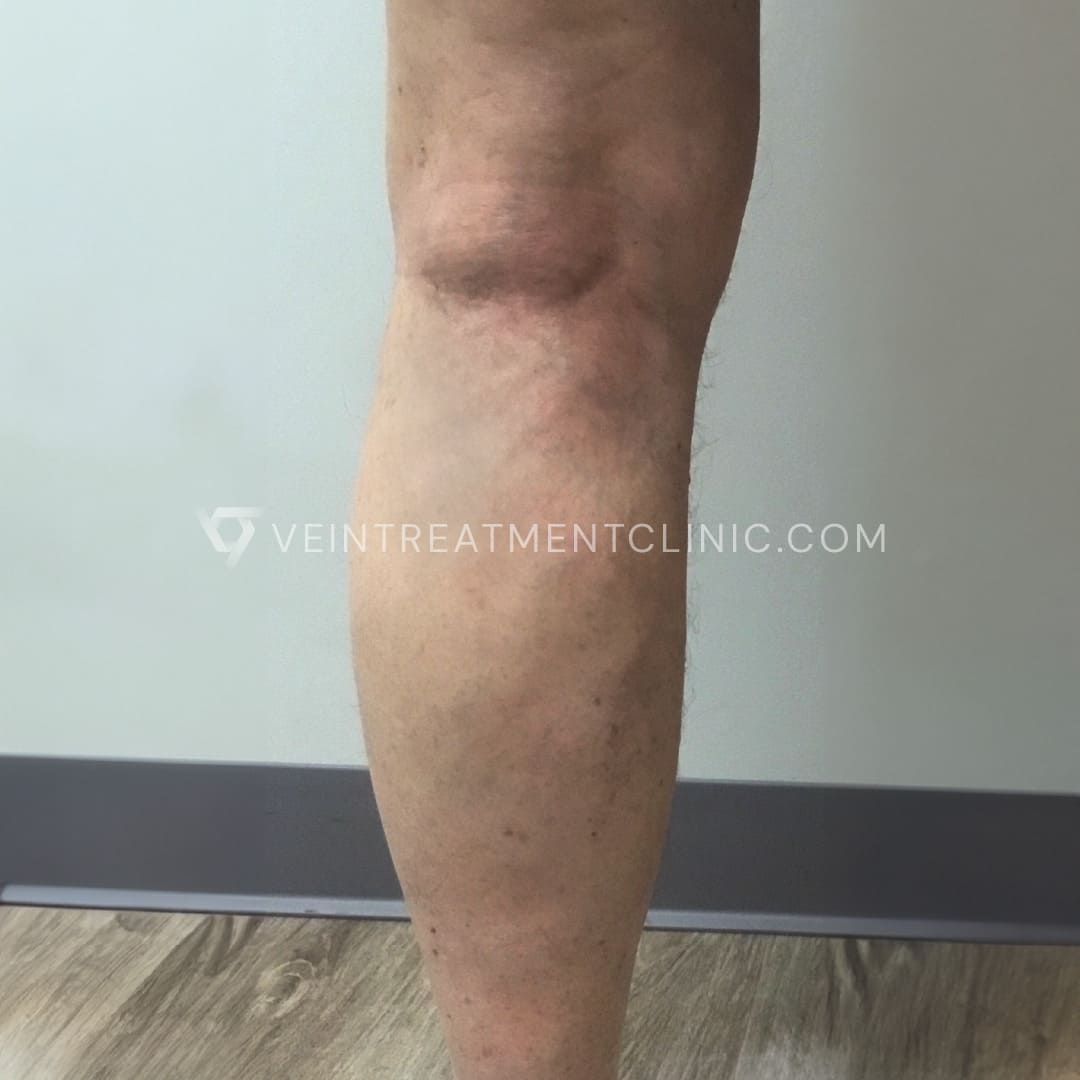
This 75 year-old patient visited our Long Island Vein Treatment Clinic with painful spider veins. We used radiofrequency ablation and sclerotherapy, minimally invasive treatments, to eliminate the veins and restore comfort and confidence. The patient experienced life-changing results
When vein treatment is optional?
Vein treatment may be optional when veins are primarily cosmetic and symptoms are minimal or absent.
In these cases, treatment decisions are based on patient preference rather than medical necessity.
How specialists decide when to recommend treatment?
Specialists consider symptoms, physical exam findings, ultrasound results, and patient goals.
This personalized approach helps ensure treatment is appropriate and effective.
Get a Peek Inside Your Veins—Book Your Ultrasound Evaluation.