

Table of contents

Get treated by vein treatment industry leaders
What Causes Spider Veins?

Medically verified
Last updated on 1/29/2026

By Dr. Michael Nguyen
Vein Doctor at Vein Treatment Clinic
Harvard Medical School
Board Certified by the American Board of Venous and Lymphatic Medicine
Spider veins develop when small surface veins widen and become visible through the skin. Many patients notice them gradually and wonder why they formed in the first place.
In most cases, spider veins are not caused by a single factor. They usually develop due to a combination of genetics, hormonal influences, and pressure within the vein system.
Understanding what causes spider veins helps patients recognize risk factors, set realistic expectations, and decide when evaluation or treatment may be helpful.
If you’re unsure which factors may be contributing to your spider veins, a vein evaluation can help clarify the cause.
Genetics and family history
Genetics play a major role in spider vein development. People with family members who have spider veins are more likely to develop them.
Inherited differences in vein structure and valve strength increase susceptibility over time.
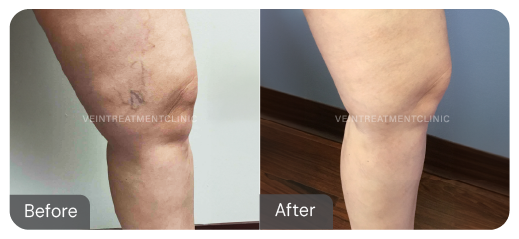
Spider Vein before and after treatment pictures.
Results may vary according to each case.
Spider Vein before and after treatment pictures.
Results may vary according to each case.
Hormonal changes
Hormonal fluctuations can weaken vein walls and contribute to spider vein formation.
This is why spider veins are more common during pregnancy, with birth control use, or during menopause.
Pregnancy-related vein pressure
Pregnancy increases blood volume and pressure in the leg veins while hormones relax vein walls.
Spider veins may improve after pregnancy, but underlying vein changes can persist.
Symptom Checker
Prolonged standing or sitting
Long periods of standing or sitting reduce the muscle action that helps move blood out of the legs.
Over time, increased vein pressure can cause small surface veins to dilate and become visible.
Sun exposure
Sun exposure can damage small blood vessels near the skin, particularly on the face.
This damage makes spider veins more likely to appear in sun-exposed areas.
Aging and vein elasticity
As people age, veins naturally lose elasticity and strength.
Weaker vein walls are more likely to stretch and show through the skin.
Before
After
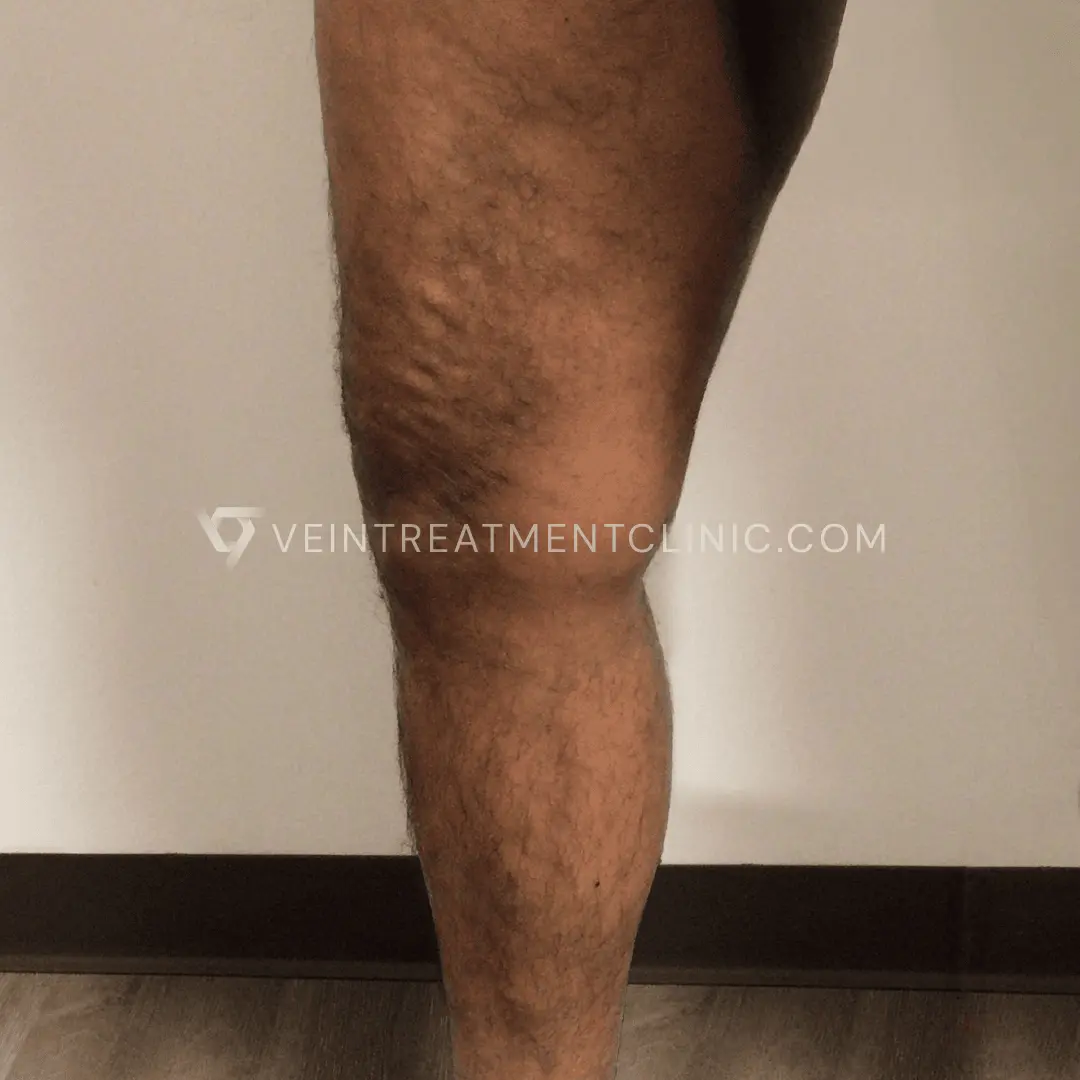
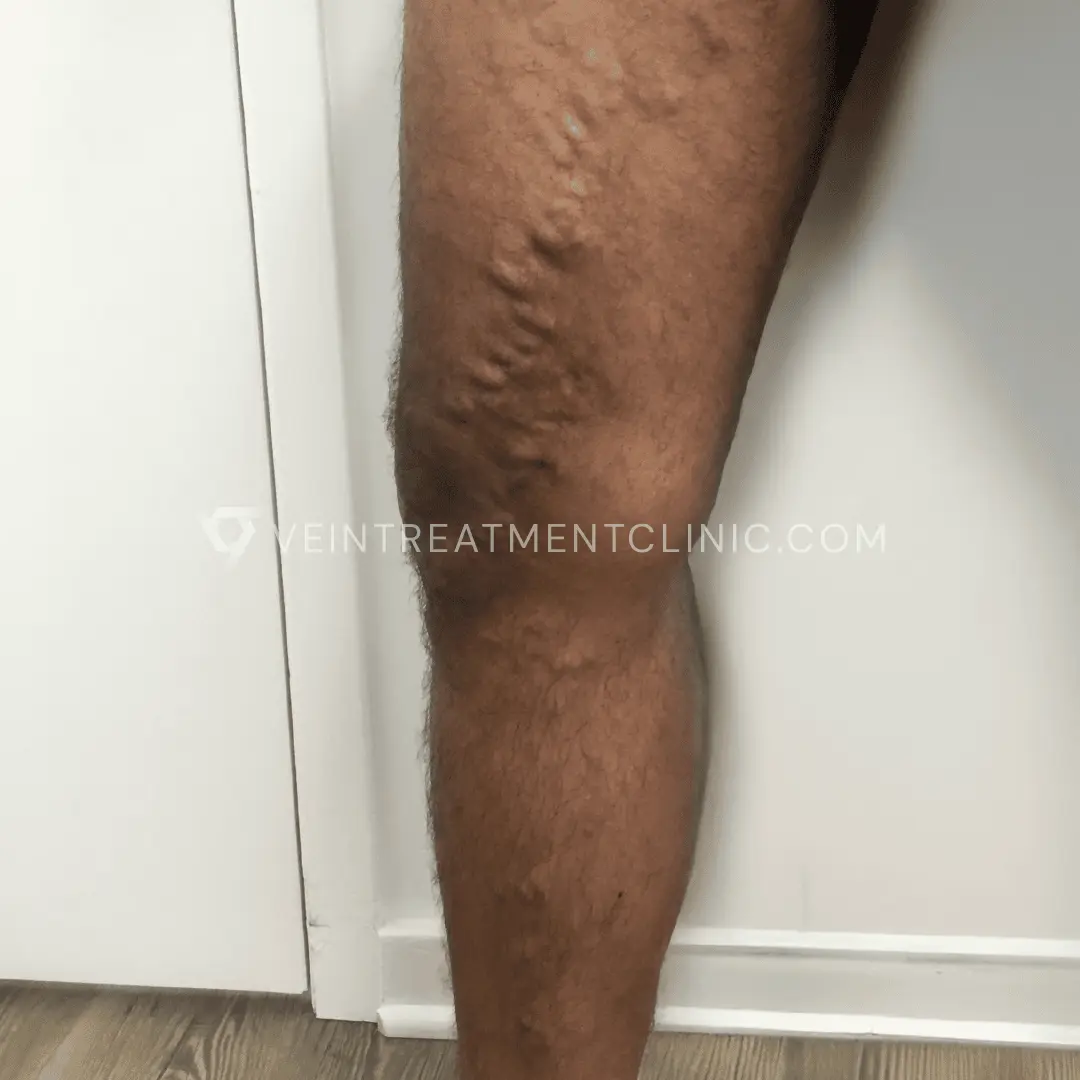
A 37-year-old patient visited our Vein Treatment Clinic, seeking relief from unsightly and painful varicose and spider veins. We performed radiofrequency ablation and sclerotherapy treatments, significantly improving the veins’ appearance and completely eliminating discomfort. The patient is now enjoying a more active and pain-free lifestyle.
Before
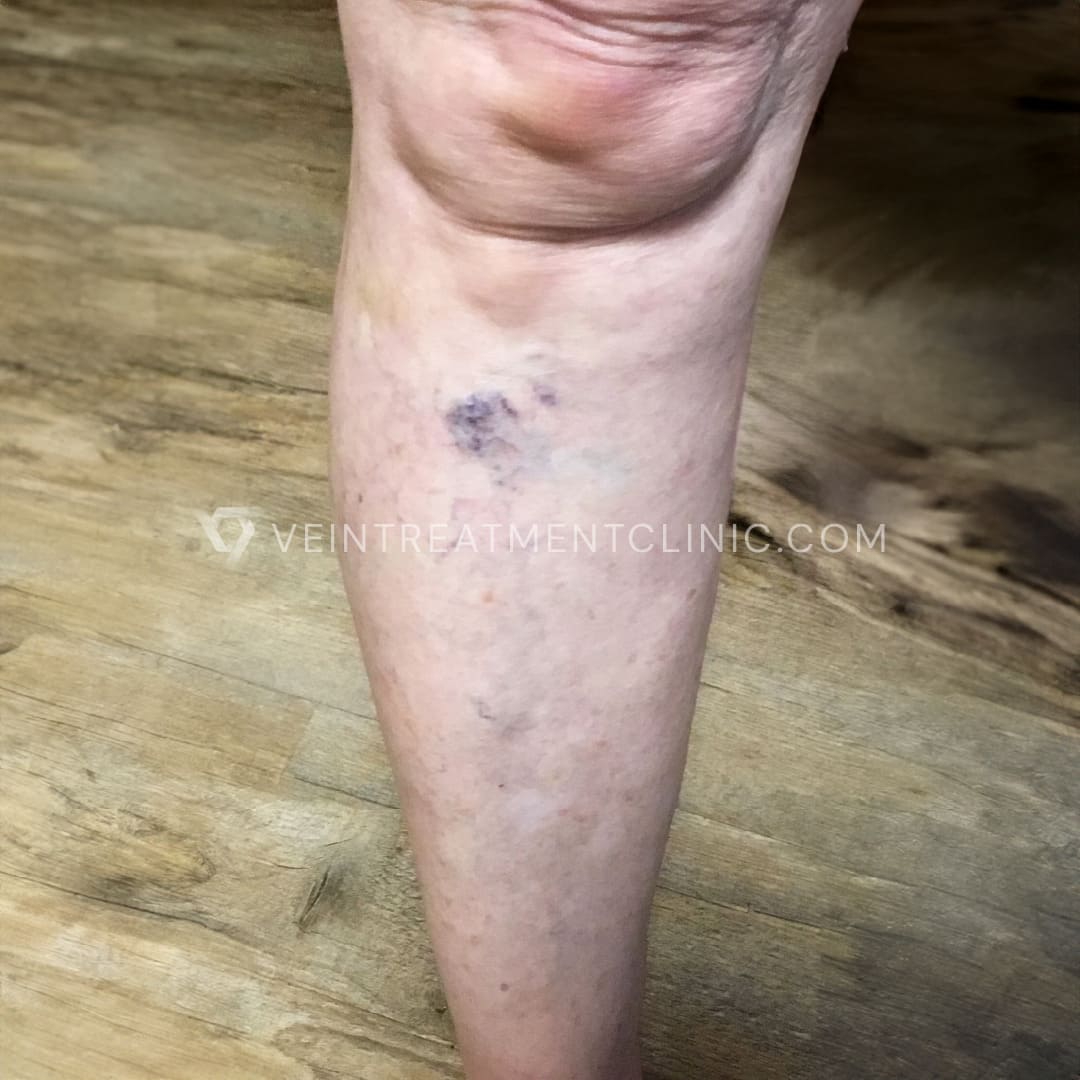
After
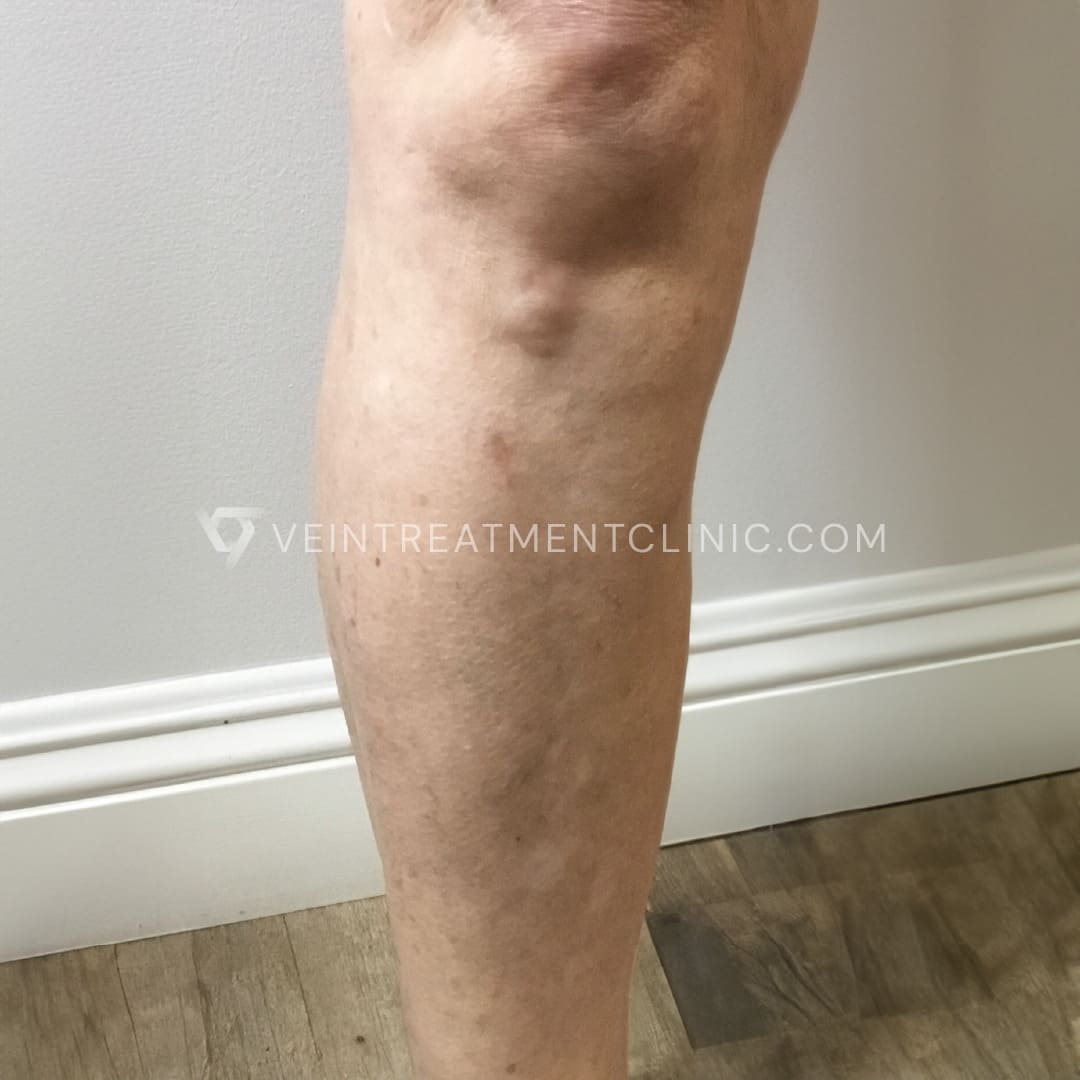
A 69 year-old patient visited our California Vein Clinic, embarrassed by spider veins that had impacted their self-esteem. We performed radiofrequency ablation and sclerotherapy treatments, leaving their legs smooth and healthy. The patient now feels more confident, thanks to this transformative treatment.
Before
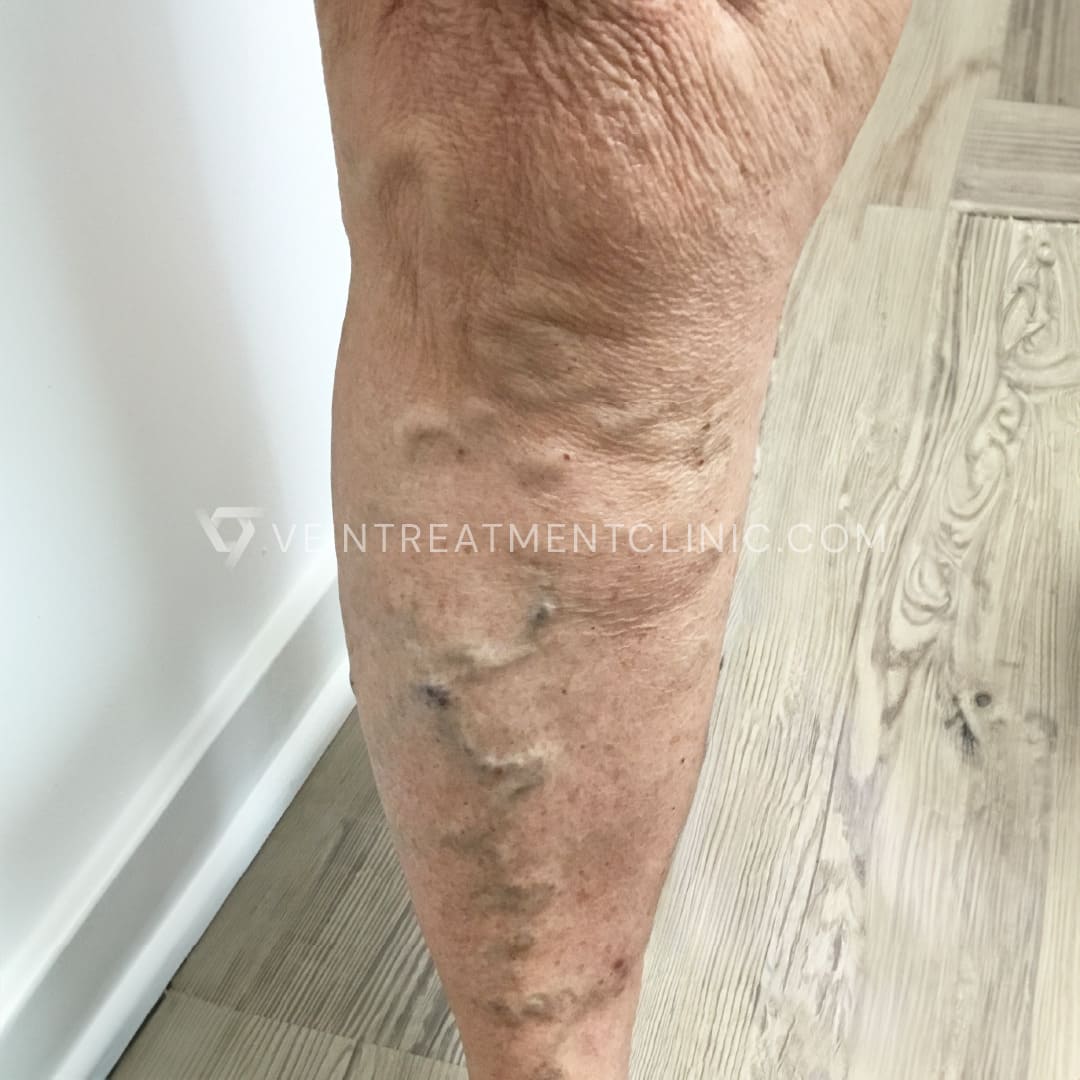
After
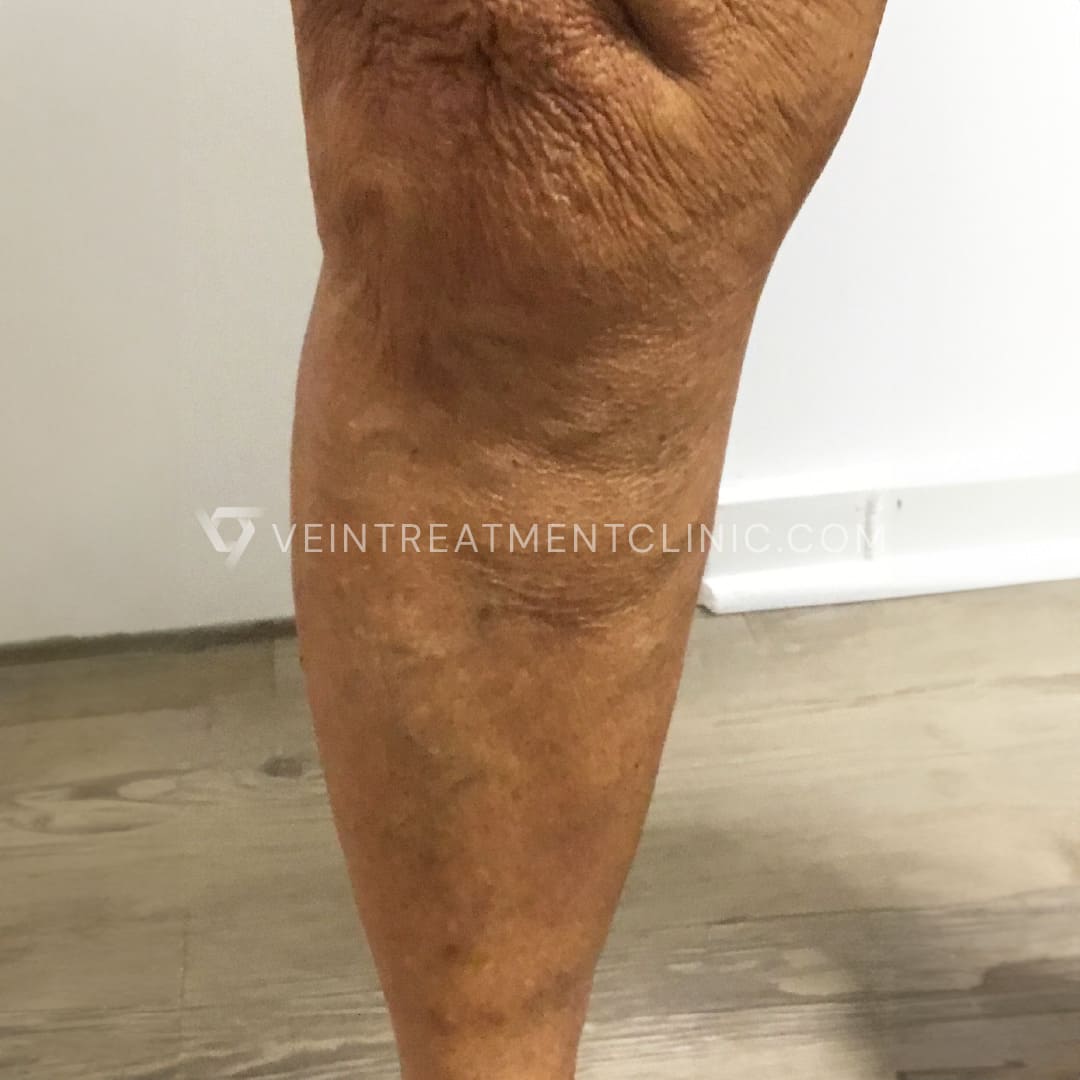
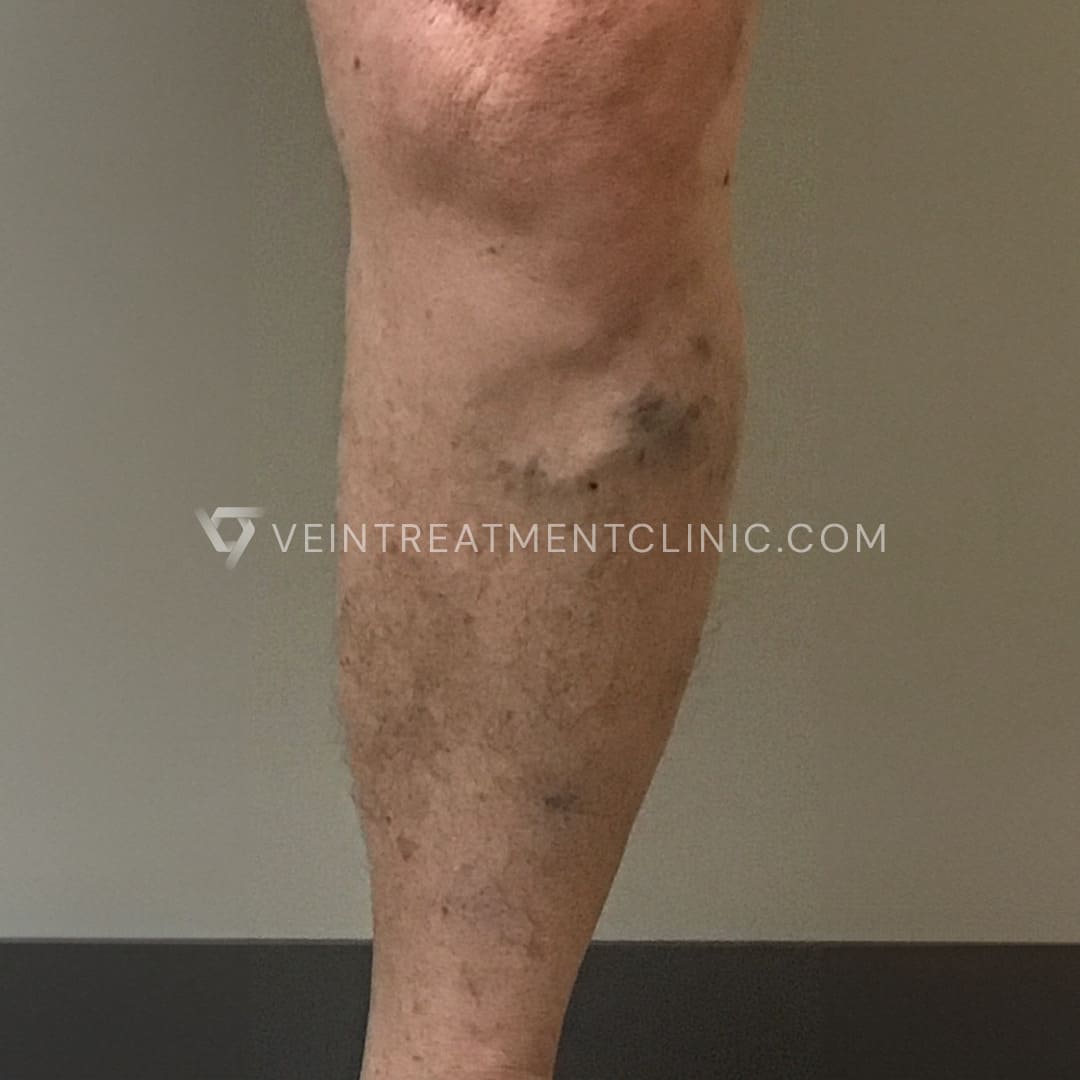
This 84 year-old patient at our New Jersey Vein Treatment Clinic came in with spider veins that had affected their daily routine. We used radiofrequency ablation and sclerotherapy treatments to relieve discomfort and restore both their leg health and confidence. The patient now enjoys a more active and fulfilling lifestyle, free from pain.
Before
After
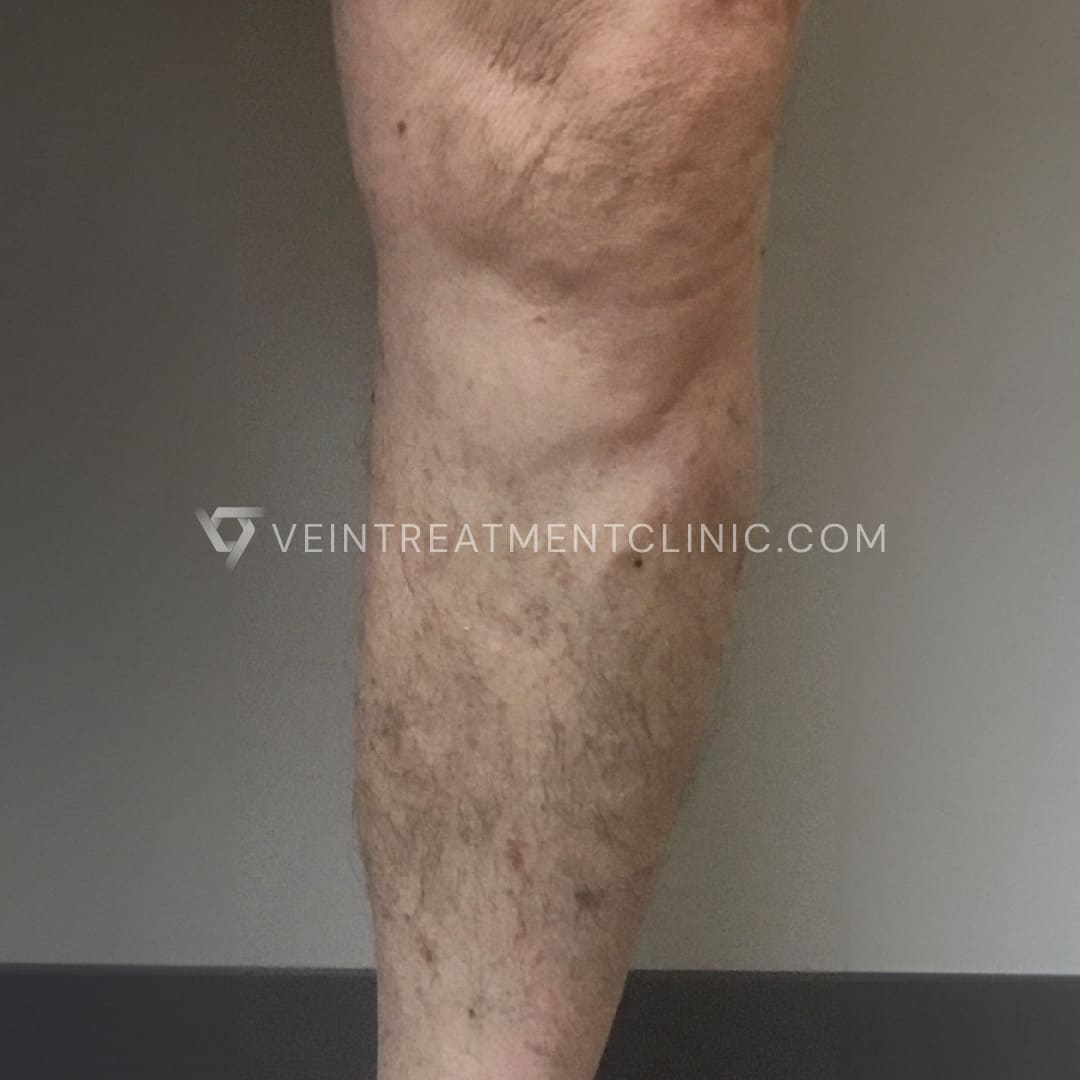
At our Long Island Vein Clinic, we treated this 75 year-old patient with spider veins using radiofrequency ablation and sclerotherapy. These minimally invasive treatments improved both the patient’s appearance and overall well-being, offering transformative results.
Before
After
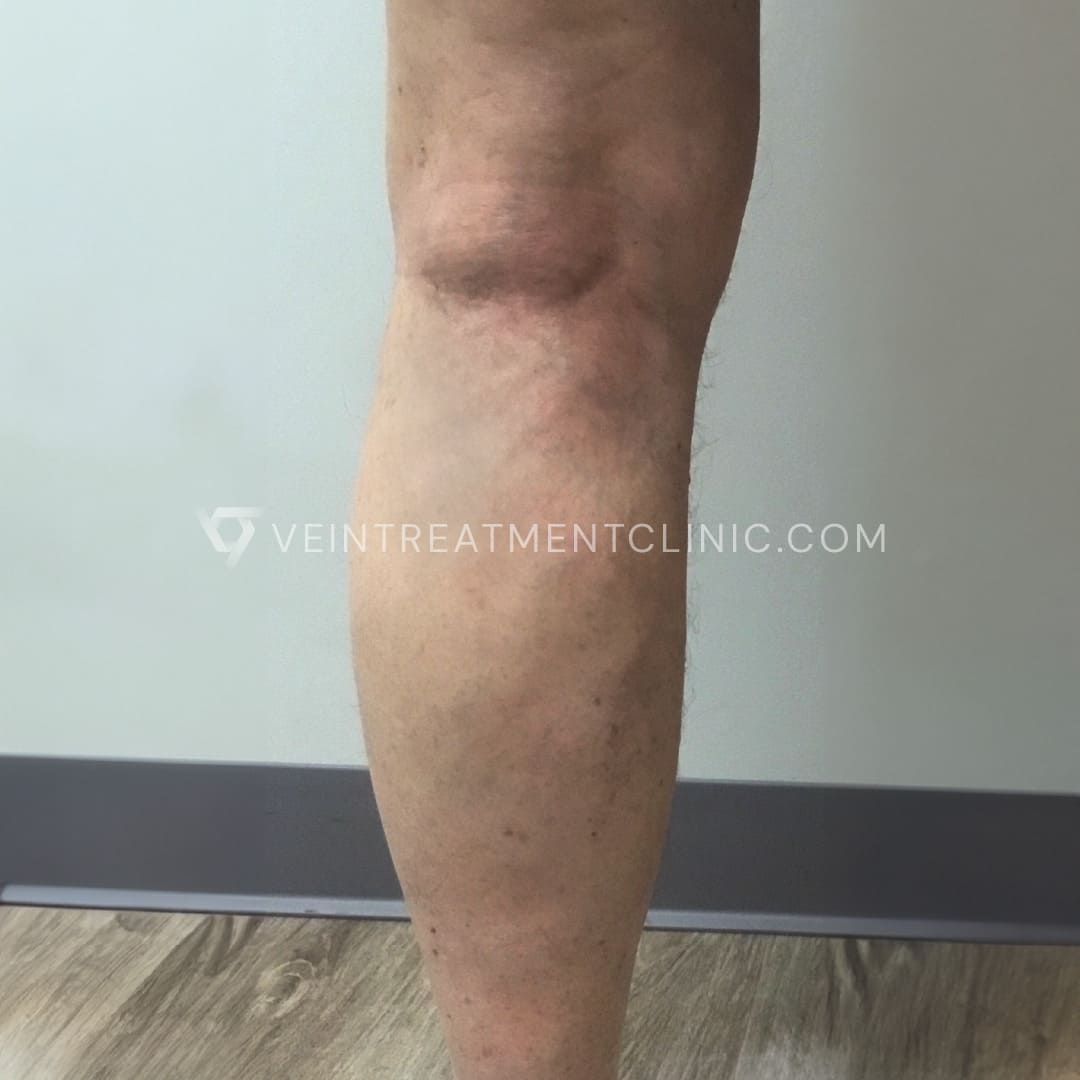
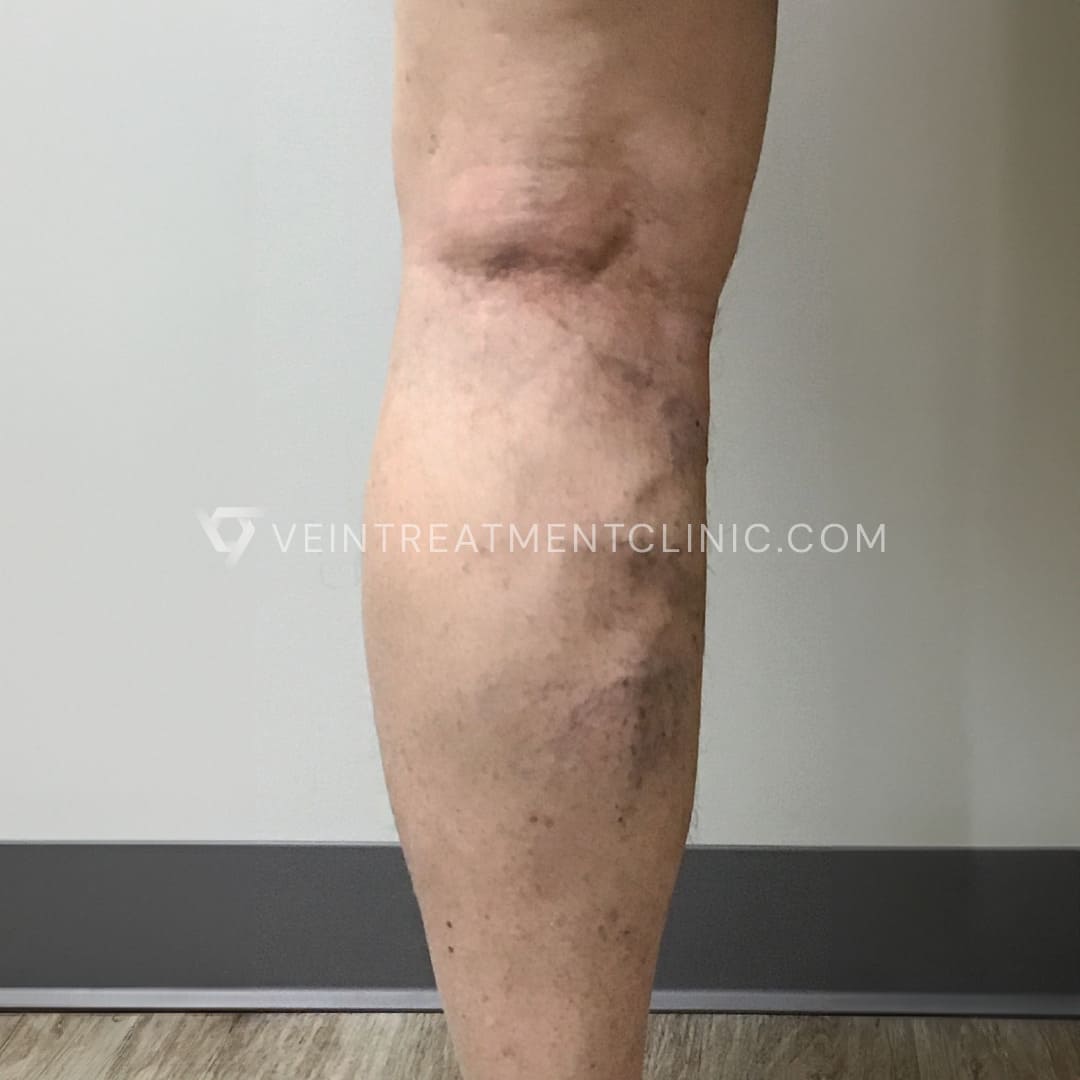
This 75 year-old patient visited our Long Island Vein Treatment Clinic with painful spider veins. We used radiofrequency ablation and sclerotherapy, minimally invasive treatments, to eliminate the veins and restore comfort and confidence. The patient experienced life-changing results
Underlying vein pressure or reflux
In some cases, spider veins are linked to increased pressure from deeper vein reflux.
When underlying reflux is present, spider veins may recur unless the deeper issue is addressed.
Get the Facts on Chronic Venous Insufficiency. Read the Complete Guide
Do lifestyle factors cause spider veins?
Lifestyle factors such as inactivity, prolonged immobility, and excess weight can increase vein pressure.
While these factors may contribute, they are usually part of a broader set of causes rather than the sole reason spider veins form.