

Table of contents
Learn About Varicose Vein Care
Vein Care: What It Is, When It’s Needed, and How It Works

Medically verified
Last updated on 1/29/2026

By Dr. Michael Nguyen
Vein Doctor at Vein Treatment Clinic
Harvard Medical School
Board Certified by the American Board of Venous and Lymphatic Medicine
Vein care refers to a group of medical procedures designed to improve blood flow in the veins and reduce symptoms such as pain, swelling, heaviness, and visible veins in the legs.
Many patients are unsure what vein care actually involves. Some worry it means surgery, while others are unclear whether vein care is medical, cosmetic, or even necessary.
This page provides a clear overview of vein care, explains when it may be recommended, outlines available options, and helps patients understand what to expect from evaluation through recovery.

Patients often search for vein care near them when symptoms begin to interfere with daily life. A local vein evaluation helps confirm the cause of symptoms and determine appropriate options.
If you’re experiencing leg symptoms or visible veins and are unsure whether vein care is appropriate, a vein evaluation can help clarify your options.
What is vein care?
Vein care focuses on correcting veins that are not functioning properly, allowing blood to flow more efficiently back toward the heart.
Rather than removing veins surgically, most modern vein care close problem veins so blood can reroute through healthier pathways.
What conditions are treated with vein care?
Vein care is commonly used to address varicose veins, spider veins, and chronic venous insufficiency.
It may also help patients with symptoms such as leg pain, swelling, heaviness, skin changes, or recurrent vein problems.
When is vein care recommended?
Vein care may be recommended when veins cause symptoms, interfere with daily activities, or show signs of ongoing circulation problems.
Some patients seek vein care for appearance alone, while others need care to address underlying medical issues.
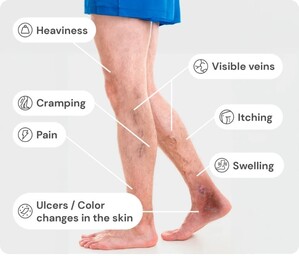
Vein diseases symptoms
Vein diseases symptoms
What are the different vein care options?
Most vein care today are minimally invasive and performed in an office setting without general anesthesia.
Options are chosen based on vein anatomy, ultrasound findings, and patient symptoms.
Is vein care options safe?
Modern vein care options are generally safe when performed by trained specialists using ultrasound guidance.
Complications are uncommon, and most patients return to normal activities quickly.
Does vein care require surgery?
Most patients do not need surgery. Advances in technology have replaced traditional surgical approaches in the majority of cases.
Non-surgical options are now the standard of care for many vein conditions.
How is vein care options are planned?
Vein care options planning begins with a detailed vein evaluation, often including ultrasound imaging to assess blood flow and valve function.
This evaluation ensures that vein care options targets the underlying cause rather than just visible veins.
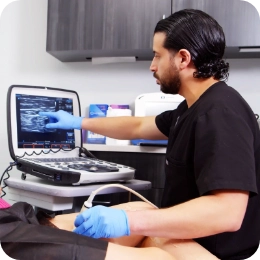
Professional Ultrasound test to diagnose vein diseases
Professional Ultrasound test to diagnose vein diseases
What is recovery like after vein care?
Most patients experience minimal downtime and are encouraged to walk soon after vein care.
Recovery recommendations vary depending on the type and extent of vein care option performed.
How much does vein care cost and is it covered by insurance?
Cost depends on the type of vein care option, extent of vein disease, and insurance coverage.
When vein care is medically necessary, insurance often covers part or all of the care.
When should you see a vein specialist?
Evaluation is recommended for persistent leg symptoms, visible varicose veins, swelling, or skin changes.
A vein specialist can determine whether vein care is appropriate and which options make sense.
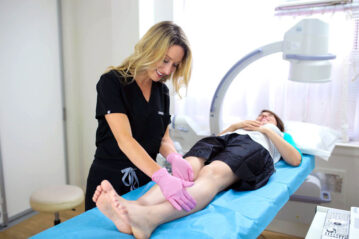
Professional Vein Care evaluation for Vein Diseases
Professional Vein Care evaluation for Vein Diseases