

Table of contents

Get treated by vein treatment industry leaders
Why Are Veins Popping Out on My Legs or Feet?

Medically verified
Last updated on 1/29/2026

By Dr. Michael Nguyen
Vein Doctor at Vein Treatment Clinic
Harvard Medical School
Board Certified by the American Board of Venous and Lymphatic Medicine
Veins popping out on the legs or feet usually occur when blood builds up inside the vein and increases internal pressure. This pressure stretches the vein walls, causing leg veins to stick out or become visibly enlarged under the skin.
Bulging veins in the legs are often related to valve weakness or venous reflux, especially when they appear twisted, raised, or progressively more noticeable over time.

The presence of a bulging vein is a clinical indicator of an underlying vein issue, especially if it becomes more noticeable over time or is accompanied by symptoms.
If you are unsure whether your symptoms are vein-related, a vein evaluation can help clarify the cause and what options make sense.
What does it mean when veins are popping out?
When veins are popping out, it typically means pressure inside the vein has increased. This is often caused by blood flowing backward due to vein valve dysfunction.
Over time, this pressure causes the vein to enlarge and become more visible beneath the skin.
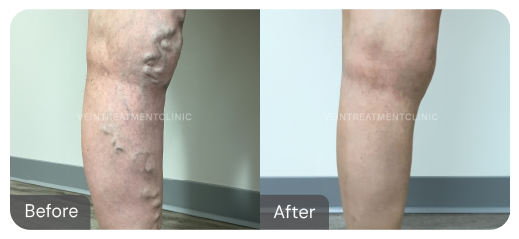
Varicose Vein before and after treatment pictures.
Results may vary and the results shown are not guaranteed
Varicose Vein before and after treatment pictures.
Results may vary and the results shown are not guaranteed
Why do veins pop out more in the legs and feet?
Leg and foot veins work against gravity to return blood to the heart, which makes them more prone to pressure buildup. When valves weaken, veins in the legs and feet can bulge or become more visible.
This is why visible veins in the feet and bulging veins in the legs are common early signs of vein disease.
Are bulging leg veins the same as varicose veins?
Many veins that pop out on the legs are varicose veins, especially if they look twisted or rope-like.
Some veins may appear prominent before fully developing into varicose veins.
Symptom Checker
Why are the veins on my foot popping out?
Foot veins bulging or becoming more visible often result from the same pressure changes that affect the leg veins. When blood pools in the lower extremities, veins in the feet may enlarge and stand out more prominently.
This is especially noticeable after prolonged standing or activity.
Why does a vein pop out more when standing or after activity?
Standing or physical activity increases blood flow and pressure in the leg veins.
If valves are weak, veins may bulge more noticeably during these times.
Are popping veins in the legs dangerous?
Veins popping out are not always dangerous, but they can signal underlying vein disease. When bulging veins are accompanied by swelling, pain, itching, or skin changes, evaluation is recommended.
Left untreated, progressive vein disease can lead to worsening symptoms over time.
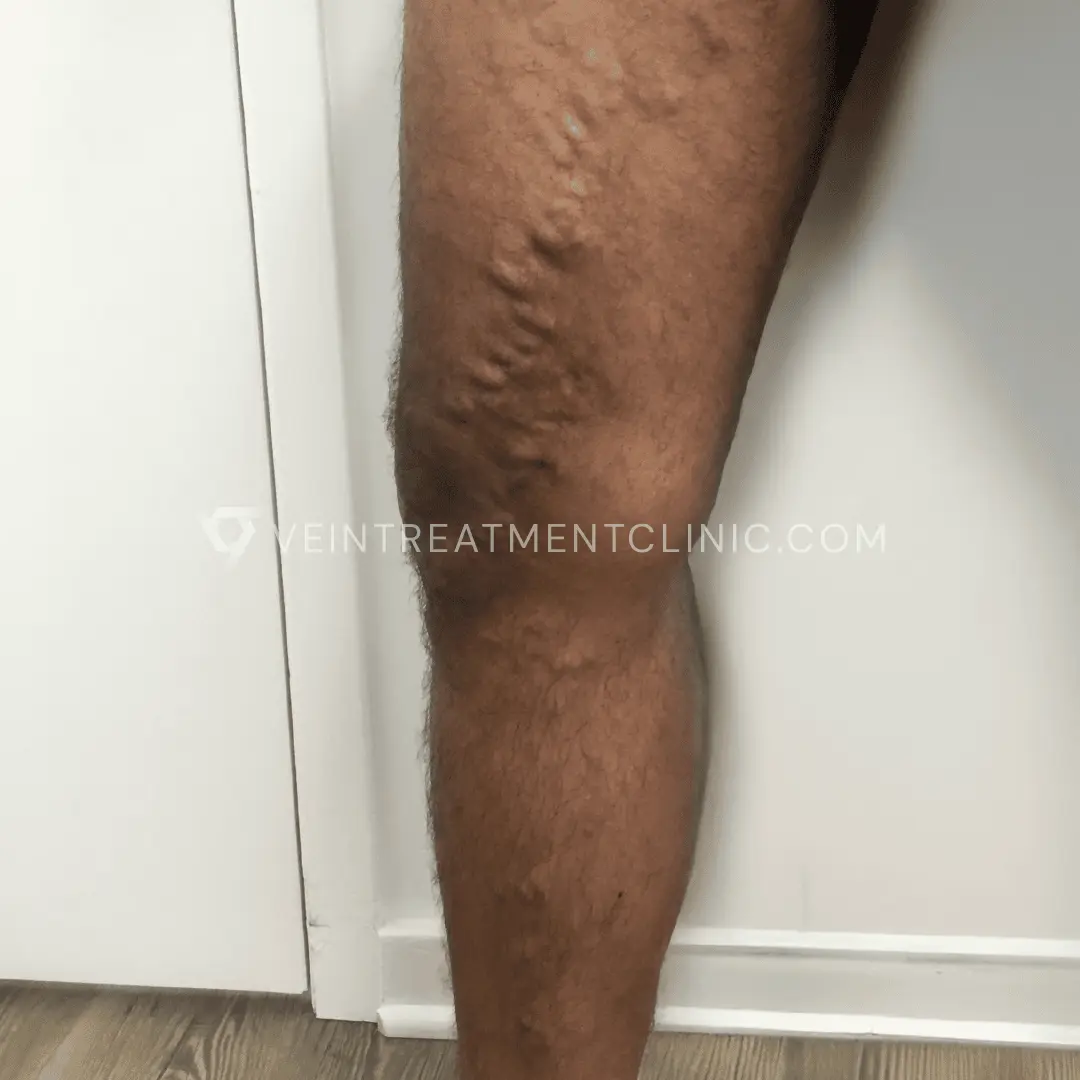
Before
After
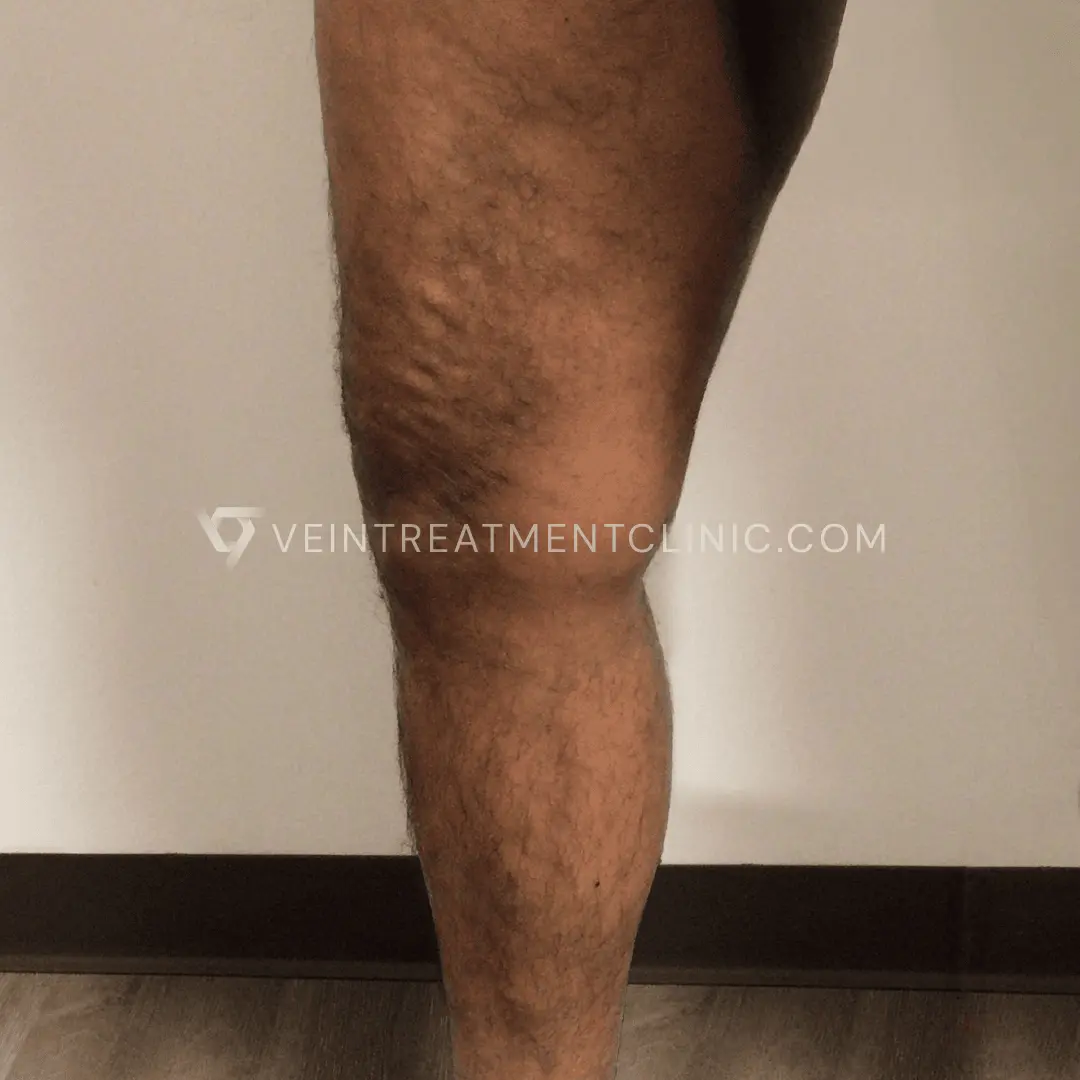
A 37-year-old patient visited our Vein Treatment Clinic, seeking relief from unsightly and painful varicose and spider veins. We performed radiofrequency ablation and sclerotherapy treatments, significantly improving the veins’ appearance and completely eliminating discomfort. The patient is now enjoying a more active and pain-free lifestyle.
Before
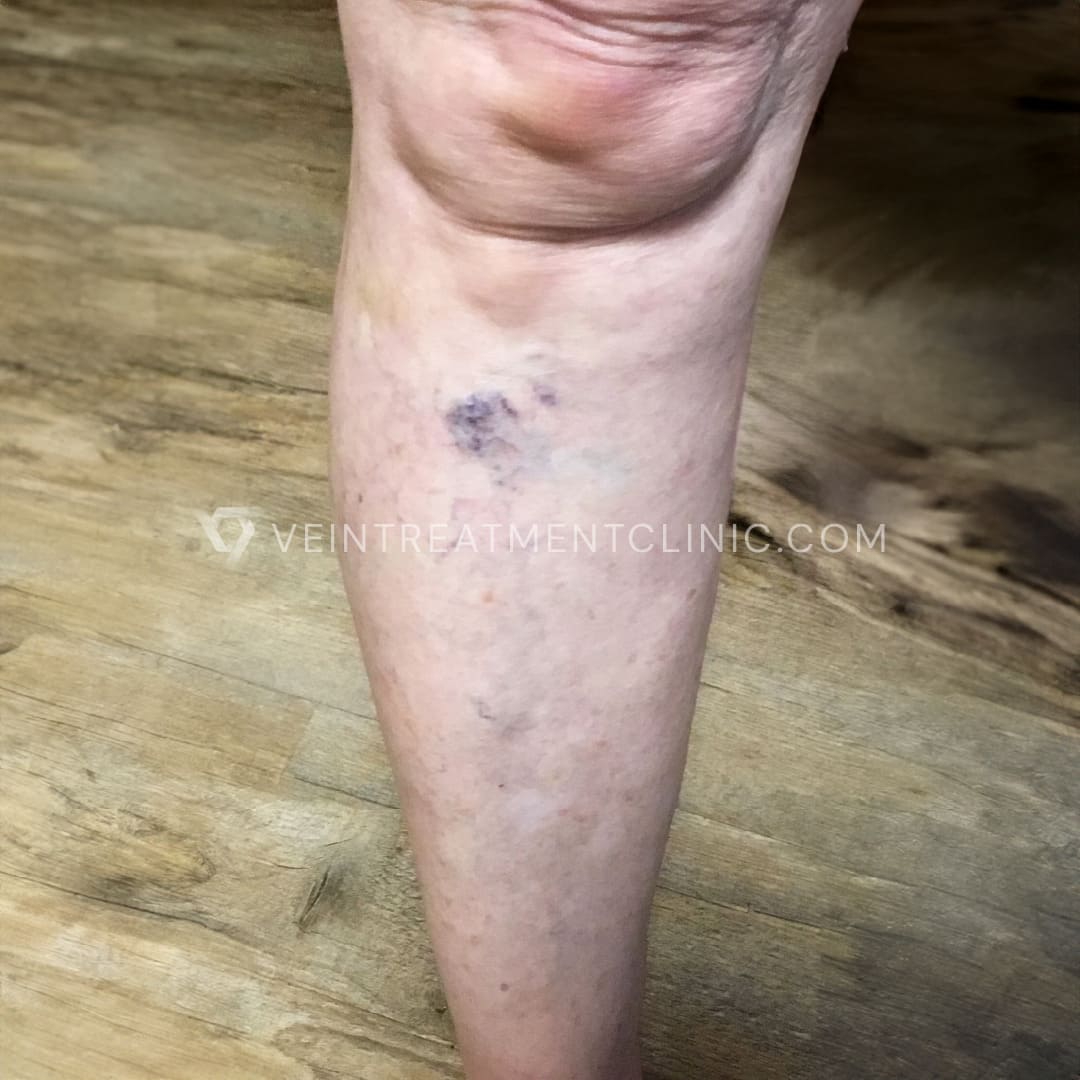
After
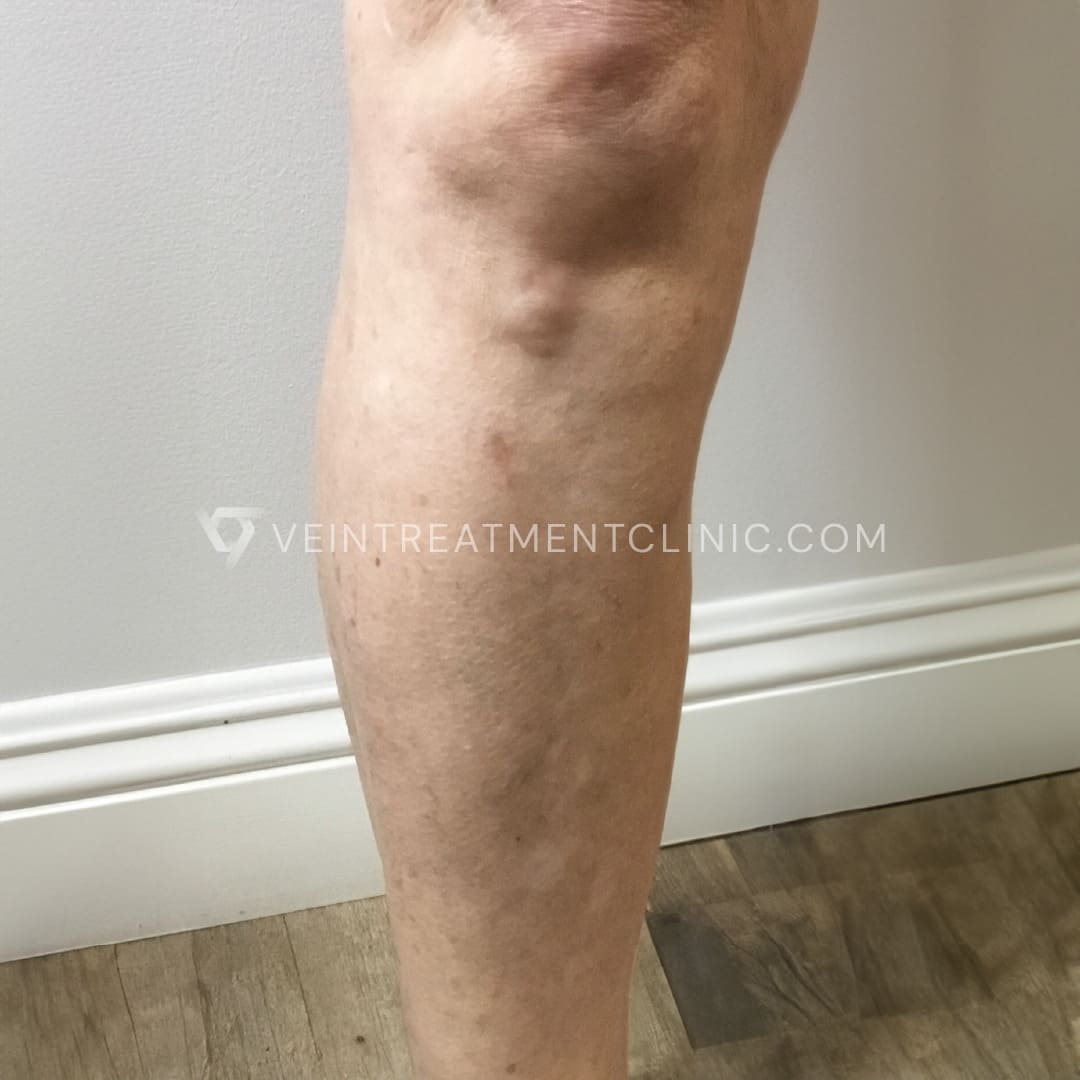
A 69 year-old patient visited our California Vein Clinic, embarrassed by spider veins that had impacted their self-esteem. We performed radiofrequency ablation and sclerotherapy treatments, leaving their legs smooth and healthy. The patient now feels more confident, thanks to this transformative treatment.
Before
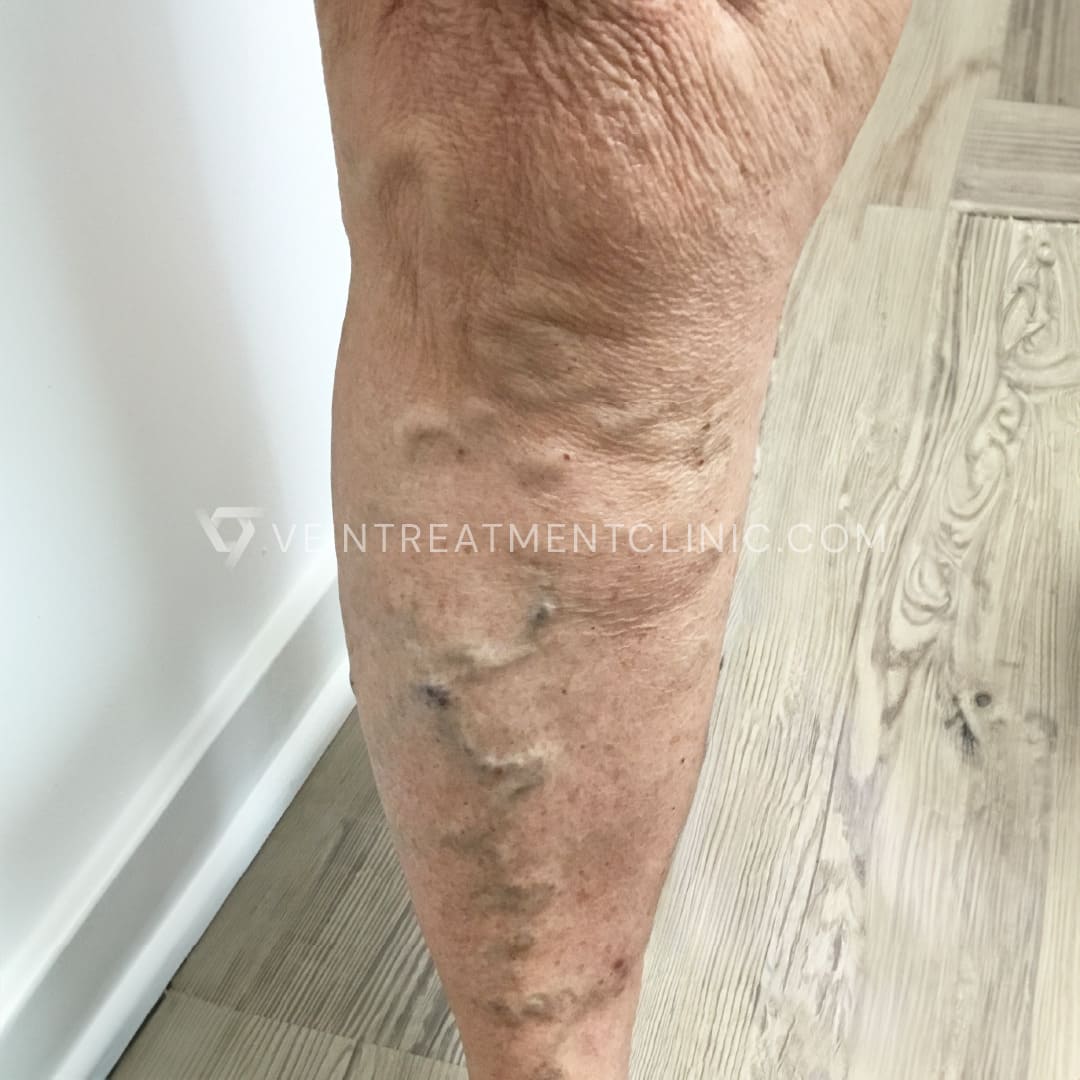
After
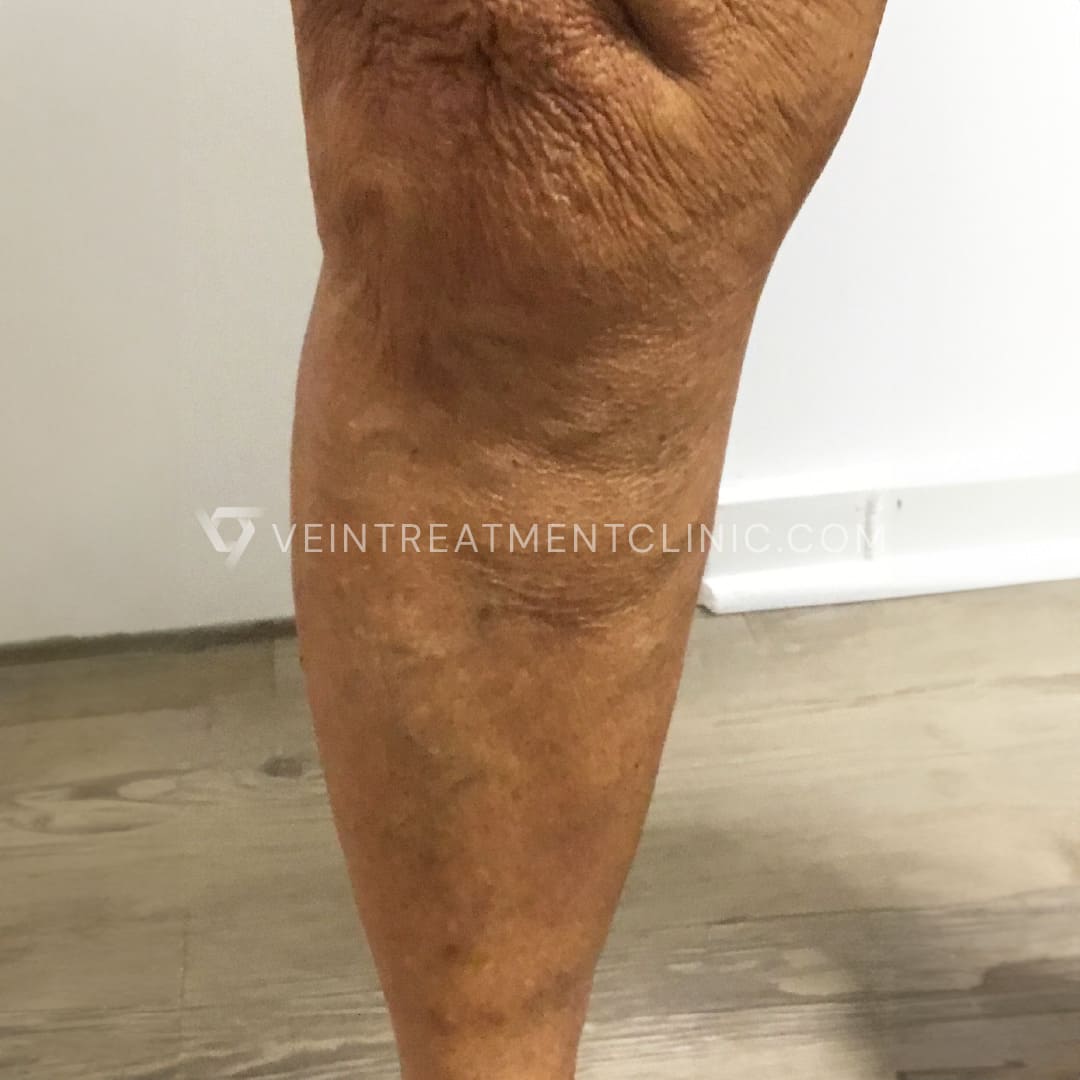
This 84 year-old patient at our New Jersey Vein Treatment Clinic came in with spider veins that had affected their daily routine. We used radiofrequency ablation and sclerotherapy treatments to relieve discomfort and restore both their leg health and confidence. The patient now enjoys a more active and fulfilling lifestyle, free from pain.
Before
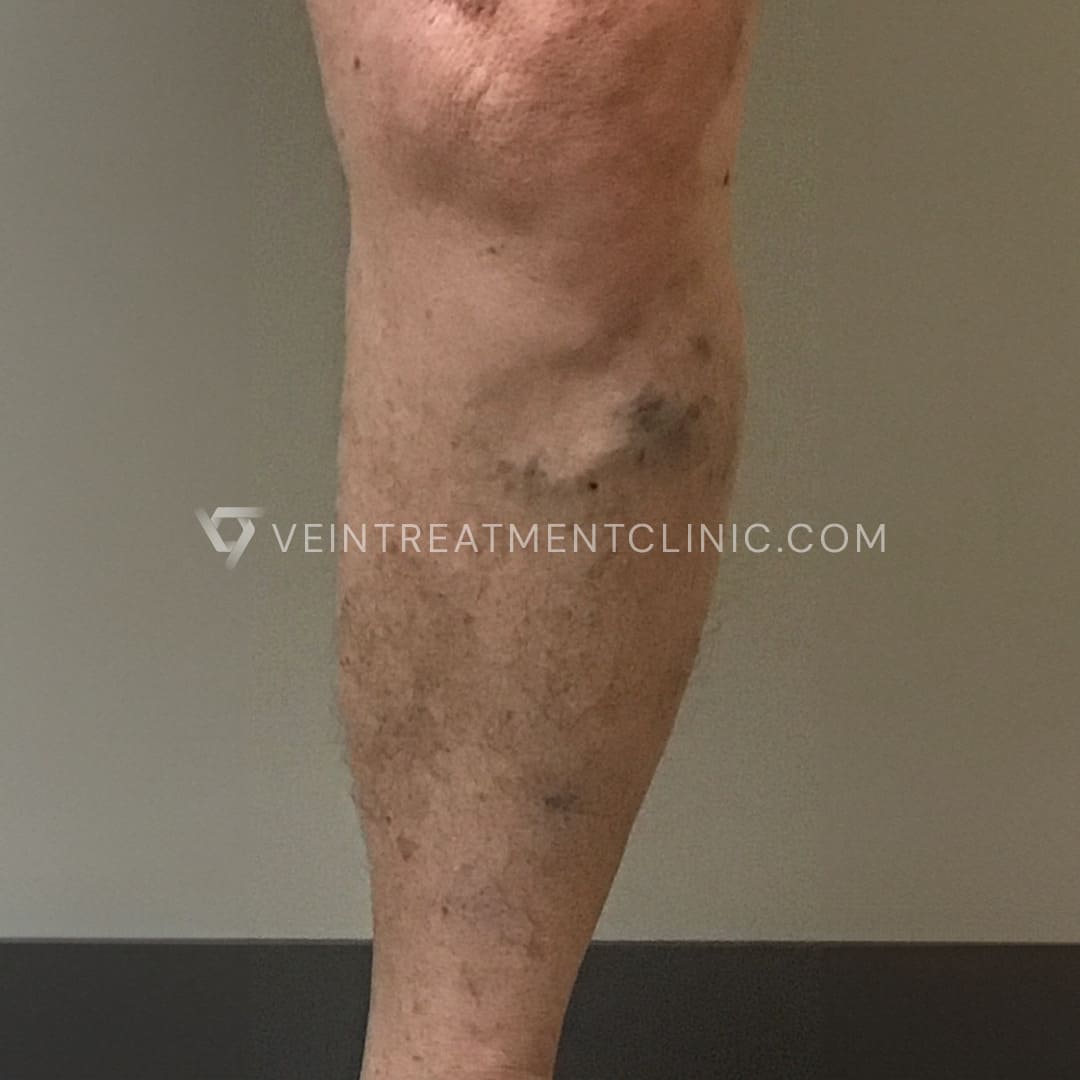
After
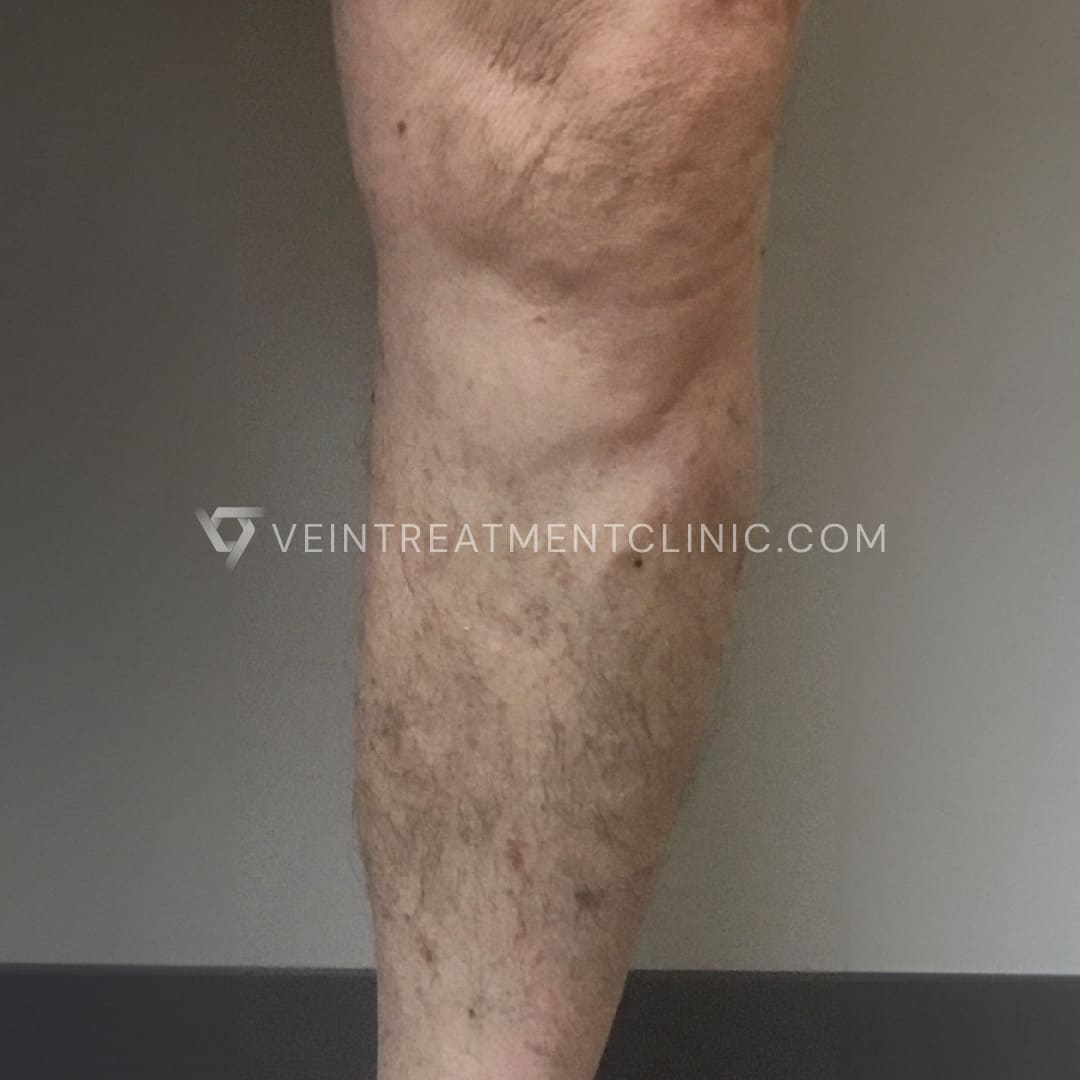
At our Long Island Vein Clinic, we treated this 75 year-old patient with spider veins using radiofrequency ablation and sclerotherapy. These minimally invasive treatments improved both the patient’s appearance and overall well-being, offering transformative results.
Before
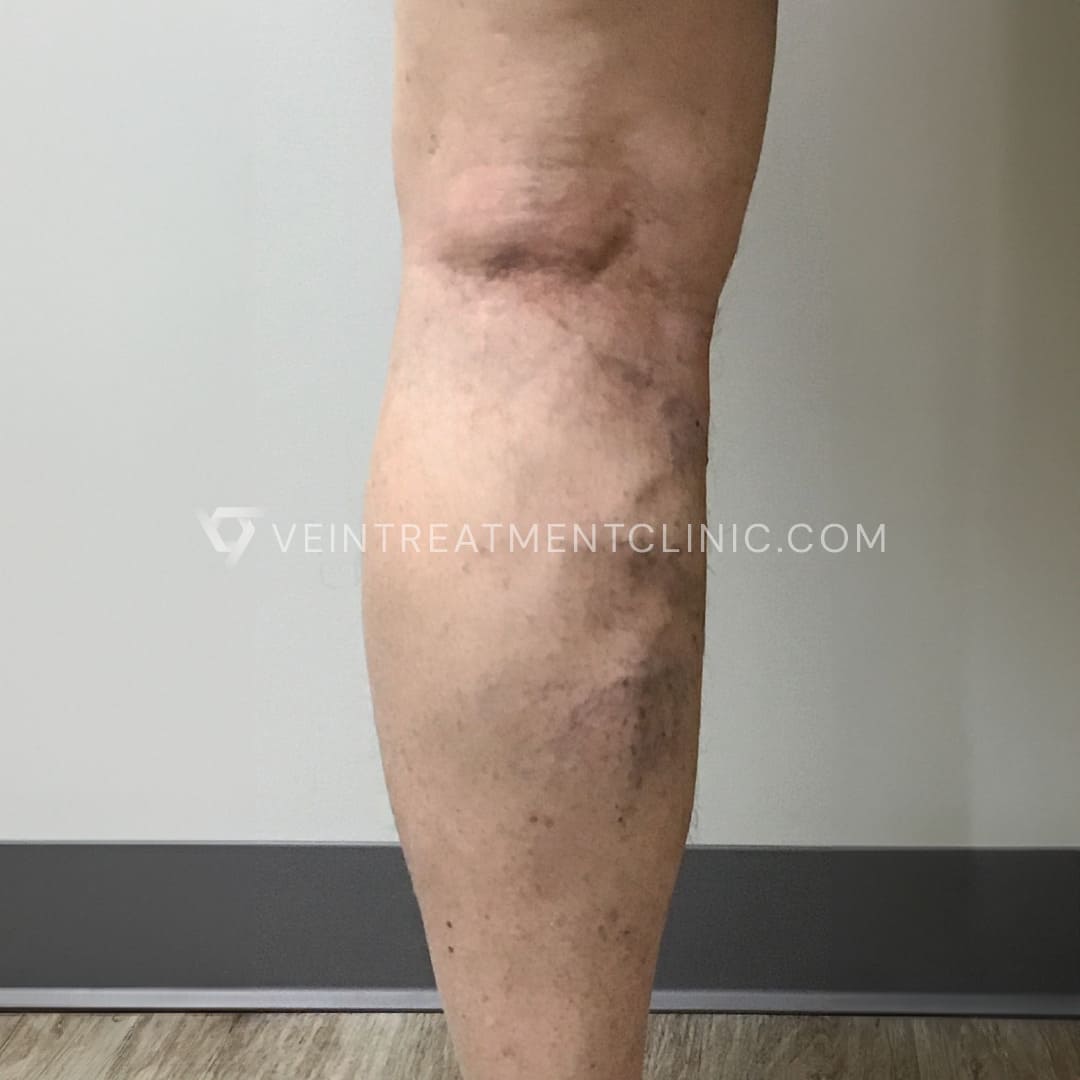
After
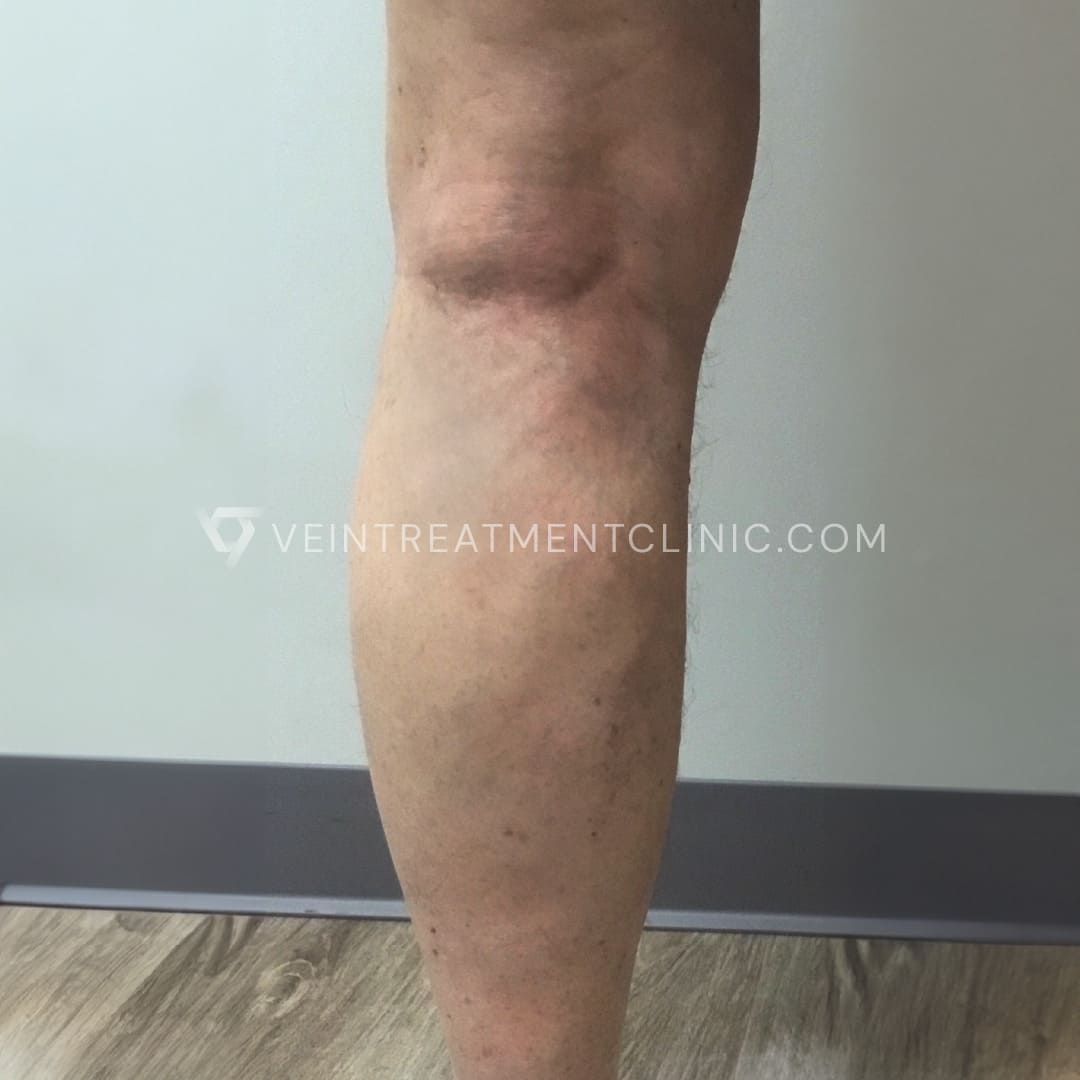
This 75 year-old patient visited our Long Island Vein Treatment Clinic with painful spider veins. We used radiofrequency ablation and sclerotherapy, minimally invasive treatments, to eliminate the veins and restore comfort and confidence. The patient experienced life-changing results
What symptoms often occur along with bulging veins?
Bulging veins are often accompanied by aching, heaviness, fatigue, itching, or leg swelling.
Skin discoloration or tenderness may appear as vein disease progresses.
Can veins stop popping out on their own?
Veins may look less prominent with leg elevation or rest.
However, the underlying valve problem usually does not resolve without treatment.
How can you stop veins from popping out on your legs?
Reducing vein pressure by improving circulation is key to preventing veins from becoming more prominent. Depending on the cause, this may involve lifestyle adjustments, compression, or medical treatments that address the underlying valve problem.
Addressing the underlying circulation issue is more effective than cosmetic measures alone.
How a vein evaluation helps identify the cause?
A vein evaluation determines whether bulging veins are caused by valve failure or venous reflux.
Ultrasound helps identify which veins are contributing to increased pressure.
Precision Care: Understand Your Veins with an Ultrasound Map
When should you see a vein specialist?
Early evaluation can help prevent progression and complications.