

Table of contents

Get treated by vein treatment industry leaders
Why Are the Veins in My Legs Swollen?

Medically verified
Last updated on 1/29/2026

By Dr. Michael Nguyen
Vein Doctor at Vein Treatment Clinic
Harvard Medical School
Board Certified by the American Board of Venous and Lymphatic Medicine
Swollen or bulging veins in the legs are a very common concern and often one of the first visible signs that circulation may be under strain.
Many people notice their leg veins becoming more prominent over time and wonder whether this is normal aging, temporary swelling, or something that needs attention.
In most cases, swollen leg veins are related to how blood is flowing through the veins, not a sudden or mysterious problem.

This page explains why the veins in your legs may be swollen, what it usually means, and when a vein evaluation can help prevent progression.
If you’re unsure whether your varicose veins are cosmetic or a sign of vein disease, a vein evaluation can help clarify what’s happening.
What does it mean when leg veins are swollen?
Swollen leg veins usually mean there is increased pressure inside the veins, causing them to enlarge and become more visible.
This pressure most often relates to how efficiently blood is returning to the heart from the legs.
Legs Feeling Heavy or Tired? Check Your Symptoms for Vein Disease
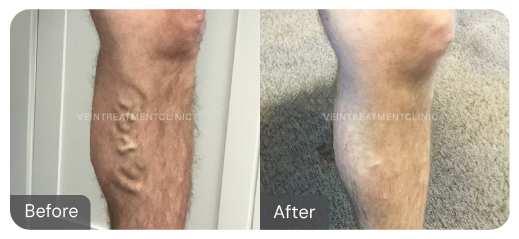
Varicose Vein before and after treatment pictures.
Results may vary according to each case.
Varicose Vein before and after treatment pictures.
Results may vary according to each case.
Why do veins in the legs swell more than veins elsewhere?
Leg veins work against gravity to move blood upward, which places extra demand on vein valves.
When these valves weaken, blood can pool in the legs, increasing pressure and causing veins to swell.
Are swollen leg veins the same as varicose veins?
Many swollen leg veins are varicose veins, especially when they appear bulging, twisted, or rope-like.
Not all swollen veins are immediately classified as varicose, but many progress in that direction over time.
Symptom Checker
Can chronic venous insufficiency cause swollen veins?
Yes. Chronic venous insufficiency is a common underlying cause of swollen leg veins.
It occurs when vein valves fail, allowing blood to flow backward and increase pressure.
Why do swollen veins often look worse later in the day?
Swollen veins often become more noticeable after long periods of standing or sitting.
Gravity and reduced movement allow pressure to build in the leg veins throughout the day.
Are swollen veins in the legs dangerous?
Swollen veins are not always dangerous, but they can signal underlying vein disease.
Over time, untreated vein disease can lead to pain, swelling, skin changes, or bleeding.
What symptoms commonly occur along with swollen veins?
Swollen leg veins are often accompanied by aching, heaviness, fatigue, itching, or leg swelling.
Skin discoloration or tenderness may appear as vein disease progresses.
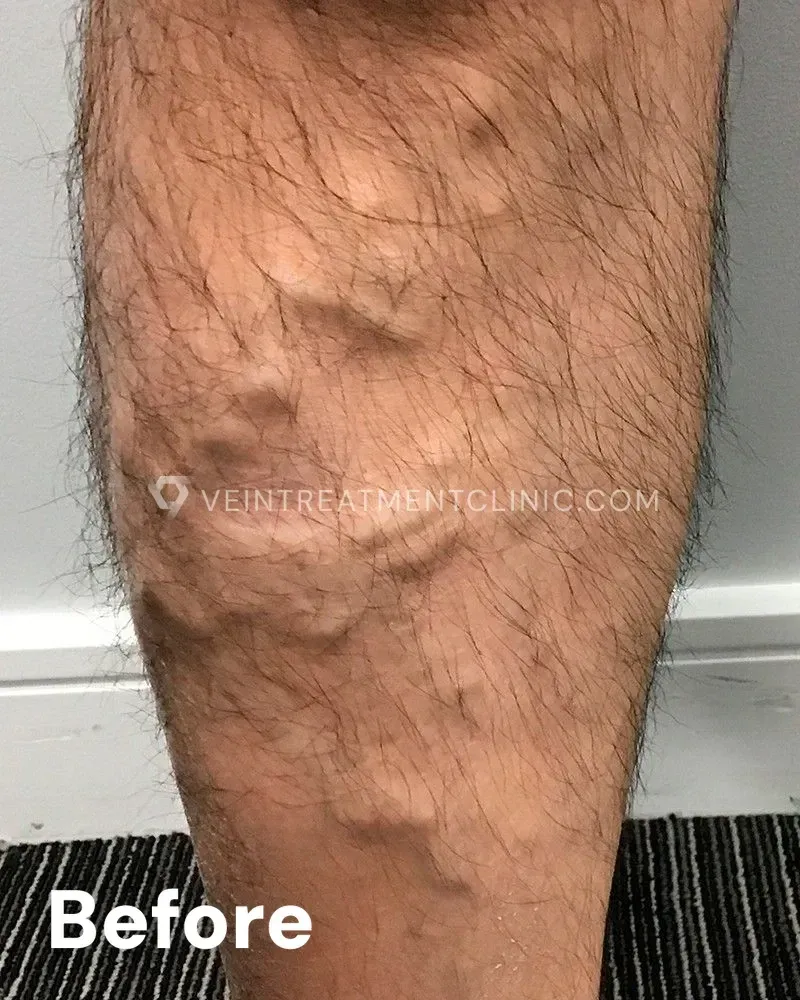
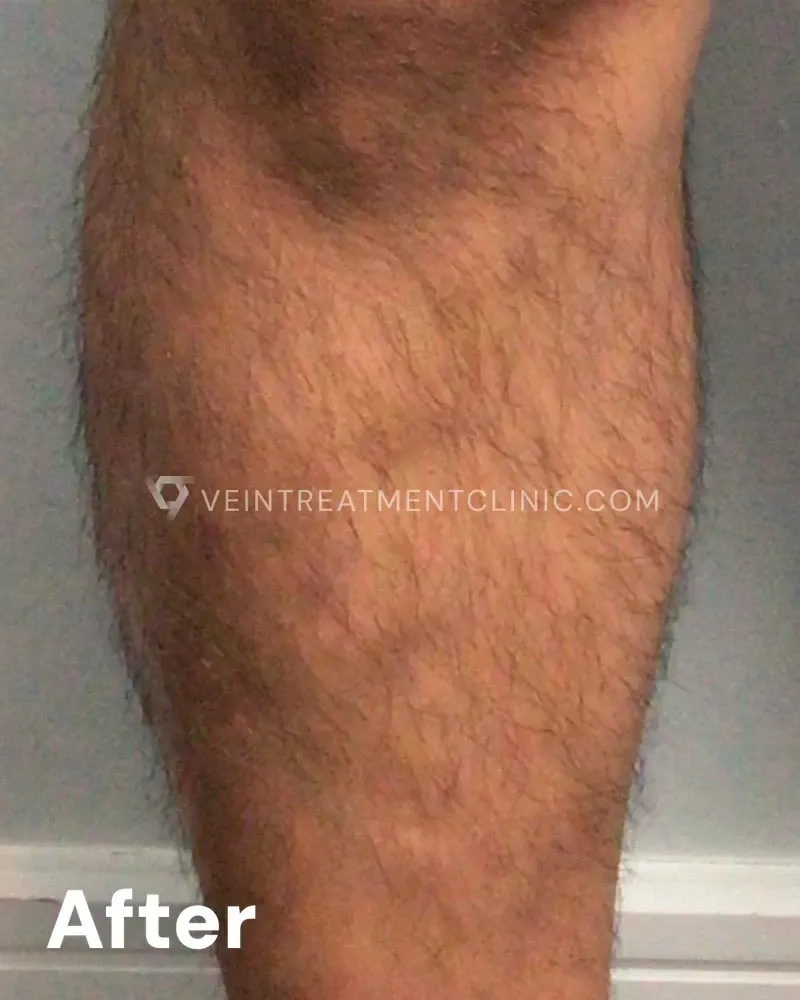
Male, treated for varicose veins on the calves with VeinVanish™, a customized treatment plan tailored to his condition. The after photo shows the treated areas appearing smoother with the varicose veins visibly reduced.
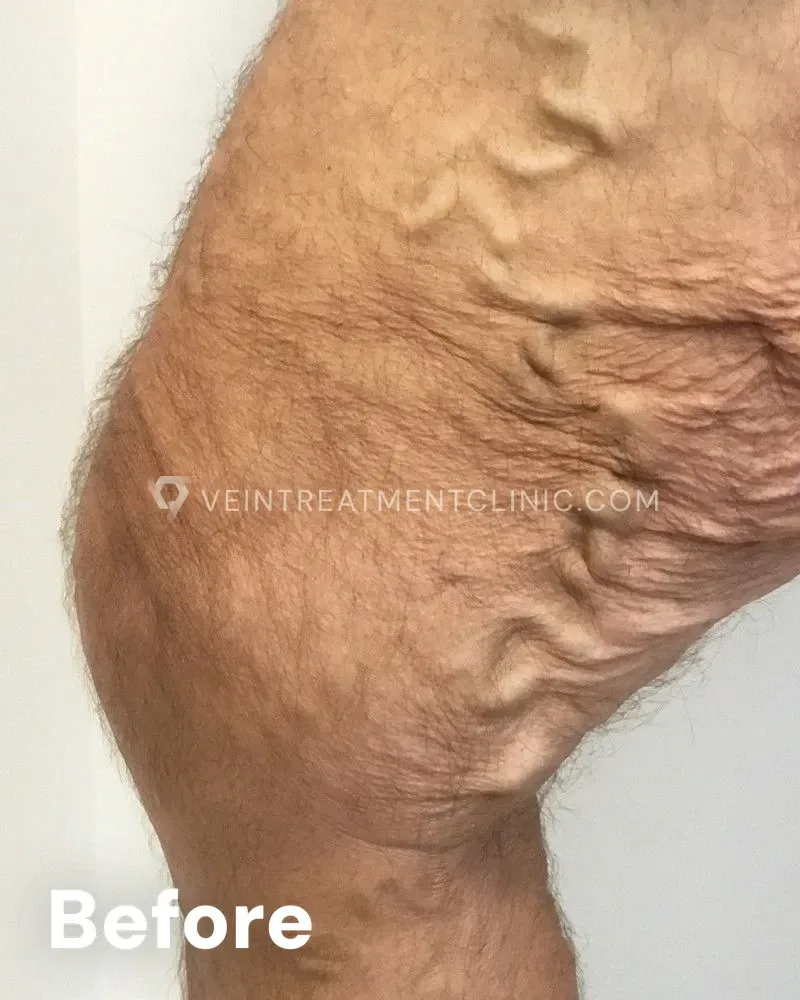
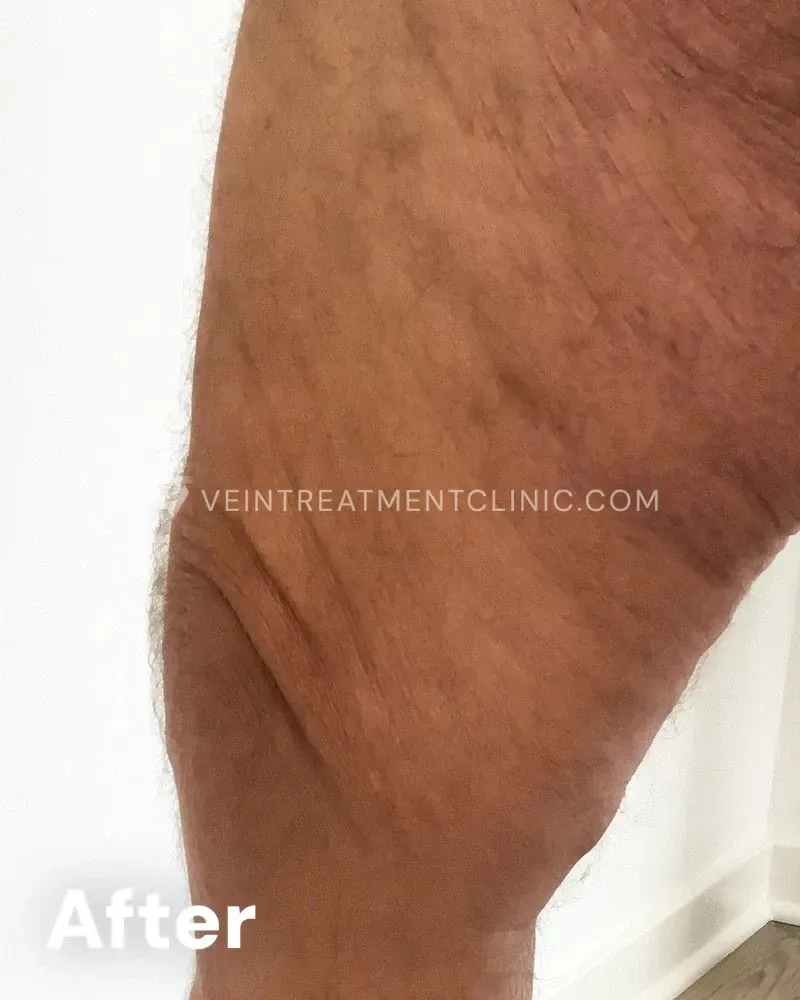
Male, treated for varicose veins on the thighs and knees with VeinVanish™, a customized treatment plan tailored to his condition. The after photo shows the thighs and knees with a smoother-looking appearance.
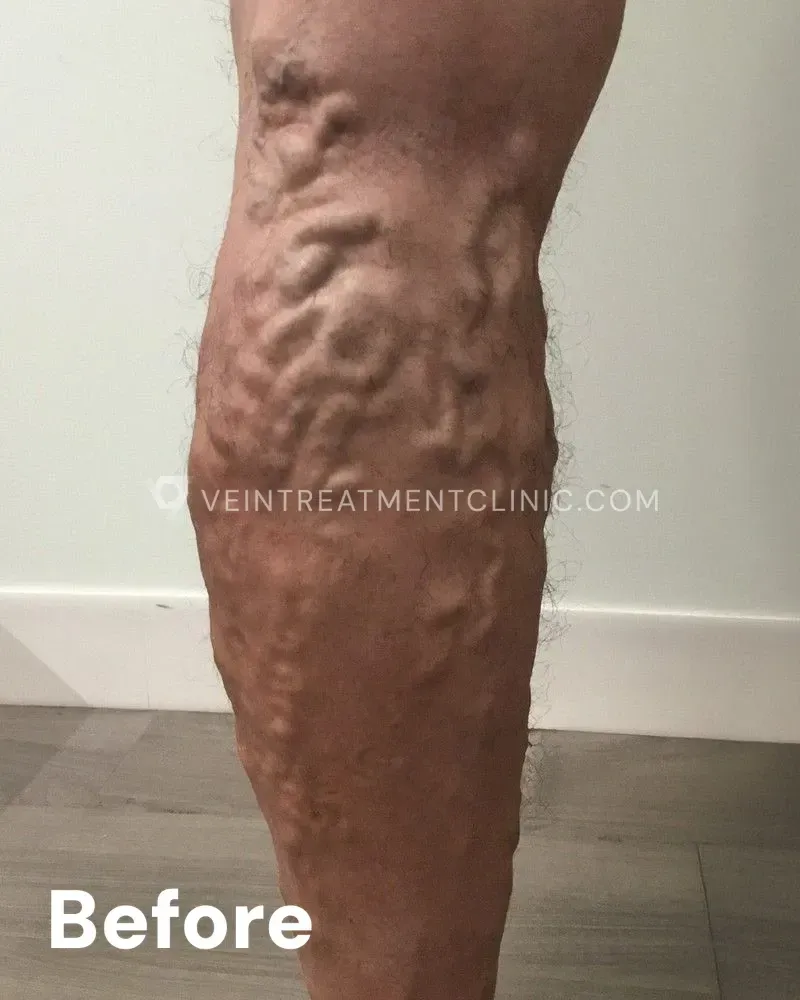
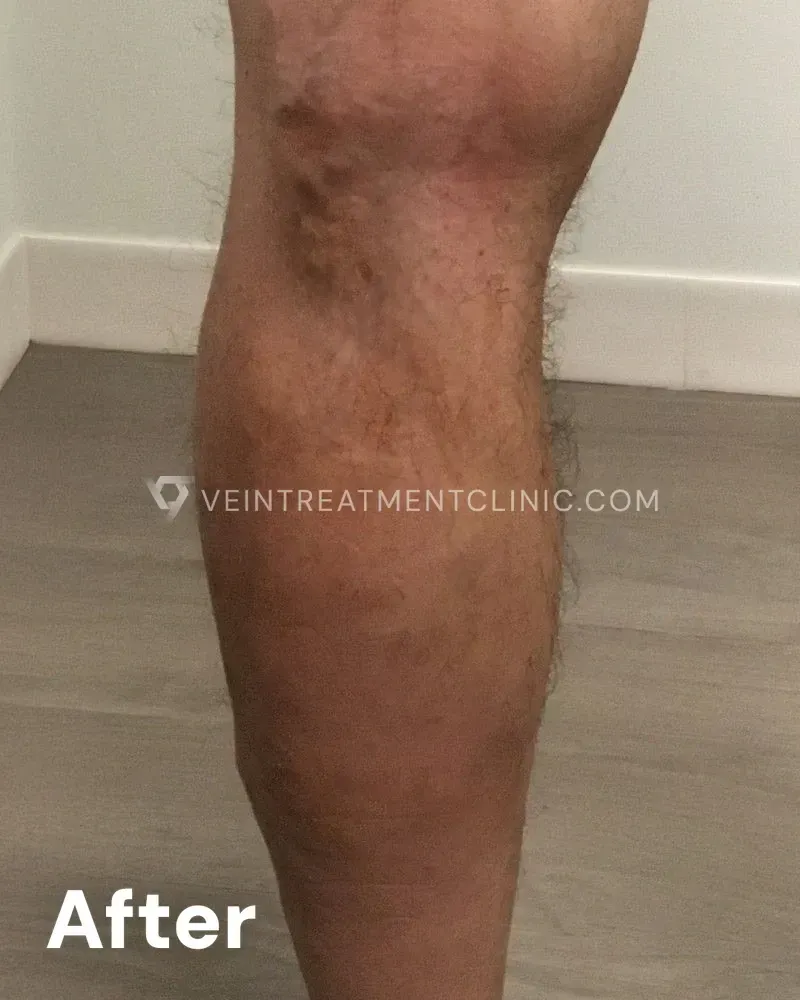
Male, treated for varicose veins on the calves and knees with VeinVanish™, a customized treatment plan tailored to his condition. The after photo shows the affected areas appearing smoother-looking with the varicose veins visibly reduced.
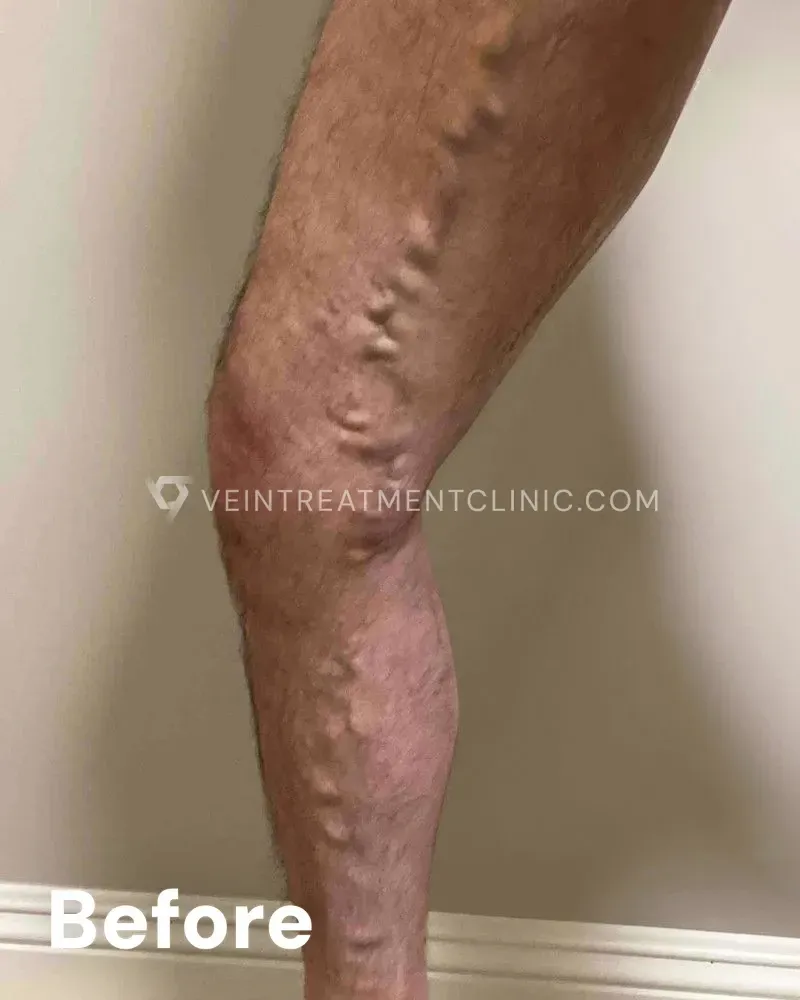
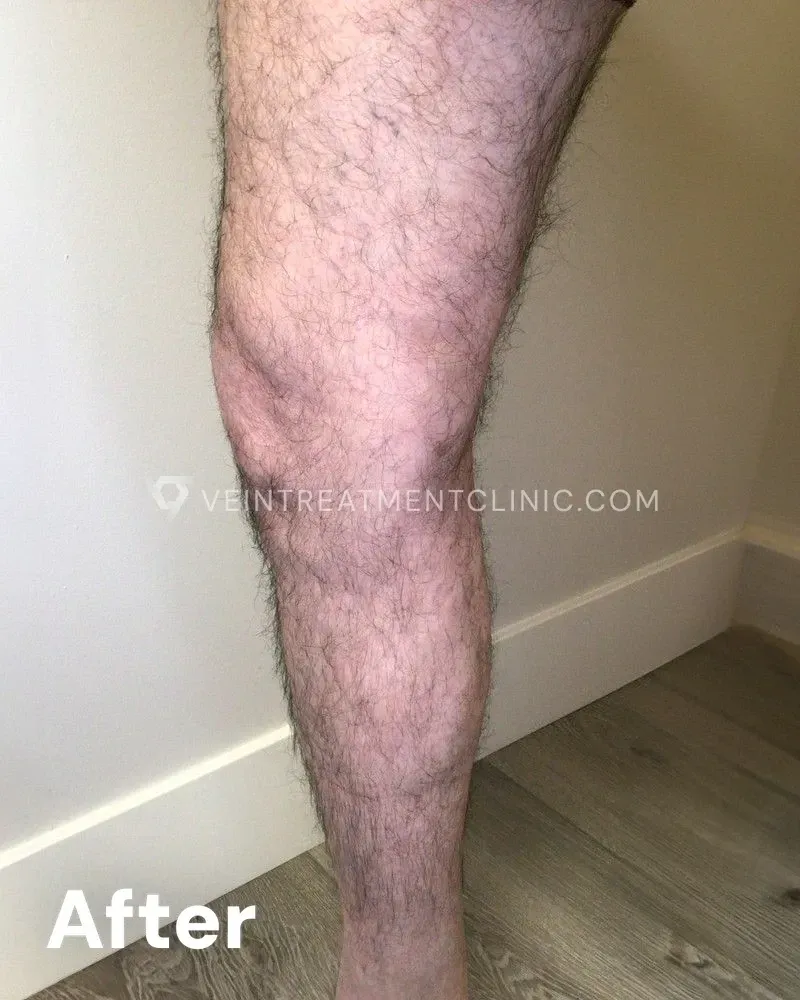
Male, treated for varicose veins on the thighs, calves, and knees with VeinVanish™, a customized treatment plan tailored to his condition. The after photo shows smoother-looking legs with the varicose veins visibly reduced across the treated areas.
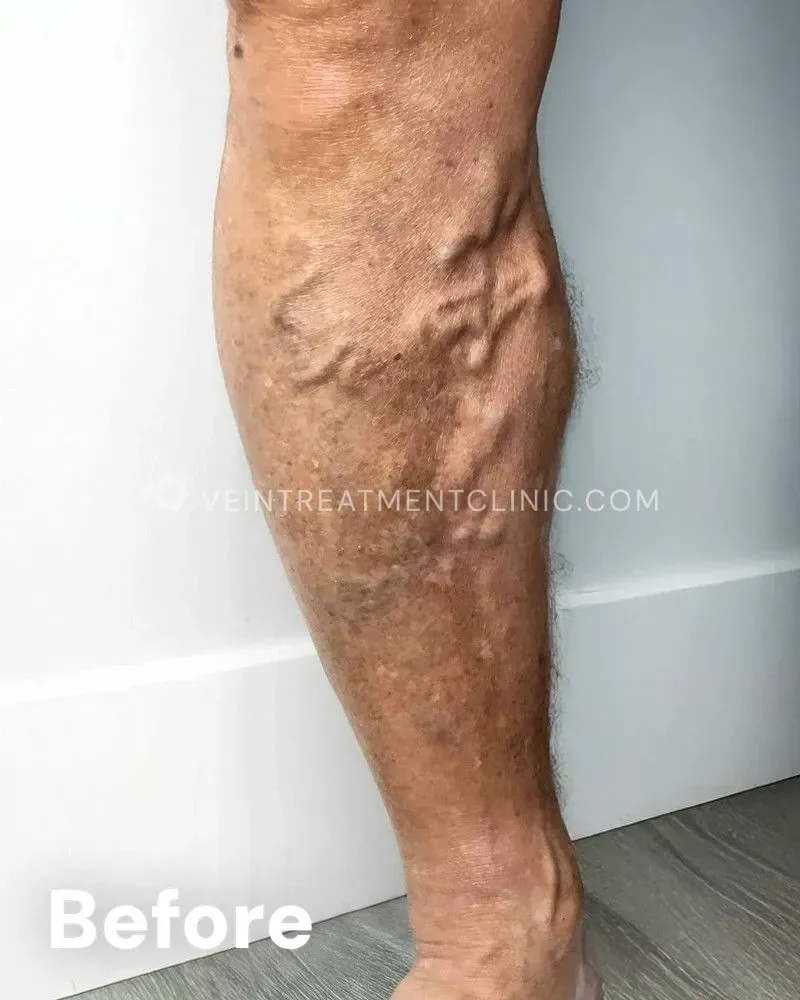
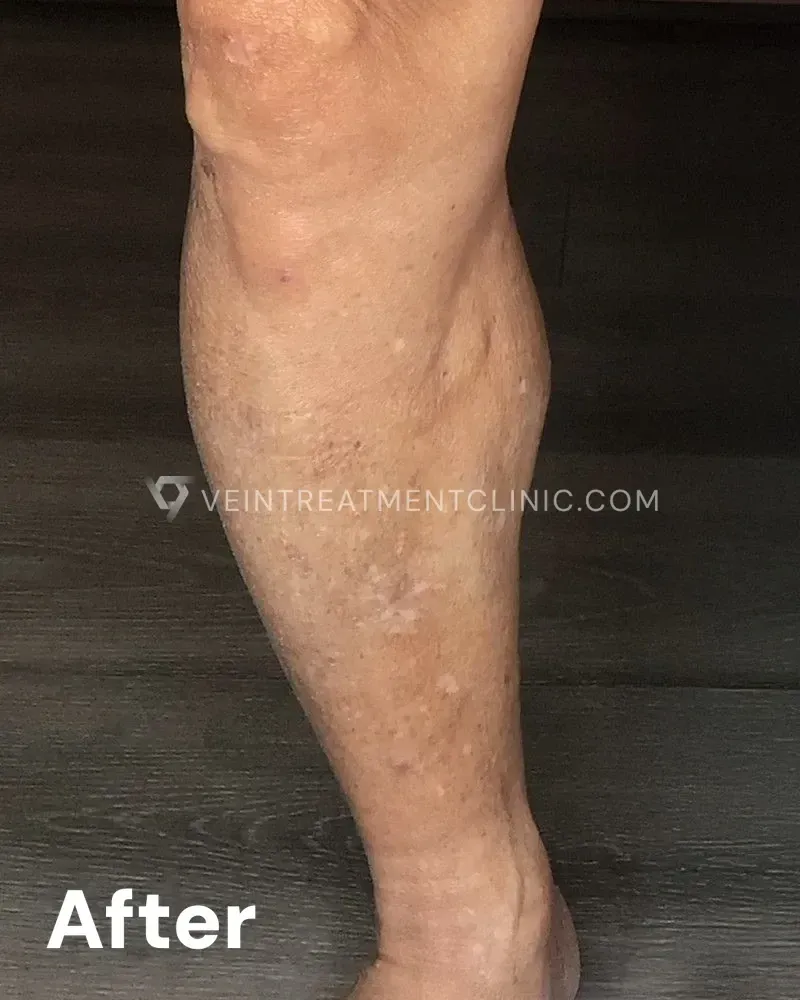
Male, treated for varicose veins on the calves and thighs with VeinVanish™, a customized treatment plan tailored to his condition. The after photo shows the legs appearing smoother-looking with the varicose veins visibly reduced.
Results vary based on individual conditions, and a personalized consultation is required to determine the best treatment options.
Can swollen leg veins go away on their own?
Vein swelling may temporarily improve with rest or leg elevation.
However, the underlying valve problem usually does not resolve without treatment.
How does a vein evaluation help?
A vein evaluation identifies whether swollen veins are due to valve failure or circulation problems.
Ultrasound helps determine which veins are contributing to increased pressure.
Vein Evaluation: What It Is, What It Includes, and Why It Matters
What treatments help reduce swollen leg veins?
Treatments that improve circulation can reduce pressure and vein swelling.
Most modern vein treatments are non-surgical and performed in an outpatient setting.