

Table of contents

Get treated by vein treatment industry leaders
Leg Swelling: When It’s a Sign of Vein Disease

Medically verified
Last updated on 1/29/2026

By Dr. Michael Nguyen
Vein Doctor at Vein Treatment Clinic
Harvard Medical School
Board Certified by the American Board of Venous and Lymphatic Medicine
Leg swelling is a common symptom that many people experience at some point, especially in the ankles and lower legs.
While swelling can have many causes, vein disease is one of the most common and often overlooked reasons for chronic or recurring leg swelling.

This page explains why leg swelling occurs, how vein problems contribute, and when evaluation may be helpful.
If your leg swelling is persistent or worsening, a vein evaluation can help determine whether circulation is contributing.
What causes leg swelling?
Leg swelling occurs when fluid accumulates in the tissues of the lower extremities.
This can happen due to circulation issues, inflammation, injury, or problems with how blood returns to the heart.
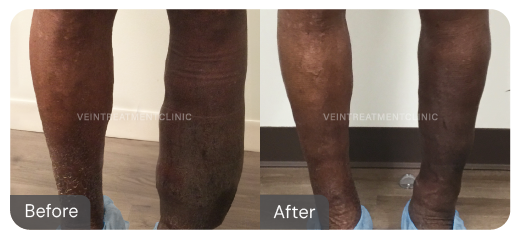
Leg Swelling before and after treatment pictures.
Results may vary and the results shown are not guaranteed
Leg Swelling before and after treatment pictures.
Results may vary and the results shown are not guaranteed
How vein disease causes leg swelling?
Vein disease causes swelling when veins cannot efficiently return blood upward, leading to increased pressure in the legs.
This pressure pushes fluid out of the veins and into surrounding tissues, causing visible swelling.
Get the Facts on Chronic Venous Insufficiency. Read the Complete Guide
Swollen ankles and lower legs
Swelling related to vein disease often affects the ankles and lower legs and may worsen later in the day.
Elevation often improves swelling overnight, which is a common pattern in venous insufficiency.
Symptom Checker
One leg swelling vs both legs swelling
Swelling in both legs often suggests a chronic circulation issue such as vein disease.
Swelling in one leg may still be vein-related but can also indicate other conditions and should be evaluated.
Leg swelling with varicose veins
Varicose veins and leg swelling frequently occur together.
The presence of bulging veins with swelling increases the likelihood of underlying venous reflux.
Understand Varicose Veins – See How They Form
Leg swelling without visible veins
Not all vein-related swelling is accompanied by visible veins.
Some patients have significant venous insufficiency beneath the surface with minimal outward vein changes.
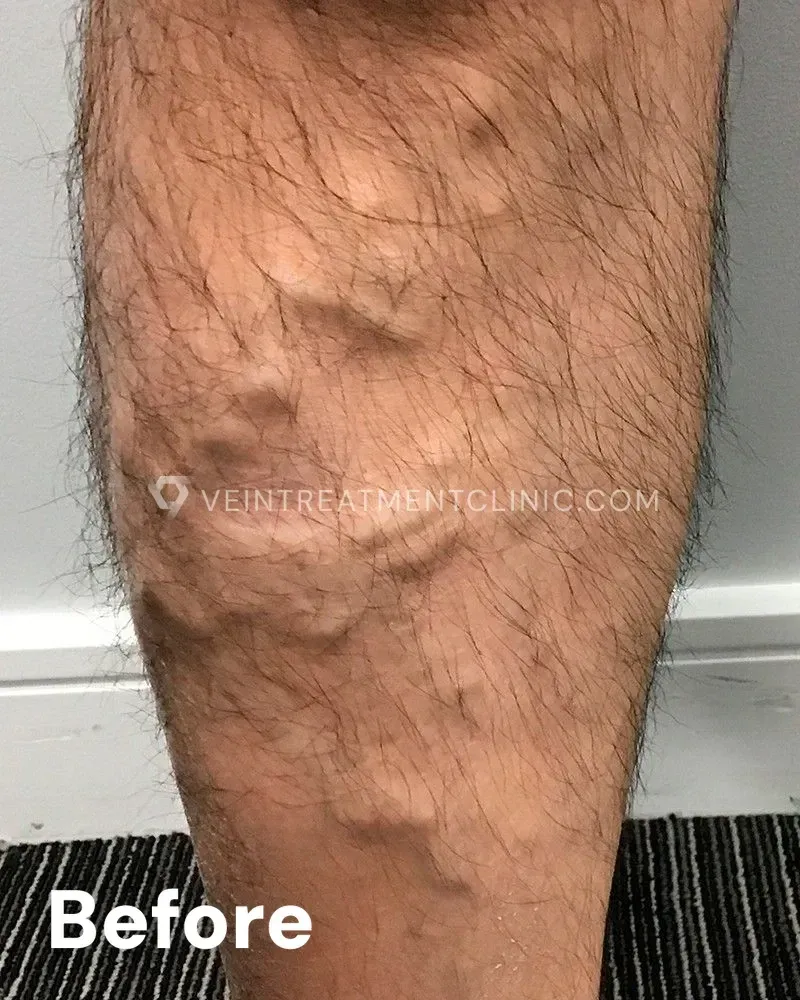
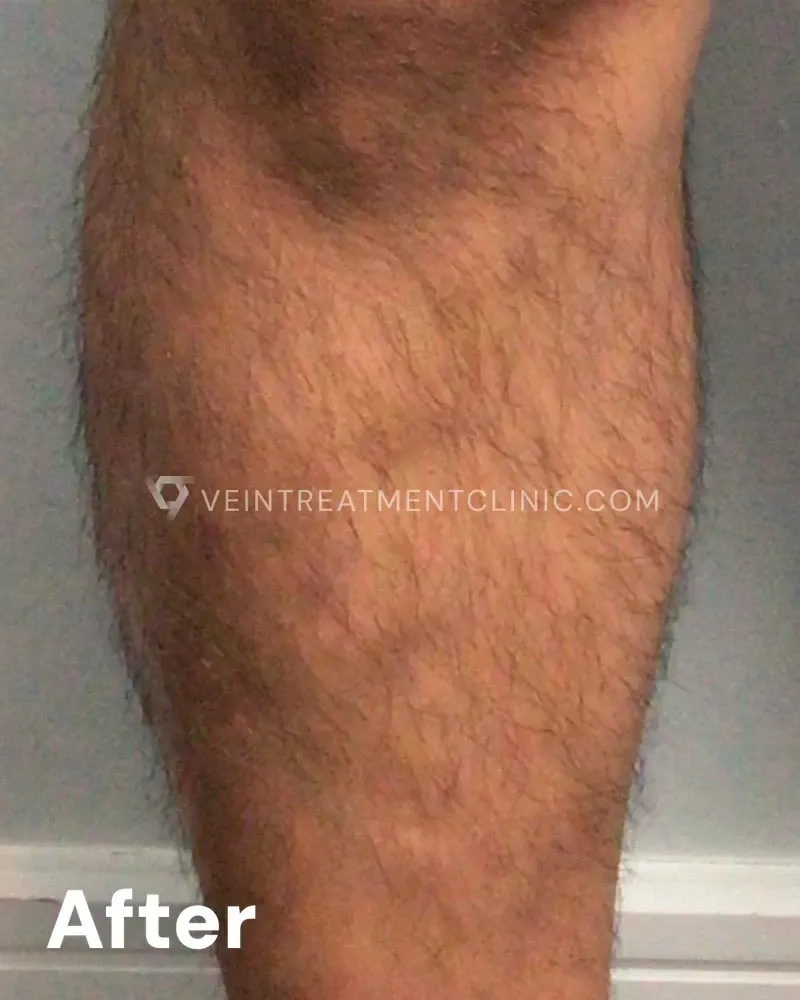
Male, treated for varicose veins on the calves with VeinVanish™, a customized treatment plan tailored to his condition. The after photo shows the treated areas appearing smoother with the varicose veins visibly reduced.
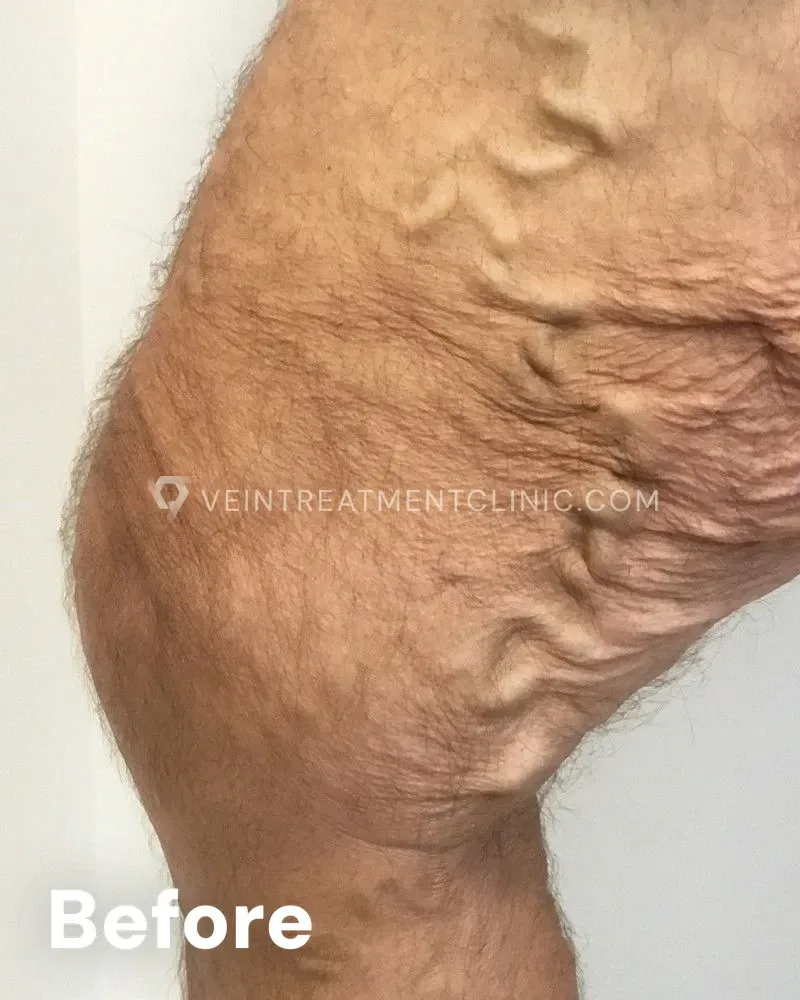
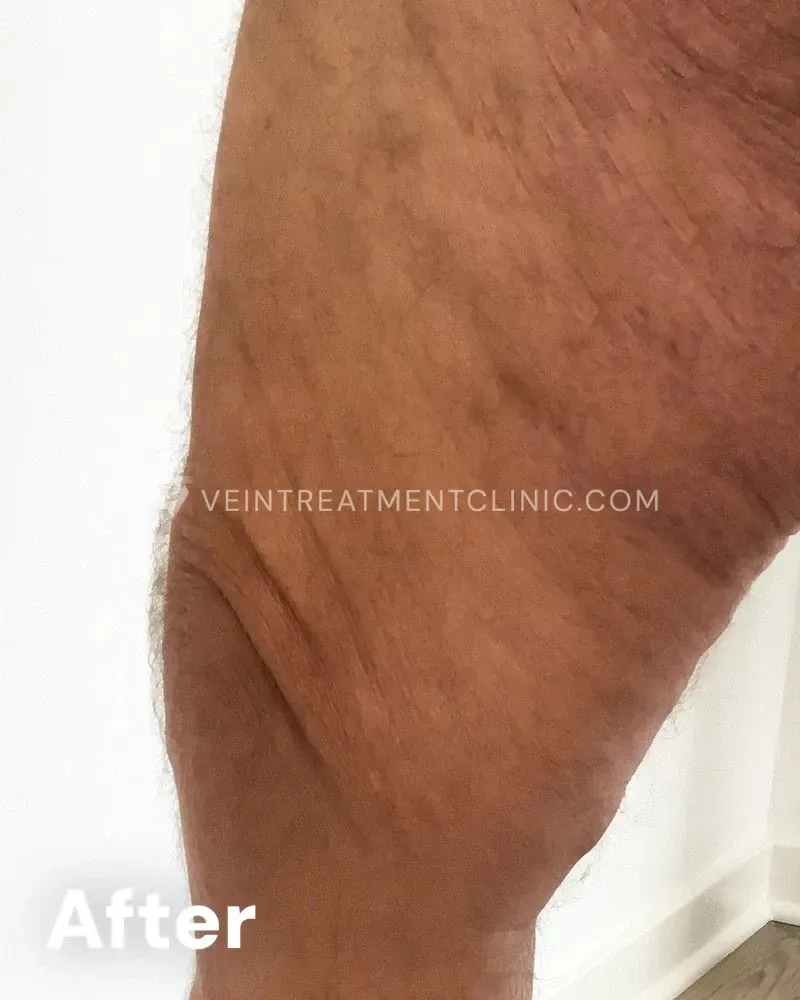
Male, treated for varicose veins on the thighs and knees with VeinVanish™, a customized treatment plan tailored to his condition. The after photo shows the thighs and knees with a smoother-looking appearance.
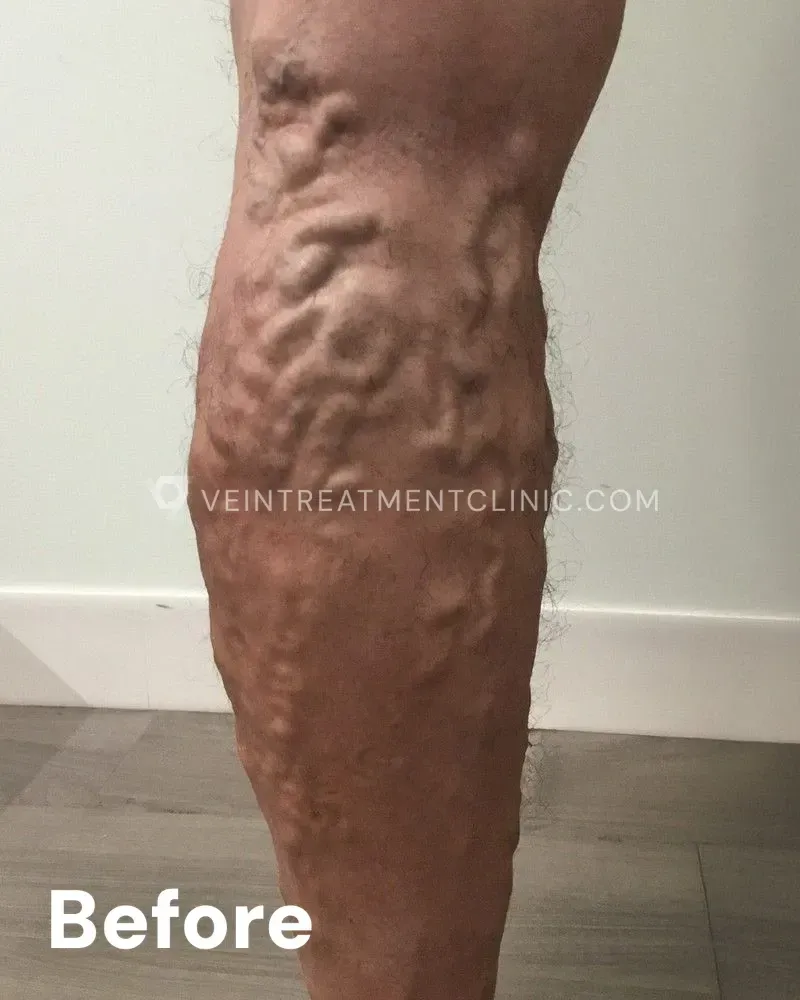
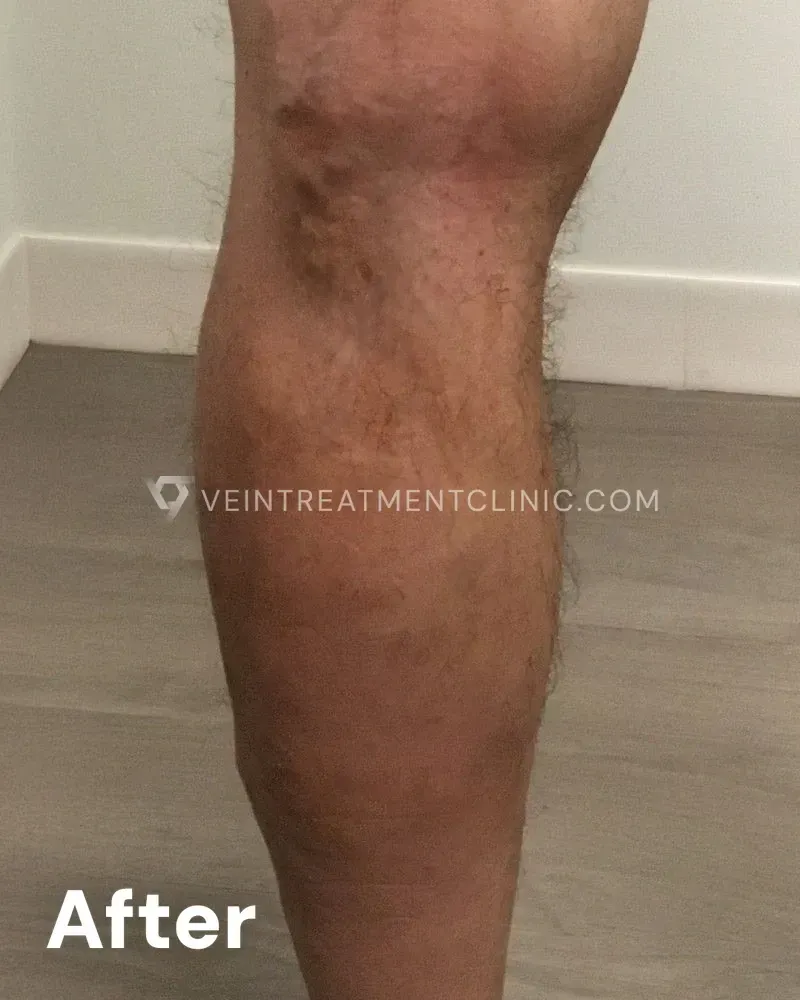
Male, treated for varicose veins on the calves and knees with VeinVanish™, a customized treatment plan tailored to his condition. The after photo shows the affected areas appearing smoother-looking with the varicose veins visibly reduced.
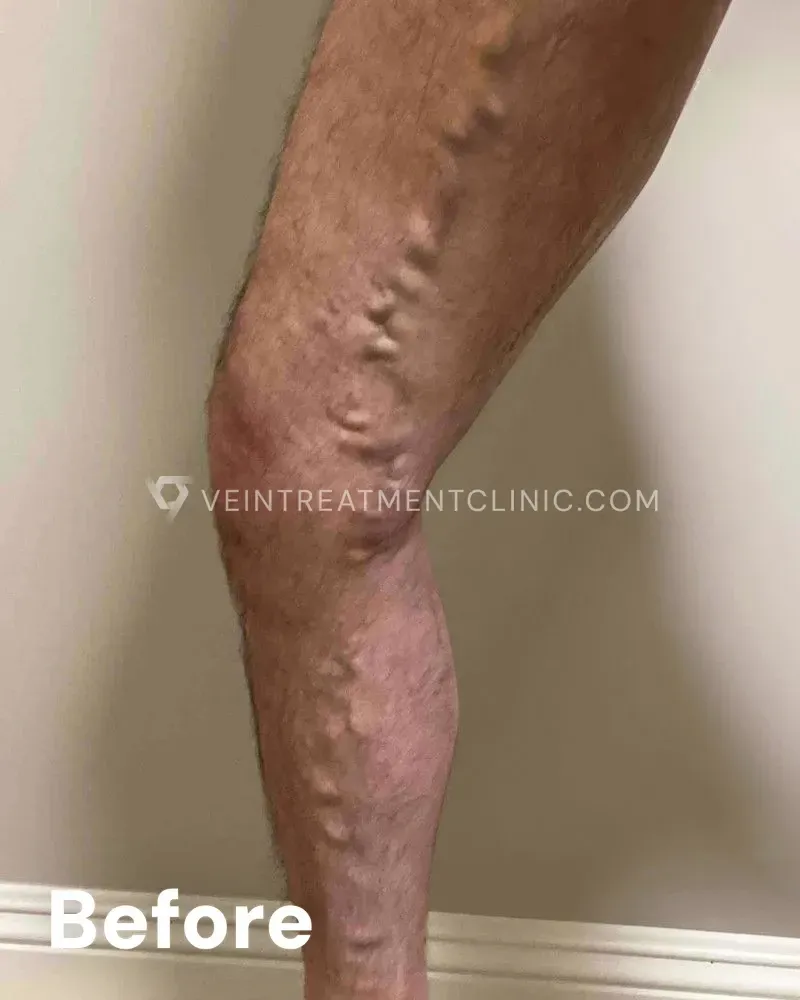
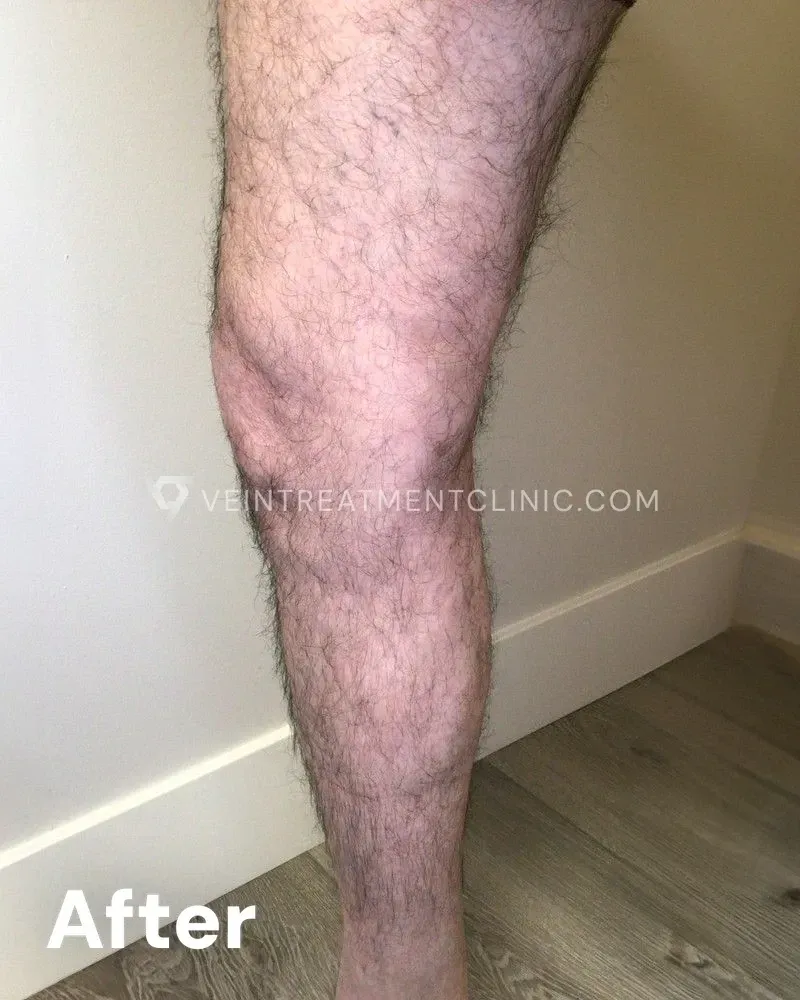
Male, treated for varicose veins on the thighs, calves, and knees with VeinVanish™, a customized treatment plan tailored to his condition. The after photo shows smoother-looking legs with the varicose veins visibly reduced across the treated areas.
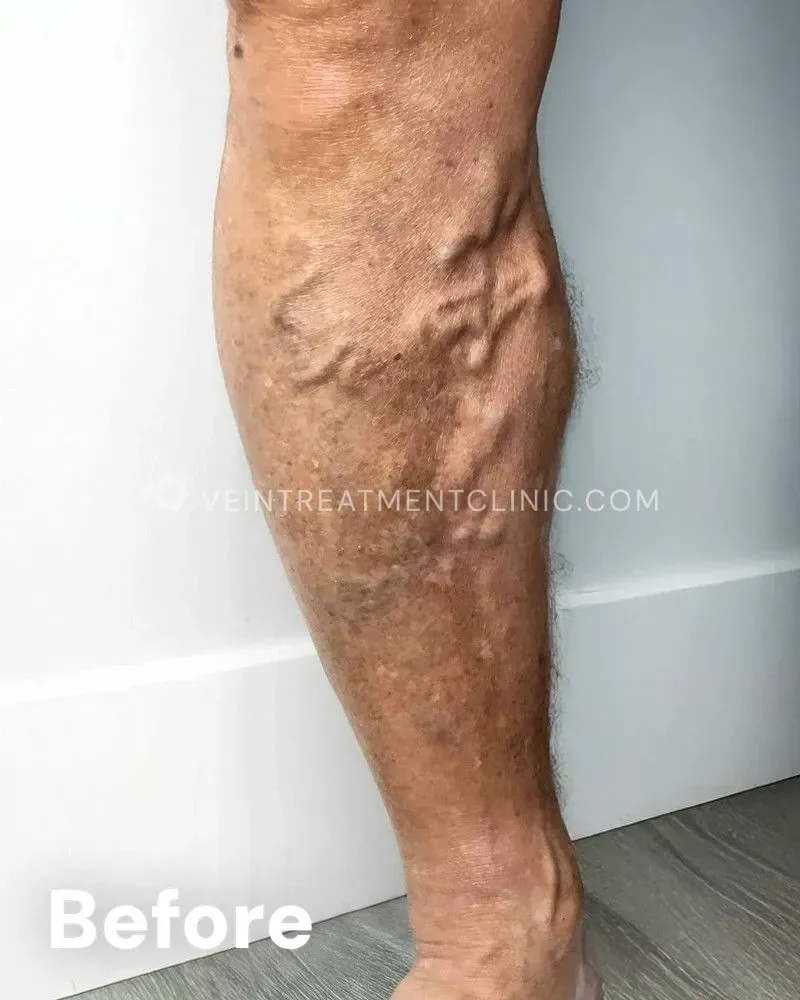
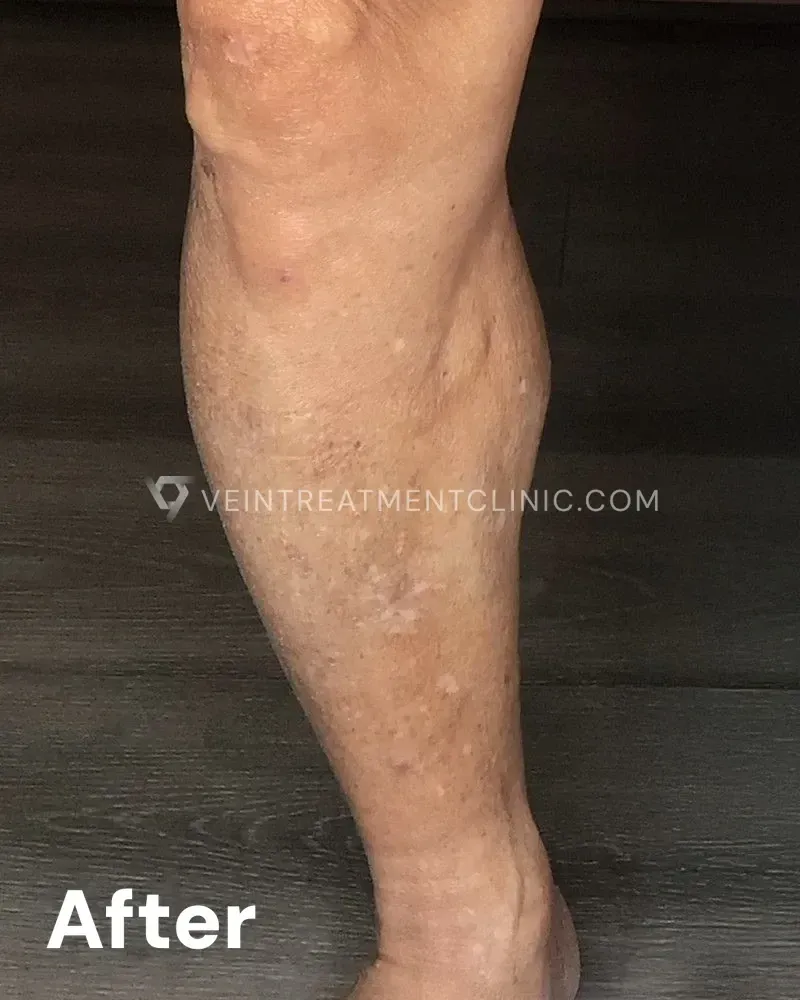
Male, treated for varicose veins on the calves and thighs with VeinVanish™, a customized treatment plan tailored to his condition. The after photo shows the legs appearing smoother-looking with the varicose veins visibly reduced.
When leg swelling may signal chronic venous insufficiency?
Persistent swelling, skin discoloration, itching, or thickening near the ankles are classic signs of chronic venous insufficiency.
These symptoms often progress if untreated.
Does This Sound Like You? Identify the Warning Signs Before They Progress
Other causes of leg swelling (and why veins are still evaluated)
Leg swelling can also be related to heart, kidney, medication, or lymphatic issues.
A vein evaluation helps rule in or rule out venous causes as part of a complete assessment.
How leg swelling is evaluated?
Evaluation often includes a physical exam and ultrasound to assess blood flow and valve function.
This helps determine whether swelling is vein-related and guides treatment decisions.