

Table of contents

Get treated by vein treatment industry leaders
Symptoms of Vein Disease: What Patients Notice and When It Matters

Medically verified
Last updated on 1/29/2026

By Dr. Michael Nguyen
Vein Doctor at Vein Treatment Clinic
Harvard Medical School
Board Certified by the American Board of Venous and Lymphatic Medicine
Vein disease symptoms often develop gradually and may be mistaken for normal fatigue, aging, or circulation issues. The early signs of venous insufficiency can be subtle, especially before veins become visibly enlarged.
Many patients describe their symptoms in different ways, such as leg swelling, heavy or tired legs, aching discomfort, itching, or visible bulging veins. Understanding these signs of venous insufficiency helps determine when symptoms may reflect chronic venous insufficiency rather than simple muscle strain.

This page explains the most common symptoms and signs of vein disease, how patients commonly describe them, and when it is worth getting a vein evaluation.
If you are unsure whether your symptoms are vein-related, a vein evaluation can help clarify the cause and what options make sense.
Leg swelling (especially ankles and lower legs)
Leg swelling is one of the most common symptoms of vein disease, especially around the ankles and lower legs. Swelling in the ankles and lower legs that worsens later in the day and improves with elevation is a classic pattern of venous insufficiency.
Persistent leg swelling from vein disease should not be ignored, even when large veins are not yet visible.
Legs Feeling Heavy or Tired? Check Your Symptoms for Vein Disease
Aching, throbbing, or painful legs
Many patients describe aching legs, throbbing, soreness, or painful legs that feel worse after standing or sitting for long periods.
This pattern can be a sign that blood is pooling and increasing pressure in the leg veins.
Does This Sound Like You? Check Your Symptoms
Heavy, tired, or fatigued legs
A common vein symptom is a heavy or tired feeling in the legs, especially at the end of the day.
Patients often assume this is normal aging or muscle fatigue, but it can be related to poor venous return.
Get the Facts on Chronic Venous Insufficiency. Read the Complete Guide
Symptom Checker
Restless legs, cramping, or nighttime leg discomfort
Some patients experience restless legs, including an urge to move the legs, cramping, or nighttime discomfort. In certain cases, these symptoms may be associated with venous insufficiency.
While restless legs can have multiple causes, venous reflux is one possible contributor when symptoms occur alongside other vein disease signs.
Think You Have Vein Disease? Schedule a Professional Evaluation
Itching, burning, or irritated skin on the legs
Itching, burning, or skin irritation near visible veins can occur, even when the veins look small.
Spider veins are often cosmetic, but some patients do report burning, itching, or discomfort, especially in the legs.
Does This Sound Like You? Check Your Symptoms
Skin color or texture changes near the ankles
Skin discoloration near the ankles may appear as darkening, brown patches, thickening, or tight, itchy skin, often due to long-standing venous insufficiency.
These changes are signs of long standing vein pressure and represent more advanced chronic venous insufficiency symptoms.
Does This Sound Like You? Check Your Symptoms
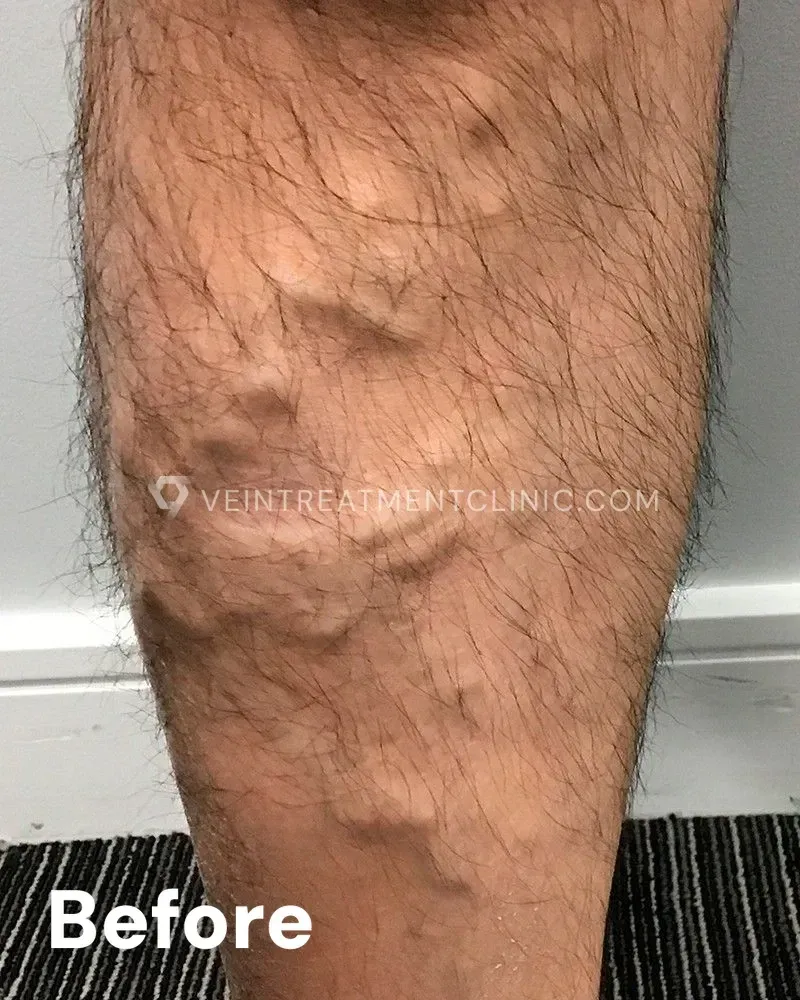
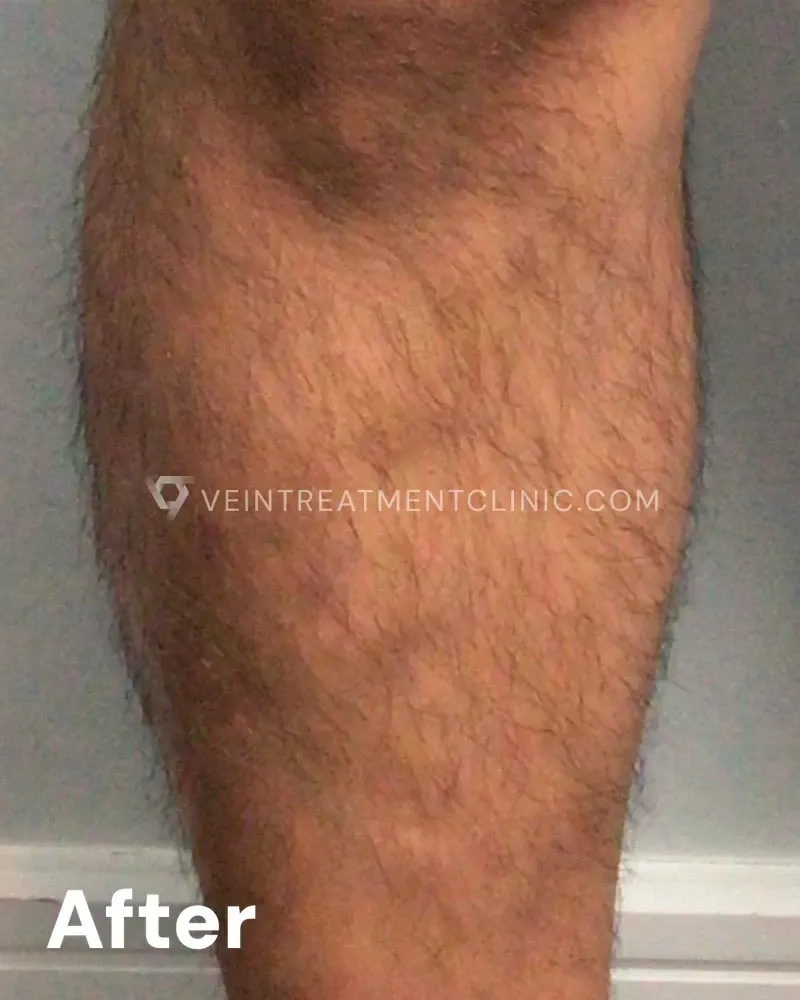
Male, treated for varicose veins on the calves with VeinVanish™, a customized treatment plan tailored to his condition. The after photo shows the treated areas appearing smoother with the varicose veins visibly reduced.
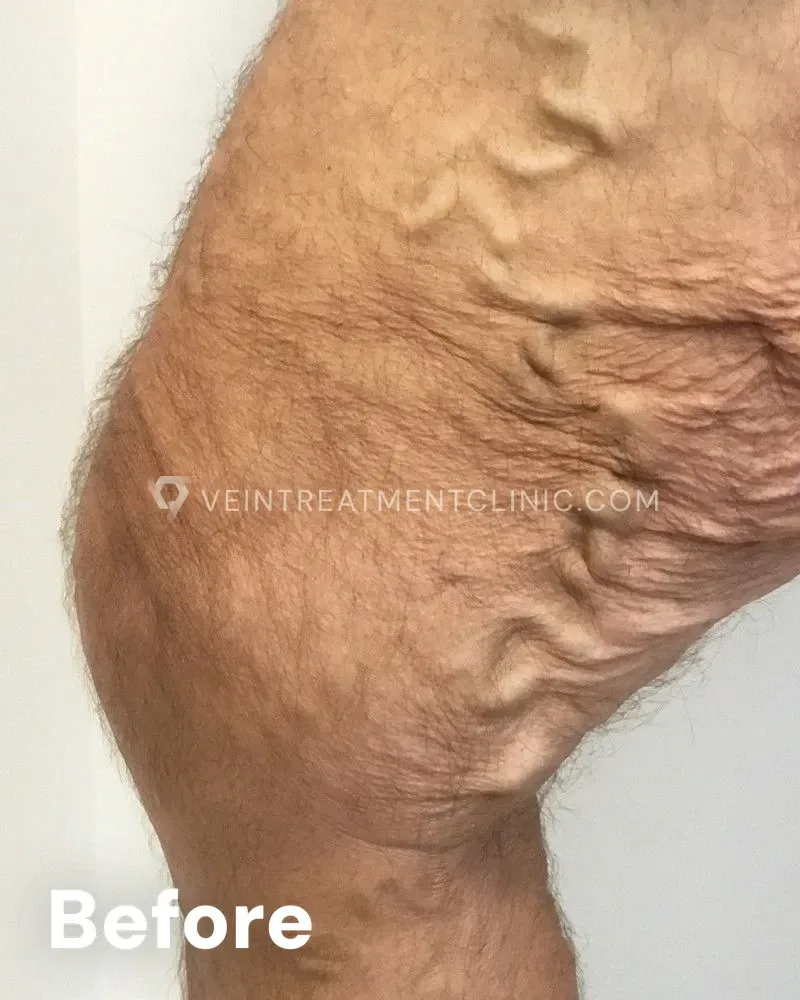
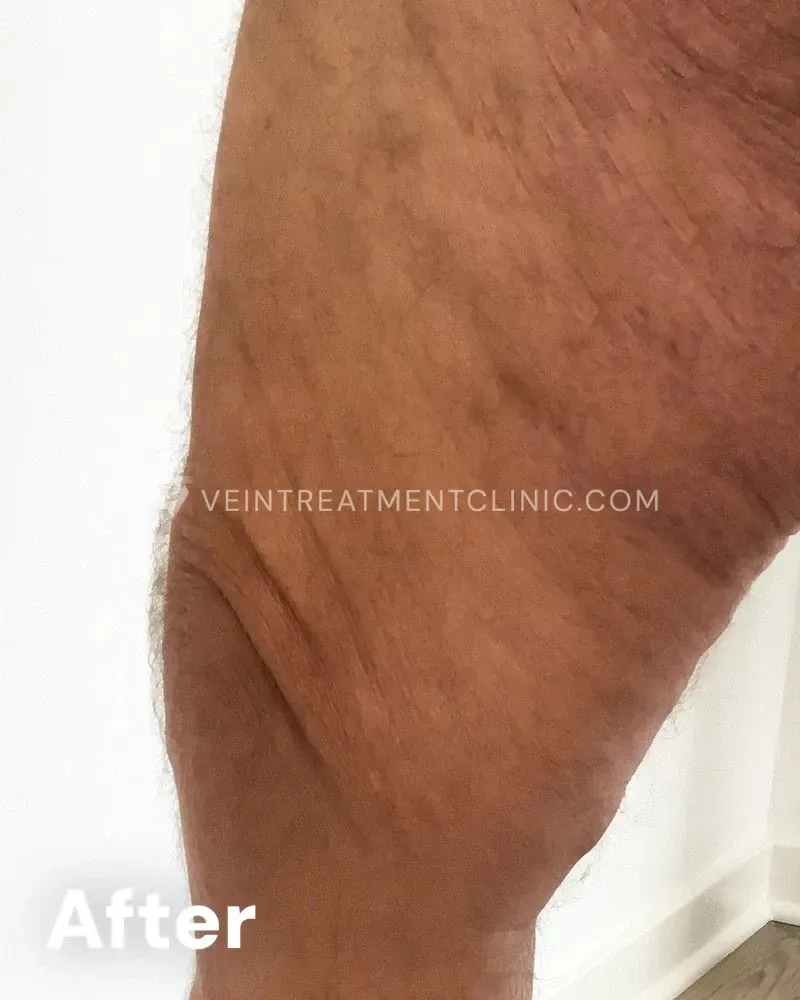
Male, treated for varicose veins on the thighs and knees with VeinVanish™, a customized treatment plan tailored to his condition. The after photo shows the thighs and knees with a smoother-looking appearance.
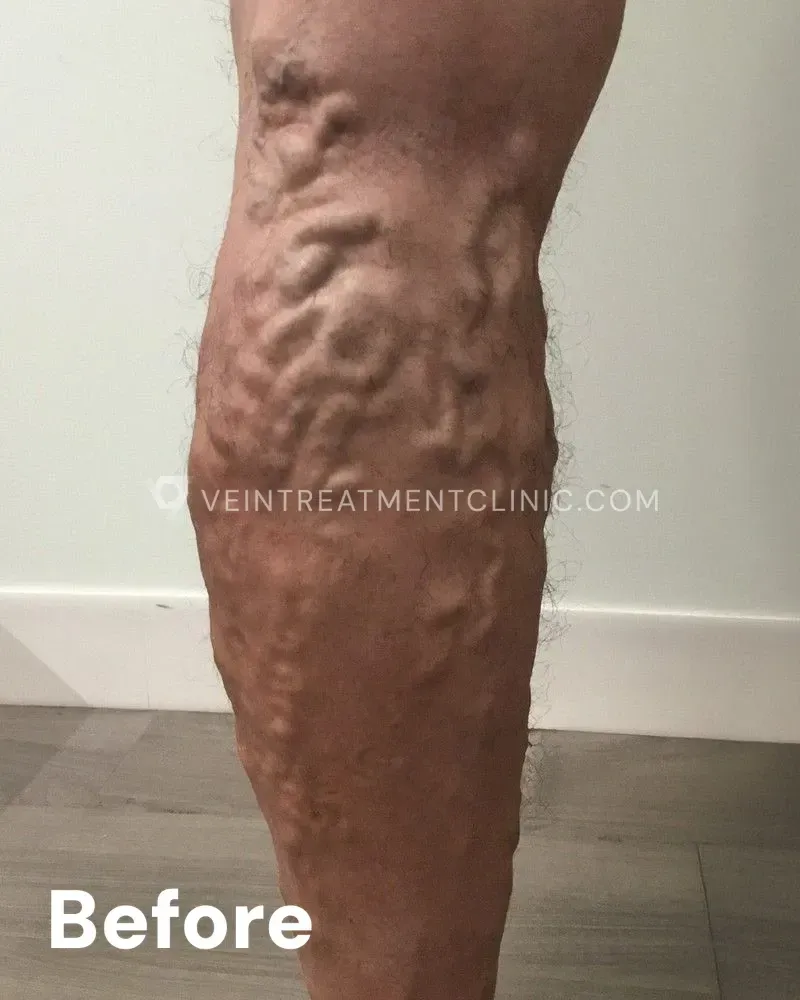
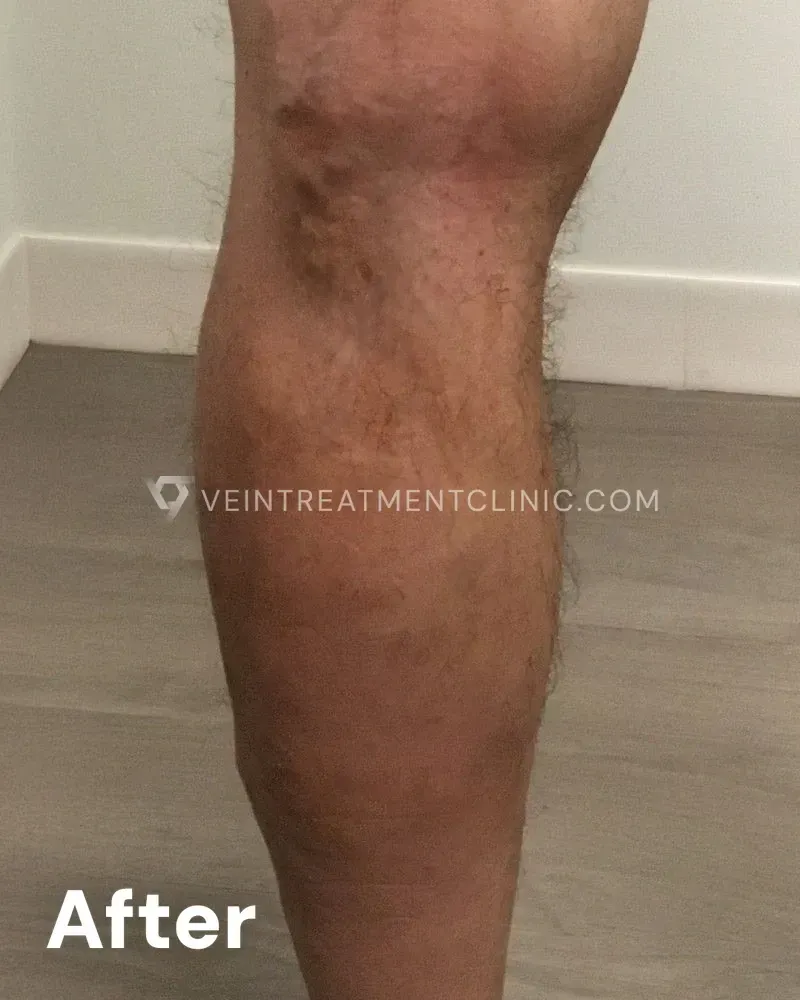
Male, treated for varicose veins on the calves and knees with VeinVanish™, a customized treatment plan tailored to his condition. The after photo shows the affected areas appearing smoother-looking with the varicose veins visibly reduced.
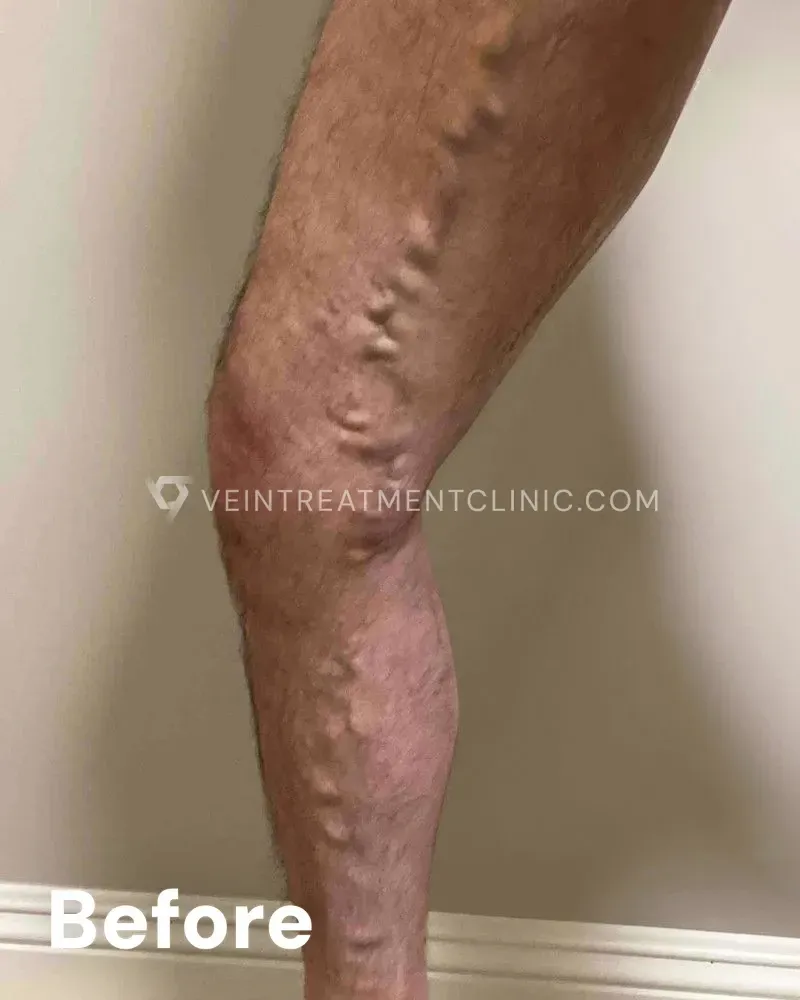
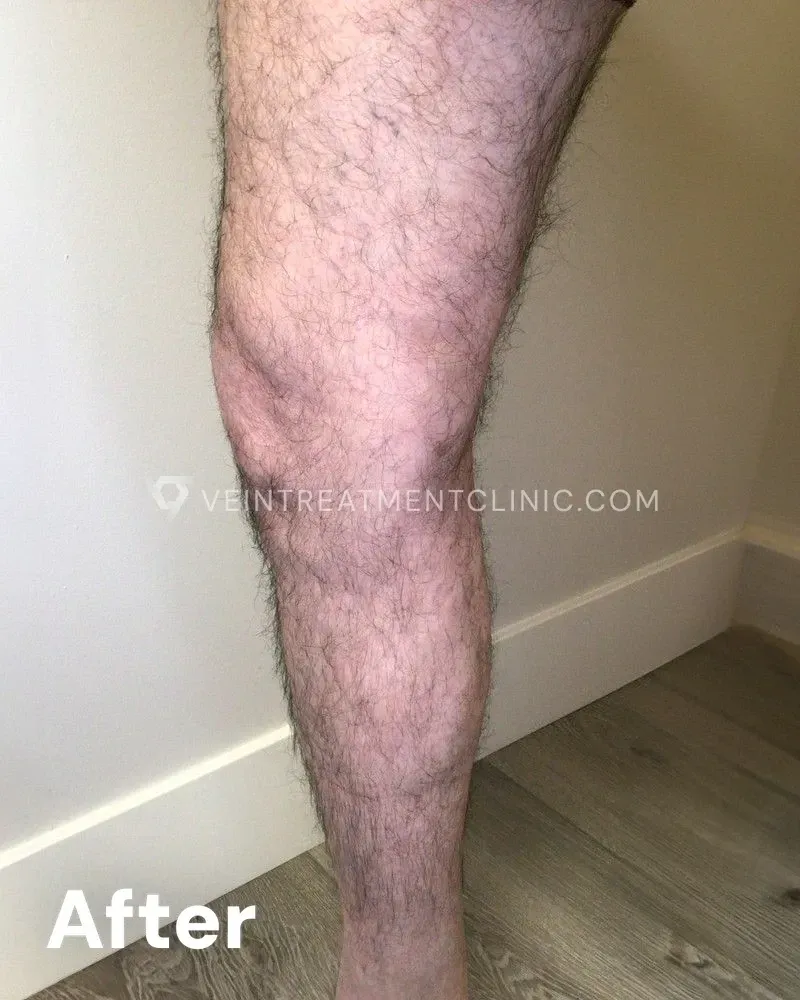
Male, treated for varicose veins on the thighs, calves, and knees with VeinVanish™, a customized treatment plan tailored to his condition. The after photo shows smoother-looking legs with the varicose veins visibly reduced across the treated areas.
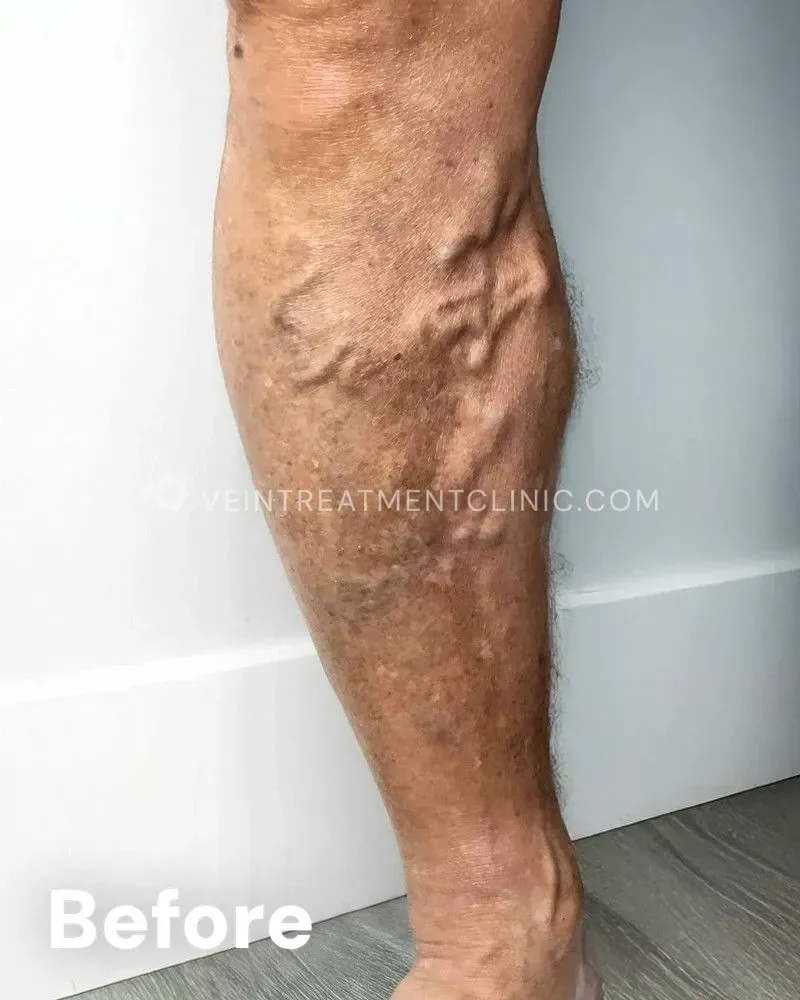
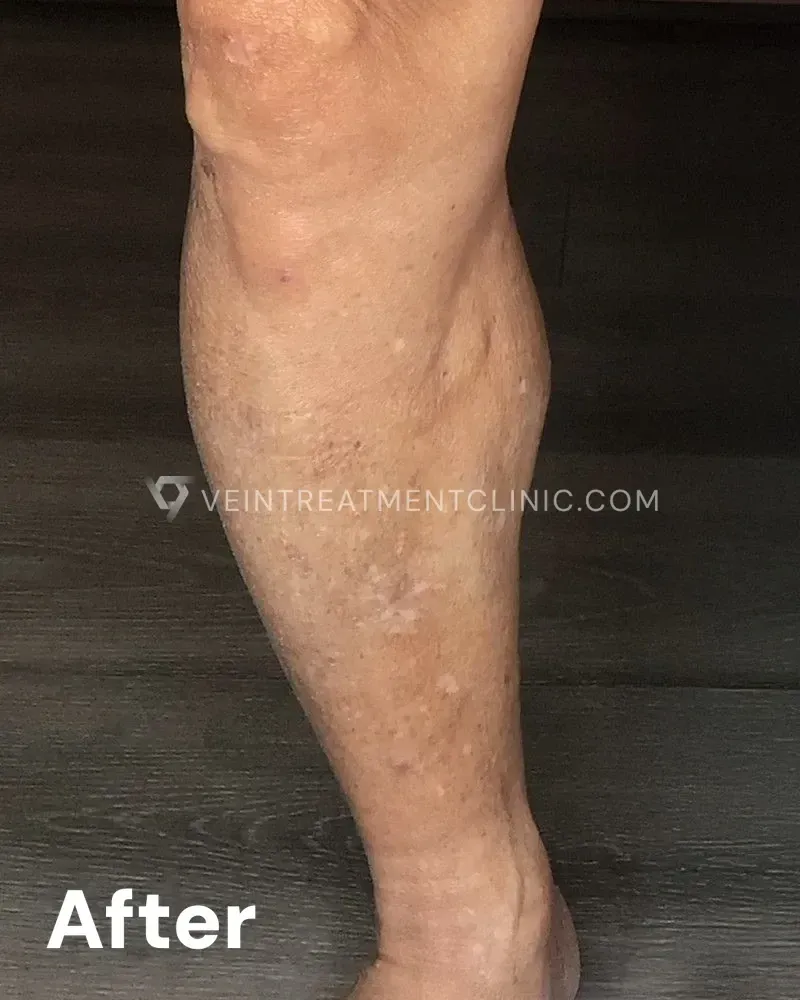
Male, treated for varicose veins on the calves and thighs with VeinVanish™, a customized treatment plan tailored to his condition. The after photo shows the legs appearing smoother-looking with the varicose veins visibly reduced.
Visible leg veins, bulging veins, or “rope-like” veins
Many patients start with appearance concerns: visible leg veins, bulging leg veins, or enlarged veins that look twisted.
Visible veins can be cosmetic, medical, or both. Symptoms and ultrasound findings help determine whether there is underlying vein disease.
Small Spiders or Bulging Veins? Learn to Know the Difference
Open sores or wounds near the ankles
Slow-healing wounds or ulcers near the ankles can occur in advanced venous disease.
This is a strong sign that evaluation is needed, because ongoing vein pressure can make healing difficult without addressing the underlying problem.
Understand Your Veins – See How Your Flow Changes
Do symptoms always match how veins look?
No. Some patients have noticeable symptoms with only mild visible veins, while others have prominent veins with minimal discomfort.
That is why an ultrasound-based evaluation matters, because it shows how blood is flowing beneath the surface.
Get a Peek Inside Your Veins—Book Your Ultrasound Evaluation.
When should symptoms prompt a vein evaluation?
A vein evaluation is worth considering when symptoms are persistent, worsening, or affecting daily activities, especially if they follow patterns like worse after standing and better with elevation.
Early evaluation helps clarify whether symptoms are vein-related and whether treatment is medically appropriate or optional.