

Table of contents

Get treated by vein treatment industry leaders
Venous Ulcers (Varicose Ulcers): What They Are and How They Heal

Medically verified
Last updated on 1/29/2026

By Dr. Michael Nguyen
Vein Doctor at Vein Treatment Clinic
Harvard Medical School
Board Certified by the American Board of Venous and Lymphatic Medicine
A venous leg ulcer, also known as a venous stasis ulcer or varicose vein ulcer, is a non-healing wound that typically develops near the ankle due to poor circulation caused by chronic vein disease.
Patients often describe this as a non healing leg ulcer or a leg ulcer from poor circulation. Venous leg ulcers usually appear near the ankle when blood pools and pressure damages the skin.
When blood does not flow properly back to the heart, pressure builds up in the leg veins. Over time, this increased pressure damages the skin and can lead to a leg ulcer that does not heal with standard wound care alone.

Healing is possible by treating the underlying vein disease through modern, non-surgical procedures that restore healthy circulation.
If you’re experiencing ongoing leg symptoms and aren’t sure why, a vein evaluation can help determine whether a venous ulcer is the cause.
What is a venous ulcer or varicose ulcer?
A venous ulcer, also called a varicose ulcer, is an open sore that develops on the lower leg due to long-standing vein disease. These ulcers most commonly appear near the ankles and are caused by poor blood flow returning from the legs to the heart.
Unlike cuts or injuries that heal on their own, venous ulcers form because the skin and tissue have been damaged over time by chronic pressure and inflammation from underlying vein problems.
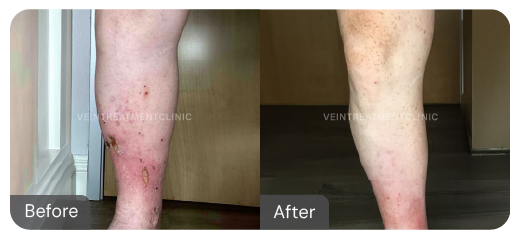
Venous Ulcer before and after treatment pictures.
Results may vary according to each case.
Venous Ulcer before and after treatment pictures.
Results may vary according to each case.
Why do venous ulcers develop?
Venous ulcers develop when vein valves fail and allow blood to pool in the lower legs, a condition known as chronic venous insufficiency. This pooling increases pressure in the veins and surrounding tissue.
Over time, the high pressure reduces oxygen and nutrient delivery to the skin, making it fragile and prone to breakdown. Even minor trauma can then lead to an ulcer that struggles to heal.
What do venous ulcers look like?
Venous ulcers typically appear as shallow, irregularly shaped open sores near the ankle, often on the inner side of the leg. The surrounding skin may look darkened, thickened, swollen, or inflamed. These ulcers commonly appear near the inner ankle and are considered a form of venous stasis ulcer associated with advanced vein disease.
These ulcers may ooze fluid, feel tender, or be slow to heal despite basic wound care. Skin changes around the ulcer often indicate long-standing vein disease.
Symptom Checker
Are venous ulcers dangerous?
Venous ulcers are not immediately life-threatening, but they are a serious complication of vein disease. Without proper treatment, they can persist for months or even years.
Complications can include infection, bleeding, pain, and significant impact on mobility and quality of life.
Why venous ulcers do not heal easily on their own?
Because the underlying problem is poor circulation, venous ulcers often do not heal with topical treatments alone. Even if the skin begins to close, high vein pressure can cause the ulcer to reopen.
Healing usually requires addressing the underlying vein disease that caused the ulcer in the first place.
Stop the Stagnation—Learn How to Restore Healthy Circulation
What symptoms often occur with venous ulcers?
Patients with venous ulcers often experience leg swelling, heaviness, aching, itching, and skin discoloration before the ulcer develops.
These symptoms usually worsen over time and are signs that vein disease has been progressing.
Does This Sound Like You? Identify the Warning Signs Before They Progress
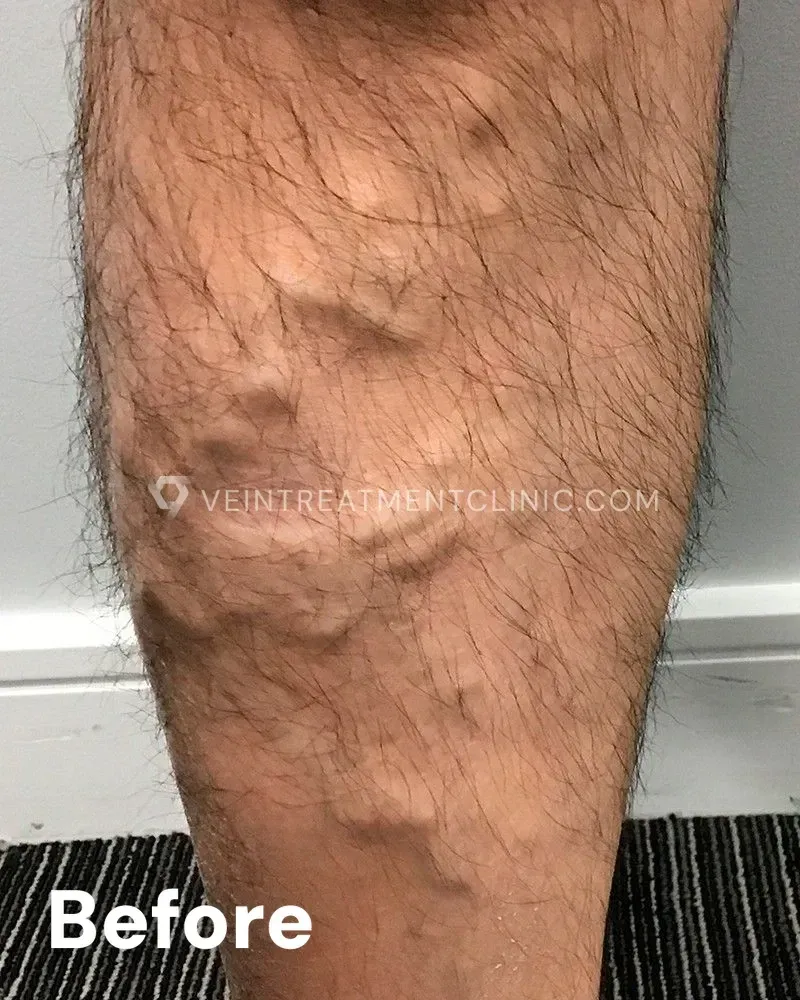
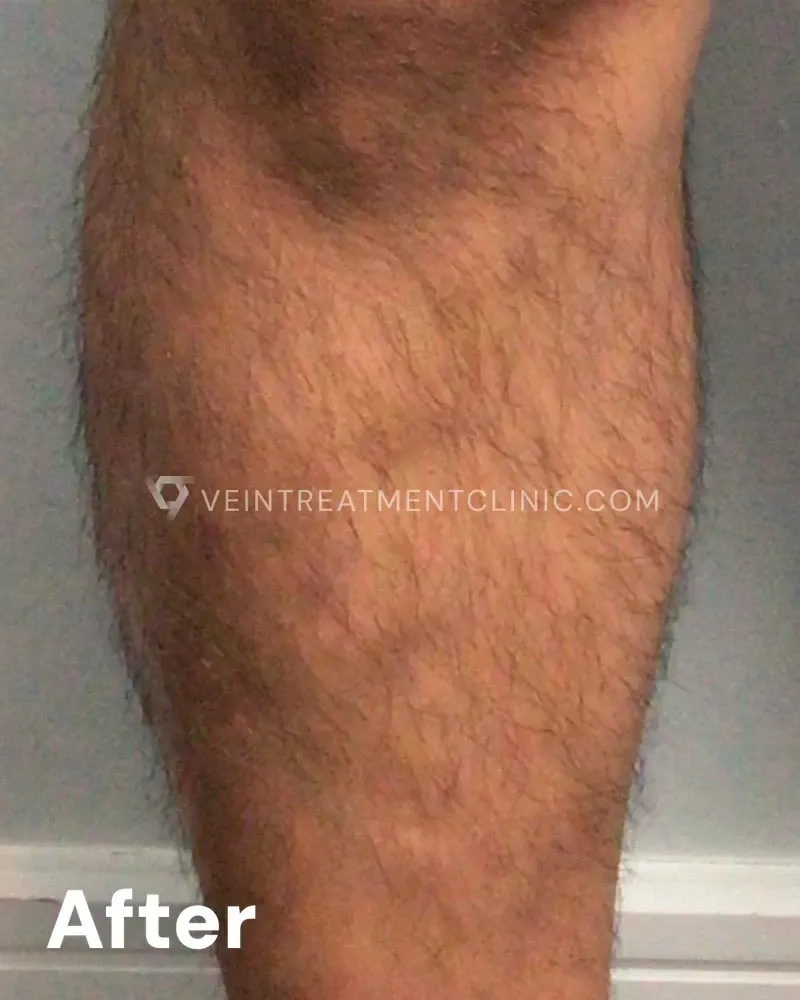
Male, treated for varicose veins on the calves with VeinVanish™, a customized treatment plan tailored to his condition. The after photo shows the treated areas appearing smoother with the varicose veins visibly reduced.
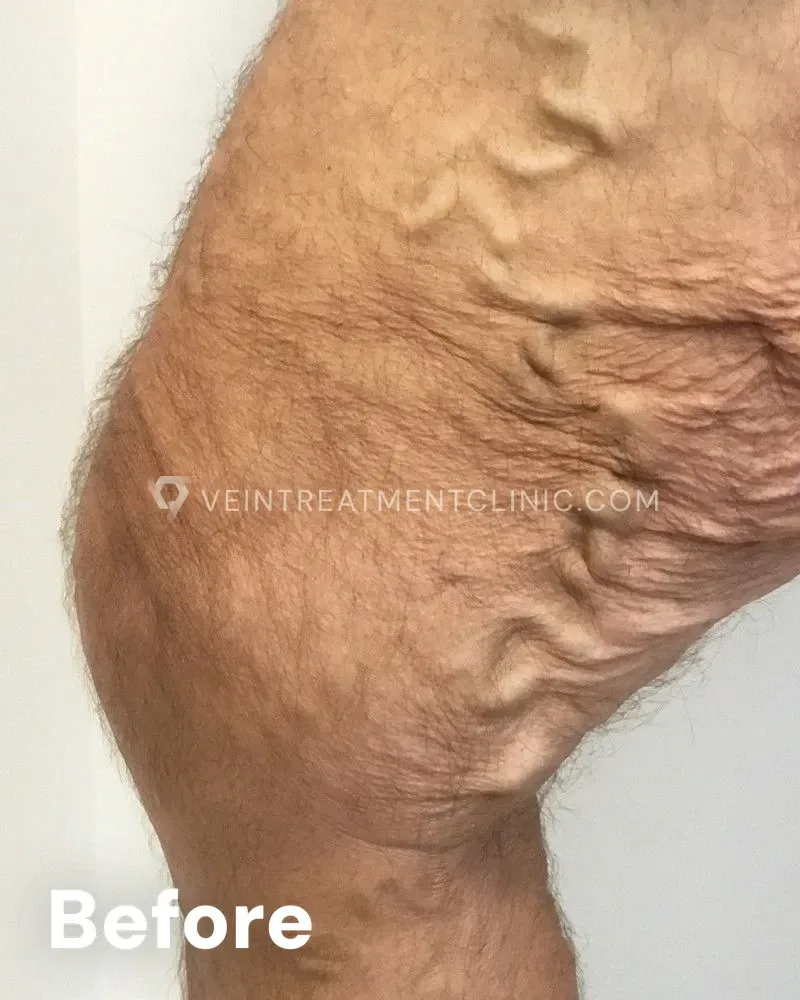
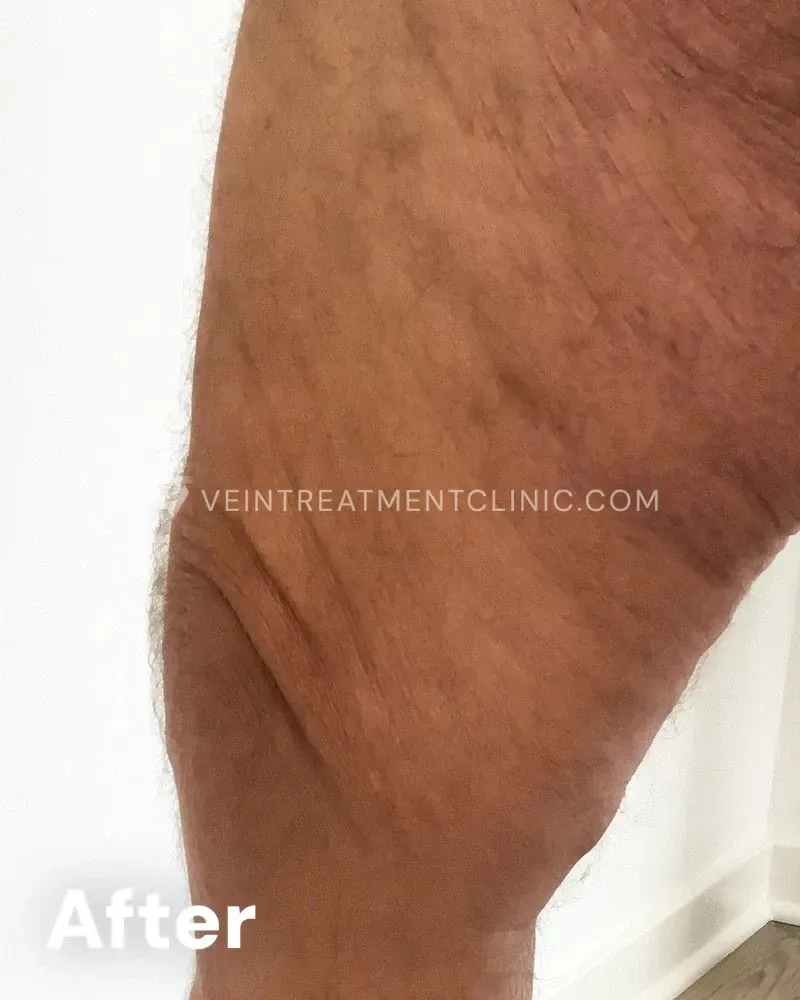
Male, treated for varicose veins on the thighs and knees with VeinVanish™, a customized treatment plan tailored to his condition. The after photo shows the thighs and knees with a smoother-looking appearance.
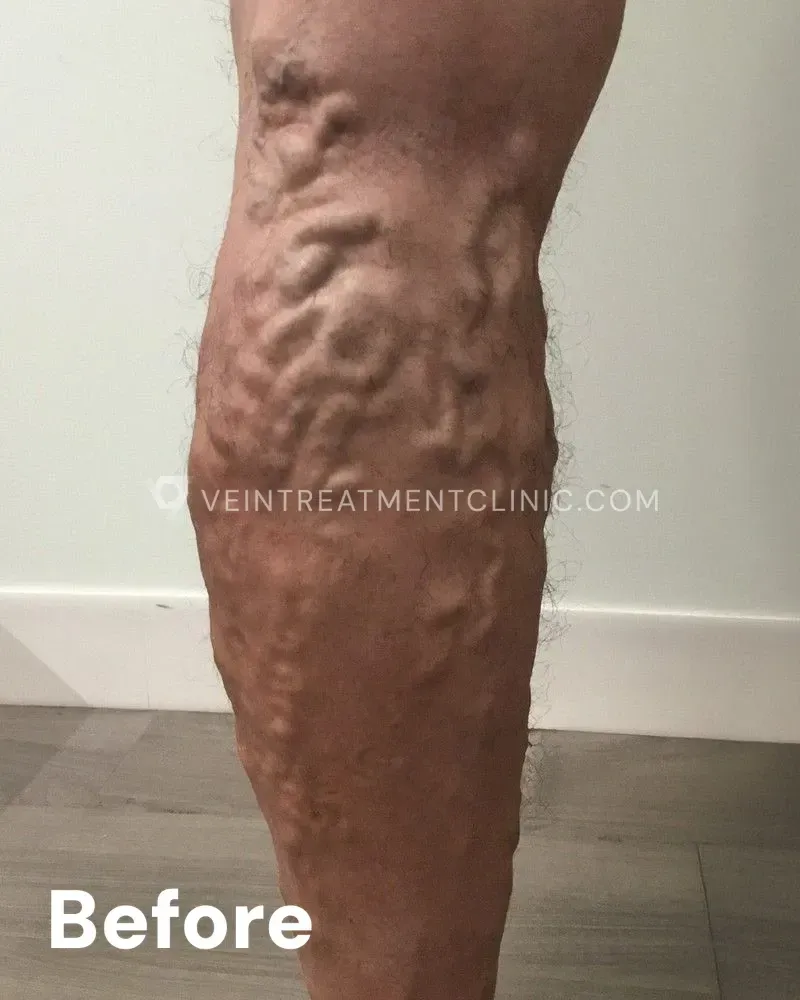
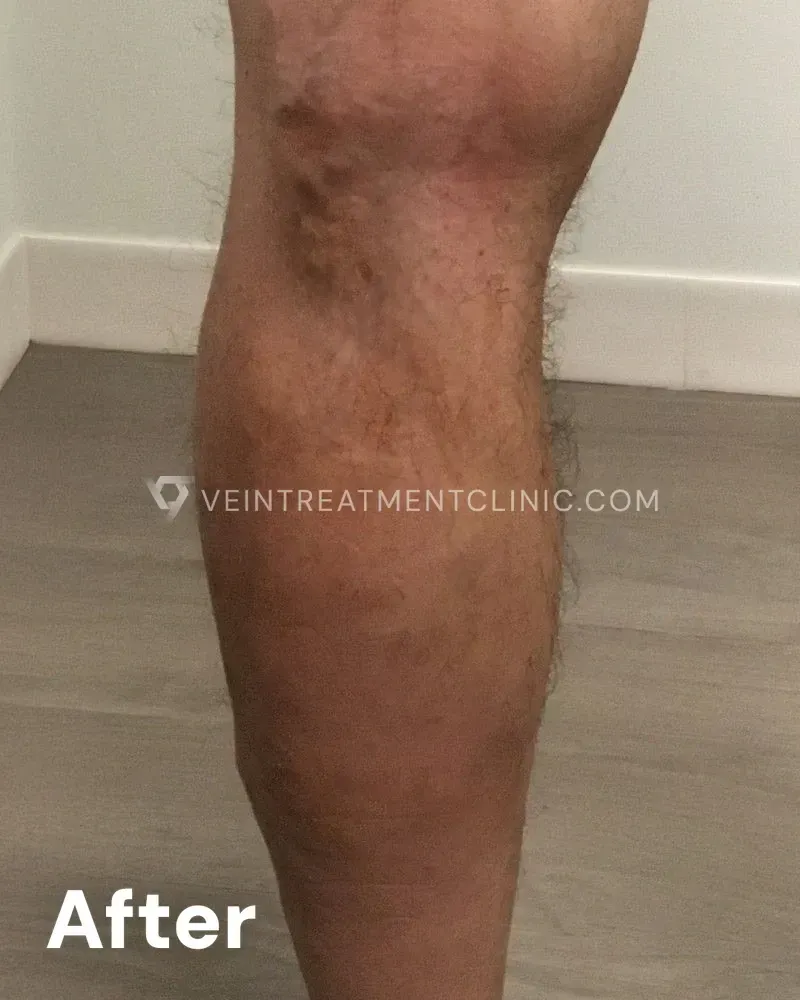
Male, treated for varicose veins on the calves and knees with VeinVanish™, a customized treatment plan tailored to his condition. The after photo shows the affected areas appearing smoother-looking with the varicose veins visibly reduced.
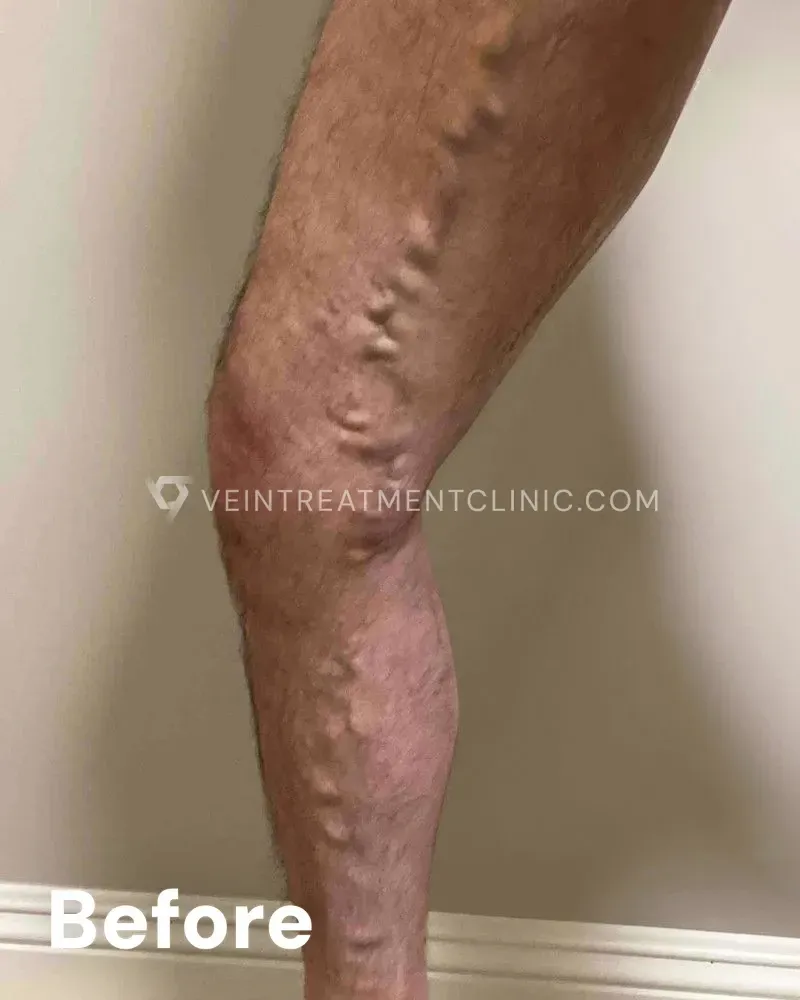
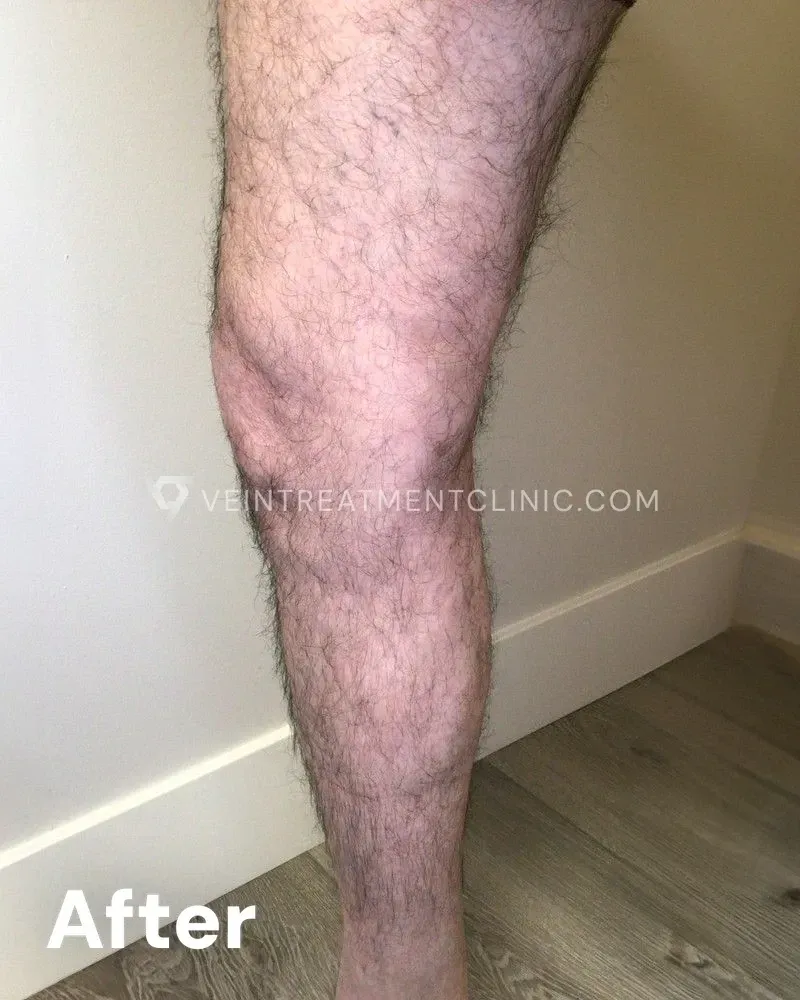
Male, treated for varicose veins on the thighs, calves, and knees with VeinVanish™, a customized treatment plan tailored to his condition. The after photo shows smoother-looking legs with the varicose veins visibly reduced across the treated areas.
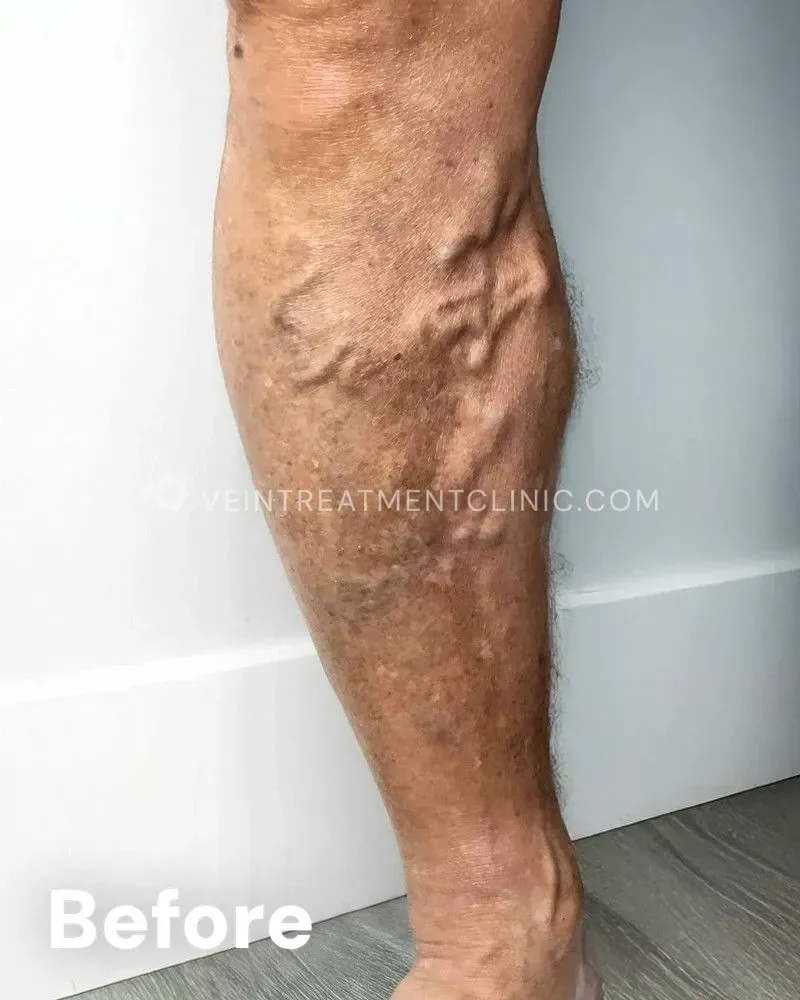
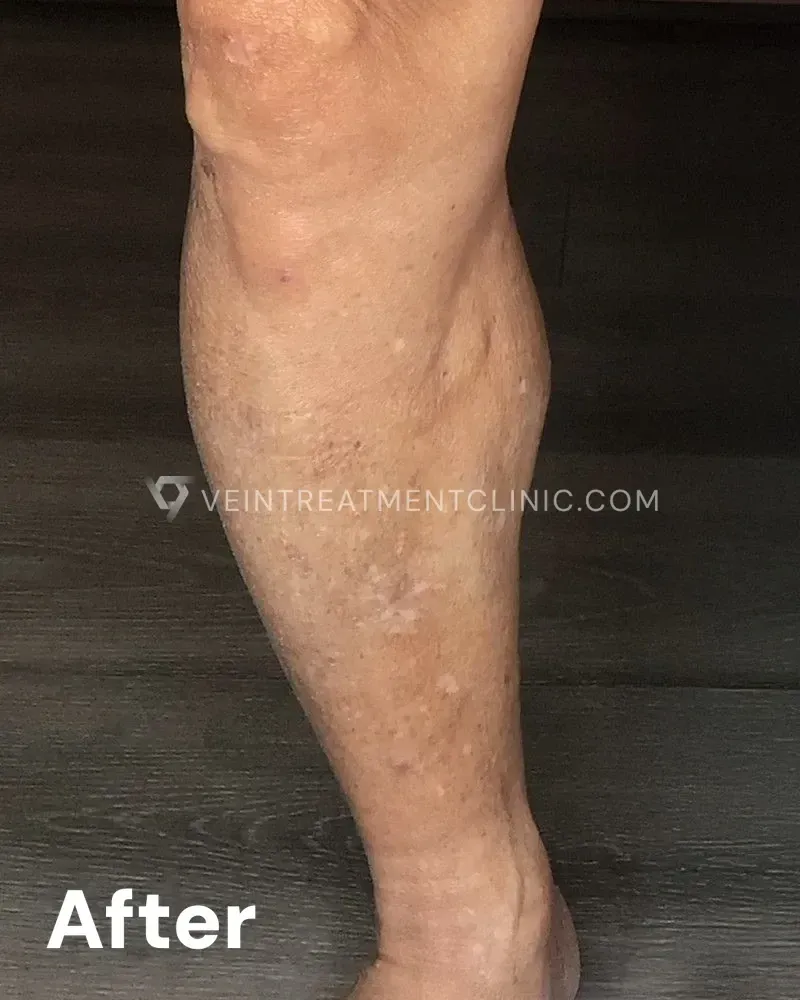
Male, treated for varicose veins on the calves and thighs with VeinVanish™, a customized treatment plan tailored to his condition. The after photo shows the legs appearing smoother-looking with the varicose veins visibly reduced.
How are venous ulcers diagnosed?
Diagnosis includes examining the ulcer and surrounding skin, reviewing symptoms, and evaluating circulation in the leg veins.
A vein evaluation with ultrasound helps identify valve failure, reflux, and areas of increased pressure that are preventing healing.
Get a Peek Inside Your Veins—Book Your Ultrasound Evaluation.
What treatments help venous ulcers heal?
Effective treatment focuses on reducing vein pressure and improving blood flow out of the leg. This allows the skin to receive better oxygen and nutrients needed for healing.
Modern vein treatments are often non-surgical and performed in an outpatient setting, targeting the underlying cause rather than just the wound.
Can treating vein disease prevent ulcers from returning?
Yes. Treating the underlying vein disease significantly reduces the risk of ulcer recurrence.
Without addressing vein valve failure, ulcers often return even after they initially heal.
Find Out Why They Don’t Self-Correct
When should you see a vein specialist for a leg ulcer?
You should see a vein specialist if you have a leg ulcer that is slow to heal, recurring, or associated with swelling and skin changes.
Early evaluation improves healing outcomes and helps prevent long-term complications.