

Table of contents

Get treated by vein treatment industry leaders
How Much Does Vein Treatment Cost, and Is It Covered by Insurance?

Medically verified
Last updated on 1/29/2026

By Dr. Michael Nguyen
Vein Doctor at Vein Treatment Clinic
Harvard Medical School
Board Certified by the American Board of Venous and Lymphatic Medicine
Cost and insurance coverage are among the most common questions patients have when considering vein treatment.
Vein treatment costs can vary significantly depending on the condition being treated, the procedures involved, and whether treatment is considered medical or cosmetic.
Does insurance cover vein treatment? Watch this video to learn about vein disease treatment costs and whether your insurance plan might cover them.

This page explains how vein treatment pricing works, what influences cost, and when insurance may help cover treatment.
If you’re unsure how much vein treatment may cost or whether insurance applies, a vein evaluation can help clarify your options.
How much does vein treatment typically cost?
The cost of vein treatment depends on the type of vein disease, the number of veins treated, and the procedures required.
Because vein disease varies widely, pricing is individualized rather than one flat fee.
What factors influence the cost of vein treatment?
Several factors affect cost, including:
- Type of treatment used
- Number of veins treated
- Whether ultrasound evaluation is required
- Number of treatment sessions
- Whether treatment is medical or cosmetic
These factors determine both the complexity of care and the total cost.
Symptom Checker
Is vein treatment covered by insurance?
Insurance coverage depends on whether vein treatment is considered medically necessary.
When symptoms such as pain, swelling, skin changes, or ulceration are present and documented, insurance often covers part or all of treatment.
What makes vein treatment medically necessary?
Medical necessity is usually based on documented symptoms, physical exam findings, and ultrasound evidence of vein dysfunction.
Insurance plans often require proof of venous reflux or chronic venous insufficiency.
Get a Peek Inside Your Veins—Book Your Ultrasound Evaluation.
When is vein treatment considered cosmetic?
Vein treatment is considered cosmetic when veins cause no symptoms and treatment is done solely for appearance.
Cosmetic treatments are typically not covered by insurance.
Does insurance cover varicose vein treatment?
Varicose vein treatment is often covered when symptoms and ultrasound findings meet insurance criteria.
Coverage varies by plan and may require prior authorization.
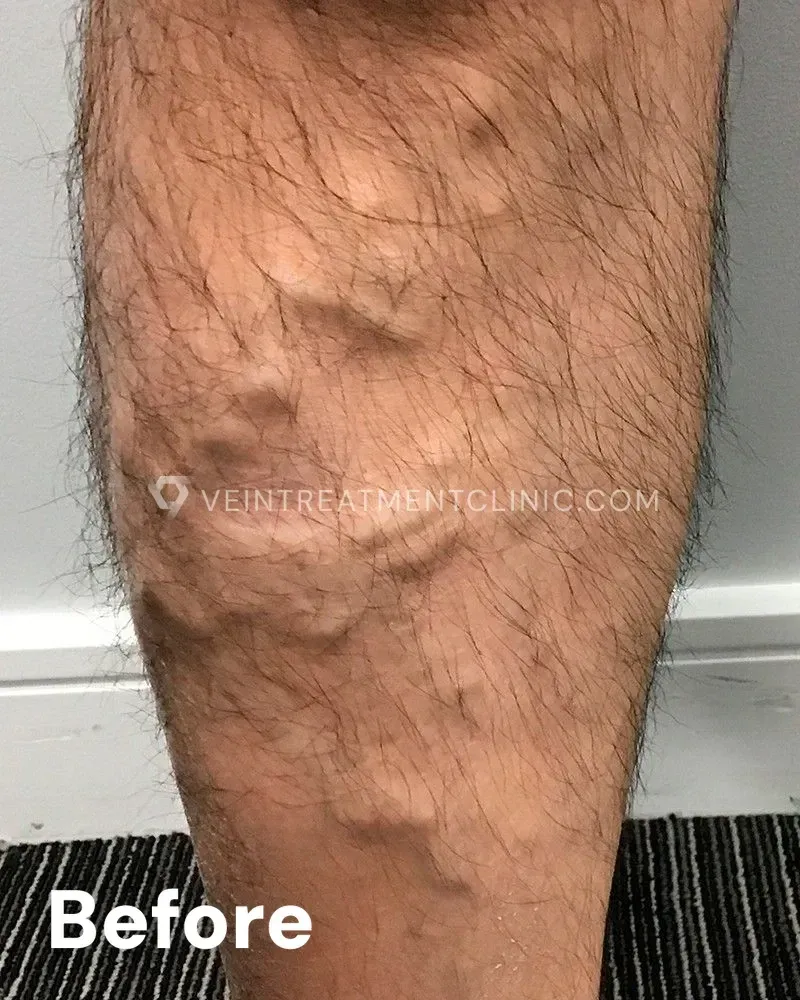
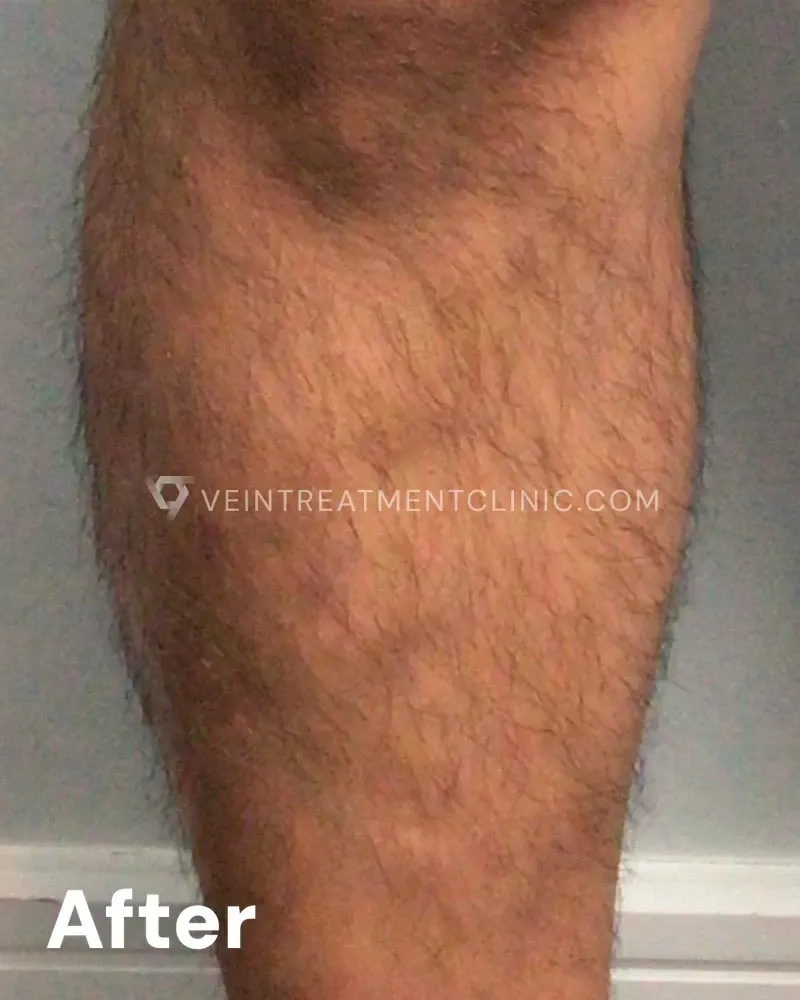
Male, treated for varicose veins on the calves with VeinVanish™, a customized treatment plan tailored to his condition. The after photo shows the treated areas appearing smoother with the varicose veins visibly reduced.
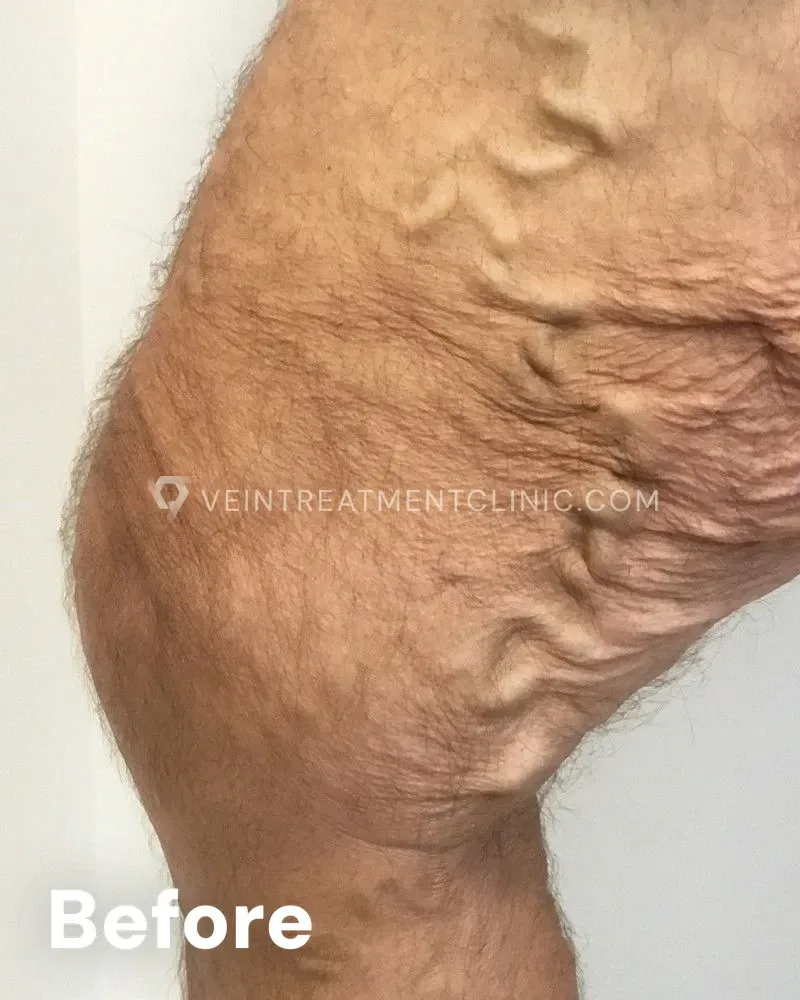
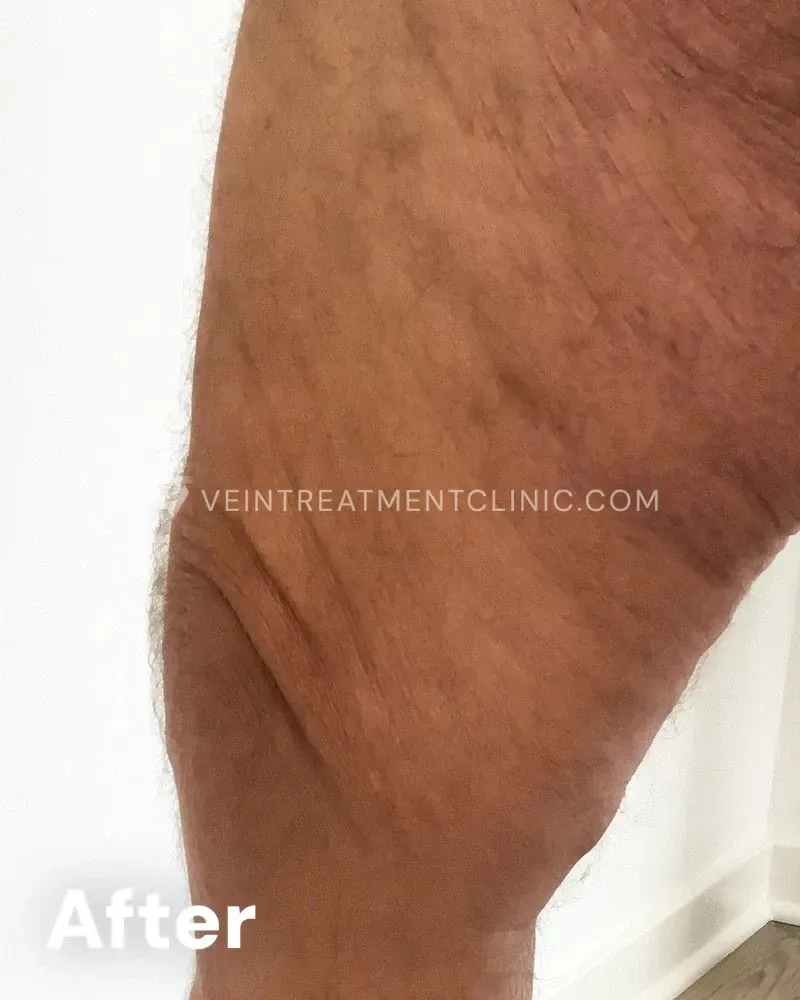
Male, treated for varicose veins on the thighs and knees with VeinVanish™, a customized treatment plan tailored to his condition. The after photo shows the thighs and knees with a smoother-looking appearance.
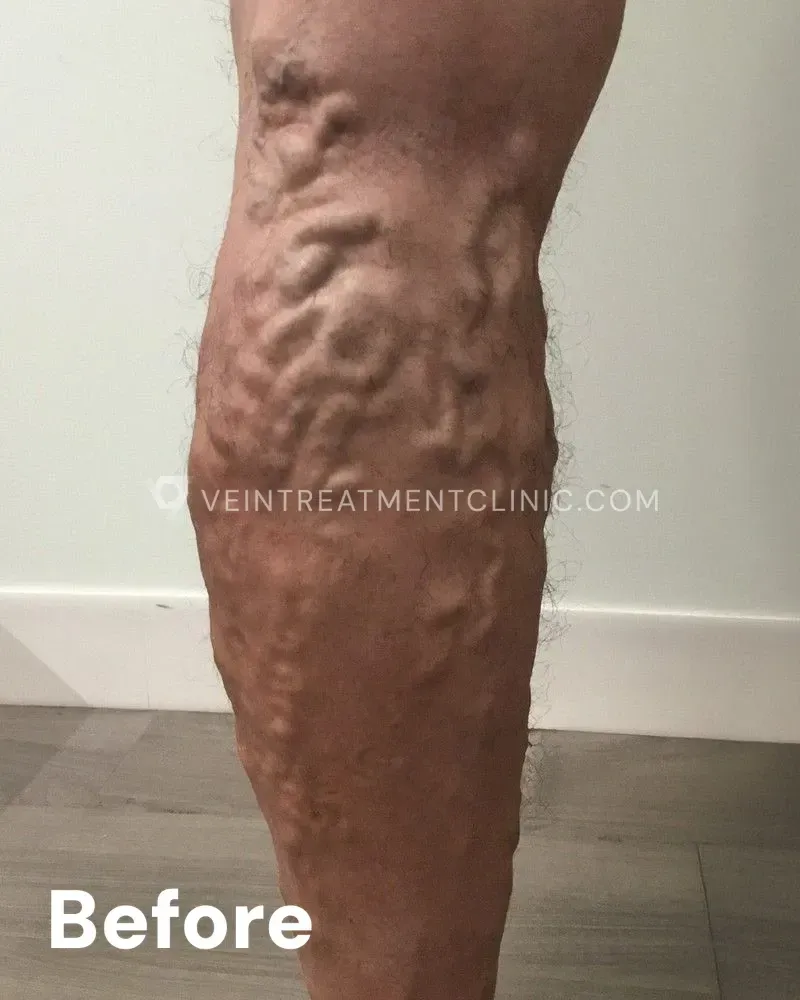
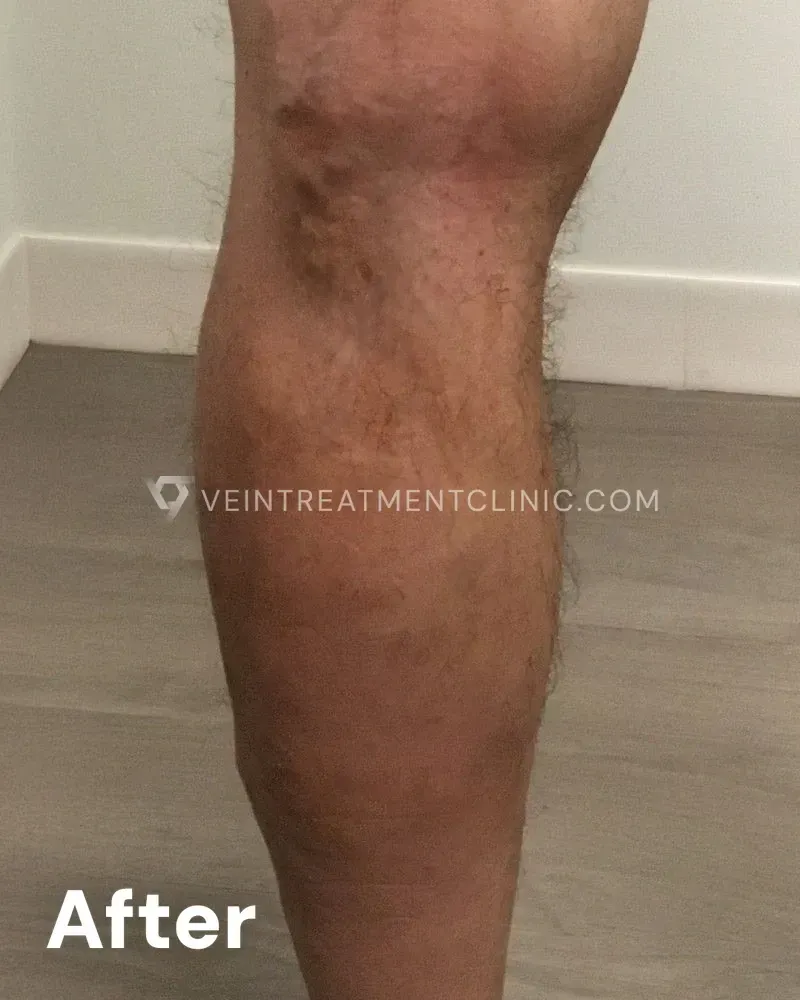
Male, treated for varicose veins on the calves and knees with VeinVanish™, a customized treatment plan tailored to his condition. The after photo shows the affected areas appearing smoother-looking with the varicose veins visibly reduced.
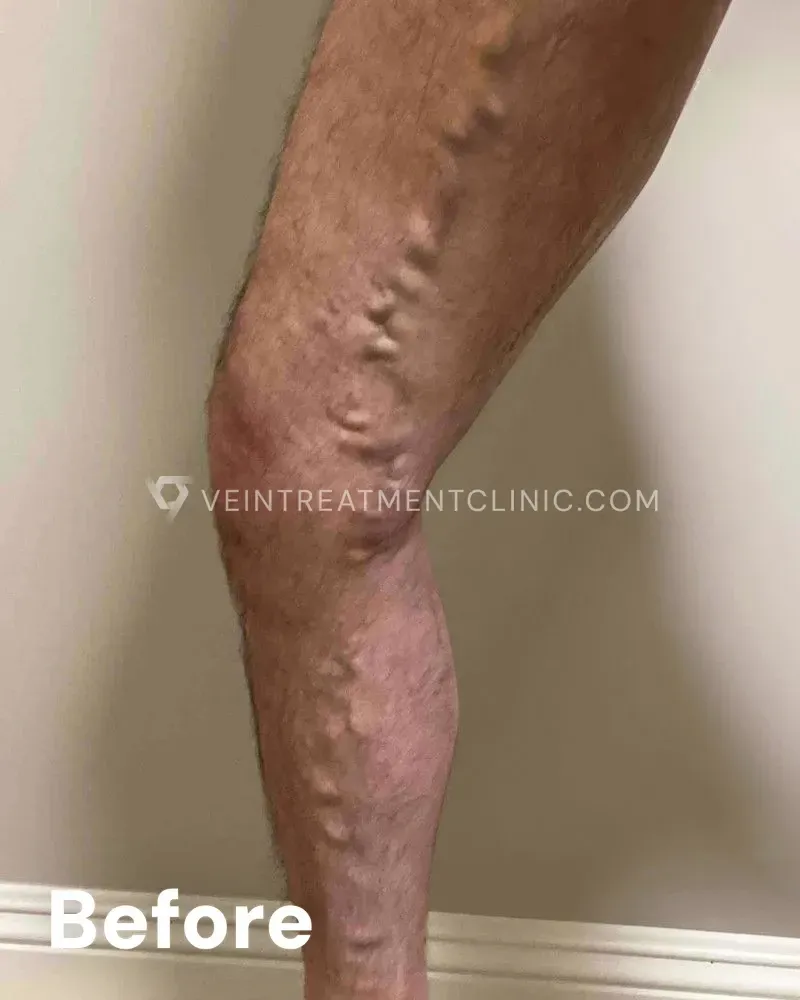
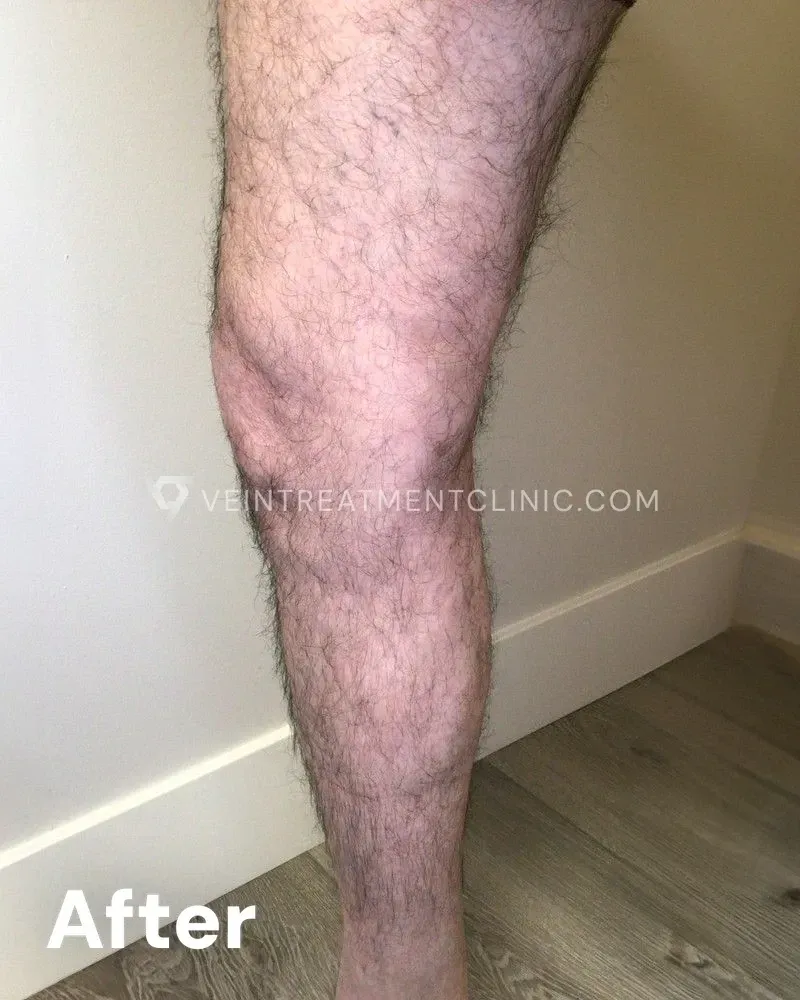
Male, treated for varicose veins on the thighs, calves, and knees with VeinVanish™, a customized treatment plan tailored to his condition. The after photo shows smoother-looking legs with the varicose veins visibly reduced across the treated areas.
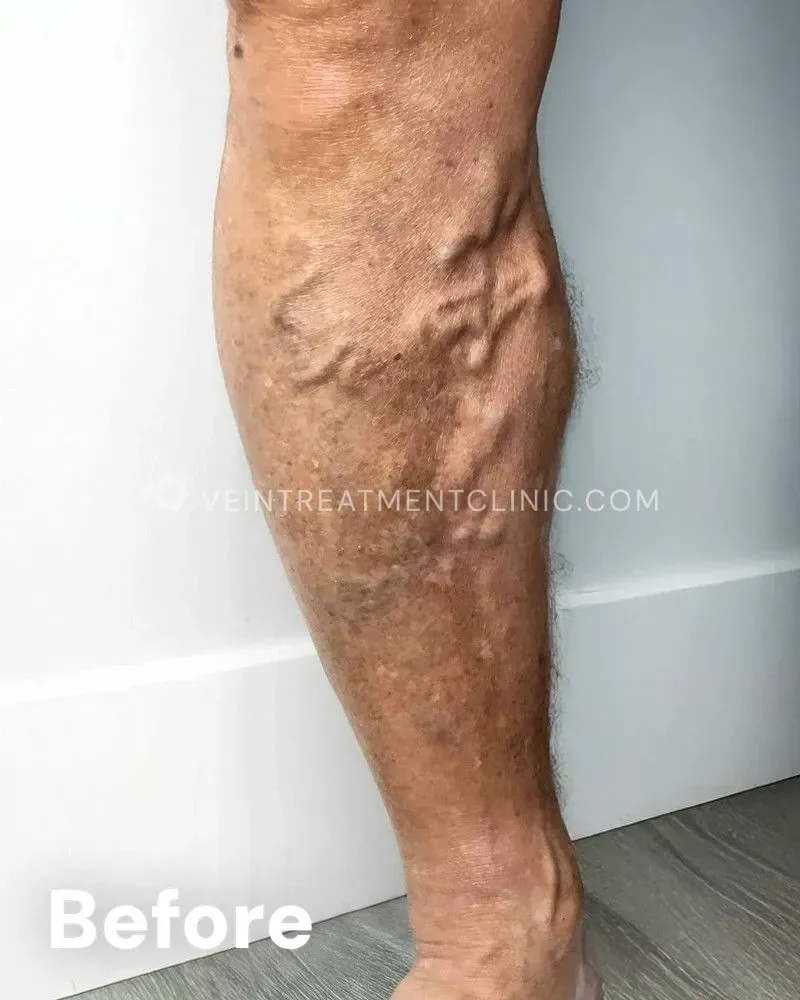
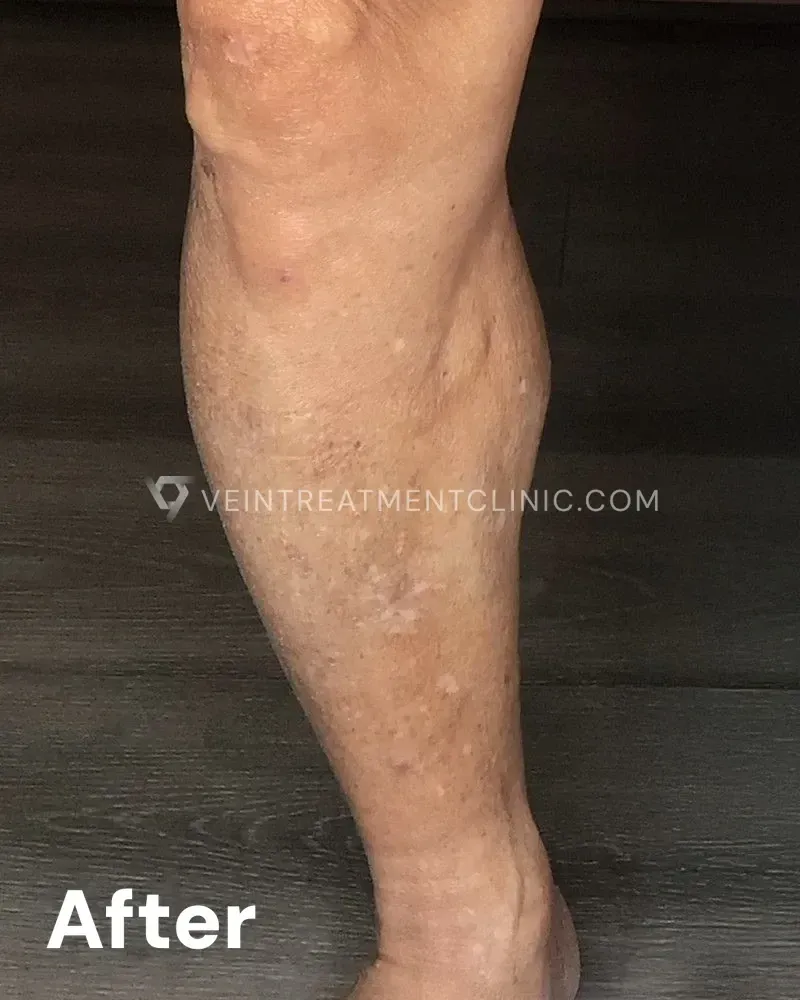
Male, treated for varicose veins on the calves and thighs with VeinVanish™, a customized treatment plan tailored to his condition. The after photo shows the legs appearing smoother-looking with the varicose veins visibly reduced.
Does insurance cover spider vein treatment?
Spider vein treatment is usually considered cosmetic and not covered.
If spider veins are linked to underlying vein disease, parts of evaluation or treatment may be covered.
Do insurance plans differ in coverage requirements?
Yes. Each insurance plan has its own criteria for coverage, documentation, and authorization.
Some plans require conservative treatment attempts before approving procedures.
How can patients estimate their out-of-pocket cost?
The most accurate way to estimate cost is through a vein evaluation and insurance benefits review.
Clinics can often provide cost estimates and discuss payment options for self-pay care.
Why evaluation matters before discussing cost?
Without evaluation, it is difficult to know which veins require treatment and which procedures apply.
Evaluation ensures cost discussions are accurate and avoids unnecessary treatment.
Get a Peek Inside Your Veins—Book Your Ultrasound Evaluation.