

Table of contents

Get treated by vein treatment industry leaders
What Are the Different Vein Treatment Options?

Medically verified
Last updated on 1/29/2026

By Dr. Michael Nguyen
Vein Doctor at Vein Treatment Clinic
Harvard Medical School
Board Certified by the American Board of Venous and Lymphatic Medicine
Vein treatment includes several different methods designed to improve blood flow and relieve symptoms caused by vein disease.
Many patients are surprised to learn that most modern vein treatment procedures are non-surgical and performed in an office setting.

This page explains the different vein treatment options available today and how specialists decide which option is best for each patient.
If you’re unsure which vein treatment option applies to your condition, a vein evaluation can help clarify your choices.
How vein treatment options are chosen?
Vein treatment methods are selected based on vein size, location, symptoms, and ultrasound findings.
The goal is to treat the underlying cause of vein dysfunction, not just visible veins.
Endovenous ablation (laser or radiofrequency)
Endovenous ablation uses heat delivered through a thin catheter to close malfunctioning veins.
This option is commonly used for larger veins with valve failure and venous reflux.
Sclerotherapy
Sclerotherapy involves injecting a medication into small veins to close them.
It is most commonly used for spider veins and small varicose veins.
Symptom Checker
Phlebectomy (removal of surface veins)
Phlebectomy removes bulging surface veins through tiny skin openings.
It is often combined with treatment of deeper reflux for complete results.
Ultrasound-guided foam sclerotherapy
Foam sclerotherapy uses a medication in foam form, guided by ultrasound, to treat certain veins.
It is useful for veins that are not ideal candidates for thermal ablation.
Compression therapy and conservative care
Compression stockings and lifestyle measures may help reduce symptoms.
These approaches manage symptoms but do not correct underlying valve failure.
Do different conditions require different options?
Yes. Varicose veins, spider veins, and chronic venous insufficiency often require different combinations of treatments.
That is why individualized treatment planning is important.
Beyond Looks – See if Your Veins Impact Your Health.
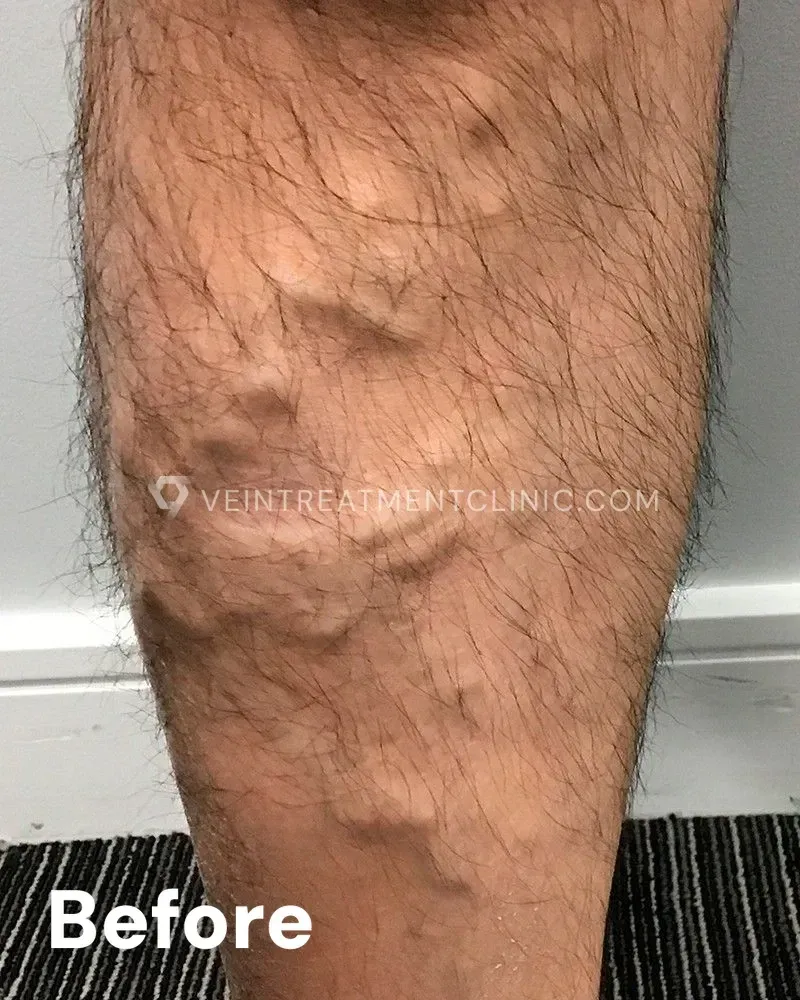
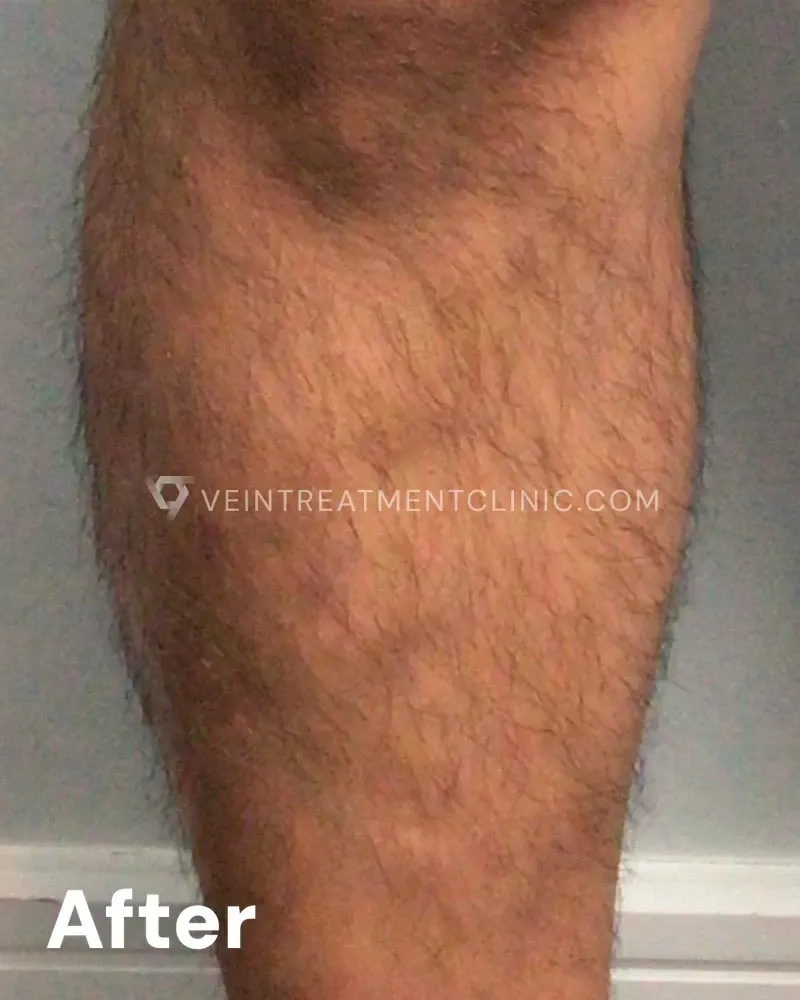
Male, treated for varicose veins on the calves with VeinVanish™, a customized treatment plan tailored to his condition. The after photo shows the treated areas appearing smoother with the varicose veins visibly reduced.
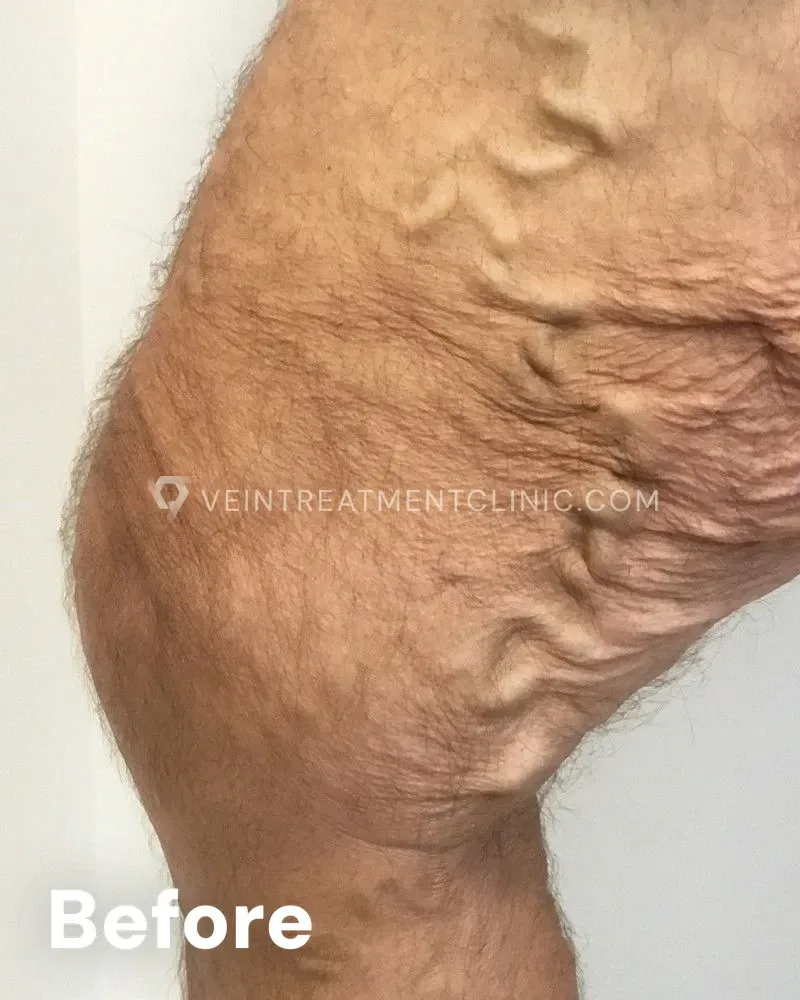
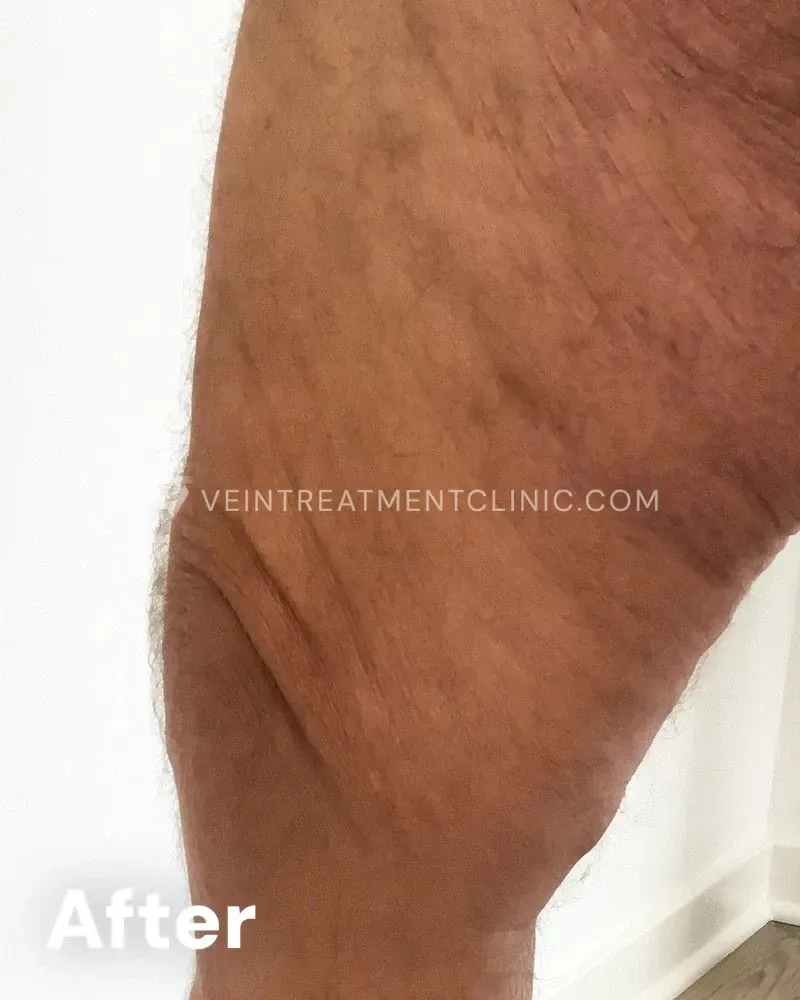
Male, treated for varicose veins on the thighs and knees with VeinVanish™, a customized treatment plan tailored to his condition. The after photo shows the thighs and knees with a smoother-looking appearance.
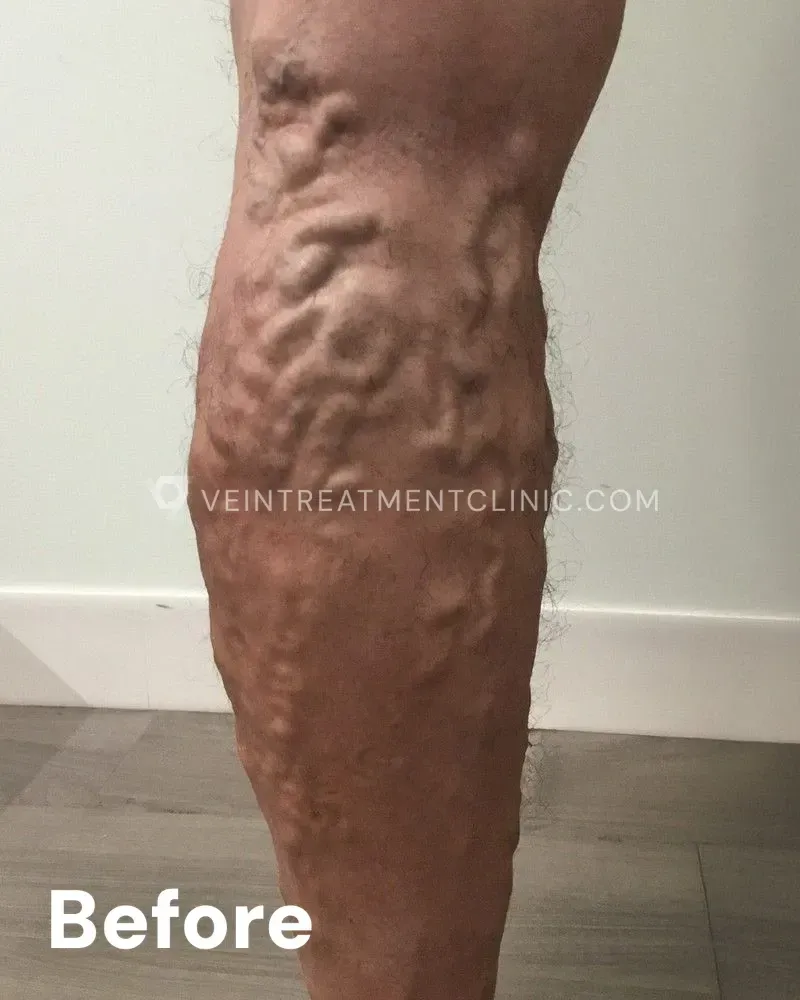
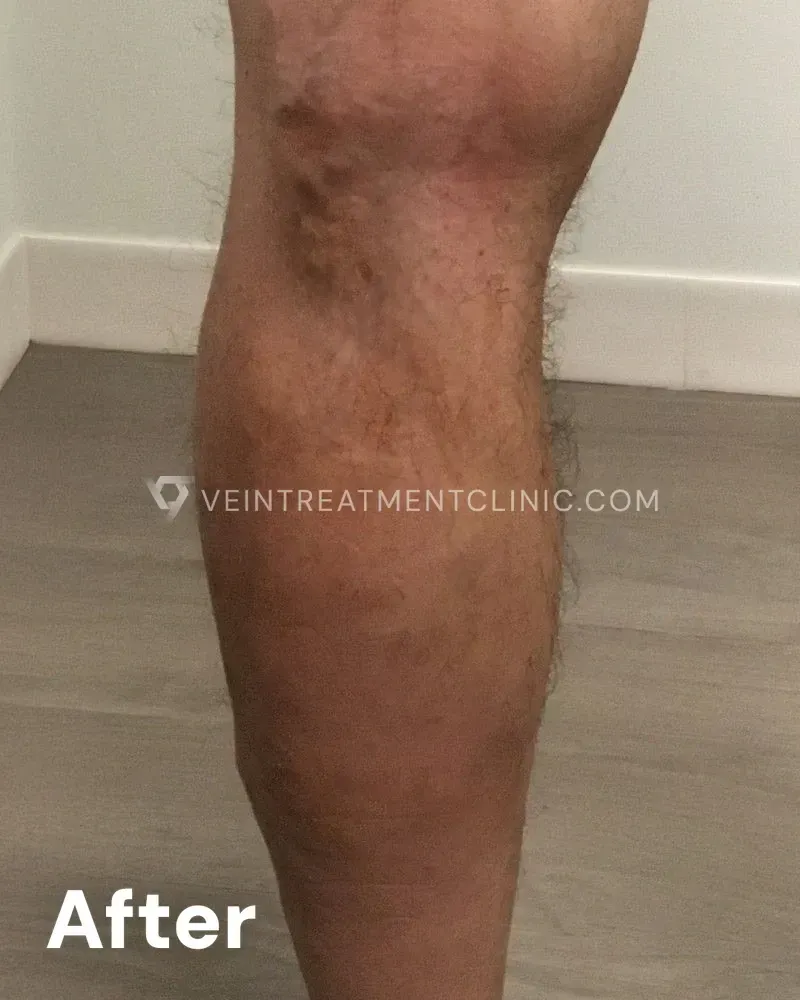
Male, treated for varicose veins on the calves and knees with VeinVanish™, a customized treatment plan tailored to his condition. The after photo shows the affected areas appearing smoother-looking with the varicose veins visibly reduced.
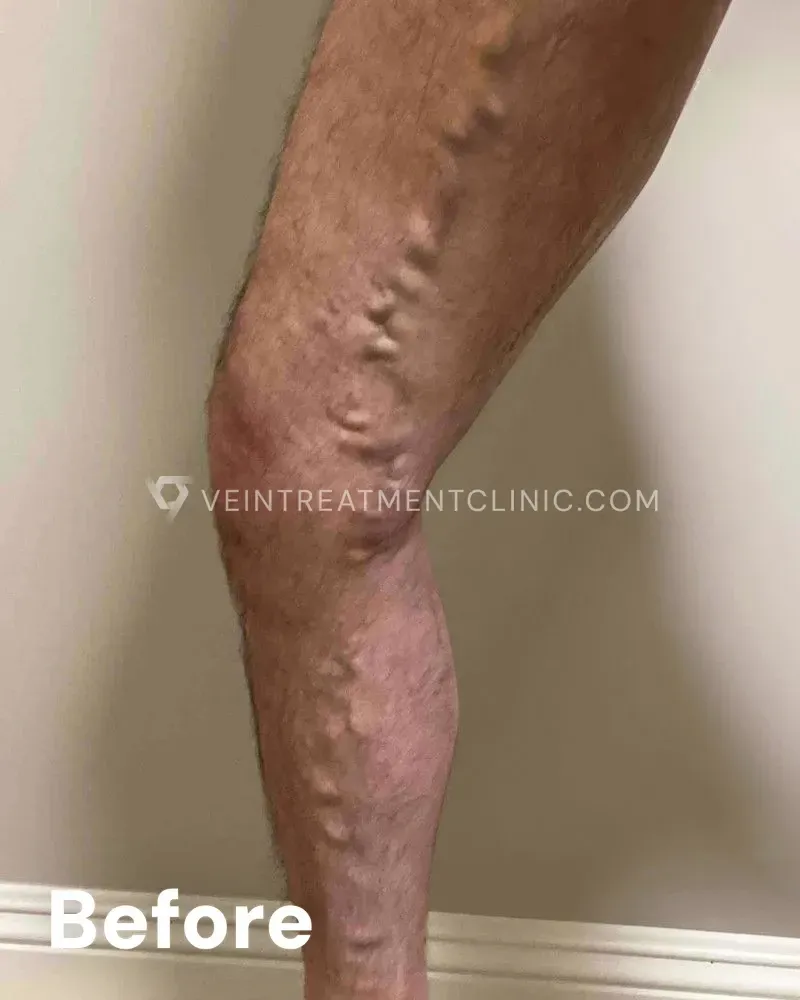
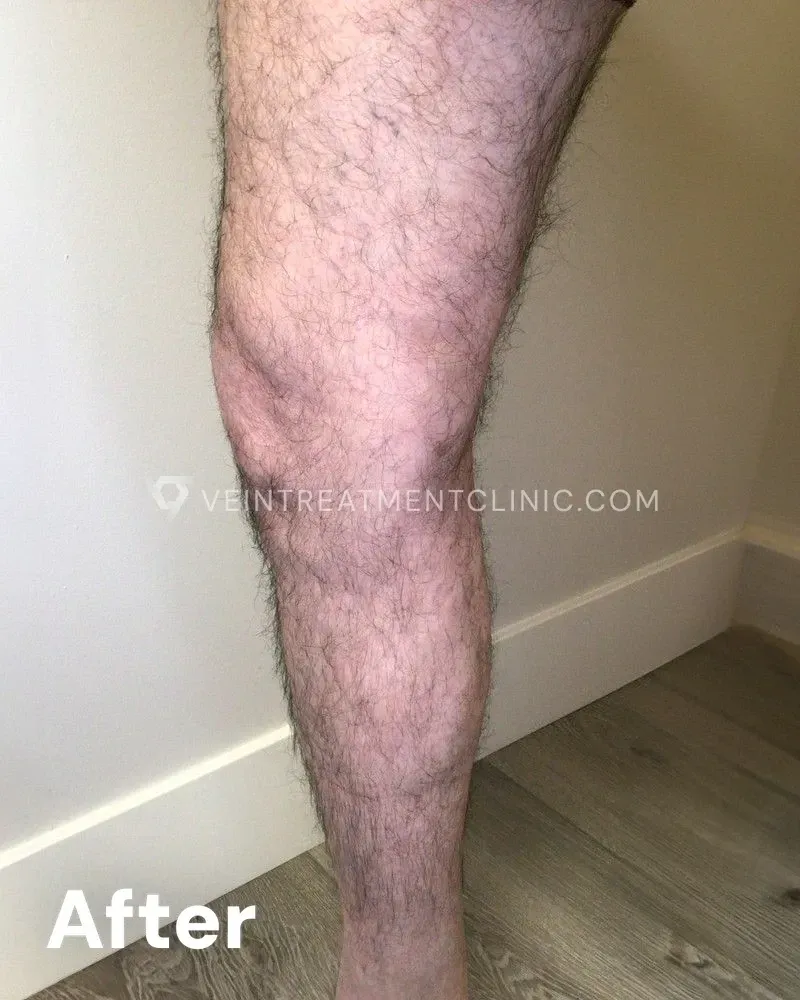
Male, treated for varicose veins on the thighs, calves, and knees with VeinVanish™, a customized treatment plan tailored to his condition. The after photo shows smoother-looking legs with the varicose veins visibly reduced across the treated areas.
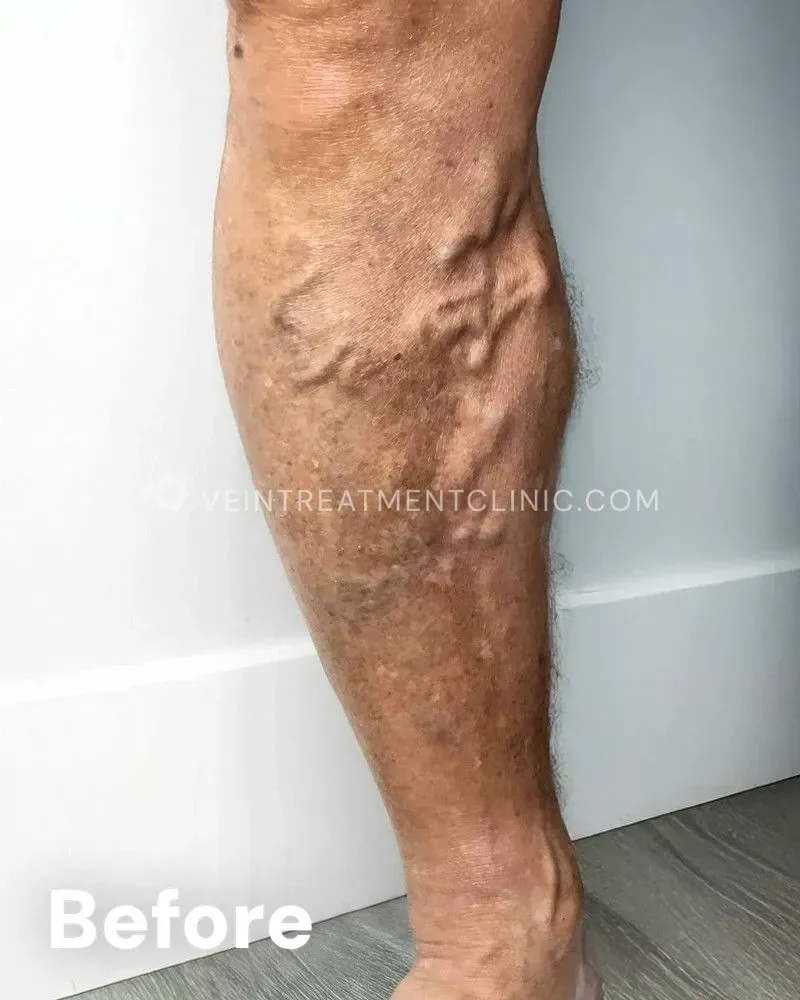
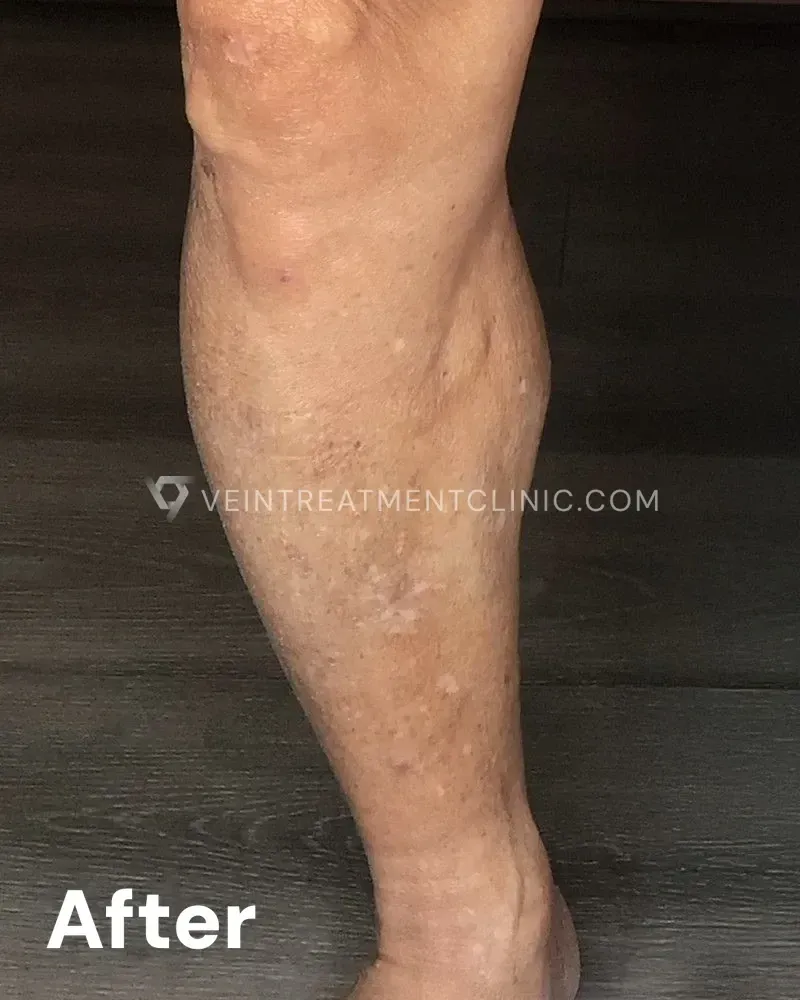
Male, treated for varicose veins on the calves and thighs with VeinVanish™, a customized treatment plan tailored to his condition. The after photo shows the legs appearing smoother-looking with the varicose veins visibly reduced.
Can vein treatment options be combined?
Many patients benefit from a combination of types of vein treatments tailored to their vein pattern.
Treating underlying reflux first often improves the success of additional treatments.
What results can patients expect?
Most patients experience symptom relief and improved appearance after treatment.
Results depend on the severity of disease and adherence to post-treatment guidance.
Back on Your Feet Fast—Learn About the Post-Care Process.