

Table of contents
Learn About Non-Surgical Vein Care
Vein Clinic and Vein Center: What They Treat and What to Expect

Medically verified
Last updated on 1/29/2026
By Dr. Michael Nguyen
Vein Doctor at Vein Treatment Clinic
Harvard Medical School
Board Certified by the American Board of Venous and Lymphatic Medicine
Vein centers focus on diagnosing and treating the root causes of vein disease using advanced ultrasound.
This allows the clinic to effectively treat varicose veins, spider veins, or chronic venous insufficiency.
You will receive a personalized treatment plan based on your needs and these specific results.

This page explains what a vein clinic treats, how care is delivered, and how a vein evaluation helps determine whether treatment is needed.
If you’re experiencing leg symptoms or visible veins and are unsure where to go, a vein evaluation can help clarify next steps.
What is a vein clinic or vein center?
A vein clinic, sometimes called a vein center or vascular center, is a medical practice focused specifically on diagnosing and treating vein disease, most commonly in the legs. Patients typically come in because of symptoms such as aching legs, swelling, heaviness, visible veins, or skin changes.
The reason a specialized vein clinic matters is that vein disease often requires focused expertise and diagnostic tools, including ultrasound, to identify the underlying cause. A general exam can notice visible veins, but a vein center evaluates how blood is actually flowing and whether valves are functioning correctly.
What conditions are treated at a vein clinic?
Vein clinics commonly evaluate and treat varicose veins, spider veins, and chronic venous insufficiency. These conditions are all related to blood flow problems in the veins and often share symptoms such as swelling, discomfort, and visible vein changes.
Patients also seek vein clinic care for leg symptoms that don’t have an obvious explanation, including fatigue in the legs, itching, skin discoloration, or recurring vein issues. A vein clinic helps determine whether veins are the cause and what treatment options make sense.
Why patients search “vein clinic near me”, “vein center near me” or "vascular center near me"?
Patients searching for a vein clinic near them are usually looking for a clear path to care. They want to know whether their symptoms are vein-related and whether treatment is needed, often because symptoms are interfering with daily life.
The most important part of choosing a vein or vascular center is not the label, but the evaluation quality. Patients typically feel the most confident when they receive a clear diagnosis, an explanation they understand, and a plan that feels individualized rather than rushed.
What happens during a visit to a vein clinic?
A typical visit includes a review of symptoms, a physical examination of the legs, and discussion of relevant history such as pregnancy, standing job, family history, or prior vein issues. This helps the team understand what the patient is experiencing and how long it has been happening.
In many cases, a vein ultrasound is performed to check blood flow and vein valve function. Ultrasound helps identify reflux, pressure, and which veins are responsible for symptoms. This prevents guesswork and improves the accuracy of any treatment recommendations.
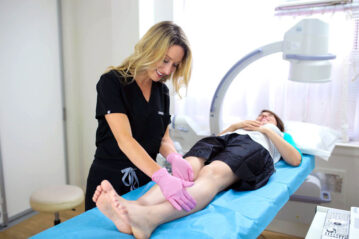
Professional Treatment evaluation for Vein Diseases
Professional Treatment evaluation for Vein Diseases
How a vein clinic determines whether treatment is needed?
Not every patient needs treatment. Some patients benefit most from education, monitoring, and conservative management. Others benefit from treatment because the underlying vein disease is causing symptoms or is likely to progress.
Treatment decisions are typically based on symptoms, ultrasound findings, and risk of progression. A good vein center will explain whether treatment is optional, medically recommended, or needed to prevent complications.
What treatments are offered at a vein clinic or vein center?
Most modern vein treatments are minimally invasive and performed in an outpatient setting. The goal is to treat malfunctioning veins so blood can reroute through healthier pathways, reducing pressure and improving symptoms.
Treatment options vary by condition and anatomy. Some patients need treatment for reflux or larger veins, while others need cosmetic treatments for surface veins. A vein clinic provides the evaluation needed to choose the right approach.
Do vein clinics perform surgery?
Most patients do not require traditional surgery. Modern vein care has largely shifted toward non-surgical or minimally invasive procedures that reduce downtime and discomfort.
A vein center evaluation helps determine whether treatment can be done with non-surgical options, which is the case for most patients today.
How to choose the right vein clinic?
A strong vein clinic is one that prioritizes diagnosis first, communicates clearly, and bases recommendations on ultrasound findings rather than surface appearance alone. Patients often feel most confident when the evaluation is thorough and the plan is explained step-by-step.
It also matters that care is consistent and standardized across the clinic, so patients know what to expect regardless of which physician they see. The best experience feels calm, organized, and focused on long-term outcomes, not just a quick fix.
When should you book a vein clinic evaluation?
You should consider booking an evaluation if you have persistent leg swelling, aching, heaviness, visible varicose veins, clusters of spider veins with symptoms, or skin changes near the ankles.
Early evaluation is helpful because vein disease often progresses gradually. Getting a clear diagnosis early can prevent long-term discomfort, skin damage, and avoidable complications.