

Treating Veins With Radiofrequency Ablation
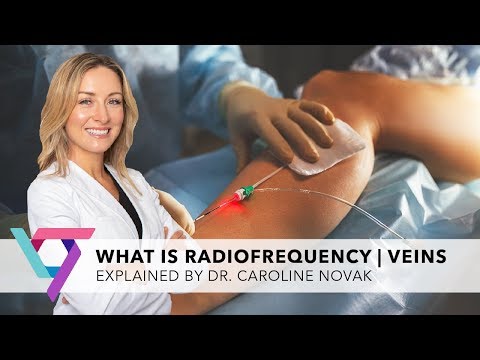
Radiofrequency Ablation (RFA), also known as VNUS or ClosureFAST, is a minimally invasive technique for eliminating unhealthy veins. RFA uses thermal (heat based) energy to damage the vein, causing it to seal closed. RFA is used to treat major varicose veins and is a safer and more effective alternative to surgery.
RFA is convenient with minimal side effects. An area on the inside of the knee is injected with a local anesthetic (numbing medicine). Using an ultrasound, your vein doctor enters the unhealthy vein with a needle and inserts a thin device called a catheter. After a numbing solution is delivered along the length of the vein, the catheter is activated and thermal energy is delivered to the walls of the vein. The entire procedure takes between 15-45 minutes and can be performed on an outpatient basis. Many patients return to work the same day.
Radiofrequency Ablation should always be performed by a Certified physician to ensure best results.
Nationally recognized vein doctors





Over 95% Success Rate
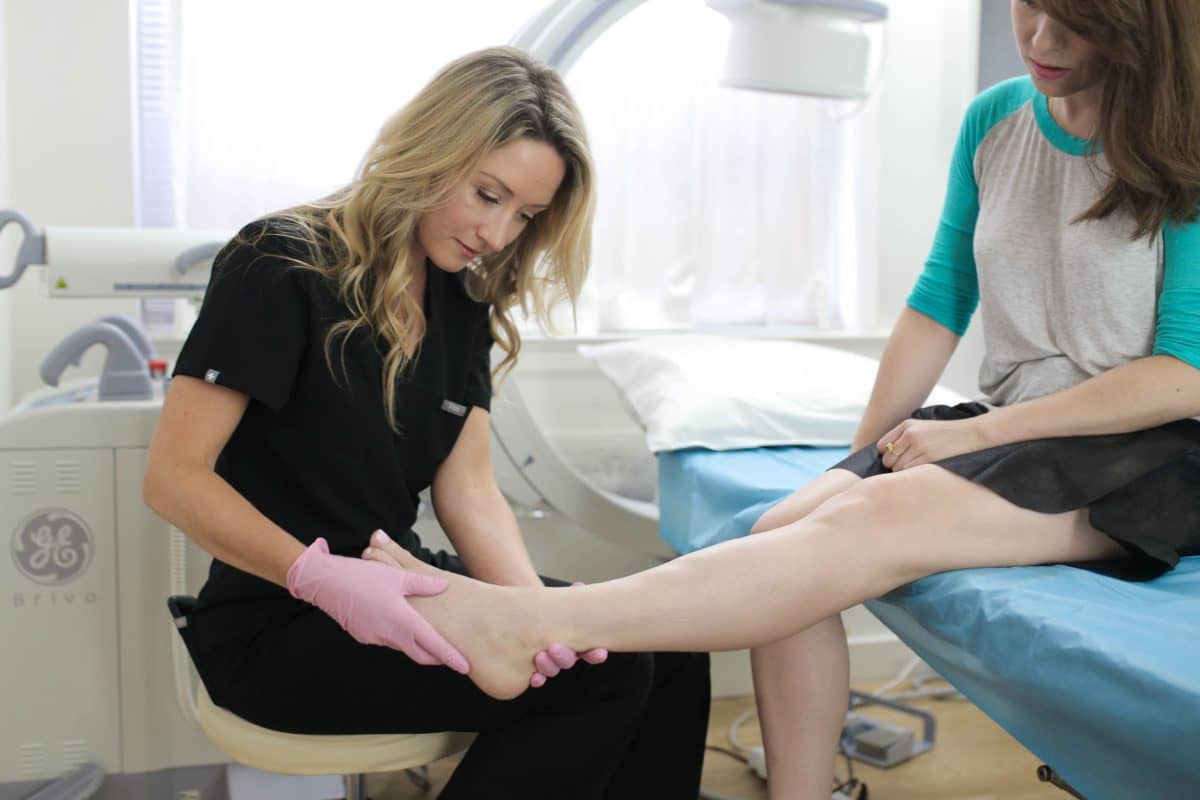
The published success of RFA treatment is between 95 to 98 percent, with very few complications recorded. Traditional surgery has a much lower success rate of approximately 85%, with significantly more side effects. RFA causes less post-procedural discomfort than other endovenous methods including Endovenous Lаѕеr Ablаtіоn. Due to this combination of efficacy, convenience and minimal discomfort, we consider RFA to be the very best option for most cases of venous insufficiency.
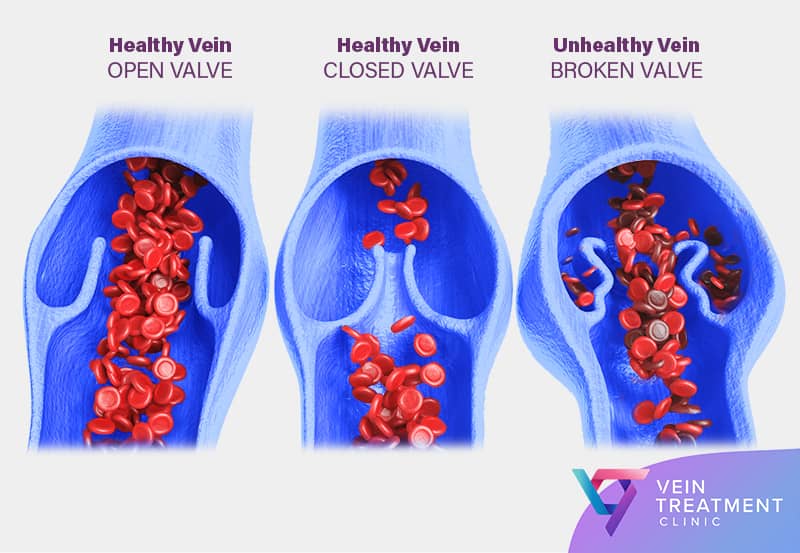
How does Radiofrequency Ablation work?
The RFA device heats the vein wall, sealing the damaged vein permanently. Once the vein is closed, blood flow is re-routed to healthier veins and the body reabsorbs this unhealthy vein over time.
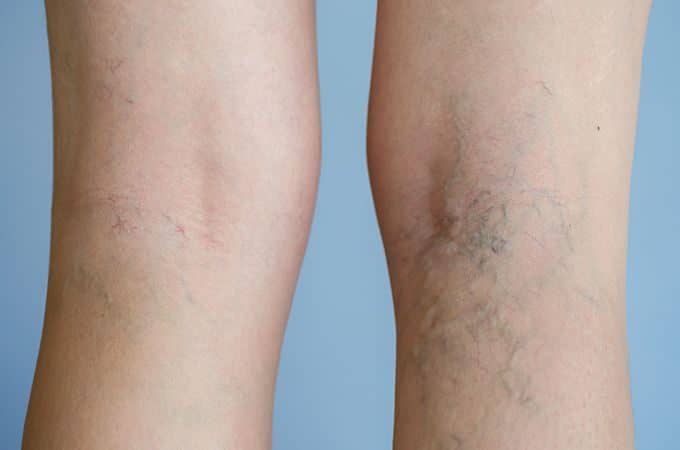
Most people with vein disease are eligible for RFA. Exceptions include patients with active bleeding disorders or infections. Discuss your medical history with your vein doctor. A spider and varicose vein treatment doctor will consider your personal health history before recommending RFA.
What are the Side Effects of Radiofrequency Ablation?
Most of these side effects can be avoided completely if RFA is performed by an experienced vein treatment doctor
The side effects of RFA treatment can include:
- Common: Bruising or minor stiffness
- Common: Temporary soreness
- Rare: Allergic reactions
- Rare: Nerve damage
- Common: Hyperpigmentation
- Rare: Skin burn
- Rare: Deep vein thrombosis
What are the Pros & Cons of Radiofrequency Ablation?
PROS
- Minimal pain and discomfort.
- Excellent Alternative to Saphenous Vein Stripping (surgery).
- Performed under local anesthesia.
- No admission to hospital or general anesthesia.
- Minimal interference with normal daily activities.
- Significant improvement in the way your legs look and feel.
ALTERNATIVES
Alternatives to Radiofrequency for Spider and Varicose Vein
- Sclerotherapy
- Varithena
- Endovenous Laser Ablation (not recommended)
- Vein Stripping (not recommended)
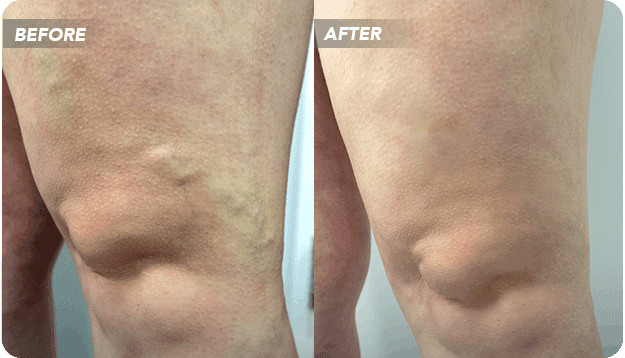
Before and After Radiofrequency Ablation
Radiofrequency Ablation Treatment FAQ
Special event coming up and need to make an appointment as soon as possible? Give us a call today
Expect a call from our Vein Treatment Center scheduling team. We will collect your insurance information to ensure you’re covered and book you an appointment as soon as possible.
Give us a call at (844) 690-1788
One click towards healthy legs