
Summary
Exercise can help with varicose veins, but it's not a replacement for professional vein treatments. Regular physical activity can improve blood circulation and strengthen muscles, which can ease the discomfort caused by varicose veins and prevent them from getting worse.
Varicose veins are a common condition, but can exercise actually help with varicose veins? The short answer is yes—regular exercise can improve circulation, reduce discomfort, and even help prevent varicose veins from worsening. However, exercise alone is not a cure. It works best in conjunction with professional vein treatments to manage and treat varicose veins effectively.
At Vein Treatment Clinic, we understand that while exercise can complement your treatment plan, professional vein care from a vein doctor is essential to address the root cause of varicose veins. With our comprehensive diagnostic approach and minimally invasive vein treatments, we offer solutions that restore your legs to health. Let’s dive into how exercise can help with varicose veins and why it should go hand-in-hand with professional vein care.
The Best Exercise for Varicose Veins
Exercise is one of the most effective ways to manage the symptoms of varicose veins. When you engage in physical activity, blood flow is improved, and the muscles in your legs are strengthened, which can reduce the pressure on your veins.
Even simple exercises can have a noticeable impact. Below, we will explore some of the best exercises for varicose veins, helping you decide which routines might be best for you.
1. Walking
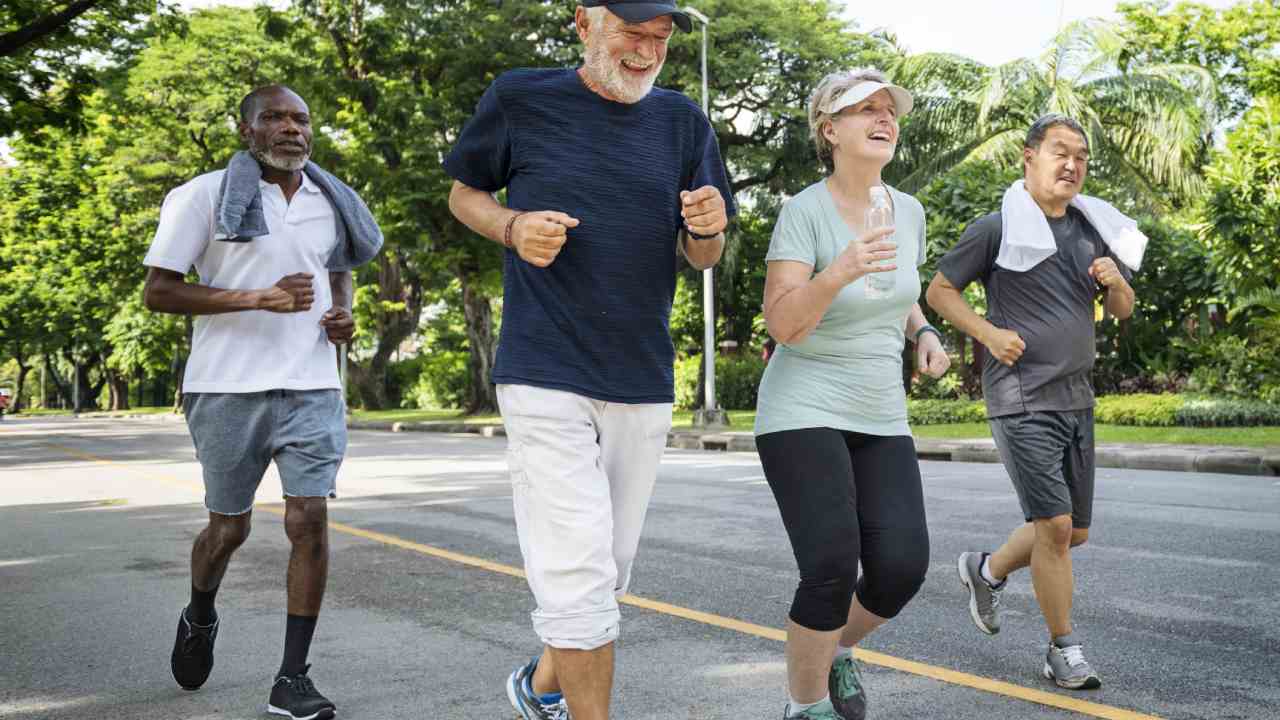
One of the simplest and most effective exercises for varicose veins is walking. Walking helps increase circulation in your legs and strengthens your calf muscles, which in turn supports vein function. Walking encourages healthy blood flow by activating the calf muscles, which help pump blood back up toward your heart.
2. Swimming
Swimming is an excellent low-impact exercise that can improve circulation without putting excess strain on your joints. The buoyancy of the water supports your body, reducing the impact on your legs and allowing you to move freely. Swimming promotes better circulation, and the pressure from the water helps reduce swelling in the veins.
3. Cycling
Cycling, whether outdoors or on a stationary bike, is another great exercise for varicose veins. It engages the muscles in your legs and boosts circulation, while the repetitive motion of pedaling helps strengthen your calf muscles. Cycling improves leg circulation and strengthens veins, which can prevent varicose veins from worsening.
4. Leg Elevation
While not an exercise, elevating your legs is essential for those with varicose veins. This simple position allows gravity to aid in blood flow, reducing pressure in the veins. Leg elevation helps reduce swelling and gives your veins a break by encouraging blood flow back to the heart.
5. Calf Raises
Calf raises are a simple yet effective exercise that strengthens your calf muscles, which play a crucial role in helping blood flow up your legs. To perform this exercise, simply rise onto the balls of your feet and lower yourself back down. Strengthening the calf muscles helps promote better circulation and can prevent the development of varicose veins.
Limitations of Exercise for Varicose Veins:
While exercise for varicose veins can improve circulation and reduce symptoms, it has limitations. Here are some points to keep in mind:
- Exercise does not remove or eliminate varicose veins
- Exercise cannot reverse the underlying cause of varicose veins
- Exercise does not completely relieve pain or swelling for all patients
- Exercise cannot prevent varicose veins from progressing in severe cases
- Exercise may not be suitable for individuals with advanced venous disease
Why Exercise Must Complement (and Not Replace) Professional Vein Treatments
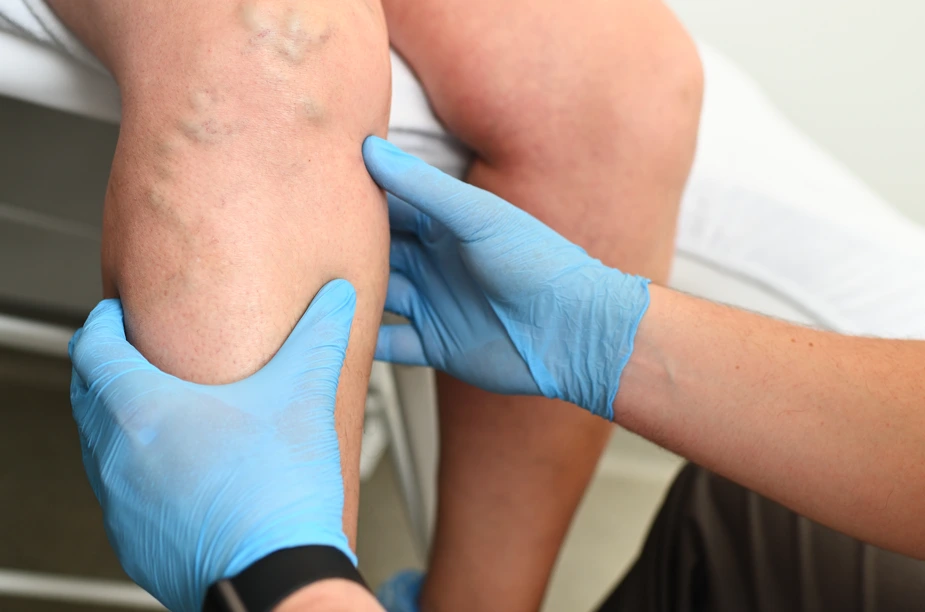
Exercise is an important part of managing varicose veins, but it should not be used as a substitute for professional vein treatment. Varicose veins are caused by weakened vein valves, leading to poor blood flow and pressure buildup. While exercise can improve circulation, it cannot fix the damaged veins or reverse the underlying condition. For optimal results, it is important to combine exercise with professional vein care.
At Vein Treatment Clinic, we offer a range of advanced vein treatments to treat varicose veins and address the underlying venous reflux that causes them. These vein treatments provide long-term relief and improve your quality of life.
What is the Best Treatment for Spider Veins and Varicose Veins?
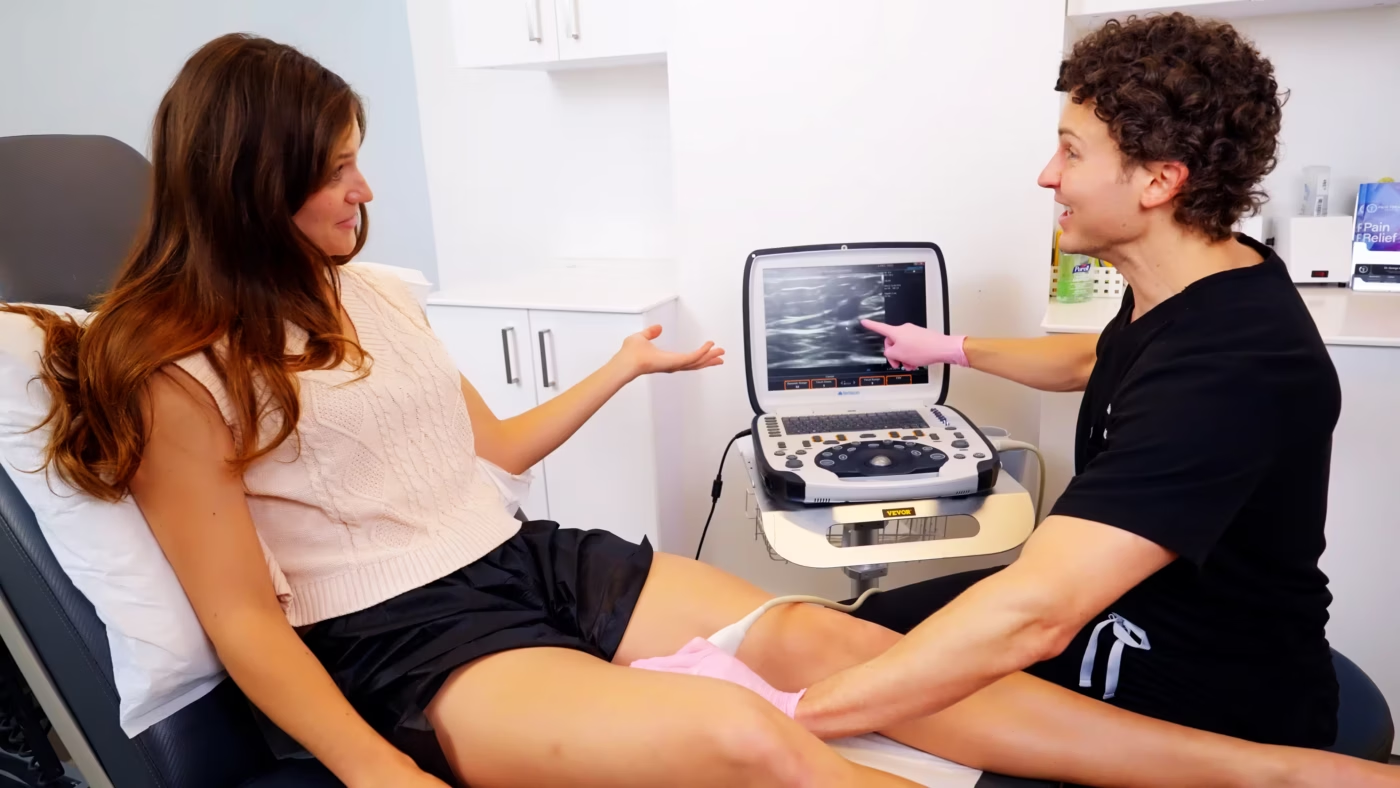
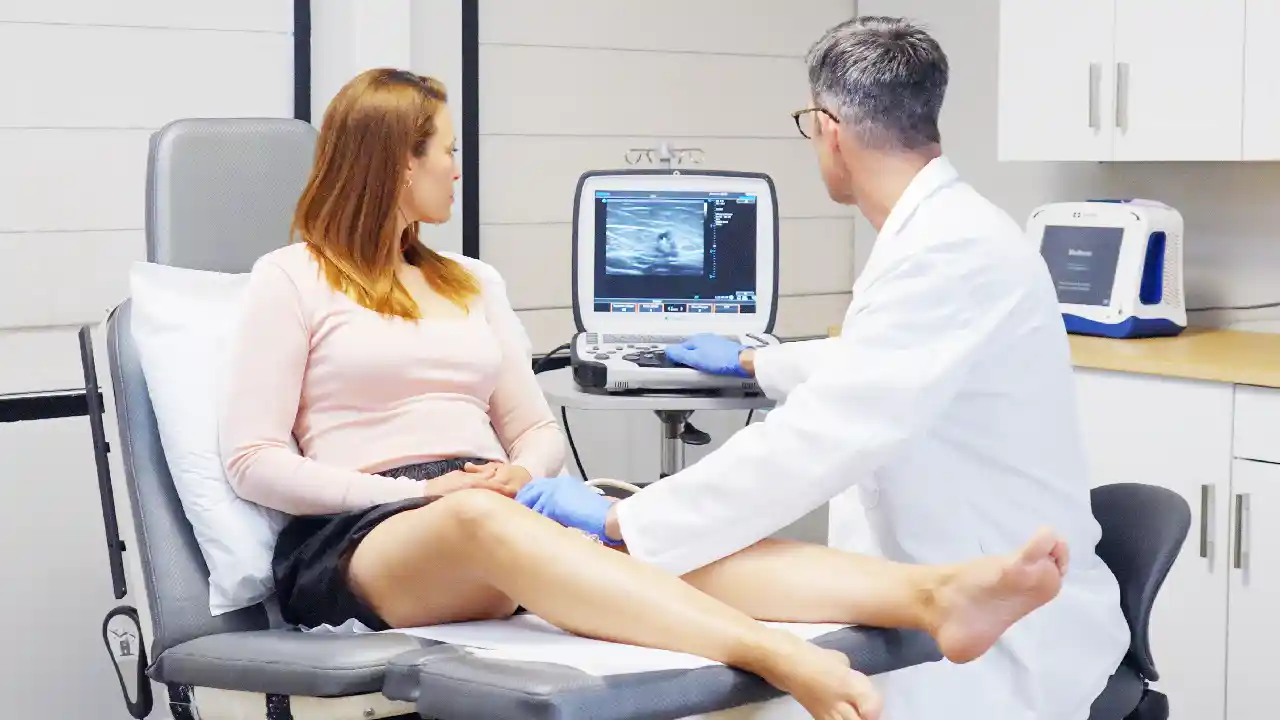
Effective treatment for varicose veins begins with a comprehensive diagnosis of the root cause. At Vein Treatment Clinic, we use state-of-the-art duplex ultrasound technology to assess your vein health and create a personalized treatment plan that addresses your unique needs. These are some of the most effective minimally invasive vein treatments:
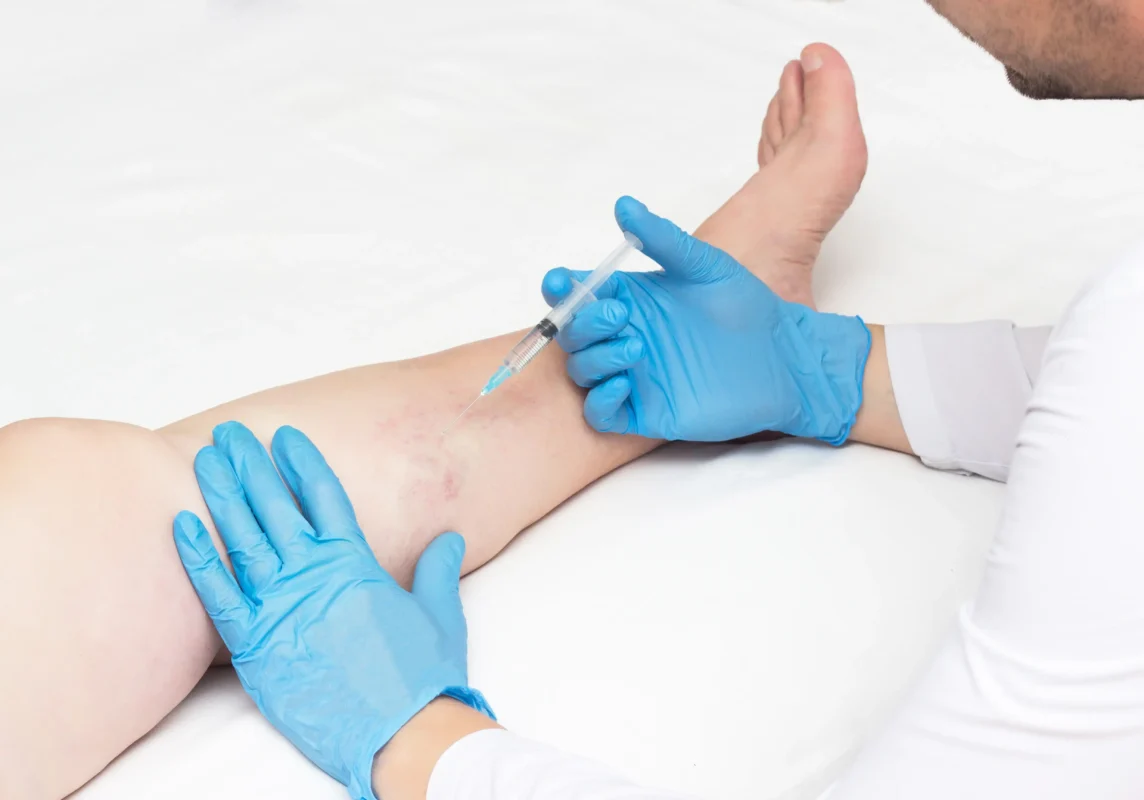
- Sclerotherapy: Sclerotherapy is a popular treatment for both spider veins and varicose veins. During this procedure, a solution is injected into the affected veins, causing them to collapse and eventually fade away. Sclerotherapy is minimally invasive and highly effective for treating smaller varicose veins and spider veins.
- Endovenous Laser Ablation (EVLA): EVLA is a minimally invasive procedure that uses laser energy to close off damaged veins. This is commonly used for larger varicose veins. EVLA targets the affected veins, sealing them shut and improving blood flow without surgery.
- Radiofrequency Ablation (RFA): Radiofrequency ablation uses heat from radiofrequency energy to close off varicose veins. It is an effective treatment for chronic venous insufficiency. RFA provides a safe, effective way to treat varicose veins with minimal discomfort.
- Ambulatory Phlebectomy: In cases of large varicose veins, ambulatory phlebectomy may be used. This procedure involves removing veins through small incisions in the skin. It provides an immediate solution for larger veins that cannot be treated with less invasive methods.
- Compression Stockings: Compression stockings for varicose veins are often recommended in conjunction with other vein treatments to support the veins and improve blood circulation. They are designed to apply pressure to the legs, which helps blood flow back toward the heart. Compression stockings reduce swelling and improve circulation, helping to prevent varicose veins from worsening.
Frequently Asked Questions
Are there specific exercises for varicose veins in the feet?
Walking is an effective exercise for foot and leg vein health. It activates calf muscles that pump blood upward. Ankle circles, toe raises, and foot flexes also help when you cannot walk. Avoid prolonged standing or sitting in one position. Consider speaking with a vein specialist to learn more about your options.
Explore your treatment options ›
Can exercise make varicose veins worse?
Low-impact exercise like walking, swimming, and cycling benefits vein health by supporting circulation. High-impact activities or heavy weightlifting with straining can temporarily increase vein pressure. Listen to your body and wear compression stockings during exercise if recommended. A consultation can help you discuss your options and determine the right approach for your needs.
Explore your treatment options ›
How often should I exercise if I have varicose veins?
Aim for at least 30 minutes of low-impact activity most days of the week. Walking daily is one of the best things you can do for vein health. Consistency matters more than intensity. Regular movement keeps blood flowing and eases symptoms.
Explore your treatment options ›
What activities should I avoid with varicose veins?
Avoid prolonged standing or sitting without movement. Limit activities that noticeably increase abdominal pressure, like heavy weightlifting with breath-holding. Hot baths, saunas, and prolonged sun exposure can dilate veins and worsen symptoms. Take breaks to walk and elevate legs. A vein specialist can evaluate your specific situation during a consultation.
Find modern solutions with minimal downtime ›
Does weight loss help varicose veins?
Maintaining a healthy weight reduces pressure on leg veins and can improve symptoms. Weight loss alone cannot reverse existing vein damage, but it may slow progression and make treatment more effective. Combined with exercise, weight management supports overall vein health. A consultation can help you understand your treatment options.
Find modern solutions with minimal downtime ›
At Vein Treatment Clinic, we offer advanced, minimally invasive treatments to address all aspects of varicose veins. Visit your nearest vein treatment clinic to find out more.