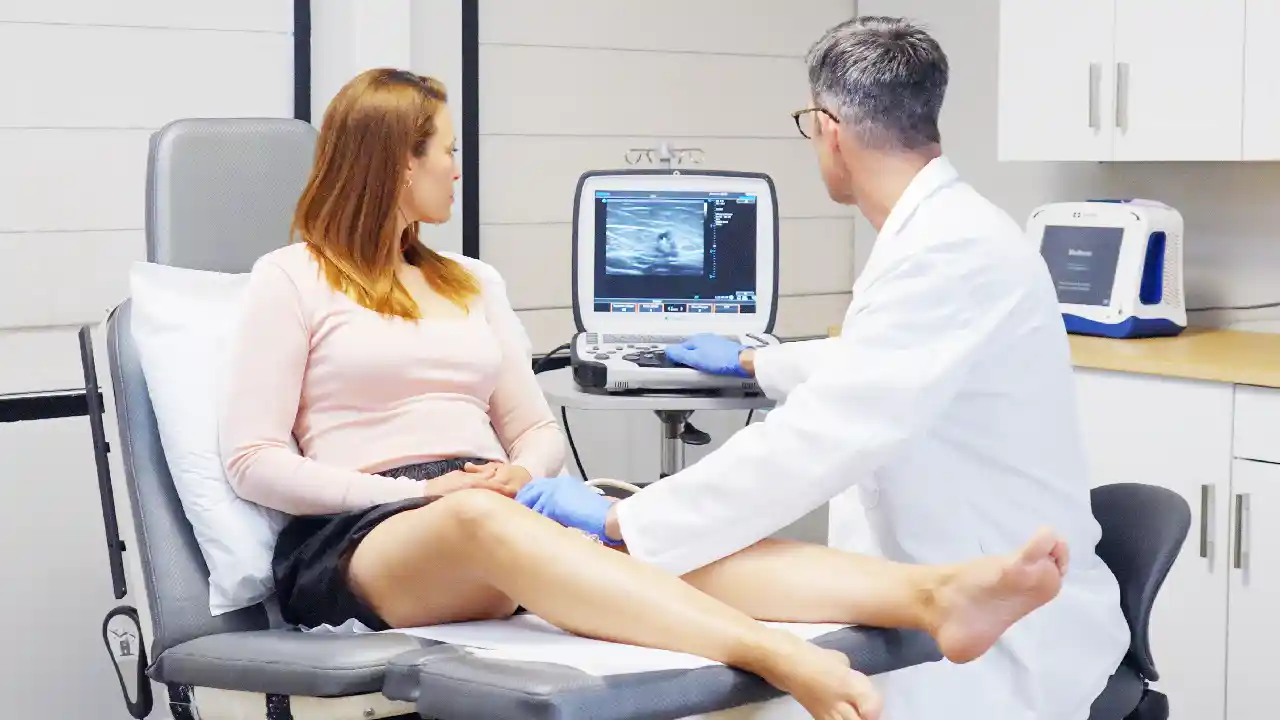

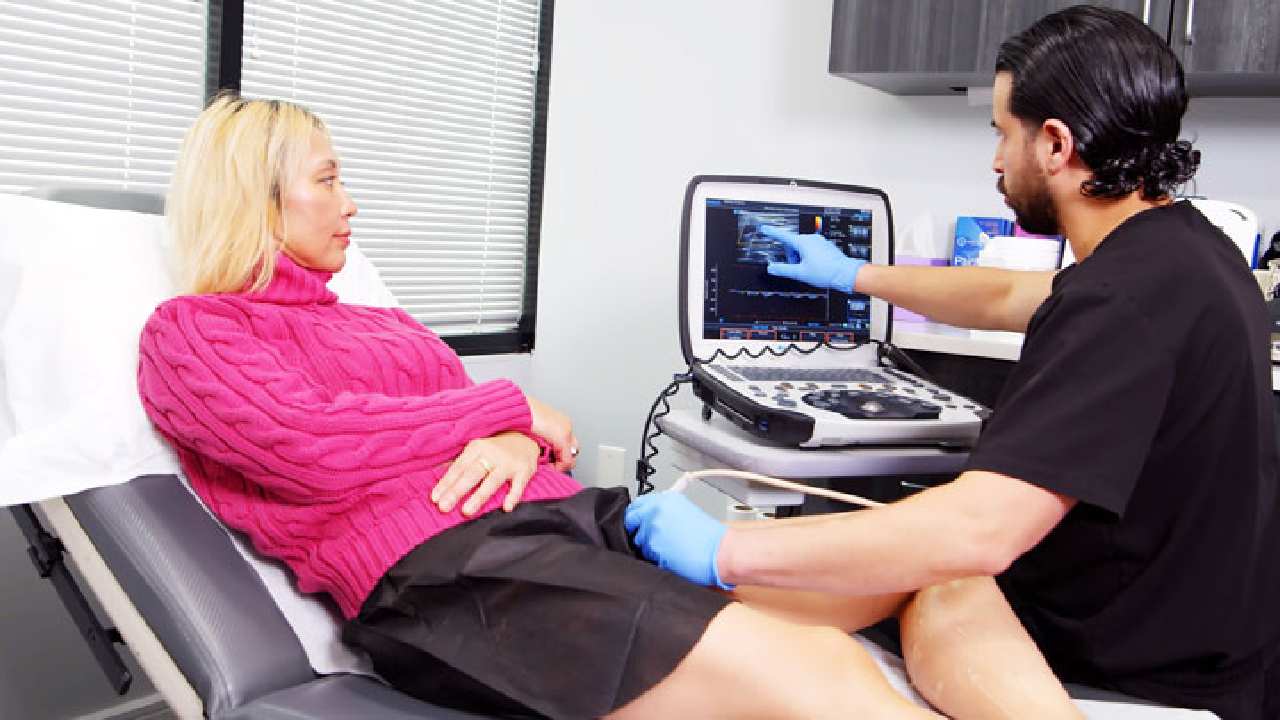
When you notice small, thin veins resembling spider webs or tree branches appearing on your legs, it’s hard not to feel self-conscious. These spider veins often appear on the thighs, calves, and ankles, causing discomfort and concerns about how they affect your appearance. You might experience a feeling of heaviness, pain, or itching in your legs along with these visible veins, leading you to search for ways to reduce their appearance and alleviate symptoms.
Spider veins can sometimes be managed with treatments at home, providing relief from symptoms like pain, swelling, or a feeling of heaviness. However, it’s essential to understand that at-home remedies can help with the symptoms but cannot address the root cause of spider veins. More advanced options are available if you're looking for permanent relief or effective treatment. At Vein Treatment Clinic, our team of vein doctors offers comprehensive treatments to manage spider veins and their underlying causes effectively. Learn about our vein treatment clinics to find a location near you for personalized care.
What are the best spider vein treatments at home?
While at-home treatments can provide some relief from the symptoms of spider veins, it’s important to keep in mind that they won’t remove spider veins completely. However, they can help reduce discomfort and slow the progression of visible veins. Here are some at-home remedies that can provide temporary relief:
1. Compression Stockings
One of the most effective and widely recommended home treatments for spider veins is wearing compression stockings. These gently apply pressure to your legs, improving circulation and reducing swelling. Compressing the veins helps reduce the discomfort and aching that can accompany spider veins. Compression stockings come in various strengths, so it’s important to consult with your healthcare provider to choose the right level for your needs.
2. Elevation of the Legs
Elevating your legs above your heart level can be a simple but effective way to reduce the symptoms associated with spider veins. This position helps gravity improve blood flow back to the heart, relieving pressure on the veins in your legs. To elevate your legs, lie down and place pillows or cushions under your feet and legs. Try to keep them elevated for 15-30 minutes a few times a day to notice the benefits.
3. Avoiding Prolonged Standing or Sitting
Prolonged periods of standing or sitting can exacerbate spider veins by impeding circulation and causing blood to pool in the veins. If your job or daily routine involves standing or sitting for long periods, it's important to take breaks and move regularly. Try to stand, stretch, or walk around every 30 to 60 minutes to promote healthy blood flow. Alternating between sitting and standing, or using a footrest while sitting, can also reduce the strain on your legs.
4. Exercise
Regular physical activity is essential for managing spider veins. Activities like walking, swimming, and cycling can boost circulation in the legs and help prevent veins from worsening. If you sit or stand for long periods, regular movement is crucial to keep blood flowing efficiently and reduce the strain on your veins. Exercise may not eliminate existing spider veins, but it can certainly prevent new ones from forming and alleviate the symptoms of leg vein discomfort.
5. Diet and Hydration
Maintaining a healthy diet and staying hydrated can contribute to better vein health. Eating a balanced diet rich in fiber and low in processed foods helps prevent constipation, which can strain veins in the legs. A diet with plenty of antioxidant-rich foods, like fruits and vegetables, can also promote healthy circulation. Additionally, staying hydrated helps prevent blood from becoming too thick, improves circulation, and reduces the risk of vein issues.
What are the best leg vein treatment options?
When home treatments aren’t enough, you may want to explore medical options for managing spider veins and varicose veins. Here are some of the most effective spider vein treatments offered at Vein Treatment Clinic:
1. Sclerotherapy
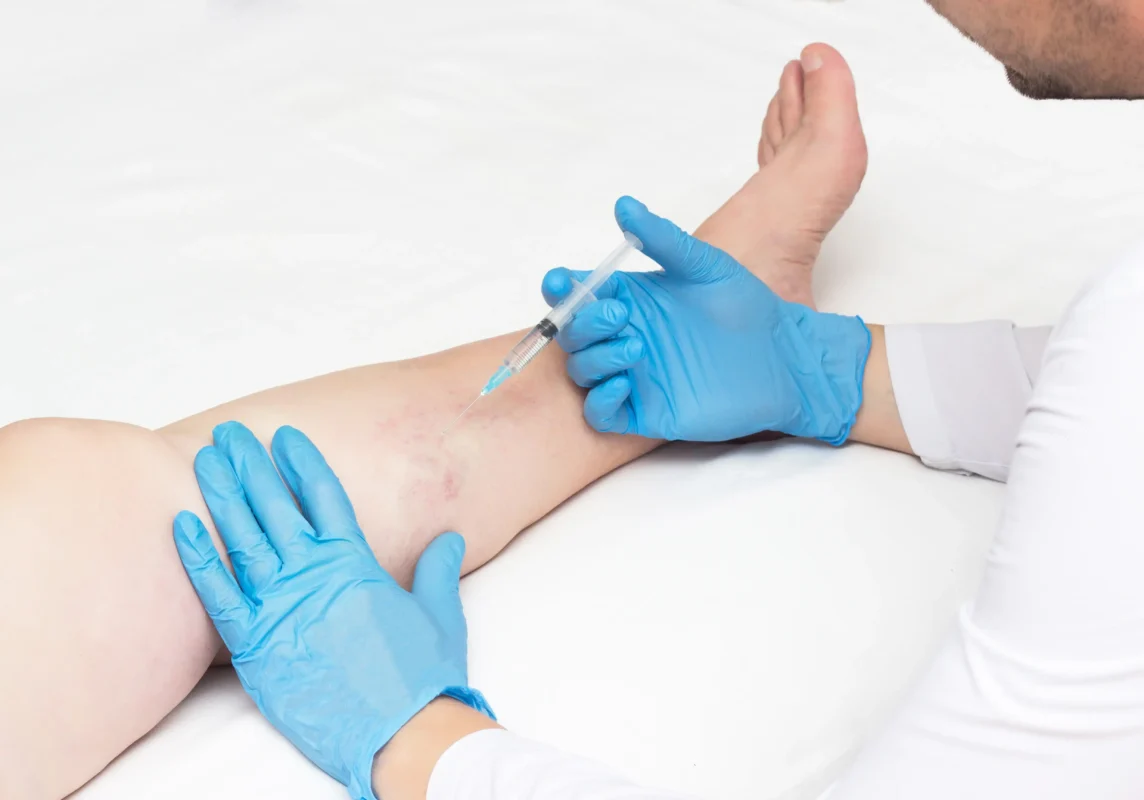
Sclerotherapy is a popular treatment for spider veins that involves injecting a solution into the affected veins. This sclerosant solution causes the vein to collapse and gradually fade over time. Sclerotherapy is a minimally invasive procedure with little to no downtime, making it ideal for many patients. It can be used for both spider veins and small varicose veins, and results are usually noticeable within a few weeks.
2. Endovenous Laser Ablation (EVLA)
Endovenous laser ablation (EVLA) is an advanced treatment for varicose veins. During the procedure, a laser fiber is inserted into the vein through a small incision to deliver laser energy that causes the vein to close and be reabsorbed by the body. EVLA is minimally invasive and typically requires just a local anesthetic. Recovery time is minimal, and patients often resume normal activities within a few days.
3. Radiofrequency Ablation (RFA)
Radiofrequency ablation (RFA) is another minimally invasive treatment that uses radiofrequency energy to close varicose veins. It’s similar to EVLA but uses heat from radio waves to target and shrink the vein. Like EVLA, this procedure is done under local anesthesia and has a quick recovery time. RFA is particularly effective for larger veins.
4. ClariVein
ClariVein combines mechanical and chemical techniques to treat varicose veins. A catheter is inserted into the vein, and a rotating wire delivers a sclerosing solution. This causes the vein to collapse and eventually fade. ClariVein is known for being effective with minimal pain and is a good option for patients who want a non-surgical alternative to more traditional treatments.
Unlike at-home treatments, these procedures offer long-term relief and address the underlying causes of spider veins and varicose veins. Visit your nearest vein treatment clinic for personalized advice and treatment options for your vein health.
Which is the best spider vein removal method for me?
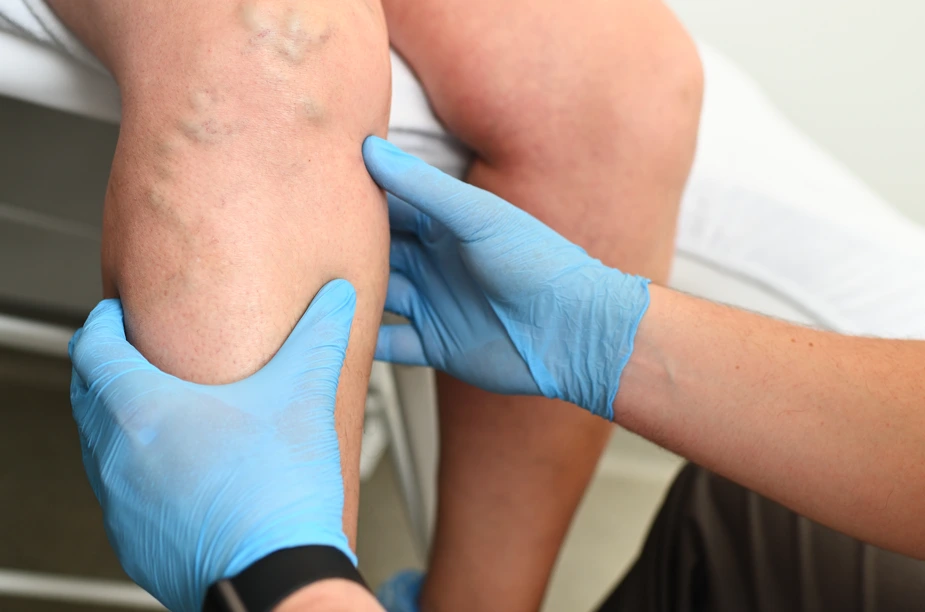
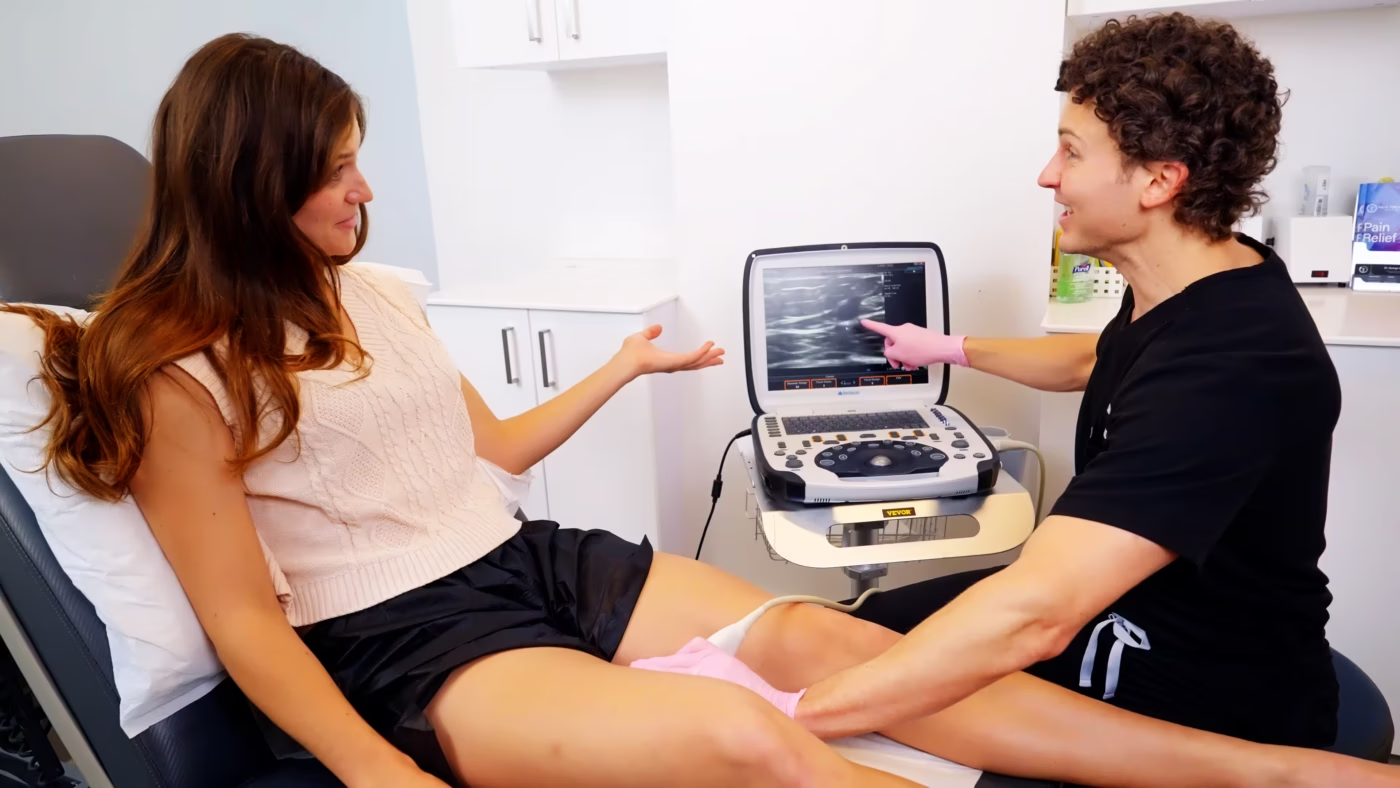
The best method for removing spider veins depends on various factors, including the severity of the veins, their location, and your overall health. For mild spider veins, sclerotherapy might be the most effective option, while more advanced treatments like EVLA or RFA may be needed for larger veins or underlying venous insufficiency. Consulting with an expert vein doctor at Vein Treatment Clinic will allow you to get a customized plan that addresses your unique needs.
Frequently Asked Questions
Can you get rid of spider veins permanently?
Sclerotherapy is designed to close treated spider veins, which fade and are absorbed by your body. However, new spider veins can develop over time, especially if underlying venous insufficiency or risk factors remain. Maintenance treatments may be desired. Consider consulting with a vein doctor to learn more about your options.
Explore your treatment options ›
Why do my spider veins keep coming back?
New spider veins develop due to ongoing risk factors like genetics, hormonal changes, or untreated underlying venous insufficiency. If deeper vein reflux feeds surface veins, treating the source reduces recurrence. Our vein doctors can evaluate the patterns.
Learn about spider vein treatment ›
How can I prevent new spider veins from forming?
Maintain healthy weight, exercise regularly, avoid prolonged standing or sitting, and wear compression stockings when recommended. If you have underlying venous insufficiency, treating it reduces new spider vein formation. A quick visit to a vein doctor can help you determine the right approach for your needs.
Learn about spider vein treatment ›
How many treatments does it take to remove spider veins?
Some patients need 2 to 4 sclerotherapy sessions spaced weeks apart. The number depends on how many veins require treatment and their size. Your specialist creates a personalized plan after evaluating your veins.
Do spider veins fade completely after treatment?
Treated spider veins fade gradually over several weeks to months, eventually becoming invisible or nearly so. Some stubborn veins may need additional treatment. Final results are typically visible within three months of completing your treatment sessions. A vein expert can evaluate your situation to determine the right approach for your needs.