

Table of contents

Get treated by vein treatment industry leaders
How Is Chronic Venous Insufficiency Diagnosed?

Medically verified
Last updated on 1/29/2026

By Dr. Michael Nguyen
Vein Doctor at Vein Treatment Clinic
Harvard Medical School
Board Certified by the American Board of Venous and Lymphatic Medicine
Chronic venous insufficiency diagnosis begins with evaluating how well the leg veins are returning blood to the heart. When patients ask how CVI is diagnosed, the answer involves both clinical evaluation and specialized imaging.
Because symptoms often overlap with other circulation or medical conditions, diagnosing chronic venous insufficiency requires more than visual inspection alone. A venous insufficiency ultrasound is typically used to confirm whether abnormal blood flow is present.

This page explains the process of chronic venous insufficiency diagnosis and what patients can expect during a vein evaluation.
If you’re experiencing ongoing leg symptoms and want clarity about the cause, a vein evaluation can help confirm whether CVI is present.
How is CVI diagnosed?
Accurate chronic venous insufficiency diagnosis is important because CVI is progressive and may worsen without treatment. Confirming the diagnosis early allows physicians to target the specific veins responsible for venous reflux and prevent long term complications.
Get the Facts on Chronic Venous Insufficiency. Read the Complete Guide
Step one: Reviewing symptoms and medical history
Diagnosis begins with a discussion of symptoms such as leg swelling, heaviness, aching, skin changes, or slow-healing wounds.
Medical history, prior vein issues, blood clots, and risk factors are also reviewed.
Step two: Physical examination of the legs
A physical exam assesses visible veins, swelling patterns, skin color, texture, and areas of tenderness.
Findings during the exam often suggest whether venous insufficiency is likely.
Symptom Checker
The role of vein ultrasound in diagnosis
Vein ultrasound for CVI is the primary tool used to confirm the diagnosis. This test, also called a venous reflux ultrasound, shows blood flow in real time and identifies whether vein valves are allowing blood to move backward.
By detecting reflux and mapping affected veins, ultrasound confirms the presence and severity of chronic venous insufficiency.
Get a Peek Inside Your Veins—Book Your Ultrasound Evaluation.
What venous reflux means?
Venous reflux refers to backward blood flow caused by valve failure. During a venous reflux ultrasound, specialists measure how long blood flows in the wrong direction to determine whether chronic venous insufficiency is present.
Identifying reflux is essential for accurate diagnosis and treatment planning.
Understand Your Veins – See How Your Flow Changes
Is vein ultrasound safe and painless?
Yes. Vein ultrasound is non-invasive, does not use radiation, and is generally painless.
Most patients tolerate the test easily and can resume normal activities immediately afterward.
Get a Peek Inside Your Veins—Book Your Ultrasound Evaluation.
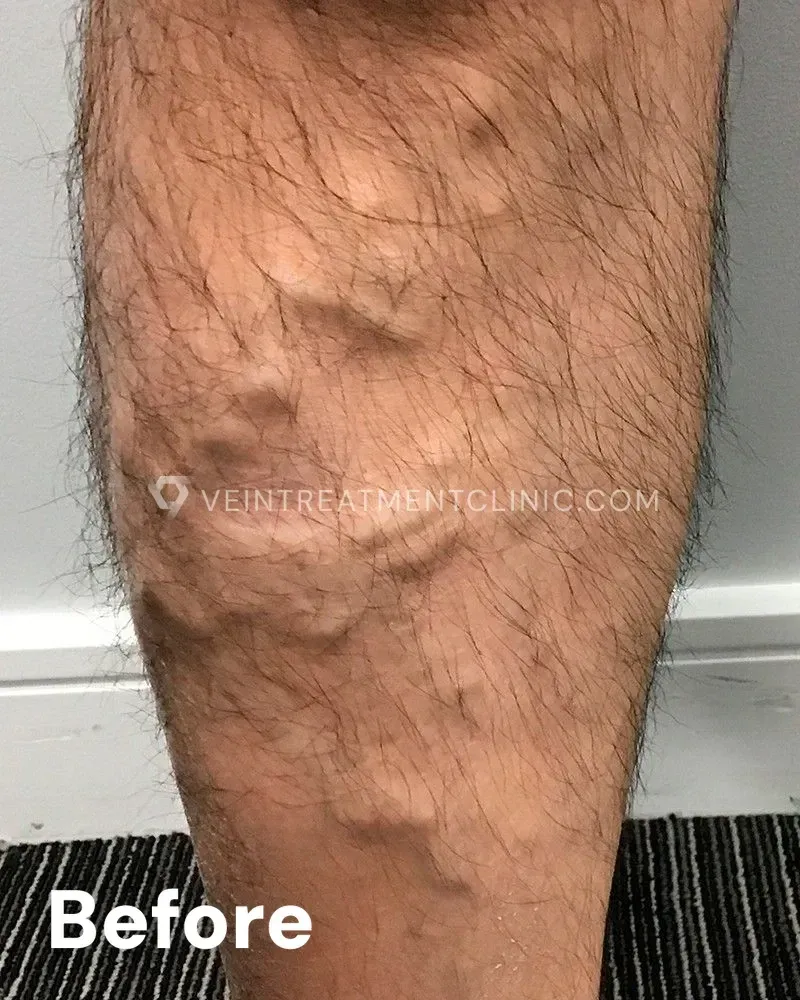
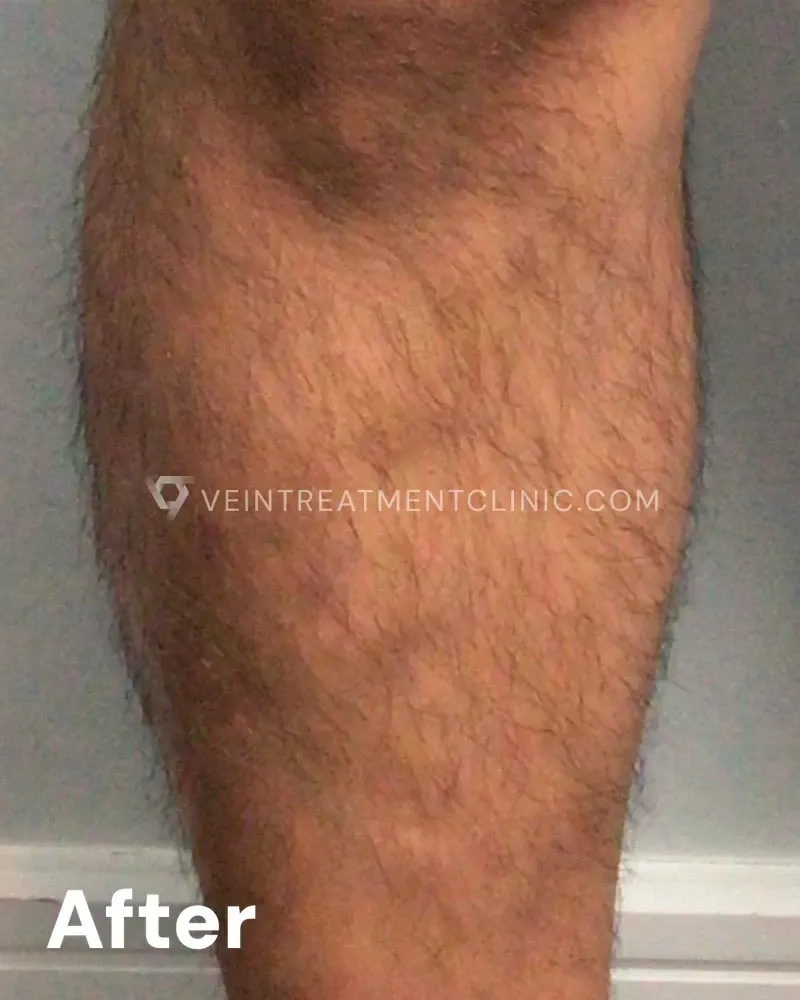
Male, treated for varicose veins on the calves with VeinVanish™, a customized treatment plan tailored to his condition. The after photo shows the treated areas appearing smoother with the varicose veins visibly reduced.
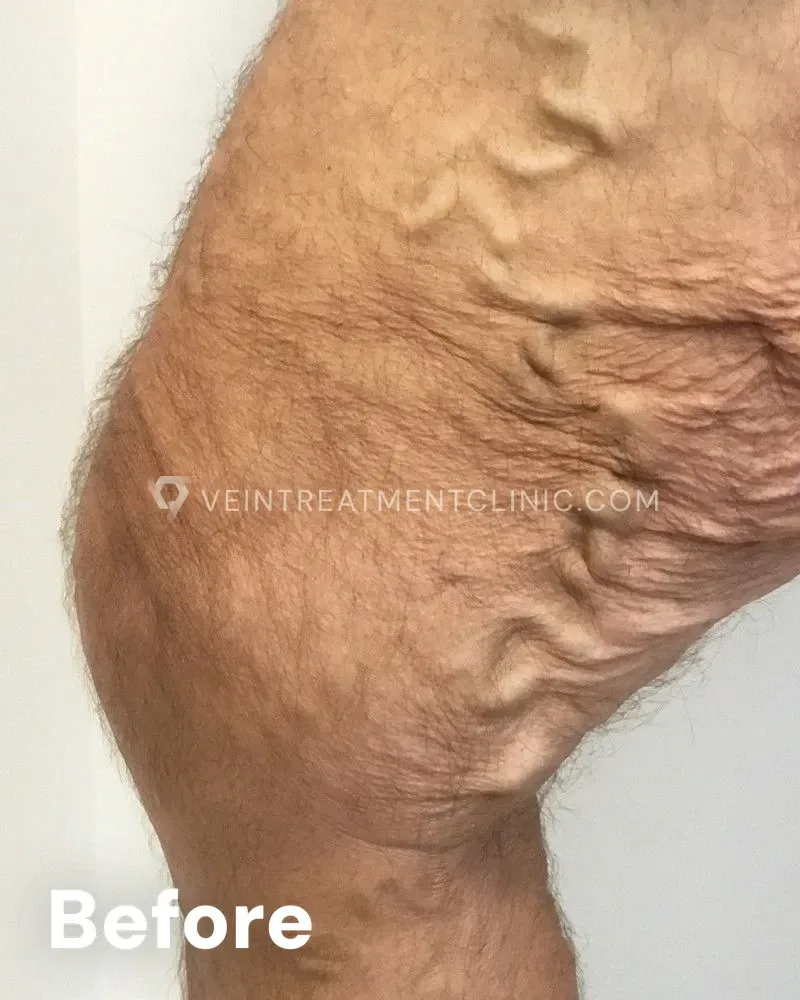
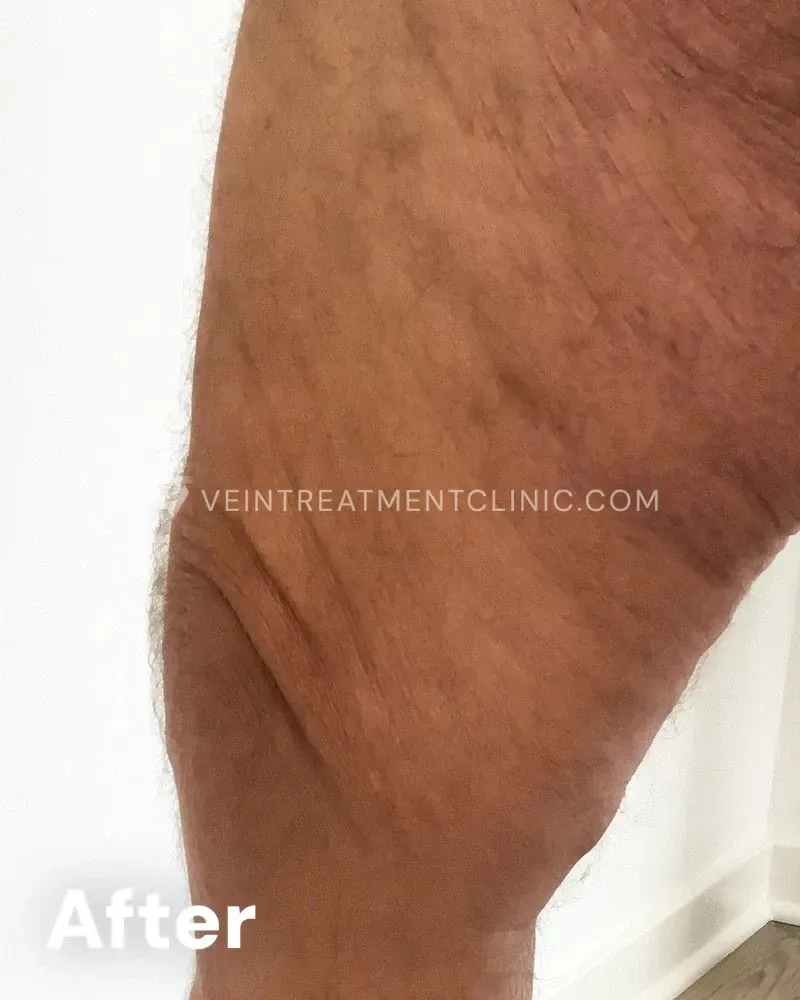
Male, treated for varicose veins on the thighs and knees with VeinVanish™, a customized treatment plan tailored to his condition. The after photo shows the thighs and knees with a smoother-looking appearance.
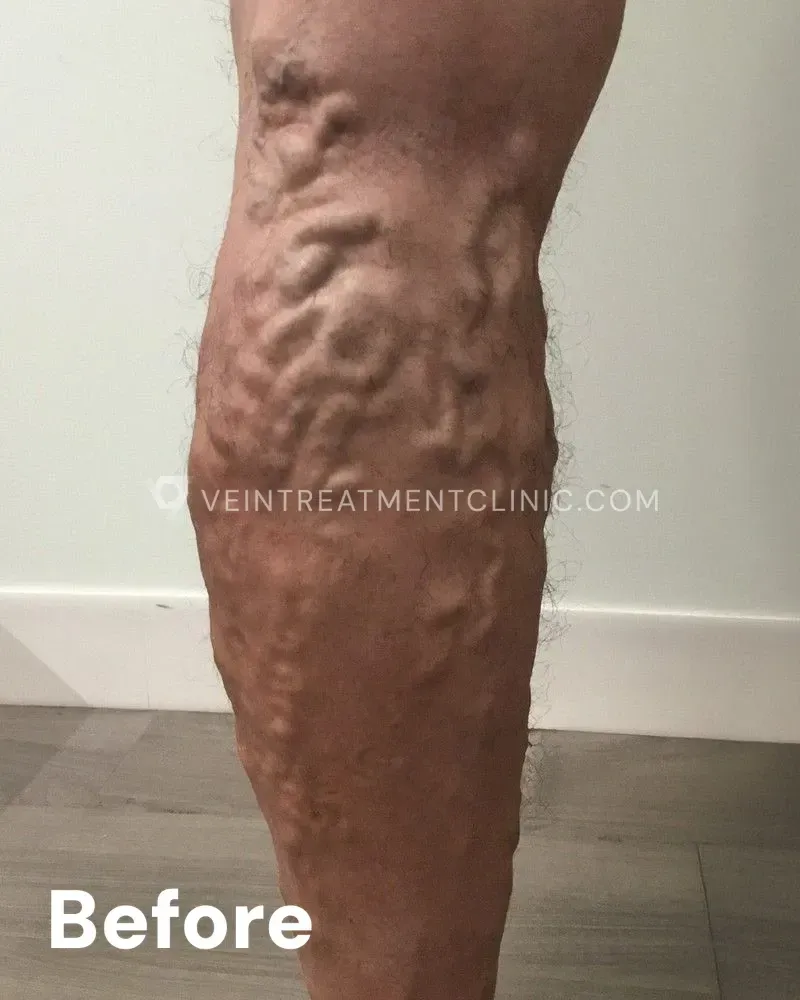
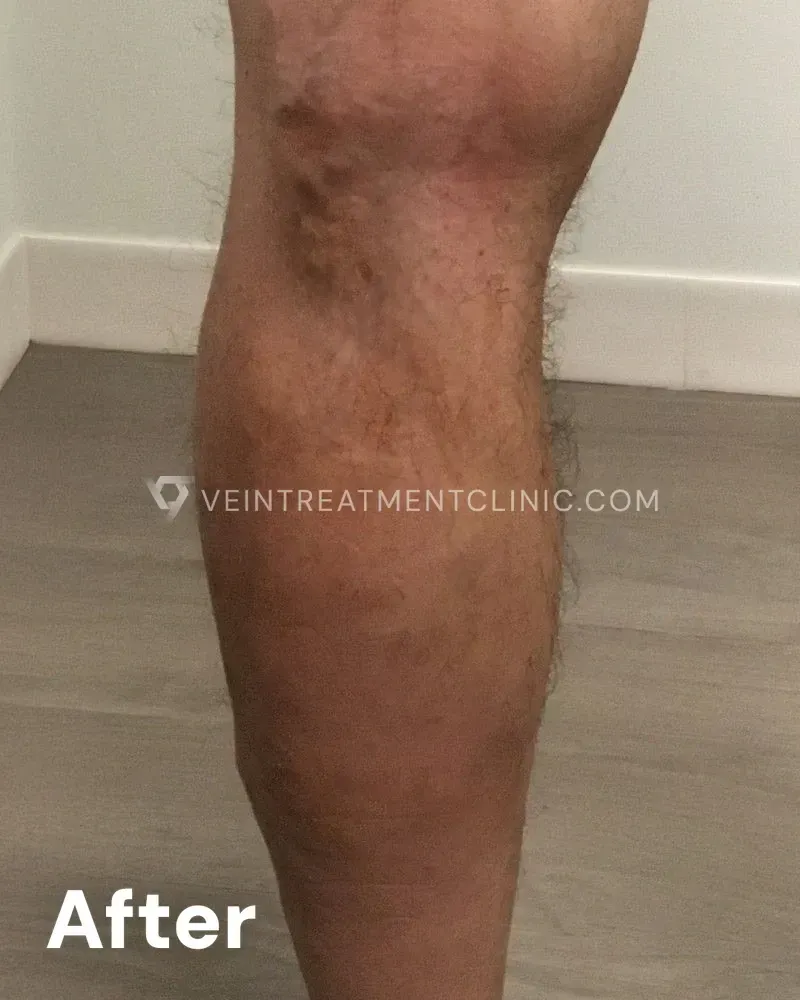
Male, treated for varicose veins on the calves and knees with VeinVanish™, a customized treatment plan tailored to his condition. The after photo shows the affected areas appearing smoother-looking with the varicose veins visibly reduced.
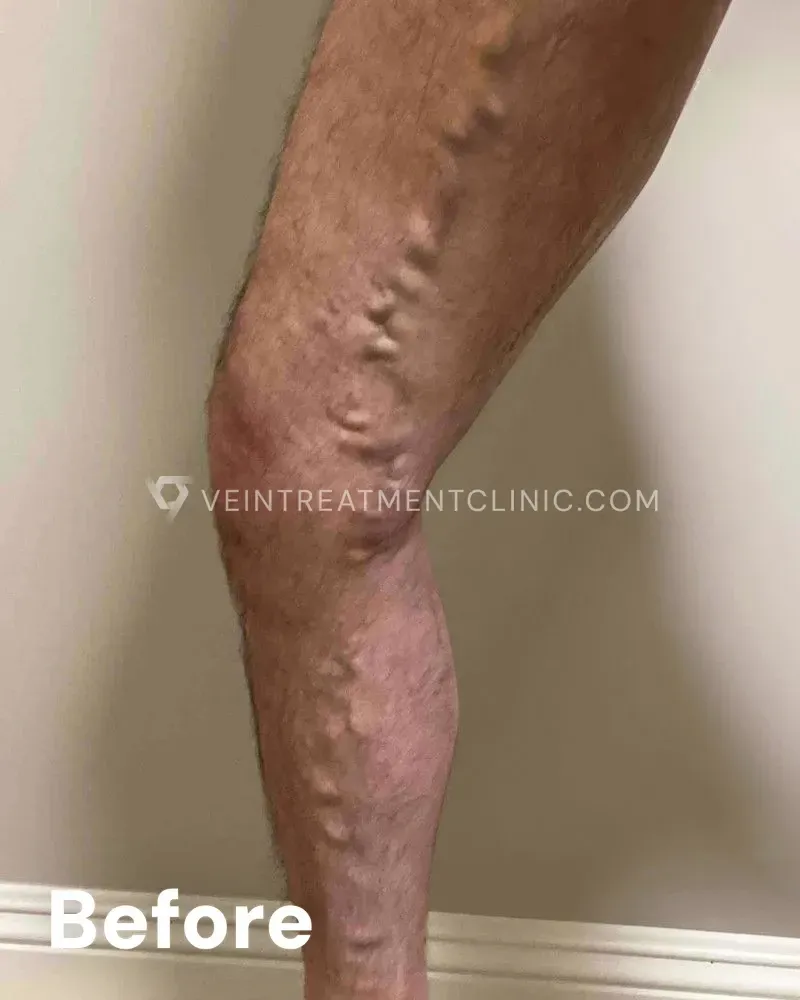
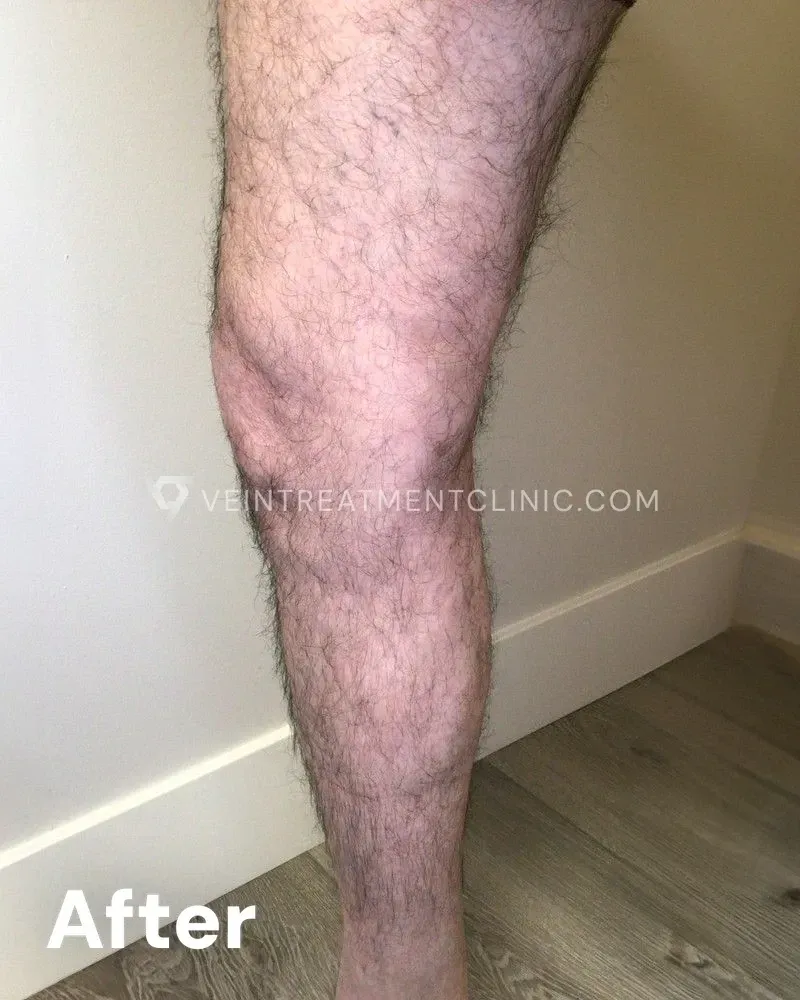
Male, treated for varicose veins on the thighs, calves, and knees with VeinVanish™, a customized treatment plan tailored to his condition. The after photo shows smoother-looking legs with the varicose veins visibly reduced across the treated areas.
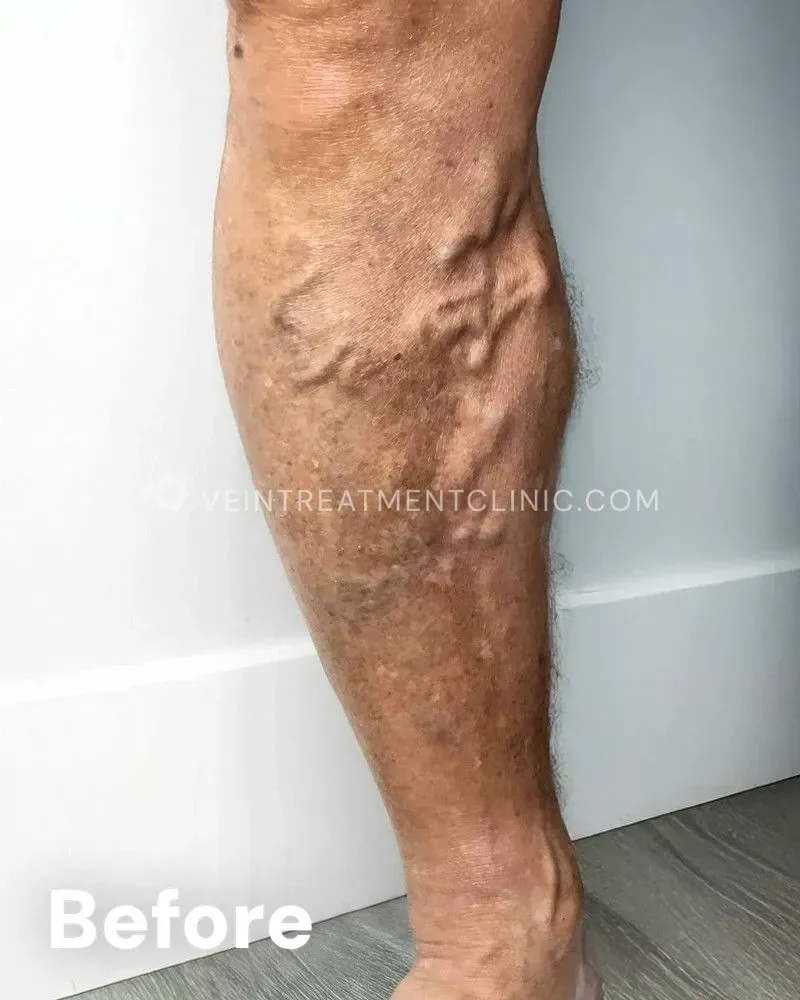
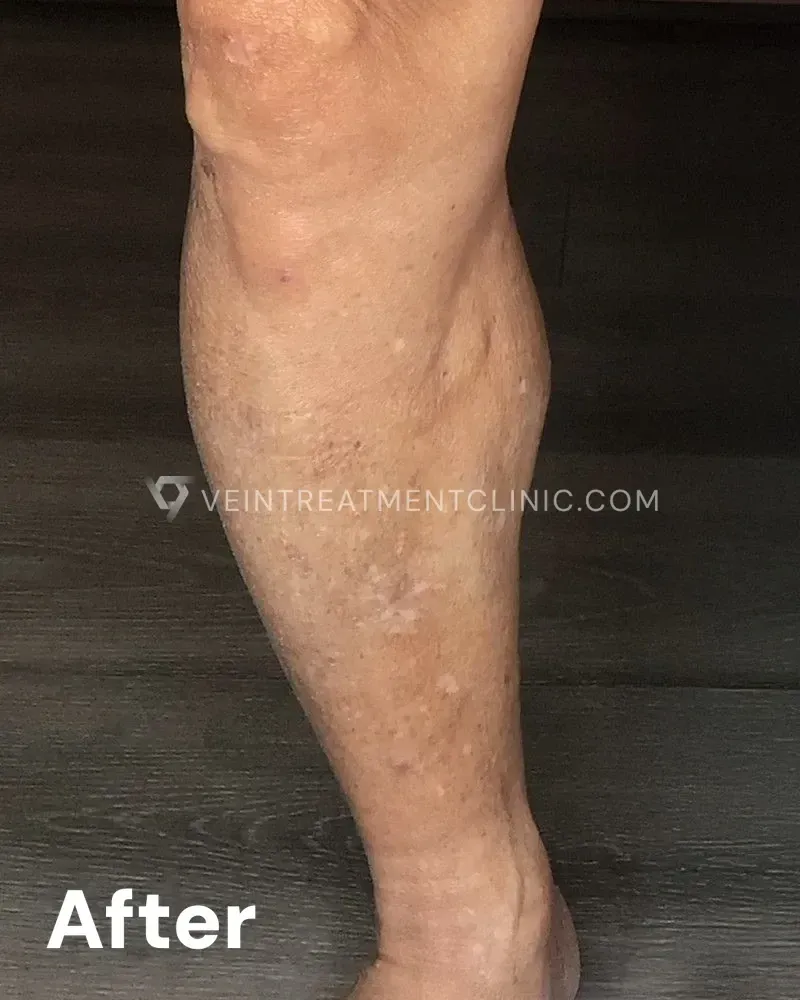
Male, treated for varicose veins on the calves and thighs with VeinVanish™, a customized treatment plan tailored to his condition. The after photo shows the legs appearing smoother-looking with the varicose veins visibly reduced.
Do all patients with suspected CVI need ultrasound?
In most cases, a venous insufficiency ultrasound is recommended when symptoms or skin changes suggest CVI. This imaging test provides critical information that cannot be obtained through physical examination alone.
How ultrasound findings guide treatment planning?
Ultrasound identifies which veins are malfunctioning and how severe the reflux is.
This information guides treatment selection and sequencing.
Can CVI be confused with other conditions?
Yes. Leg swelling, skin changes, and discomfort can be caused by heart, kidney, lymphatic, or medication related conditions. A vein ultrasound for CVI helps confirm or rule out chronic venous insufficiency by directly evaluating venous blood flow.
When diagnosis should prompt treatment discussion?
Once CVI is confirmed, treatment may be recommended based on symptoms, progression, and risk of complications.
Early treatment can improve circulation and reduce long-term skin damage.