

Table of contents

Get treated by vein treatment industry leaders
Itchy Varicose Veins: What Causes the Itching and When It Matters

Medically verified
Last updated on 1/29/2026

By Dr. Michael Nguyen
Vein Doctor at Vein Treatment Clinic
Harvard Medical School
Board Certified by the American Board of Venous and Lymphatic Medicine
Itching may occur when malfunctioning vein valves cause blood to pool, creating internal pressure and inflammation that irritates the skin from the inside out. This type of itching related to venous insufficiency often reflects underlying circulation problems rather than a simple skin issue.
You should see a vein doctor if the itching is persistent, spreading, or accompanied by visible skin changes like redness, thickening, or brown discoloration.

Seeking a professional is important because chronic venous pressure may lead to complications such as skin infections or ulcers.
If you’re experiencing leg discomfort and aren’t sure whether varicose veins are the cause, a vein evaluation can help clarify what’s happening.
Why do varicose veins itch?
Itching around varicose veins is usually caused by increased pressure inside the veins and inflammation in the surrounding tissue.
When vein valves do not function properly, blood pools in the legs and allows fluid and inflammatory byproducts to irritate the skin.
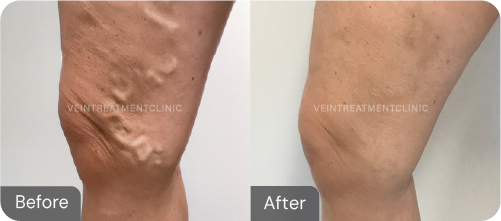
Varicose Vein before and after treatment pictures.
Results may vary according to each case.
Varicose Vein before and after treatment pictures.
Results may vary according to each case.
What itching says about circulation in the legs?
Itchy varicose veins often reflect underlying circulation issues rather than a simple skin condition.
Poor venous return changes the skin environment, making it drier, more sensitive, and prone to irritation.
Is itching a normal symptom or a warning sign?
Occasional itching can be a mild symptom, especially in early vein disease.
Persistent, worsening, or spreading itching is more concerning and often signals progression beneath the surface.
Symptom Checker
When itchy varicose veins become a risk?
Itching becomes more significant when combined with swelling, skin discoloration, thickening, redness, or tenderness.
These signs indicate increased vein pressure and higher risk of complications if left untreated.
Are itchy varicose veins dangerous?
Itching itself is not usually dangerous, but persistent venous insufficiency-related itching is an important signal that the veins and skin are under stress.
Over time, untreated vein disease associated with itching can lead to skin breakdown, bleeding, or ulcers.
Why scratching itchy varicose veins can cause problems?
Skin over varicose veins is often thin and fragile due to long-standing pressure.
Scratching can lead to skin injury, bleeding, infection, or rupture of a weakened vein.
When should you worry? See the Warning Signs of Dangerous Veins
What is venous stasis dermatitis?
Venous stasis dermatitis is a skin condition caused by chronic venous pressure and inflammation.
It commonly presents with itching, redness, scaling, and darkening of the skin near the ankles.
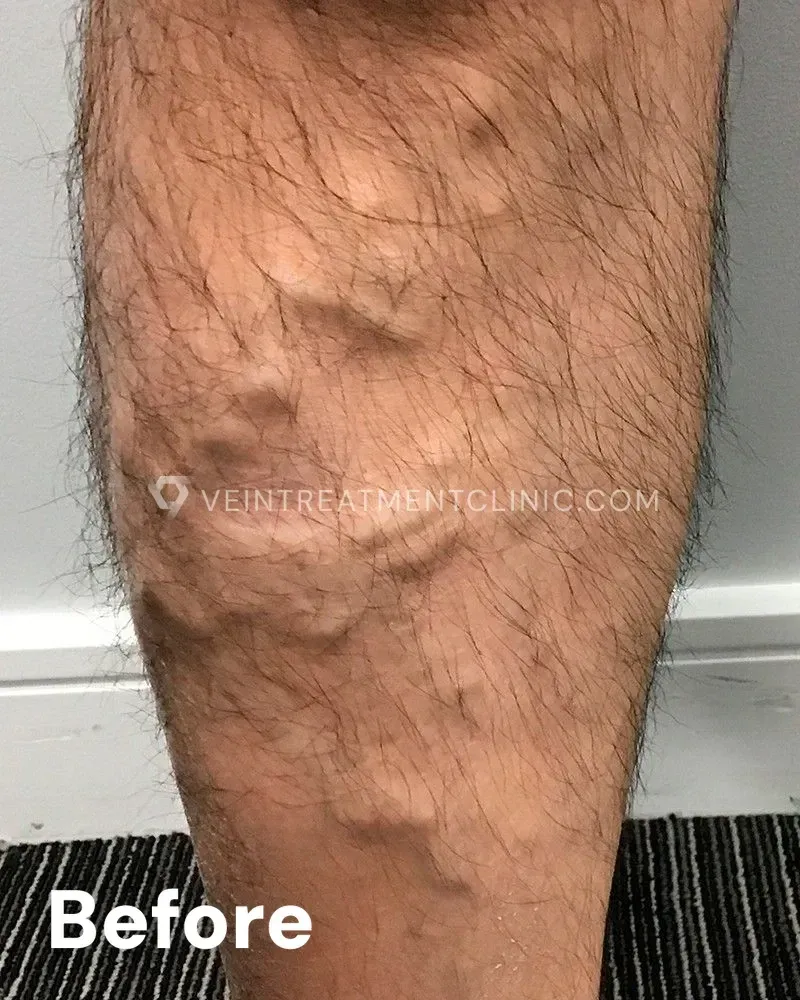
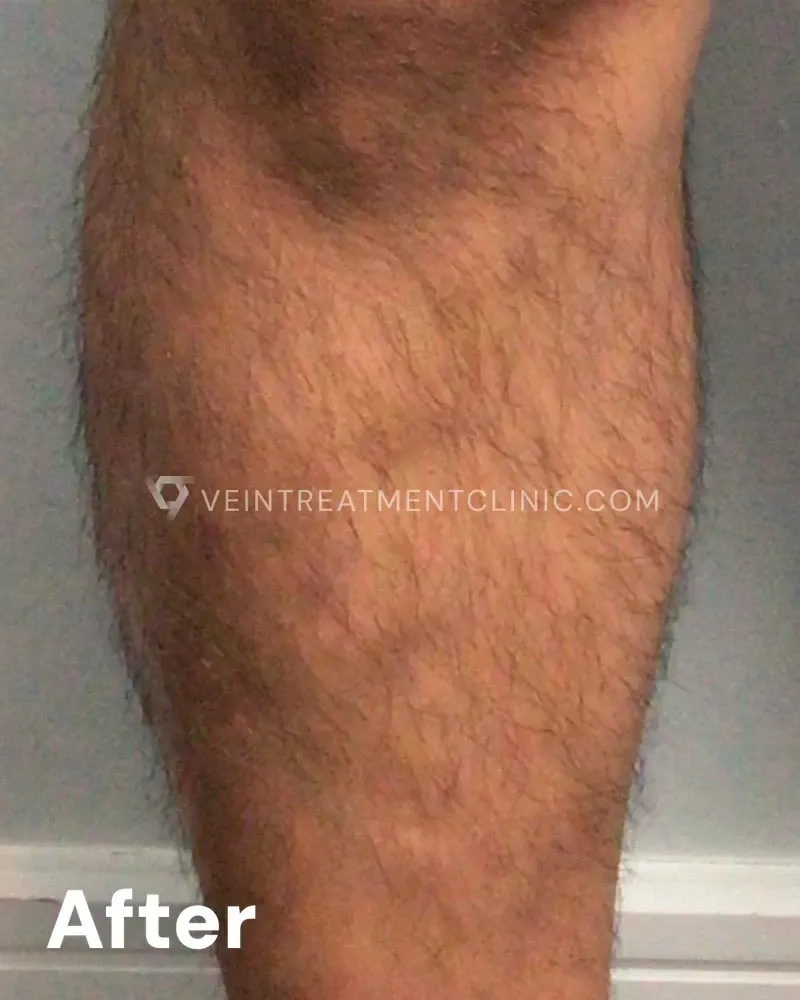
Male, treated for varicose veins on the calves with VeinVanish™, a customized treatment plan tailored to his condition. The after photo shows the treated areas appearing smoother with the varicose veins visibly reduced.
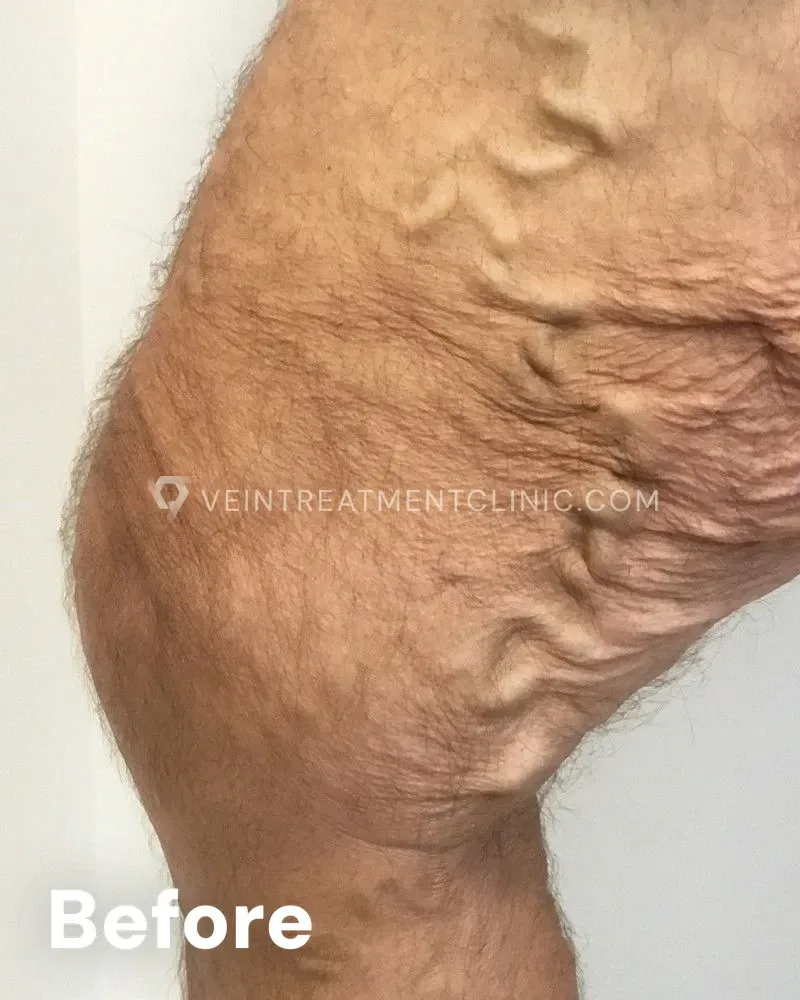
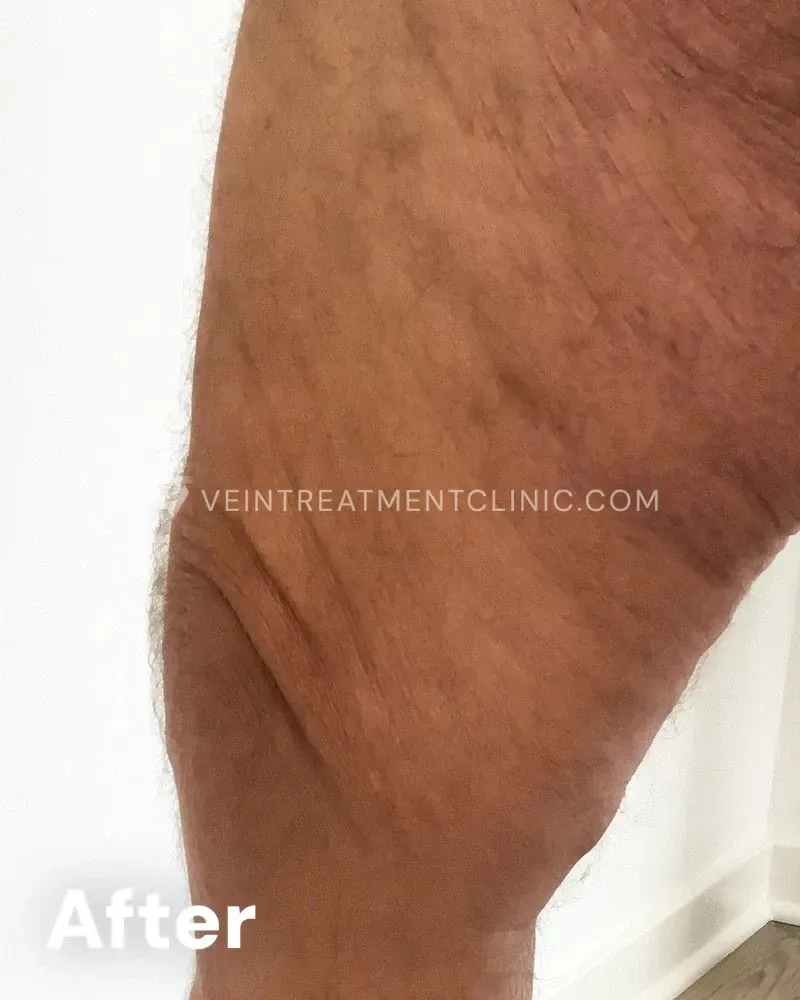
Male, treated for varicose veins on the thighs and knees with VeinVanish™, a customized treatment plan tailored to his condition. The after photo shows the thighs and knees with a smoother-looking appearance.
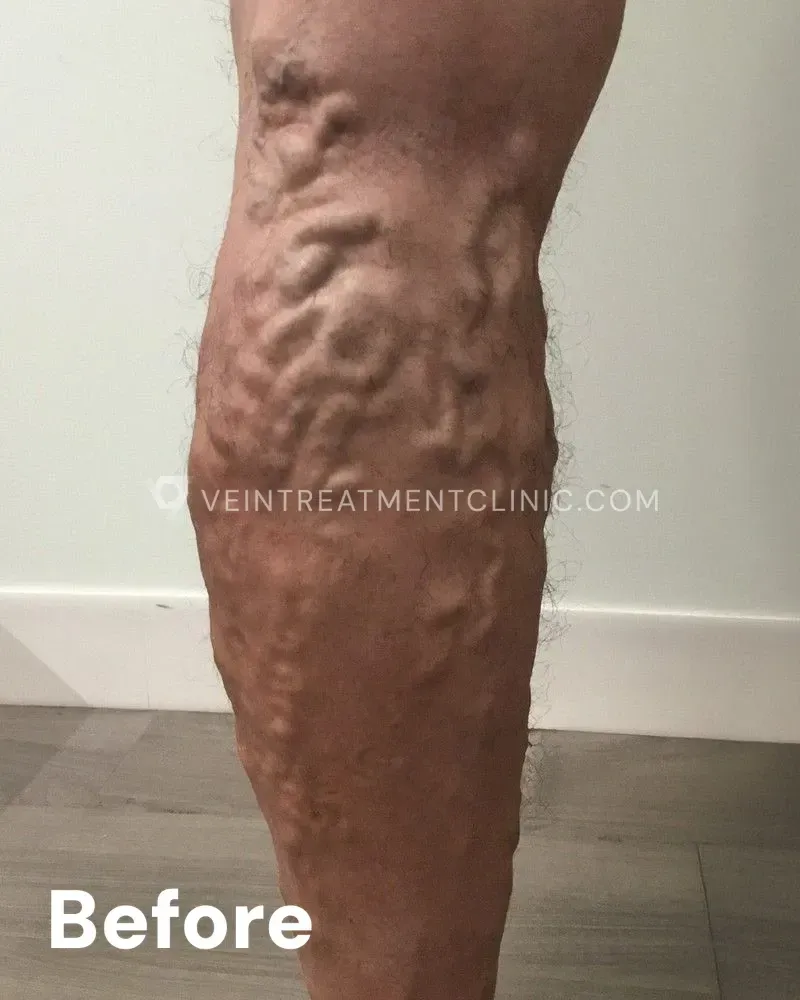
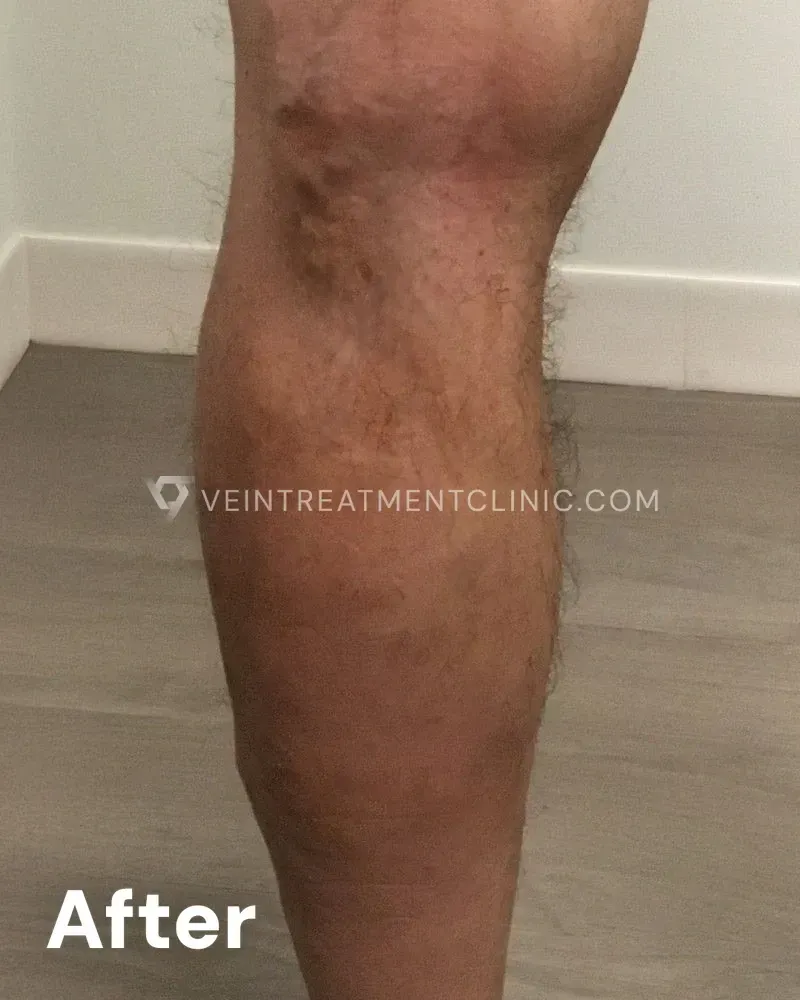
Male, treated for varicose veins on the calves and knees with VeinVanish™, a customized treatment plan tailored to his condition. The after photo shows the affected areas appearing smoother-looking with the varicose veins visibly reduced.
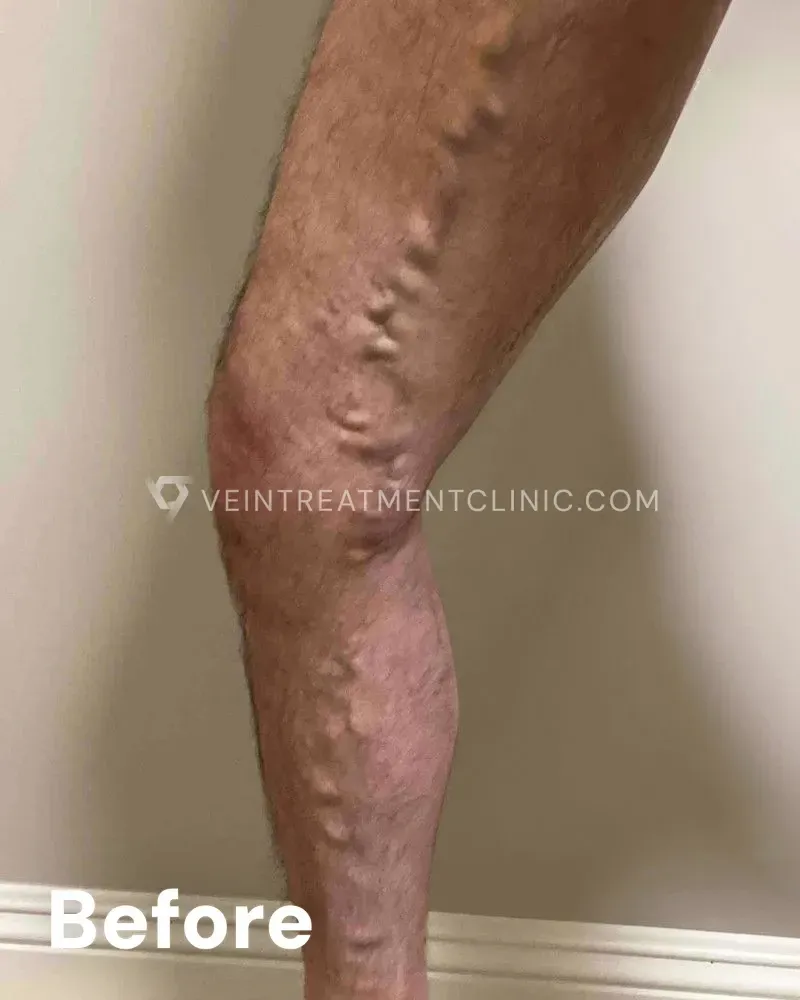
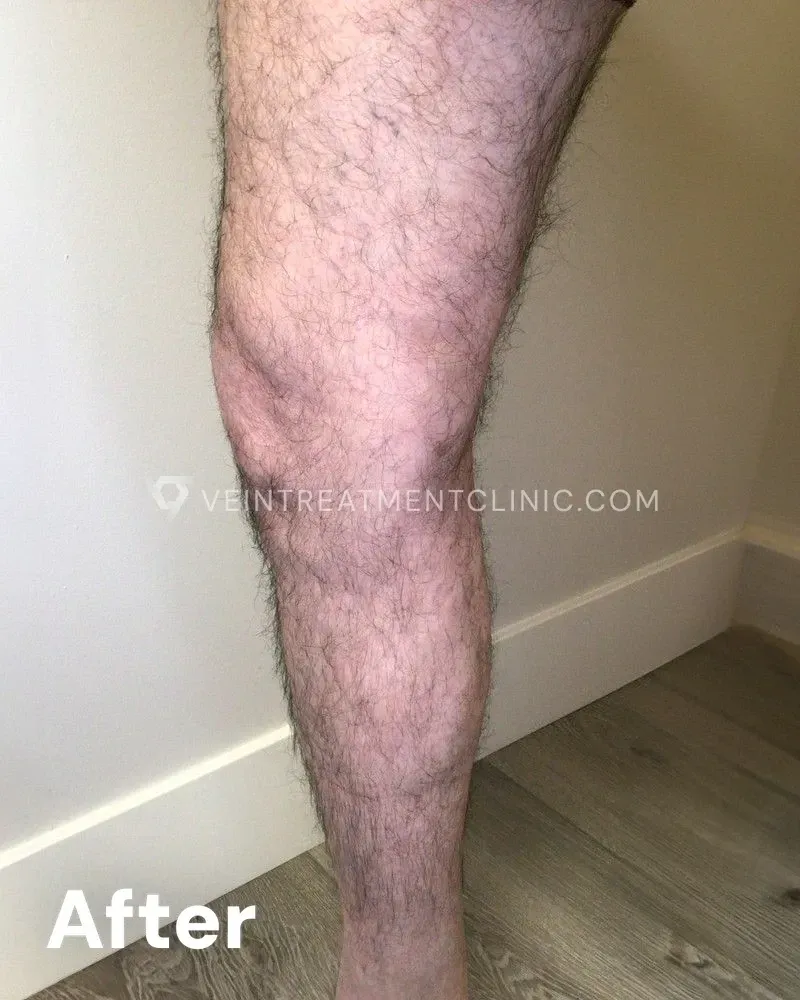
Male, treated for varicose veins on the thighs, calves, and knees with VeinVanish™, a customized treatment plan tailored to his condition. The after photo shows smoother-looking legs with the varicose veins visibly reduced across the treated areas.
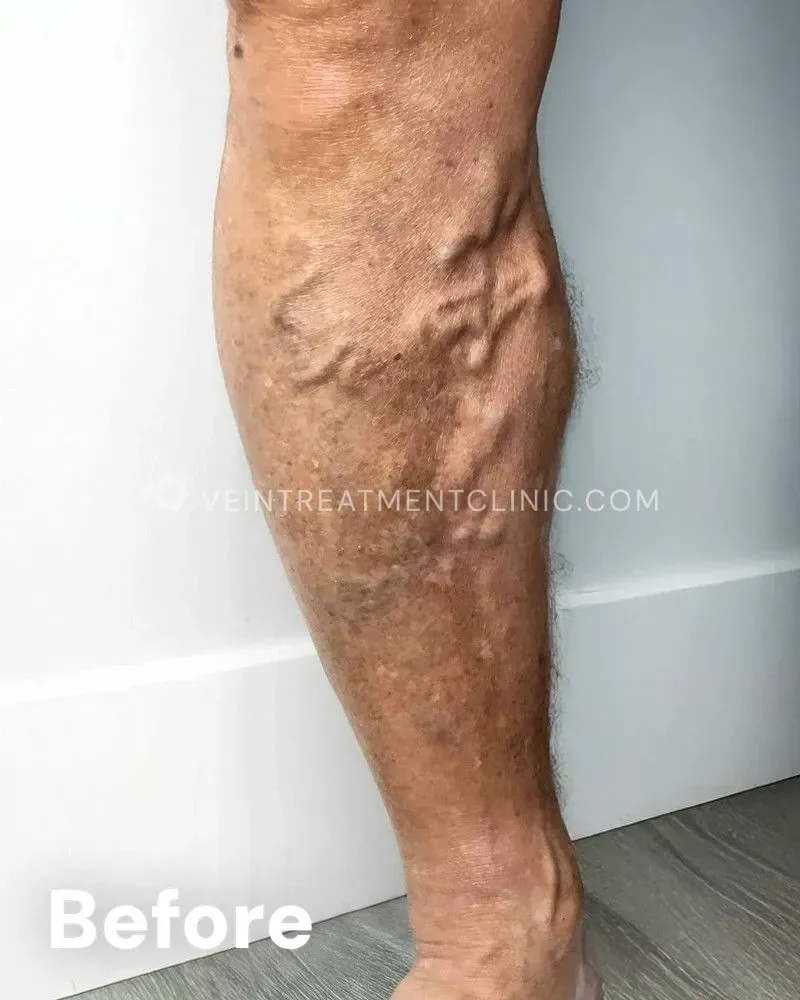
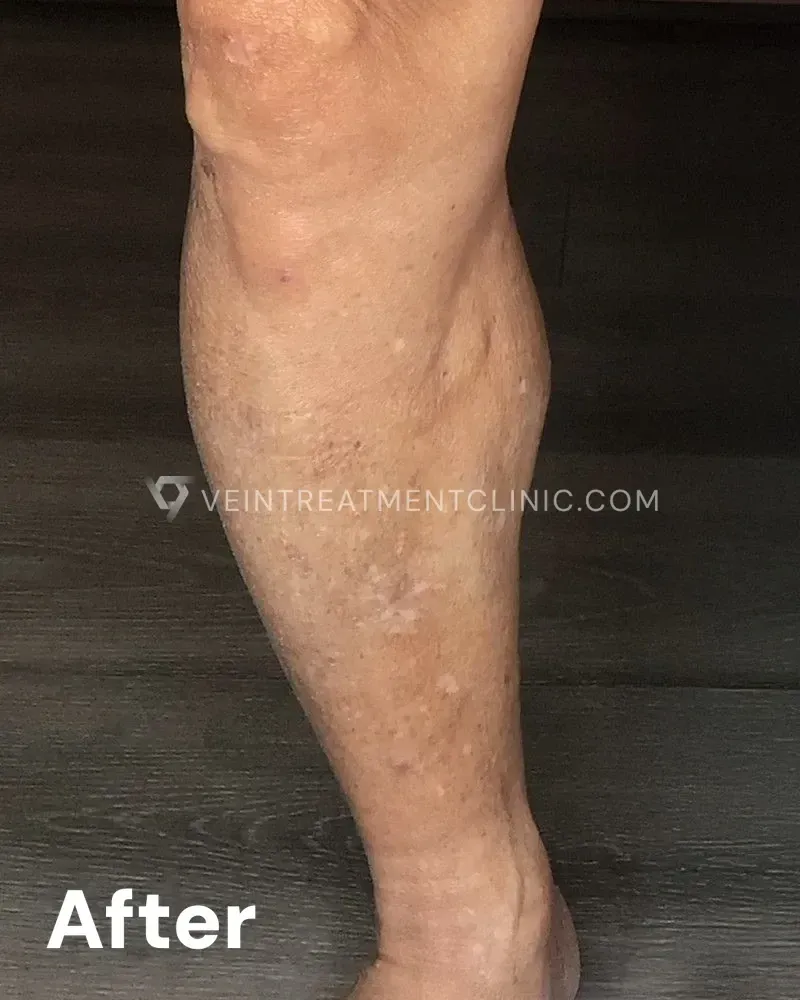
Male, treated for varicose veins on the calves and thighs with VeinVanish™, a customized treatment plan tailored to his condition. The after photo shows the legs appearing smoother-looking with the varicose veins visibly reduced.
Results vary based on individual conditions, and a personalized consultation is required to determine the best treatment options.
Does itching mean varicose veins are getting worse?
In many cases, yes. Increasing itchiness often parallels worsening vein function.
It may appear before more obvious signs such as skin thickening or ulcers.
How a vein evaluation helps clarify the cause?
A vein evaluation identifies whether itching is driven by valve failure, venous reflux and underlying venous insufficiency.
Ultrasound helps determine the severity of pressure and which veins are involved.
Precision Care: Understand Your Veins with an Ultrasound Map
What treatments help relieve itching and reduce risk?
Treatments that improve circulation often reduce itching by lowering pressure and inflammation.
Most modern vein treatments are non-surgical and performed in an outpatient setting.
When should you see a vein specialist?
Evaluation is recommended if varicose veins cause pain, swelling, skin changes, or interfere with daily activities.
Early evaluation helps prevent progression and long-term complications.