

Table of contents

Get treated by vein treatment industry leaders
Venous Ablation: What It Is, How It Works, and When It’s Used

Medically verified
Last updated on 1/29/2026

By Dr. Michael Nguyen
Vein Doctor at Vein Treatment Clinic
Harvard Medical School
Board Certified by the American Board of Venous and Lymphatic Medicine
Venous ablation, also known as vein ablation or endovenous ablation, is a minimally invasive procedure used to treat malfunctioning veins, most commonly in patients with varicose veins or chronic venous insufficiency.
This vein ablation procedure closes diseased veins from the inside, helping relieve symptoms such as pain, swelling, heaviness, and visible varicose veins.
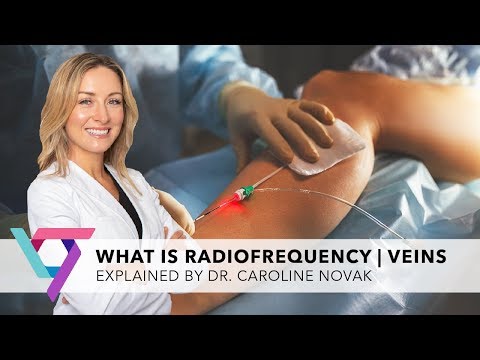
Many patients searching for venous ablation near them are concerned about surgery, but modern endovenous ablation techniques are office based and designed for faster recovery.
This page explains what venous ablation is, how it works, when it is recommended, and what patients can expect before and after treatment.
What is venous ablation?
Venous ablation is a minimally invasive vein ablation procedure that seals a malfunctioning vein so blood can reroute through healthier veins. Rather than removing the vein surgically, endovenous ablation closes it from the inside using targeted energy.
This improves circulation and reduces symptoms caused by venous reflux.
Why is venous ablation performed?
Venous ablation is used when vein valves fail and allow blood to flow backward, a condition known as venous reflux.
This reflux increases pressure in the legs and contributes to symptoms such as pain, swelling, heaviness, and varicose veins.
Get the Facts on Chronic Venous Insufficiency. Read the Complete Guide
What types of venous ablation are used?
The most common forms of venous ablation use heat delivered through a small catheter placed inside the vein. These include laser vein ablation and radiofrequency ablation (RFA), both performed under ultrasound guidance.
These endovenous techniques are widely used for treating varicose vein ablation cases and chronic venous insufficiency.
Symptom Checker
Is venous ablation considered surgery?
No. Venous ablation is not traditional surgery.
It is a minimally invasive, office-based procedure performed without general anesthesia.
What happens during a venous ablation procedure?
During a vein ablation procedure, a small catheter is inserted into the affected vein under ultrasound guidance. Energy, either laser or radiofrequency, is delivered through the catheter to seal the vein.
Once closed, blood naturally reroutes to healthier veins, improving circulation and relieving symptoms.
Is venous ablation painful?
Most patients experience minimal discomfort during venous ablation.
Local anesthesia is used, and patients typically describe pressure or mild sensations rather than pain.
Before
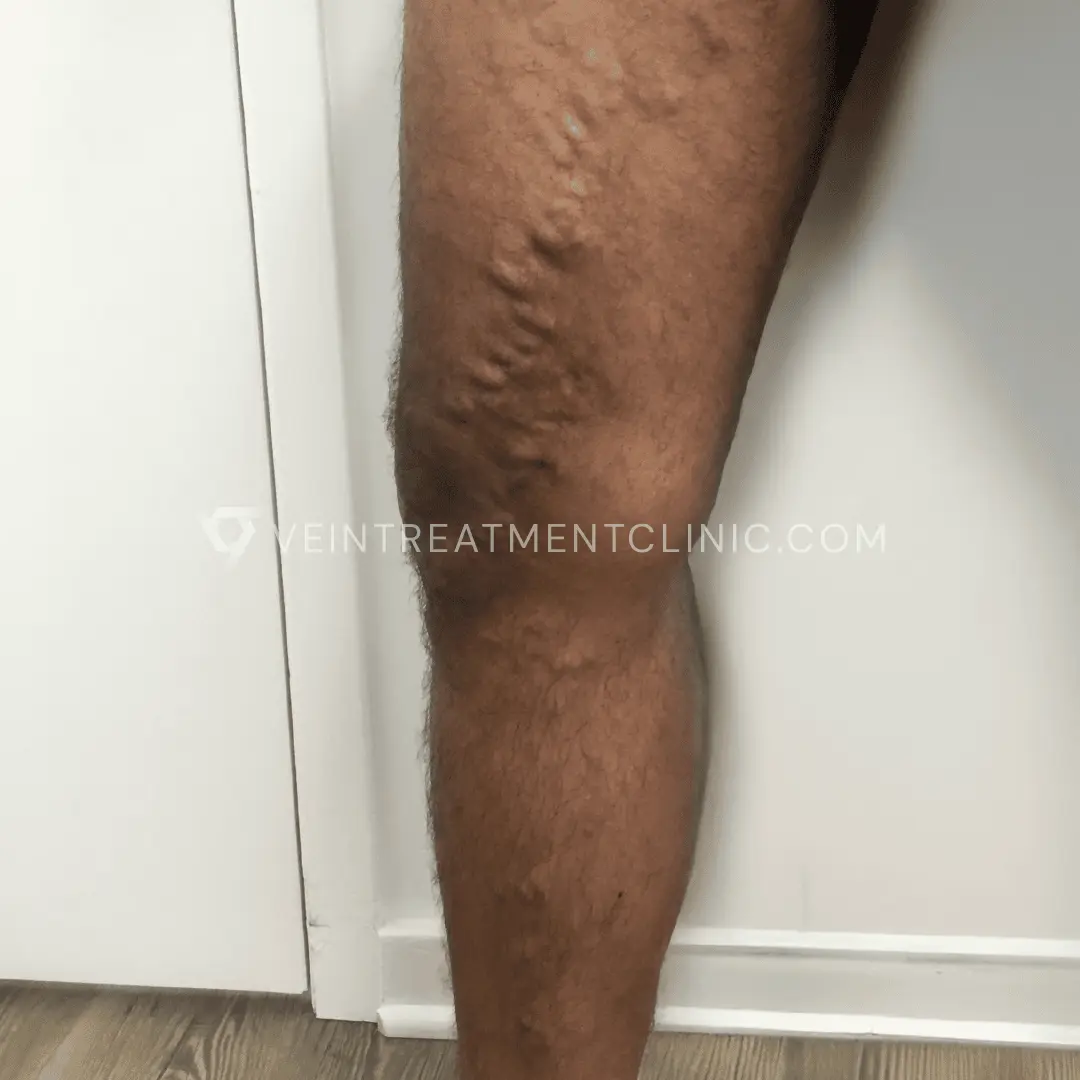
After
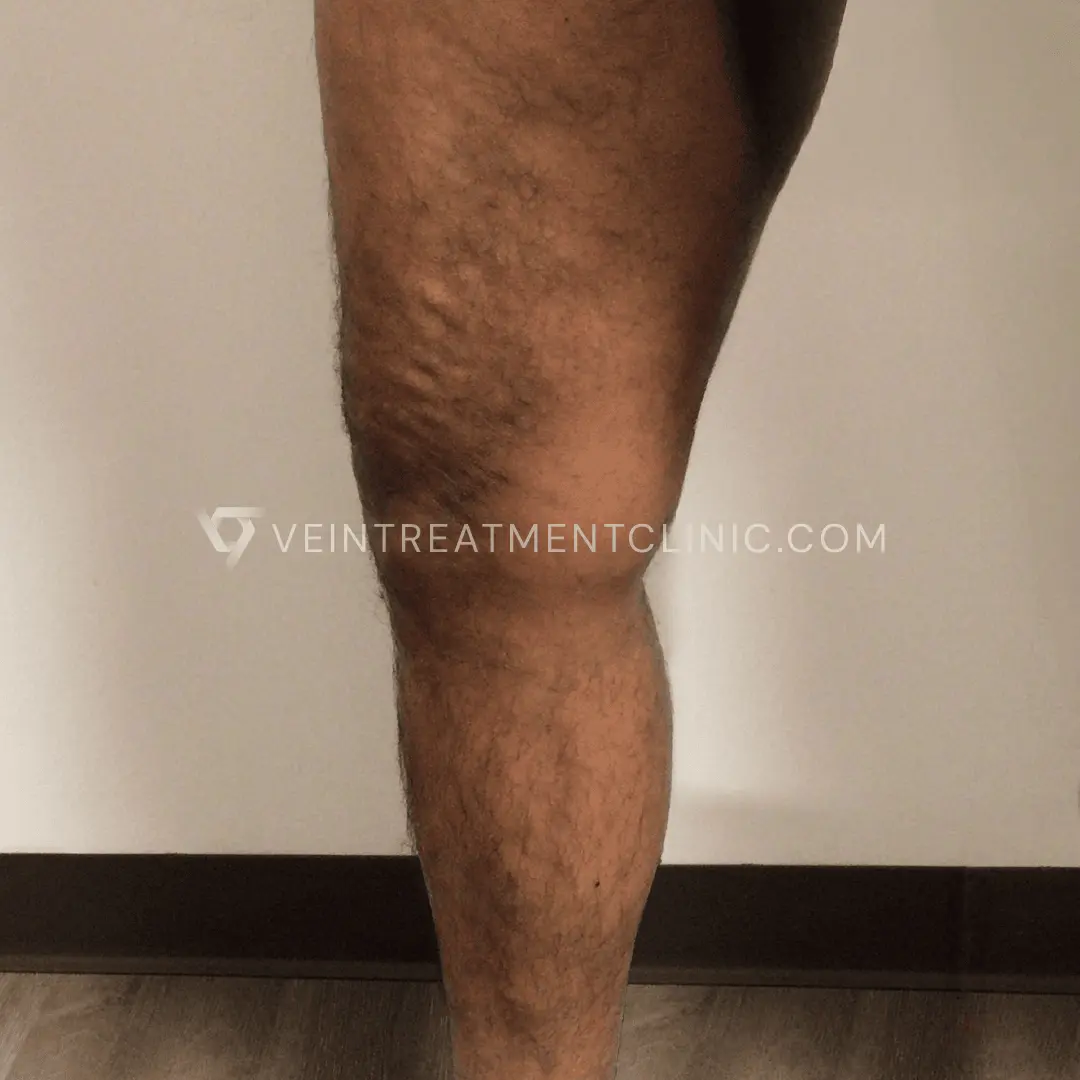
A 37-year-old patient visited our Vein Treatment Clinic, seeking relief from unsightly and painful varicose and spider veins. We performed radiofrequency ablation and sclerotherapy treatments, significantly improving the veins’ appearance and completely eliminating discomfort. The patient is now enjoying a more active and pain-free lifestyle.
Before
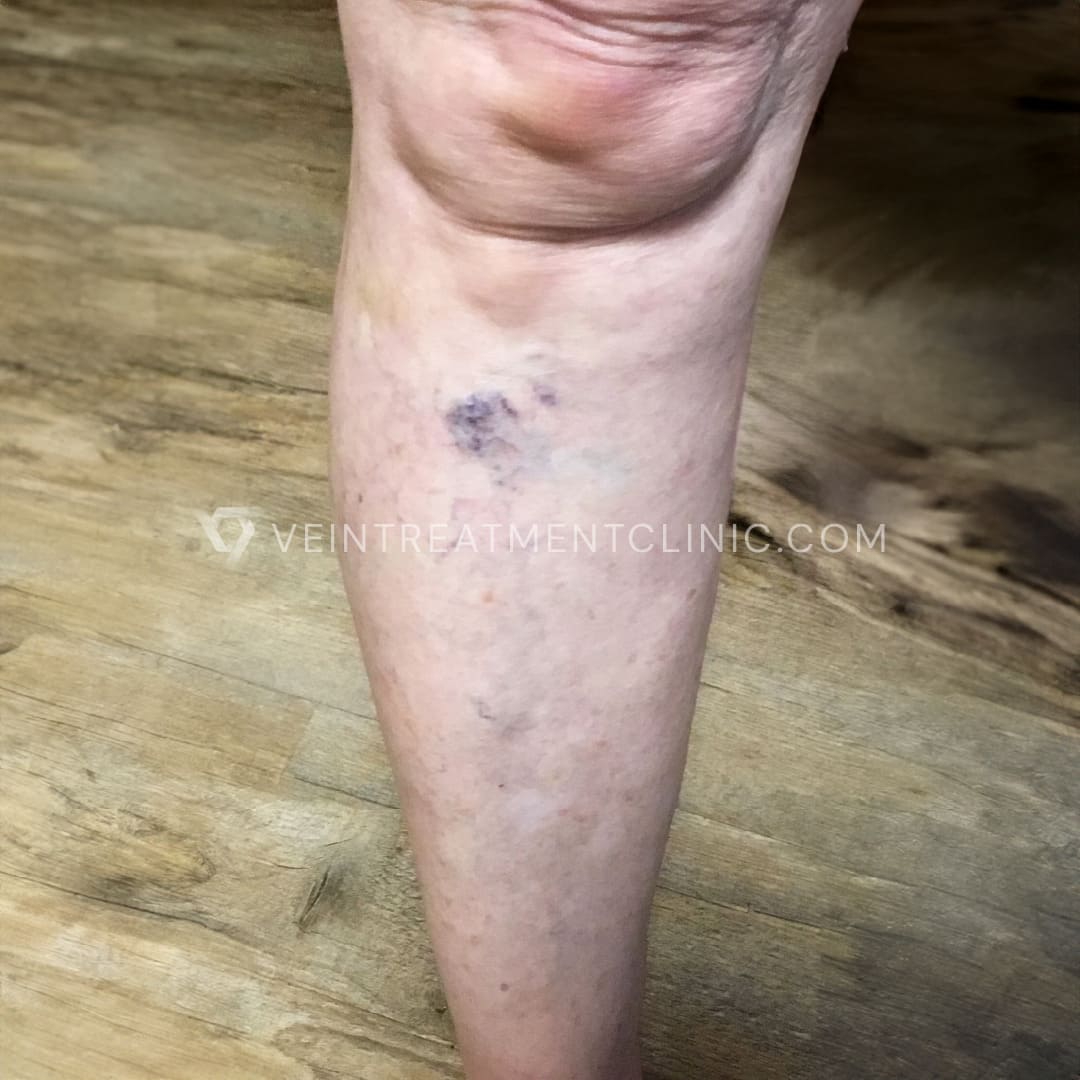
After
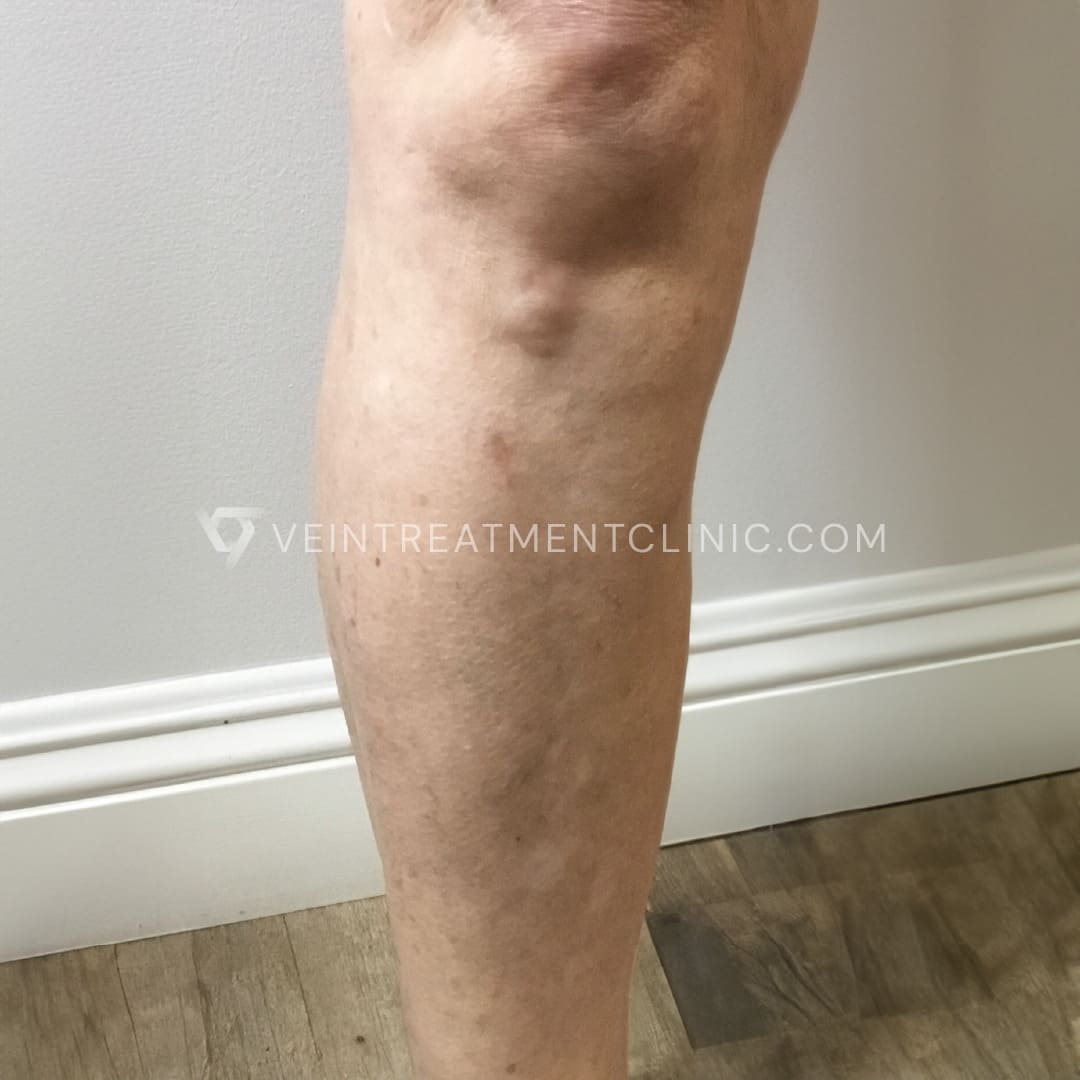
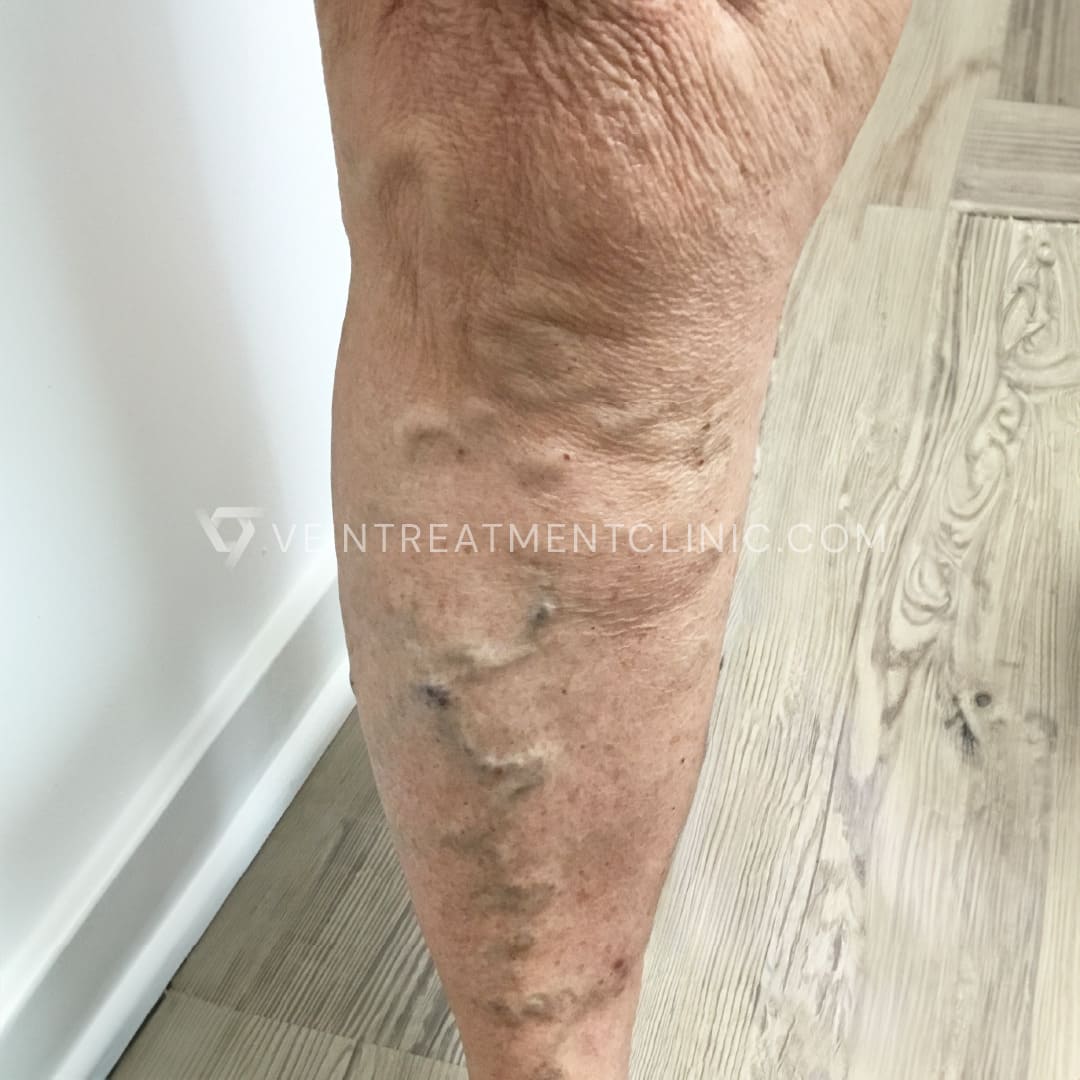
A 69 year-old patient visited our California Vein Clinic, embarrassed by spider veins that had impacted their self-esteem. We performed radiofrequency ablation and sclerotherapy treatments, leaving their legs smooth and healthy. The patient now feels more confident, thanks to this transformative treatment.
Before
After
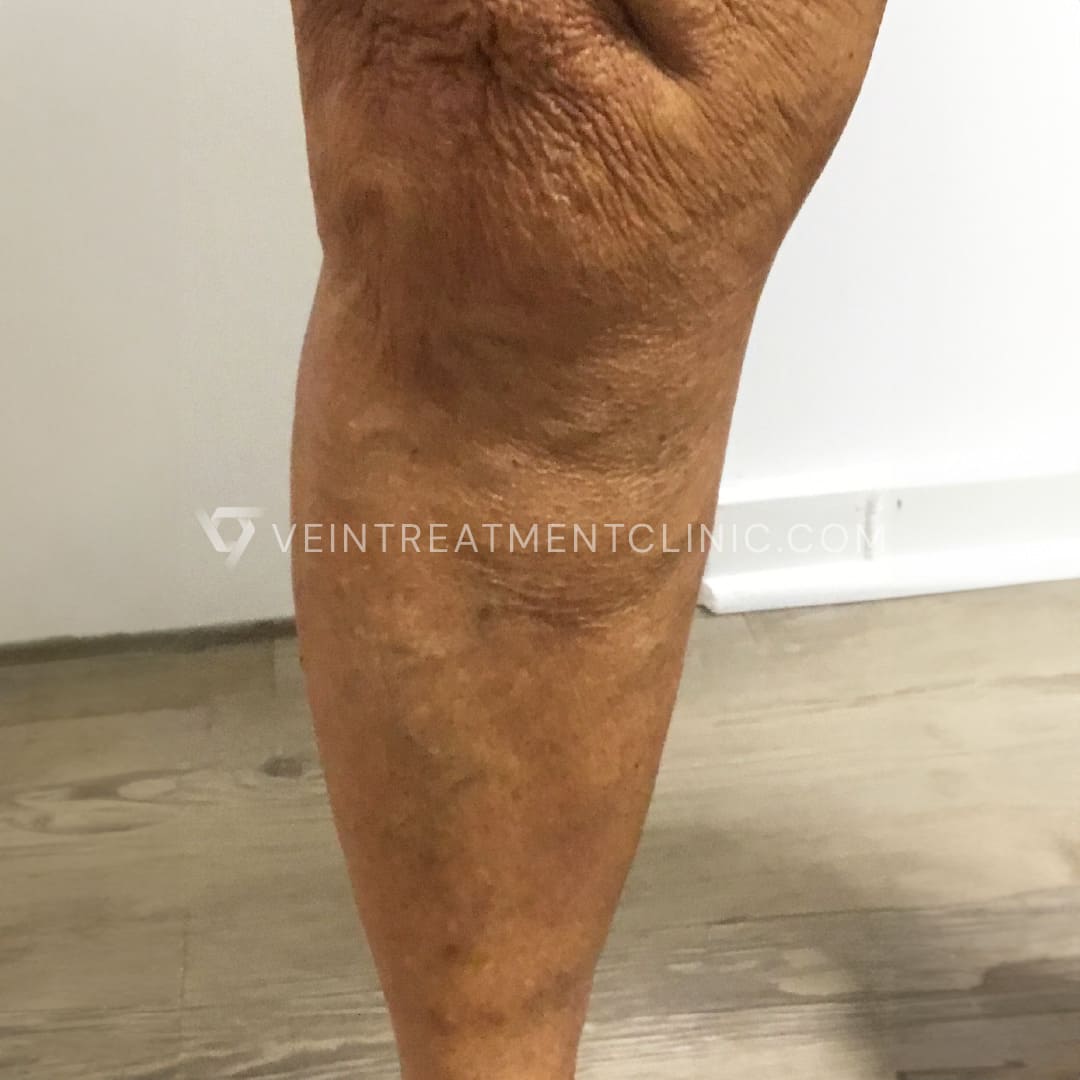
This 84 year-old patient at our New Jersey Vein Treatment Clinic came in with spider veins that had affected their daily routine. We used radiofrequency ablation and sclerotherapy treatments to relieve discomfort and restore both their leg health and confidence. The patient now enjoys a more active and fulfilling lifestyle, free from pain.
Before
After
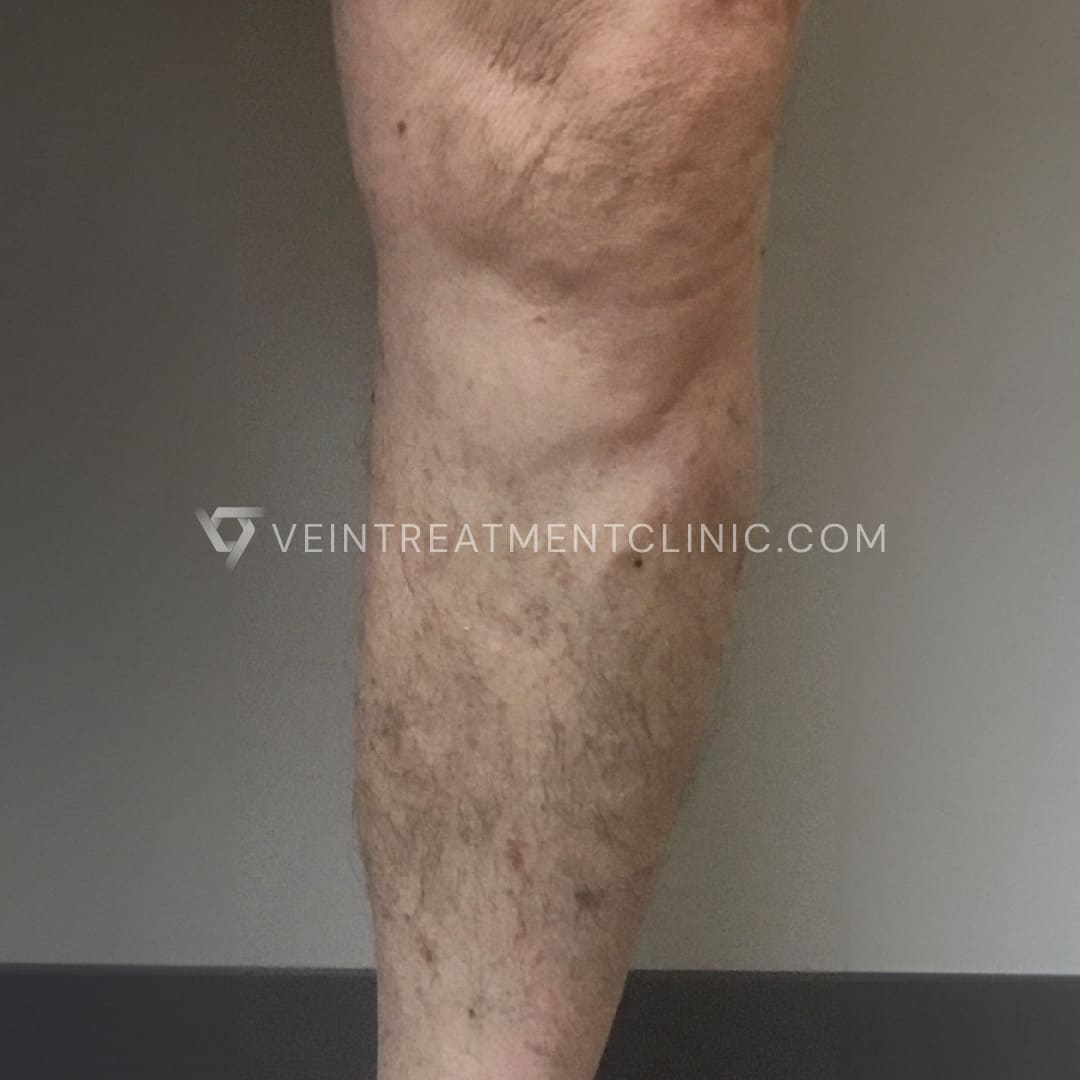
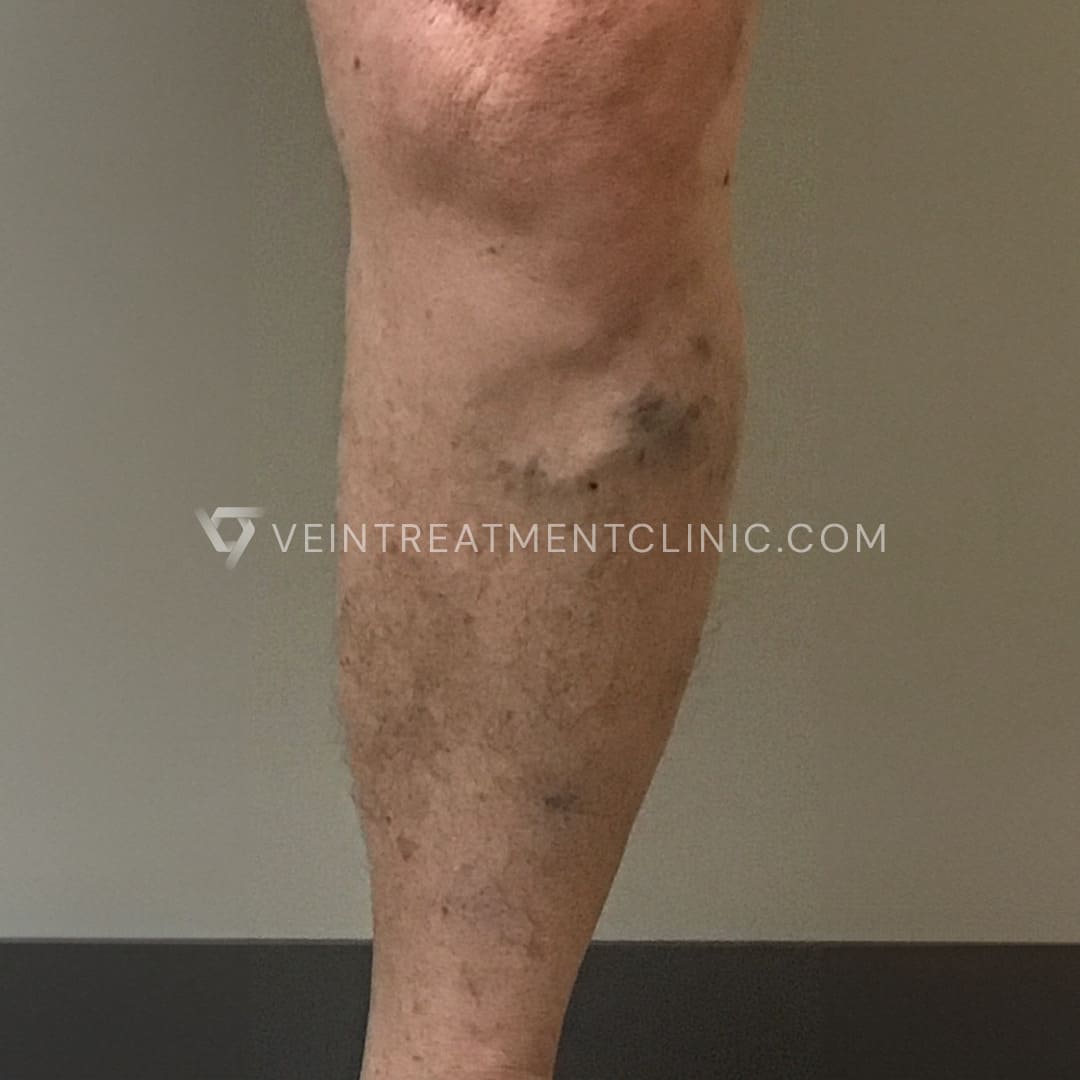
At our Long Island Vein Clinic, we treated this 75 year-old patient with spider veins using radiofrequency ablation and sclerotherapy. These minimally invasive treatments improved both the patient’s appearance and overall well-being, offering transformative results.
Before
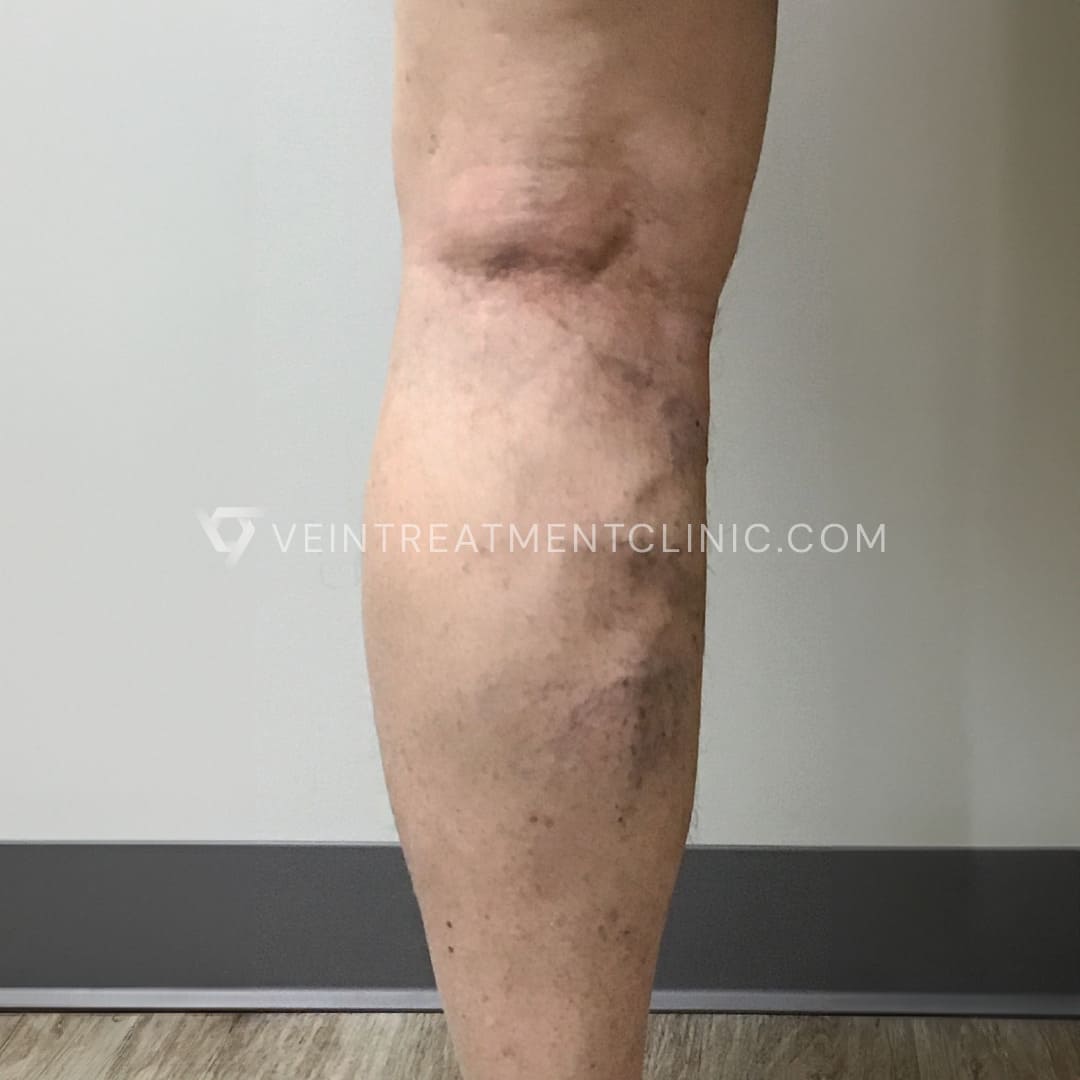
After
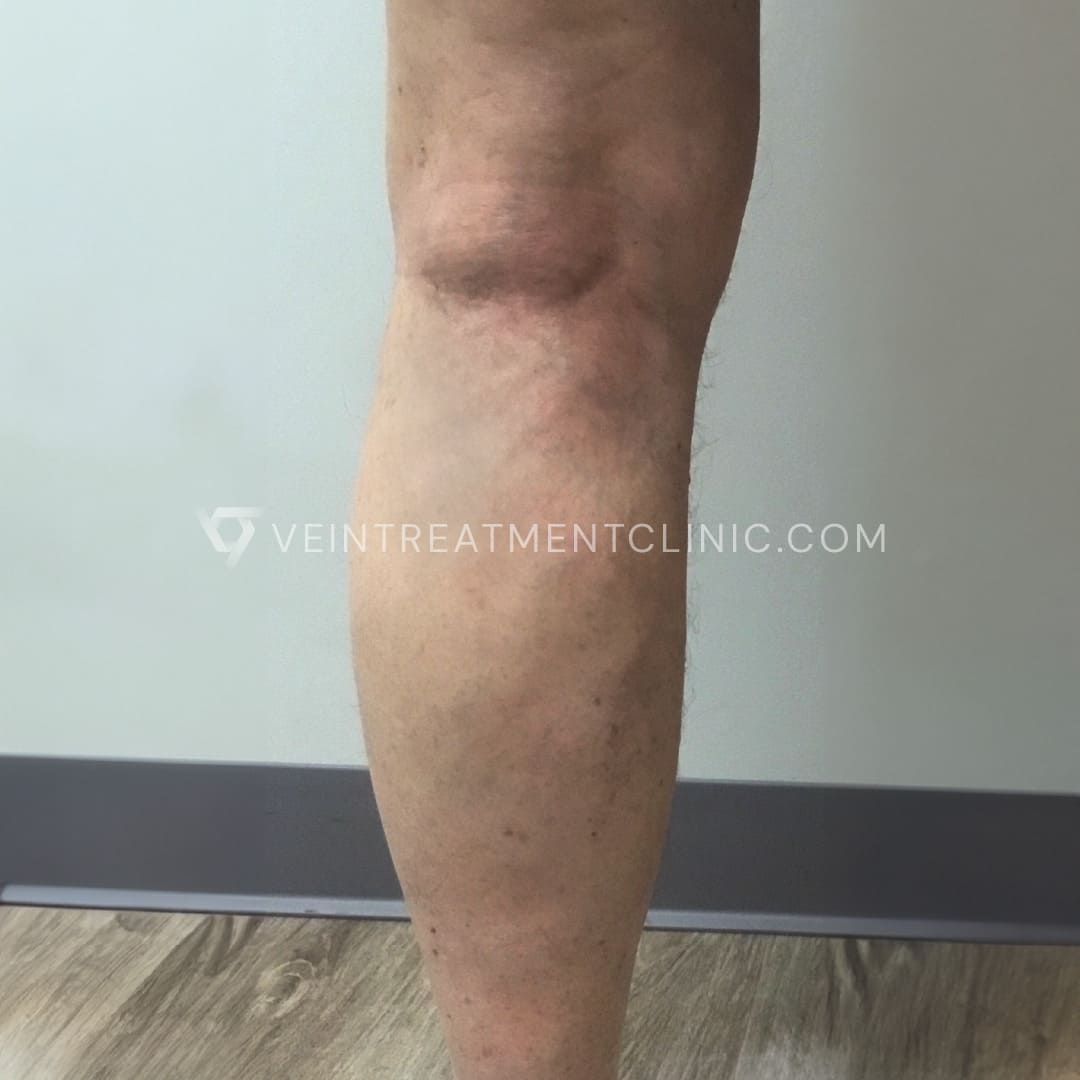
This 75 year-old patient visited our Long Island Vein Treatment Clinic with painful spider veins. We used radiofrequency ablation and sclerotherapy, minimally invasive treatments, to eliminate the veins and restore comfort and confidence. The patient experienced life-changing results
How is venous ablation planned?
Venous ablation is planned based on a detailed vein evaluation and ultrasound findings.
Ultrasound identifies which veins are malfunctioning and whether ablation is appropriate.
What is recovery like after venous ablation?
Venous ablation recovery is typically fast. Most patients walk immediately after the procedure and return to normal activities quickly.
Compression and activity recommendations vary but downtime is usually minimal.
Back on Your Feet Fast—Learn About the Post-Care Process.
Is venous ablation safe?
Venous ablation is considered safe when performed by trained specialists using ultrasound guidance.
Complications are uncommon and most patients tolerate the procedure well.
Does venous ablation treat varicose veins completely?
Venous ablation treats the underlying reflux that causes varicose veins.
Additional treatments may be used to address remaining surface veins after ablation.
Get the Facts on Varicose Veins. Read the Complete Guide
When is venous ablation recommended?
Venous ablation is recommended when symptoms, ultrasound findings, and vein anatomy confirm significant venous reflux. Patients with persistent leg pain, swelling, or varicose veins may benefit from this treatment.
A vein specialist determines whether vein ablation is the appropriate next step based on imaging and symptom severity.
Think You Have a Vein Disease? Get more information through this article