

Table of contents

Get treated by vein treatment industry leaders
Does Vein Treatment Require Surgery?

Medically verified
Last updated on 1/29/2026

By Dr. Michael Nguyen
Vein Doctor at Vein Treatment Clinic
Harvard Medical School
Board Certified by the American Board of Venous and Lymphatic Medicine
Many patients assume that vein treatment involves surgery, stitches, or long recovery times.
In reality, vein care has changed significantly, and most treatments today do not require traditional surgery.

This page explains whether vein treatment requires surgery, what modern treatment looks like, and when surgery is rarely considered.
If you’re concerned about surgery or recovery, a vein evaluation can help clarify what treatment would actually involve.
Is vein treatment considered surgery?
In most cases, no. Modern vein treatment is not considered surgery in the traditional sense.
Most procedures are minimally invasive and performed in an office setting without general anesthesia.
Why vein treatment used to involve surgery?
In the past, vein disease was often treated with surgical vein stripping, which required incisions and longer recovery.
Advances in technology have largely replaced these approaches.
What vein treatments without surgery are used today?
Most vein treatments today involve closing malfunctioning veins using heat, medication, or small instruments.
These methods treat veins from inside the vessel or through tiny skin openings.
Symptom Checker
Do varicose veins need surgery?
Usually no. Most varicose veins respond to minimally invasive office procedures; surgery is uncommon and reserved for unusual anatomy or complex cases after ultrasound review.
Does treating spider veins require surgery?
No. Spider veins are typically treated with sclerotherapy or surface laser treatments.
These are non-surgical procedures performed in the office.
Get the Facts on Spider Vein Treatment. Read the Complete Guide
What is recovery like after non-surgical vein treatment?
Most patients walk immediately after treatment and return to normal activities quickly.
Recovery is usually much shorter than with traditional surgery.
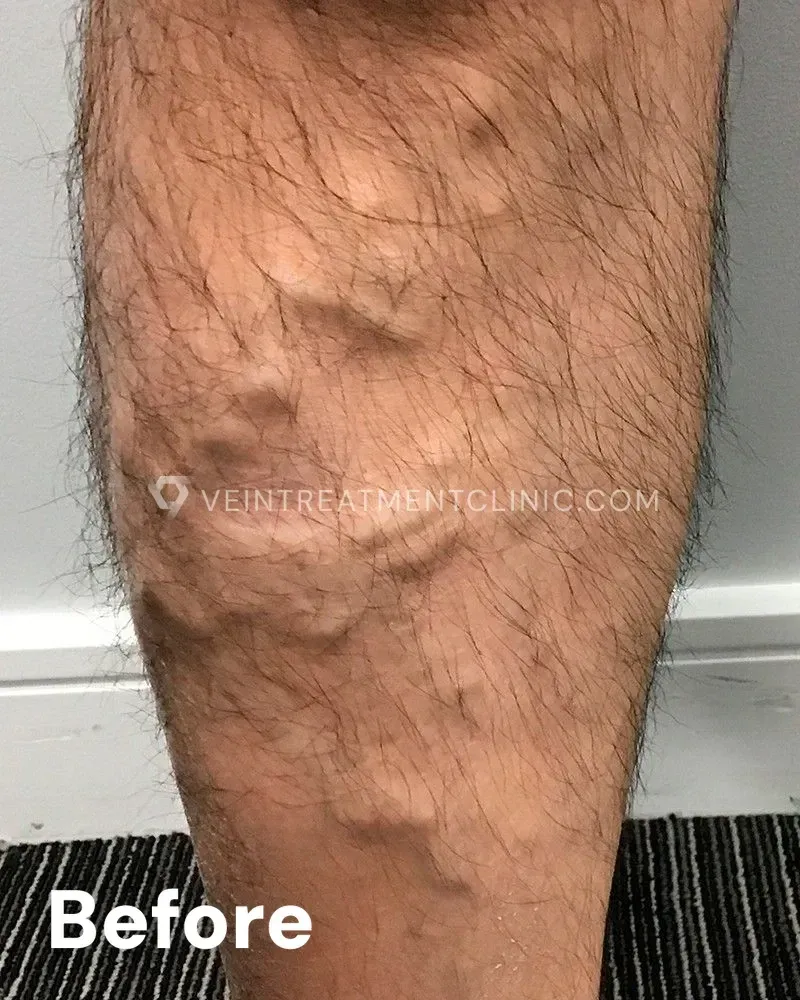
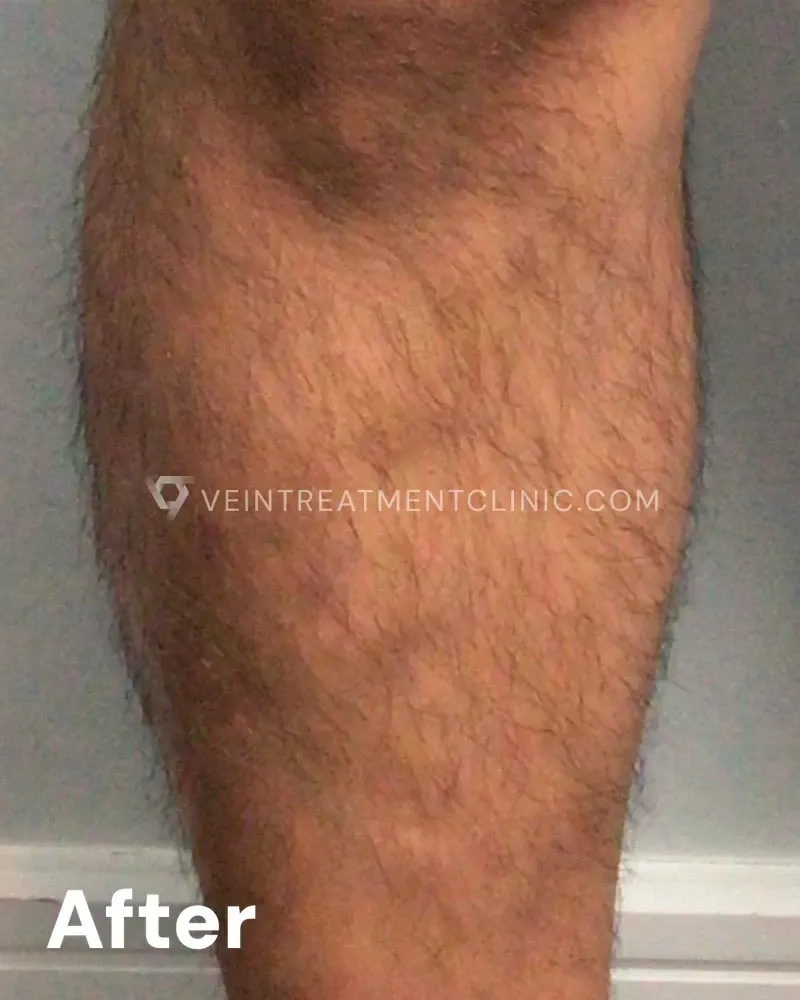
Male, treated for varicose veins on the calves with VeinVanish™, a customized treatment plan tailored to his condition. The after photo shows the treated areas appearing smoother with the varicose veins visibly reduced.
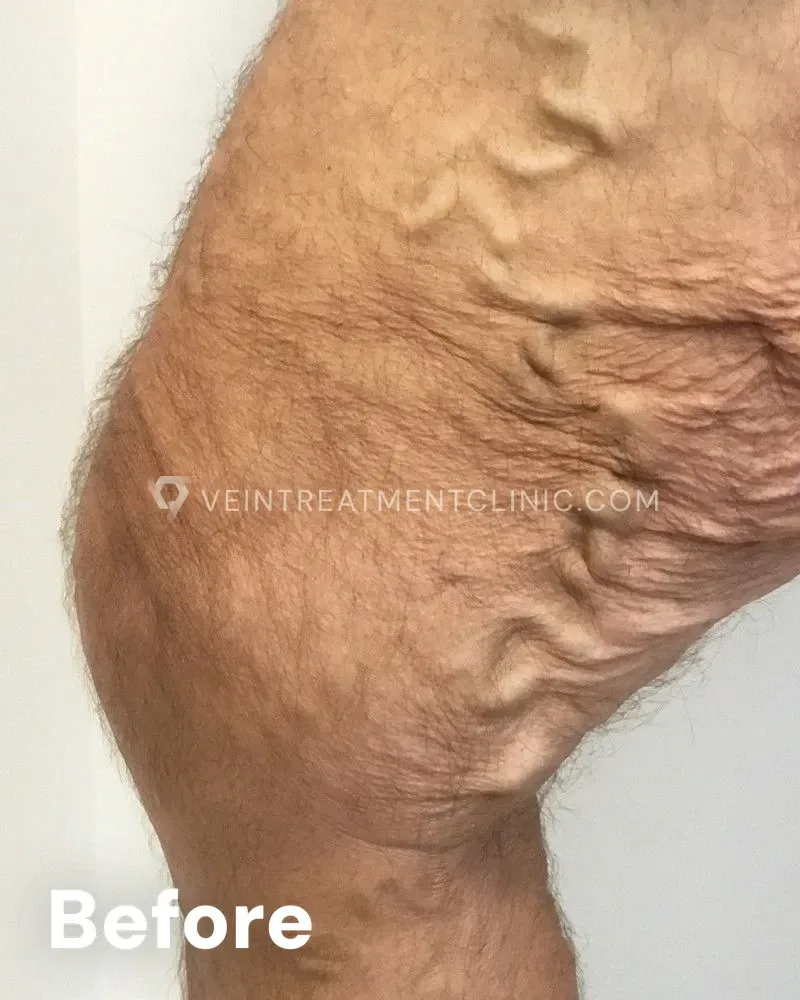
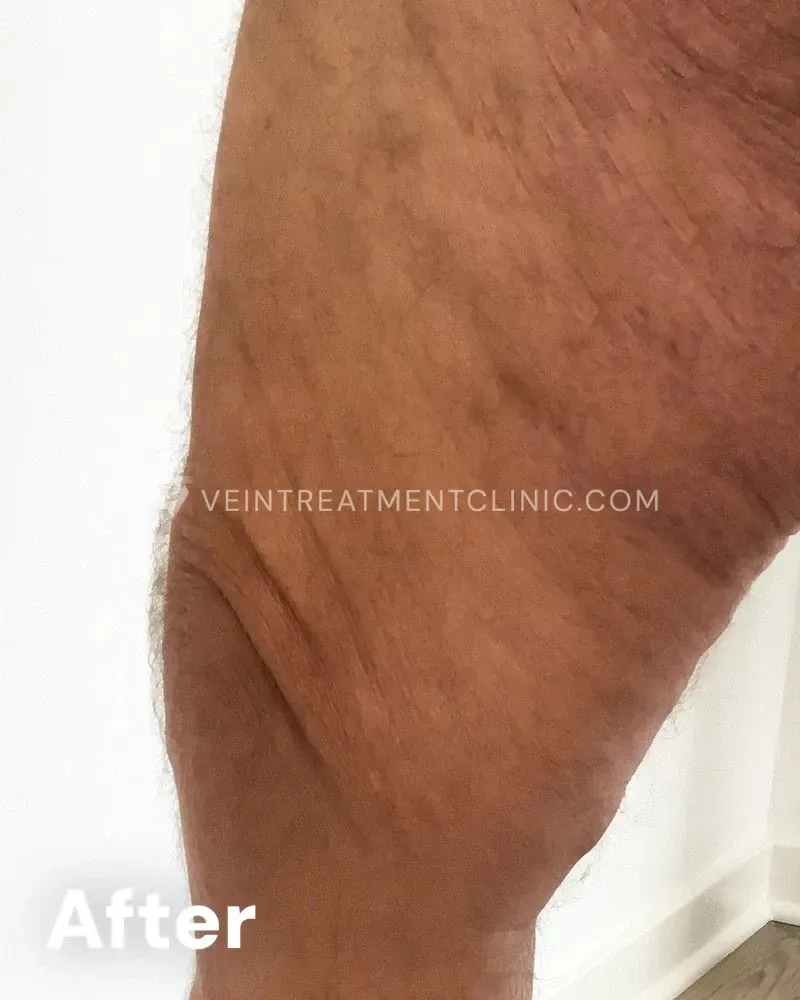
Male, treated for varicose veins on the thighs and knees with VeinVanish™, a customized treatment plan tailored to his condition. The after photo shows the thighs and knees with a smoother-looking appearance.
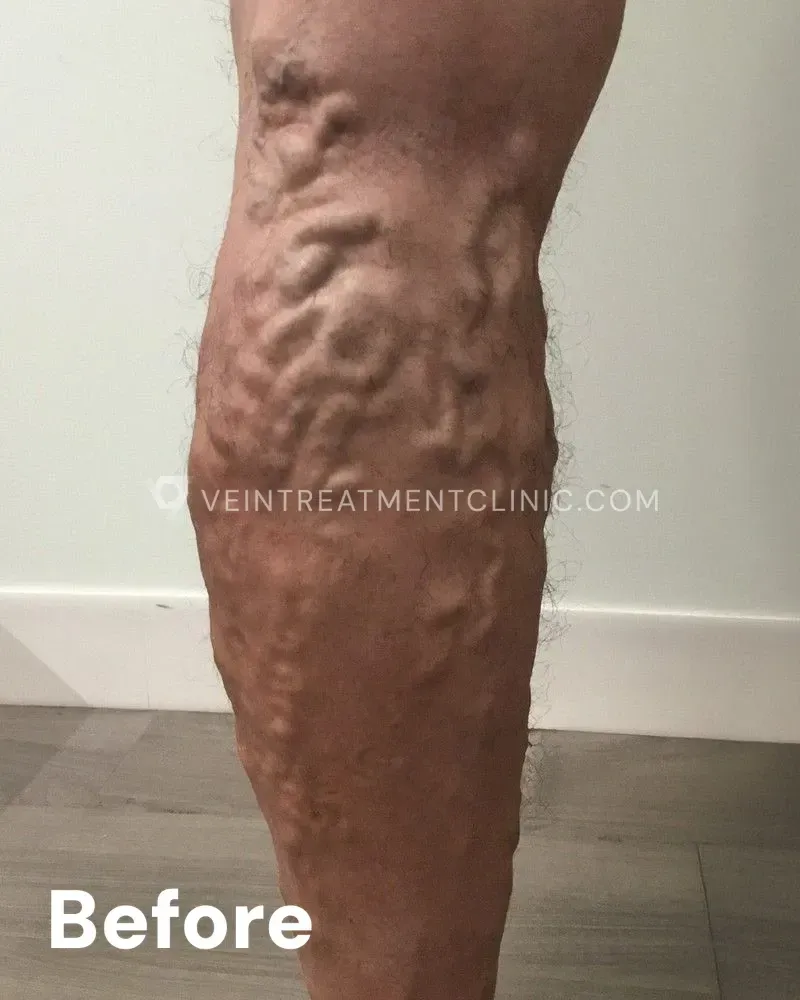
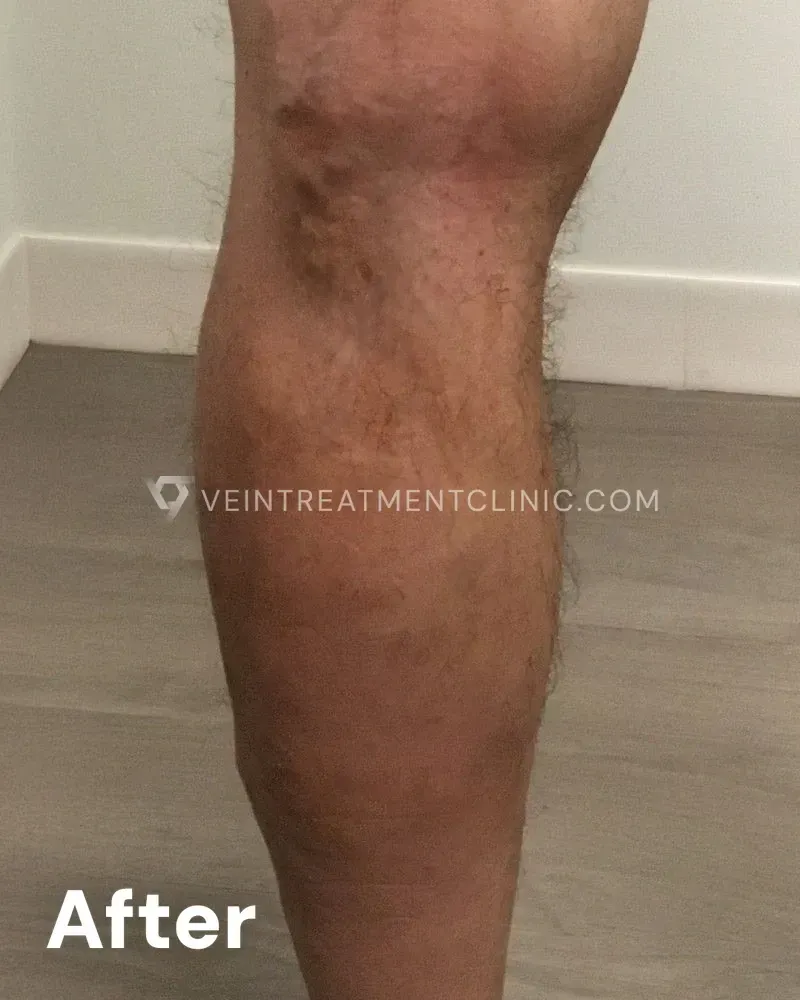
Male, treated for varicose veins on the calves and knees with VeinVanish™, a customized treatment plan tailored to his condition. The after photo shows the affected areas appearing smoother-looking with the varicose veins visibly reduced.
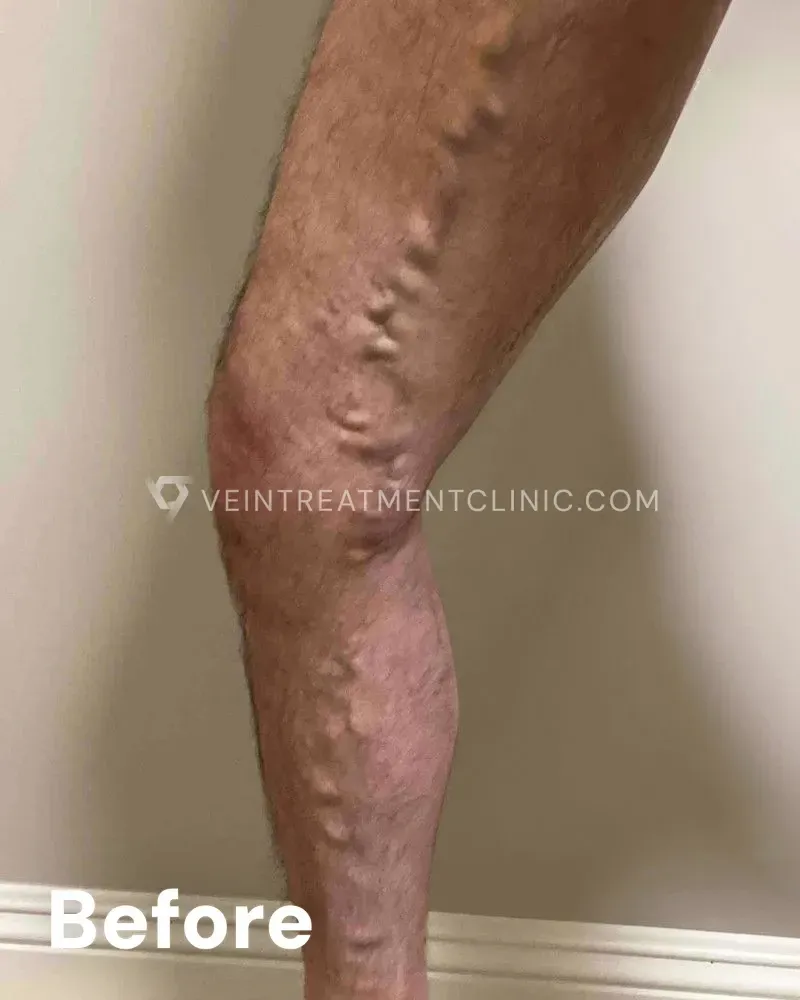
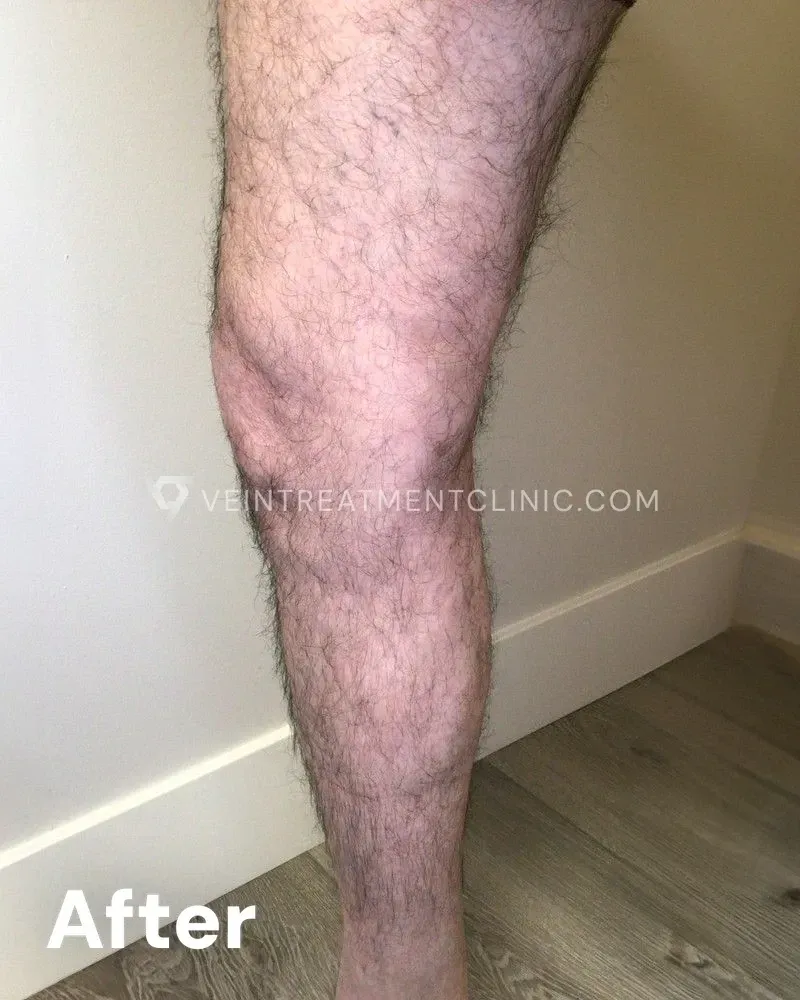
Male, treated for varicose veins on the thighs, calves, and knees with VeinVanish™, a customized treatment plan tailored to his condition. The after photo shows smoother-looking legs with the varicose veins visibly reduced across the treated areas.
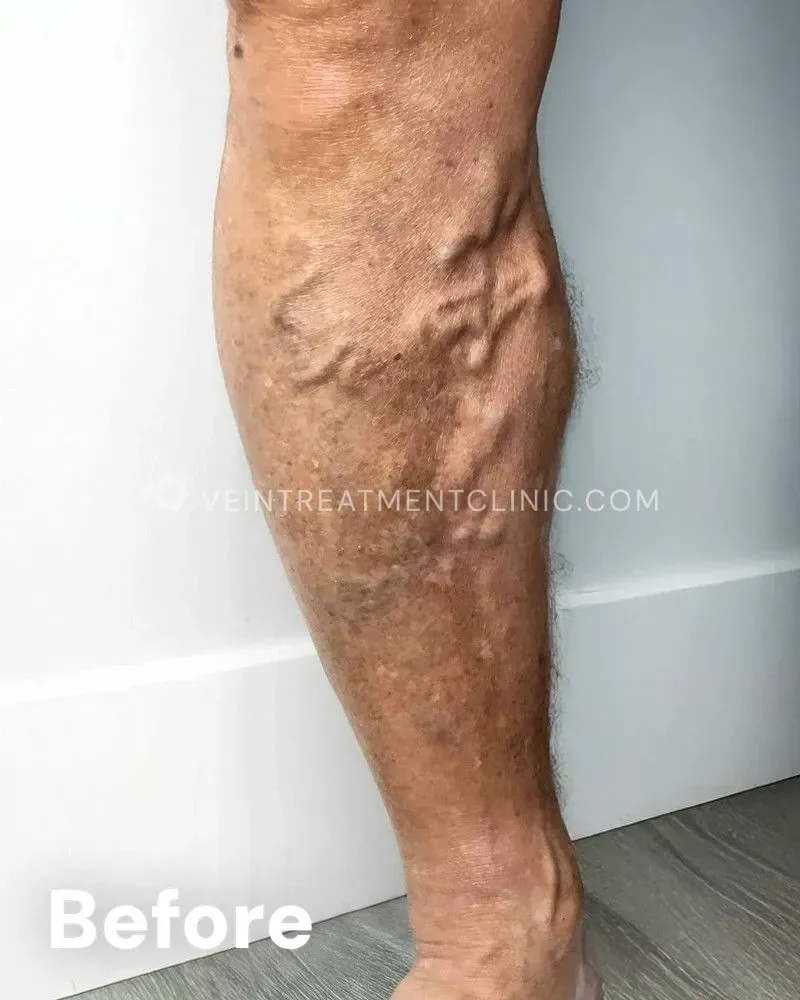
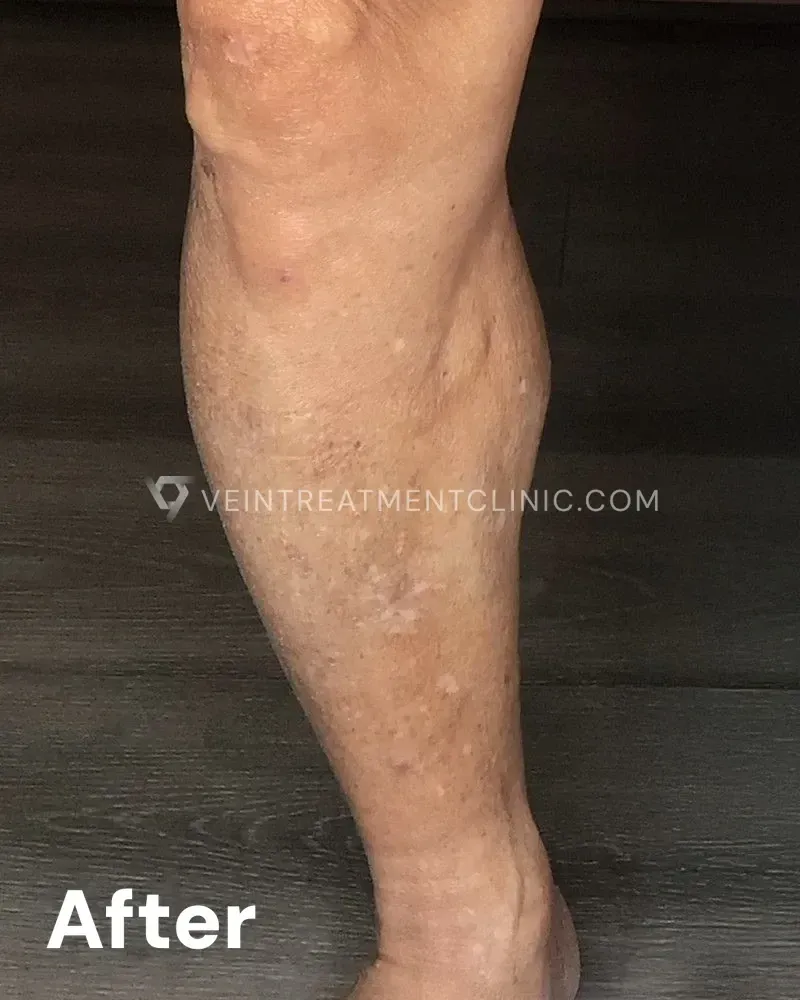
Male, treated for varicose veins on the calves and thighs with VeinVanish™, a customized treatment plan tailored to his condition. The after photo shows the legs appearing smoother-looking with the varicose veins visibly reduced.
Are there any cases where surgery is still used?
In rare situations, surgery may be considered if veins are not suitable for minimally invasive options.
A vein specialist determines this based on anatomy and ultrasound findings.
Non surgical varicose vein removal
Today that often means closing the diseased vein so blood reroutes to healthy pathways, rather than open stripping. Patients typically walk right after and get back to normal routines quickly compared with older surgery.
Get a Peek Inside Your Veins—Book Your Ultrasound Evaluation.