
Modern varicose vein treatment is usually minimally invasive, guided by ultrasound, and done in an office. Treatment options for varicose veins include radiofrequency ablation (RFA), endovenous laser treatment (EVLT), sclerotherapy, Varithena® microfoam, VenaSeal, ClariVein, ambulatory phlebectomy, and compression therapy. The right choice comes from an evaluation, not from picking the newest option.
"New" does not always mean better for you. The size and location of the faulty vein, how blood flows, your symptoms, your health history, and your goals all matter. A duplex ultrasound gives your vein specialist a map of your veins and helps match the problem to a treatment.
How has varicose vein treatment changed?
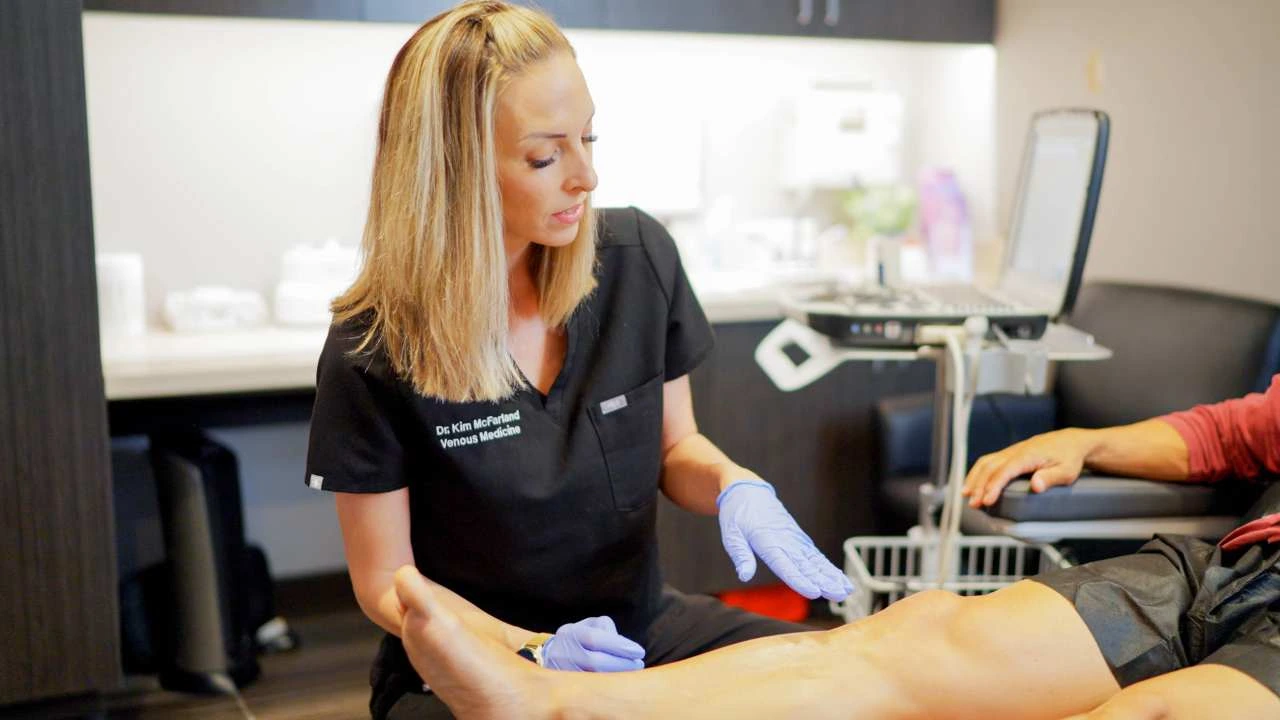
Older approaches often meant a hospital stay, larger cuts, and a longer recovery. Many of today's treatments reach a faulty vein through a needle or a very small opening. Ultrasound lets the vein specialist see the vein, guide a thin tube (catheter) or needle, and confirm where treatment goes.
The goal is the same as ever: close or treat a faulty vein so blood can flow through healthier veins. The methods differ in how they work:
- Heat treatments, such as RFA and EVLT, use controlled heat.
- Medicine treatments, such as sclerotherapy and Varithena®, irritate the inner vein lining so the vein closes.
- Non-heat closure, such as VenaSeal (a medical adhesive) and ClariVein (a rotating wire plus medicine), closes a vein without heat.
- Ambulatory phlebectomy removes small sections of bulging surface veins through tiny openings.
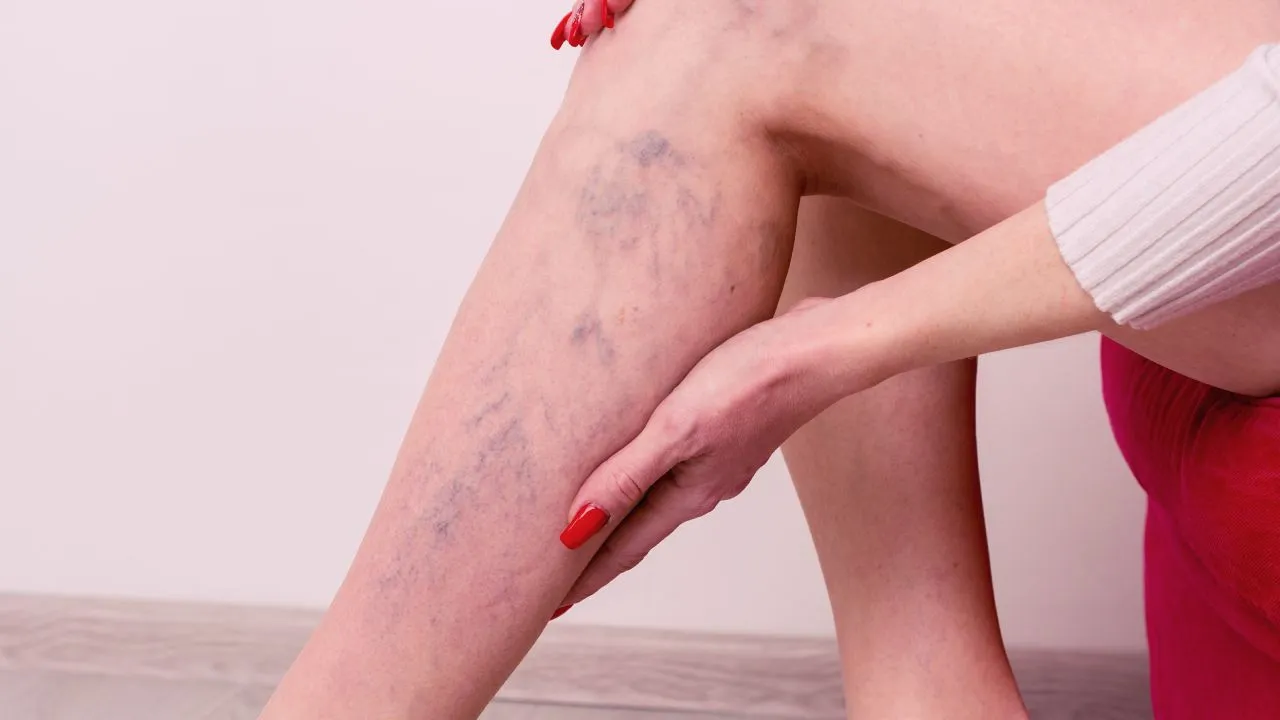
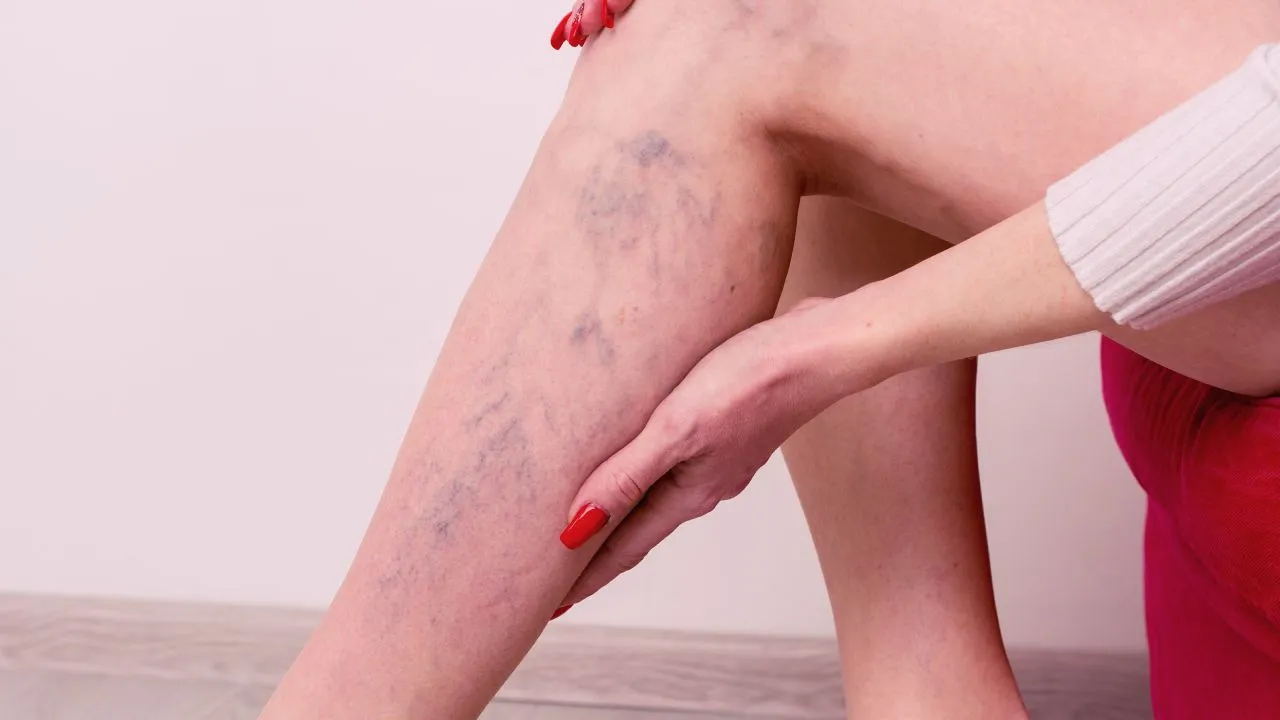
Modern care also puts more focus on matching treatment to what the ultrasound shows. A visible varicose vein may not be the only problem. A larger faulty vein deeper under the skin may be feeding pressure into the branches you can see, and treating it can matter.
How do radiofrequency ablation and EVLT work?
Radiofrequency ablation and endovenous laser treatment are heat-based treatments. "Endovenous" means the treatment happens inside the vein.
In radiofrequency ablation, a thin catheter is placed in the faulty vein using ultrasound. Radiofrequency energy heats the vein wall one section at a time. The vein closes, and blood moves through healthier veins.
EVLT works in a similar way but uses laser energy. A thin laser fiber delivers controlled heat along the vein, and ultrasound is used to place the fiber and watch the treatment.
Both usually use local numbing medicine around the vein. Most patients return to normal activities quickly, though your vein specialist may limit hard exercise, lifting, heat, or travel for a short time.
RFA and EVLT are not always interchangeable. The shape of your veins, past procedures, and your health can make one a better fit.
What is Varithena® and how is it different?
Varithena® is a prescription microfoam made with a medicine called polidocanol. It is used for certain faulty veins and visible varicose veins in the great saphenous vein system, the main surface vein of the leg. The foam pushes blood aside and coats the vein lining with medicine. The vein closes and is slowly replaced by scar tissue.
Varithena® is non-thermal, which means it does not use heat. It is injected through a needle or small tube using ultrasound. Its official U.S. label lists who it is for, dose limits, who should not use it, warnings, and compression steps.
Like any treatment, Varithena® can have side effects, such as pain, bruising, swelling near the surface, and blood clots. Your vein specialist reviews your clot history, mobility, allergies, pregnancy status, and other risks first.
Where does sclerotherapy fit?
Sclerotherapy means injecting a medicine into a faulty vein. The medicine irritates the inner lining, which makes the vein close. Blood then flows through other veins, and the body slowly clears the treated one.
Sclerotherapy is often used for spider veins and small varicose veins. Ultrasound-guided foam sclerotherapy can reach veins below the skin that cannot be seen. The medicine, its strength, and the plan depend on the vein and your vein specialist's assessment.
The word "foam" covers more than one product. Varithena® is a specific prescription microfoam made to a set standard. Foam mixed by hand in an office is not the same product.
Some patients need a deeper faulty vein treated before or along with surface veins. Closing only what you can see may not fix the source of the pressure.
How do modern varicose vein treatments compare?
The table below compares common treatment options for varicose veins.
| Treatment | How it works | Often considered for | Energy or medication | Typical access | Key limitation |
|---|---|---|---|---|---|
| Radiofrequency ablation | Controlled heat closes a faulty vein from within | Selected refluxing trunk veins | Radiofrequency energy | Catheter through a needle puncture | Requires heat and numbing medicine around the vein |
| Endovenous laser treatment (EVLT) | Laser heat closes a faulty vein from within | Selected refluxing trunk veins | Laser energy | Fiber through a needle puncture | Requires heat and numbing medicine around the vein |
| Liquid sclerotherapy | Medication closes selected small veins | Spider veins and some small varicose veins | Sclerosant medication | Fine needle injection | May require more than one session |
| Ultrasound-guided foam sclerotherapy | Foam medication contacts and closes a target vein | Selected deeper or larger veins | Foamed sclerosant | Ultrasound-guided injection | Product and technique vary; clot and inflammation risks require assessment |
| Varithena® | Standardized polidocanol microfoam closes indicated veins | Certain incompetent saphenous veins and related varicosities | Prescription microfoam | Ultrasound-guided injection or cannula | Not appropriate for every anatomy or risk profile |
| ClariVein | Rotating wire disperses sclerosant inside the vein | Selected refluxing veins | Mechanical action plus medication | Catheter | Not suitable for every vein; risks need review |
| VenaSeal | Medical adhesive closes the target vein | Selected refluxing veins | Cyanoacrylate adhesive | Catheter | Allergy, inflammation, and vein shape need review |
| Ambulatory phlebectomy | Selected surface-vein segments are removed through small openings | Bulging branches near the skin | No thermal energy inside the removed segment | Very small skin openings | Treats selected branches and may not address underlying reflux by itself |
No table can pick a treatment for you. Your vein specialist will recommend the right treatment for you after your evaluation.
Are there medications that treat varicose veins?
No pill can repair faulty vein valves or close a varicose vein the way a procedure can. Researchers are studying medicines for inflammation, blood flow, vein walls, and symptom relief, but none is a proven replacement for treatment.
Weight-loss medicines are not varicose vein treatments. If a medicine helps you reach a healthier weight under medical care, less pressure on your legs and easier movement could ease some symptoms. That is not the same as fixing a faulty valve.
Gene and stem cell therapies are still being studied. They are not part of routine varicose vein care. Do not start or change any medicine for vein symptoms without talking to the provider who prescribes it.
Compression therapy can help some patients manage symptoms, but it does not repair a damaged valve. The right strength and fit should be based on your health and circulation.
What are the risks and limitations of newer treatments?
All medical procedures have risks. Depending on the method, these can include bruising, soreness, skin irritation or color changes, swelling, infection, nerve irritation, allergic reaction, heat injury, blood clots, or a vein that does not fully close. Risks differ by treatment and by patient.
New varicose veins can appear later, because treatment does not change genetics, hormones, or every cause of venous reflux. Some patients need more than one treatment type or session.
Not every visible vein needs treatment. Your vein specialist needs to find out whether symptoms come from vein disease or something else. Sometimes simple care or watching the vein is the better choice.
Individual results may vary. Outcomes depend on each patient's condition and clinical evaluation.
How is the right treatment chosen for you?
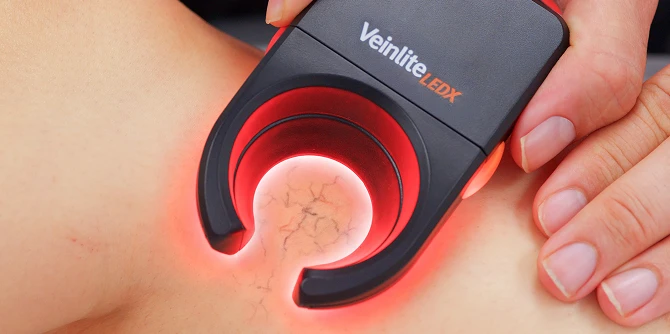
Choosing starts with your symptoms, health history, medicines, past clots or procedures, and an exam. A painless duplex ultrasound maps blood flow and shows where valves are allowing reflux.
Your vein specialist then looks at:
- Which veins are faulty
- Their diameter, depth, and path
- Whether the vein is straight enough for a catheter
- Whether surface branches also need treatment
- Clot, allergy, mobility, and medication risks
- Previous vein treatment
- Your symptoms and goals
A plan may combine methods at different times. For example, a deeper faulty vein may be treated first, and then remaining branches or spider veins later. What matters most is the right fit, not the newest option.
Review an overview of vein treatment options, then use an evaluation to find out what applies to you.
Choose care based on evidence, not novelty
Modern treatments give you several ways to treat faulty veins with little disruption to daily life. A vein specialist can determine which treatment may help.
Frequently asked questions
Do newer vein treatments require general anesthesia?
Usually not, because many minimally invasive treatments use local numbing medicine instead. Needs vary by procedure and patient, and your vein specialist explains the plan after your evaluation.
Are newer vein treatments covered by insurance?
Coverage depends on your plan and medical necessity. Most major insurance plans have their own paperwork and approval rules, and our team can help verify your benefits.
Can varicose veins come back after treatment?
They can, because new faulty veins may form elsewhere even when treated veins stay closed. Follow-up visits help your vein specialist check new symptoms and decide if more care is needed.
Can more than one treatment be combined?
Yes, more than one method may be used when different veins need different approaches. Treatment order and timing depend on the ultrasound map, symptoms, healing, and response.